
Regional
Houthi leader threatens to attack US warships if Washington targets Yemen

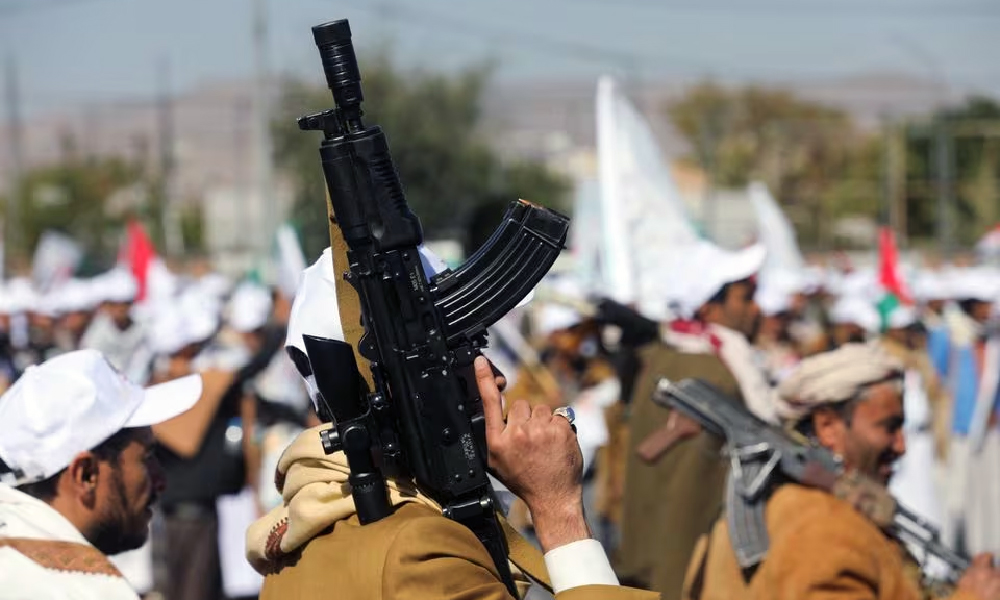
The leader of Yemen’s Houthis warned on Wednesday they would strike U.S. warships if the Iranian-backed militia was targeted by Washington, which this week set up a multinational force to counter Houthi attacks on commercial vessels in the Red Sea, Reuters reported.
The Houthis, which control vast amounts of territory in Yemen after years of war, have since last month fired drones and missiles at international vessels sailing through the Red Sea, attacks it says respond to Israel’s assault on the Gaza Strip.
The U.S.-led security initiative will see Washington and ten other, mostly NATO countries patrol the Red Sea to deter and respond to future Houthi attacks that have so far led to major global shipping lines rerouting around Africa instead.
“We will not stand idly by if the Americans are tempted to escalate further and commit foolishness by targeting our country or waging war against it,” Abdel-Malek al-Houthi said.
“Any American targeting of our country will be targeted by us, and we will make American battleships, interests, and navigation a target for our missiles, drones, and military operations,” he said in a televised speech.
The crisis in the Red Sea has grown out of the war between Israel and Gaza’s ruling Palestinian Islamist group Hamas, the latest conflict in the Middle East to pit the U.S. and its allies against regional power Iran and its Arab militia proxies, read the report.
The war began on Oct. 7 when Hamas fighters stormed across the Gaza border into southern Israel, where Israeli authorities say the militants killed about 1,200 mostly civilian Israelis and foreigners.
Israel’s retaliatory bombardment and invasion of Gaza, which Israeli officials state is aimed at wiping out Hamas, has killed nearly 20,000 Palestinians, according to health officials in the densely populated, coastal enclave.
Iranian proxies including the Houthis and Lebanese Hezbollah have fired rockets at Israel since the conflict began. The Houthis, meanwhile, have stepped up their Red Sea attacks, threatening to target all ships heading to Israel and warning shipping companies against dealing with Israeli ports.
The attacks have disrupted a key trade route that links Europe and North America with Asia via the Suez Canal and caused container shipping costs to rise sharply as companies seek to ship their goods via alternative, often longer, routes.
Dubbed “Operation Prosperity Guardian”, Britain, Bahrain, Canada, Denmark, France, Italy, the Netherlands, Norway, Seychelles and Spain, along with the U.S., will conduct joint patrols in the southern Red Sea and the adjacent Gulf of Aden.
“As long as the Americans want to enter into a direct war with us, they should know that we are not those who fear them, and that they are facing an entire people,” al-Houthi said.
He warned the Americans against sending soldiers to Yemen, saying they would “face something harsher than what they faced in Afghanistan and what they suffered in Vietnam.”

Regional
Pakistan’s leaders dread US Democrats’ win but its households are praying for it
Pakistan’s courtship of Trump, capped by its mediation in the Iran war, earned it a close relationship with his administration. That access has yet to deliver clear economic gains, and congressional scrutiny of Islamabad’s dealings with Trump’s inner circle now threatens the rewards its leaders hoped would follow.
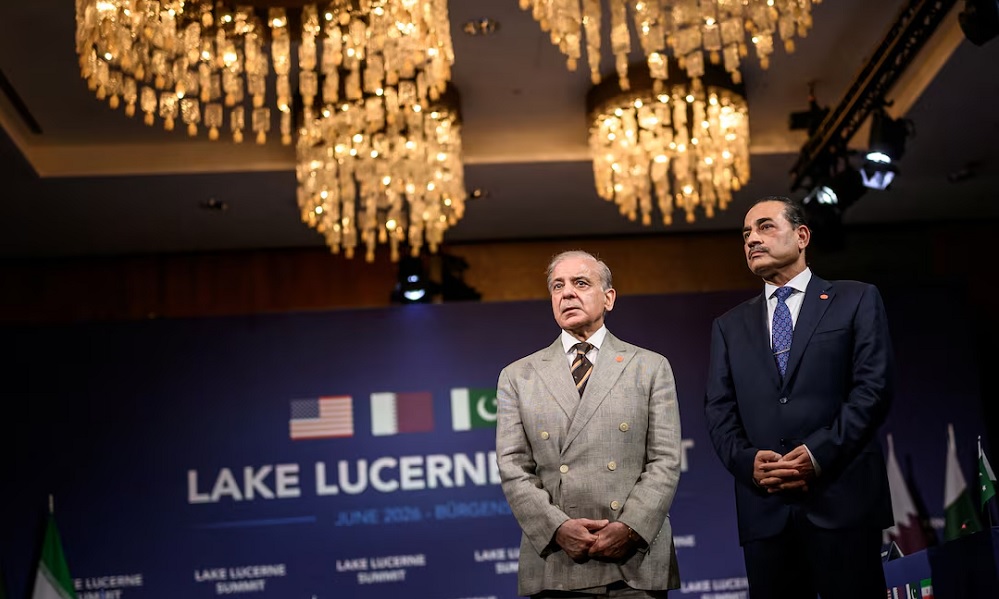
Pakistan’s leaders spent two years courting US President Donald Trump, but after the Democrats’ win in Tuesday’s congressional vote, they are preparing for scrutiny of their access to the White House.
Ordinary Pakistanis see the result differently. Many hope the shift in Washington will ease a cost-of-living crisis intensified by the US-Israel war on Iran, Reuters reported.
“We believe meaningful negotiations with the current US administration are not possible, and the ongoing bloodshed will not end until there is a change in [the US] government,” Karachi resident Sajjad Ali said.
“We want peace, economic improvement and a reduction in the rising oil prices.”
Asim Zafar, also from Karachi, said he hoped the results would rein in Trump. “It could bring changes in important policies and perhaps help prevent some of the injustices being committed against Muslim countries,” he said.
But for Pakistan’s government and powerful military leadership, analysts say, the outcome is far more worrying.
Pakistan’s courtship of Trump, capped by its mediation in the Iran war, earned it a close relationship with his administration. That access has yet to deliver clear economic gains, and congressional scrutiny of Islamabad’s dealings with Trump’s inner circle now threatens the rewards its leaders hoped would follow.
A BET ON ONE MAN
The courtship began early in Trump’s second term, with army chief Asim Munir — who Trump has repeatedly described as his “favourite field marshal” — as Islamabad’s main channel to the White House.
Their June 2025 lunch took place unusually without Pakistani civilian officials present, which put the military at the centre of the rapprochement.
According to Pakistan’s military, their talks went beyond security to cooperation in mining, energy and cryptocurrency.
Pakistan then joined Trump’s Board of Peace and nominated him for the Nobel Peace Prize, crediting him with helping end its May 2025 conflict with India. New Delhi denies US mediation halted hostilities.
Earlier this year, Iran mediation gave the courtship strategic substance: Islamabad relayed messages and hosted April talks between the US and Iran, but the eventual Islamabad Agreement quickly faltered.
For consumers, Pakistan’s rising diplomatic influence has offered little protection from the war’s costs while the payoff for the state has also been thin. The US Export-Import Bank approved $1.25 billion for Pakistan’s Reko Diq copper and gold project in December 2025. But Pakistan’s signature $10 billion request for a US Treasury facility remains unanswered.
DEALS UNDER SCRUTINY
Pakistan’s outreach, public and private, now carries political risk because several arrangements involve Trump’s family or close associates.
Islamabad has signed memoranda to explore payments in USD1, a stablecoin issued by the Trump-linked World Liberty Financial. At the signing in January, Finance Minister Muhammad Aurangzeb said innovation should be “aligned with regulation, stability, and national interest.”
It has also signed another memorandum to redevelop Manhattan’s Roosevelt Hotel, a deal negotiated by envoy Steve Witkoff, and placed a limited drone order with Powerus, whose investors include Trump’s sons Donald Jr. and Eric.
“There are no conflicts of interest,” White House spokeswoman Anna Kelly told Reuters in September, when asked about Powerus.
Husain Haqqani, a former Pakistani ambassador to Washington and senior fellow at the Abu Dhabi-based Anwar Gargash Diplomatic Academy, said Pakistan’s leaders had “built a transactional relationship” with Trump’s team. Some arrangements involving the president’s friends and relatives “might not last,” he said. “Pakistan seems totally unprepared for that scrutiny.”
Daniel Markey, a senior fellow at the Washington-based Stimson Center, warned that investigations could taint the wider relationship if dealings appeared driven by private interests.
From Pakistan’s perspective, there may still be cards left to play, analysts said.
The Atlantic Council’s Michael Kugelman said Pakistan’s counterterrorism cooperation and Iran diplomacy enjoyed bipartisan support, and Democrats would be more likely to blame problematic deals on Trump than on Pakistan.
But “the risk for Pakistan is that it put so many of its diplomatic eggs in the White House basket that it won’t have anything left for the Democrats,” Kugelman said.
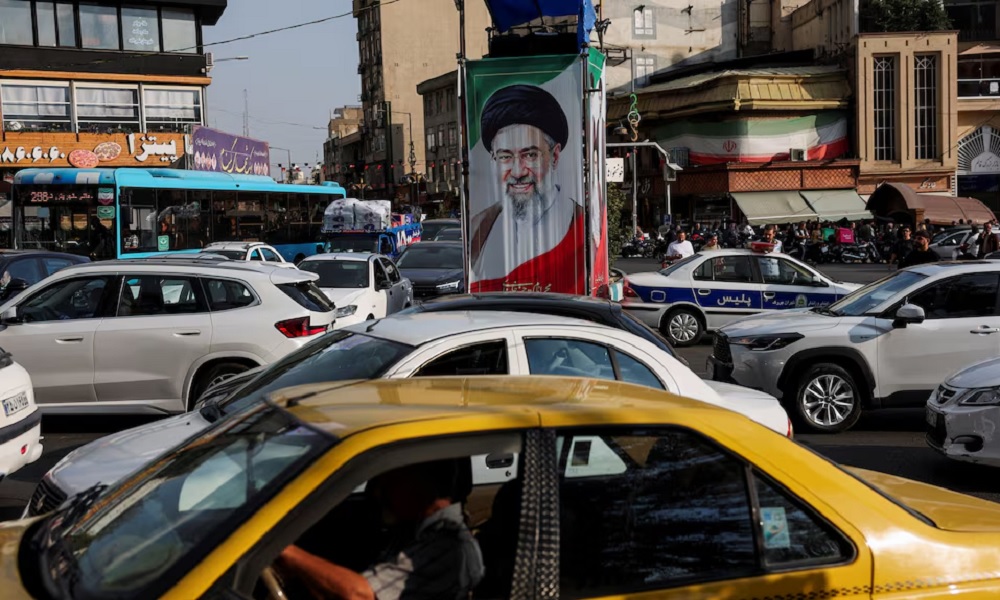
Iran has sent the United States a nuclear proposal via Qatar, to be discussed only after Washington meets Tehran’s seven demands, a senior Iranian official told Reuters on Thursday.
The official, who spoke on condition of anonymity, said the US was reviewing the proposal but declined to provide further details.
Mediators have intensified efforts to end the war between Iran and the United States amid fears it could reignite after the US midterm elections, with Trump on Tuesday declining to rule out a resumption of combat operations after the vote and Iran planning wider retaliation if war resumes.
Iran’s top security official Mohsen Rezaei had said earlier on Thursday, during a visit to Russia: “On the issue of diplomacy, we have announced seven conditions to the Americans. As long as they do not execute our seven conditions, we will neither open the Strait of Hormuz nor have negotiations”.
Iran has demanded the lifting of US sanctions, the release of frozen Iranian assets and war reparations, among other conditions, while Washington has said nuclear issues must be part of any initial negotiations.
The US and Israel attacked Iran on February 28, and Iran responded with strikes on Israel and Gulf states that host US bases. Conflict also erupted in Lebanon between Iran-backed Hezbollah and Israel, and more recently spread to Yemen, from where the Iran-aligned Houthis have struck energy facilities, airports and other targets in Saudi Arabia.
Regional
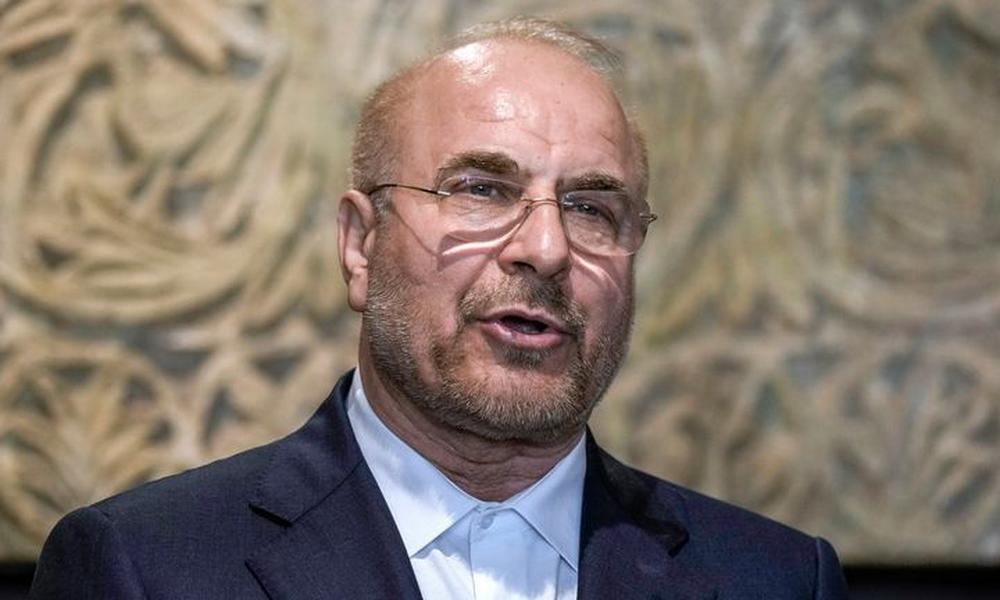
Iran says US voted ‘No to War’ after Republican midterm losses
The comments came after US President Donald Trump acknowledged that the war with Iran and rising petrol prices had contributed to the Republicans’ poor election performance.

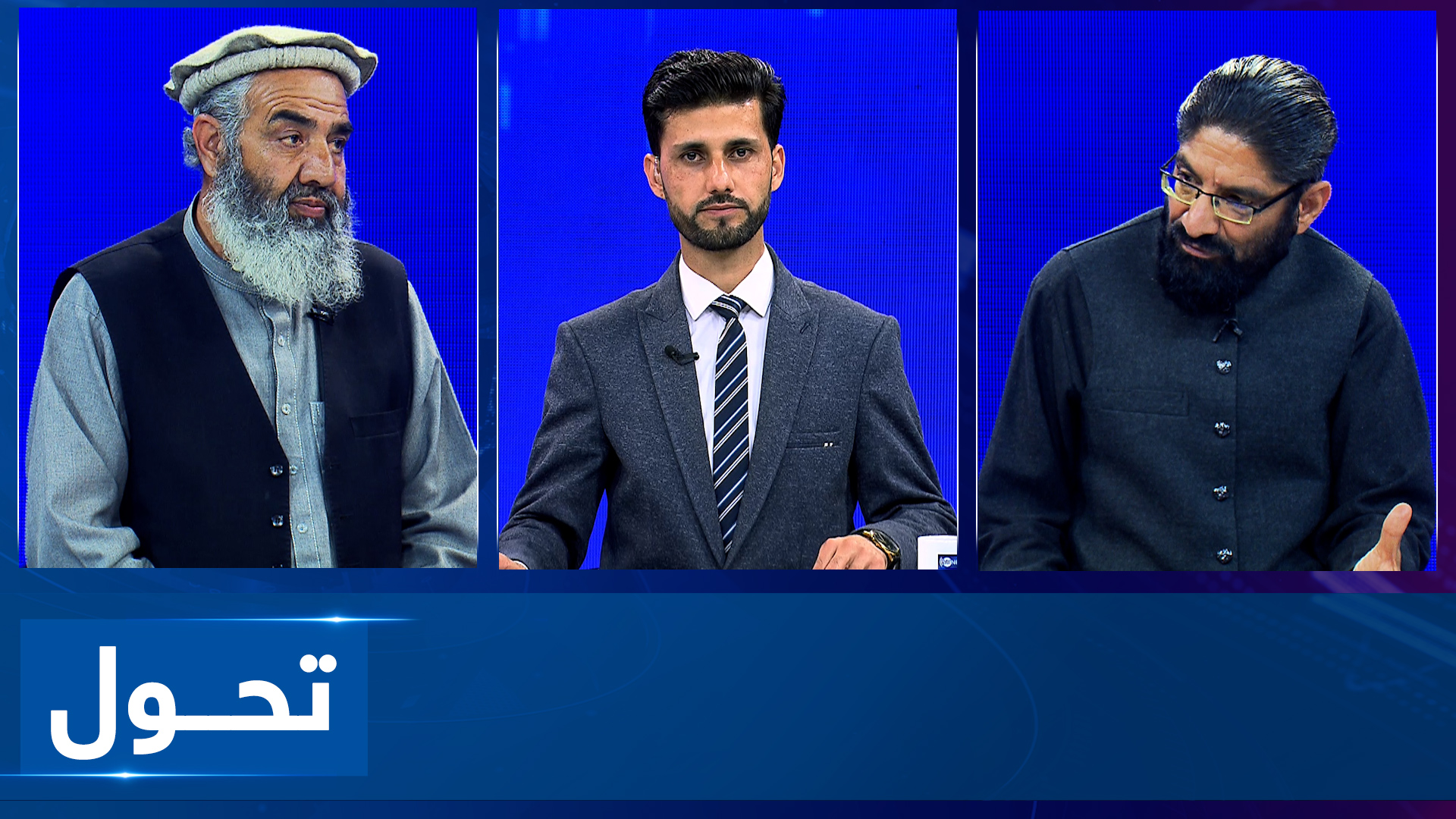
Tahawol: Afghanistan’s participation in Shanghai Plus security meeting discussed
Saar: Afghanistan’s declining humanitarian aid funding discussed

Toofan Herat defeat Arman FC 2–0 in Afghanistan Champions League
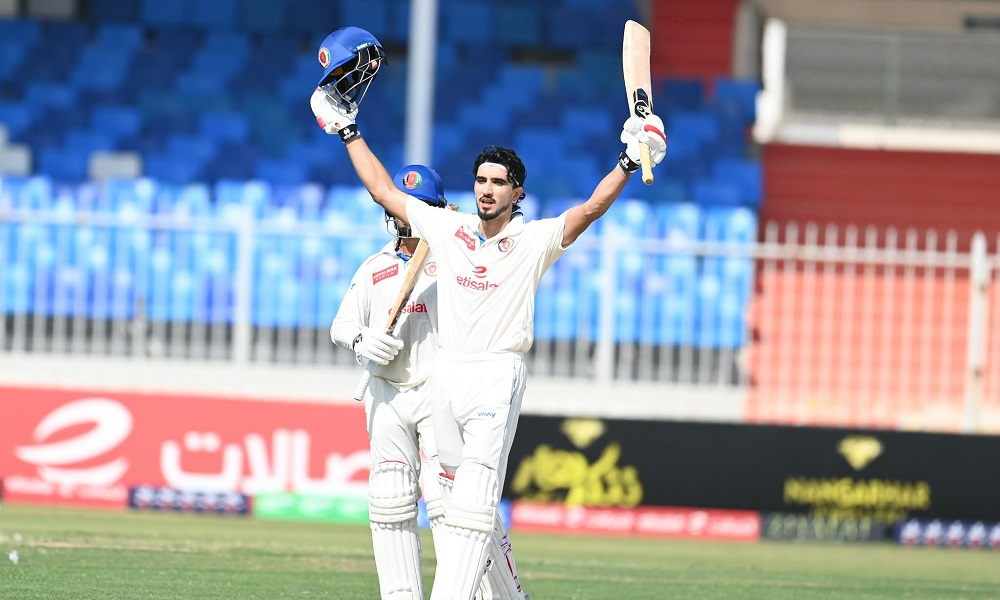
Afghanistan trail Zimbabwe by 102 runs at stumps on day three of first Test

Astronomers discover white dwarf surrounded by two rings of planetary debris

Afghanistan finish runners-up after 6-0 defeat to Brazil in futsal final

Trump says US will not attack Iran before midterm elections in November

Trump says US may strike Iran’s ‘Pickaxe Mountain’ nuclear facility

Afghan futsal coach: Brazil tournament is first step towards new goals and World Cup

WHO calls for greater mental health support in Afghanistan
Tahawol: Afghanistan’s participation in Shanghai Plus security meeting discussed
Saar: Afghanistan’s declining humanitarian aid funding discussed
Tahawol: Calls for stronger joint action against terrorism discussed
Saar: Impact of closing trade routes between Kabul-Pakistan discussed
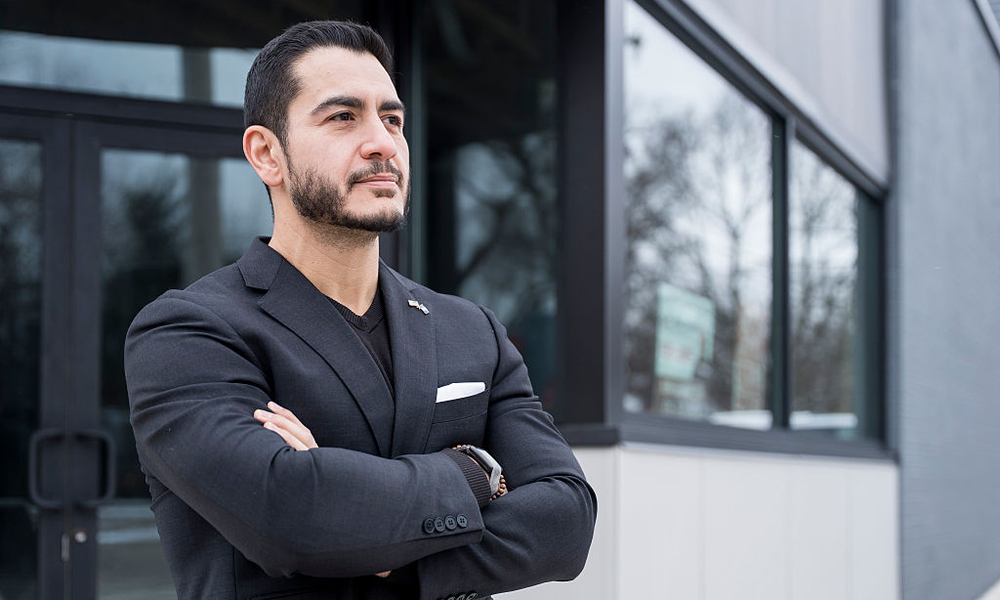
El-Sayed’s historic victory opens a new chapter for Muslim Americans
-
 World5 days ago
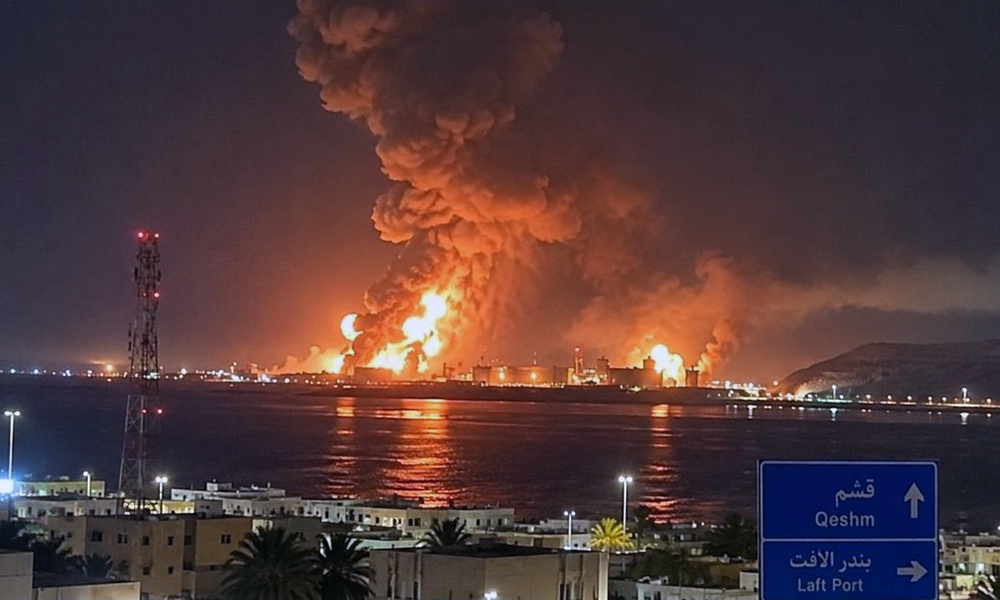
US carries out ‘defensive’ strikes on Iran’s Qeshm Island, officials say
-
 Sport2 days ago
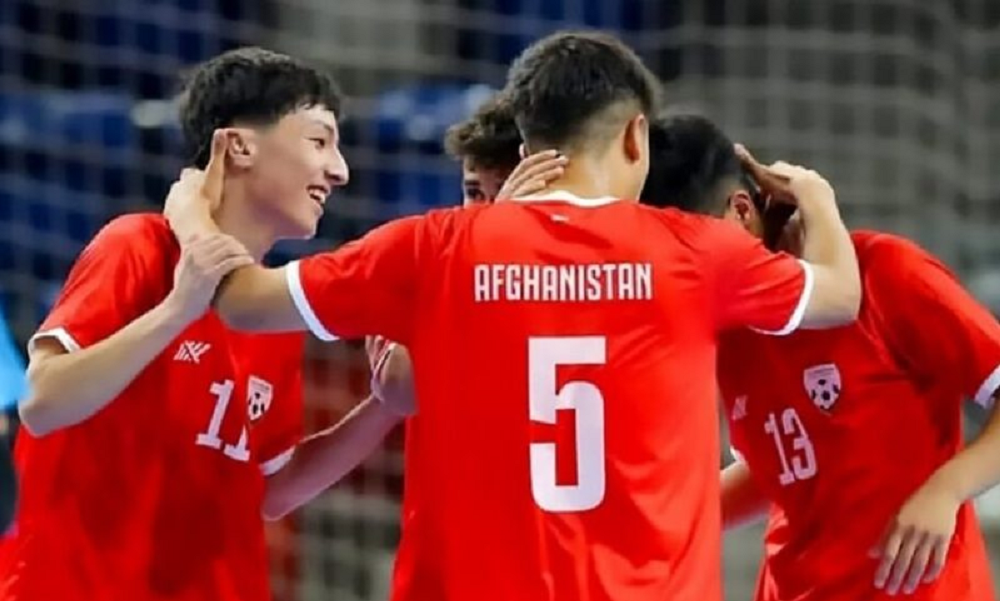
Afghanistan suffer narrow defeat against Argentina at Dakar Youth Olympics
-
 Regional5 days ago
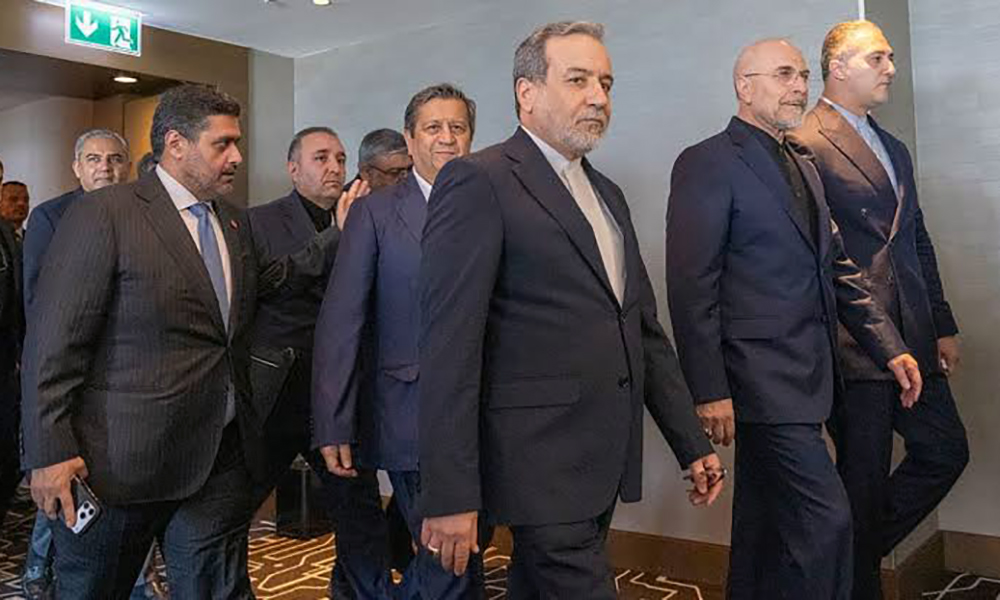
Iran says contacts over ending war continue after talks finish with no breakthrough
-
 Latest News5 days ago
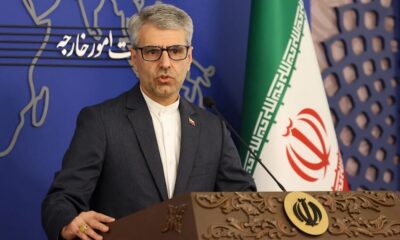
Iran plans new four-nation meeting on Afghanistan amid regional diplomatic efforts
-
 Latest News4 days ago
US judge temporarily blocks deportation of detained Afghans
-

 Latest News4 days ago
US lawmakers urge Trump administration to halt Afghan deportations
-
 Climate Change4 days ago
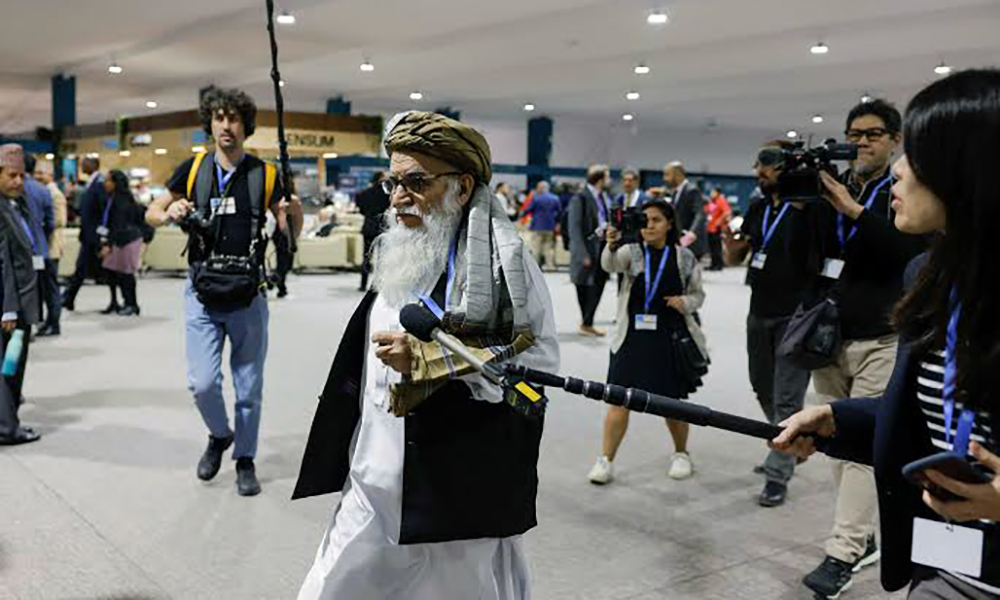
IEA to attend UN climate summit for second time since returning to power
-
 Sport4 days ago
Arman FC secure 3-1 victory over Sarsabz Yashlar in ACL