
Business
IEA orders all government entities to procure domestic goods over imported products

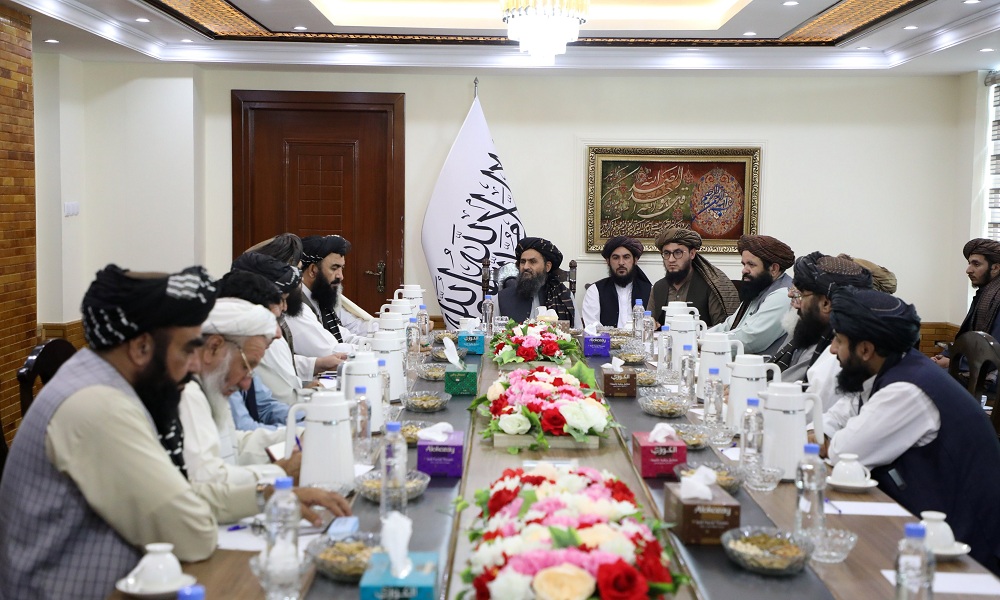
Under the guidance of the Deputy Prime Minister for Economic Affairs Office, a meeting aimed at bolstering the industrial sector and supporting locally manufactured goods was held at Marmarin Palace on Monday.
Officials from key ministries, including finance, interior, industry and commerce, economy, the general directorate of intelligence, and representatives from the private sector participated.
Significant decisions were made to strengthen the domestic industrial landscape. The Afghanistan Chamber of Industry and Mines will formally present domestic products to the Tariff Committee, which will follow a meticulous process of assessing quality, quantity, and pricing. The Tariff Committee, which is made up of officials from the general directorate of intelligence, Afghanistan Food and Drug Authority, and Afghanistan National Standard Authority, will determine import tariffs so as to ensure domestically made goods are prioritized on the local market.
Their findings will be reported to the Office of the Deputy Prime Minister for Economic Affairs. Furthermore, in alignment with Resolution No.19 of the Cabinet of the Islamic Emirate of Afghanistan, all government institutions are mandated to prioritize the use of domestic products in their procurement processes. This commitment extends to cases where the quality of domestic products may lag behind foreign counterparts by 10 to 15 percent.
Government entities are directed to maintain comprehensive lists of domestic products and seek quotations accordingly during procurement. To address security concerns for industrialists and investors and foster effective coordination, it was resolved that within three days, the Ministries of Interior, Finance, Industry and Commerce, the General Directorate of Intelligence, and the Chambers of Afghanistan Trade and Investment and Industry and Mines will designate competent representatives to the Office of the Deputy Prime Minister for Economic Affairs.
Additionally, the Ministry of Industry and Commerce assumes the pivotal role of submitting product names, marks, and brands for anti-counterfeiting measures to the Office of the Deputy Prime Minister for Economic Affairs.
As a concluding mandate, the Tariff Committee, under the stewardship of the Ministry of Industry and Commerce, will comprehensively investigate the existing challenges related to invoice execution between the Chambers of Commerce and Investment and Industry and Mines.
Their findings and recommendations will be presented to the Office of the Deputy Prime Minister for Economic Affairs.


Business
Turkmenistan records nearly $100 million in trade deals with Afghan, UAE buyers
According to the exchange, Afghan entrepreneurs reached agreements with Turkmen businesses to purchase refined first-grade cottonseed oil for export.
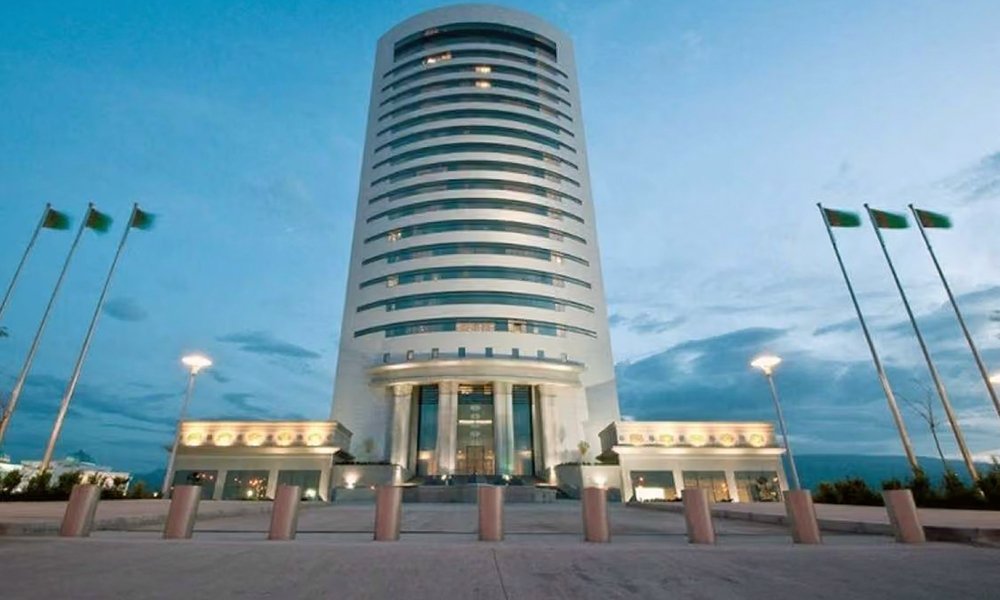
Turkmenistan recorded five transactions worth a combined 347.31 million manat (about $99.2 million) and $947,250 during a November 17 trading session of the State Commodity and Raw Materials Exchange of Turkmenistan (SCRMET).
According to the exchange, Afghan entrepreneurs reached agreements with Turkmen businesses to purchase refined first-grade cottonseed oil for export, while buyers from the United Arab Emirates signed deals for unbleached fabric.
On the domestic market, local businesses purchased BND 60/90-grade petroleum road bitumen from the state-owned Turkmennebit concern.
Another agreement was concluded with Turkmenistan’s Ministry of Health and Medical Industry for the purchase of crude glycyrrhizic acid extracted from licorice root.
Established in 1994, SCRMET is Turkmenistan’s main organised commodity exchange and a key platform for facilitating the country’s domestic and international trade.
Its trading portfolio includes petroleum products, petrochemicals, polymers, textiles, cotton products, construction materials, machinery and chemicals.
The exchange also registers export and import contracts and publishes official quotations based on completed transactions, providing an overview of traded commodities, their value and the markets involved.
The latest deals highlight continued demand for Turkmen goods among regional and international buyers, including businesses from Afghanistan and the UAE.
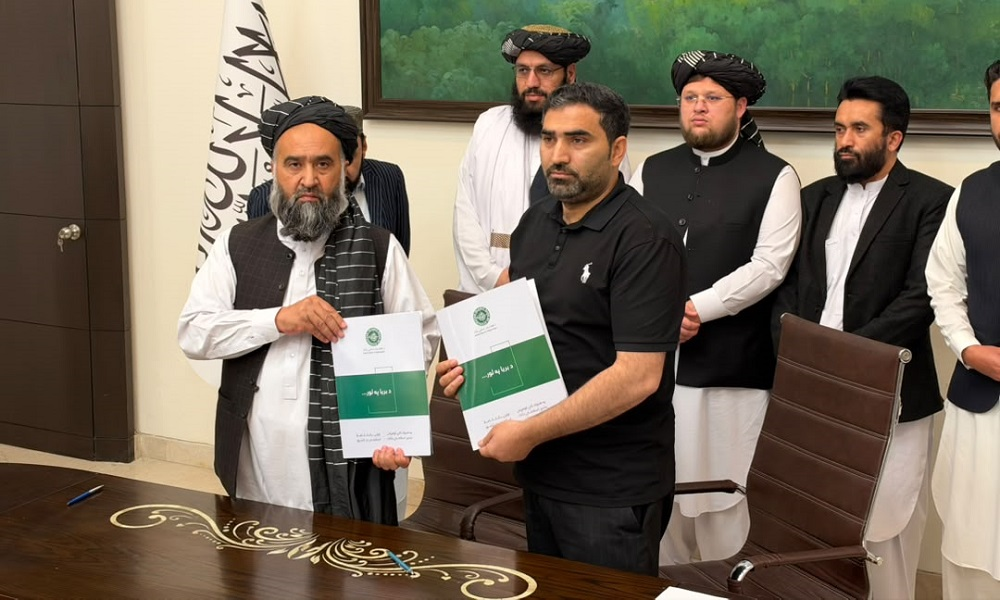
Afghan and Indian traders have signed trade cooperation agreements worth a total of $250 million at a meeting in New Delhi.
The meeting was held at the Embassy of the Islamic Emirate of Afghanistan in India, with the aim of expanding trade relations between the two countries, increasing Afghanistan’s exports and creating new opportunities for business cooperation.
The meeting was attended by Noor Ahmad Noor, Afghanistan’s ambassador to India; Sayed Hamad Hashemi, the embassy’s commercial attaché; Abdul Qasim Amarkhail, head of Afghanistan’s Dried Fruit Exporters Union; and a number of Afghan and Indian traders and investors.
The embassy’s commercial attaché office, in cooperation with Afghanistan’s Dried Fruit Exporters Union, facilitated discussions between traders from the two countries. According to the information provided, the agreements mainly focus on expanding exports of Afghan dried fruits and other agricultural products to the Indian market.
In addition, agreements were signed with several private banks in Afghanistan to facilitate banking transactions and strengthen financial cooperation between the two countries.
At the end of the meeting, the Afghan embassy in New Delhi presented an appreciation award to the head of Afghanistan’s Dried Fruit Exporters Union in recognition of his efforts to promote trade and increase the country’s exports.
The signing of these agreements comes as expanding exports and gaining access to regional and international markets remain among Afghanistan’s key priorities for strengthening its trade sector.
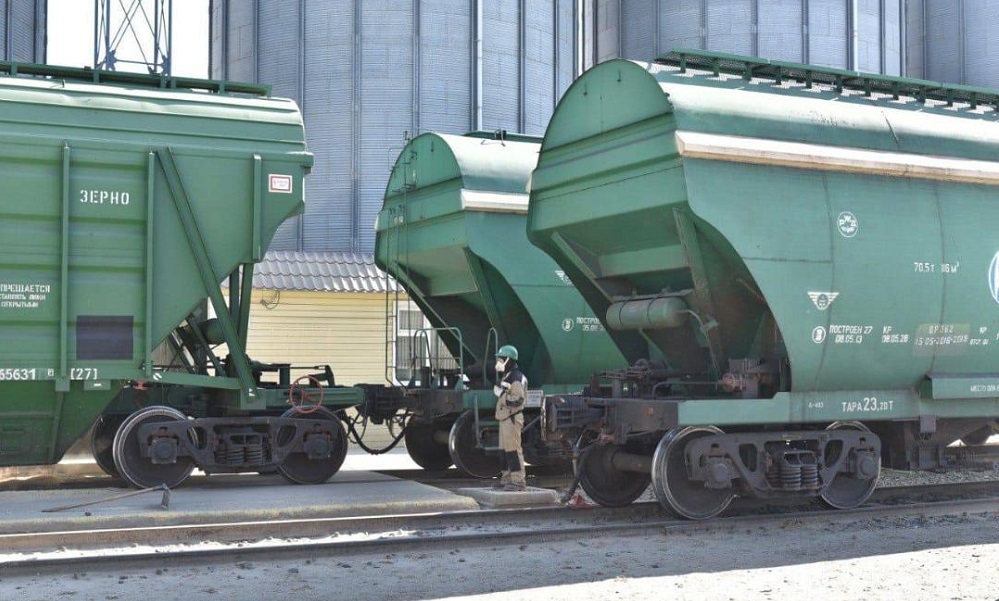
Kazakhstan has increased its grain exports to Afghanistan by 1.6 times, reaching 632,000 tons, the country’s Minister of Agriculture Aidarbek Saparov has said.
According to Check-point.kz, Saparov reported growth in grain exports to several key markets, including Afghanistan, China, Uzbekistan and Tajikistan.
Exports to Uzbekistan rose by 8.8 percent to 1.39 million tons, while shipments to Tajikistan increased by 9.6 percent to 417,000 tons. Exports to China grew 1.8 times to 436,000 tons.
Kazakhstan’s total grain and flour exports, calculated in grain equivalent, reached approximately 16 million tons this year, compared with 15.3 million tons in the previous season.
The upward trend has continued into the current season. Between September and November 10, Kazakhstan exported 3.28 million tons of grain, marking a 7.4 percent increase compared with the same period last year.
“Our goal is to strengthen our position in traditional markets, open up new directions, and provide farmers with predictable sales conditions,” Saparov said.

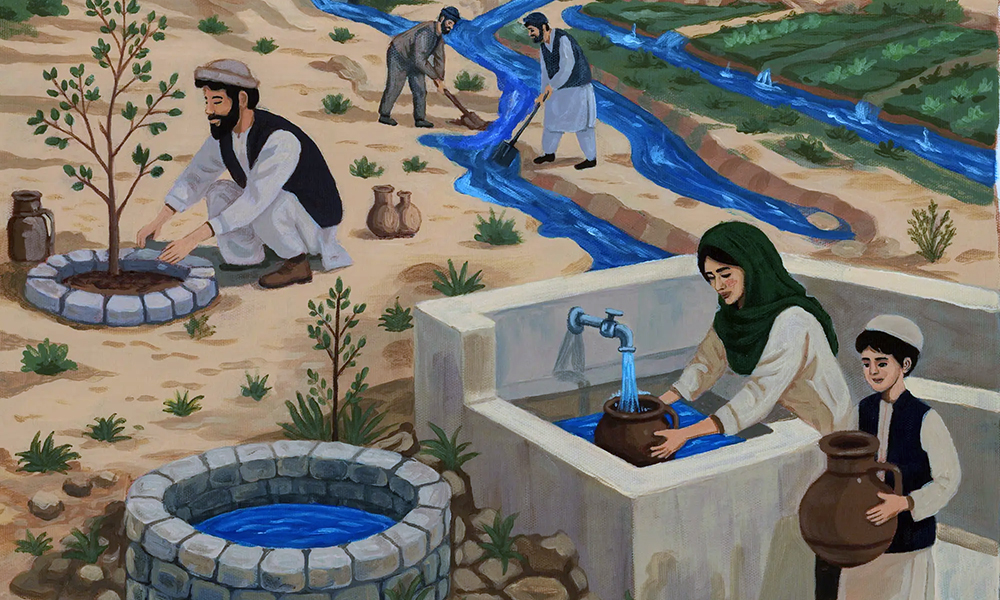
World Bank warns Afghanistan faces mounting economic and water security challenges

Mujahid welcomes OIC efforts to expand engagement with Afghanistan
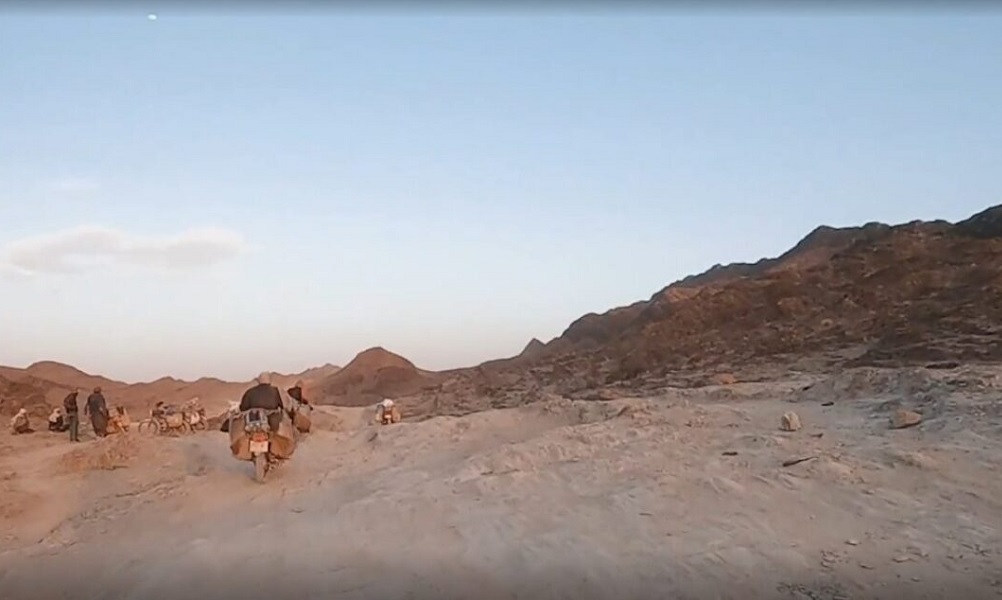
Three Afghan migrants, including woman and child, killed in Iran border shooting

Saar: Pakistan FM’s remarks on Afghanistan
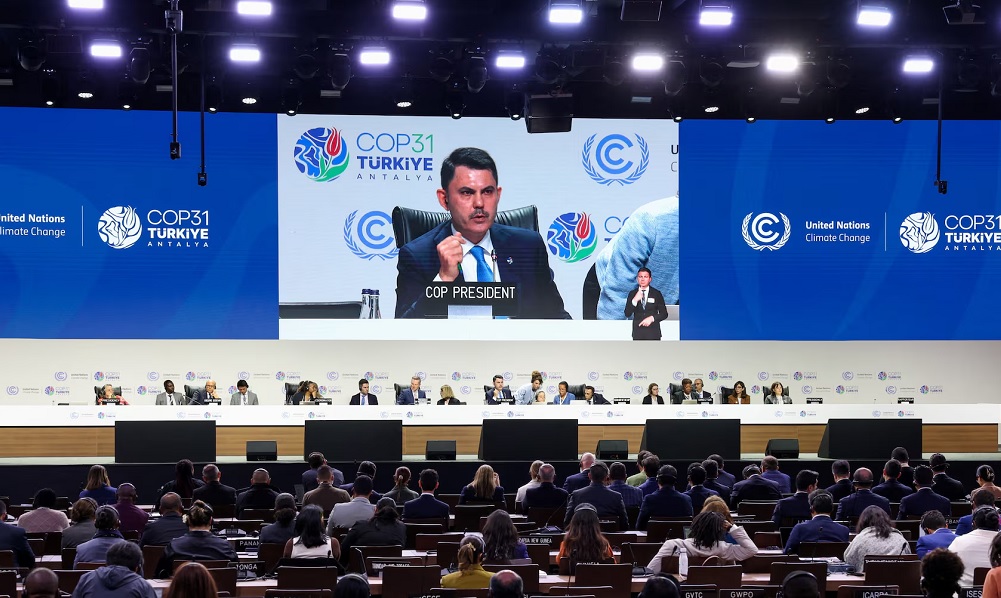
COP31 climate talks collapse as EU and others reject deal

US sanctions and blockade measures disrupt Iran’s trade with Afghanistan and regional neighbors
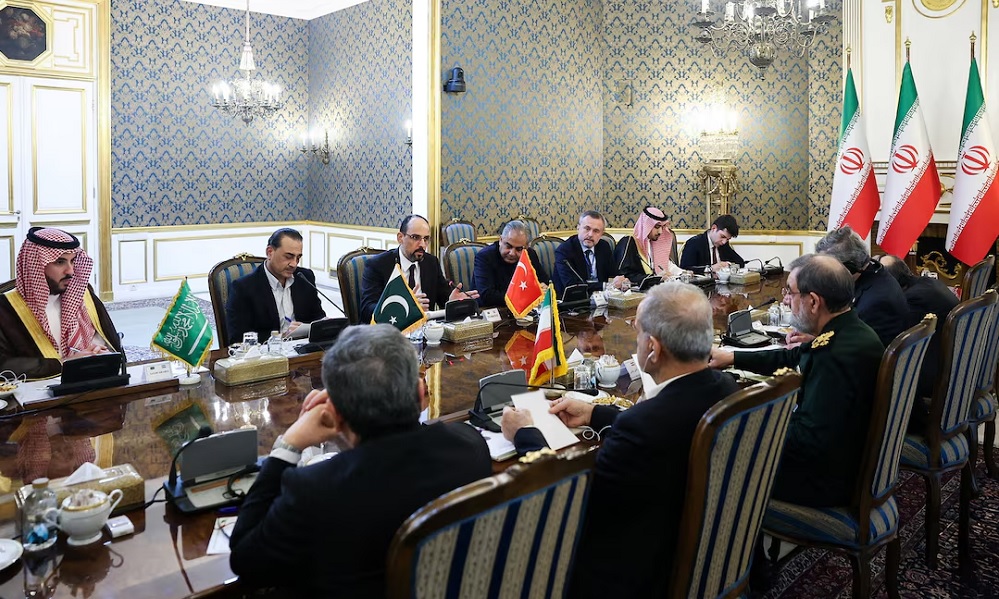
Saudi defence pact countries push for peace in Tehran as Houthis launch more attacks

England forward Kane crowned Ballon d’Or winner

Afghanistan to launch nationwide polio vaccination campaign

Afghanistan urges polio vaccination as cases reach 42
Saar: Pakistan FM’s remarks on Afghanistan
Tahawol: World Television Day discussed
Saar: Efforts to resolve Afghanistan-Pakistan tensions in Moscow reviewed

Tawsia: Afghanistan’s key economic highlights of the week discussed
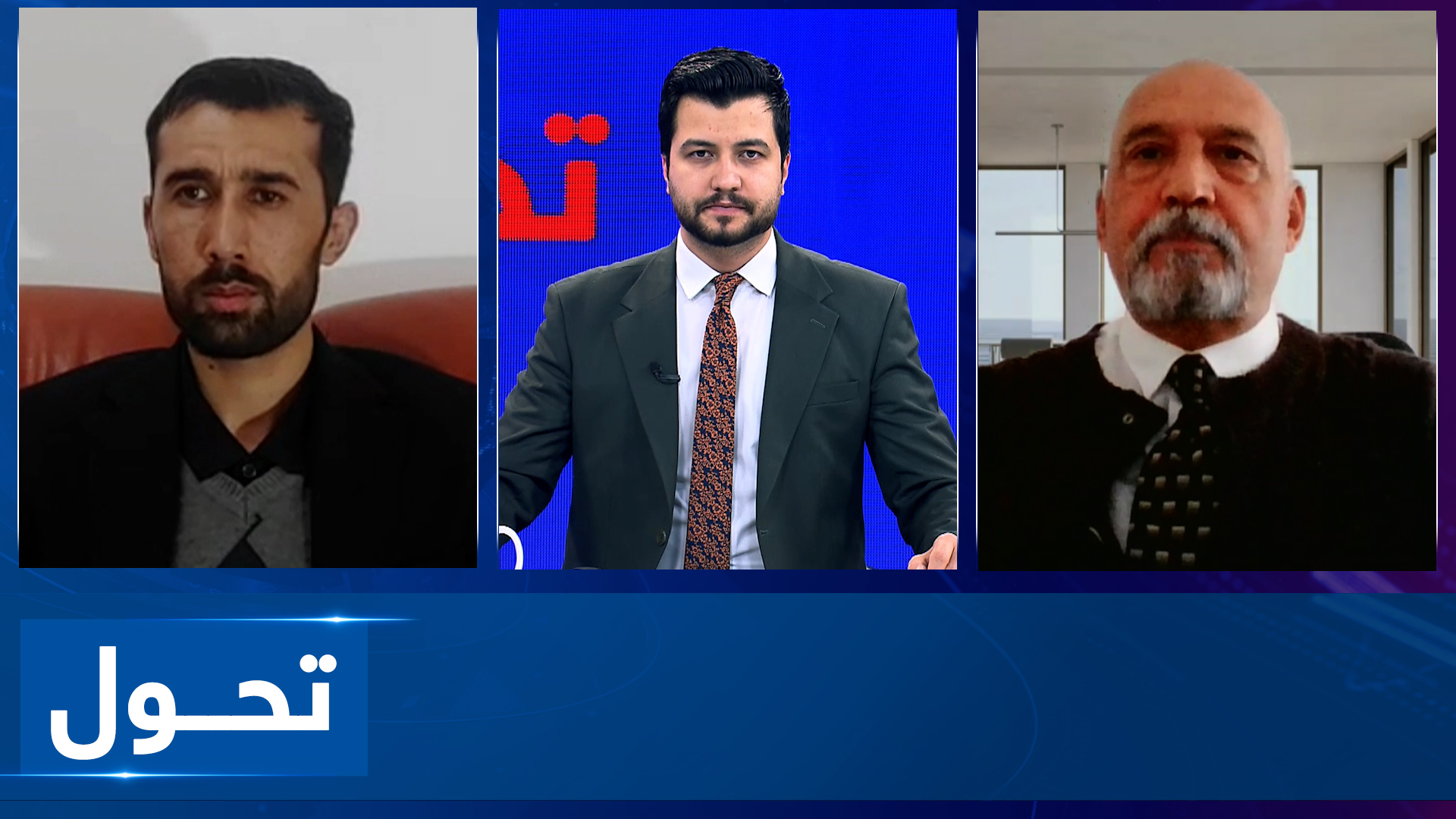
Tahawol: Kazakhstan’s call for practical international engagement with Afghanistan
-
 Sport5 days ago
ATN to broadcast AFC Awards honoring Asia’s football stars
-
 Latest News4 days ago
Two Afghan nationals convicted over sexual assault of 14-year-old girl on UK train
-
 Sport4 days ago
Afghanistan suffer 9-2 defeat to Iran in Beach Soccer Asian Cup opener
-
 Business4 days ago
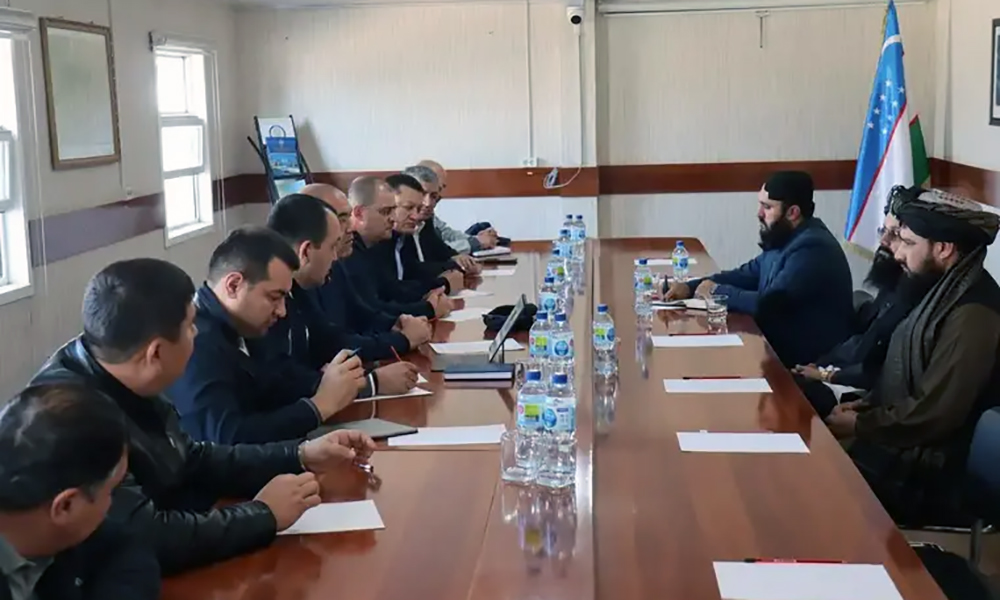
Afghanistan and Uzbekistan agree to expand railway cooperation and boost freight traffic
-
 Science & Technology4 days ago
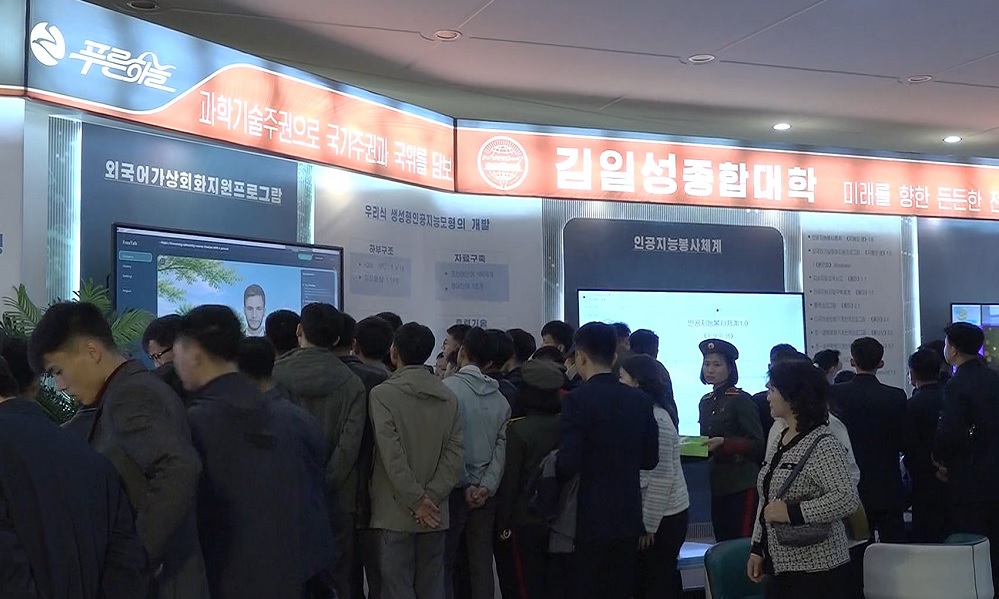
North Korea shows off AI chatbot at IT exhibition
-
 Latest News4 days ago
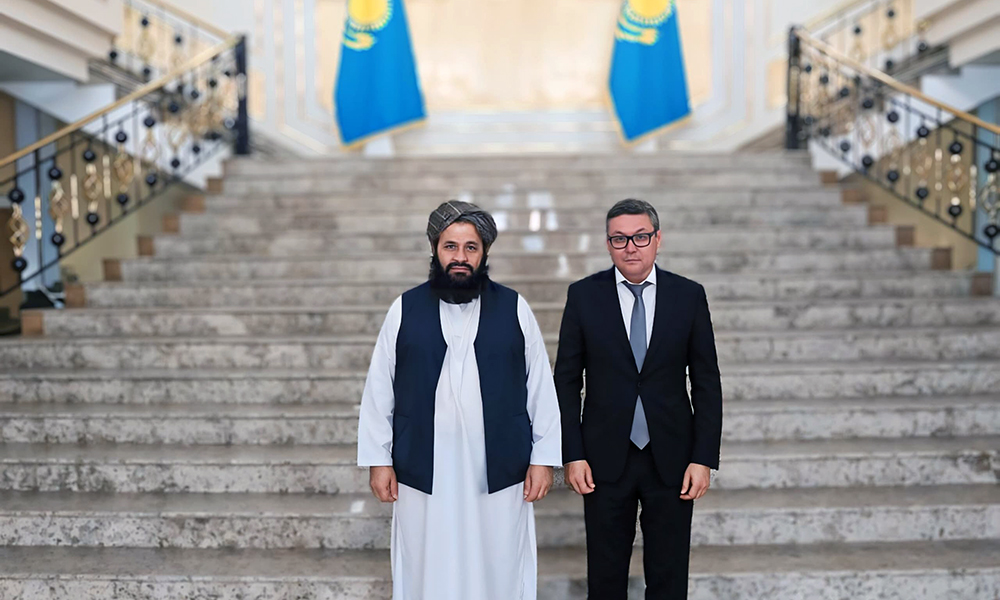
Kazakhstan steps up efforts to support Afghanistan’s stability and economic recovery
-
 Latest News2 days ago
US judge questions Trump administration’s policies targeting refugees
-
 Latest News4 days ago
Sweden rejects asylum request of former Afghan ambassador, plans deportation to US: Le Monde