
Science & Technology
Iran restores global Internet access after months of restrictions

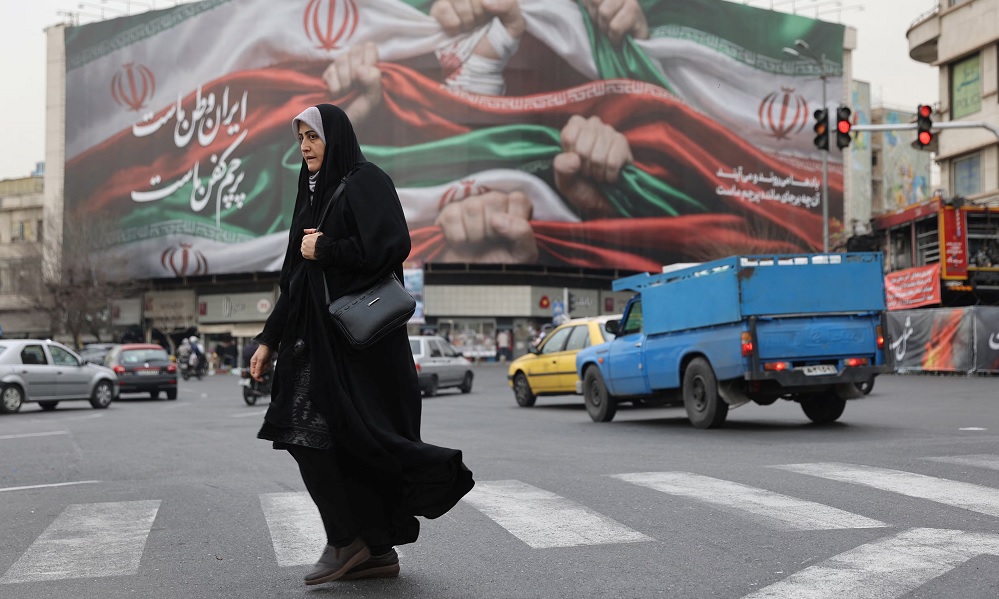
Iran has restored access to the global internet after months of severe restrictions imposed during nationwide unrest earlier this year and later intensified during the conflict involving the United States and Israel, according to Iranian semi-official media reports.
Tasnim news agency reported Tuesday that authorities had begun lifting restrictions following instructions from Iranian President Masoud Pezeshkian to return internet access to conditions that existed before January 2026.
Under the latest changes, users across Iran can once again access international websites through both fixed broadband and mobile internet networks. Services including FTTH, VDSL and ADSL connections have reportedly resumed without the extensive restrictions that had disrupted online access for months.
Iran imposed a near-total internet shutdown during major protests on January 8 and 9, after widespread demonstrations erupted over worsening economic conditions and the rapid depreciation of the Iranian rial against the US dollar.
Authorities later tightened restrictions further following military tensions and conflict involving the US and Israel beginning on February 28.
During that period, internet connectivity inside the country became increasingly limited, with many users relying heavily on Virtual Private Networks (VPNs) to access foreign websites and social media platforms.
Although domestic online services, banking systems and local Iranian platforms continued operating during much of the disruption, access to the wider global internet remained unstable and heavily filtered.
Major international platforms including YouTube and X remain blocked in Iran, meaning many users are still dependent on VPN services despite the restoration of broader internet access.
The restrictions had a major impact on businesses, e-commerce activity, media access and communication with the outside world. Iranian companies and freelancers that rely on international platforms reportedly faced months of disruption, while ordinary users struggled with slow connections and inconsistent access to foreign websites.
Iranian authorities said more than 3,100 people were killed during the unrest, while some human rights groups estimated the death toll could be significantly higher.
Officials in Tehran have acknowledged growing public frustration over economic pressures but accused the United States and Israel of attempting to exploit the unrest through sanctions, political pressure and efforts aimed at destabilizing the country.
Analysts previously noted that Iran’s measures did not fully shut down all internet infrastructure nationwide. Instead, authorities largely restricted access to the international internet while maintaining many domestic digital services through the country’s national information network system.
The restoration of broader internet access is expected to ease pressure on businesses and improve communications, though digital restrictions and censorship measures on several major global platforms remain in place.


Science & Technology
Astronomers observe a huge puffy star merge with smaller companion
This cosmic connection occurred about 2.5 million light-years from Earth on the outskirts of the Andromeda Galaxy, one of our Milky Way’s closest galactic neighbors. A light-year is the distance light travels in a year, 5.9 trillion miles (9.5 trillion km).
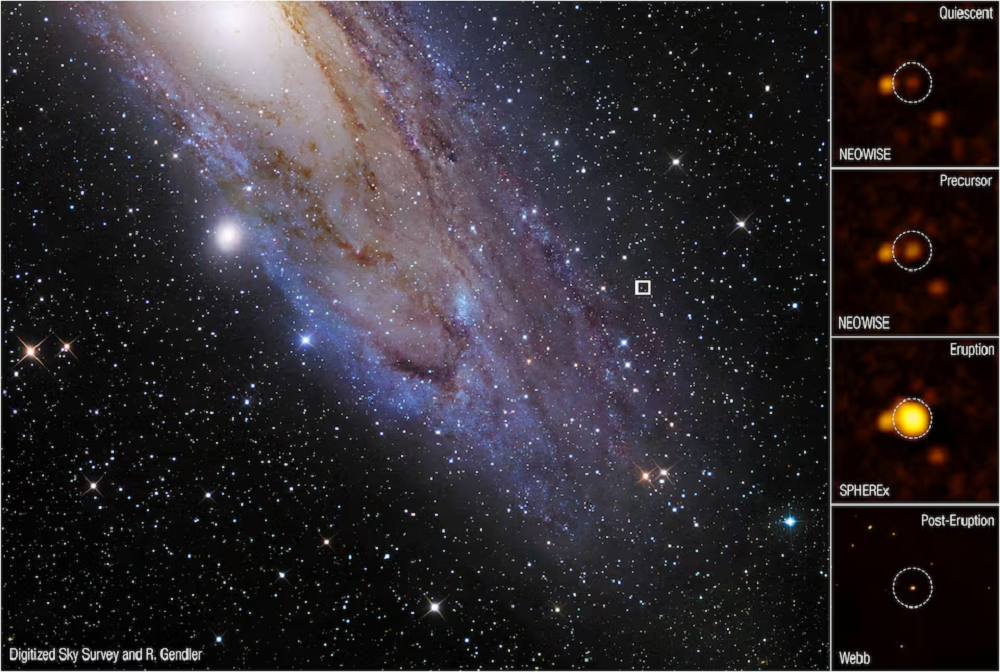
Astronomers have observed a large dying star, seven times more massive and 18,000 times brighter than the sun, engulfing a smaller companion in a stellar merger unlike any other previously witnessed.
The merger involved a pair of stars that were bound gravitationally — known as a binary system — in which the larger one greatly expanded in its death throes into what is called a puffy supergiant and enveloped the smaller one, with the two stars then combining into one, Reuters reported.
This cosmic connection occurred about 2.5 million light-years from Earth on the outskirts of the Andromeda Galaxy, one of our Milky Way’s closest galactic neighbors. A light-year is the distance light travels in a year, 5.9 trillion miles (9.5 trillion km).
The researchers identified the impending engulfment nearly three years before it occurred and then watched as the merger unfolded, step by step.
“Giant stars engulfing their companion stars have been theorized for many decades, and understanding the outcomes of this process has important implications for explaining a wide range of systems that we see today in the universe,” said Viraj Karambelkar, a postdoctoral researcher and NASA Hubble Fellow at Columbia University in New York, lead author of the research published in the journal Nature
“The system presented in this study provides the first direct observations of this process happening — the first time a giant star engulfing its companion was caught in the act,” Karambelkar said.
Large stars near the end of their lifespan can swell up as their cores run out of fuel and shrink while the inner stellar heat pushes the outer layers outward. The larger star in this study puffed up to 350 times the sun’s diameter. The smaller star, whose diameter was about 70% that of the sun, orbited its companion at roughly the same distance as between Mars and the sun, and was engulfed in the bigger star’s expansion.
‘SET OFF A BOMB’
The researchers detected brightening when this occurred in 2018, and the smaller star began to spiral inward toward the core of the bigger star over the next seven years. Toward the end of 2025, the smaller star finally merged with the core of the larger one, triggering an eruption a million times brighter than the sun in what Karambelkar called “a unification event.”
“This violent collision set off a bomb inside the star, producing the bright eruption that we saw,” Karambelkar said.
The researchers first spotted the stars using data from the infrared WINTER telescope at Palomar Observatory in California and NASA’s NEOWISE space telescope, then watched the events with the orbiting SPHEREx and James Webb space telescopes and various ground-based observatories.
“We have observed mergers of stars in the past,” said Columbia astrophysics professor and study co-author Kishalay De.
“The difference is in the nature of the stars that merged. In the past, stellar mergers were observed from two stars that were fairly small and compact, and their merger was almost inevitable once they came into physical contact. However, the bigger star in this event was a very puffed-up star where its outer envelope was loosely bound. This configuration is exactly the kind in which a merger may or may not happen,” De said.
In some cases, an engulfed smaller star might release enough energy to blow away the larger star’s puffy outer layers, leaving behind the remaining core of the original bigger star orbiting the smaller one, De said.
While the larger of the two stars in this instance was nearing the end of its life, the merger may have produced a rejuvenated star with a new lease on life, the researchers said.
The researchers gave the merged star the nickname Bao, the name of popular steamed buns in Chinese cuisine.
“The auto-assigned name to this eruption was AT2025abao — ‘Astronomical Transient in 2025 abao.’ We called it Bao as an affectionate term derived from this. The similarity with the Chinese buns definitely encouraged us to adopt the nickname,” Karambelkar said.
Science & Technology
North Korea shows off AI chatbot at IT exhibition
The chatbot can answer questions on science and technology in Korean or English and provide translations.
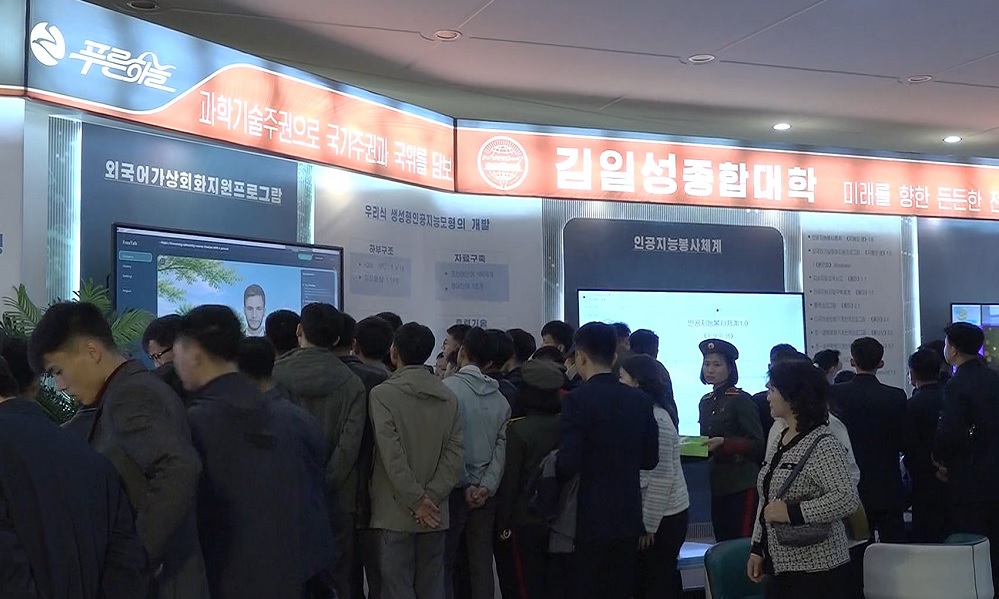
North Korea appears to have developed its first artificial intelligence chatbot, according to analysis by 38 North, a think tank that monitors North Korea, of footage broadcast on state television.
The system, called “AI Service System 1.0, Fountain of Wisdom”, was displayed at the National Exhibition of IT Successes in Pyongyang, held from October 19 to 30, according to 38 North. It featured in a report on Ryongnamsan TV on November 17.
It was built by Kim Il Sung University’s Artificial Intelligence Technology Research Institute and Phurunhanul Trading Co, a Pyongyang software developer, 38 North said, Reuters reported.
The chatbot can answer questions on science and technology in Korean or English and provide translations.
An on-screen warning instructs users not to ask socio-political questions, according to 38 North. The footage also appears to show a classifier screening queries before they reach the AI engine.
The hardware running the system was not disclosed. The 38 North report said the model behind the interface was more likely an open-weight system from a US or Chinese laboratory, such as Google’s Gemma or Alibaba’s Qwen, than one developed entirely in North Korea.
The report said the lack of large-scale data centres in North Korea could hamper deployment of the most advanced models.
Science & Technology
South Korea to inspect glasses worn by exam candidates after AI cheating scandal
Smart glasses have raised concern globally because they can be used to photograph, film or audio-record confidential material or people without their knowledge.
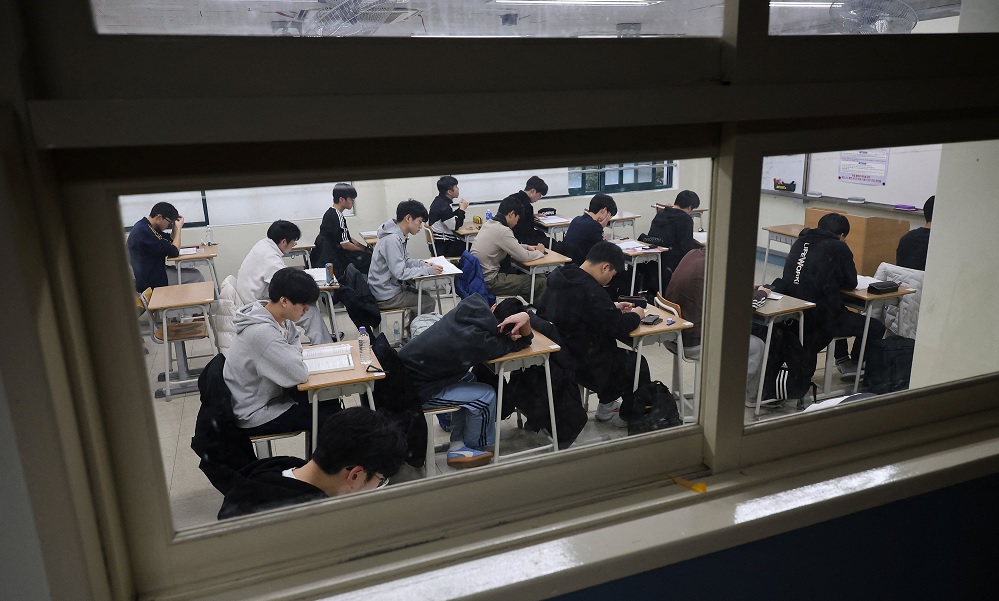
South Korea will inspect every pair of glasses worn by students taking this week’s national college entrance exam to prevent AI-assisted cheating, after cheating in the tax accountant exam shook public confidence in the country’s high-stakes testing system.
There have even been calls to postpone the university entrance exam to ensure a fair test after the scandal, although the Education Ministry has ruled out a delay to an exam seen as crucial to success in South Korea’s hyper-competitive society, Reuters reported.
Here are some details:
Education Minister Choi Kyo-jin told a parliamentary hearing on Monday the ministry would inspect all glasses worn by candidates in every session of the College Scholastic Ability Test (CSAT). Smart devices were added to the list of banned items in July.
Smart glasses have raised concern globally because they can be used to photograph, film or audio-record confidential material or people without their knowledge.
Notices posted outside every exam room will warn of exam bans and criminal penalties if anyone is found to be cheating, Choi said.
Every exam centre will have at least one member of staff dedicated to monitoring smart devices.
A hotline will link the centres, local education offices and the ministry’s control room for any cases that are hard to judge on the spot.
Choi said the ministry would consult specialists on technology such as radio-signal detectors and consider introducing them for next year’s test.
Anyone caught wearing or using a smart device during the exams will have that year’s results invalidated and will be barred from sitting them the following year.
Choi said the ministry would work with parliament to lengthen the ban from 1 year to between 3 and 10 years. Offenders may also be reported to police for obstructing official duties.
The response follows Sunday’s confession by a person who placed first in this year’s tax accountant exam after cheating. He admitted photographing exam questions with a microcamera, sending them to an AI tool and checking the answers on a smartphone.
Prime Minister Han Seong-sook said on Monday the government would form an emergency team to prepare measures to safeguard the CSAT. She also urged officials to develop AI-based detection technology and called for strengthened penalties for cheating.

Astronomers observe a huge puffy star merge with smaller companion
US judge questions Trump administration’s policies targeting refugees

Restrictions prevent Afghan women from accessing vital healthcare: UN
Afghan ambassador: 85 to 90 percent of refugees have returned from Pakistan
Afghanistan’s commerce minister attends Tanzania investment conference

Afghanistan’s new Wakhan road to China faces major hurdles
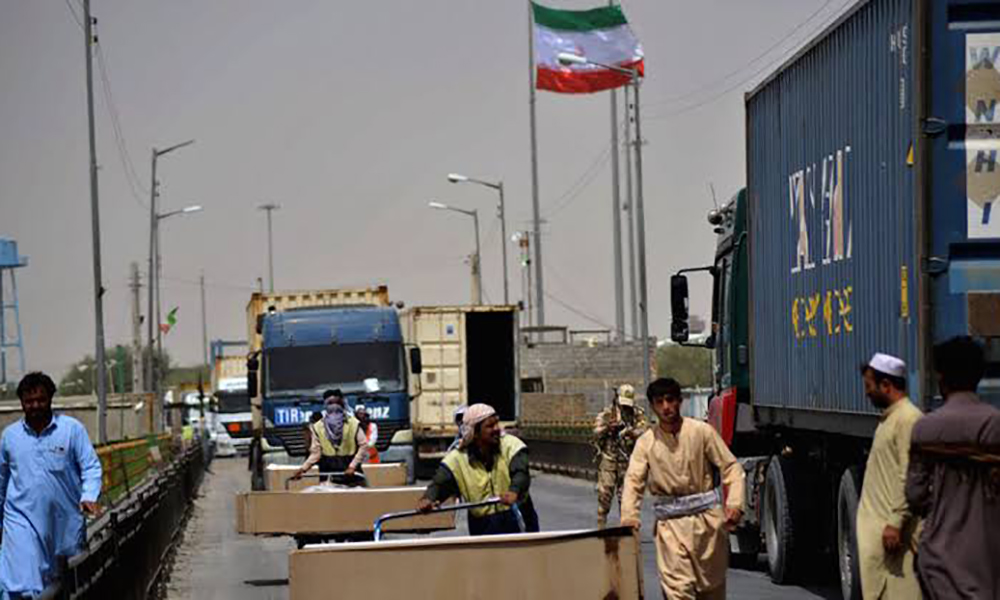
US sanctions and blockade measures disrupt Iran’s trade with Afghanistan and regional neighbors

Pakistan exporters suffer billions in losses as Afghanistan trade halt continues
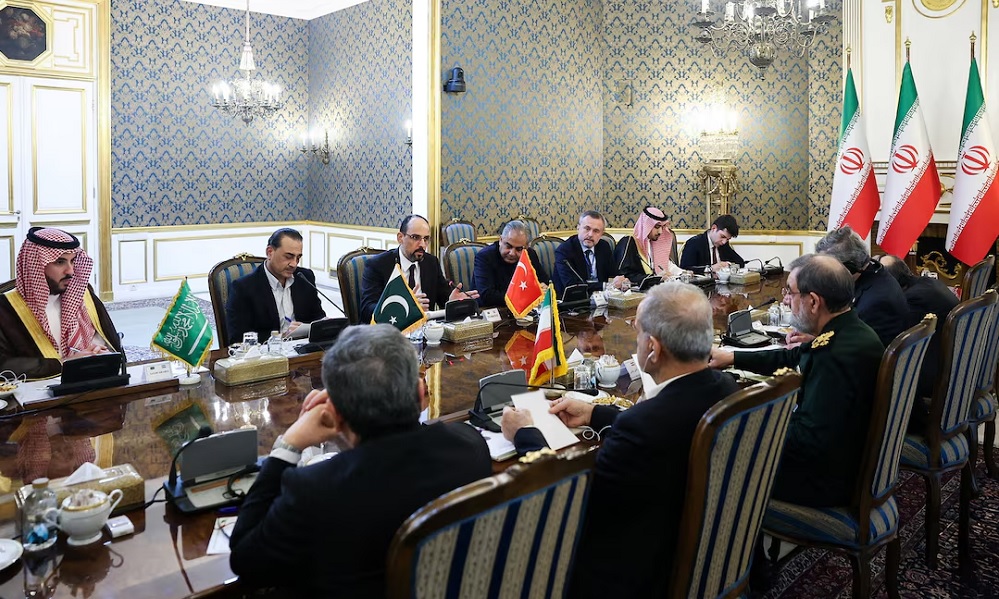
Saudi defence pact countries push for peace in Tehran as Houthis launch more attacks

England forward Kane crowned Ballon d’Or winner
Tawsia: Afghanistan’s key economic highlights of the week discussed
Tahawol: Kazakhstan’s call for practical international engagement with Afghanistan
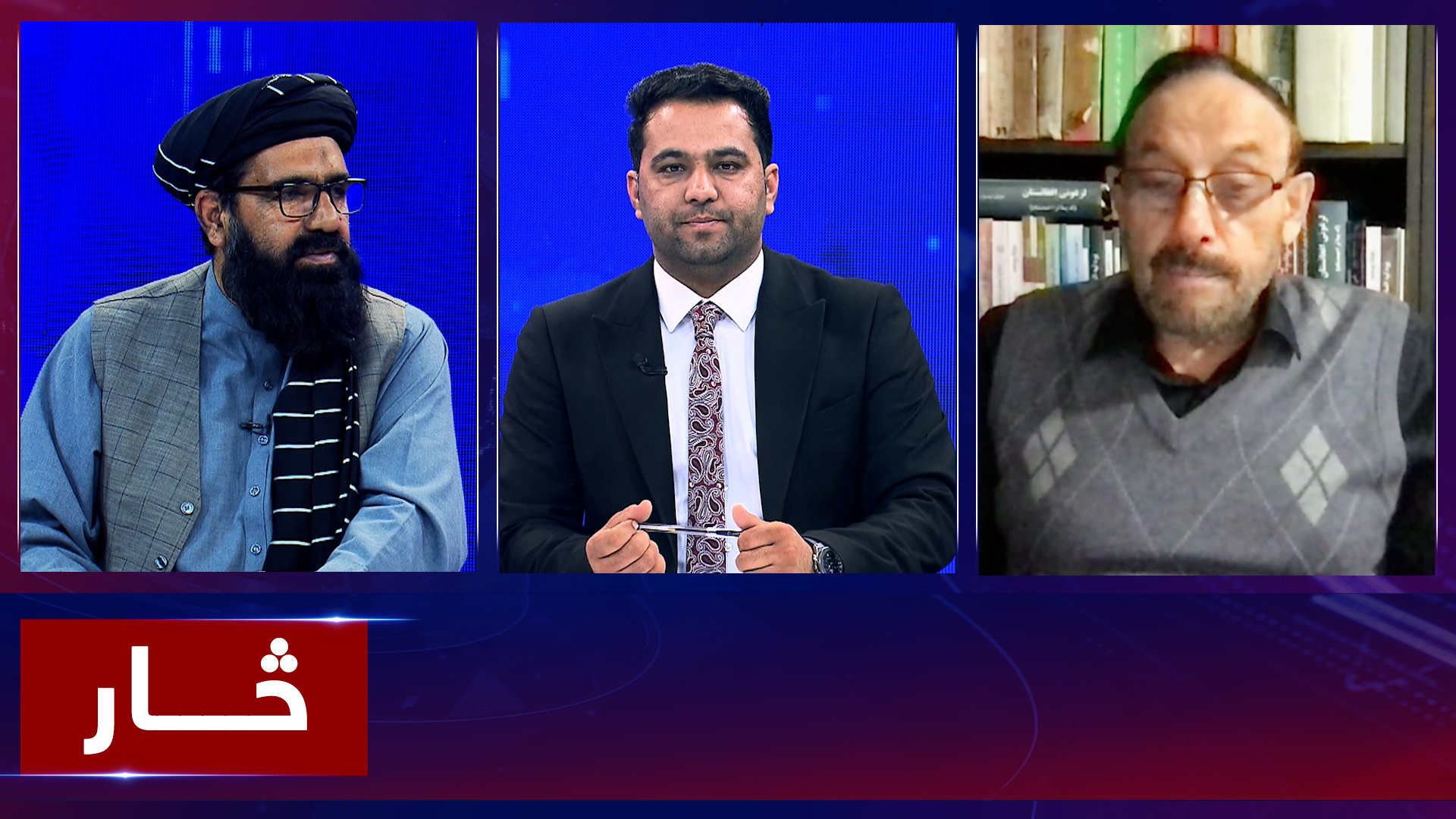
Saar: Afghanistan and UN: 80 years of diplomatic relations discussed
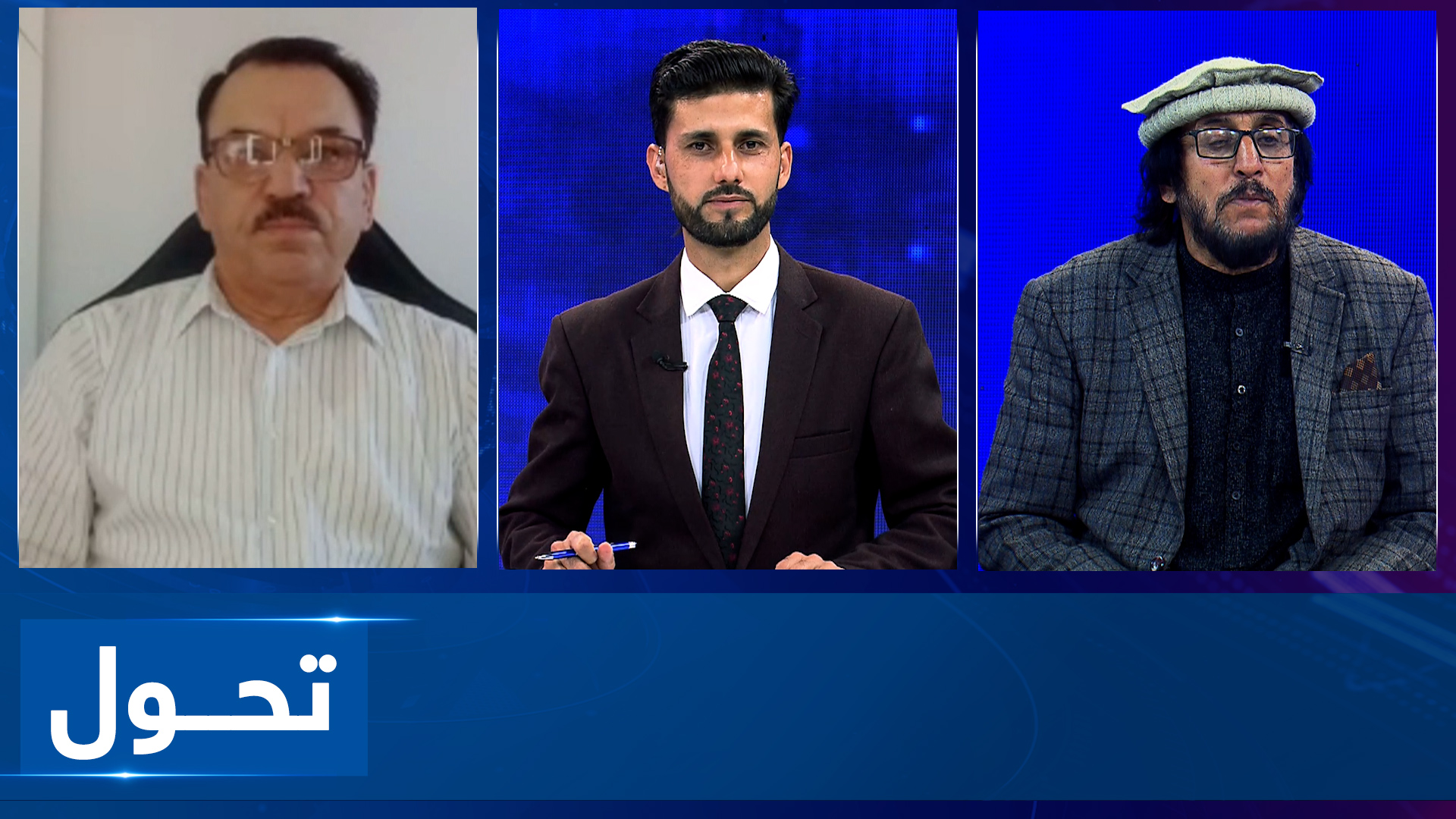
Tahawol: Qatar-UK consultations on Afghanistan discussed
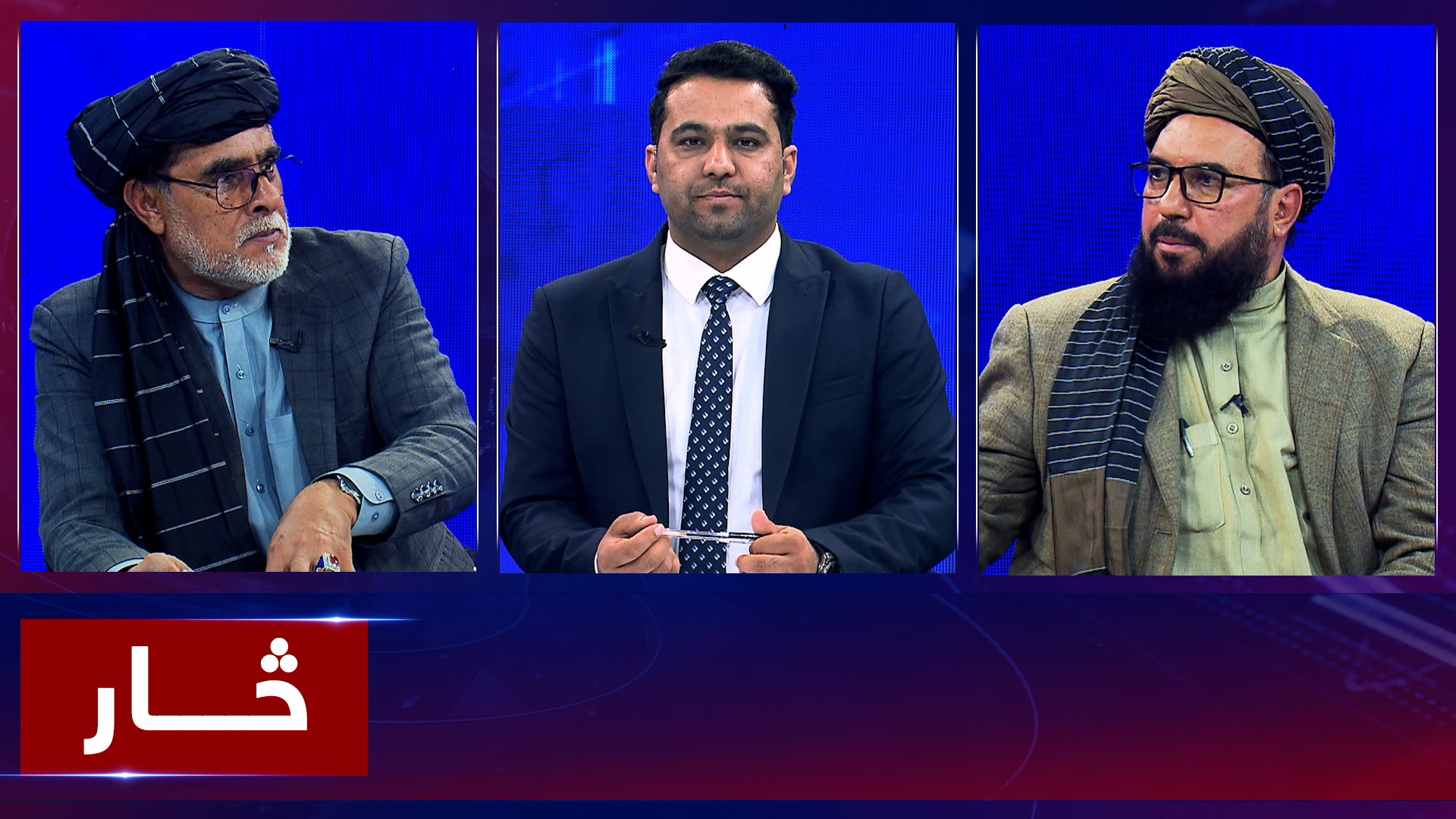
Saar: Efforts to deliver urgent humanitarian aid to needy Afghans
-
 Sport3 days ago
ATN to broadcast AFC Awards honoring Asia’s football stars
-
 Sport5 days ago
Sorkh Poshan Khafi crowned ACL champions after unbeaten campaign
-
 Regional3 days ago
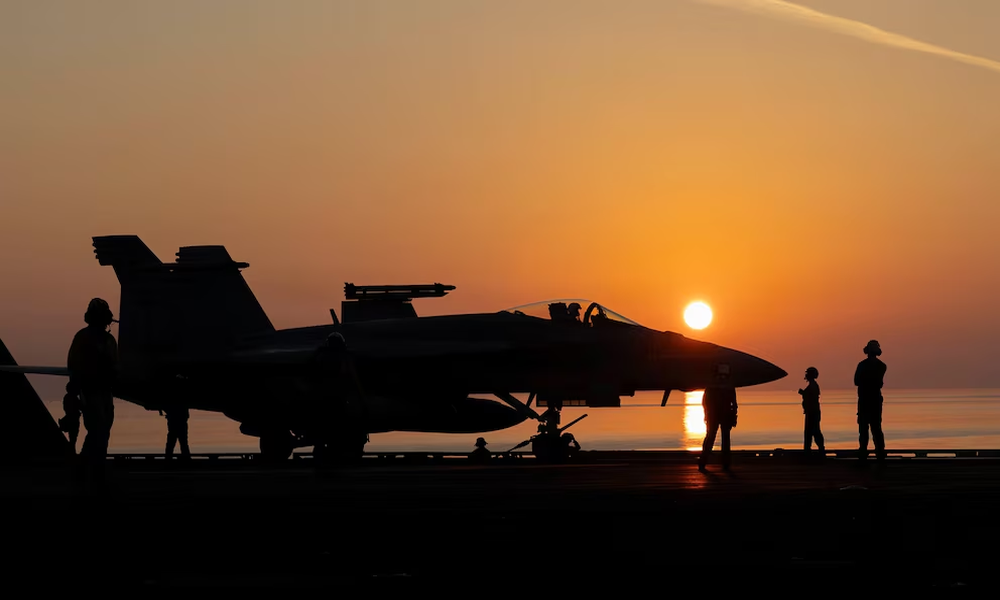
US strikes Iranian military site as Gulf states report fresh attacks
-
 Business4 days ago
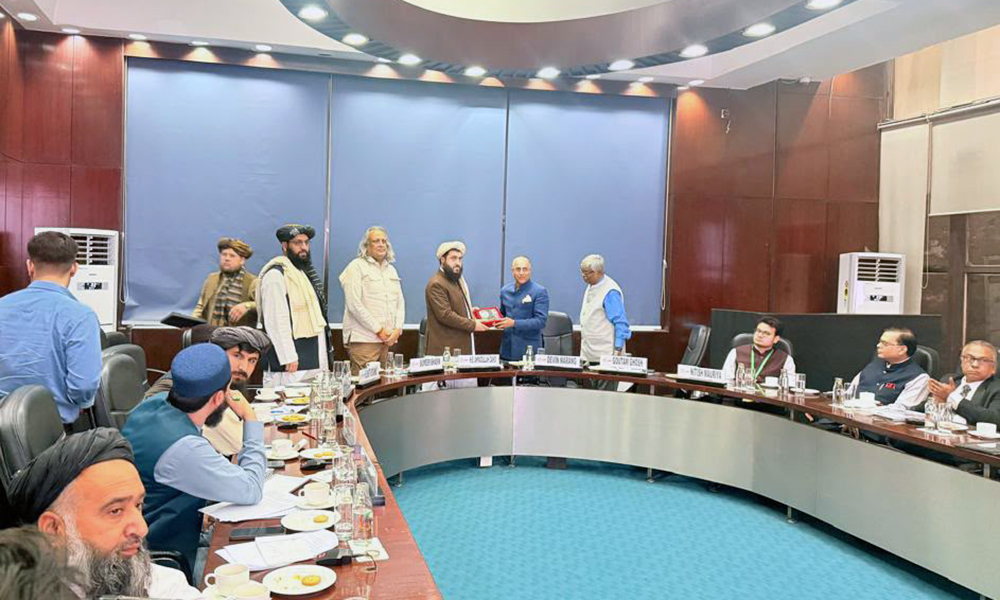
Afghanistan, India discuss expanding trade and investment ties
-
 Regional4 days ago
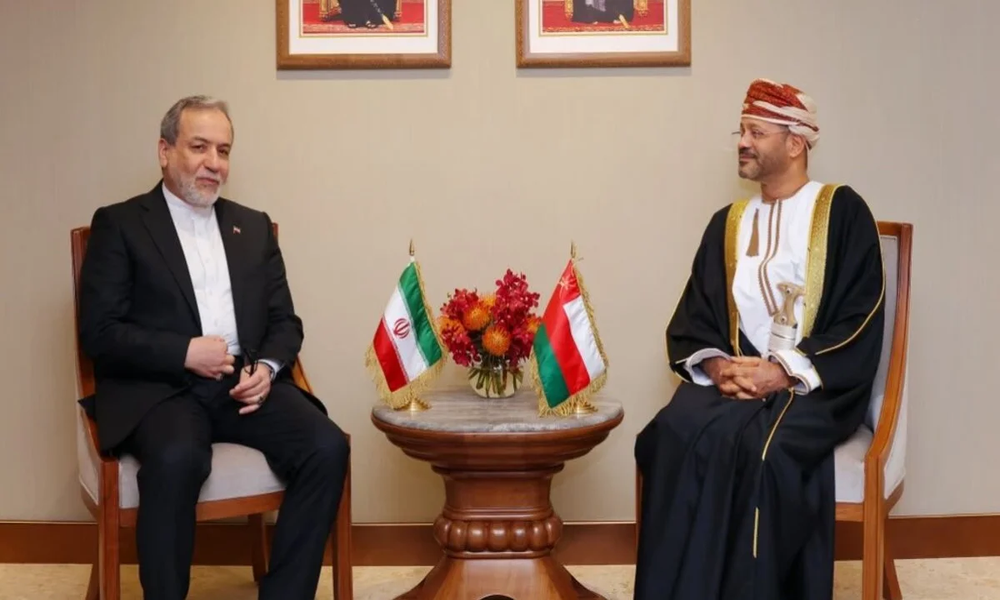
Oman and Iran discuss restoring shipping through Strait of Hormuz
-
 Latest News5 days ago
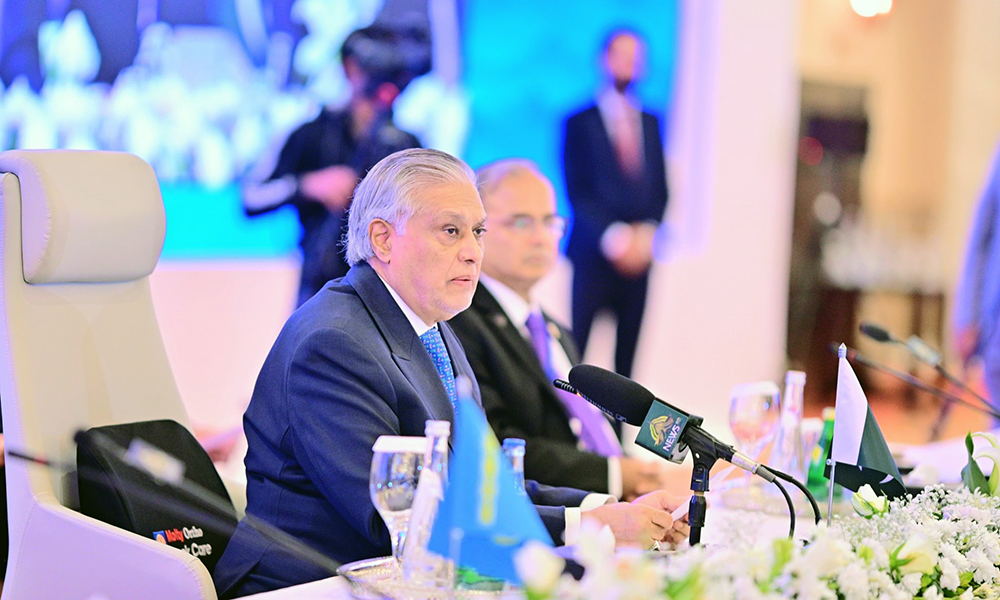
Pakistan FM urges Afghanistan to address security concerns of neighbors
-

 Latest News3 days ago
Afghanistan’s economy grows despite rising food insecurity and water crisis: World Bank
-
 Latest News4 days ago
IEA leader says he will not allow Muslims to fight to protect his power