
Regional
Iran threatens to hit Gulf states if US launches new strikes
On August 2, Trump said he agreed to cancel the attack on Iran “subject to being able to rapidly make a deal”.

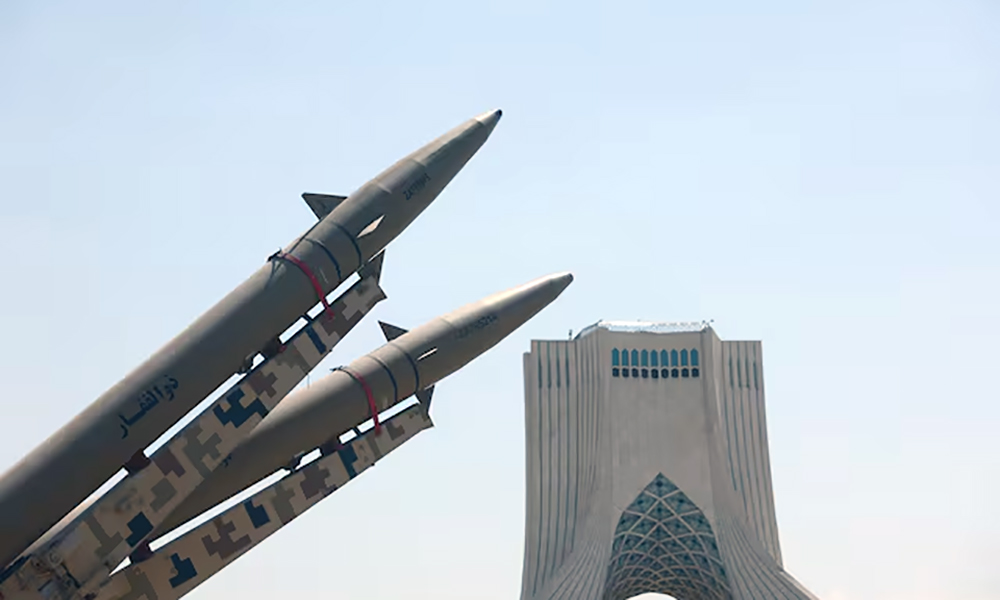
Iran has warned Gulf states that any new U.S. attack on its territory would trigger retaliation against critical energy infrastructure across the region, according to five sources, as Tehran seeks to raise the cost of military action by threatening Washington’s closest regional allies, Reuters reported.
The warning was delivered through a flurry of high-level diplomatic contacts after President Donald Trump threatened on July 28 to strike Iran’s energy network and infrastructure, the sources said.
Two senior Iranian officials, two Gulf sources and a senior regional diplomat with knowledge of the discussions said Iranian Foreign Minister Abbas Araqchi spoke with his Saudi, Turkish and Qatari counterparts, as well as Pakistan’s army chief. All spoke on condition of anonymity because of the sensitivity of the matter.
Araqchi urged Washington’s Gulf allies to use their influence with Trump to dissuade him from launching renewed strikes, the senior diplomat said, warning that any attack on Iran would prompt retaliation against U.S. assets and energy facilities across the Gulf.
His message was consistent in every conversation, the diplomat said: “We’re ready to retaliate, but finding a diplomatic solution is the best way to avoid wider escalation and destruction across the region.”
“The Iranian warning was unequivocal: if America targeted Iran’s infrastructure, they would retaliate by striking Gulf energy facilities and other regional targets,” one Gulf source said.
The diplomatic maneuvering underscores how Iran is attempting to use the threat of wider regional destruction as leverage against further U.S. strikes, putting Gulf states that host U.S. military bases and depend on energy exports in a difficult position between Washington and Tehran.
Saudi Crown Prince Mohammed bin Salman subsequently spoke with Trump, urging him to delay military action, return to negotiations, secure a ceasefire and pursue a diplomatic settlement, the senior diplomat and Gulf sources said.
The warning was intended for every Gulf state, another Gulf source said, but was conveyed primarily through Saudi Arabia and Qatar. Iran has in recent years repaired ties with its Gulf neighbours, including former regional rival Saudi Arabia.
Qatar, Oman and Saudi Arabia have all urged Washington to resume talks with Tehran and avert renewed conflict amid Iranian warnings that another round of U.S. strikes could “turn the region into a fireball”, the second Iranian official said.
On August 2, Trump said he agreed to cancel the attack on Iran “subject to being able to rapidly make a deal”.
“Saudi Arabia believes further escalation will only bring more destruction,” the first Gulf source said. “That is why it urged Trump to give diplomacy a chance.”
While urging Washington to pursue diplomacy, Riyadh also made clear it would defend itself if threatened. The second Gulf source said Saudi Arabia warned that any attack on its territory would be met with a military response.
Ali Shihabi, a Saudi analyst close to the Royal Court, said the kingdom’s assessment is that further escalation is unlikely to achieve the desired result. “The Kingdom believes a combination of proportionate military responses and sustained pressure on Iran in the Strait of Hormuz offers the strongest path toward a practical diplomatic settlement,” Shihabi said.
Iran’s clerical leadership has repeatedly demanded the closure of U.S. military bases in the Gulf and called on Gulf Arab states to stop sharing intelligence with Washington, which Tehran believes has been used to facilitate attacks against it.
According to one Iranian official, Tehran’s warning made clear that any new U.S. strike would be met with attacks on energy facilities, refineries, electricity grids, water infrastructure, transport networks and oil fields across the Gulf.
“The enemy continues to threaten Iranian infrastructure. If Iran suffers damage, it will inflict far greater damage in return,” the official said.
“They still remember Saudi Arabia’s Aramco,” he added, referring to the September 2019 drone and missile attacks on the Abqaiq and Khurais facilities that temporarily knocked out more than half the kingdom’s crude oil production and exposed the vulnerability of Gulf energy infrastructure.
By threatening infrastructure critical to Gulf economies, Tehran is seeking to convince both Washington and its Arab partners that another attack on Iran would carry unacceptable economic and strategic consequences, encouraging regional states to press Trump to avoid renewed military action.
From Tehran’s perspective, Trump now faces two unpalatable choices, the senior Iranian official said: escalate a conflict that could engulf the Gulf and disrupt global energy supplies, or accept a negotiated outcome that falls short of the decisive victory Washington seeks.
One of the principal obstacles to an agreement, the senior regional diplomat said, is Washington’s reluctance to allow Tehran to emerge claiming victory.
“The United States wants something it can present as proof that it won the war,” the diplomat said.




Regional
Iran says US voted ‘No to War’ after Republican midterm losses
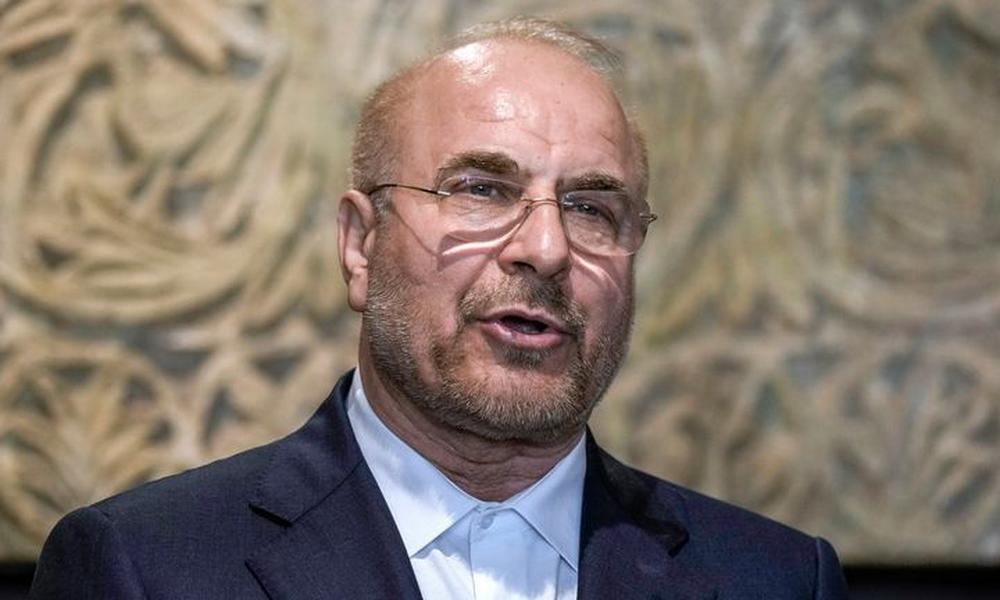
The comments came after US President Donald Trump acknowledged that the war with Iran and rising petrol prices had contributed to the Republicans’ poor election performance.
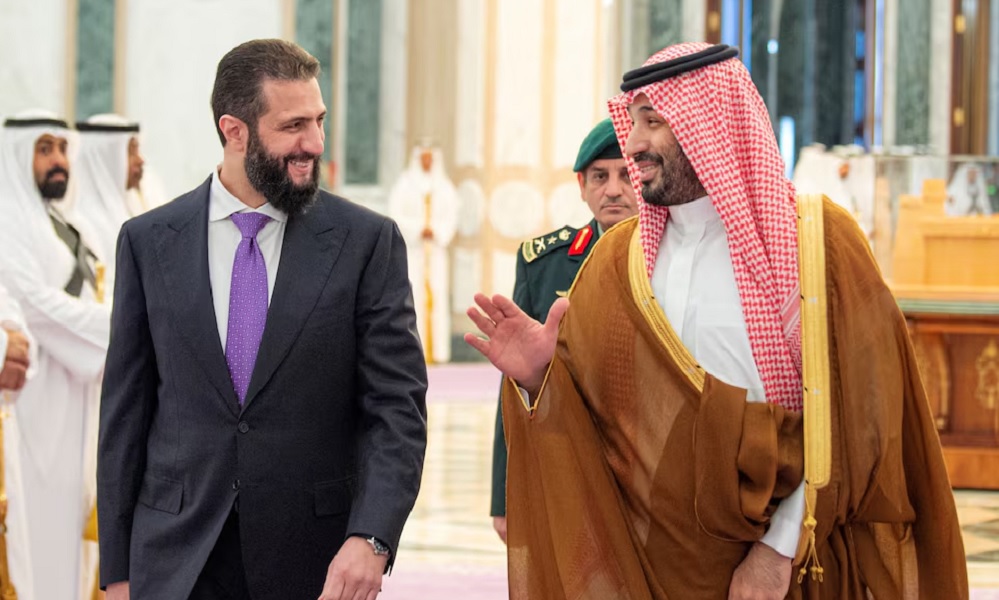
Saudi Arabia and Syria signed a cooperation agreement between the two countries’ defense ministries on Wednesday, Saudi state news agency SPA reported, as Yemen’s Iran-aligned Houthi group continues its missile and drone attacks on the kingdom.
The agreement was signed during a visit by Syrian President Ahmed al-Sharaa to Riyadh, where he met Saudi Crown Prince Mohammed bin Salman. It was their second meeting in Saudi Arabia in less than a month, according to Reuters.
No details were provided on what the agreement entails. Reuters reported last month that Syria was carefully weighing providing military assistance to Saudi Arabia amid the kingdom’s escalating war against the Houthis in Yemen.
A Syrian diplomat said at the time that any request for military cooperation or exchange of expertise “would take place exclusively through official channels and within the framework of the bilateral agreements governing relations between our two brotherly countries.”
Saudi Arabia has been requesting assistance far and wide, from the US to Europe and the Middle East, for both defensive and offensive support in a renewed war against the Houthis.
The two countries also signed several other agreements during Sharaa’s visit to Saudi Arabia. The kingdom has been providing financial assistance to Syria and played a key role in re-establishing Damascus’ ties with world powers after the overthrow of Bashar al-Assad.
The Saudi Fund for Development signed six agreements with Syria’s Finance Ministry on Wednesday for the provision of concessional development loans worth over $403 million to support development and service sectors in Syria, the Syrian ministry said.
Regional
Iran says contacts over ending war continue after talks finish with no breakthrough
On Monday, Trump said Iran wants to make a deal to end the war and that such an agreement “could happen.” He did not immediately provide details.
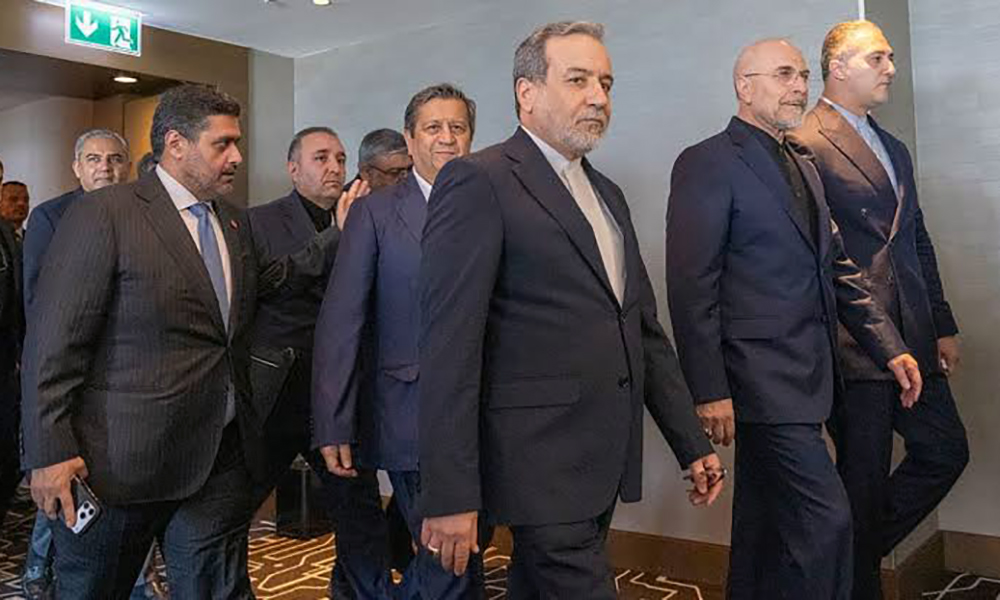
Contacts between Iran and the United States to end their eight-month war are continuing, Tehran said on Monday, after days of Iranian talks with Qatari mediators ended with altered proposals but no breakthrough.
“Consultations through mediators are very intensive. We have presented our conditions and proposals and everything depends on the political rationality of Washington,” Iranian Foreign Minister Abbas Araqchi said in comments carried by state media outlet IRNA.
Amid fears the conflict could reignite after Tuesday’s midterm elections in the United States, China and Russia both spoke out on Monday against the possibility of renewed military action in a war that has hit the global economy.
While oil prices fell nearly 4% on Monday on hopes that the latest round of mediation could lead to a diplomatic solution to the crisis, Iranian sources said they believed a new US attack was still more likely than a deal.
Iran’s Foreign Ministry spokesperson Esmaeil Baghaei said the plan Iran had submitted in September to end the war remained the focus of discussions, but he confirmed comments attributed to Araqchi on Saturday that the proposal could be shortened.
“The basis of dialogue and talks between Iran and the US via mediators is still Iran’s seven-step proposal, which is now condensed, making it possible to implement it within two days,” he said.
US President Donald Trump rejected the seven-step proposal in September.
The plan would call for the US to end its blockade on Iranian ports, Iran to reopen the Strait of Hormuz waterway, a US waiver on Iranian oil sales, the cancellation of new sanctions on Iran and then talks on other issues.
Baghaei reiterated that condensing the plan would not change Iran’s underlying stance that a return to talks on the country’s nuclear programme could only happen after it verified that all its conditions were met.
Asked whether the possibility of transferring Iran’s highly enriched uranium stockpile to another country was raised in the talks, and whether Iran might agree to that, he said no.
An official briefed on the talks said Iran’s negotiators had left on Sunday but not because of any problems in the talks, and added that a draft proposal was being circulated without elaborating.
Qatari mediators traveled to Tehran on Monday night for talks with Araqchi on a version of the draft US-Iran deal that has been under negotiation for the past eight days, an official briefed on the talks said.
On Monday, Trump said Iran wants to make a deal to end the war and that such an agreement “could happen.” He did not immediately provide details.
The war, which the US and Israel launched suddenly on February 28, has led to Iran’s closure of the key Strait of Hormuz waterway, the US blockade on Iranian ports, repeated bouts of Iranian drone and missile fire on Gulf states and renewed conflict in Yemen.
Trump has repeatedly said there would be no new attack on Iran before Tuesday’s midterm elections. Iran has said it will respond to any resumed attack aggressively with plans to strike targets both within and outside the Middle East.
China’s Foreign Minister Wang Yi said on Monday that all parties to the conflict should focus on political solutions rather than resorting to arms again, after a meeting with senior Iranian security official Ali Bagheri Kani in Beijing.
China, a major customer for Gulf energy products, is engaging more actively in Middle East diplomacy this week, hosting Oman’s Sultan Haitham bin Tariq al-Said, whose country flanks the southern side of the Strait of Hormuz.
Wang also met Saudi Arabia’s national security advisor Musaed bin Mohammed al-Aiban in Beijing on Monday, China’s Foreign Ministry said, adding that all sides should work to safeguard regional energy and shipping lane security.
In Moscow, the Russian Foreign Ministry said reports of new military action against Iran were a cause for extreme concern and called for increased diplomatic efforts.
Russian President Vladimir Putin spoke by phone with Iran’s top security official Mohsen Rezaei on Monday, Iranian state media reported.
Underscoring the risks to global energy supply, a Qatari liquefied natural gas (LNG) tanker was struck in the Gulf by unidentified objects on Friday, its operator Nakilat said on Sunday.
While attacks on oil tankers in the Gulf and Red Sea have been common during the conflict, attacks on LNG carriers have been rare, with the last reported incident with a Qatari tanker happening in early July.

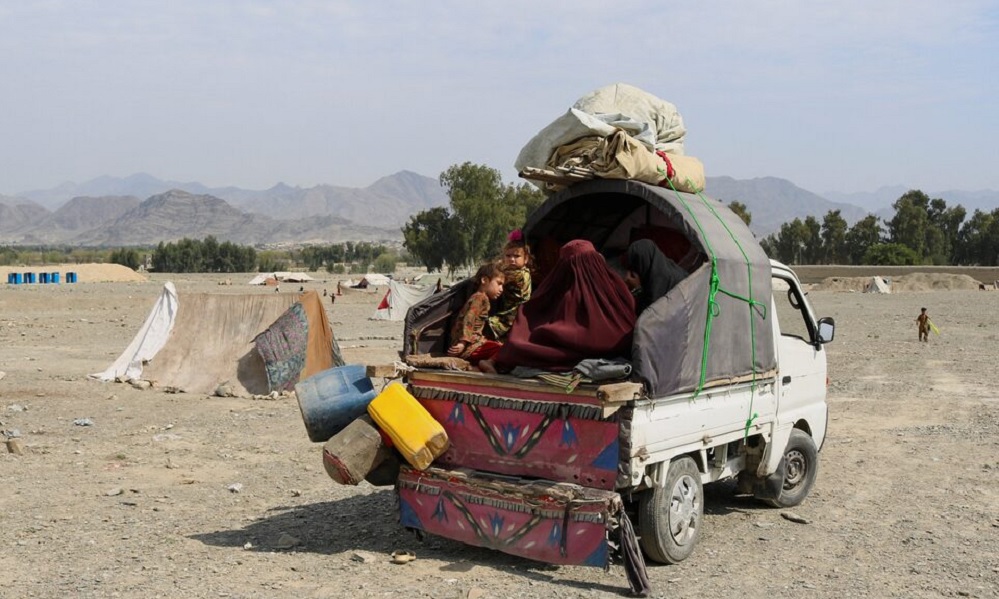
90 million displaced people at risk from climate threats, UN refugee agency says
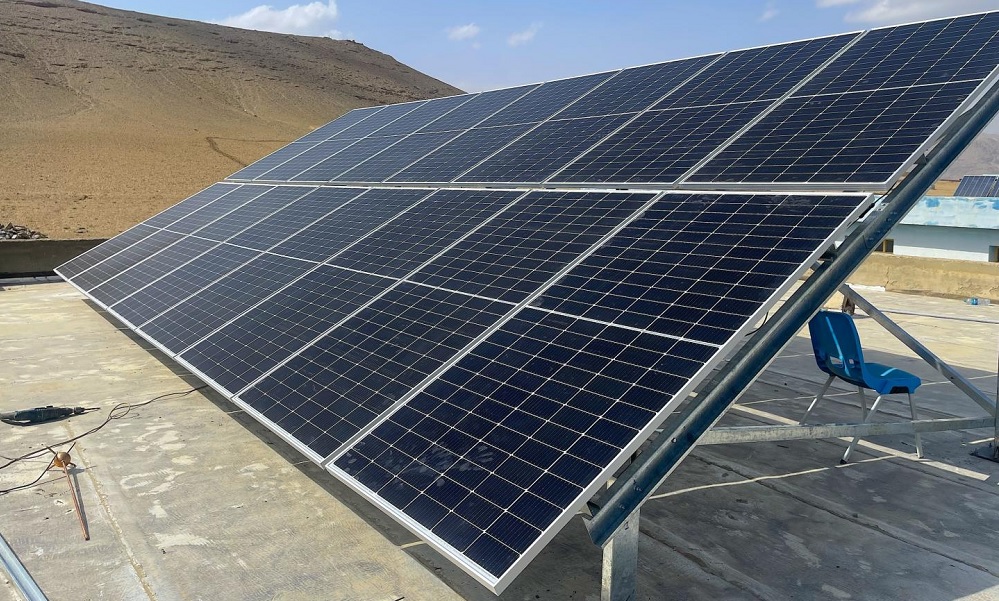
Afghanistan has potential to generate 220 GW of solar power: UNDP
Tahawol: Calls for stronger joint action against terrorism discussed
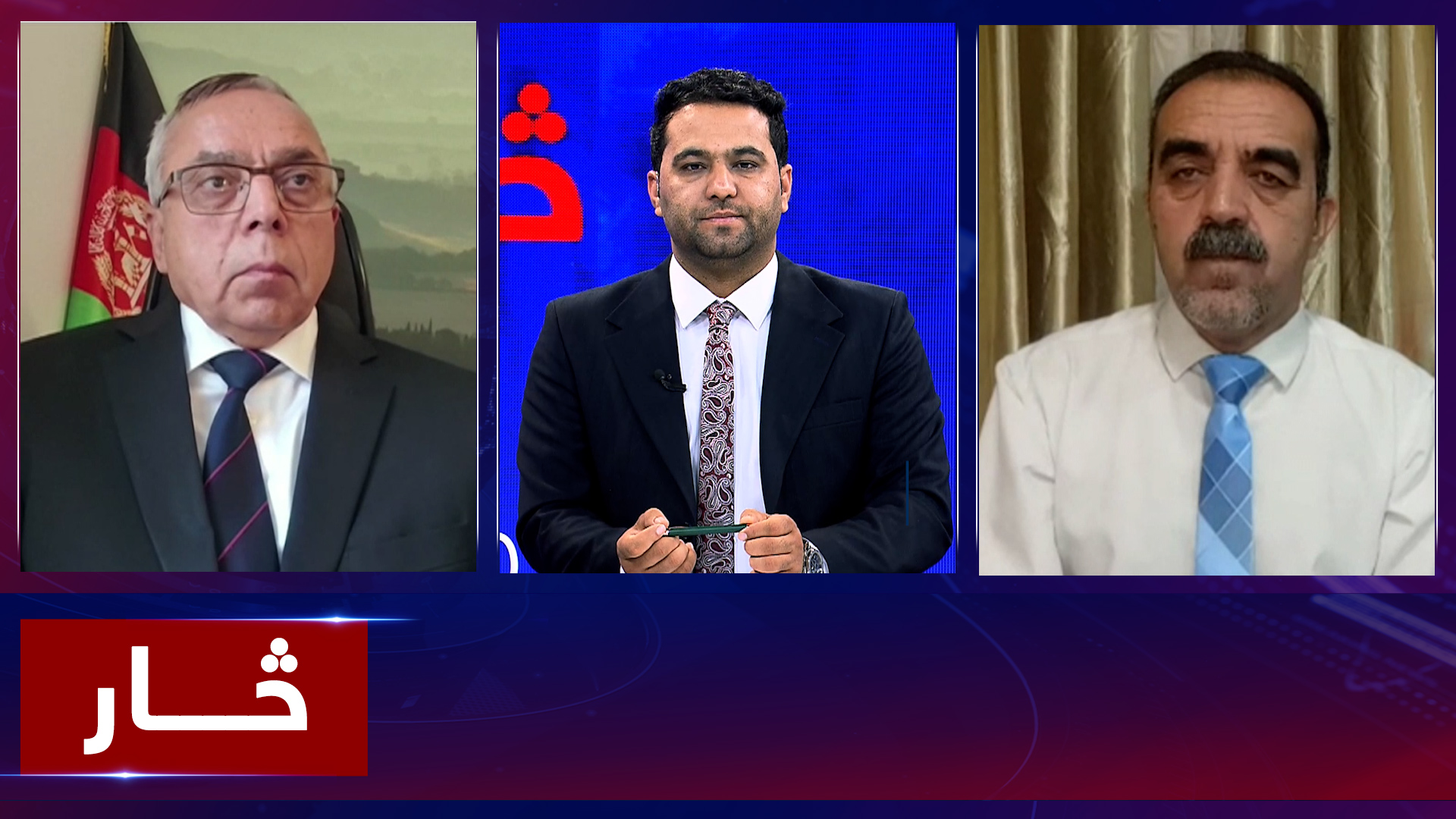
Saar: Impact of closing trade routes between Kabul-Pakistan discussed
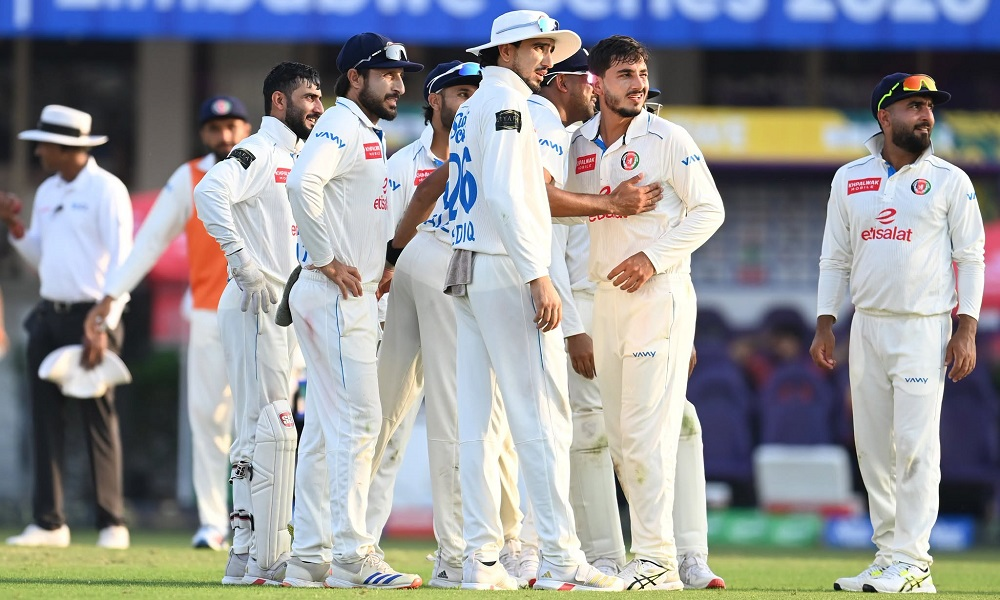
Brendan Taylor century puts Zimbabwe in control against Afghanistan on day one

Afghanistan finish runners-up after 6-0 defeat to Brazil in futsal final

Trump says US will not attack Iran before midterm elections in November

Afghan futsal coach: Brazil tournament is first step towards new goals and World Cup

Trump says US may strike Iran’s ‘Pickaxe Mountain’ nuclear facility

WHO calls for greater mental health support in Afghanistan
Tahawol: Calls for stronger joint action against terrorism discussed
Saar: Impact of closing trade routes between Kabul-Pakistan discussed

El-Sayed’s historic victory opens a new chapter for Muslim Americans
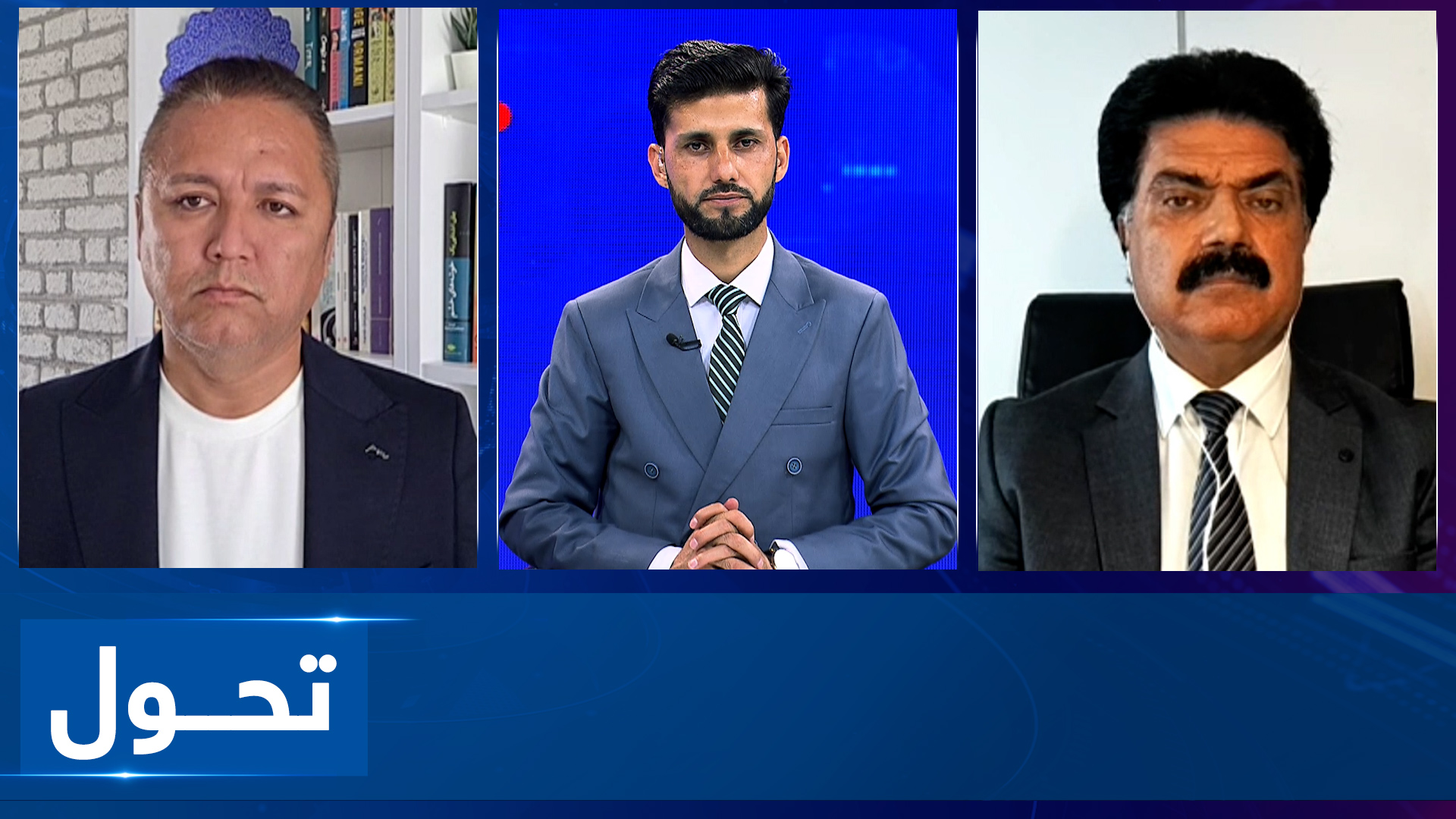
Tahawol: Russia’s Moscow Format for Afghan issues discussed
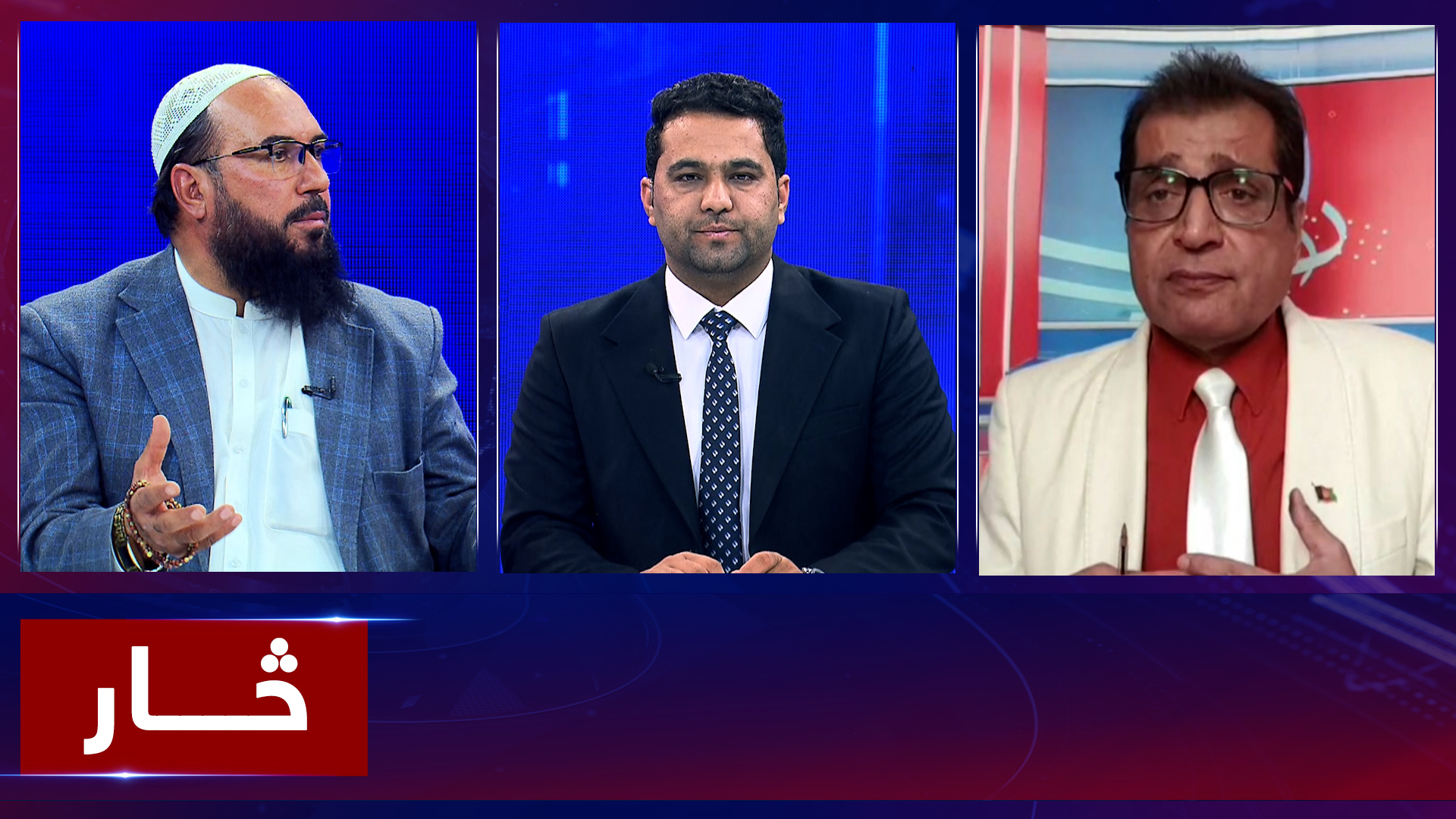
Saar: Afghanistan’s second invitation to Global Climate Summit discussed
-
 Sport4 days ago
Afghanistan futsal team thrash Panama 5-0 in flying start to Dakar Youth Olympics
-
 Sport4 days ago
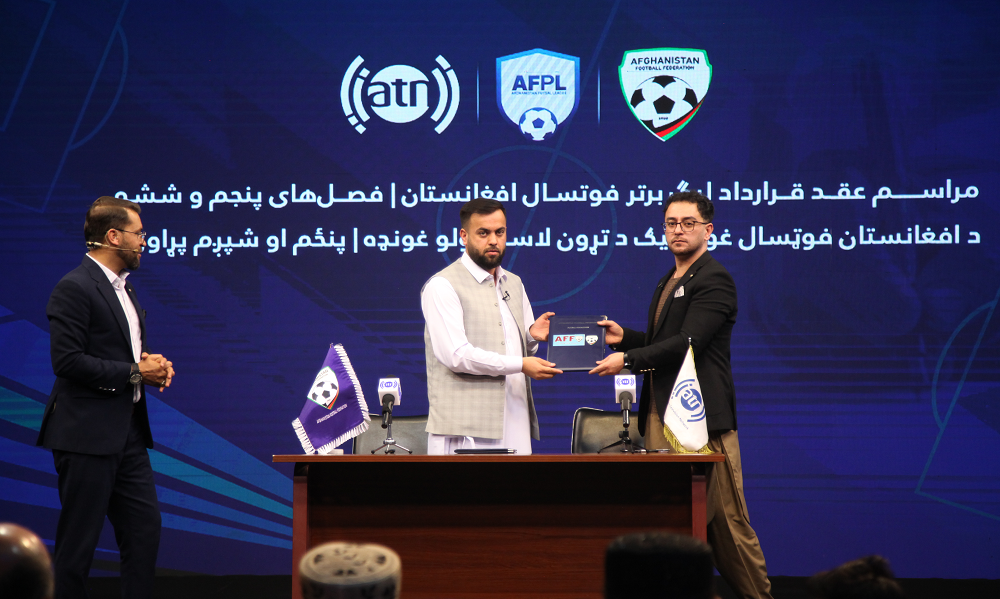
ATN signs deal to broadcast Afghanistan Futsal Premier League seasons 5 and 6
-
 Sport5 days ago
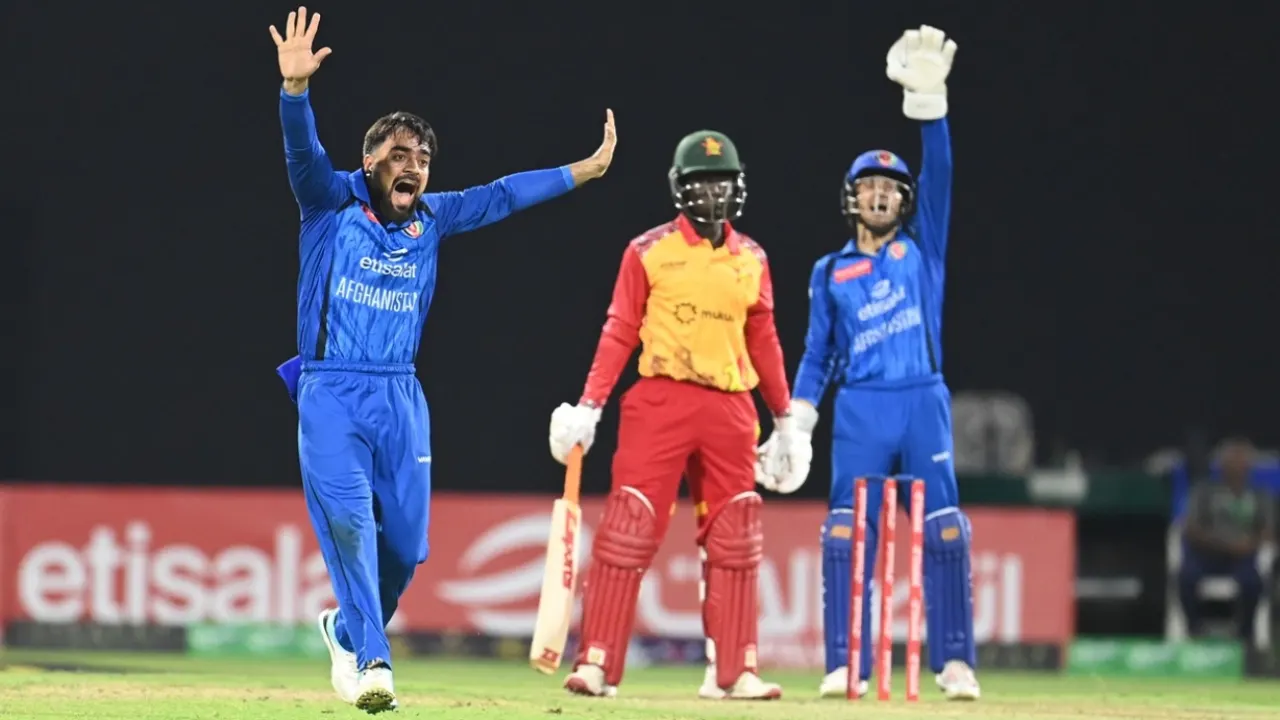
Afghanistan target T20I clean sweep against Zimbabwe in Sharjah
-
 World3 days ago
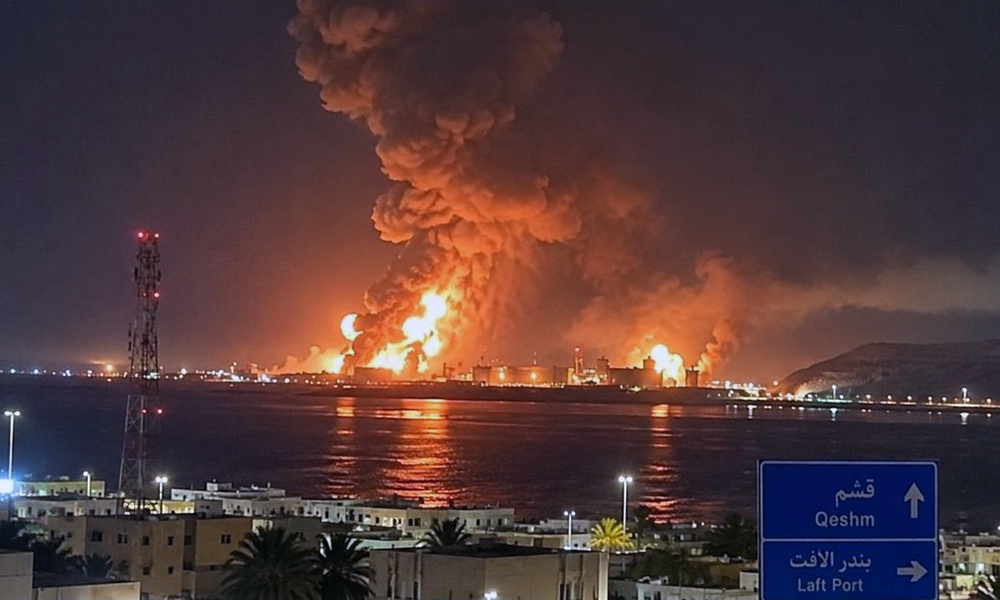
US carries out ‘defensive’ strikes on Iran’s Qeshm Island, officials say
-
 Sport4 days ago
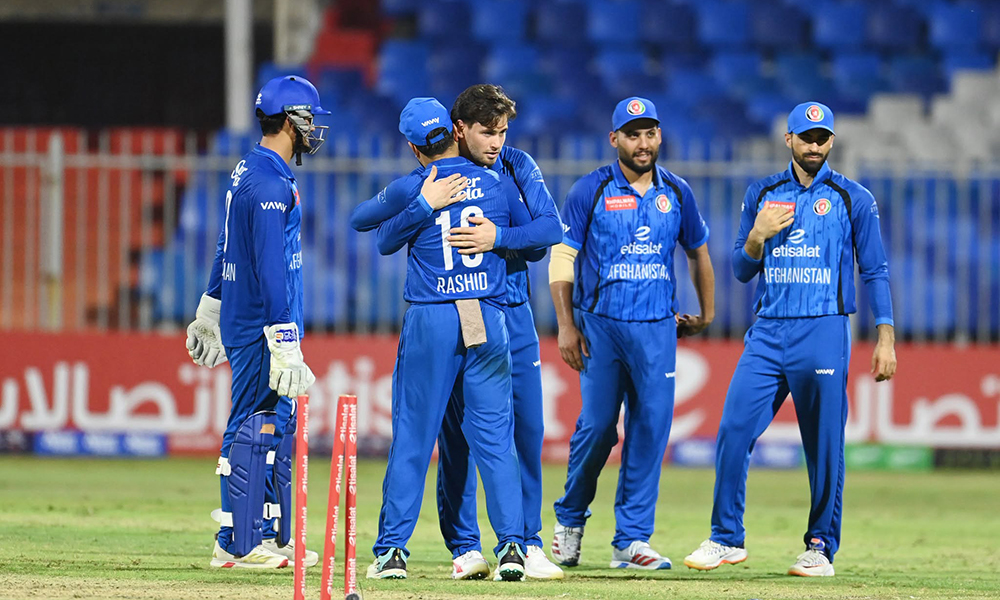
Afghanistan achieve their highest ICC Men’s ODI team ranking
-

 Latest News5 days ago
Pakistan welcomes US offer to facilitate dialogue with Afghanistan, while Kabul rejects Islamabad’s allegations
-
 Latest News4 days ago
Trump claims he could have won Afghanistan war in three weeks
-
 Latest News5 days ago
US plans to deport Afghans back to their home country via Pakistan