
Brendan Taylor century puts Zimbabwe in control against Afghanistan on day one

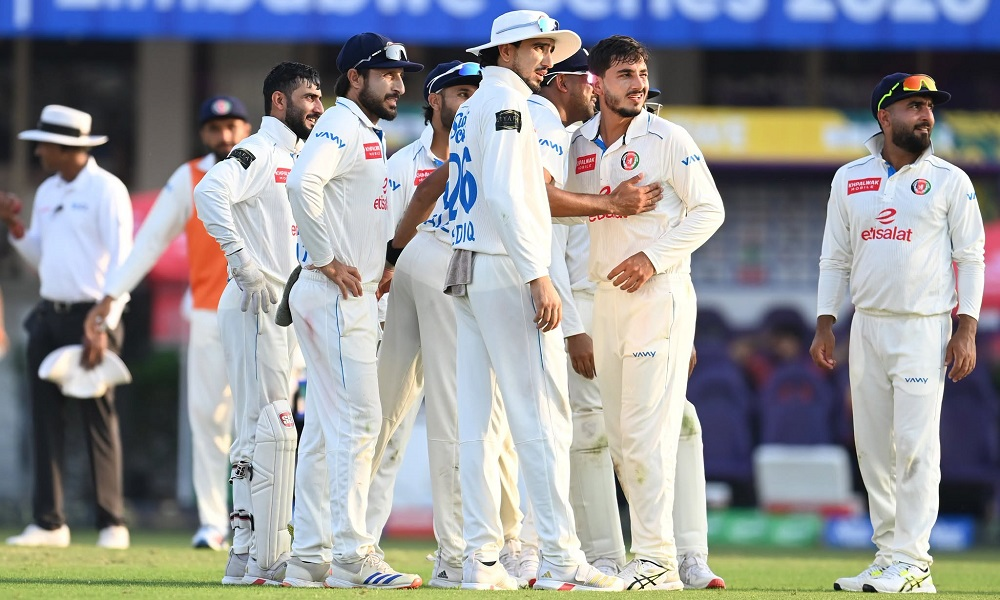
Zimbabwe produced a strong batting display to reach 326/5 at stumps on the opening day of the first Test against Afghanistan at Sharjah Cricket Stadium on Thursday.
Veteran batter Brendan Taylor led the visitors’ charge with an impressive 131, while captain Brian Bennett remained unbeaten on 71 after Zimbabwe won the toss and elected to bat.
Zimbabwe’s start was positive, with Ben Curran and Innocent Kaia putting together an opening partnership of 60 runs. Kaia was dismissed for 34, but Curran continued to build the innings, adding 65 runs with Taylor before falling for 42.
Taylor then took charge, producing an assured innings to reach his seventh Test century and his first in around eight years. He struck a series of boundaries against Afghanistan’s spinners, making good use of his sweep shot to keep the scoring rate moving.
His dismissal, however, briefly gave Afghanistan hope. The hosts fought back with a spell of three wickets that saw Zimbabwe slip from 262/2 to 287/5.
Afghanistan captain Rahmat Shah and the bowling attack appeared to have regained some control, but Bennett held firm at the other end, bringing up a valuable half-century.
Wessly Madhevere provided further momentum late in the day with an aggressive unbeaten 29 from 31 deliveries, including a flurry of boundaries against Qais Ahmad.
At the close, Bennett was unbeaten on 71 from 128 balls, with Madhevere on 29, as the pair guided Zimbabwe to 326/5 after 87 overs.
Zia-ur-Rehman was Afghanistan’s most successful bowler, claiming two wickets, while Qais Ahmad and Mohammad Saleem Safi took one each. Hashmatullah Shahidi also picked up a wicket.
Afghanistan made two changes to their side for the match, bringing in Sharifi and giving Rahmanullah another opportunity.
Zimbabwe will resume on Friday looking to build on their strong position and push towards a first-innings total beyond 400. Afghanistan, meanwhile, face the task of making early breakthroughs to prevent Zimbabwe from taking an even stronger grip on the contest.
The second and final Test of the series is scheduled to take place at Sharjah from November 13 to 17.



Opinion
El-Sayed’s historic victory opens a new chapter for Muslim Americans
His election to the US Senate is a landmark moment for Muslim representation. But the ambitious Michigan Democrat could also be a political figure to watch in the years ahead.
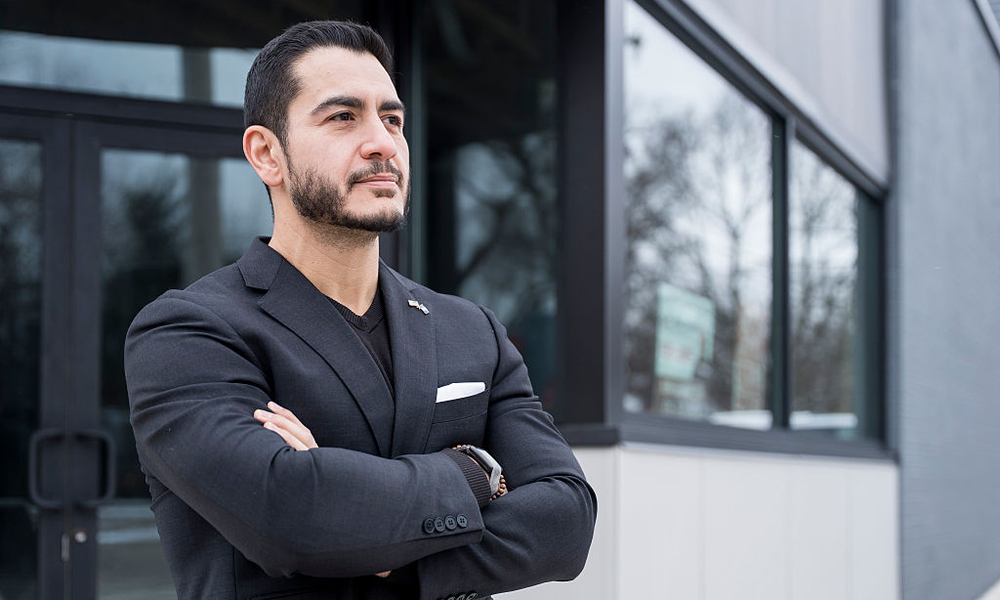
For Muslim Americans, Abdul El-Sayed’s election to the US Senate is about much more than winning a seat in Michigan. It is a moment that breaks a barrier that has stood for generations and puts a Muslim voice inside one of the most powerful political institutions in the United States.
El-Sayed, who defeated Republican Mike Rogers in Michigan’s Senate election, this week became the first Muslim elected to the US Senate. It is a remarkable milestone for a community that has often found itself under scrutiny in American political life, and whose representation at the highest levels of government has remained limited.
His victory is also the culmination of an unconventional political journey, taking him from public health work in Detroit to a campaign that challenged some of the biggest names and financial interests in American politics.
From Michigan to Oxford and back
Born and raised in southeast Michigan to an Egyptian immigrant father, El-Sayed has deep roots in the state he will now represent in Washington.
He studied at the University of Michigan before winning a Rhodes Scholarship to Oxford University, where he earned a doctorate in public health. He later completed his medical degree at Columbia University.
But rather than follow a traditional medical career, he turned to public service. In 2015, he became director of Detroit’s Health Department, taking on the difficult task of rebuilding the agency following the city’s bankruptcy.
His work focused on issues that directly affected people’s lives, including childhood lead exposure, access to healthcare and medical debt. He later headed Wayne County’s Department of Health, Human and Veterans Services.
It was this experience, and his belief that healthcare and basic services should not depend on a person’s income, that would become central to his political message.
He lost once, but came back fighting
El-Sayed’s first major attempt at elected office came in 2018, when he ran for governor of Michigan. He attracted considerable attention from progressive Democrats but lost the primary to Gretchen Whitmer.
It might have ended his political ambitions. Instead, he stayed in the public conversation through writing, podcasting and political commentary, building a following and keeping his name in the mix.
When Democratic Senator Gary Peters announced he would not seek re-election, El-Sayed saw another opportunity.
He launched his Senate campaign in April 2025 with just four staff members. What followed was an energetic, grassroots effort that took him to 110 cities and more than 500 campaign events. His volunteer network eventually grew to around 12,000 people.
He made a point of meeting voters face to face, while also using podcasts and social media to reach younger Americans who have become increasingly sceptical of traditional political campaigning.
Taking on the big money
One of the strongest themes of El-Sayed’s campaign was his refusal to accept corporate campaign contributions. He argued that politicians should answer to voters, not wealthy donors or powerful business interests.
His campaign relied on individual contributions and grassroots fundraising, eventually raising approximately $53.8 million during the election cycle.
That did not mean he avoided the big-money political battle. Far from it.
During the Democratic primary, AIPAC-affiliated groups spent heavily supporting rival Haley Stevens, while other outside groups spent substantial sums opposing El-Sayed. He nevertheless won the Democratic nomination.
His campaign centred on affordable healthcare, economic fairness, support for working families and reducing corporate influence. He also took a firm position against US military assistance to Israel, an issue that brought both support and criticism.
It was a tough contest, but El-Sayed managed to build a coalition that carried him through the primary and ultimately to victory over Rogers.
A moment that matters beyond Michigan
For Muslim Americans, the significance of this election goes well beyond party politics.
Muslims have been part of American society for generations, contributing to business, medicine, education, public service and countless other fields. Yet their presence in the country’s most powerful political institutions has remained limited.
El-Sayed’s election changes that picture. His arrival in the Senate sends a message that a Muslim American, including someone from an immigrant family, can compete at the highest level of national politics and win.
His faith and Egyptian heritage became subjects of political debate during the campaign, but he continued to focus on the issues he said mattered to voters across Michigan.
There is also a wider political story here. El-Sayed has shown that a candidate without an established political machine can build a formidable campaign through organisation, persistence and a message that resonates with ordinary voters.
Could Washington be just the beginning?
At 42, El-Sayed is entering the Senate with time and opportunity on his side. His public health background, campaigning ability and appeal to progressive voters could make him a force to be reckoned with in American politics.
The Senate will give him a national platform, and how he uses it could determine just how far his political ambitions take him.
It may be too early to talk seriously about a presidential run, but it is hardly far-fetched to imagine his name one day appearing on a Democratic presidential ballot.
American politics has a habit of producing unexpected candidates, and El-Sayed has already shown that he should not be underestimated.
For now, his immediate achievement is historic enough. He has broken a barrier for Muslim Americans and opened a door that has never before been open to one of their own in the US Senate.
What he does with that opportunity could be an even bigger story.
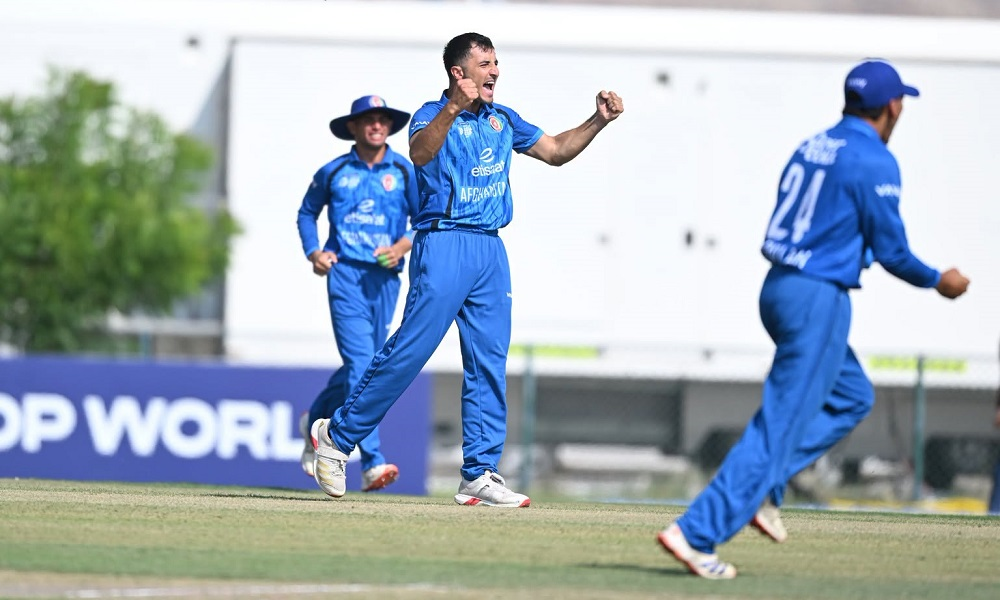
Afghanistan’s Under-19 cricket team opened its ACC Men’s U19 Asia Cup 2026 campaign with a convincing 113-run victory over Bangladesh.
Bowlers Amir Hamza, Noor Ali Niazai and Samiullah Mubariz led Afghanistan’s bowling attack, taking three wickets each to help secure the win.
Latest News
More than half of Afghan primary school-age children out of school: UN report
The report, titled Afghanistan Education Situation 2026, warns that the country’s education system is struggling to meet growing demand amid population growth, recurring emergencies, insufficient investment and the large-scale return of Afghan migrants from Pakistan and Iran.
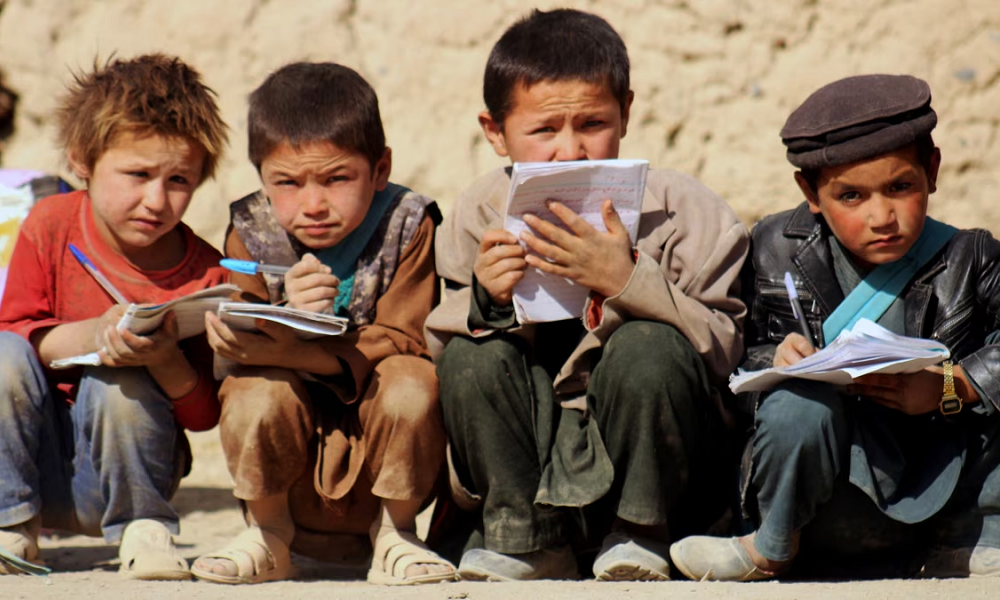
More than half of Afghanistan’s primary school-age children remain outside formal education, while more than 2.6 million girls are unable to continue their studies beyond the sixth grade, according to a new report by the United Nations Educational, Scientific and Cultural Organization (UNESCO) and UNICEF.
The report, titled Afghanistan Education Situation 2026, warns that the country’s education system is struggling to meet growing demand amid population growth, recurring emergencies, insufficient investment and the large-scale return of Afghan migrants from Pakistan and Iran.
According to the report, Afghanistan’s school-age population, comprising children and young people aged seven to 18, increased from approximately 10.4 million in 2019 to 11.5 million in 2024, putting additional pressure on schools, teachers and education services.
More than one million Afghans returned from neighbouring countries this year, including over 245,000 children, further increasing the demand for educational services.
The report highlights significant disparities in access to education, particularly for girls, noting that more than 2.6 million girls have been unable to attend school beyond grade six since August 2021.
It says alternative learning opportunities, including community-based classes, literacy programmes, distance education and private tutoring, remain insufficient to meet the educational needs of teenage girls.
Although around 5,300 community-based classes provide learning opportunities to approximately 162,000 students, with girls accounting for 64 percent of participants, the UN agencies stress that these programmes cannot replace formal, in-person education.
The report also points to declining school participation among boys, estimating that around 53 percent of primary school-age children are currently outside formal general education. Participation rates at lower and upper secondary levels stand at 67 percent and 79 percent, respectively.
Despite these challenges, Afghan families continue to seek educational opportunities for their children.
Around 6.6 million children enrolled in public primary schools last year, approximately 560,000 more than in 2022. However, the report says enrolment growth has not kept pace with the increasing school-age population.
It also raises concerns about the quality of education, noting that a nationwide assessment found fewer than half of fourth-grade students had achieved minimum proficiency in language skills.
Meanwhile, Afghanistan’s higher education sector remains significantly smaller than before 2021. Around 208,000 students are enrolled in universities this year, compared with 189,000 in 2024 and approximately 430,000 in 2020.
UNESCO and UNICEF have called for the full restoration of girls’ and women’s right to education and increased investment in teachers, learning materials and education services.
The agencies warn that without urgent action to address the challenges facing the sector, an entire generation of Afghans risks being left behind, with serious consequences for the country’s future recovery and development.

Brendan Taylor century puts Zimbabwe in control against Afghanistan on day one
El-Sayed’s historic victory opens a new chapter for Muslim Americans
Afghanistan U19 defeat Bangladesh by 113 runs in Asia Cup opener
More than half of Afghan primary school-age children out of school: UN report

Cristiano Ronaldo announces international retirement

Afghanistan finish runners-up after 6-0 defeat to Brazil in futsal final

Trump says US will not attack Iran before midterm elections in November

Lionel Messi bids tearful farewell to Argentina after 3-0 win over Benin

Afghan futsal coach: Brazil tournament is first step towards new goals and World Cup

Trump says US may strike Iran’s ‘Pickaxe Mountain’ nuclear facility
El-Sayed’s historic victory opens a new chapter for Muslim Americans
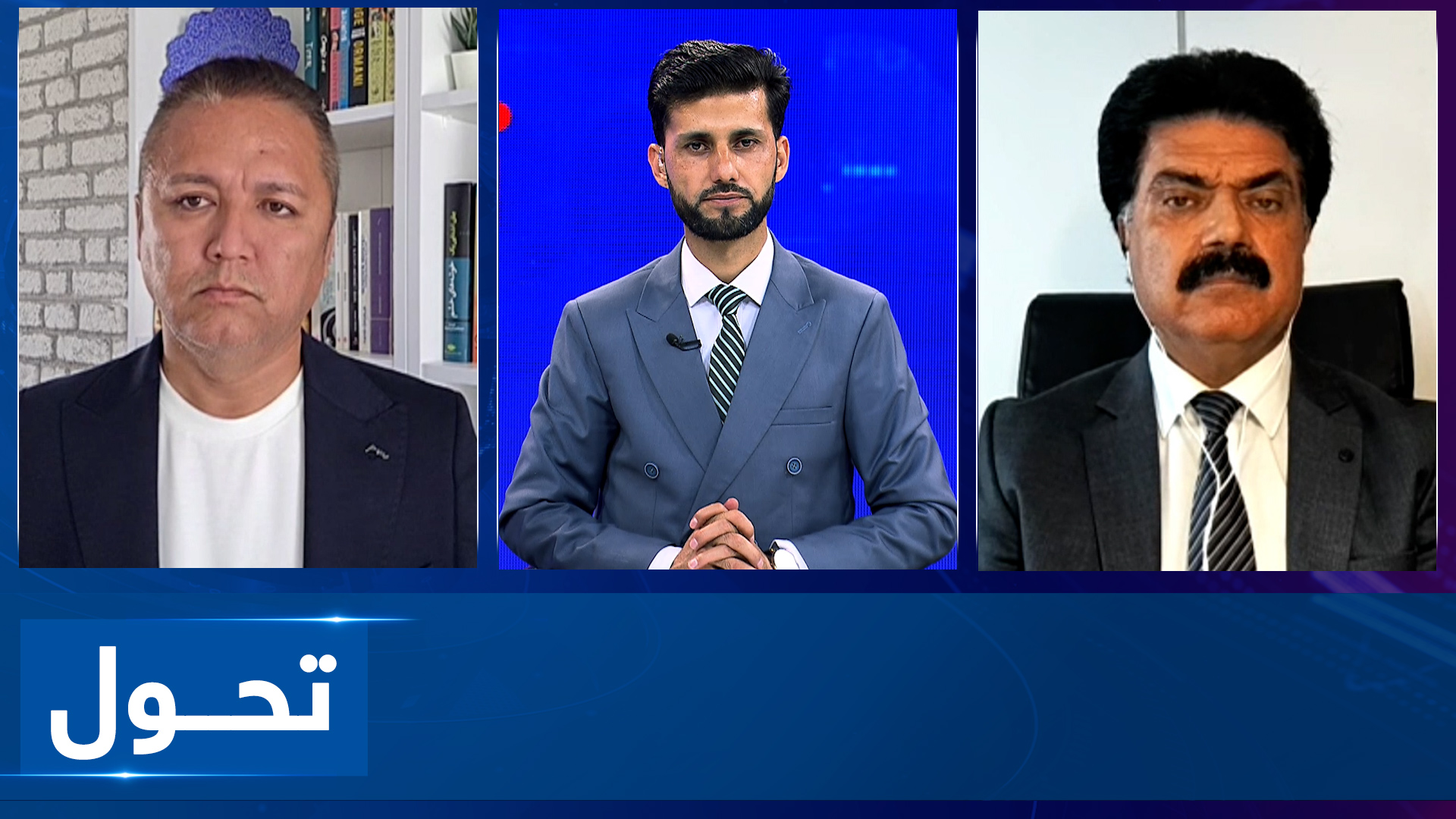
Tahawol: Russia’s Moscow Format for Afghan issues discussed
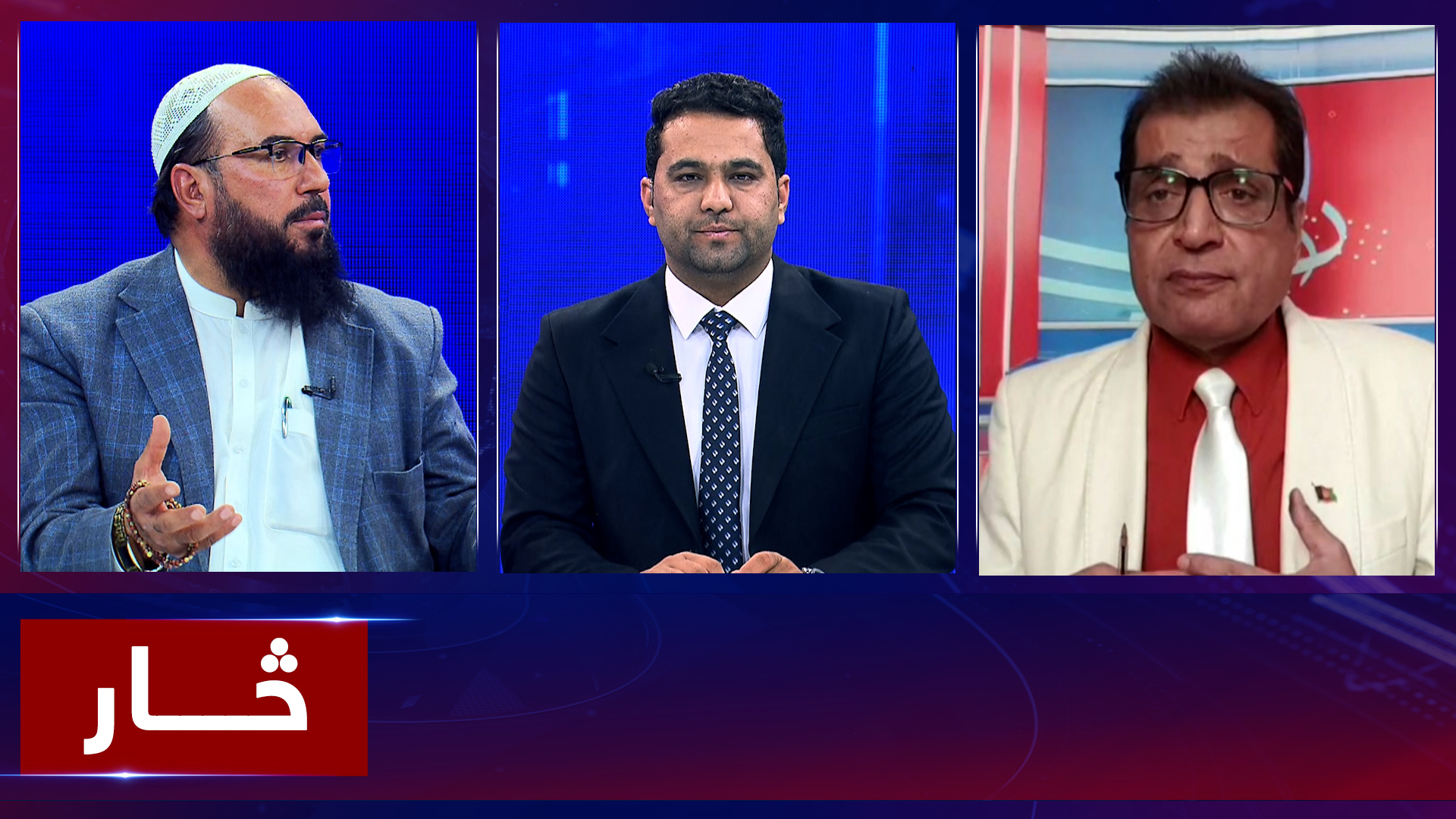
Saar: Afghanistan’s second invitation to Global Climate Summit discussed
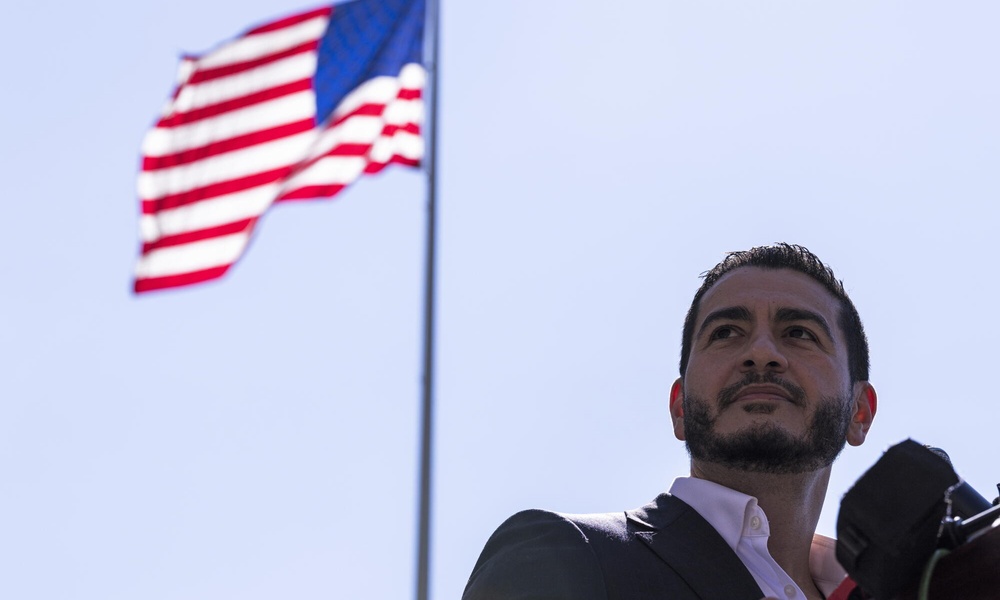
Democrat Abdul El-Sayed becomes first Muslim elected to US Senate
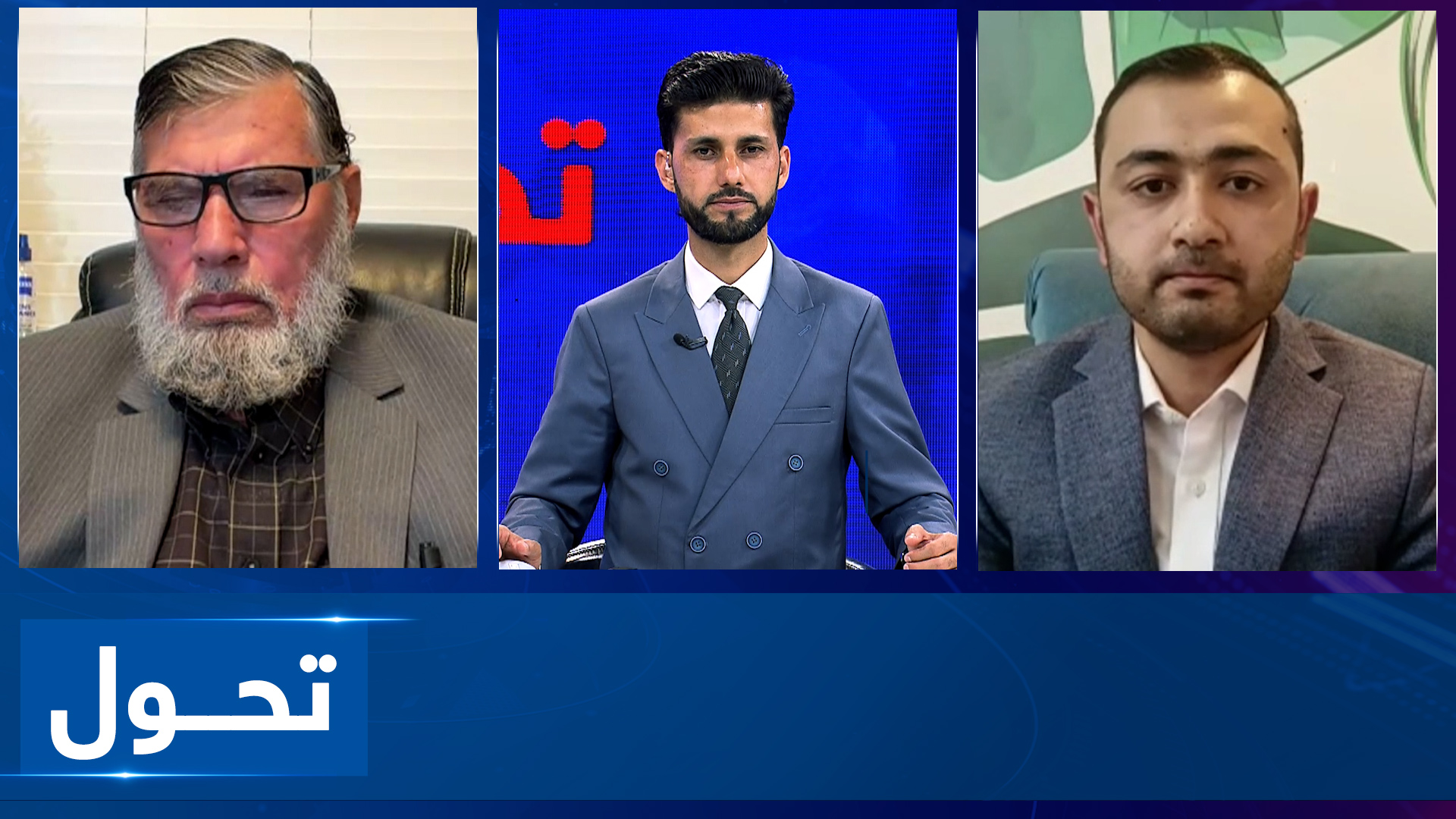
Tahawol: Iran hosts quadrilateral talks on Afghanistan discussed
-
 Sport4 days ago
Afghanistan crowned 2026 Hong Kong Sixes champions after beating Australia in final
-
 Sport3 days ago
Afghanistan futsal team thrash Panama 5-0 in flying start to Dakar Youth Olympics
-
 Sport3 days ago
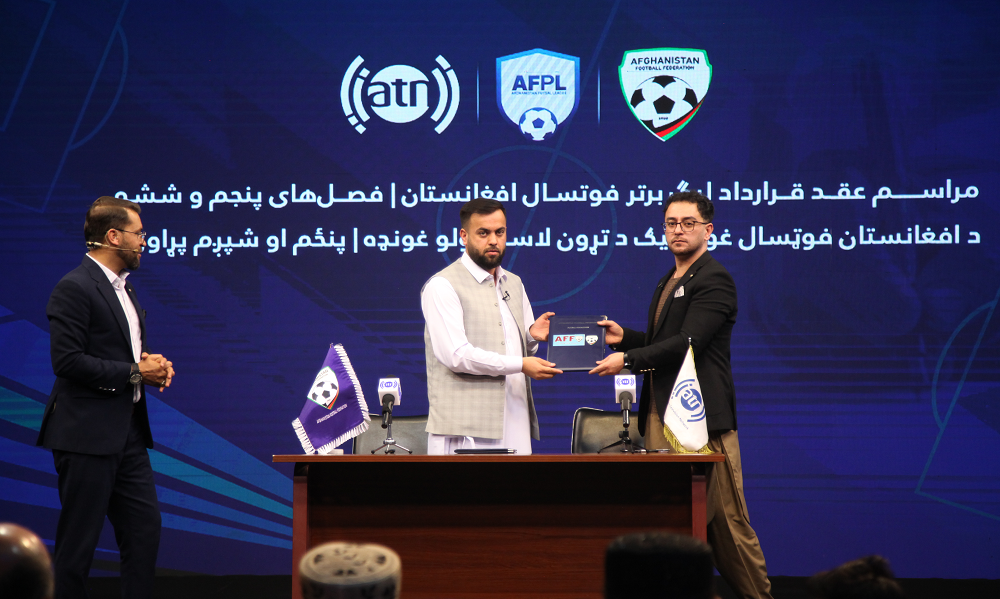
ATN signs deal to broadcast Afghanistan Futsal Premier League seasons 5 and 6
-
 Sport4 days ago
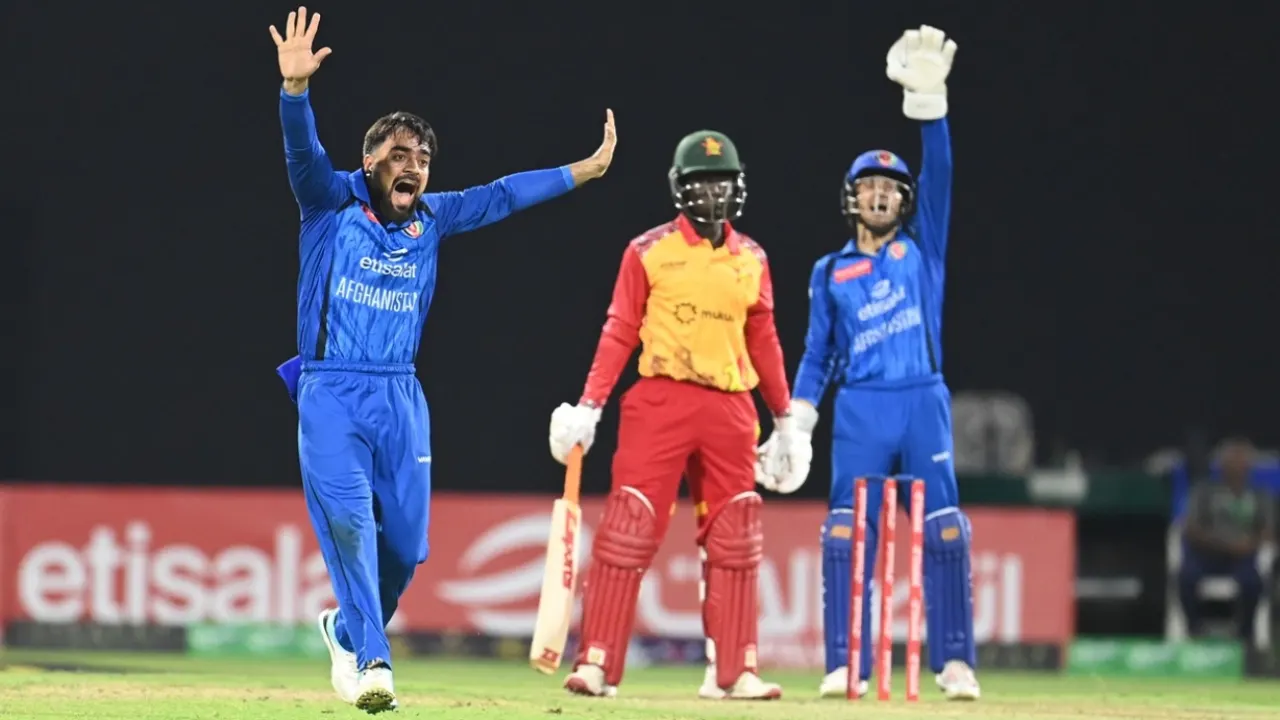
Afghanistan target T20I clean sweep against Zimbabwe in Sharjah
-
 World2 days ago
US carries out ‘defensive’ strikes on Iran’s Qeshm Island, officials say
-
 Sport5 days ago
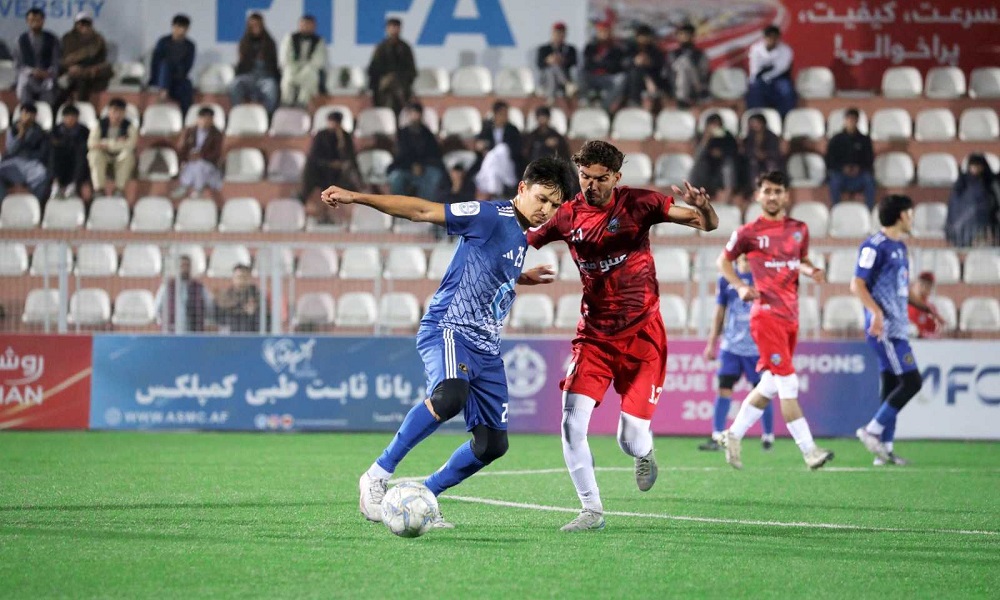
Arman FC fall 2–0 to Aino Mina in Afghanistan Champions League
-
 Latest News4 days ago
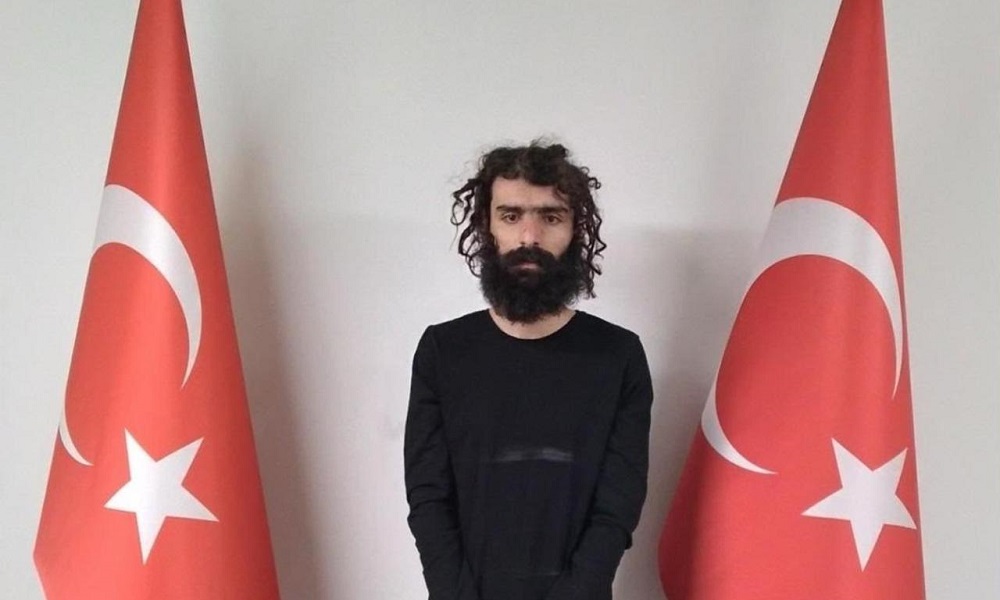
Turkish Daesh suspect Uğur Bahadır arrived at Islamabad airport, trained in Balochistan: sources
-
 Sport3 days ago
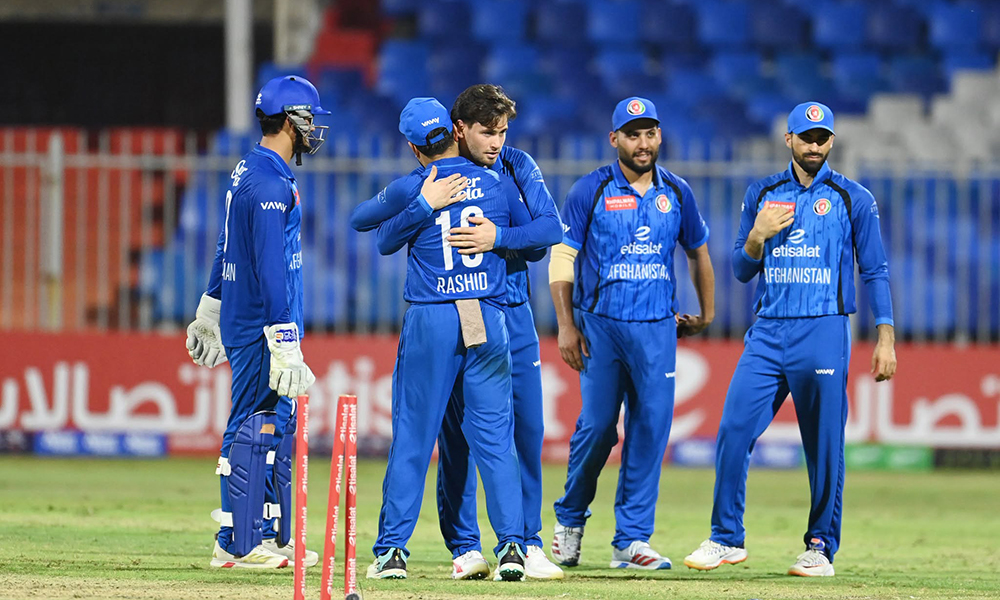
Afghanistan achieve their highest ICC Men’s ODI team ranking