
Regional
Iran, US continue escalating attacks, recriminations over peace deal
US Central Command said earlier that its forces had carried out fresh strikes after a Panama-flagged tanker was attacked by an Iranian drone on Saturday.

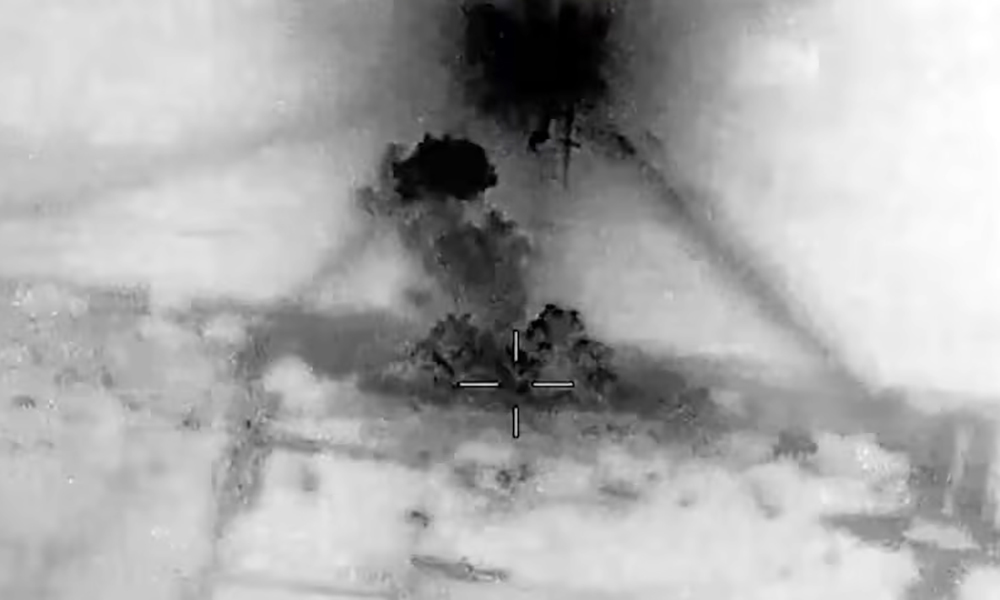
Iran and the US continued their attacks in the Gulf as each accused the other of violating an increasingly precarious interim deal signed less than two weeks ago to end their four-month-old war, Reuters reported.
Shortly after President Donald Trump warned the US might “militarily complete the job”, Iran early on Sunday launched missiles and drones on US military sites in Kuwait and Bahrain, continuing a series of escalating attacks.
Beyond the Gulf, Israel said it had struck Iran-backed Hezbollah militants in southern Lebanon as fighting continued in an area Tehran says is key to its peace deal with Washington.
The U.S. military said earlier it had struck Iran again, hours after a tanker was hit in the Strait of Hormuz, the world’s most important energy shipping route, which Iran had largely cut off for most of the conflict.
The 14-point U.S.-Iran interim agreement was meant to halt the fighting, which the US and Israel started on February 28, and reopen the strait to shipping while talks proceeded on more deep-seated issues, such as Iran’s nuclear programme.
One round of mediated talks, led by Vice President JD Vance and Iran’s parliamentary speaker, Mohammad Baqer Qalibaf, was held in Switzerland a week ago and Washington then waived sanctions on Tehran, but the fighting and recriminations have since resumed and intensified.
“There may come a point when we are no longer able to be reasonable, and will be forced to militarily complete the job that we very successfully started,” Trump posted on social media. “If that happens, the Islamic Republic of Iran will no longer exist!”
About an hour after Trump’s post, the Kuwaiti army said its air defences were responding to “hostile” missile and drone attacks, while sirens sounded in Bahrain, according to that country’s interior ministry.
Iran’s Islamic Revolutionary Guard Corps said its navy and air forces had launched missile and drone operations targeting US military sites in Kuwait and Bahrain in response to recent US strikes against Iran, read the report.
The Guards said in a statement the US strikes had violated the ceasefire and “will result in the complete halt of all diplomatic processes”, according to state-run Press TV. The IRGC navy command said American bases in the region “will experience hell in the coming days”.
A US official, confirming the attacks on US facilities, told Reuters there were no reported US casualties or major damage to US sites in the Middle East but that the situation was still unfolding.
Hours later, alarms sounded for a second time in Bahrain, and the foreign ministry there condemned the attacks as a deliberate and repeated violation of the kingdom’s sovereignty and security. It urged the U.N. Security Council to hold an urgent session to hold Iran accountable.
US Central Command said earlier that its forces had carried out fresh strikes after a Panama-flagged tanker was attacked by an Iranian drone on Saturday.
“Iran was given a chance to honor the ceasefire agreement but elected not to,” Central Command said in a statement, adding that its strikes were “in direct response to continued Iranian aggression against commercial shipping” and targeted Iranian military surveillance, communications, air defence, drone storage and mine-laying facilities.
Iranian state broadcaster IRIB said explosions were heard in Sirik in southern Iran, without providing details. The Guards said “America’s blind shots at Sirik will not resolve our dominance over the Strait of Hormuz. But our shots at violators will remind the rest of the vessels of the clear passage route.”
Saturday’s tanker attack in the strait followed one on a cargo ship on Thursday that triggered the latest escalation. Iran is seeking to assert control over the strait, which carried one-fifth of global oil and LNG supplies before the war and which had just begun to reopen after months of disruption, Reuters reported.
Hundreds of ships, including tankers laden with oil, have been blockaded inside the Gulf since war broke out. As they began leaving through the strait over the past two weeks, oil prices have tumbled close to pre-war levels on the surge in supply.
Washington has been promoting a southern lane along the coast of Oman, while Tehran, which ultimately aims to charge fees for use of the strait, wants ships to use a northern route through its waters and under its control.
In Lebanon, Israel said on Sunday it had killed Hezbollah militants armed with rocket-propelled grenades and struck a rocket launcher in the Nabatieh area.
Iran accuses the US of violating its commitment under the peace deal to sustaining a ceasefire in Lebanon, which US ally Israel invaded in March in pursuit of Hezbollah.
Israel, which is not a party to the US-Iran deal, and Lebanon have repeatedly agreed to US-brokered ceasefires, the latest on Friday. But these have had only limited effect, with Israel insisting it will not withdraw from Lebanese territory it has seized and Hezbollah repeatedly rejecting calls to give up its arms as long as Israeli troops remain in place.

Regional
Saudi Arabia says debris from intercepted missiles falls in Mecca region
The missiles were launched towards the region and intercepted and destroyed, Saudi Arabia’s civil defence said in a statement.
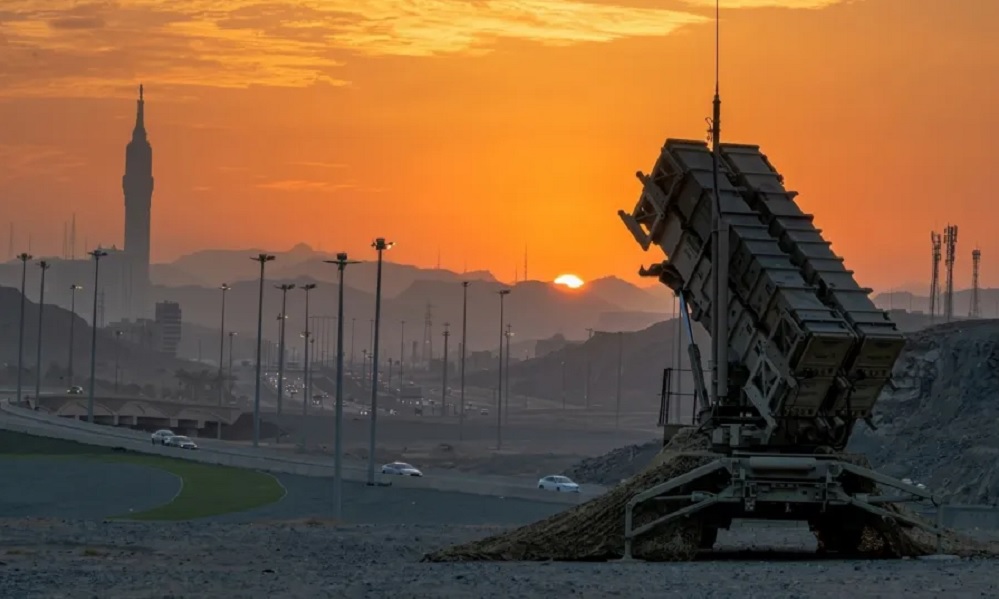
Saudi Arabia said debris from two ballistic missiles intercepted by its air defences fell in the Mecca region on Wednesday, as the kingdom and Yemen’s Iran-aligned Houthis continued to trade attacks in an escalating conflict.
Saudi state television identified the locations as Sabuhah village, about 35 km (22 miles) northeast of the Grand Mosque in Mecca, and Wadi al-Maghmas, about 21 km east of the mosque, Reuters reported.
The missiles were launched towards the region and intercepted and destroyed, Saudi Arabia’s civil defence said in a statement.
The Houthis have repeatedly denied Saudi accusations that they target Mecca and Medina, Islam’s two holiest cities, saying their military operations are directed at military and strategic targets elsewhere in Saudi Arabia.
Mecca, home to sites sacred to Muslims worldwide, is the focal point of the annual hajj pilgrimage, one of the five pillars of Islam, which millions of Muslims undertake each year.
“This hostile targeting of civilian objects constitutes a flagrant violation of international humanitarian law and reflects the dangerous hostile approach pursued by the Houthi militia,” Saudi Arabia’s civil defence said early on Thursday.
The Houthis seized Yemen’s capital Sanaa in 2014, prompting Saudi Arabia to intervene militarily the following year in support of the internationally recognised government.
A UN-brokered truce in 2022 largely froze the conflict, but hostilities resumed earlier this year, with the Houthis launching missile and drone attacks on Saudi territory and Riyadh carrying out airstrikes in Yemen.
The latest escalation has threatened the strategic Bab el-Mandeb Strait, a key shipping route linking the Red Sea and the Gulf of Aden.
Regional
Iran defends two-day proposal for peace talks after US rejects conditions
Iran defended a proposal on Monday to restart peace talks in as few as two days as the most reasonable offer on the table, after US Secretary of State Marco Rubio called some of Iran’s conditions “outrageous and ridiculous”.
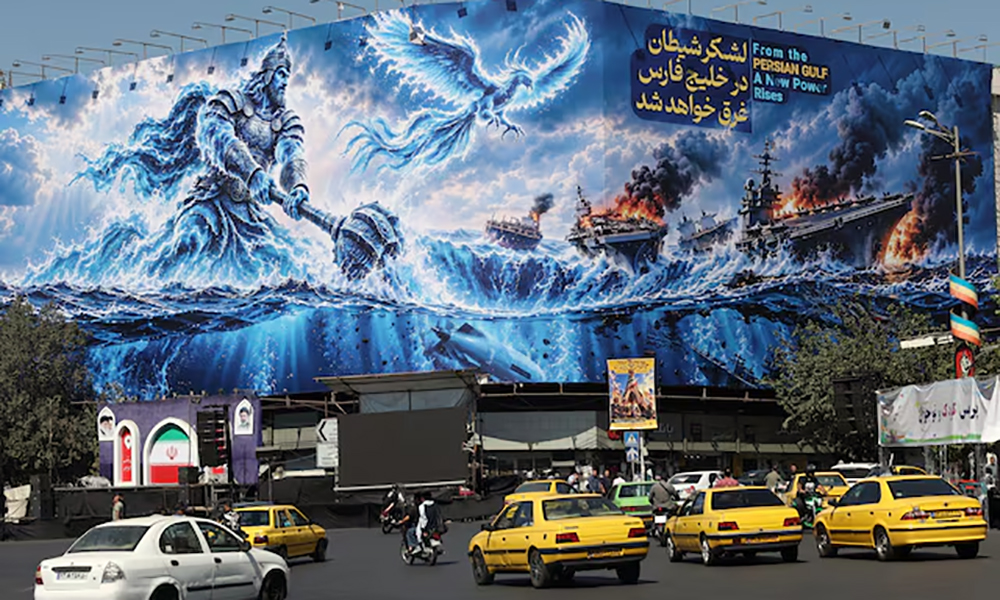
Iran defended a proposal on Monday to restart peace talks in as few as two days as the most reasonable offer on the table, after US Secretary of State Marco Rubio called some of Iran’s conditions “outrageous and ridiculous”, Reuters reported.
“Is it unreasonable that Iran demands that US illegal sanctions and its naval blockade must be lifted before negotiations start and that the war should end on all fronts?” Foreign Ministry spokesman Esmaeil Baghaei told a weekly press conference in response to Rubio’s remarks.
Iran defended a proposal on Monday to restart peace talks in as few as two days as the most reasonable offer on the table, after US Secretary of State Marco Rubio called some of Iran’s conditions “outrageous and ridiculous”.
“Is it unreasonable that Iran demands that US illegal sanctions and its naval blockade must be lifted before negotiations start and that the war should end on all fronts?” Foreign Ministry spokesman Esmaeil Baghaei told a weekly press conference in response to Rubio’s remarks.
Regional
Explosions heard in areas in southern Iran, Iranian media report
Earlier on Saturday, Tasnim news agency said two missiles struck Qeshm Island with no official information on possible damage.
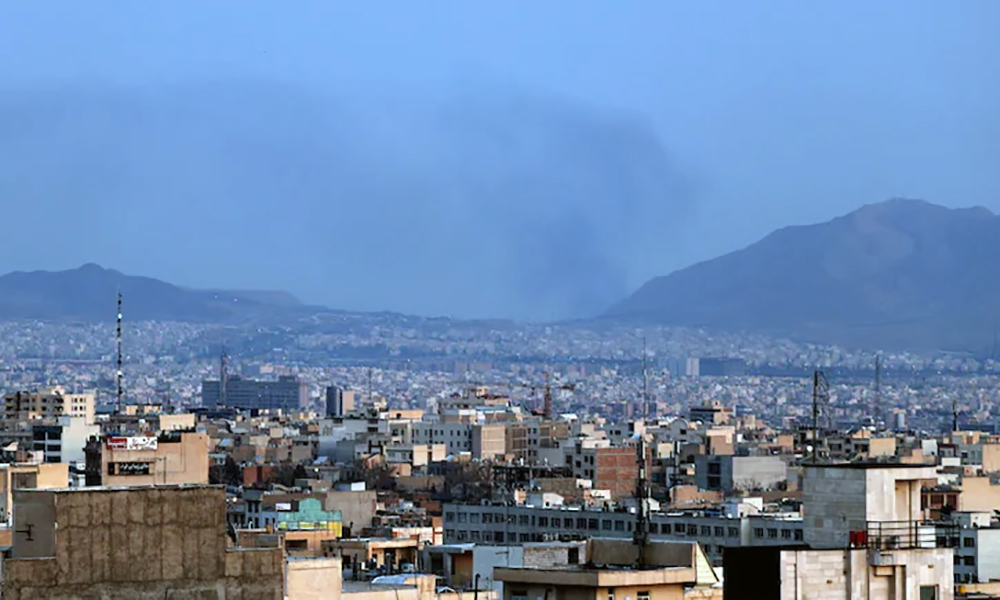
Explosions were heard on Saturday evening in several areas in southern Iran, including on Qeshm Island in the Strait of Hormuz, Iranian state television reported.
Iran’s state TV suggested that the explosions might be linked to Iranian military activities in the strategic waterway, which has become subject to repeated attacks on commercial shipping since the war erupted between the US and Iran in February.
It said Iranian officials have not confirmed any missile strikes on the areas, while the semi-official Tasnim news agency cited a source as saying that the explosions heard on Qeshm Island were not related to missile strikes.
Iran’s Revolutionary Guards Navy said early on Sunday that two oil tankers were on fire after hitting mines as they attempted to pass through an “unauthorized route” in the strait. It was not immediately clear if the incidents referred to by the IRGC were linked to the sound of explosions heard in southern Iranian areas.
Iran has hit vessels it says have violated its restrictions on passage through the waterway, as it seeks to assert control over the strait and exert pressure on Washington.
Earlier on Saturday, Tasnim news agency said two missiles struck Qeshm Island with no official information on possible damage.
The reported explosions come days after the US carried out strikes on the island. A US official said those strikes were limited and not a resumption of major combat operations.
The US military said on Saturday evening that its forces disabled a commercial vessel that tried to get through the US blockade of Iran.
The US Central Command said one of its aircraft fired at the vessel’s stern and disabled the ship after it attempted to violate the blockade.
Countries in the region had been anticipating that US President Donald Trump, who has held off on strikes on Iran during the weeks leading up to Tuesday’s midterm elections, could restart attacks once the voting was over. Iran has repeatedly said it would respond to new attacks by striking at US and Israeli targets in neighboring countries.

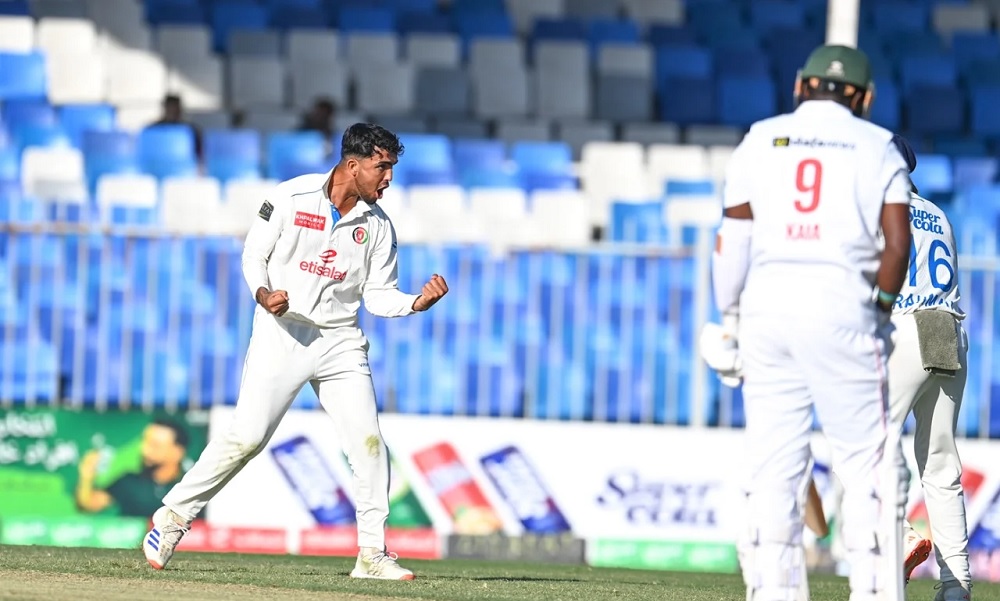
Debutant Naseer Khan strikes four as Afghanistan fight back against Zimbabwe in second Test

Russia calls UN report on Afghan opium ‘political propaganda’
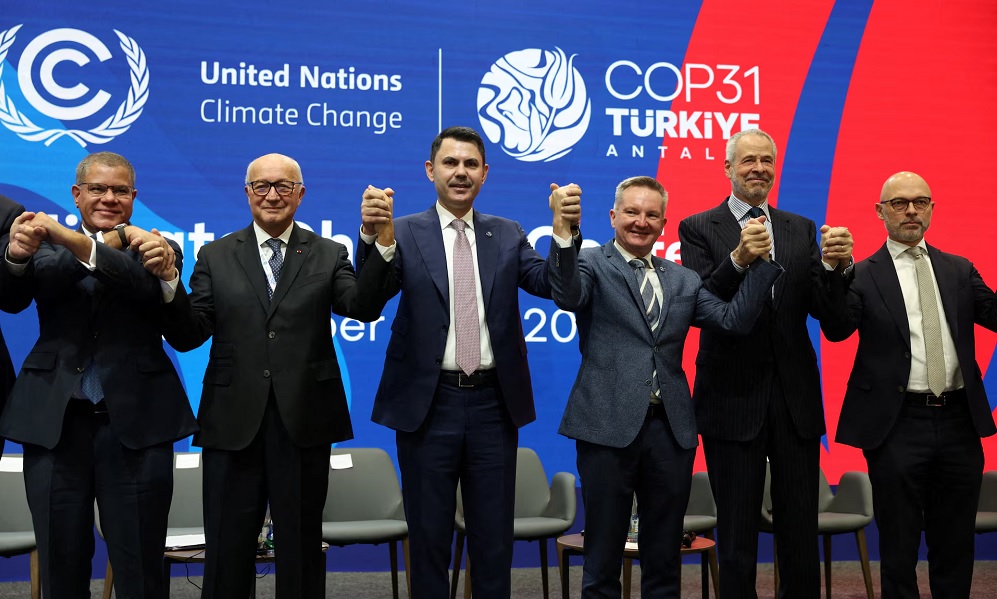
Urgent climate finance pleas at COP31 face a non-urgent response
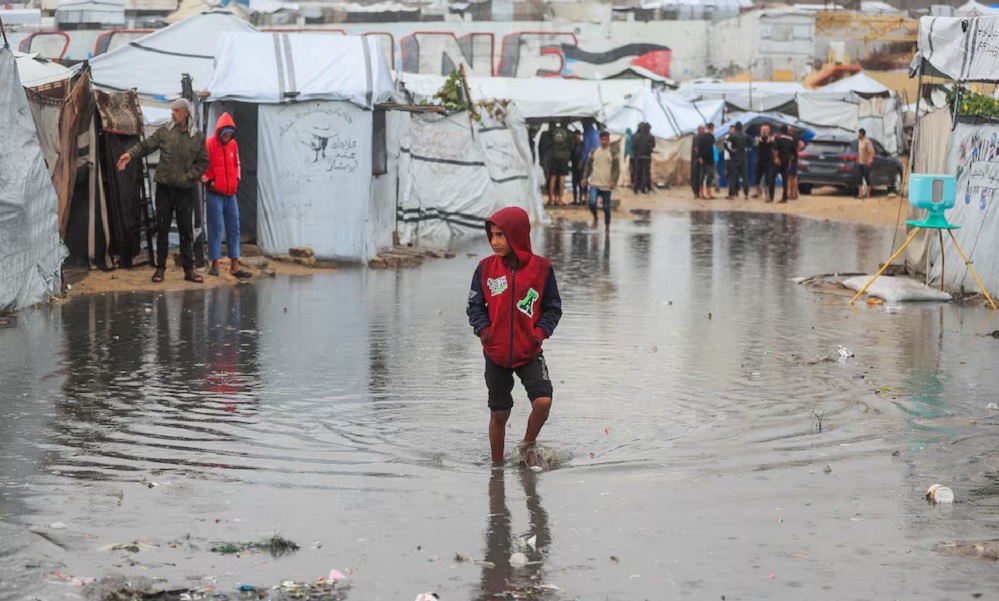
Respiratory illnesses rise in Gaza with worst to come as winter floods arrive, WHO says
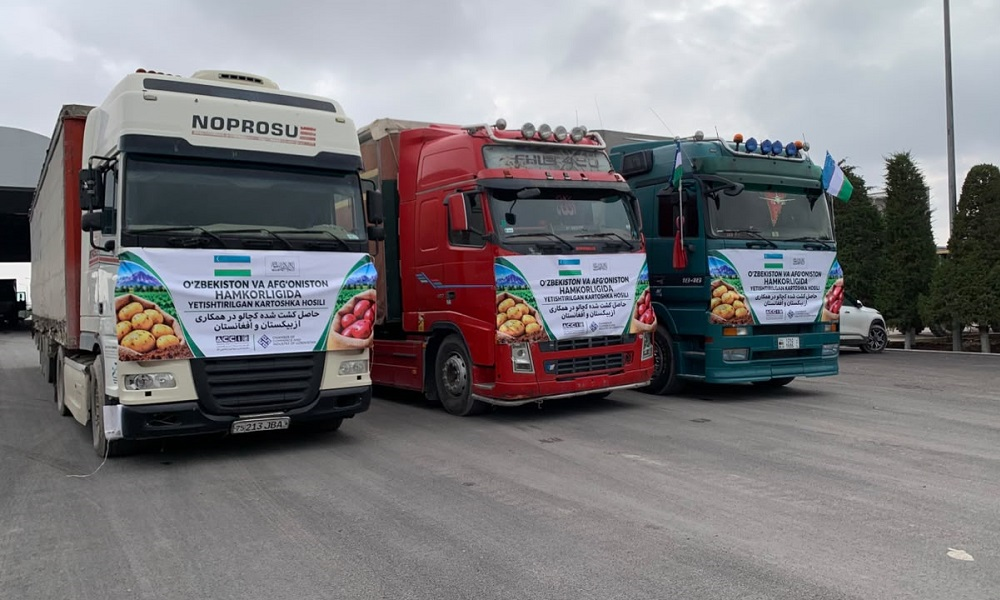
Afghanistan and Uzbekistan agree on export of 100,000 tons of Bamyan potatoes

Afghanistan finish runners-up after 6-0 defeat to Brazil in futsal final

Trump says US may strike Iran’s ‘Pickaxe Mountain’ nuclear facility

Rubio heads to Central Asia while other US officials hit foreign policy hot spots

Violent protests spread across Europe as Albanian PM blames ‘foreign hand’

Governments take websites offline as critical cyber flaws trigger global alert
Tahawol: Russia’s special attention to situation in Afghanistan discussed
Saar: Discussion on US’s humiliating defeat in Afghanistan
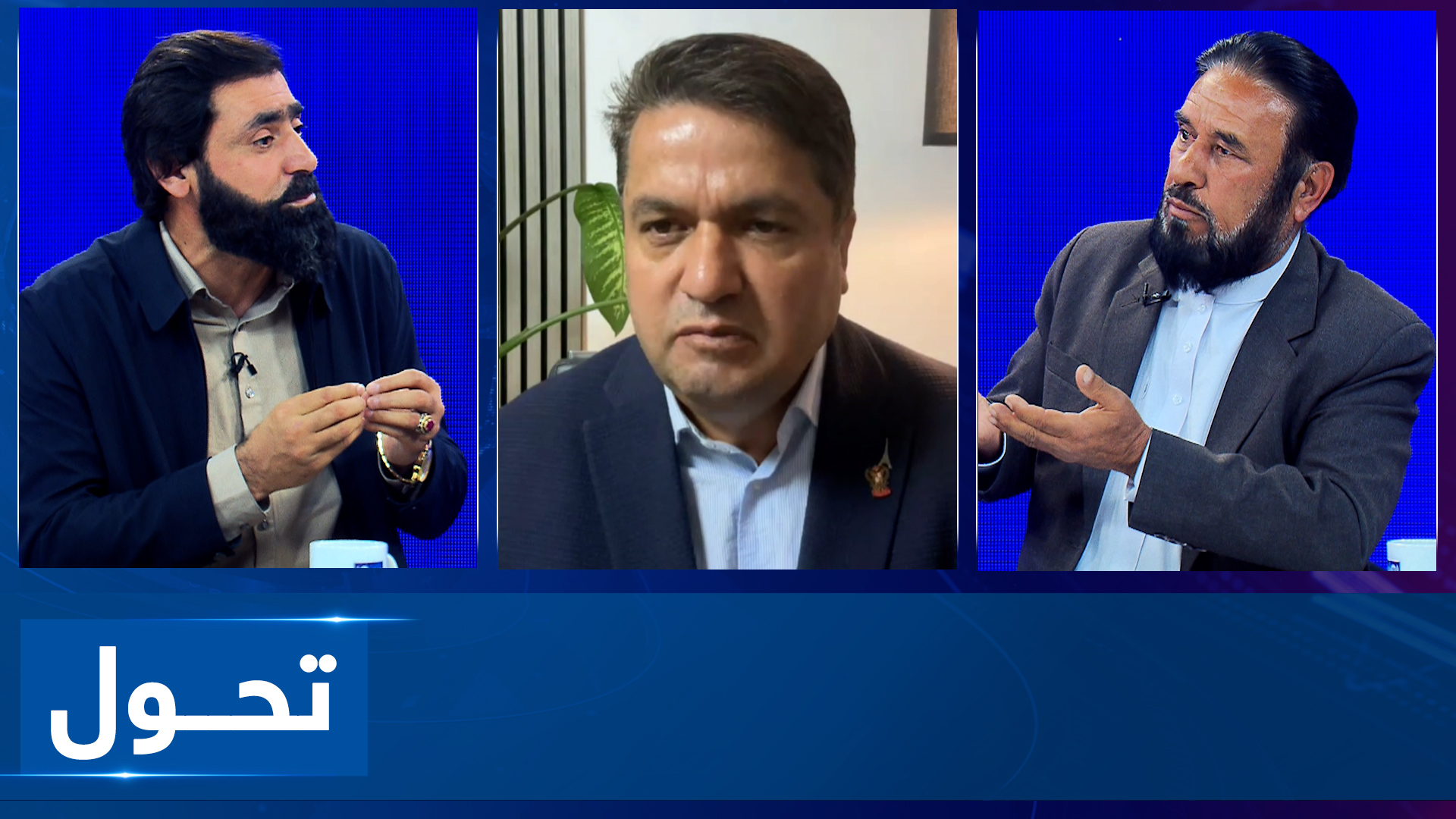
Tahawol: High-level Russian delegation’s visit to Kabul discussed
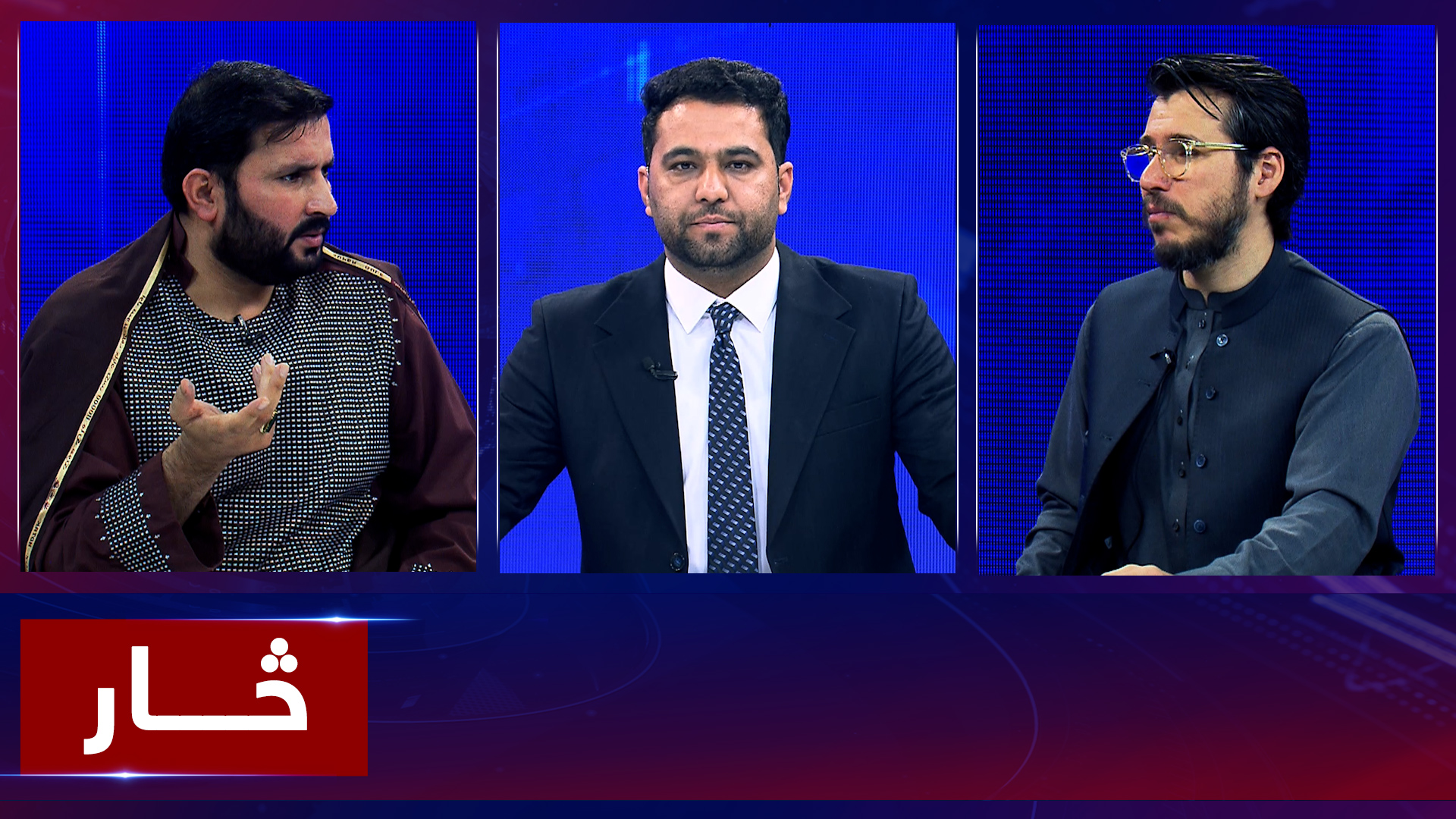
Saar: Afghanistan’s situation in focus at CSTO discussed

Tahawol: Efforts to halt deportation of Afghan refugees from US discussed
-
 Sport4 days ago
Portugal beat Afghanistan 2-0 in Dakar Youth Olympics futsal semi-finals
-
 World4 days ago
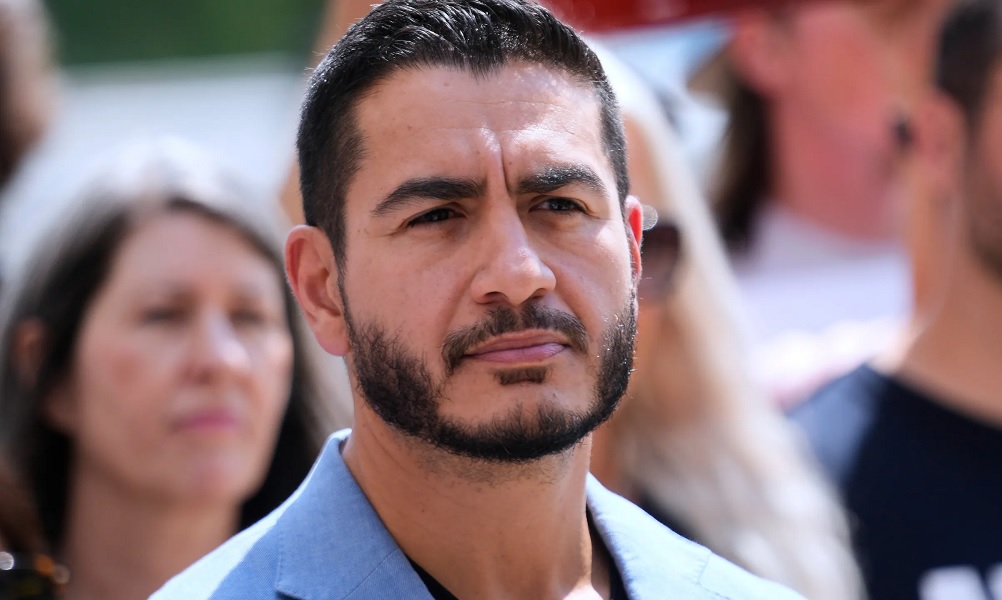
First Muslim US senator-elect El-Sayed calls for review of aid to Pakistan
-
Regional5 days ago
Iran defends two-day proposal for peace talks after US rejects conditions
-
 Business5 days ago
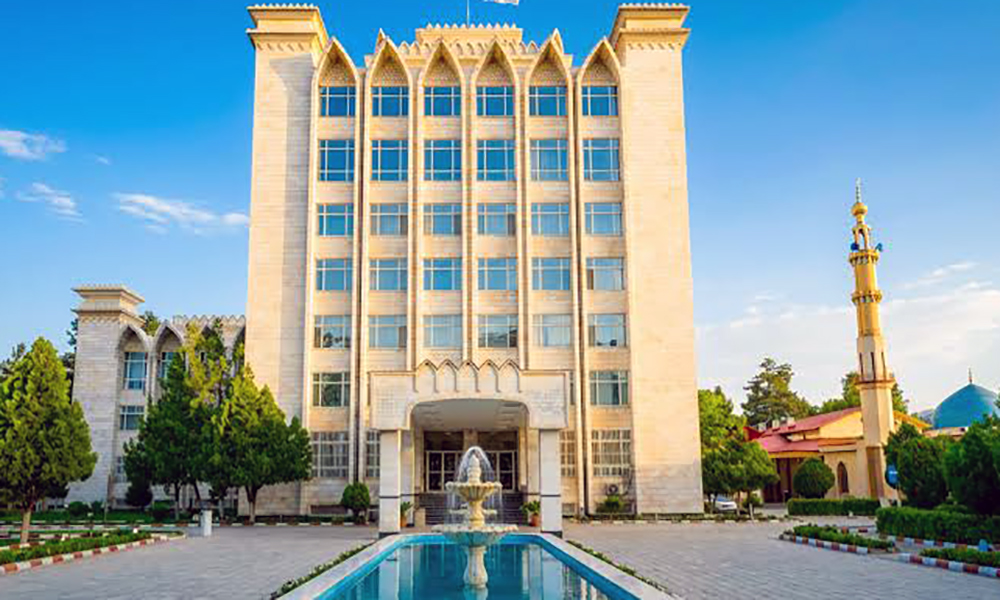
Afghanistan approves new foreign investment policy in bid to attract international investors
-
 Sport3 days ago
Omar Zawak thrash Istiqlal Kabul 5-1 in ACL
-
 World4 days ago
Trump says further US attacks on Iran ‘highly unlikely’ as peace talks gain momentum
-
 Sport4 days ago
First Test between Afghanistan and Zimbabwe ends in a draw
-
 Latest News5 days ago
UN pledges to expand cooperation with Afghanistan as over 8 million migrants return home