
Latest News
Moscow claims NATO is actively attempting to re-enter Afghanistan

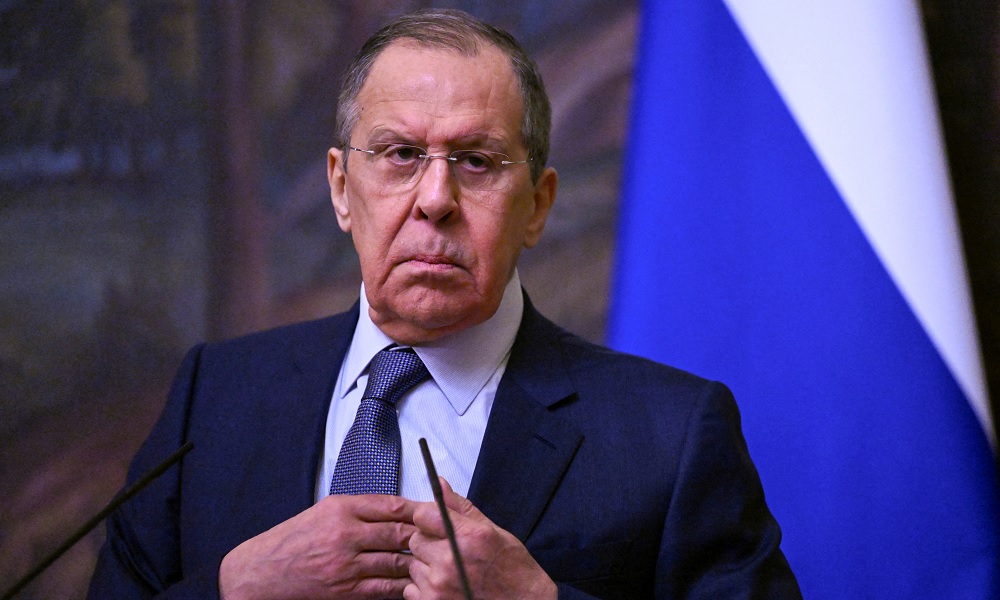
Russia has accused Western powers of re-engaging in Afghanistan’s affairs after retreating in August 2021, with Foreign Minister Sergey Lavrov warning of the risks posed by any potential return of NATO’s military presence in the region.
Speaking at a press conference during his visit to Uzbekistan, Lavrov said:
“We’ve observed that the West is actively attempting to re-enter the Afghan scene after stepping back when the Taliban (Islamic Emirate) assumed control.”
He added that while Moscow doesn’t oppose international involvement in Afghanistan, it must be transparent and constructive:
“We have no objections to Western countries participating in joint efforts, provided their actions are fair and come without hidden agendas. After all, we’re also engaged in the Doha process.”
Lavrov issued a strong caution against the reintroduction of NATO military infrastructure into Afghanistan, comparing it to planting a “time bomb.”
“It is unacceptable to see efforts — and there are such attempts — to return under various pretexts and reestablish NATO’s military presence. Such moves would be highly destabilizing and could set off a new crisis,” he warned.
The foreign minister emphasized that unlike some Western countries, Russia has maintained a consistent presence in Afghanistan, with its embassy in Kabul operating continuously since the IEA assumed power in August 2021.
Lavrov also highlighted Russia’s diplomatic efforts to integrate the IEA into multilateral discussions on Afghanistan’s future.
He praised the ongoing Moscow-format talks and the work of Afghanistan’s neighboring countries as well as the Shanghai Cooperation Organization (SCO), describing their contributions as “very effective” and “constructive.”
In a related development earlier this month, Russia’s Supreme Court upheld a motion from the Prosecutor-General’s Office to suspend the ban on the Islamic Emirate within Russia, a move that took immediate effect and signals a shift in Moscow’s approach to the ruling government.

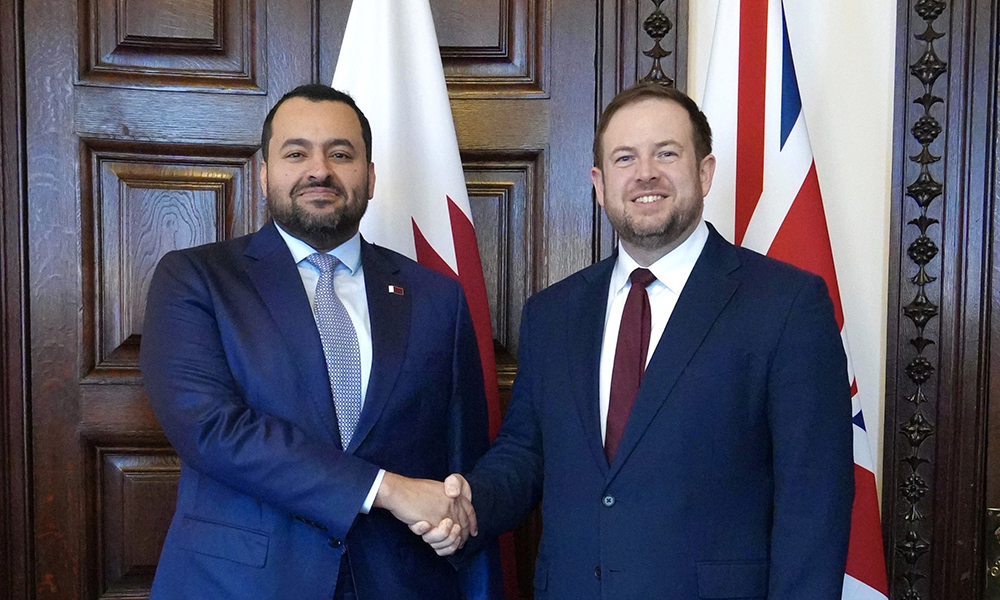

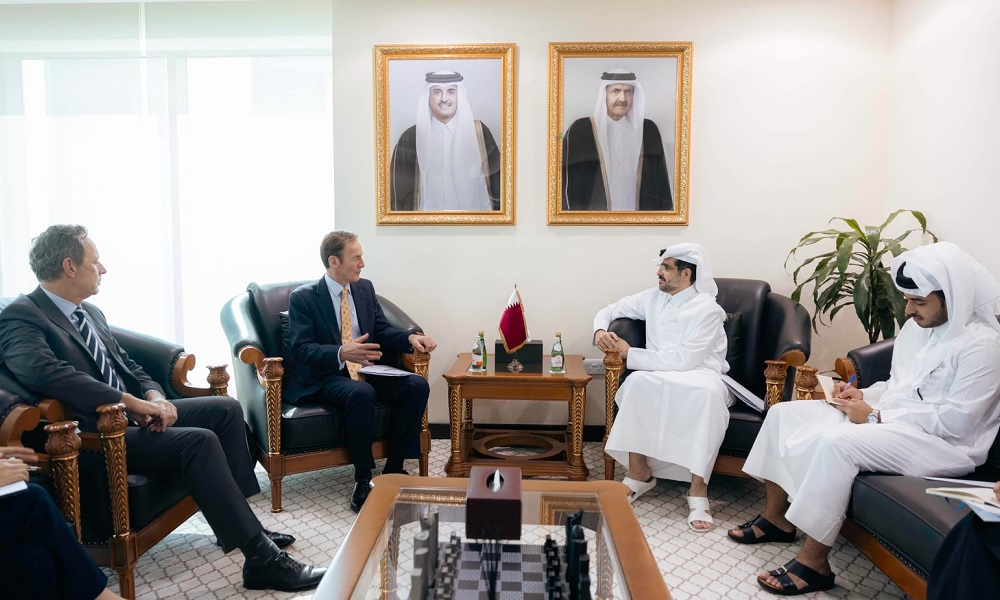
Qatar’s Ministry of Foreign Affairs says Jassim Al Asmakh, Special Envoy of the Minister of Foreign Affairs, met on Wednesday with Richard Lindsay, the United Kingdom’s Special Envoy to Afghanistan, in Doha.
During the meeting, the two sides discussed bilateral cooperation between Qatar and the UK, as well as the latest developments in Afghanistan.
Lindsay is currently visiting Doha as diplomatic engagements on Afghanistan continue.
Latest News
Xi welcomes Trump to China ahead of highly anticipated summit with Putin
Trump was greeted by Xi as he descended from his aircraft at Shenzhen’s Bao’an International Airport, where both countries’ national anthems were played and fighter jets flew overhead, leaving colourful trails in the sky.
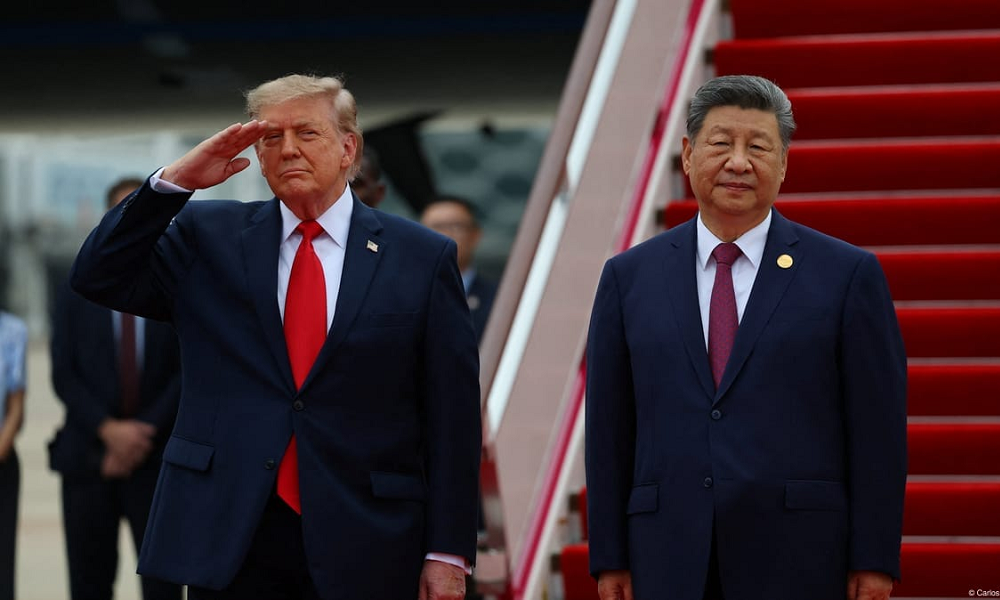
Chinese President Xi Jinping personally welcomed US President Donald Trump on Wednesday as he arrived in Shenzhen for a high-profile visit ahead of a trilateral summit with Russian President Vladimir Putin.
The two leaders briefly embraced on the airport tarmac before exchanging greetings, marking the start of a visit expected to focus on major international security and political issues.
The meeting between Xi, Trump and Putin on Thursday has attracted considerable international attention, amid concerns that the three leaders could discuss the future of Ukraine and global security without the direct involvement of Kyiv or European governments.
Washington had initially indicated that Ukraine was unlikely to feature prominently in the discussions, given Beijing’s position that the conflict is not a matter for China to resolve. However, Trump later said the issue would be raised.
According to China’s state news agency Xinhua, Xi said he looked forward to an in-depth exchange with Trump on bilateral relations, Asia-Pacific cooperation and the international situation, with the aim of building a constructive and stable relationship between the two countries.
Elaborate welcome for Trump
Trump was greeted by Xi as he descended from his aircraft at Shenzhen’s Bao’an International Airport, where both countries’ national anthems were played and fighter jets flew overhead, leaving colourful trails in the sky.
The two presidents walked along a red carpet lined with people waving Chinese and American flags and holding colourful pom-poms, as crowds shouted messages of welcome.
A motorcade of black limousines later transported Trump into the city, where security measures were tightened and roads cleared ahead of the diplomatic engagements.
China is hosting the annual Asia-Pacific Economic Cooperation (APEC) summit, which brings together 21 economies from around the Pacific region.
Thursday’s trilateral meeting is expected to cover a range of issues, including the war in Iran and nuclear disarmament. The discussions come after the expiry of a US-Russia nuclear arms control treaty in February.
Beijing has maintained that Washington and Moscow should first reduce their substantially larger nuclear arsenals before China considers participating in formal arms reduction negotiations.
Putin says Western sanctions have failed
Earlier on Wednesday, Putin defended Russia’s war in Ukraine and declared that Western sanctions imposed following Moscow’s 2022 invasion had failed to achieve their objectives.
Addressing the APEC gathering, the Russian president said he expected the upcoming trilateral discussions to be highly productive.
He called for greater international cooperation, saying the world needed unity and dialogue rather than division and ultimatums at a time of increasing geopolitical risks.
Putin has faced widespread diplomatic isolation from Western governments since launching the invasion of Ukraine, but has developed closer engagement with Trump.
However, Moscow said that a separate, full-scale bilateral meeting between Putin and Trump was unlikely to take place during their respective visits to China.
Canadian Prime Minister Mark Carney, who is also attending the gathering in Shenzhen, said sanctions against Russia would continue as long as the war in Ukraine persisted.
Meanwhile, Xi and Putin held their fifth meeting of the year, including one virtual discussion, further underlining the close relationship between Beijing and Moscow.
Xi called for stronger bilateral cooperation, urging both countries to make greater use of existing government, parliamentary, military and political party exchanges.
Russian officials said the two leaders were expected to discuss energy and financial cooperation, followed by more detailed foreign policy discussions covering Ukraine and North Korea.
Trump hints at possible meeting with Kim Jong Un
Trump’s China visit follows his trip to the Philippines, where he met leaders from Australia, Japan and India at a gathering of the Quad security grouping for the first time during his second presidential term.
The grouping is widely viewed as an effort to counterbalance China’s growing influence in the Indo-Pacific region.
Trump also indicated that he was interested in holding separate meetings with Putin and North Korean leader Kim Jong Un during his time in Shenzhen, suggesting that Kim would welcome an opportunity to meet.
However, US Secretary of State Marco Rubio stopped short of confirming any planned meeting with the North Korean leader.
Speaking in Manila, Rubio said direct engagement with Pyongyang would be necessary if Washington hoped to resolve its differences with North Korea.
Trump had travelled to the Philippines for a summit of the Association of Southeast Asian Nations (ASEAN), which comprises 11 member states. His visit also drew protests over a US-backed supply chain initiative.
Trade tensions have remained a significant issue during Trump’s recent regional tour, particularly amid his administration’s tariff policies.
Chinese Premier Li Qiang criticised what he described as growing unilateralism and protectionism, while highlighting China’s expanding trade relations with ASEAN countries.
Trump, meanwhile, reiterated his ambition to reduce America’s dependence on China for rare-earth production, saying the United States could catch up with Beijing within 10 months.
Latest News
Displacement leaves Afghan children hungrier and more vulnerable, report warns
The organisation said girls and children with disabilities face particularly high protection risks during displacement and after resettlement.
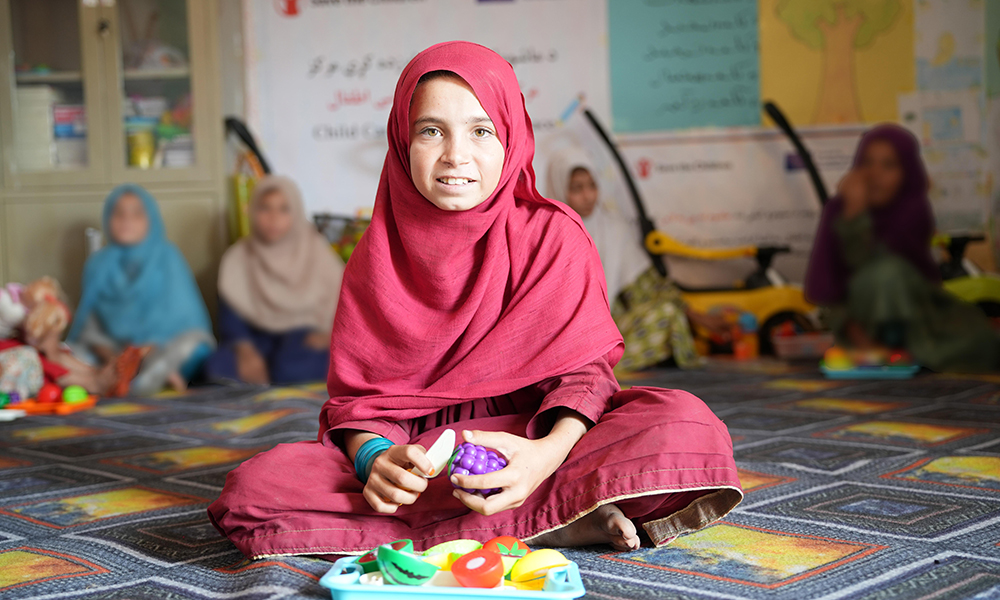
More than half of displaced children in Afghanistan have less food to eat after leaving their homes, while two in five report worsening health, according to a new report by Save the Children.
The Children on the Move report, based on interviews with more than 800 children and caregivers across seven provinces, highlights how displacement is worsening hunger, disrupting education and exposing children to protection risks.
The findings show that 55% of children have less food following displacement, 41% report deteriorating health and a third of caregivers say access to education has worsened. Despite widespread needs, fewer than one in 10 children surveyed had received assistance.
The report comes as more than 6.67 million Afghans have returned from Pakistan and Iran since September 2023, placing additional pressure on communities already facing poverty and food insecurity. Around seven million people were internally displaced in Afghanistan in 2025.
Economic hardship was the main reason families moved, with 49% of children saying their families could not find work or earn enough money. Food shortages were another major factor, while others cited deportation or pressure to leave another country.
Nearly 70% of children surveyed had experienced at least two crises in the past three years, including droughts, floods, earthquakes and conflict. More than one in 10 also reported exposure to risks such as child labour, violence and early marriage.
Save the Children Afghanistan Country Director Ashish Damle warned that displacement does not necessarily mean children reach safety, with many arriving in new communities where families struggle to afford food, healthcare and education.
He called for sustained humanitarian funding to protect displaced children and ensure access to essential services.
The organisation said girls and children with disabilities face particularly high protection risks during displacement and after resettlement.

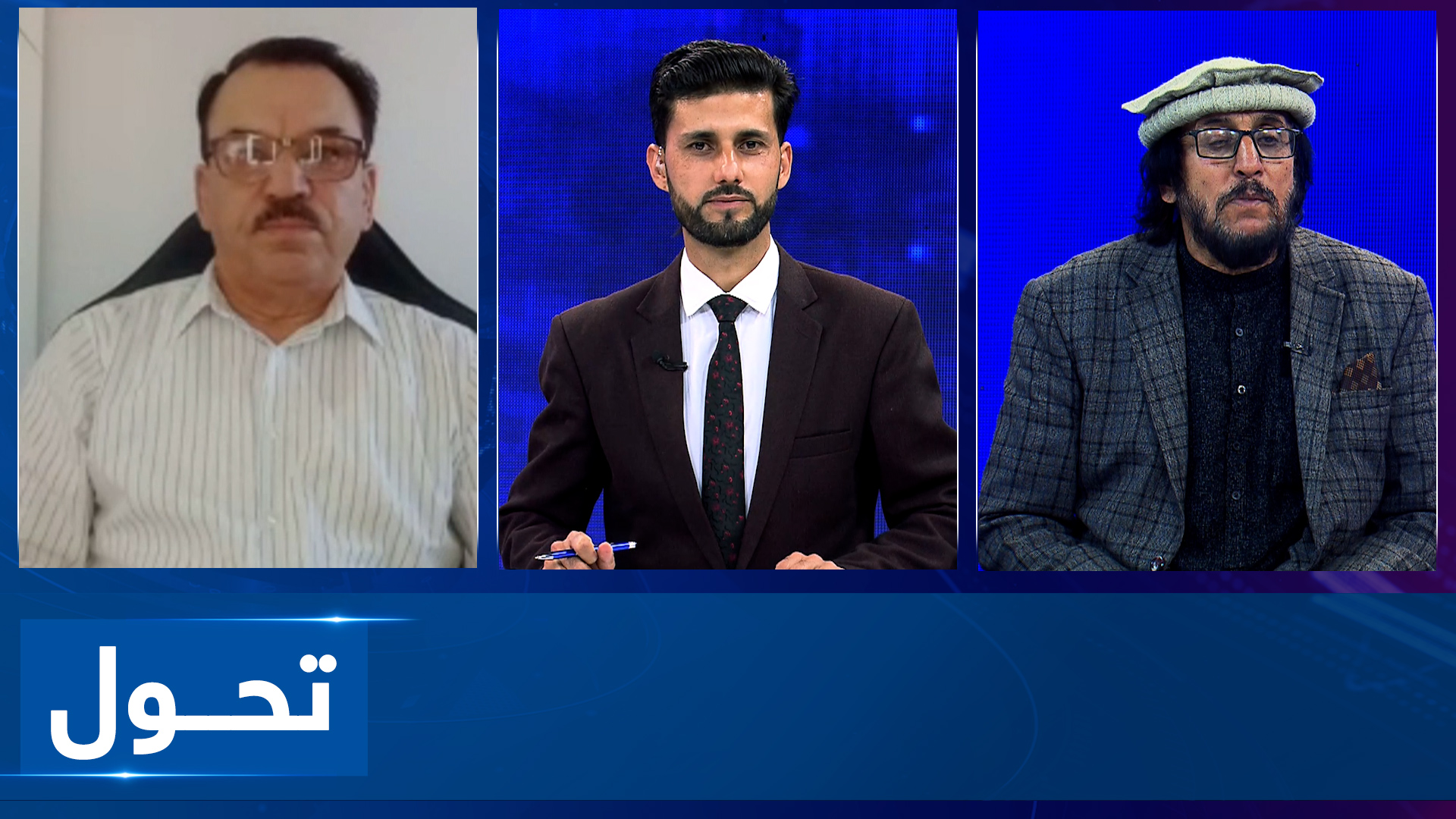
Tahawol: Qatar-UK consultations on Afghanistan discussed
Qatar, UK envoys discuss latest developments in Afghanistan
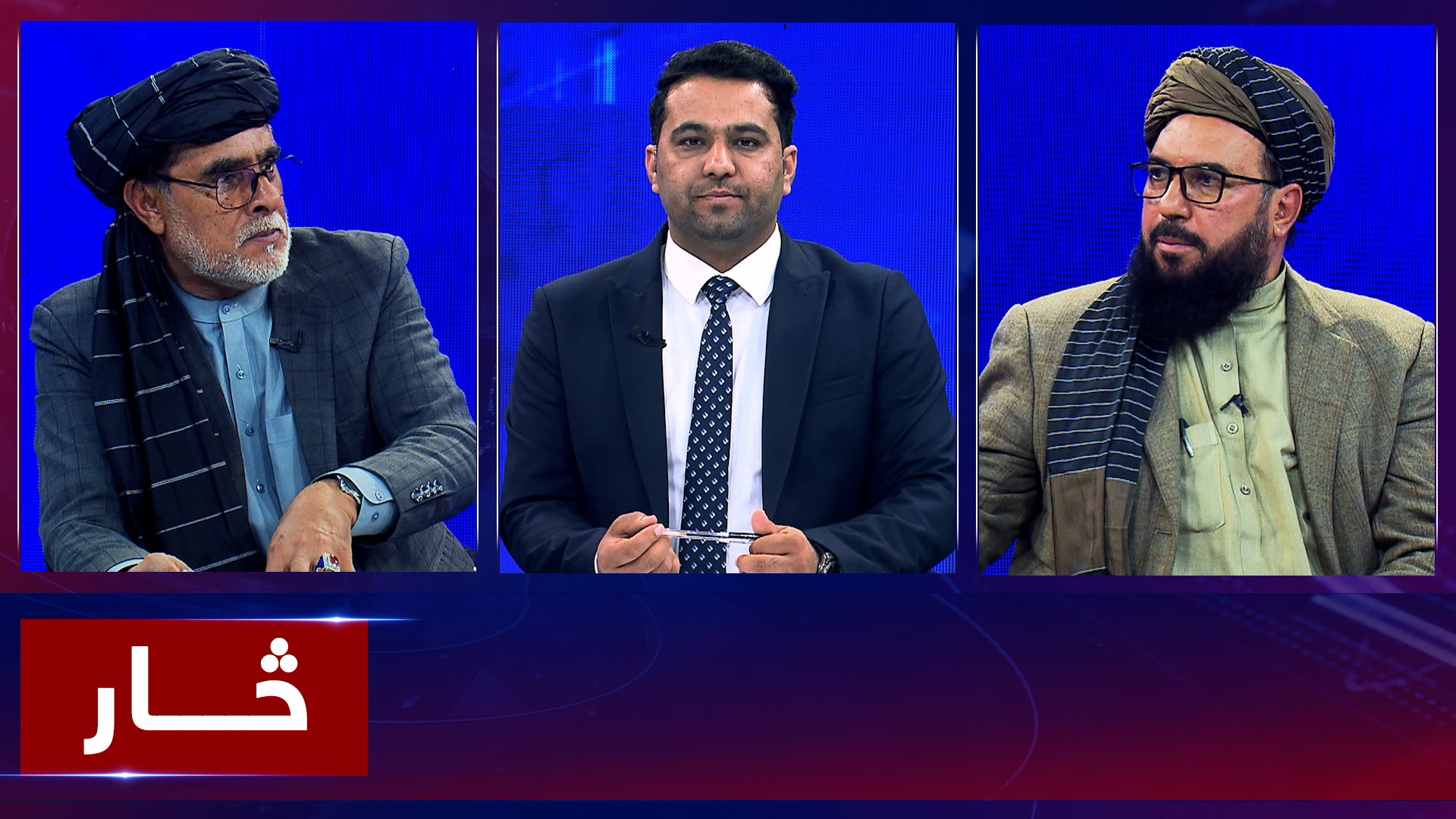
Saar: Efforts to deliver urgent humanitarian aid to needy Afghans

ATN to broadcast AFC Awards honoring Asia’s football stars
Xi welcomes Trump to China ahead of highly anticipated summit with Putin

Governments take websites offline as critical cyber flaws trigger global alert

Afghanistan’s new Wakhan road to China faces major hurdles
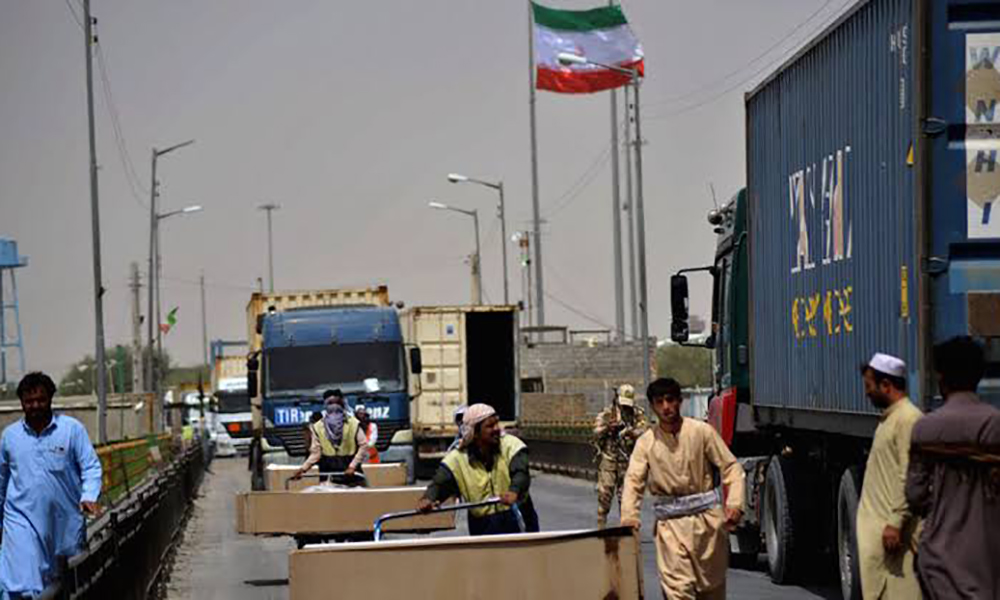
US sanctions and blockade measures disrupt Iran’s trade with Afghanistan and regional neighbors

Pakistan exporters suffer billions in losses as Afghanistan trade halt continues
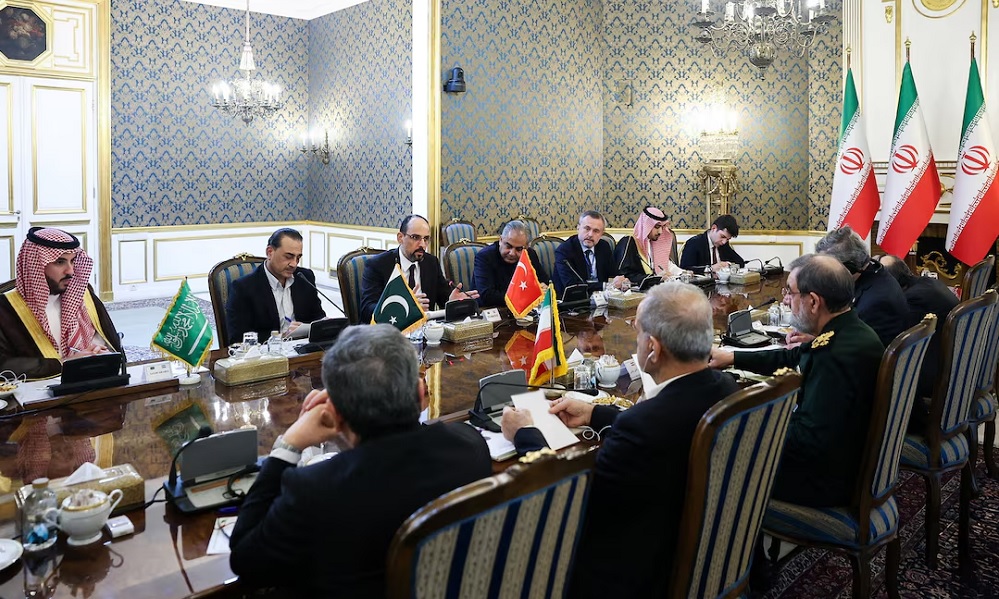
Saudi defence pact countries push for peace in Tehran as Houthis launch more attacks
Tahawol: Qatar-UK consultations on Afghanistan discussed
Saar: Efforts to deliver urgent humanitarian aid to needy Afghans
Xi welcomes Trump to China ahead of highly anticipated summit with Putin
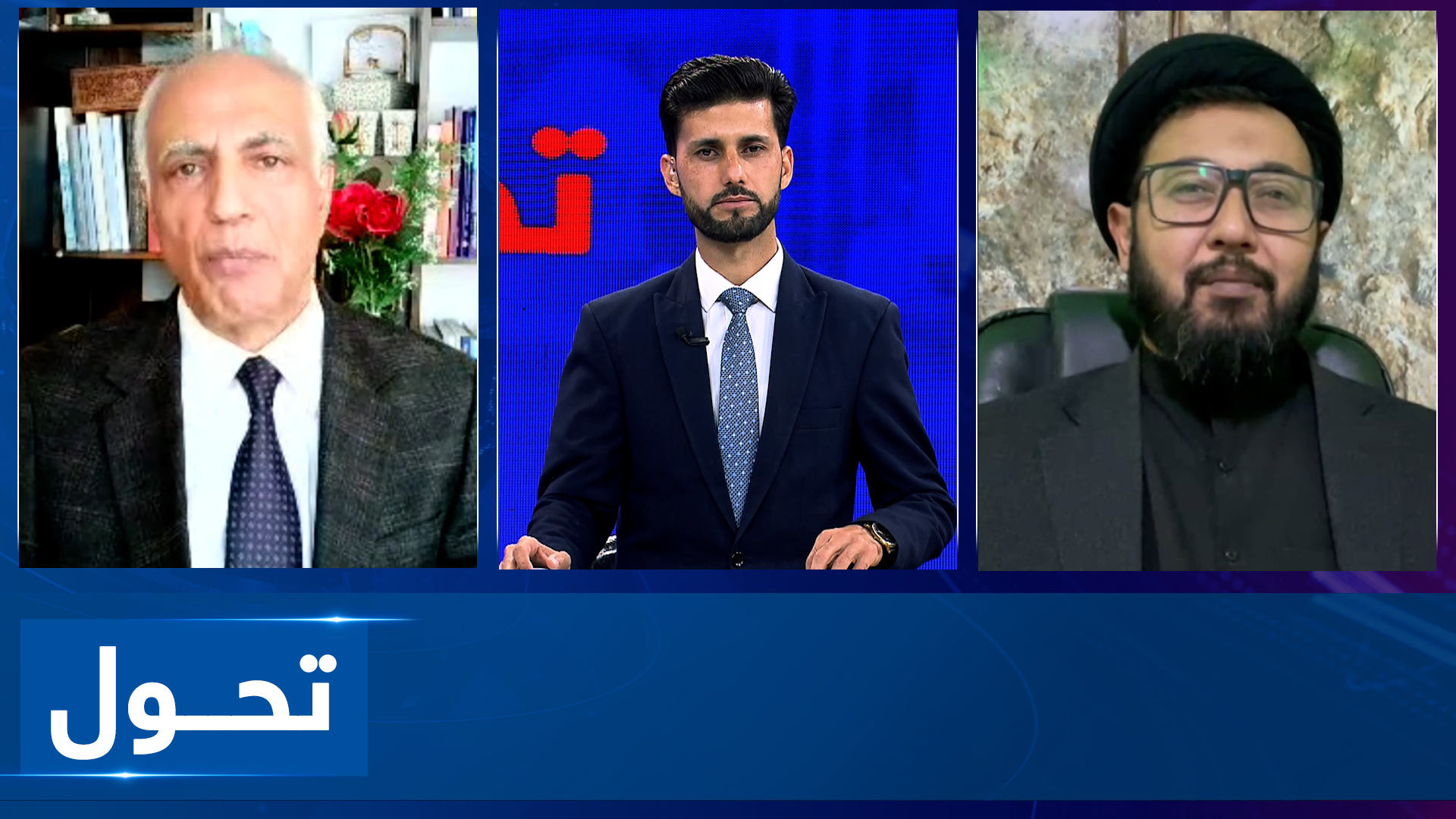
Tahawol: 80th anniversary of Afghanistan’s UN membership discussed
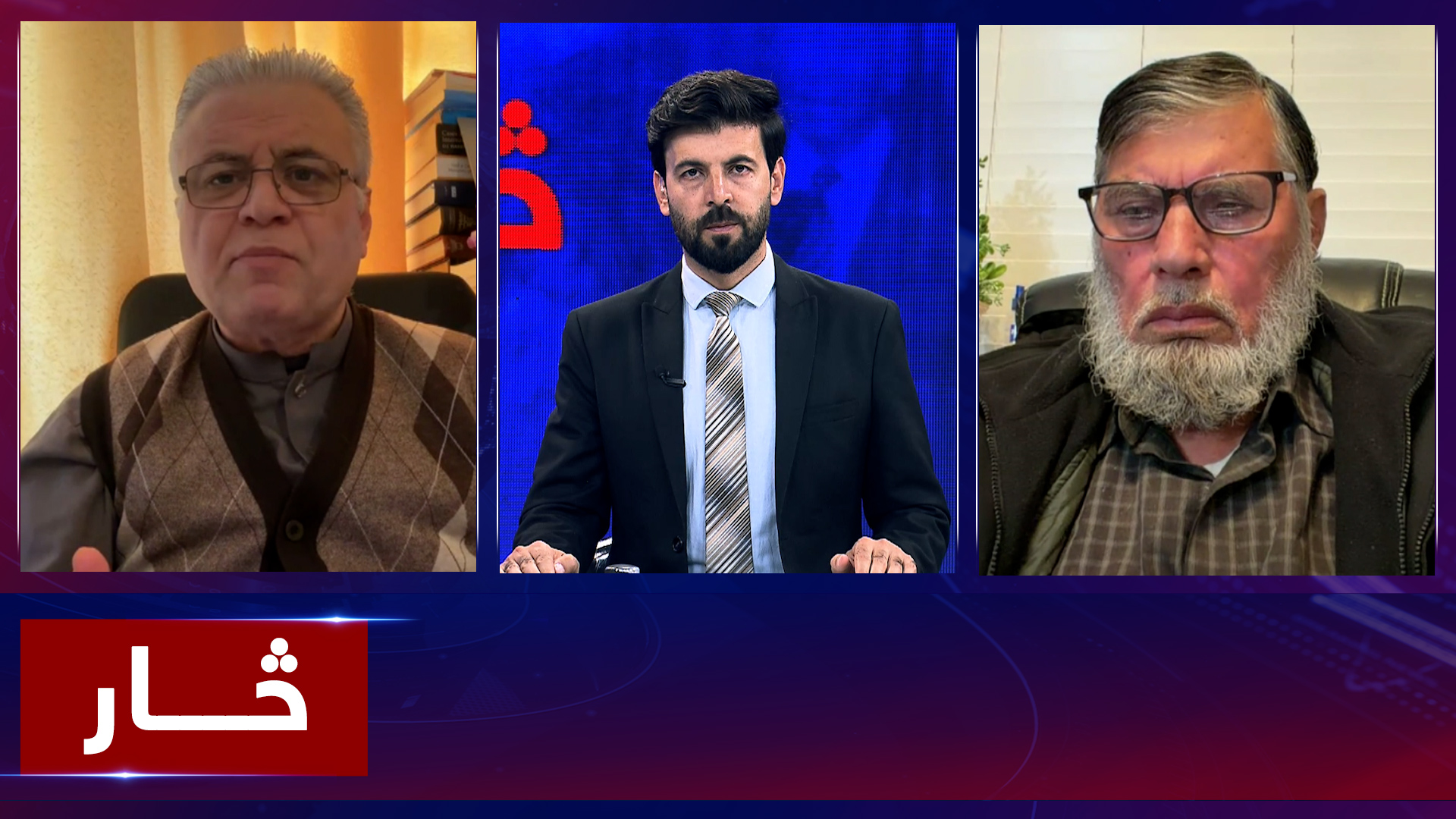
Saar: Europe’s shift toward engagement with the IEA discussed
-
 Latest News5 days ago
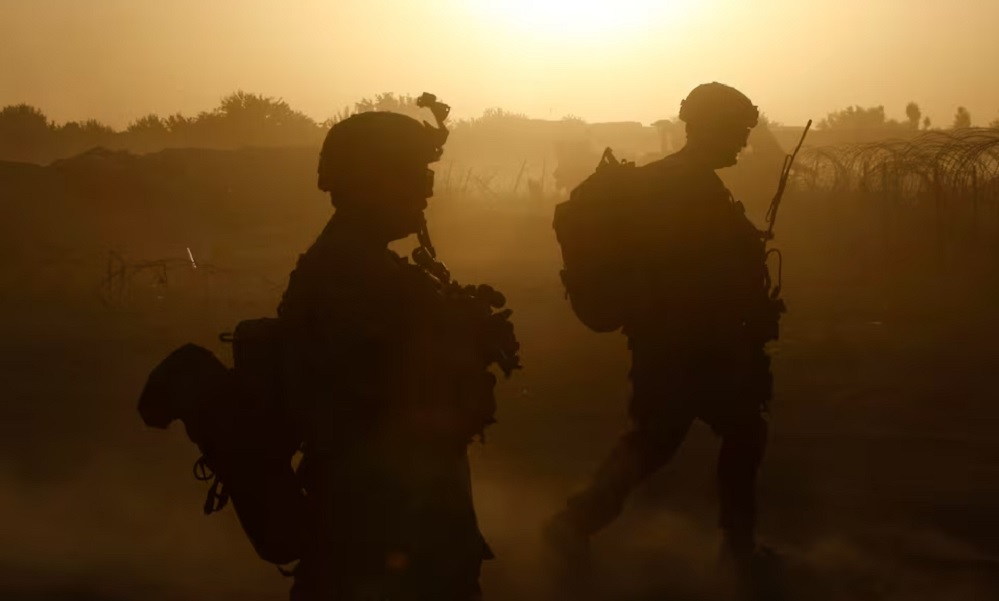
ICC halts probe into alleged crimes by US troops in Afghanistan
-
 Sport4 days ago
ILT20 teams required to field at least two UAE and Afghanistan players in Season 5
-
 Sport3 days ago
Arman FC cruise to 5-0 victory over Istiqlal Kabul in ACL match
-
 World5 days ago
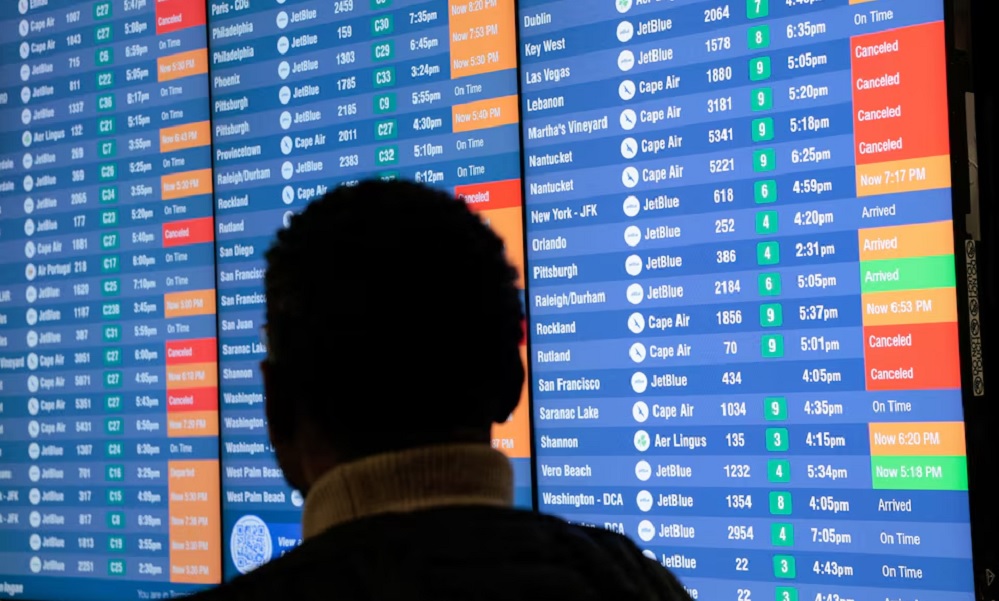
US to resume flights after air traffic network failure sparks chaos
-
 Sport4 days ago
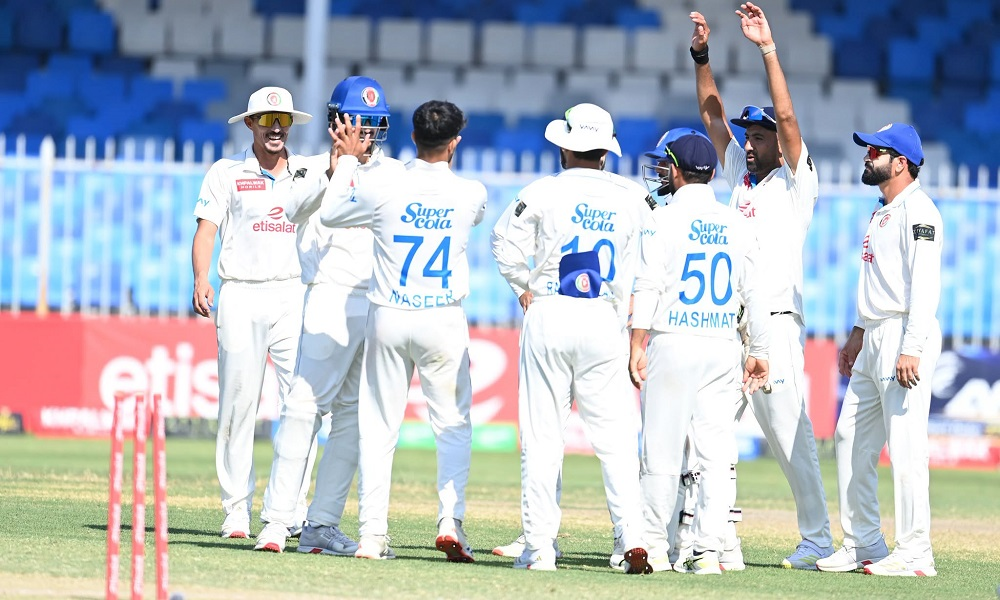
Afghanistan trail Zimbabwe by 180 runs at stumps on day two of second Test
-
 World5 days ago
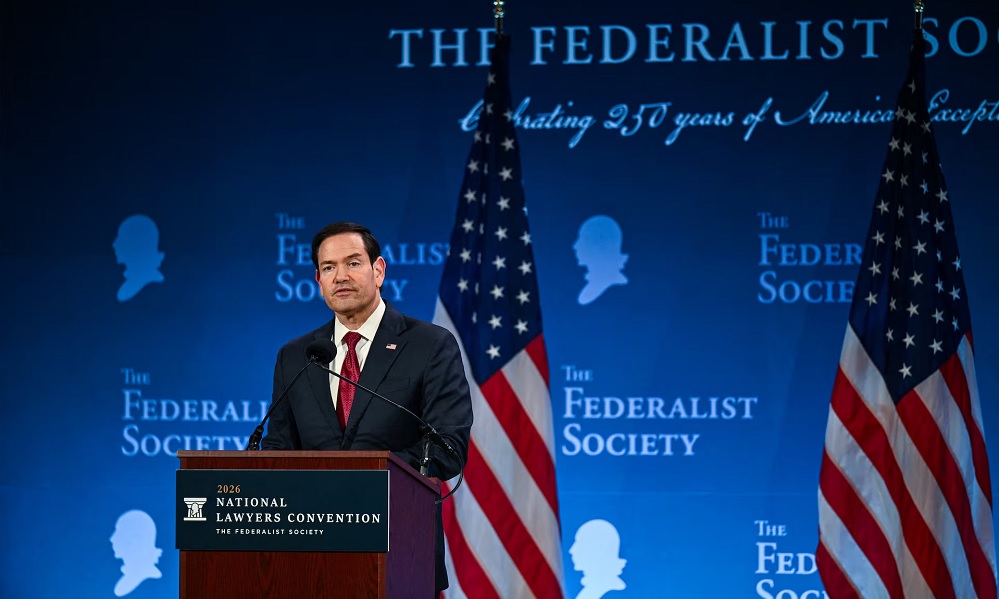
Rubio assails international court in speech to conservative legal group
-
 Latest News4 days ago
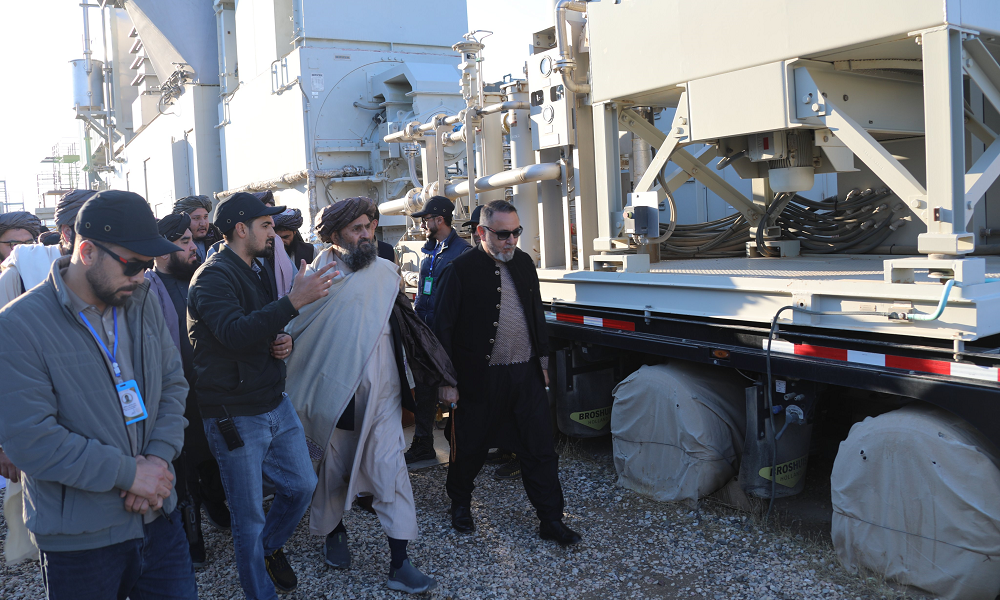
Bayat Power’s 40-megawatt gas-fired turbine resumes operations in Jawzjan
-
 World4 days ago
US floated idea of Ukraine ceding Donbas for NATO membership, Zelenskiy says