
Science & Technology
N.Korea fires salvo of missiles, including ICBM, hours after Biden leaves Asia

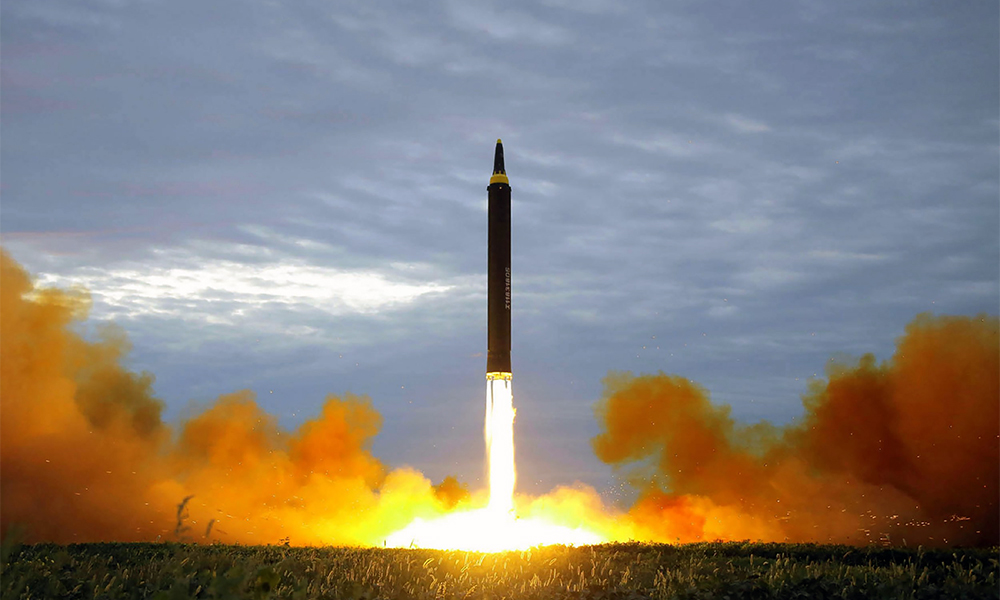
North Korea fired three missiles, including one thought to be an intercontinental ballistic missile (ICBM) on Wednesday, after U.S. President Joe Biden left Asia following a trip in which he agreed to new measures to deter the nuclear-armed state.
South Korea’s Joint Chiefs of Staff (JCS) said the three missiles were fired in less than an hour from the Sunan area of the North’s capital, Pyongyang, where its international airport has become a hub of missile tests.
The first missile launched on Wednesday appeared to be an ICBM, while a second unidentified missile appears to have failed mid-flight, the JCS said. The third missile was a short-range ballistic missile (SRBM), it said.
In response, the United States and South Korea held combined live-fire drills, including surface-to-surface missile tests involving the Army Tactical Missile System (ATACMS) of the U.S. and the South’s Hyunmoo-2 SRBM, both militaries said.
“Our military’s show of force was intended to highlight our resolve to firmly respond to any North Korean provocations, including an ICBM launch, and our overwhelming capability and readiness to conduct a surgical strike on the origin of the provocation,” the JCS said in a statement.
North Korea has conducted a flurry of missile launches this year, from hypersonic weapons to test firing its largest ICBMs for the first time in nearly five years. It also appears to be preparing for what would be its first nuclear test since 2017.
U.S. and South Korean officials had recently warned that North Korea appeared ready for another weapons test, possibly during Biden’s visit, which was his first trip to Asia as president and included a summit with South Korean President Yoon Suk-yeol in Seoul.
Yoon, who took office on May 10, convened his first meeting of the national security council, which strongly condemned the latest launch as a “grave provocation”, especially as it came before Biden returned home.
Yoon ordered the aides to strengthen the U.S. extended deterrence and combined defence posture as agreed with Biden, his office said.
“North Korea’s continued provocations will only result in even stronger, faster South Korea-U.S. deterrence, and bring deeper isolation upon itself,” Yoon’s government said in a separate statement.
A White House official said that Biden, who departed Japan on Tuesday evening, had been briefed on the launches and would continue to receive updates.
South Korean Foreign Minister Park Jin and U.S. Secretary of State Antony Blinken also agreed to step up diplomatic efforts to reinforce extended deterrence and facilitate a new U.N. sanctions resolution in a phone call, Seoul’s ministry said.
“We call on the DPRK to refrain from further provocations and engage in sustained and substantive dialogue,” a State Department spokesperson said, using the initials of North Korea’s official name.
SHOW OF FORCE
Pyongyang resumed ICBM testing in late March, ending its self-imposed 2017 moratorium on long-range missile and nuclear testing, amid stalled denuclearisation talks with Washington.
In Wednesday’s test, the suspected ICBM flew 360 km (223.7 miles) to a maximum altitude of 540 km, while the SRBM flew 760 km to a maximum altitude of 60 km, the JCS said.
Japan reported at least two launches, one of which flew about 300 km and reached a maximum altitude of 550 km, and the other to the distance of about 750 km (465 miles) and a maximum altitude of 50 km, Japan’s defence minister said.
Japanese broadcaster NHK said the missiles appeared to have fallen outside Japan’s exclusive economic zone (EEZ).
Japanese chief cabinet secretary Hirokazu Matsuno said the North could take more provocative actions, including a nuclear test.
The U.S. military’s Indo-Pacific Command said it was aware of “multiple” launches. They highlighted the “destabilising impact of the DPRK’s illicit weapons programme” but did not pose an immediate threat.
In Seoul over the weekend, Biden and Yoon agreed to hold bigger military drills and deploy more U.S. strategic assets if necessary to deter North Korea’s intensifying weapons tests.
But they also offered to send COVID-19 vaccines to North Korea as the isolated country battles its first confirmed outbreak, and called on Pyongyang to return to diplomacy.
There had been no response from Pyongyang to the diplomatic overtures or offers of aid, Biden said at the time.
The waning hours of Biden’s visit to the region also saw Russian and Chinese bombers flying joint patrols near Japanese and South Korea air defence zones on Tuesday in a pointed farewell.



Science & Technology
North Korea shows off AI chatbot at IT exhibition
The chatbot can answer questions on science and technology in Korean or English and provide translations.
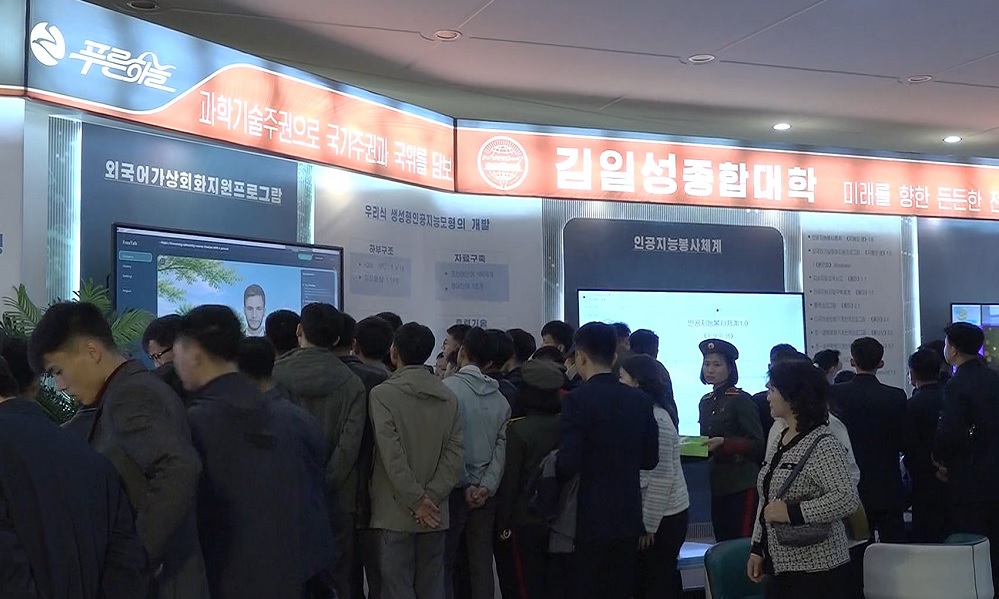
North Korea appears to have developed its first artificial intelligence chatbot, according to analysis by 38 North, a think tank that monitors North Korea, of footage broadcast on state television.
The system, called “AI Service System 1.0, Fountain of Wisdom”, was displayed at the National Exhibition of IT Successes in Pyongyang, held from October 19 to 30, according to 38 North. It featured in a report on Ryongnamsan TV on November 17.
It was built by Kim Il Sung University’s Artificial Intelligence Technology Research Institute and Phurunhanul Trading Co, a Pyongyang software developer, 38 North said, Reuters reported.
The chatbot can answer questions on science and technology in Korean or English and provide translations.
An on-screen warning instructs users not to ask socio-political questions, according to 38 North. The footage also appears to show a classifier screening queries before they reach the AI engine.
The hardware running the system was not disclosed. The 38 North report said the model behind the interface was more likely an open-weight system from a US or Chinese laboratory, such as Google’s Gemma or Alibaba’s Qwen, than one developed entirely in North Korea.
The report said the lack of large-scale data centres in North Korea could hamper deployment of the most advanced models.
Science & Technology
South Korea to inspect glasses worn by exam candidates after AI cheating scandal
Smart glasses have raised concern globally because they can be used to photograph, film or audio-record confidential material or people without their knowledge.
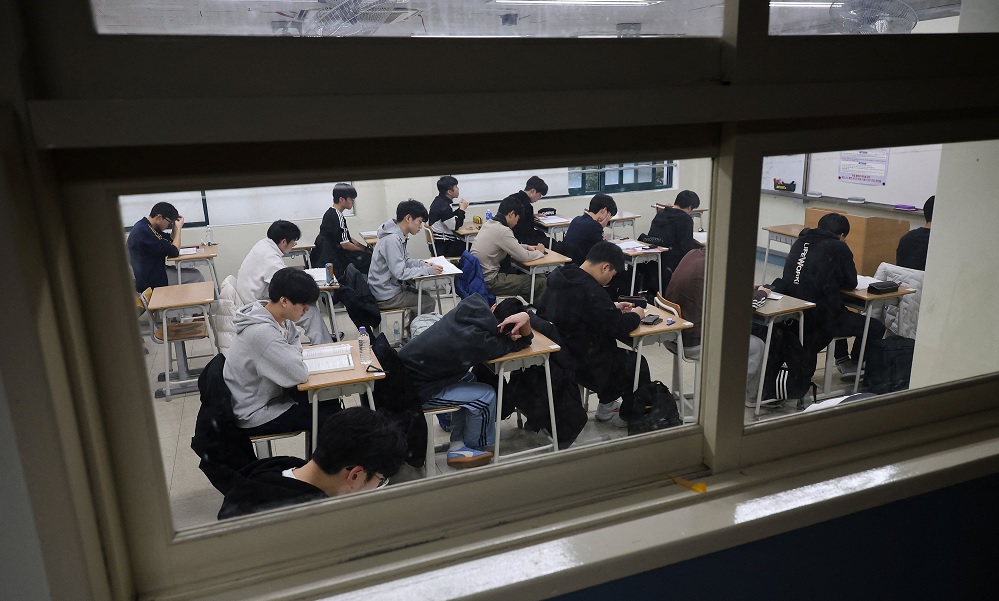
South Korea will inspect every pair of glasses worn by students taking this week’s national college entrance exam to prevent AI-assisted cheating, after cheating in the tax accountant exam shook public confidence in the country’s high-stakes testing system.
There have even been calls to postpone the university entrance exam to ensure a fair test after the scandal, although the Education Ministry has ruled out a delay to an exam seen as crucial to success in South Korea’s hyper-competitive society, Reuters reported.
Here are some details:
Education Minister Choi Kyo-jin told a parliamentary hearing on Monday the ministry would inspect all glasses worn by candidates in every session of the College Scholastic Ability Test (CSAT). Smart devices were added to the list of banned items in July.
Smart glasses have raised concern globally because they can be used to photograph, film or audio-record confidential material or people without their knowledge.
Notices posted outside every exam room will warn of exam bans and criminal penalties if anyone is found to be cheating, Choi said.
Every exam centre will have at least one member of staff dedicated to monitoring smart devices.
A hotline will link the centres, local education offices and the ministry’s control room for any cases that are hard to judge on the spot.
Choi said the ministry would consult specialists on technology such as radio-signal detectors and consider introducing them for next year’s test.
Anyone caught wearing or using a smart device during the exams will have that year’s results invalidated and will be barred from sitting them the following year.
Choi said the ministry would work with parliament to lengthen the ban from 1 year to between 3 and 10 years. Offenders may also be reported to police for obstructing official duties.
The response follows Sunday’s confession by a person who placed first in this year’s tax accountant exam after cheating. He admitted photographing exam questions with a microcamera, sending them to an AI tool and checking the answers on a smartphone.
Prime Minister Han Seong-sook said on Monday the government would form an emergency team to prepare measures to safeguard the CSAT. She also urged officials to develop AI-based detection technology and called for strengthened penalties for cheating.

Astronomers have discovered a white dwarf star surrounded by two distinct rings of planetary debris, offering new insights into what may happen to planetary systems, including our own, when their host stars reach the end of their lives.
The star, identified as J1328−1450, is located about 1,600 light-years from Earth in the constellation Virgo. Observations made using the European Southern Observatory’s Very Large Telescope in Chile revealed an unusual arrangement of dust and gas around the star.
According to researchers, the debris appears to form two separate rings, a structure not previously observed around any of the 21 white dwarfs known to have surrounding planetary debris.
The scientists believe that two relatively large rocky bodies may have survived the star’s transformation into a white dwarf and could be responsible for shaping the surrounding material. One of these objects may be roughly the size of Pluto, while the other is smaller.
Researchers say the discovery provides further evidence that some rocky planetary bodies can survive the dramatic changes that occur when a star exhausts its fuel and expands into a red giant.
The findings, published in the journal *Nature Astronomy*, suggest that the original star may once have hosted a planetary system. During its expansion, it likely engulfed some of its innermost planets, while more distant objects survived.
Over time, gravitational forces may have pulled some of these surviving bodies closer to the white dwarf, tearing them apart and scattering their material into surrounding rings of dust and gas.
Astronomers also found differences in the chemical composition of the two rings, particularly in their magnesium content, suggesting that they may have originated from different rocky bodies or from different layers of a disrupted object.
The discovery could offer a glimpse into the distant future of our own solar system. Scientists estimate that in about five billion years, the Sun will expand into a red giant before shedding its outer layers and becoming a white dwarf.
During this process, Mercury and Venus are expected to be engulfed, while the fate of Earth remains uncertain. More distant planets, including Jupiter and Saturn, are expected to have a greater chance of surviving.
Researchers say that, after the Sun becomes a white dwarf, surviving planets, moons and asteroids could also be pulled towards it and broken apart by its intense gravitational force.
They suggest that the newly observed system may represent one possible stage in the far-distant future of our solar system.

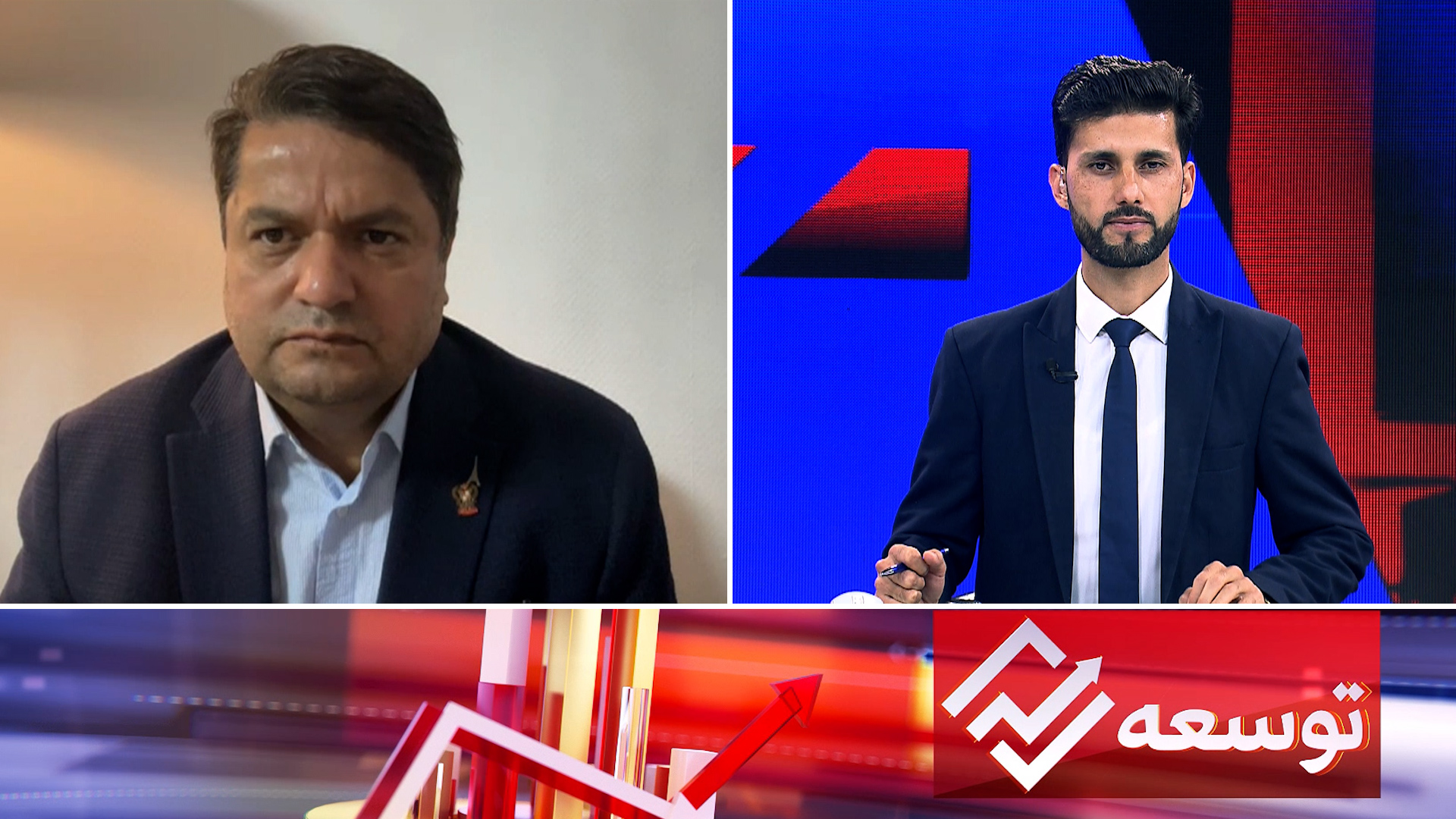
Tawsia: Afghanistan’s key economic highlights of the week discussed
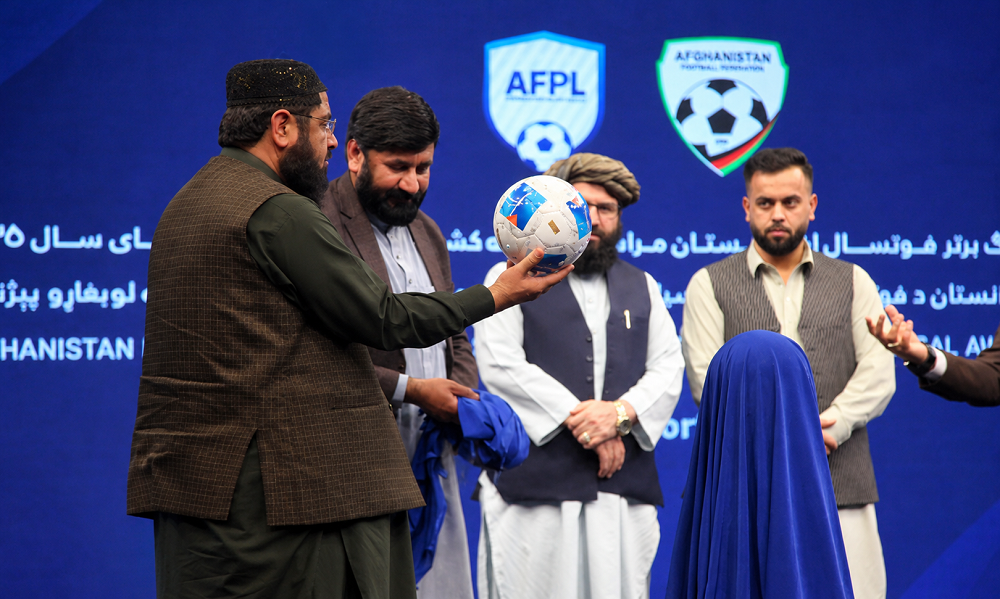
ATN hosts AFPL Season 5 draw and 2025 futsal awards ceremony
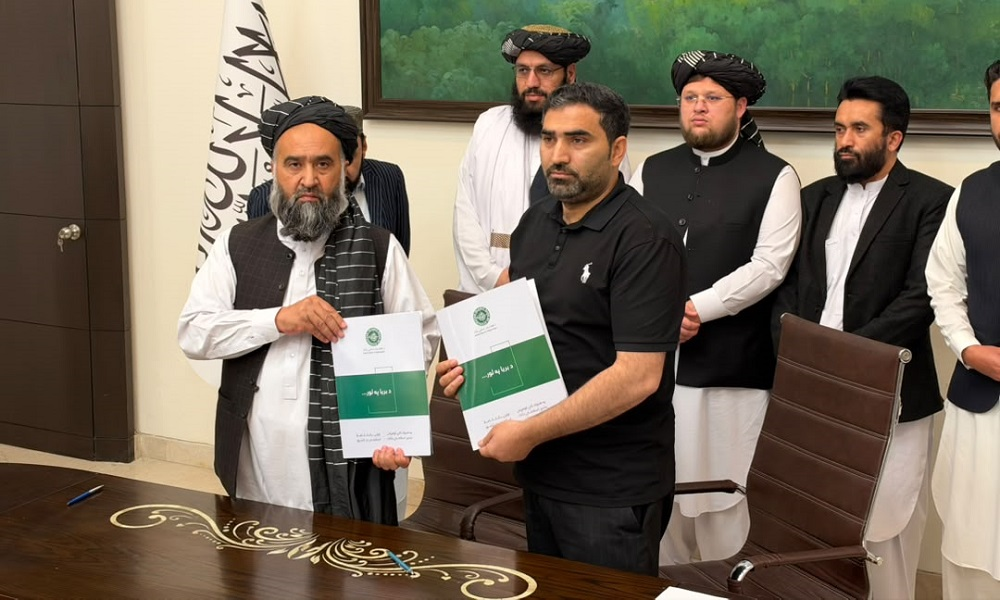
Afghan and Indian traders sign $250 million trade agreements in New Delhi
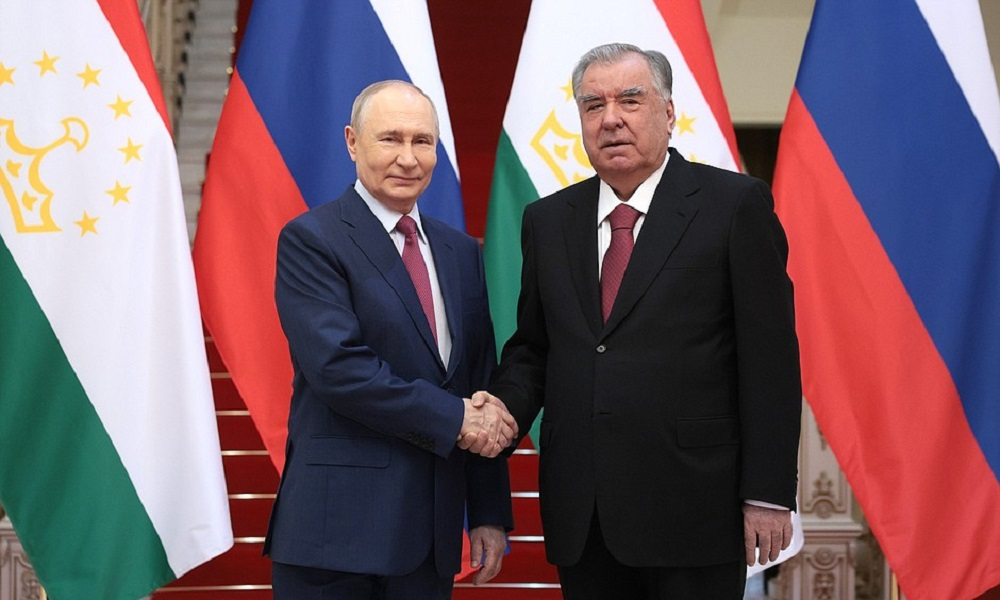
Kremlin: Rahmon briefs Putin on security situation along Afghan border
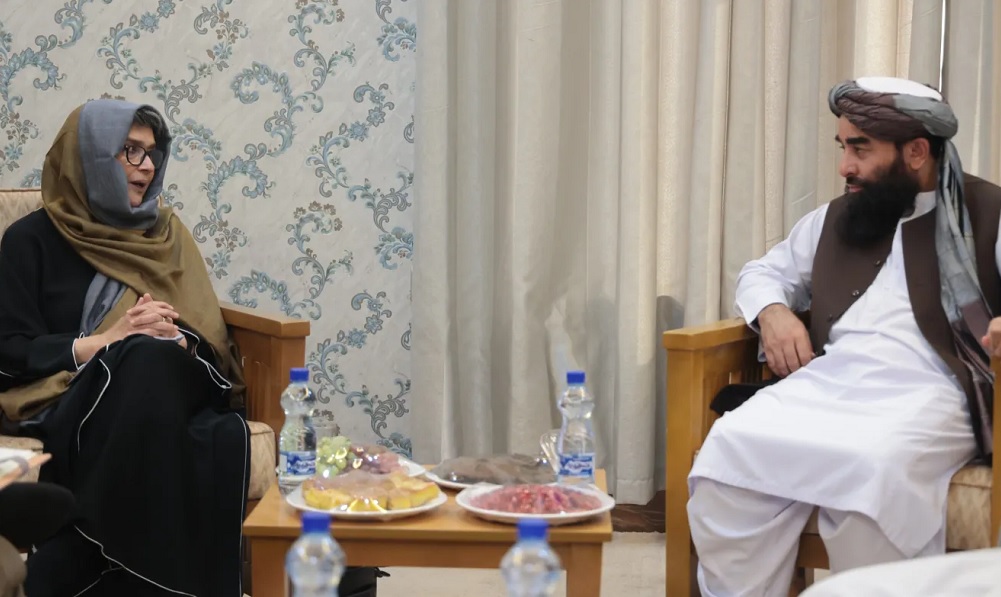
UNAMA chief calls for progress in Afghanistan’s political process

Governments take websites offline as critical cyber flaws trigger global alert

Afghanistan’s new Wakhan road to China faces major hurdles
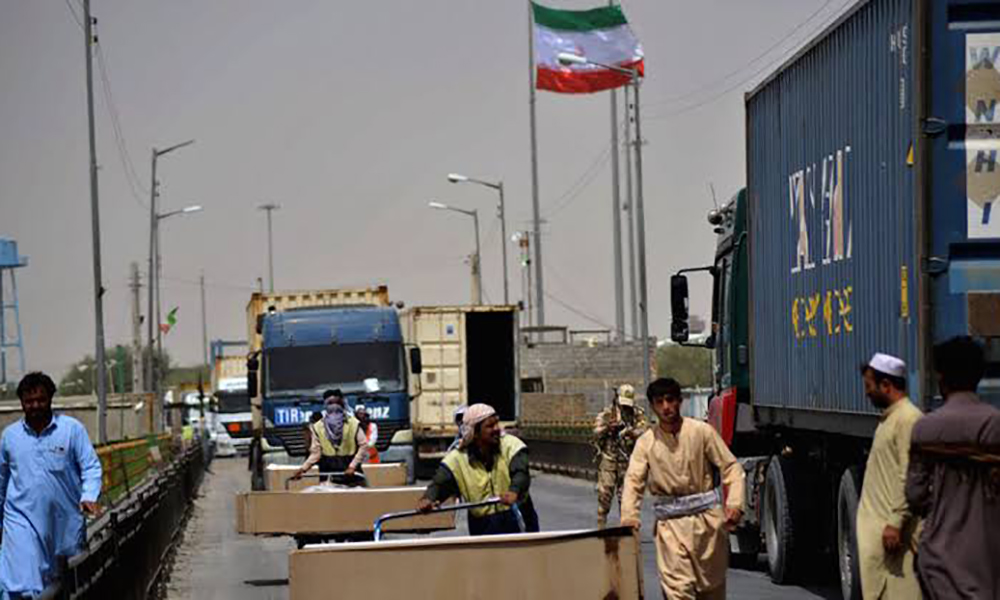
US sanctions and blockade measures disrupt Iran’s trade with Afghanistan and regional neighbors

Pakistan exporters suffer billions in losses as Afghanistan trade halt continues
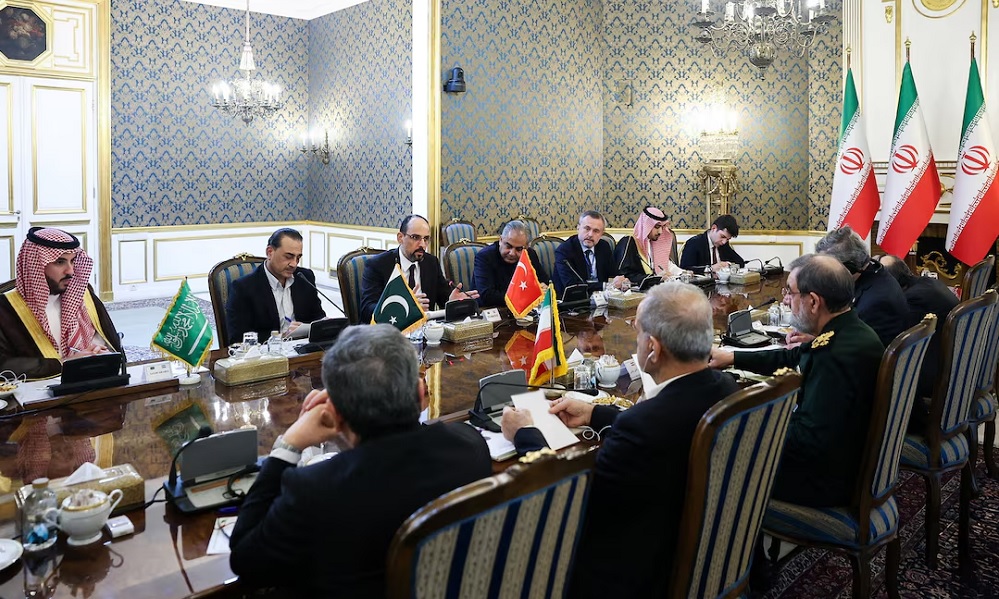
Saudi defence pact countries push for peace in Tehran as Houthis launch more attacks
Tawsia: Afghanistan’s key economic highlights of the week discussed
Tahawol: Kazakhstan’s call for practical international engagement with Afghanistan
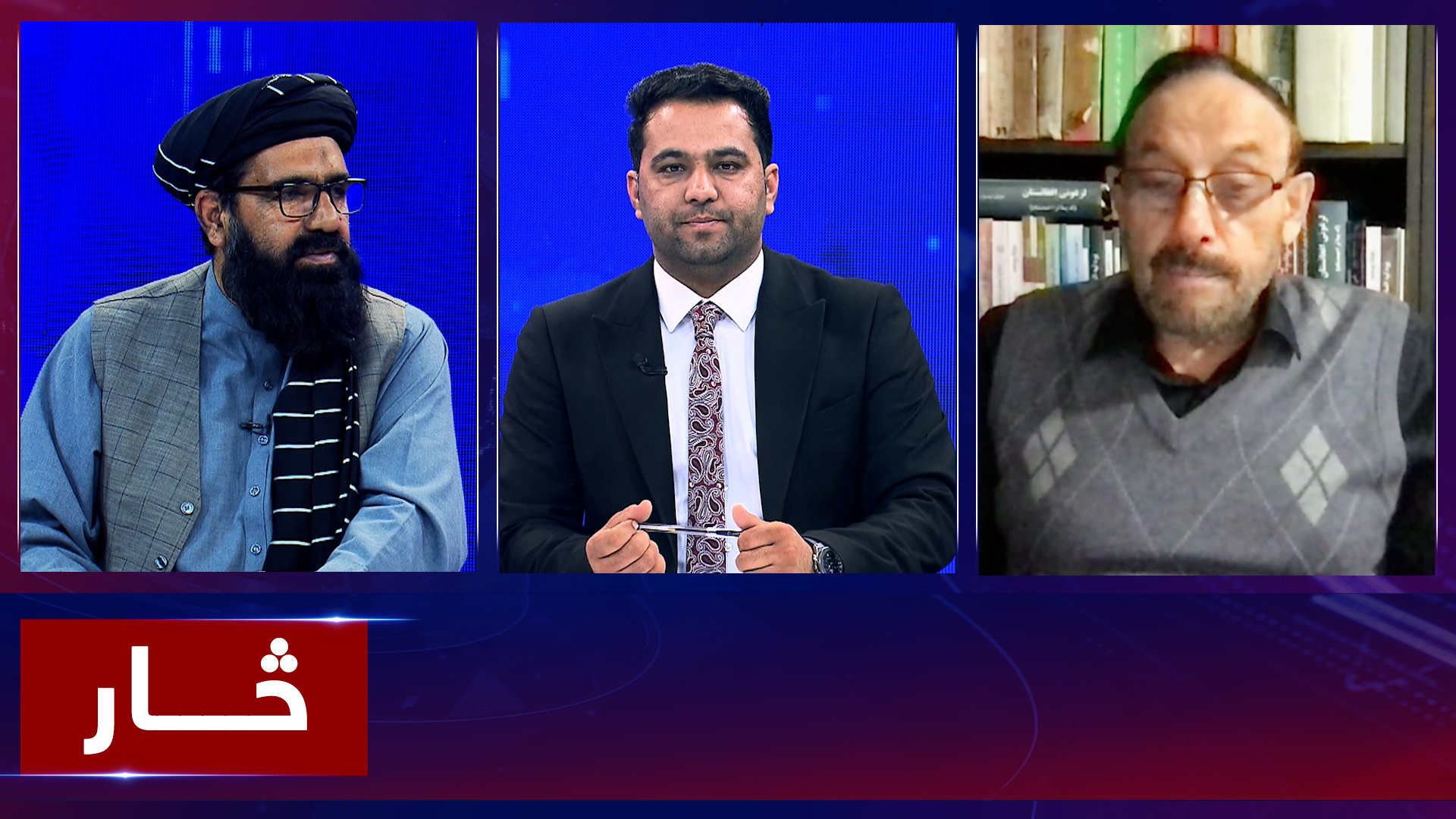
Saar: Afghanistan and UN: 80 years of diplomatic relations discussed
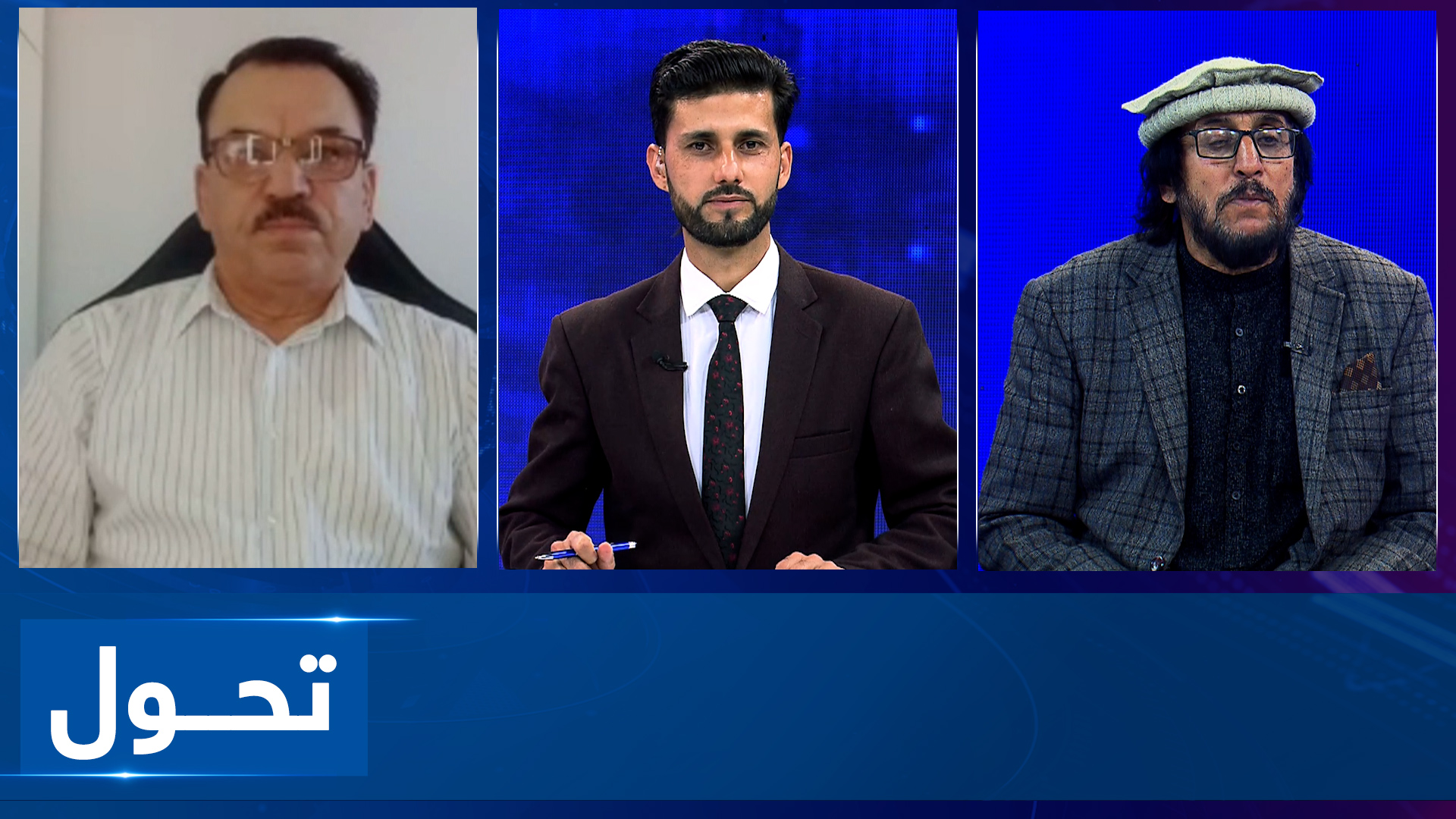
Tahawol: Qatar-UK consultations on Afghanistan discussed
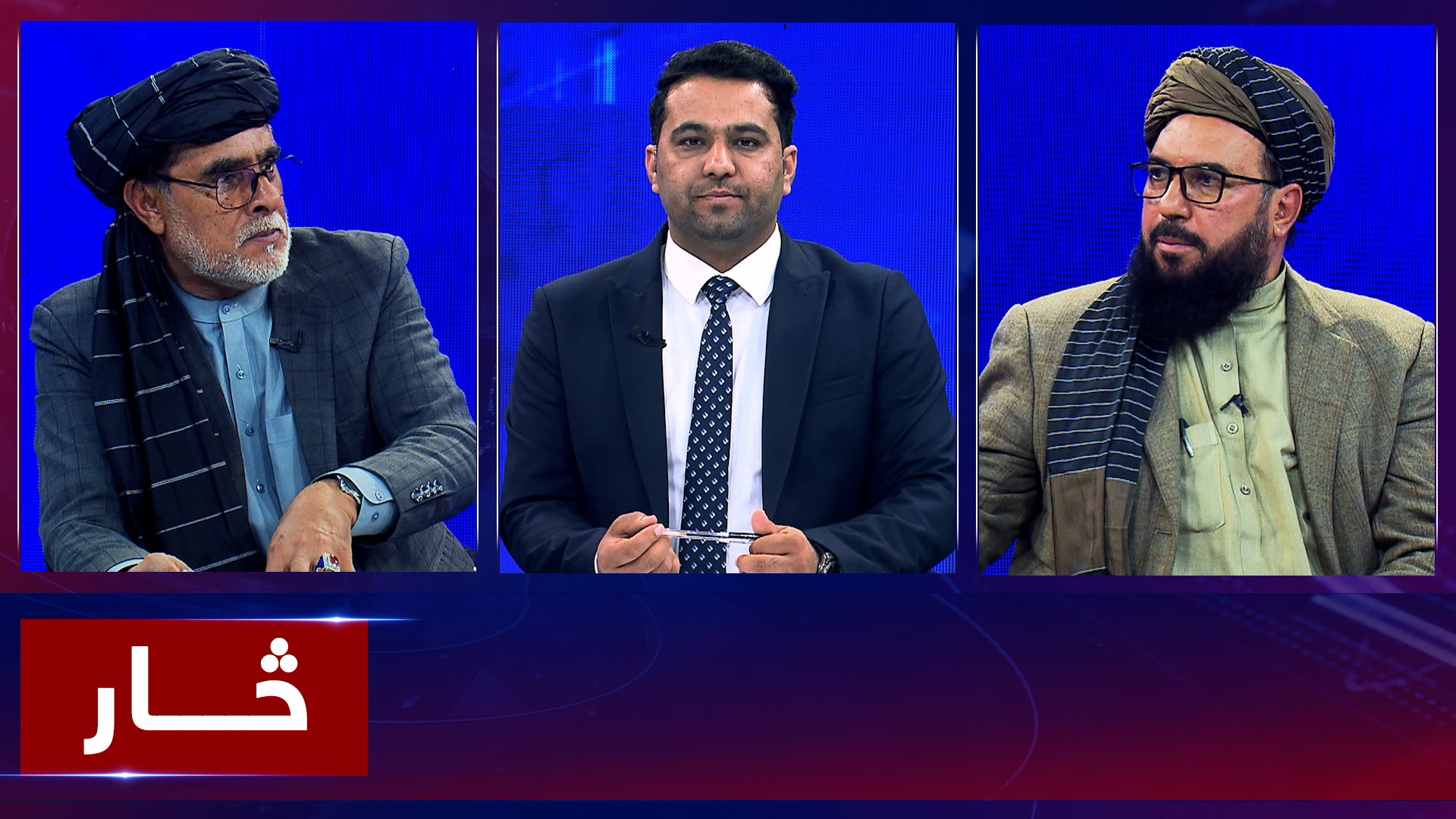
Saar: Efforts to deliver urgent humanitarian aid to needy Afghans
-
 Sport5 days ago
25 Afghan cricketers secure contracts for ILT20 Season 5
-
 Sport2 days ago
ATN to broadcast AFC Awards honoring Asia’s football stars
-
 Sport4 days ago
Sorkh Poshan Khafi crowned ACL champions after unbeaten campaign
-
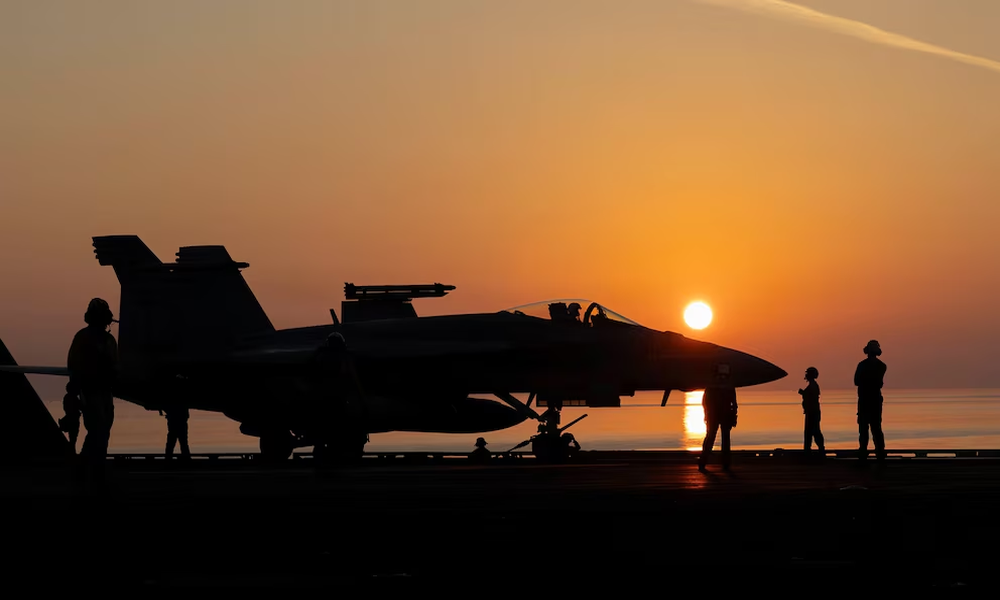 Regional3 days ago
US strikes Iranian military site as Gulf states report fresh attacks
-
 Business5 days ago
Pomegranate prices double in Pakistan amid suspension of Afghan trade
-
 Business4 days ago
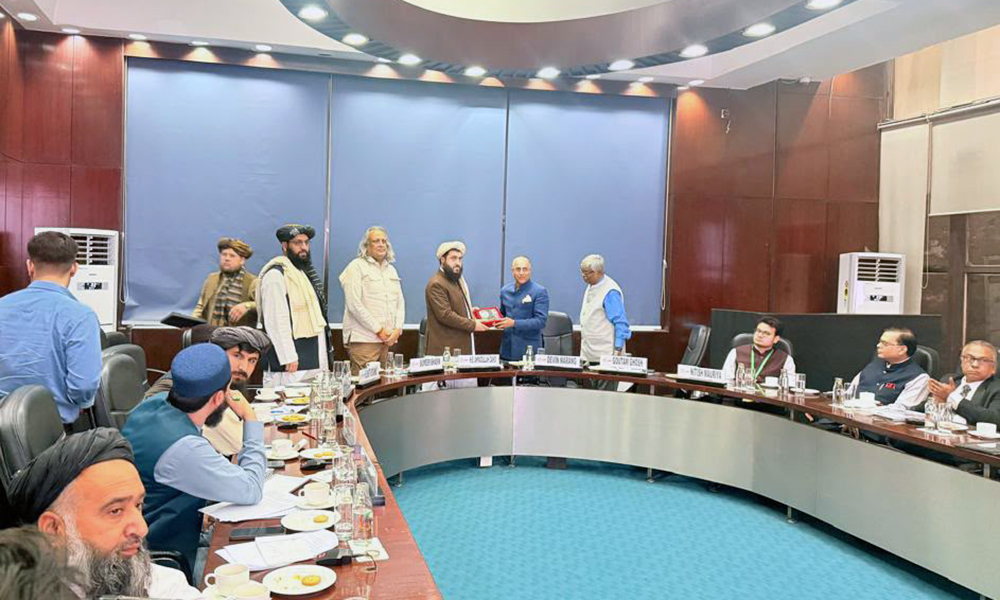
Afghanistan, India discuss expanding trade and investment ties
-
Science & Technology5 days ago
South Korea to inspect glasses worn by exam candidates after AI cheating scandal
-
 Latest News5 days ago
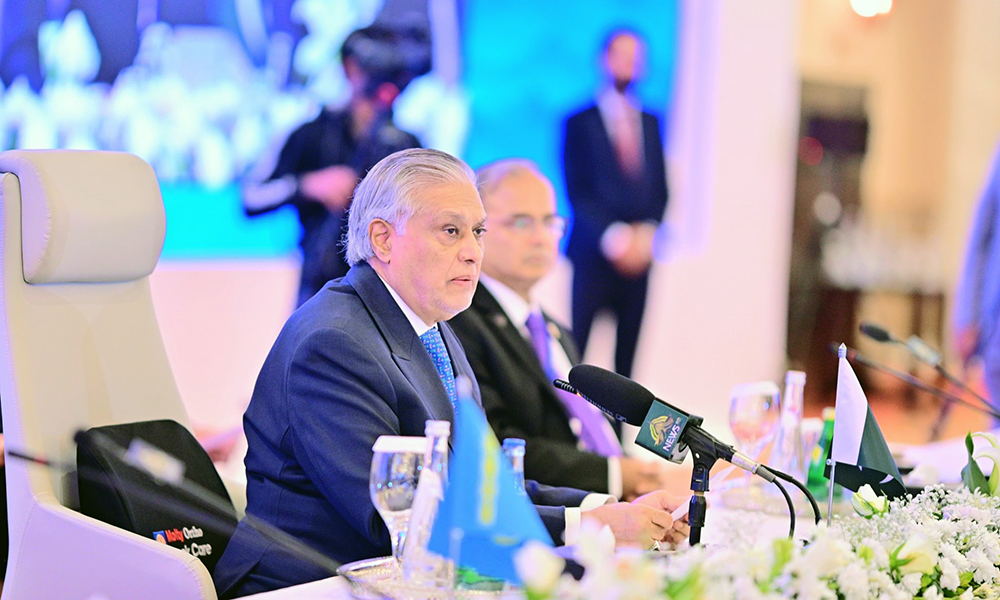
Pakistan FM urges Afghanistan to address security concerns of neighbors