
Business
Pakistan to allow India transit access to Afghanistan for humanitarian aid


Pakistan Prime Minister Imran Khan on Monday announced that Islamabad will allow the transit of 50,000 tonnes of wheat and winter shelters offered by India to Afghanistan.
This was among announcements by Khan after visiting the newly-established Afghanistan Inter-Ministerial Coordination Cell (AICC), along with Pakistan’s army chief General Qamar Javed Bajwa, Foreign Minister Shah Mehmood Qureshi and NSA Moeed Yousaf, where he chaired its first committee meeting.
Pakistan will also facilitate the return of Afghan patients who had gone to India for medical treatment and are stuck there, he announced, Tribune India reported.
Pakistan will also immediately ship in-kind humanitarian assistance worth Rs 5 billion, including 50,000 tonnes of wheat and winter shelters.
According to the Tribune India, Pakistani authorities have not however said whether Indian trucks will be allowed to travel to Afghanistan or whether they will have to offload the goods at the border and load the aid onto Pakistani or Afghan trucks.




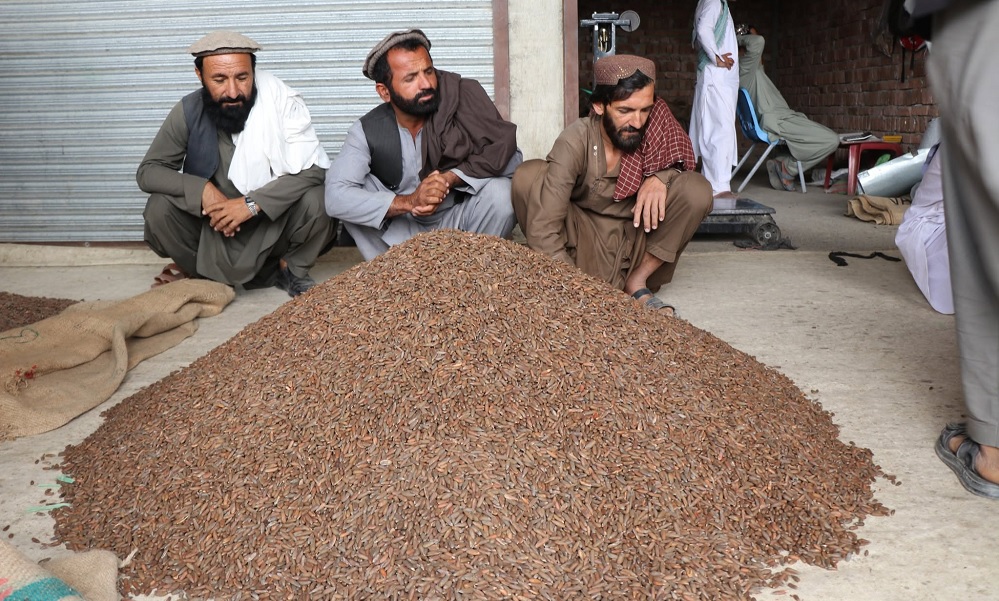
Afghanistan’s pine nut exports increased by 69 percent in the first seven months of the current solar year 1405 compared with the same period last year, reaching $72 million, the Afghanistan Chamber of Commerce and Investment (ACCI) says.
According to chamber officials, the value of pine nut exports stood at $42 million during the first seven months of last year. The product has been exported to European countries, India and, particularly, China.
Meanwhile, officials at the Ministry of Industry and Commerce say they have taken steps since the beginning of the year to expand pine nut exports and identify new markets for the product.
However, some economic experts say pine nuts are among Afghanistan’s key export products and that relevant government ministries, particularly the Ministry of Industry and Commerce, should strengthen efforts to promote the product and secure access to new markets.
Afghan pine nuts are also exported to China, India, the United Arab Emirates, Saudi Arabia, Pakistan, the United States, the United Kingdom, Italy, Germany, Australia, Turkey, Austria and Kuwait.
Experts emphasize that pine nut packaging should be improved to meet the requirements and standards of different international markets in order to further increase exports.
Business
US sanctions and blockade measures disrupt Iran’s trade with Afghanistan and regional neighbors
The effects have also extended beyond Iran’s borders, affecting regional trade routes and cross-border commerce with neighboring countries, including Afghanistan.
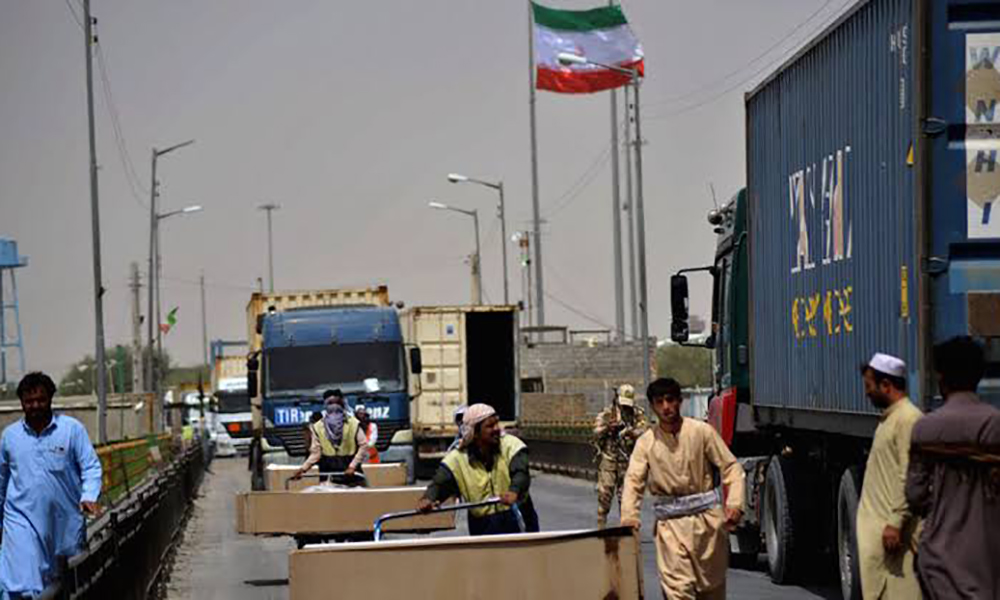
US naval blockade measures and economic sanctions against Iran are increasingly disrupting the country’s overland trade with Afghanistan and other regional neighbors, including Pakistan, Turkmenistan and Turkey, according to a US Treasury Department report cited by Axios.
The report said Washington aims to pressure Iranian officials into negotiations through economic restrictions and other measures targeting the country’s economy.
According to the Treasury Department, US sanctions and mounting economic pressure have significantly weakened Iran’s national currency, fueled inflation and disrupted commercial activities.
The effects have also extended beyond Iran’s borders, affecting regional trade routes and cross-border commerce with neighboring countries, including Afghanistan.
The developments have raised concerns over the potential economic impact on regional trade, particularly in countries that rely on commercial routes and trade links with Iran.
Business
Afghanistan inaugurates first phase of Kandahar cement factory
According to officials, the first phase of the factory has a daily production capacity of 1,500 metric tons of cement and is expected to generate thousands of direct and indirect jobs.
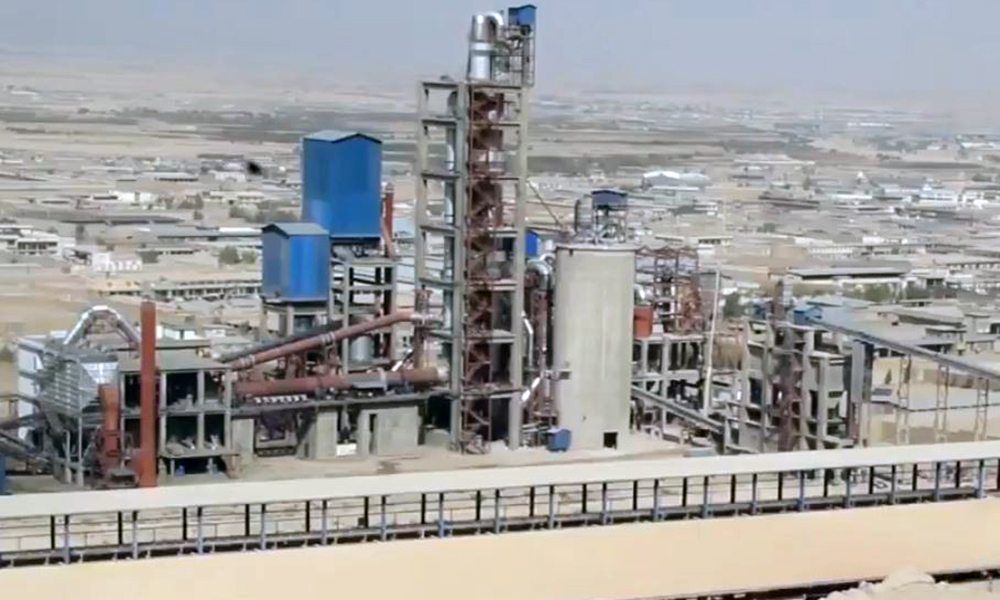
Afghanistan has inaugurated the first phase of the Shorandam Cement Factory in Kandahar province, marking a step toward expanding domestic cement production and reducing reliance on imports.
Mullah Abdul Ghani Baradar, Deputy Prime Minister for Economic Affairs, officially opened the facility on Thursday at a ceremony attended by senior officials of the Islamic Emirate.
Speaking at the ceremony, Baradar said sustainable economic development requires the effective use of domestic resources and a shift from a consumer-based economy to a production-driven one.
He stressed the need to boost local production, reduce imports, expand exports and strengthen the country’s industrial sector.
According to officials, the first phase of the factory has a daily production capacity of 1,500 metric tons of cement and is expected to generate thousands of direct and indirect jobs. Work on the second phase is also expected to begin in the future.
Hidayatullah Badri, Minister of Mines and Petroleum, said cement production had resumed in Afghanistan for the first time since the Islamic Emirate returned to power.
He added that six major cement production projects are currently underway across the country, involving a combined investment of $662 million.
According to Badri, the projects are expected to create employment opportunities for around 15,000 people and meet nearly 50 percent of Afghanistan’s domestic cement demand once completed.
Islamic Emirate spokesperson Zabihullah Mujahid also welcomed the factory’s inauguration, describing it as positive news for the country and emphasizing the importance of maintaining production quality and industrial standards.
Afghanistan currently relies heavily on imported cement to meet domestic demand. The expansion of local production is expected to reduce dependence on imports, support the construction industry and create employment opportunities.


Afghanistan futsal team thrash Panama 5-0 in flying start to Dakar Youth Olympics

Tahawol: calls for dialogue between Kabul and Islamabad

Saar: Trump’s remarks on Afghanistan war
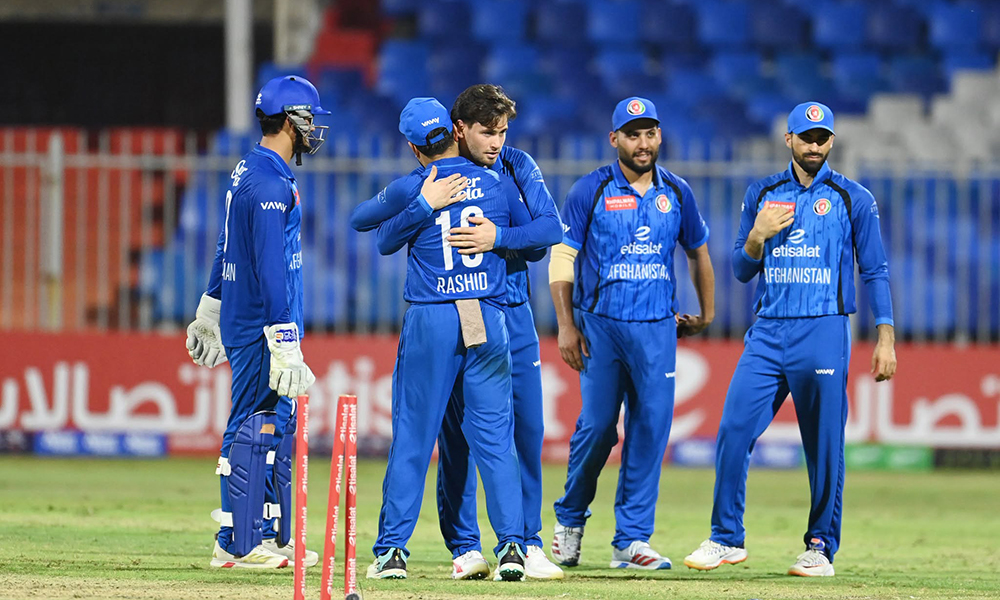
Afghanistan achieve their highest ICC Men’s ODI team ranking
Afghanistan’s pine nut exports increase by 69 percent

Cricket Bonanza: Afghanistan set for packed international schedule

Afghanistan finish runners-up after 6-0 defeat to Brazil in futsal final

India, Pakistan summon top diplomats over border incident

Afghanistan inaugurates 121 km Wakhan road to China border

Trump says US will not attack Iran before midterm elections in November
Tahawol: calls for dialogue between Kabul and Islamabad
Saar: Trump’s remarks on Afghanistan war
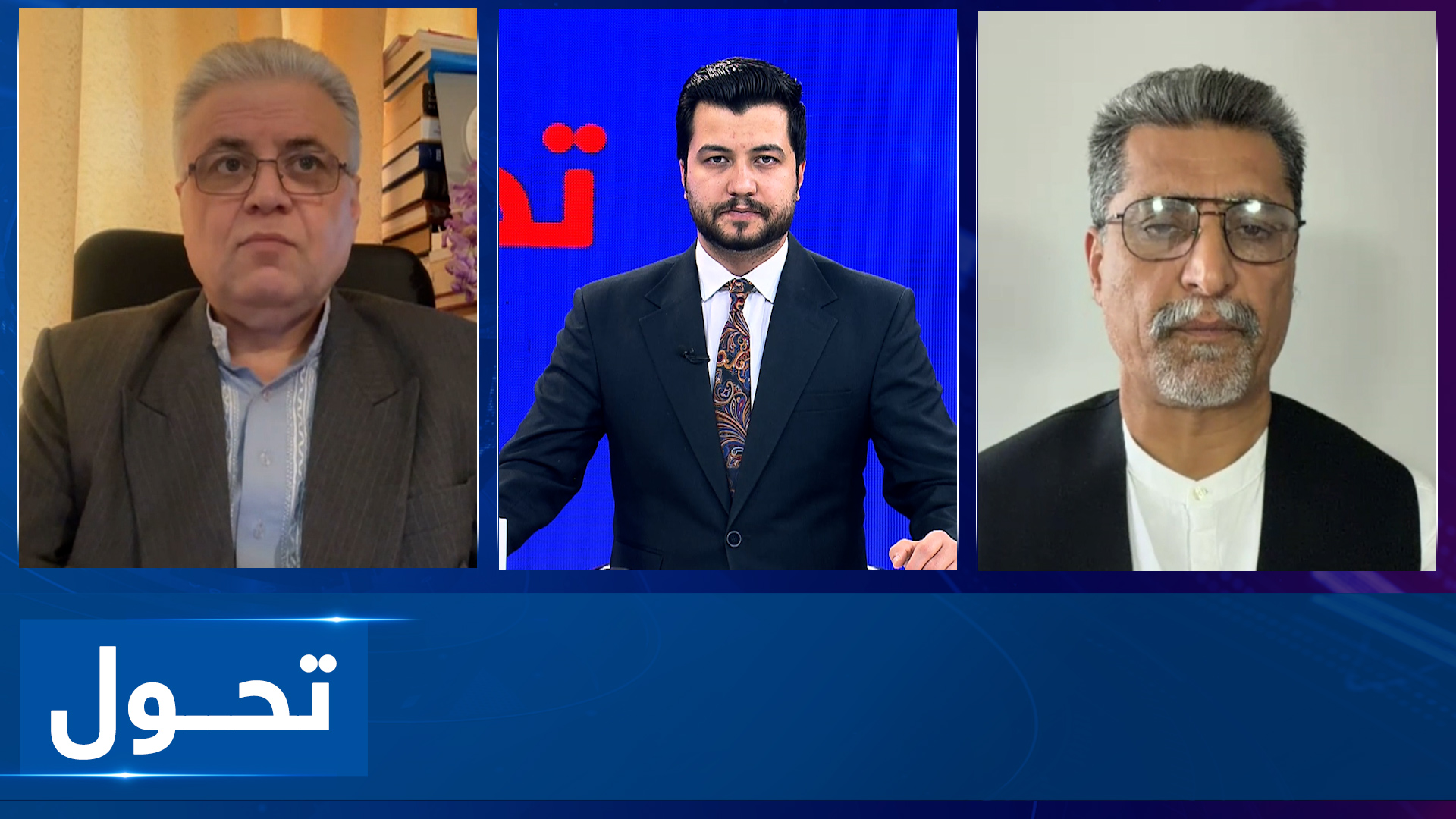
Tahawol: US offers to ease Kabul-Islamabad tensions
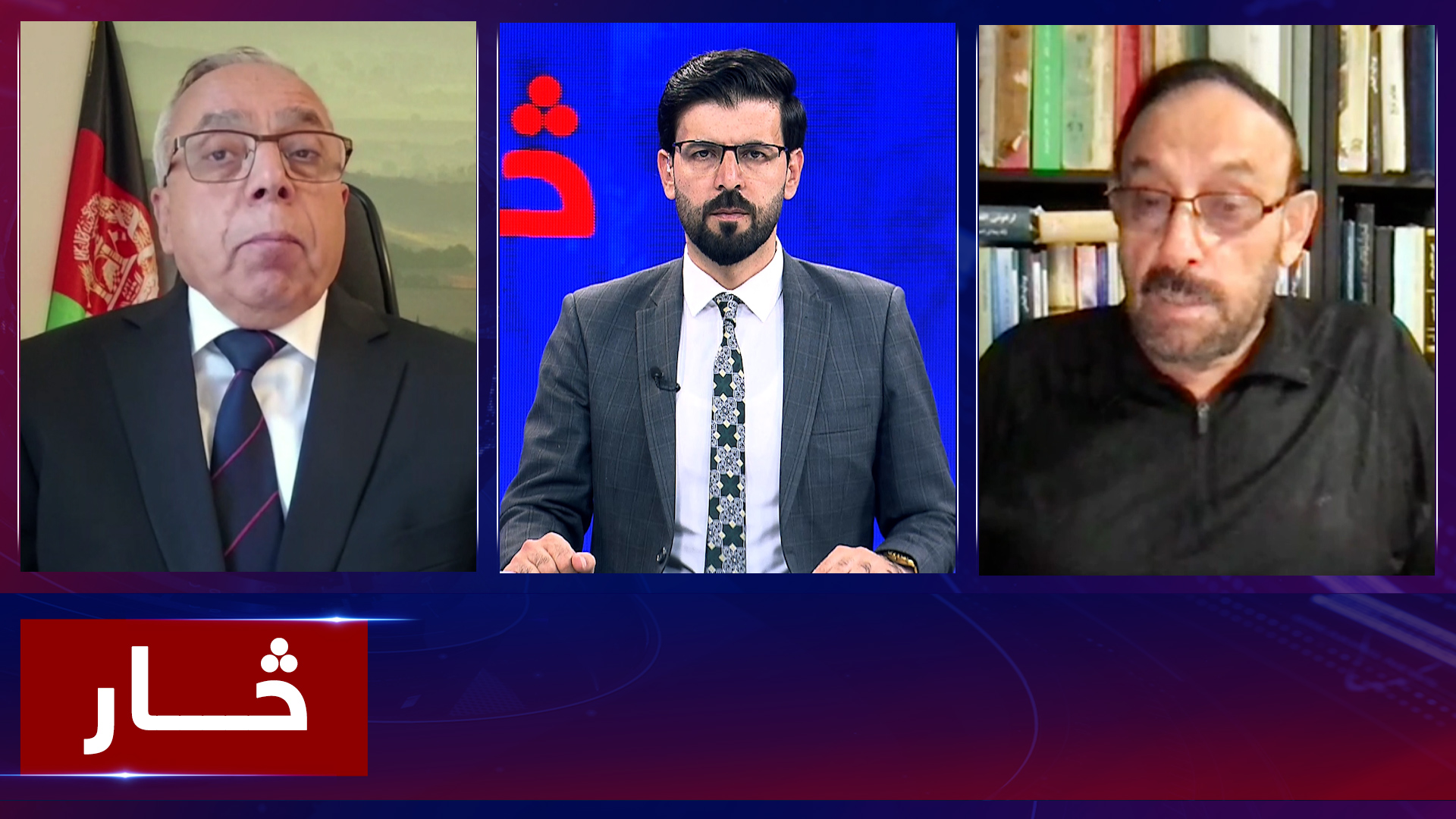
Saar: Identity of ISIS suspect arrested in pakistan revealed

Tahawol: Disruptions in Iran’s trade with neighboring and regional countries
-
 Sport4 days ago
Afghanistan beat India 2-1 at FIFA U-15 World Cup & Festival
-
Business3 days ago
US sanctions and blockade measures disrupt Iran’s trade with Afghanistan and regional neighbors
-
 Latest News4 days ago
Trial of eight Afghan men accused of child sexual exploitation moved to London
-

 Sport4 days ago
Rashid Khan makes history as first-ever bowler to claim 200 T20I wickets
-
 Sport2 days ago
Afghanistan storm into Hong Kong Sixes final after beating Scotland
-
 Sport1 day ago
Afghanistan crowned 2026 Hong Kong Sixes champions after beating Australia in final
-
Business4 days ago
Afghanistan inaugurates first phase of Kandahar cement factory
-
 Health3 days ago
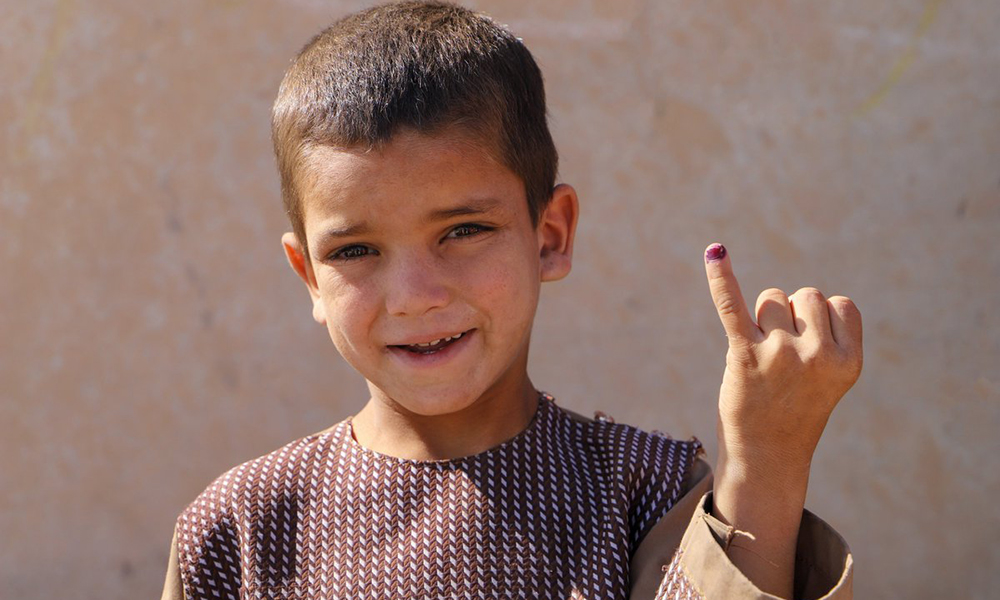
Afghanistan to launch nationwide polio vaccination campaign