
Latest News
Qari Yusuf Ahmadi appointed head of Government Media and Information Center


Qari Yusuf Ahmadi was on Tuesday introduced as the new head of the Government Media and Information Center.
Deputy Minister of Information and Culture said in a ceremony to introduce Ahmadi that the Islamic Emirate of Afghanistan (IEA) is committed to the principle of merit-based appointments.
He expressed hope that the appointment of Ahmadi as the head of the Government Media and Information Center will lead to better coordination between the media and government institutions.
“The media center acts as a bridge between the Emirate and the people. Media is something that brings people and the Emirate across a bridge. We want that more work should be done for greater integration and progress,” said Saad Al Din Saeed, deputy minister of information and culture.
Some other officials of the IEA also emphasized that propaganda against the regime will be prevented.
“The government’s information process is an orderly and reliable process. The existing orderly and coordinated system between the institutions, spokespersons and media will be further developed and the information process will take place without delay. Negative propaganda and propaganda against the regime and confusing people’s minds will be prevented,” said Ahmadullah Muttaqi, head of the strategic relations department of the Prime Minister’s office.
Qari Yusuf Ahmadi, the new head of the Government Media and Information Center, said that he will try to establish better coordination between the media and the government based on his experience with the media.
“I have told my colleagues to tell me if there is an interruption in work. I would never say that you did this against anyone else. This work is indeed a big responsibility and everyone’s cooperation is needed. Journalists, presenters, media and the Ministry of Information and Culture should each play their part. If everyone cooperates with us, God willing, we will have more progress,” Muttaqi said.
The Government Media and Information Center was established a decade ago and hundreds of press conferences have been held in this center so far. After the IEA’s takeover, many government institutions reported their performances to the public in coordination with the media center.



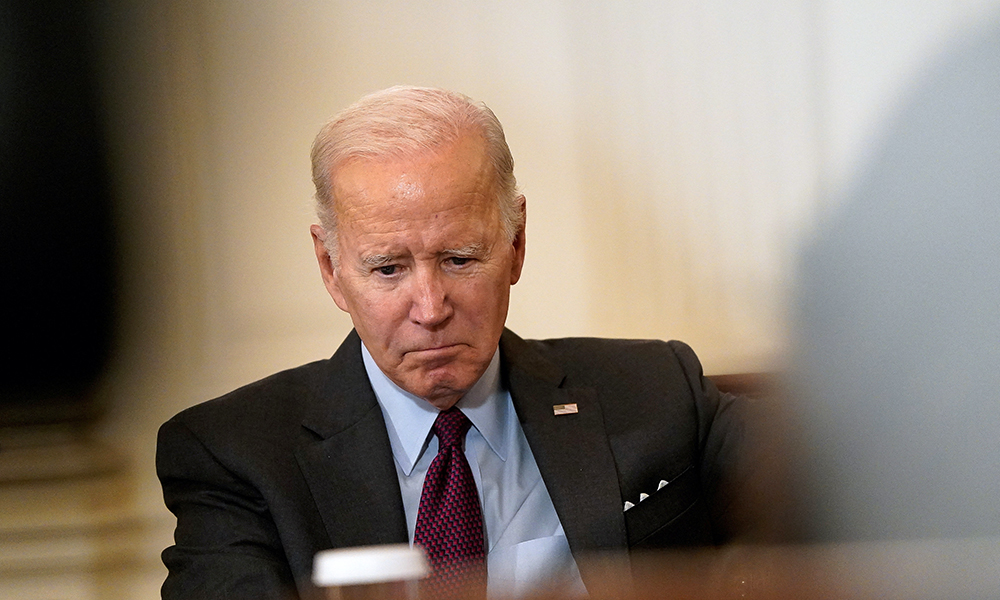
Former US President Joe Biden has defended his decision to withdraw American forces from Afghanistan in 2021, saying he believes it was the right choice and that he would make the same decision again under similar circumstances.
In his new memoir “Promise Me, America,” Biden said then-Defense Secretary Lloyd Austin and Chairman of the Joint Chiefs of Staff Gen. Mark Milley had raised concerns about the possible consequences of the withdrawal.
Biden also recalled being assured that the Afghan government could survive for at least six months after the departure of US forces. However, the government collapsed within days of the withdrawal.
The United States and the Islamic Emirate had signed an agreement in February 2020, during Donald Trump’s first presidency, setting out the withdrawal of US forces from Afghanistan.
Latest News
Five EU countries to announce Rwanda deportation hub scheme
Leaders from the five countries have repeatedly said their plans would comply with EU and international law, but rights advocates have questioned whether migrants’ rights could be violated if they are transferred to a country they have no connection to.
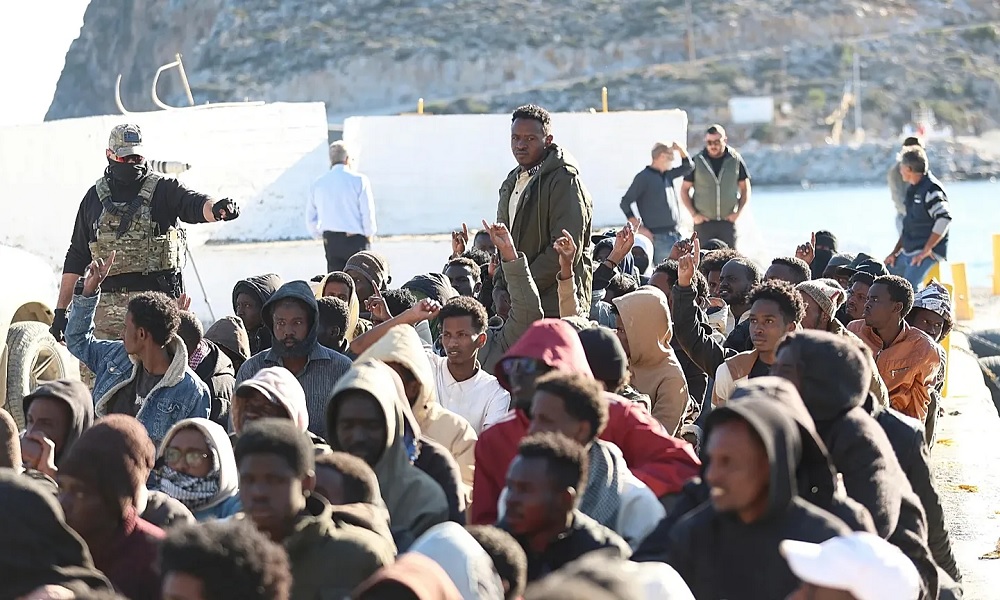
Five European countries are set to announce plans on Monday to send rejected asylum seekers to a deportation hub in Rwanda, Reuters reported citing two sources familiar with the plans.
Germany, Austria, Greece, Denmark and the Netherlands said in September they were working towards a deal with a non-EU country to host so-called return hubs, part of a broader European push to increase deportations and curb irregular migration.
The deal, expected to be announced in Vienna, follows the approval of the EU’s new Returns Regulation, which seeks to speed up deportations and allows member states to establish return hubs outside the block.
With elections approaching in several EU countries and anti-immigration sentiment widespread, governments are under pressure to show they can control migration. Deportation hubs offer a highly visible demonstration of that resolve, analysts say.
The scheme differs from Britain’s abandoned Rwanda deportation plan in that it would only apply to migrants who have exhausted all legal avenues to remain in the European Union, rather than those whose claims are still being processed.
ACCOUNTABILITY QUESTIONS
Leaders from the five countries have repeatedly said their plans would comply with EU and international law, but rights advocates have questioned whether migrants’ rights could be violated if they are transferred to a country they have no connection to.
“What recourse do people have if their rights are violated and who is accountable?” said Céline Mias, EU director at the Danish Refugee Council. “If responsibility rests with the European member state, how would that work in practice?”
The Council of Europe, a pan-European human rights body, said in July that return hubs posed “considerable human rights risks.”
European officials backing the hubs say the policy’s main purpose is deterrence rather than large-scale removals.
They argue that the prospect of paying smugglers thousands of euros for a dangerous journey to Europe, only to be sent to a third country, could dissuade some migrants from making the trip.
Critics, however, say there is little evidence that tougher enforcement measures and deportation schemes reduce migration over the long term.
“Enforcement changes how people travel, not whether they travel. Some pause or change route, and smugglers adapt and raise their prices,” said Roberto Forin of the Mixed Migration Centre, a research institute that collects data along migration routes.
A WILLING HOST
Rwanda has positioned itself as a destination for migrants that Western countries want to remove, despite longstanding concerns about its human rights record.
President Paul Kagame has won praise from Western and regional leaders for helping end Rwanda’s 1994 genocide and rebuilding the country into a destination for investment and aid.
Critics, however, accuse his government of suppressing dissent and supporting the M23 rebel group in neighbouring Democratic Republic of Congo, which rights groups say has committed killings, rapes and other abuses.
Rights advocates also point to restrictions on political freedoms and free speech.
Freedom House rates it “Not Free” and cites what it describes as the suppression of political dissent through surveillance, intimidation, arbitrary detention and torture.
The United States last year began transferring migrants to Rwanda under an agreement allowing it to deport up to 250 people.
Britain abandoned its own plan to send asylum seekers to Rwanda after it was ruled unlawful by the country’s Supreme Court 2023. Kigali sought a 50 million pound ($63.6 million) payment after the UK scheme was scrapped.
During a September visit to Kigali, two European Parliament lawmakers were shown facilities earmarked for Britain’s abandoned scheme that could potentially house migrants transferred from EU countries, including a hotel.
Latest News
Afghanistan and Iran agree to expand trade cooperation and upgrade border infrastructure
Araghchi praised Afghanistan’s efforts to combat narcotics and commended the Islamic Emirate’s role in promoting economic stability in the country.
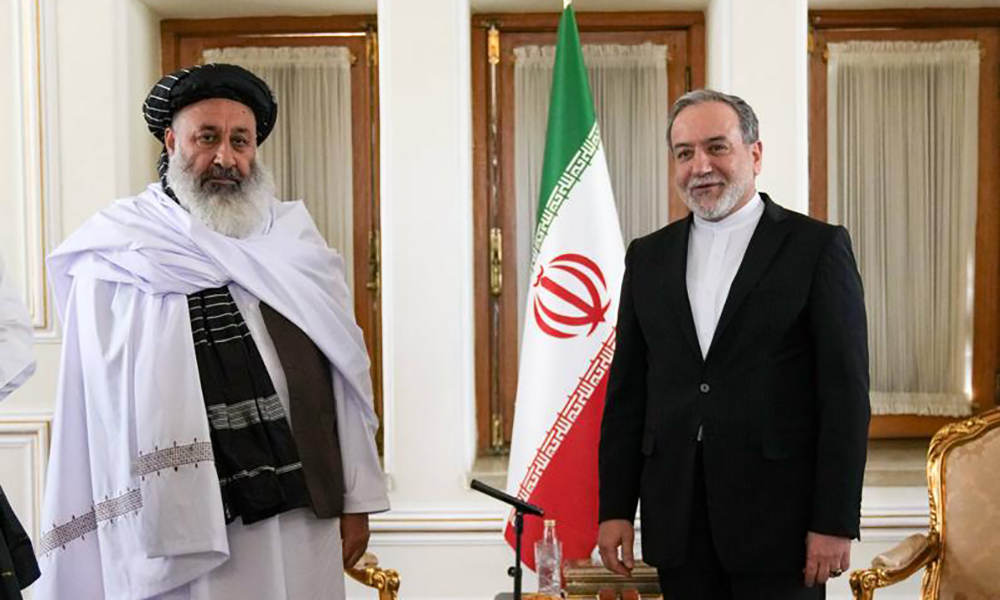
Afghanistan and Iran have agreed to strengthen economic cooperation, expand border infrastructure and improve customs operations during a meeting between their senior officials in Tehran.
According to a statement by Afghanistan’s Ministry of Finance, Minister of Finance Mohammad Nasir Akhund and his accompanying delegation met with Iranian Foreign Minister Seyed Abbas Araghchi at the Iranian Ministry of Foreign Affairs during an official visit to Iran.
The discussions focused on organizing the next meeting of the two countries’ Joint Economic Cooperation Commission, expanding border infrastructure at the Abu Nasr Farahi customs crossing and accelerating its reconstruction process.
Both sides also discussed operating customs facilities around the clock and speeding up efforts to increase the capacity of the Dogharoon, Mahirud and Milak border crossings.
According to the ministry, Araghchi praised Afghanistan’s efforts to combat narcotics and commended the Islamic Emirate’s role in promoting economic stability in the country.
The Iranian foreign minister also assured Afghanistan of Tehran’s full cooperation in economic and political affairs.
The meeting comes as Afghanistan and Iran seek to strengthen cross-border trade, improve transit facilities and expand bilateral economic relations.


25 Afghan cricketers secure contracts for ILT20 Season 5

Biden defends 2021 Afghanistan withdrawal in new memoir
Five EU countries to announce Rwanda deportation hub scheme
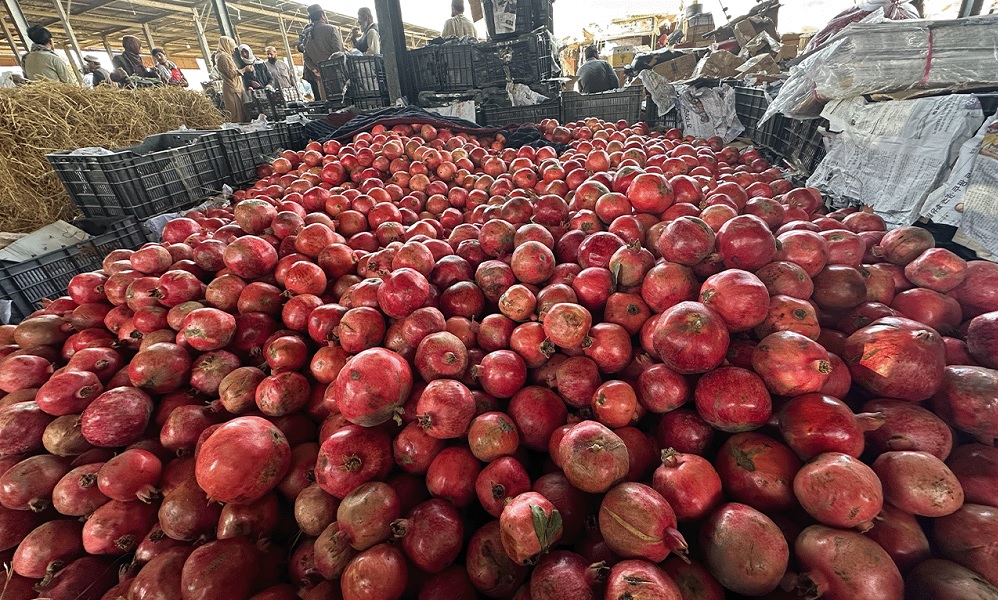
Pomegranate prices double in Pakistan amid suspension of Afghan trade
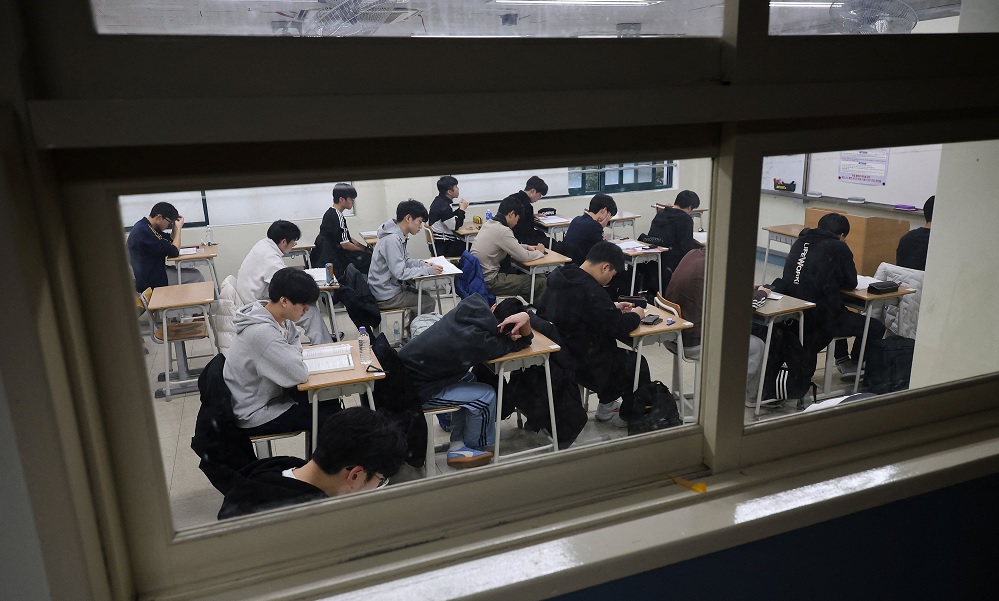
South Korea to inspect glasses worn by exam candidates after AI cheating scandal

Afghanistan finish runners-up after 6-0 defeat to Brazil in futsal final

Rubio heads to Central Asia while other US officials hit foreign policy hot spots

Violent protests spread across Europe as Albanian PM blames ‘foreign hand’

Governments take websites offline as critical cyber flaws trigger global alert

Afghanistan reach Brazil futsal tournament final after beating Cape Verde 4-2
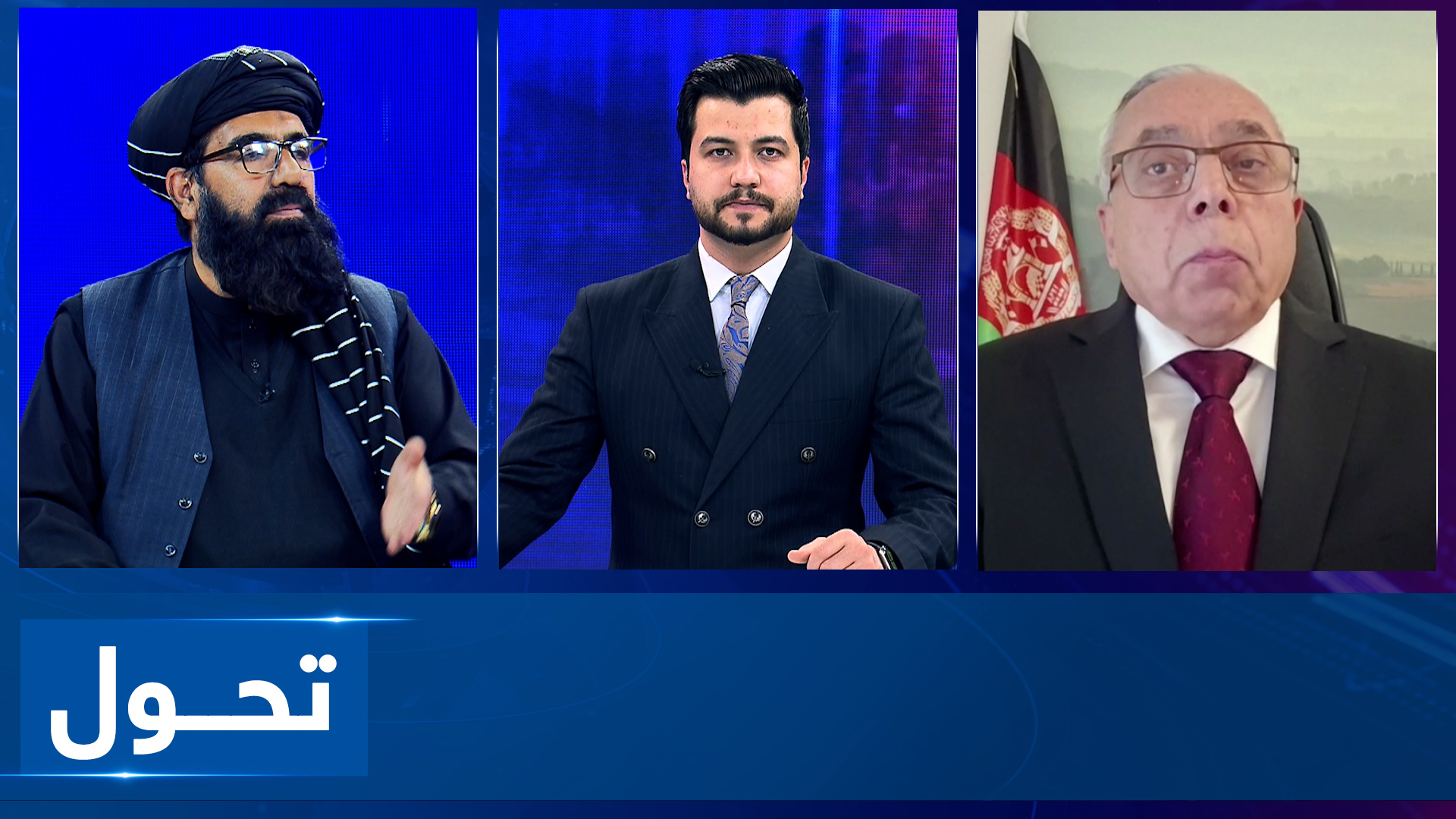
Tahawol: UK seeks to ease Kabul–Islamabad tensions
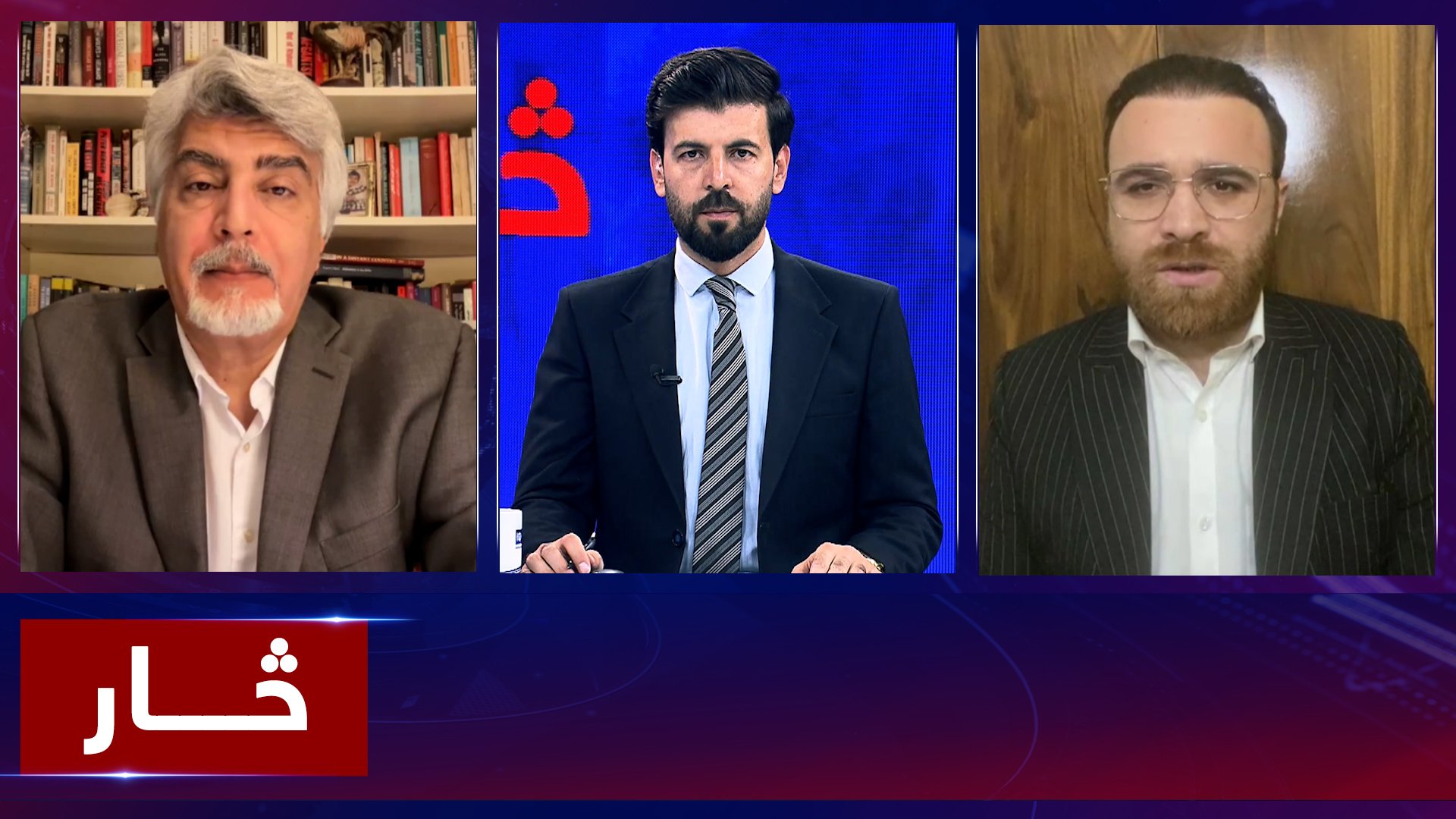
Saar: Iran–US tensions: an uncertain future
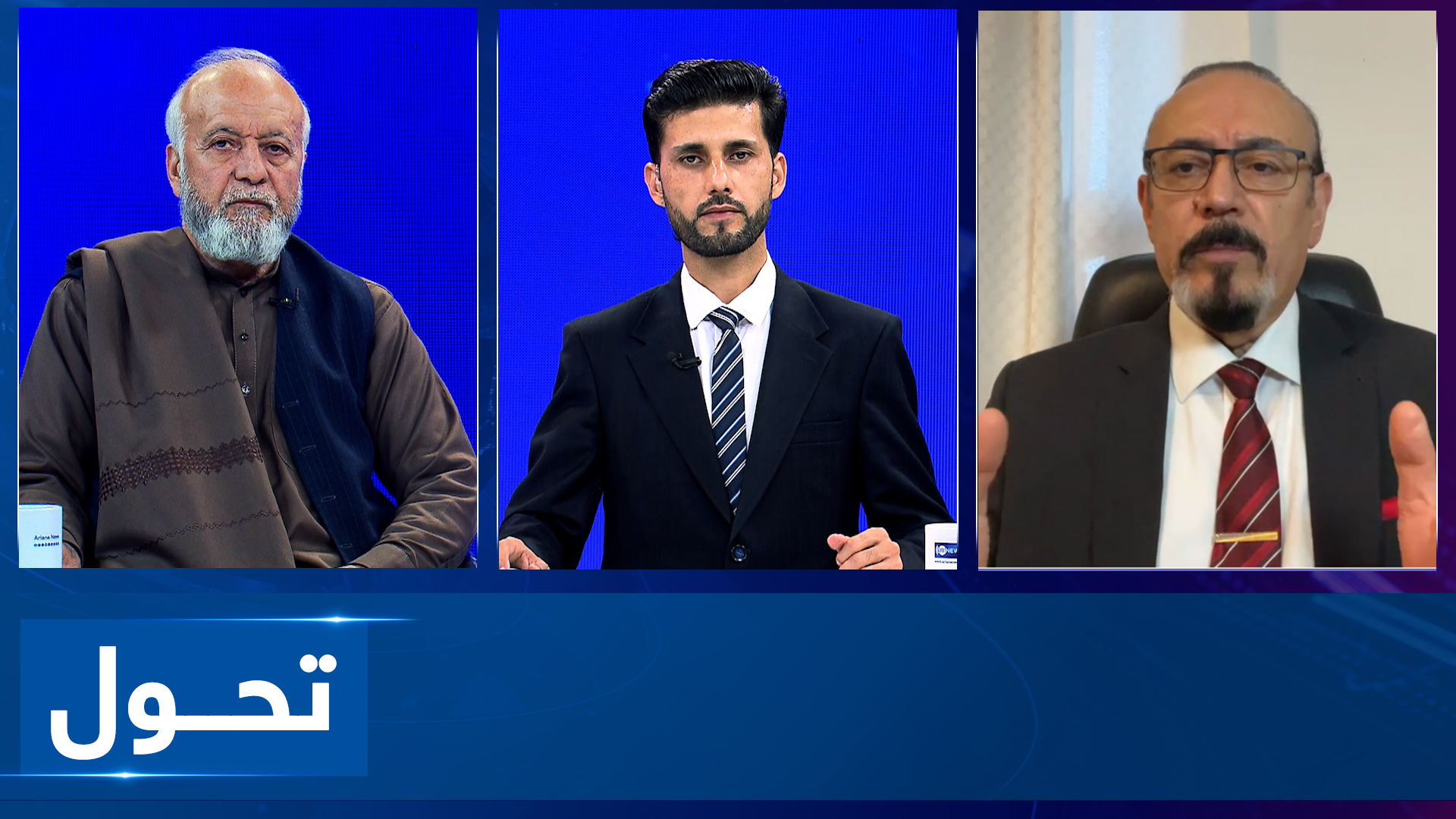
Tahawol: Concerns grow over worsening regional humanitarian crises discussed
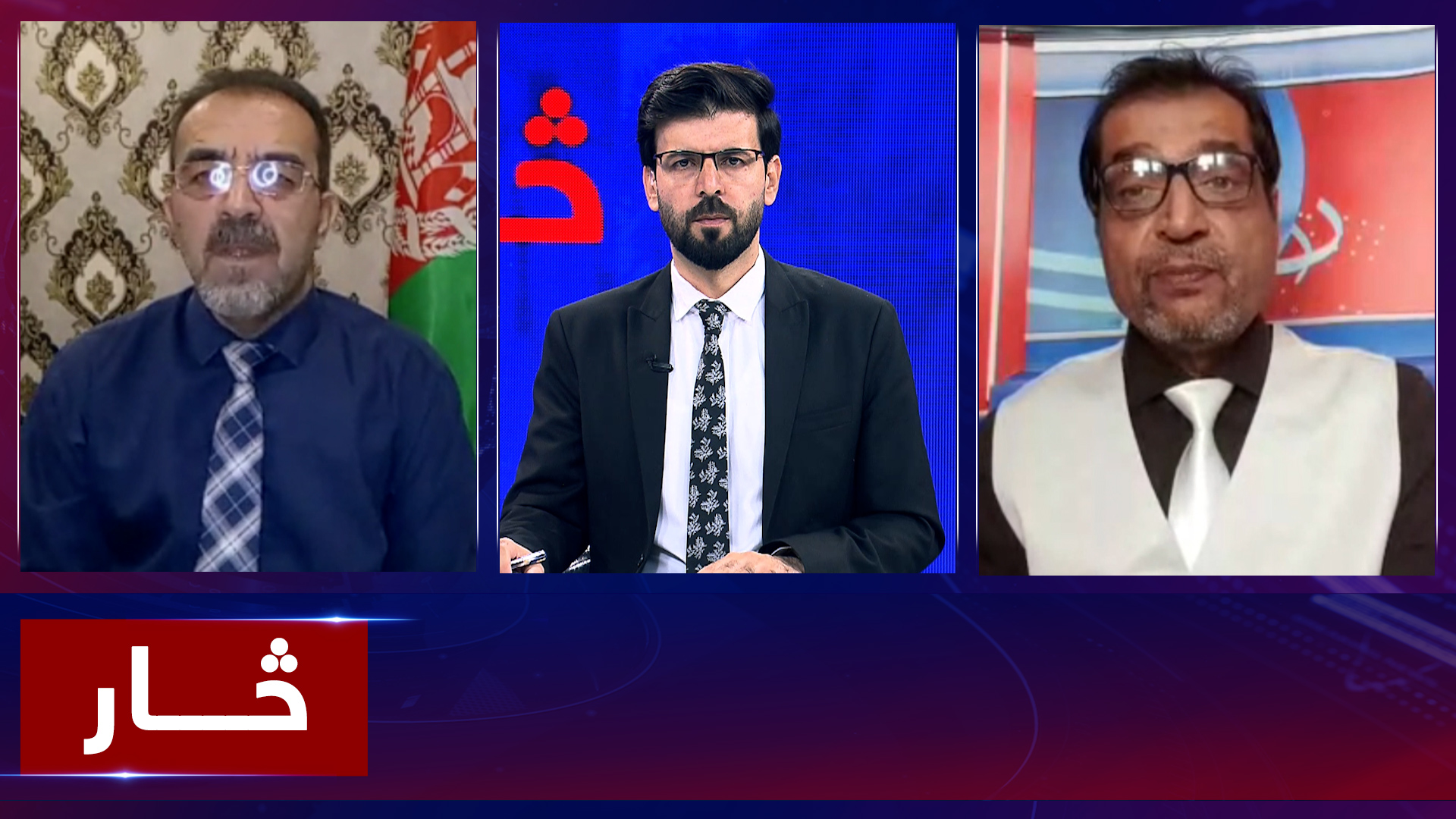
Saar: Forced deportation of Afghan refugees from Iran and Pakistan discussed
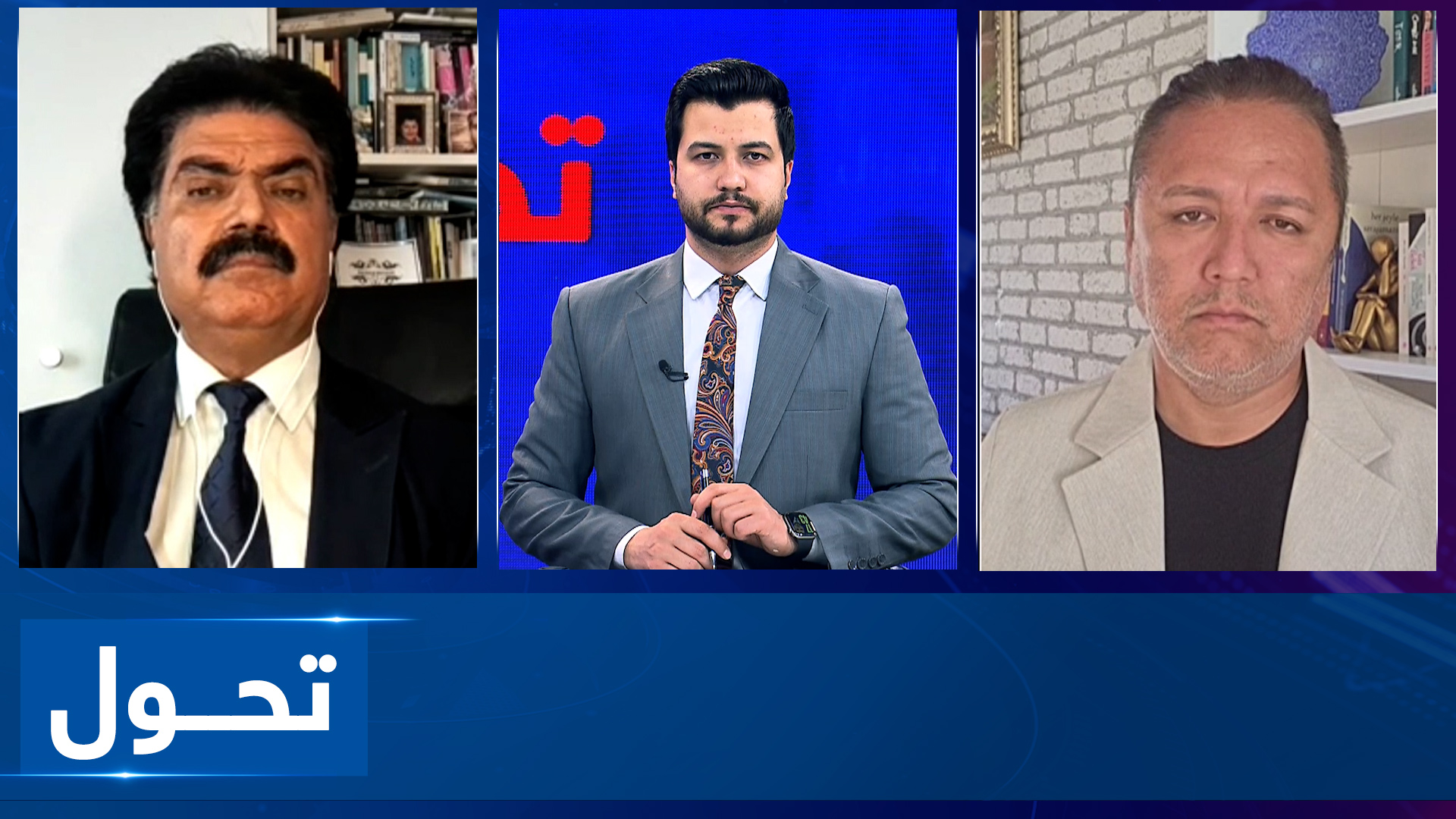
Tahawol: Russia’s special attention to situation in Afghanistan discussed
-

 Latest News5 days ago
Russian deputy prime minister to visit Kabul with high-level economic delegation
-
 Latest News4 days ago
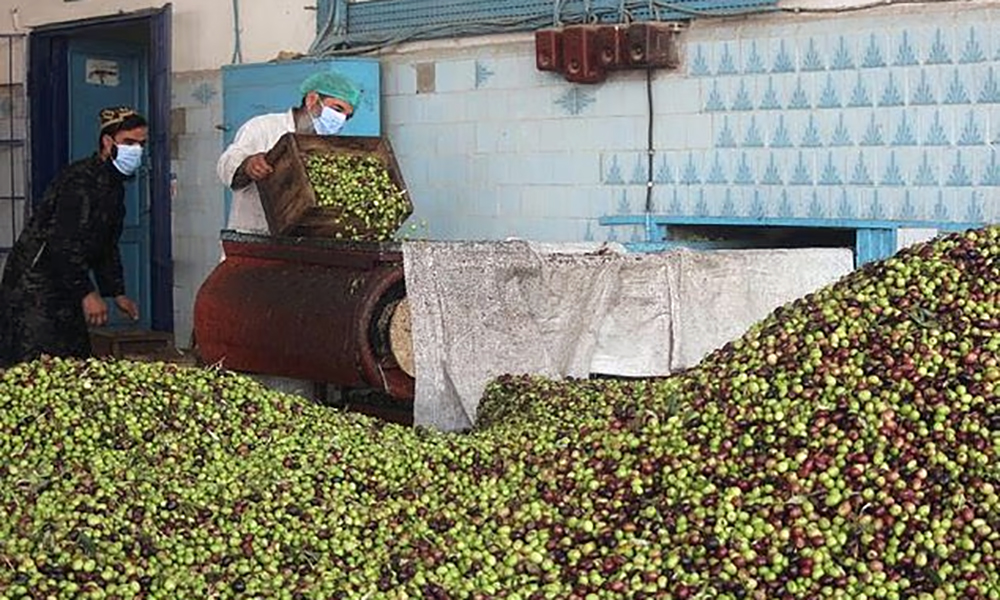
Olive farming offers new hope to Afghan farmers amid growing climate challenges
-
 Business3 days ago
Afghanistan and Uzbekistan agree on export of 100,000 tons of Bamyan potatoes
-
 Sport5 days ago
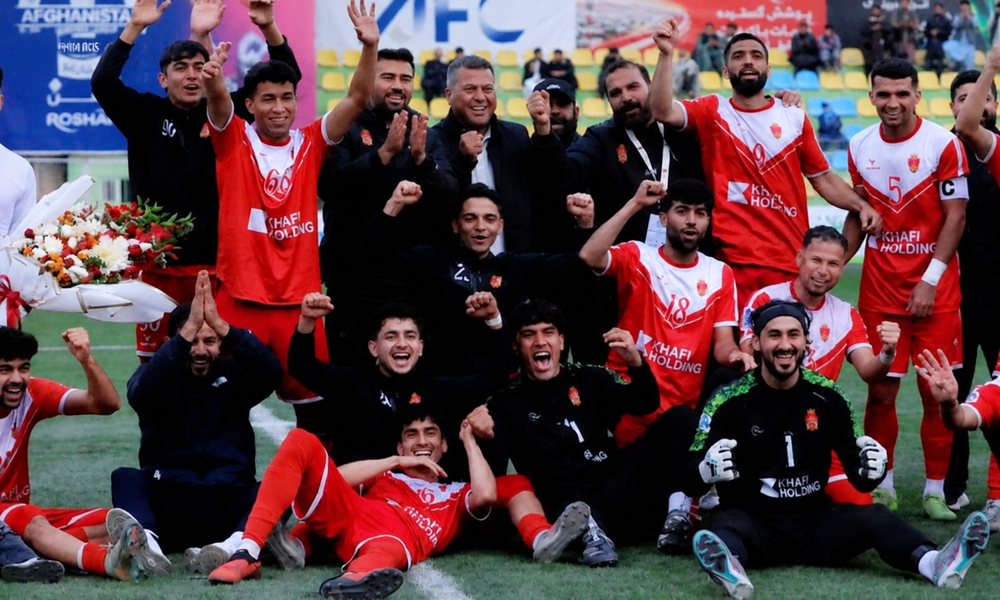
Sorkh Poshan Khafi secures ACL title with crushing 7-0 win over Khurasan Faryab
-
 Sport4 days ago
Afghanistan falls just short of Bronze at Dakar 2026 Youth Olympic Games
-
 Latest News4 days ago
Putin says CSTO closely monitoring Afghanistan’s security situation
-
 Latest News2 days ago
ICC halts probe into alleged crimes by US troops in Afghanistan
-
 Regional4 days ago
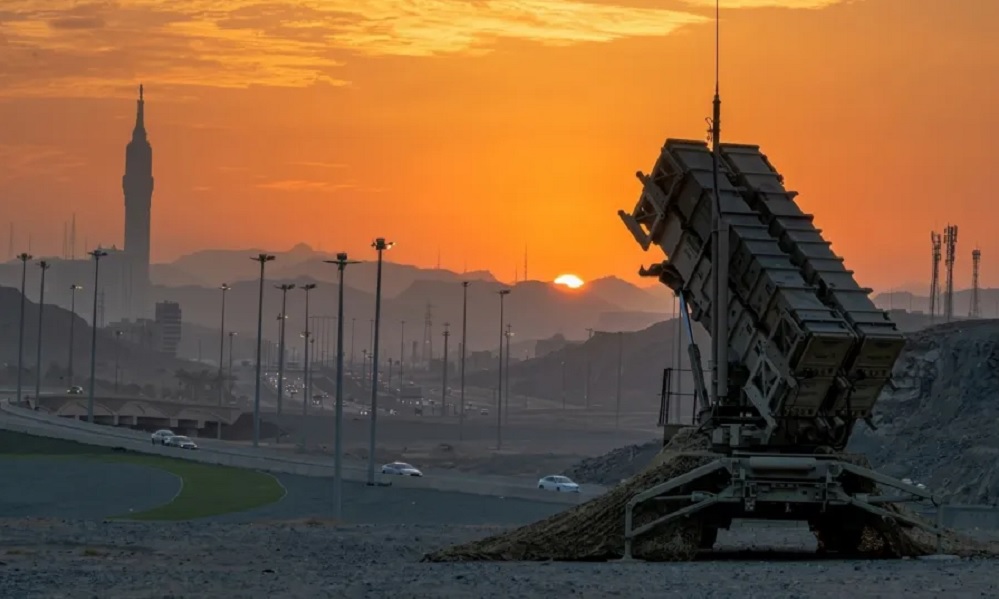
Saudi Arabia says debris from intercepted missiles falls in Mecca region