
Latest News
Secret that helps some trees live more than 1,000 years


 Scientists have found that some trees like “ginkgo trees” can live for more than 1,000 years.
Researchers in the US and China studied growth rings taken from inside the trunks of 34 healthy ginkgo trees. The trees ranged in age from 15 to 667 years old. They found that the ginkgos didn’t stop growing as they aged, although the rings grew thinner.
They found that, no matter what their age, the trees produced protective chemicals that helped defend against outside stressors such as disease or drought.
“In humans, as we age, our immune system begins to start to not be so good,” said Richard Dixon, a biologist at the University of North Texas. But in a way, “the immune system in these trees, even though they’re 1,000 years old, looks like that of a 20-year-old.”
“As ginkgo trees age, they show no evidence of weakening their ability to defend themselves from stresses,” Dixon added.
 The study concluded that, in effect, old ginkgo trees stay healthy by preventing aging and maintaining their ability to resist external stresses.
Ginkgo trees are native to China and are known for their distinctive fan-shaped leaves that turn buttery yellow in the fall. Besides their longevity, fossils of the species date back to the time of the dinosaurs.







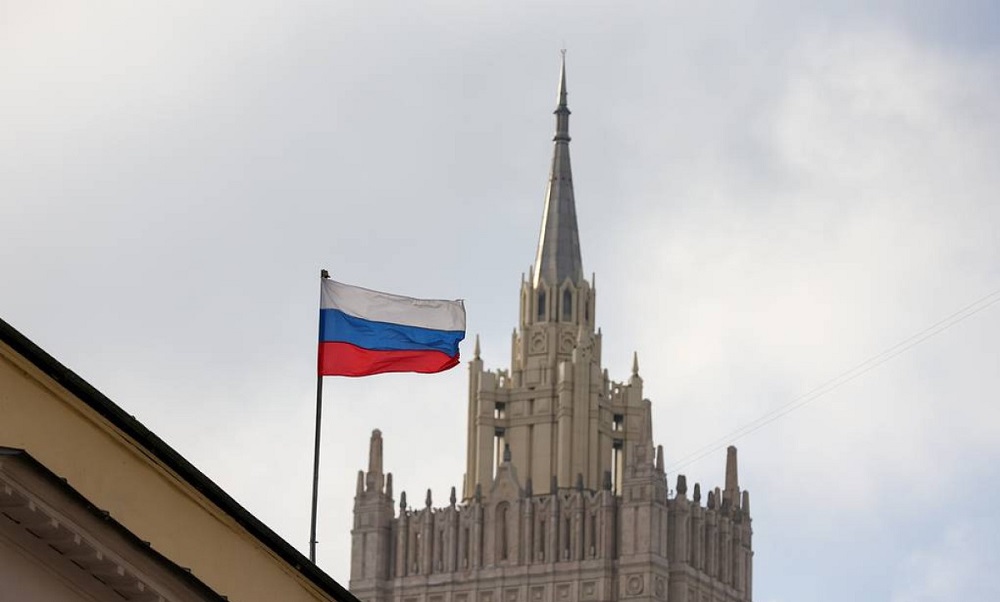
Russia’s Foreign Ministry has called a United Nations report on Afghan opiates “tailor-made political propaganda” saying such publications do not help combat drug trafficking in Afghanistan.
The ministry said that the UN Office on Drugs and Crime (UNODC) report, published in late October, recorded an increase in the cultivation, production and distribution of Afghan opiates for the first time since the Islamic Emirate of Afghanistan (IEA) imposed a ban in 2022.
The Russian Foreign Ministry said the report, which the IEA has already rejected as politically motivated, appears unbalanced and relies on indirect evidence, including satellite images that are open to different expert interpretations.
According to UN estimates cited in the report, the area under poppy cultivation increased from 10,200 hectares in 2025 to 43,300 hectares in 2026, while opium production rose from 300 tonnes to 1,470 tonnes.
The ministry acknowledged that Afghanistan’s drug problem still exists and said authorities in Kabul are aware of the issue. It added that Afghan security forces conduct almost daily operations in various parts of the country to destroy drug laboratories and seize narcotics.
According to the statement, more than 7.4 tonnes of various narcotics and over 4.7 tonnes of precursor chemicals were seized in Afghanistan over the past week, while two drug laboratories were dismantled.
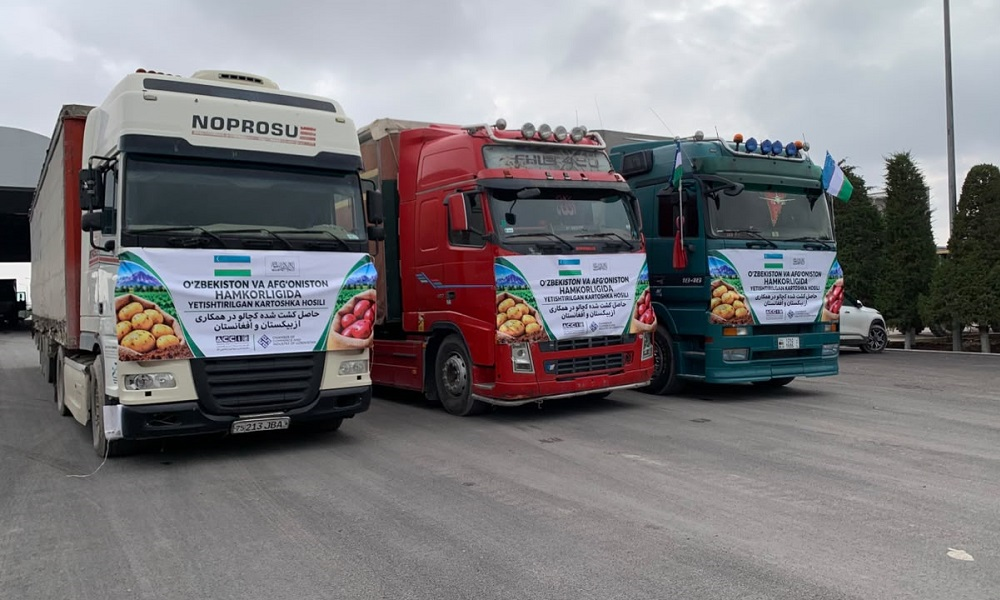
Cooperation between the Afghanistan Chamber of Commerce and Investment and the Uzbekistan Chamber of Commerce has paved the way for exporting potatoes from Bamyan province to the Uzbek market.
In this regard, Sayed Karim Hashemi, President of the Afghanistan Chamber of Commerce and Investment, and Doran Vahabov, President of the Uzbekistan Chamber of Commerce, have agreed on the export of 100,000 tons of Bamyan potatoes to Uzbekistan. Work is underway to finalize the export agreement.
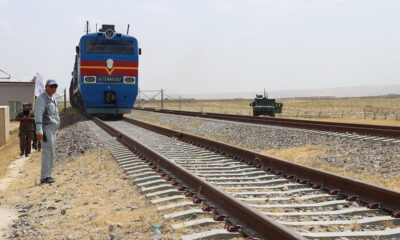
Meanwhile, the first shipment of potatoes, consisting of eight trucks, has departed for the Uzbek city of Termez through the Hairatan Port.
The chambers of commerce of both countries, in cooperation with local authorities in Bamyan, have facilitated connections between traders and farmers and coordinated the purchasing, marketing, and transportation of the produce. This initiative is expected to expand market opportunities for Bamyan farmers and strengthen trade between Afghanistan and Uzbekistan.
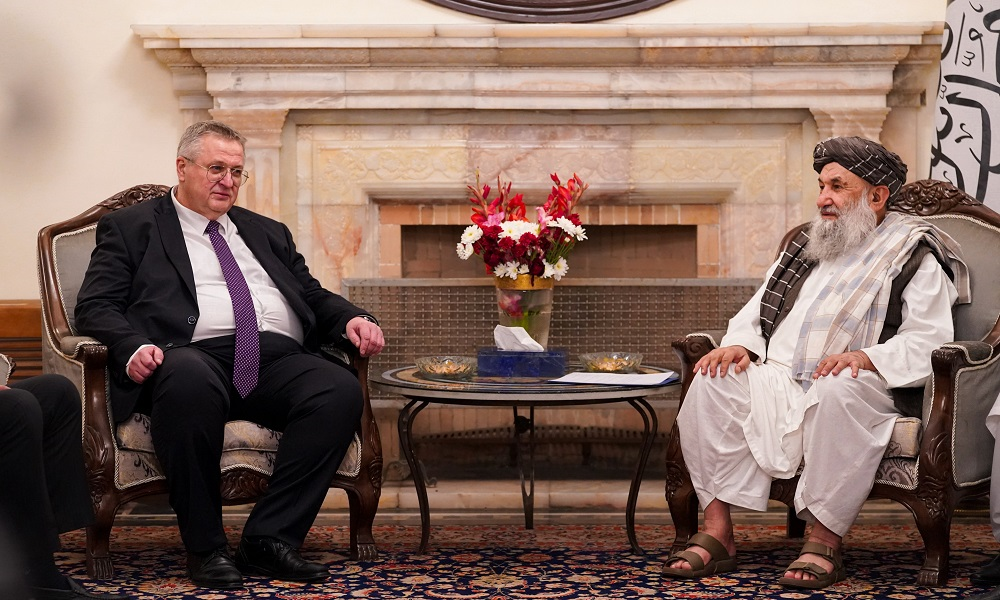
Afghanistan’s Prime Minister, Mullah Mohammad Hassan Akhund, met with Russian Deputy Prime Minister Alexey Overchuk in Kabul on Thursday evening, emphasizing the need to strengthen bilateral relations and expand economic cooperation between the two countries.
According to a statement from the Presidential Palace, several senior officials from both countries attended the meeting, including Afghanistan’s Foreign Minister Amir Khan Muttaqi and representatives of Russia’s political and economic sectors.
Akhund described Afghanistan’s security and stability as favourable conditions for foreign investment and thanked Moscow for recognizing the Islamic Emirate and supporting Afghanistan in international forums.
Meanwhile, Overchuk praised the security situation and developments in Afghanistan, expressing Russia’s interest in investing in various sectors of the country.
He said around 70 representatives of Russia’s private sector were accompanying the delegation and were expected to hold discussions with relevant ministries and institutions of the Islamic Emirate on trade and investment agreements, as well as ways to address existing obstacles.
The Russian deputy prime minister reaffirmed his country’s support for Afghanistan in various fields.

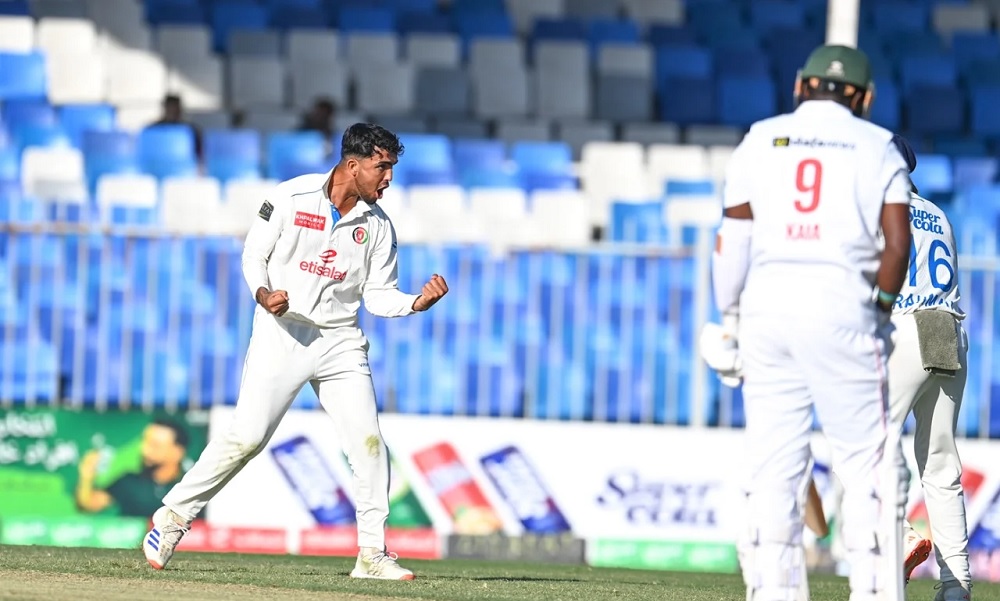
Debutant Naseer Khan strikes four as Afghanistan fight back against Zimbabwe in second Test

Russia calls UN report on Afghan opium ‘political propaganda’
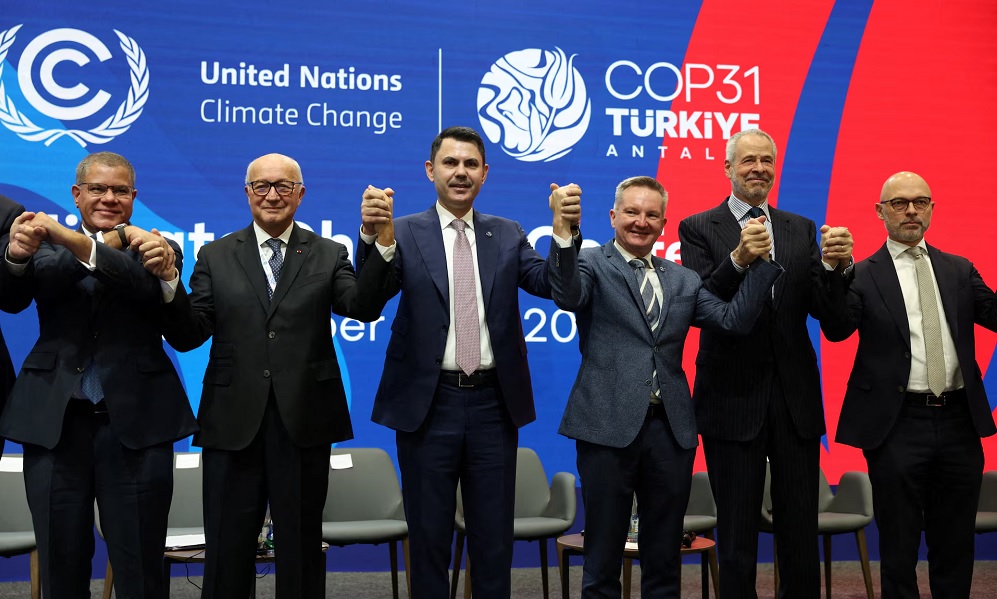
Urgent climate finance pleas at COP31 face a non-urgent response
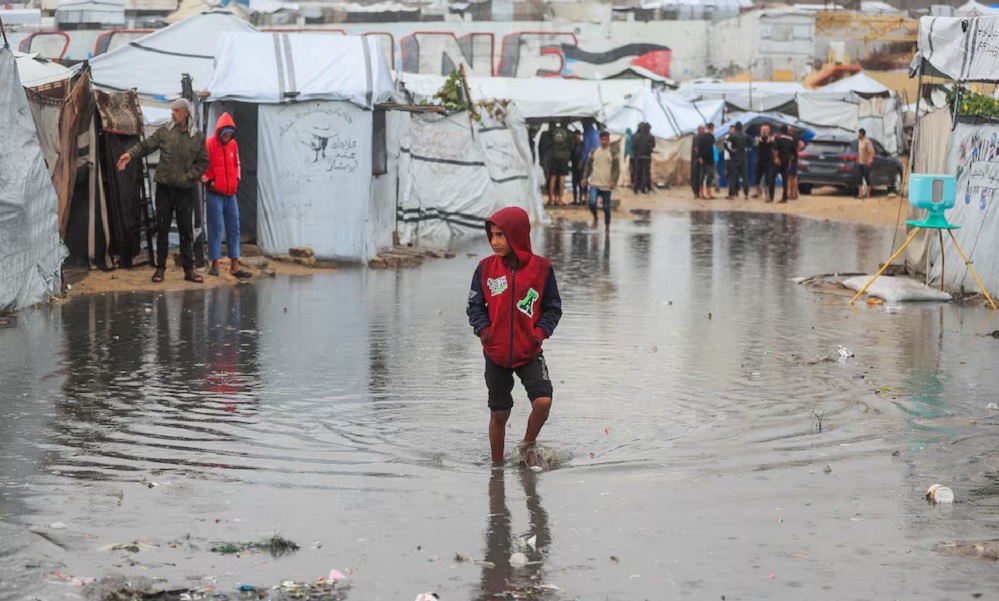
Respiratory illnesses rise in Gaza with worst to come as winter floods arrive, WHO says
Afghanistan and Uzbekistan agree on export of 100,000 tons of Bamyan potatoes

Afghanistan finish runners-up after 6-0 defeat to Brazil in futsal final

Trump says US may strike Iran’s ‘Pickaxe Mountain’ nuclear facility

Rubio heads to Central Asia while other US officials hit foreign policy hot spots

Violent protests spread across Europe as Albanian PM blames ‘foreign hand’

Governments take websites offline as critical cyber flaws trigger global alert
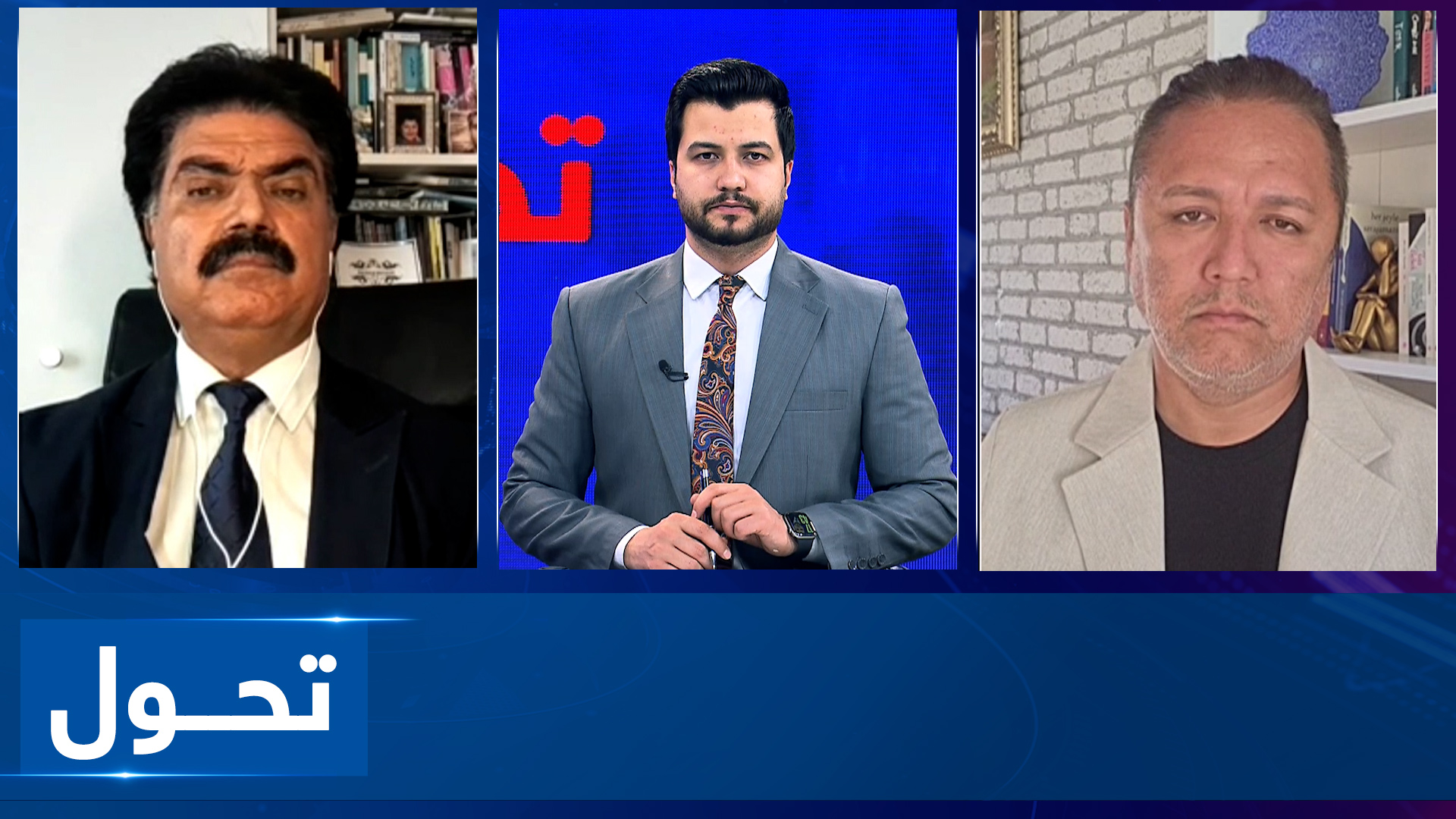
Tahawol: Russia’s special attention to situation in Afghanistan discussed
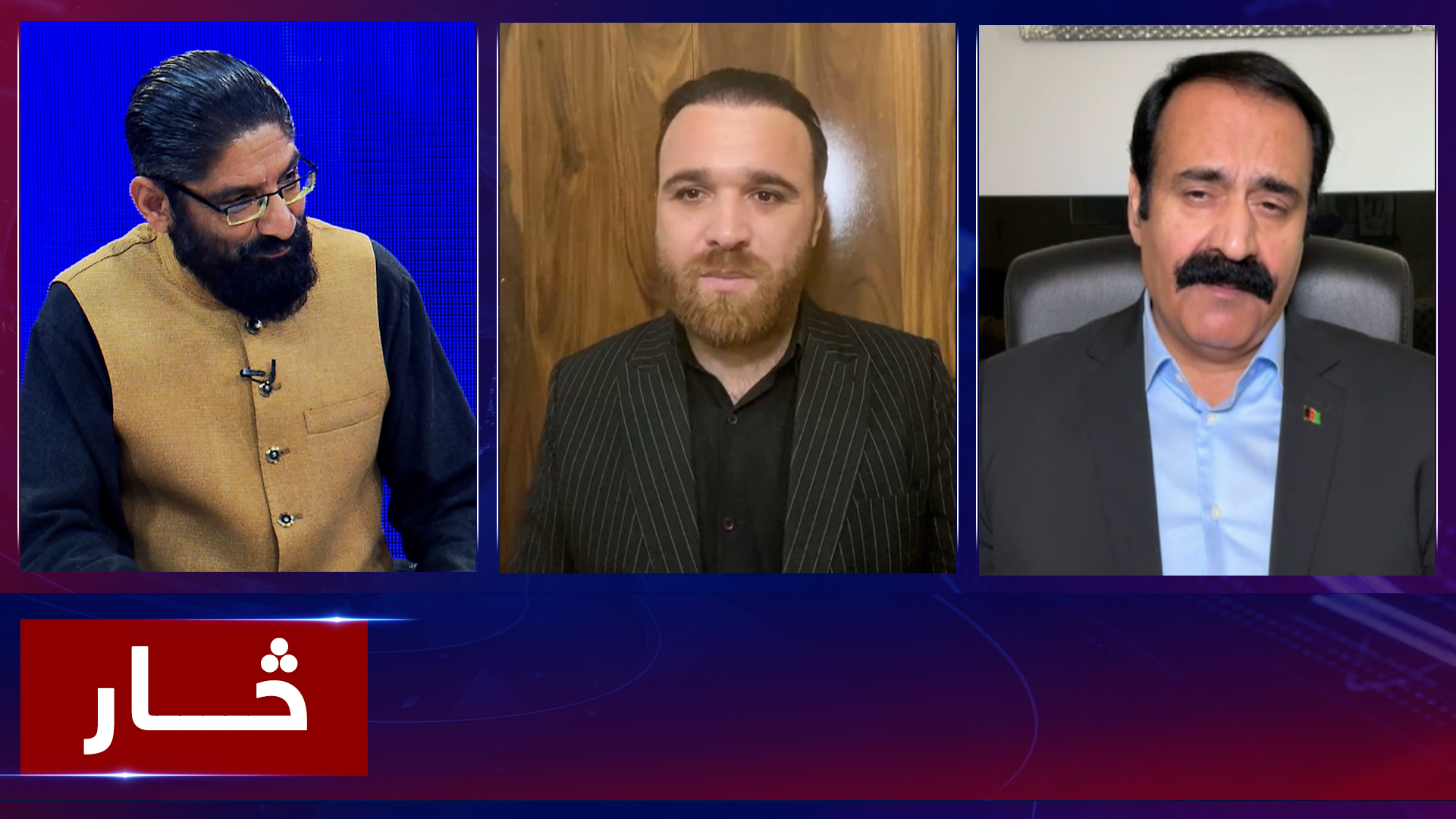
Saar: Discussion on US’s humiliating defeat in Afghanistan
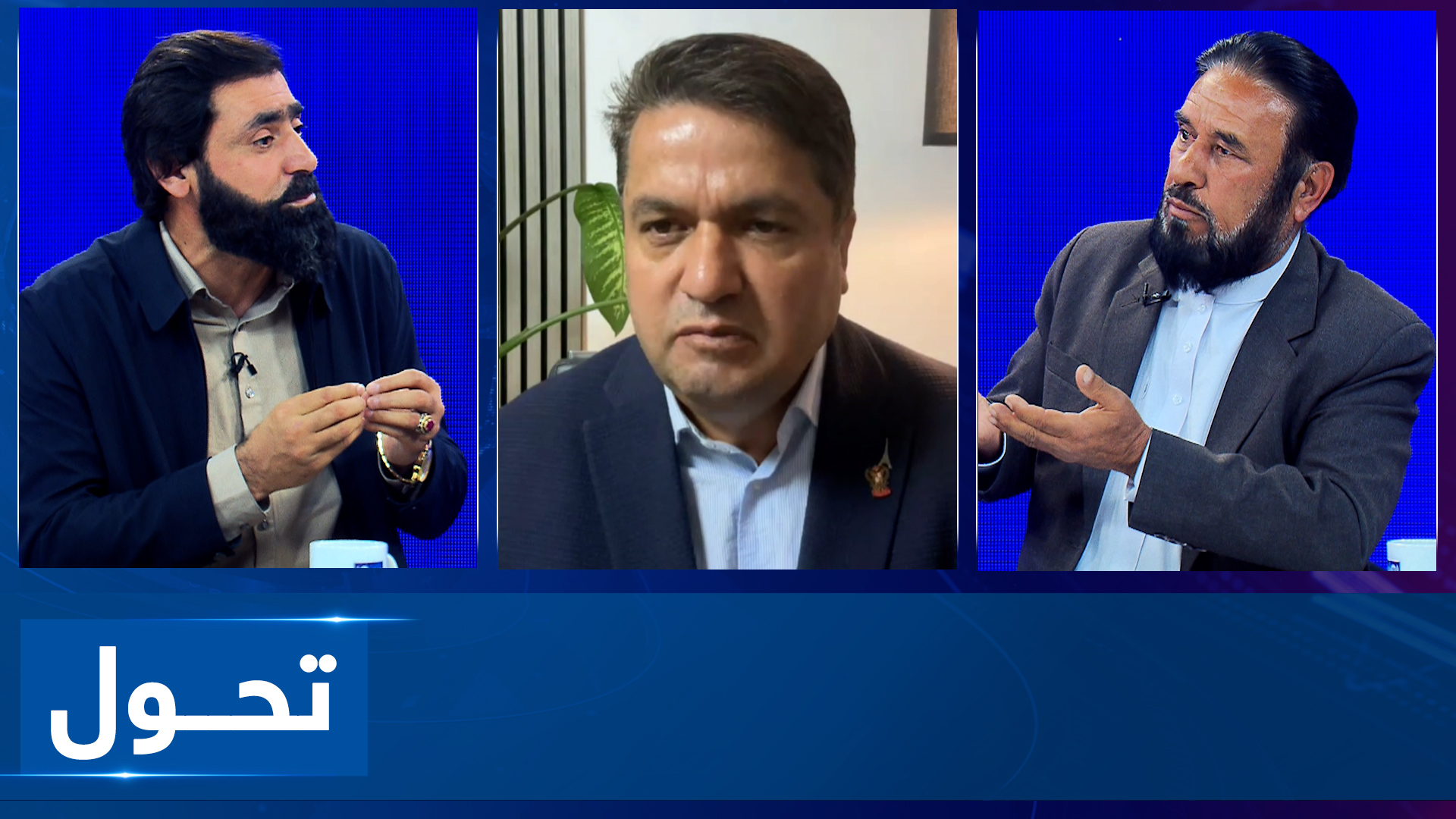
Tahawol: High-level Russian delegation’s visit to Kabul discussed
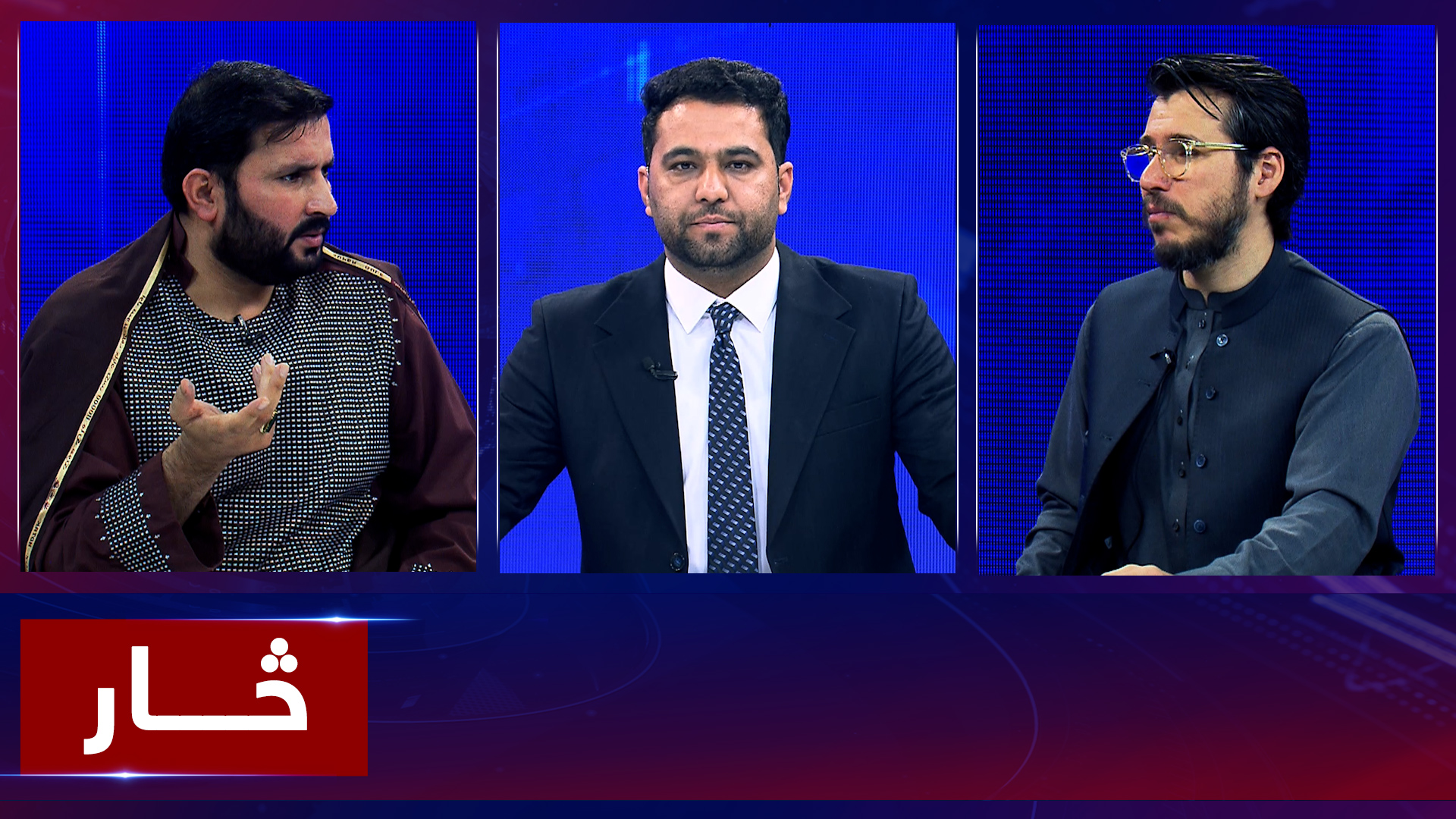
Saar: Afghanistan’s situation in focus at CSTO discussed

Tahawol: Efforts to halt deportation of Afghan refugees from US discussed
-
 Sport4 days ago
Portugal beat Afghanistan 2-0 in Dakar Youth Olympics futsal semi-finals
-
 Sport5 days ago
Afghanistan’s record partnership highlights fourth day of Test against Zimbabwe
-
 Sport5 days ago
Afghanistan thrash Senegal 6-0 to reach Dakar Youth Olympics futsal semi-finals
-
 World4 days ago
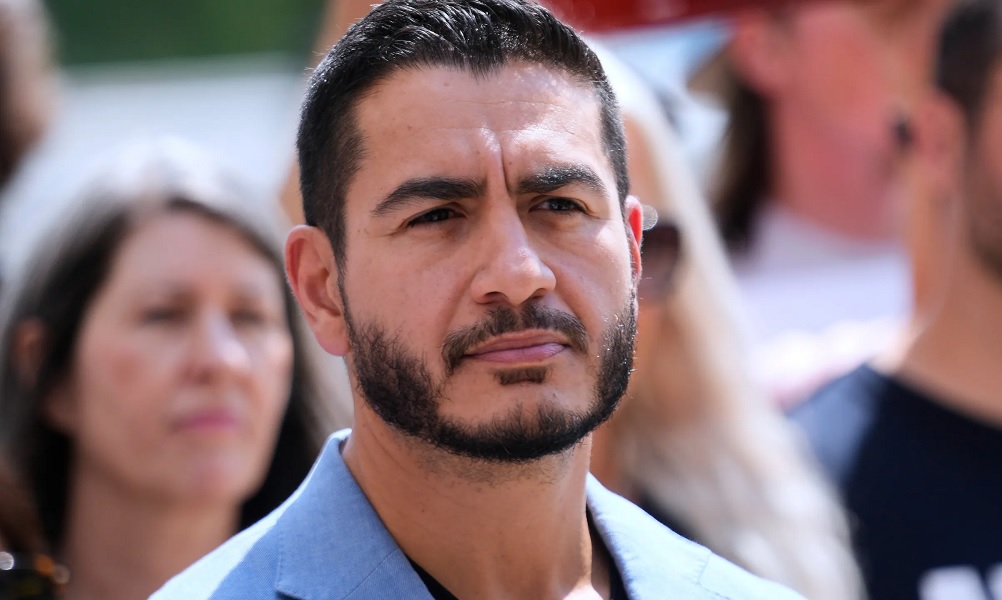
First Muslim US senator-elect El-Sayed calls for review of aid to Pakistan
-
 Regional4 days ago
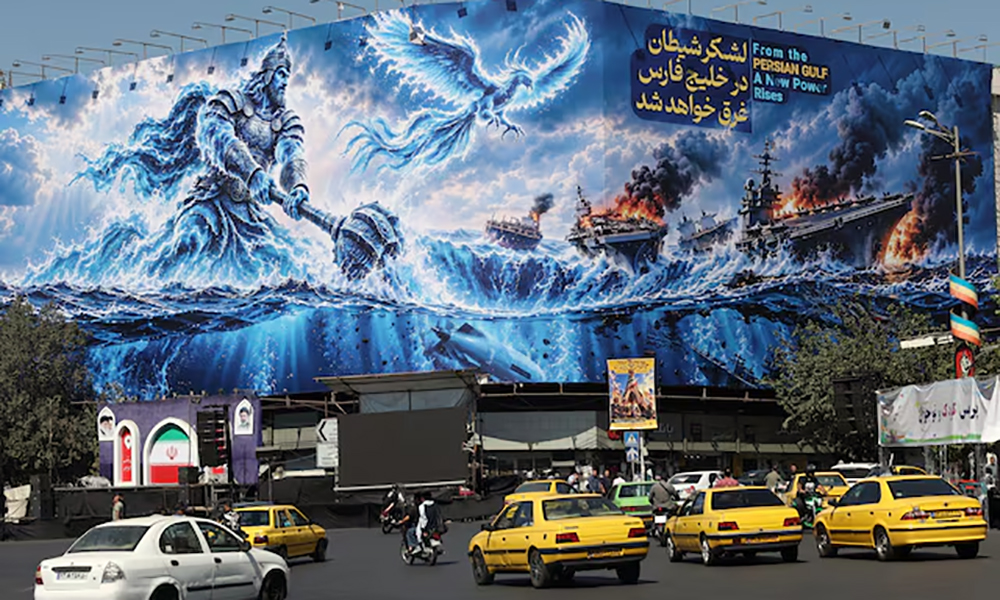
Iran defends two-day proposal for peace talks after US rejects conditions
-
 Business4 days ago
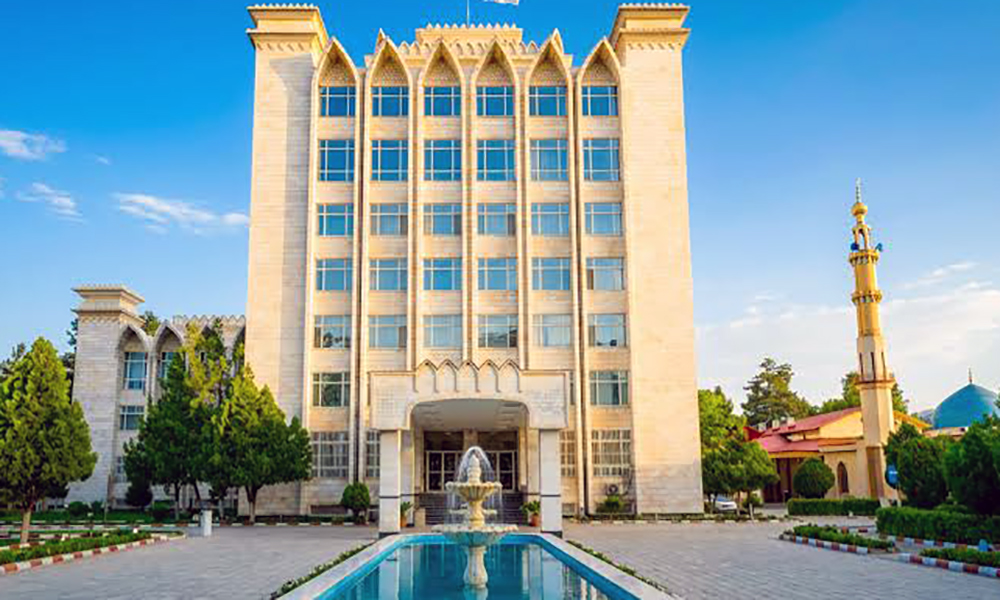
Afghanistan approves new foreign investment policy in bid to attract international investors
-
 Sport3 days ago
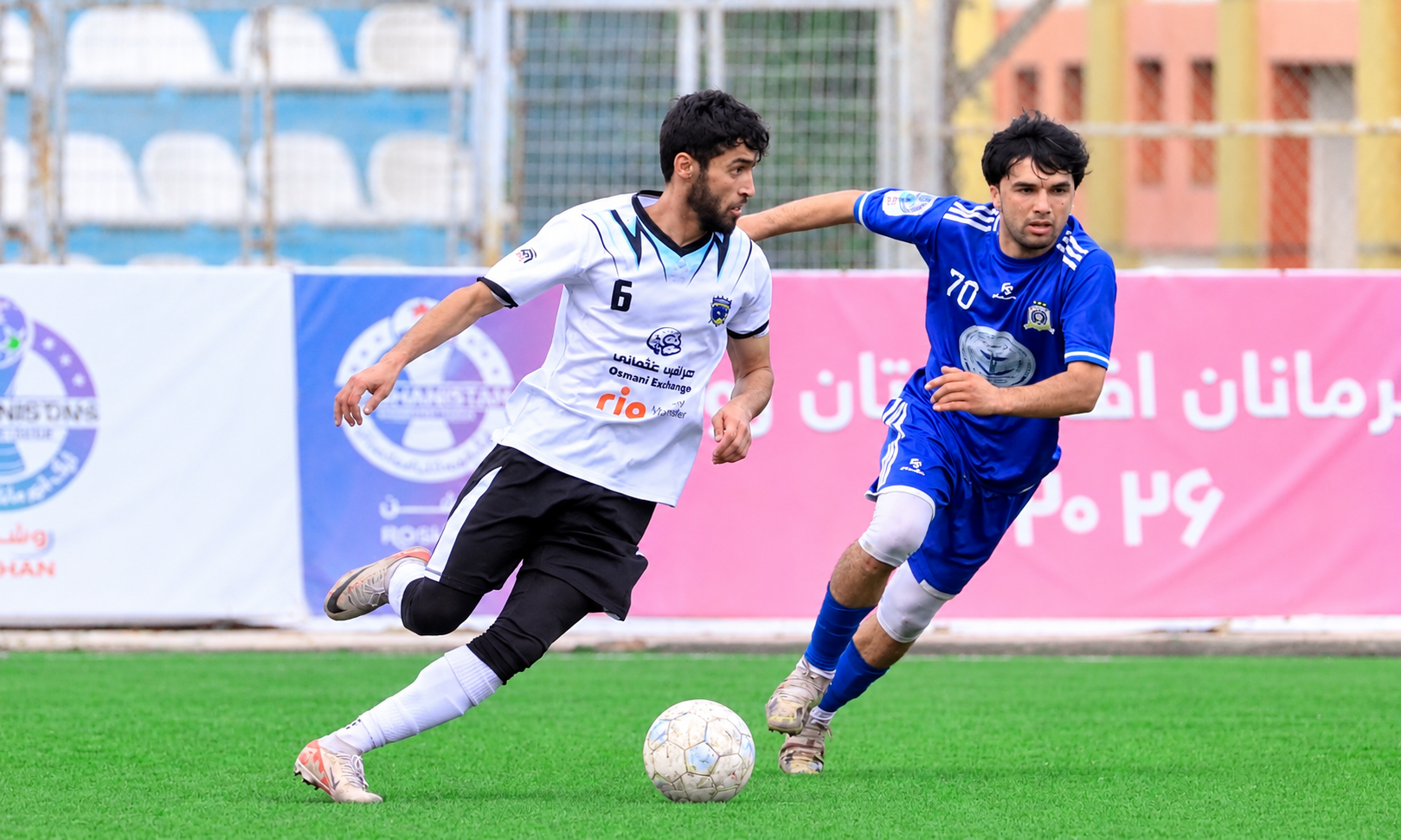
Omar Zawak thrash Istiqlal Kabul 5-1 in ACL
-
 Sport4 days ago
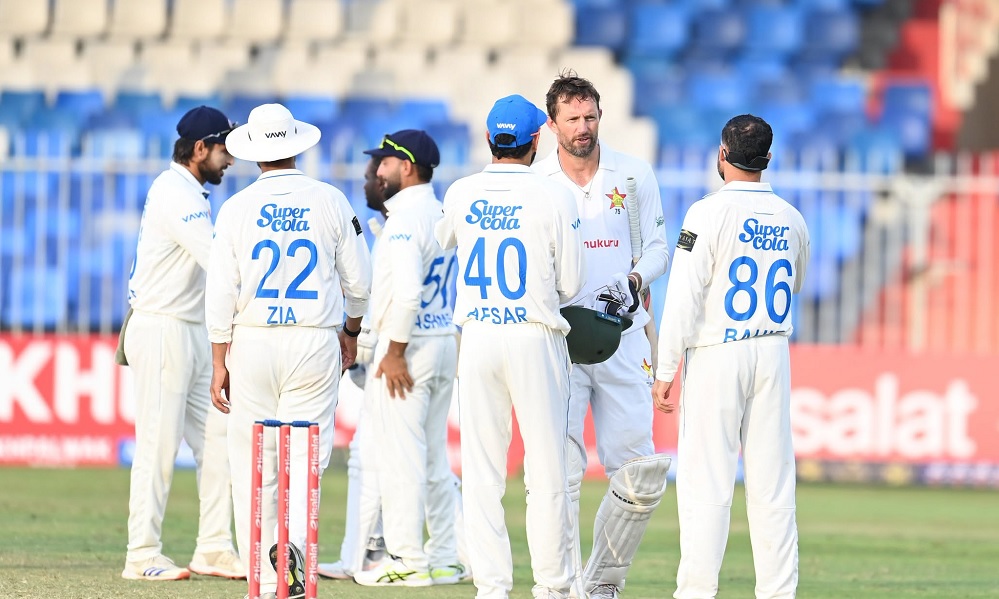
First Test between Afghanistan and Zimbabwe ends in a draw