
Latest News
There should be no distance between media and government: Stanikzai

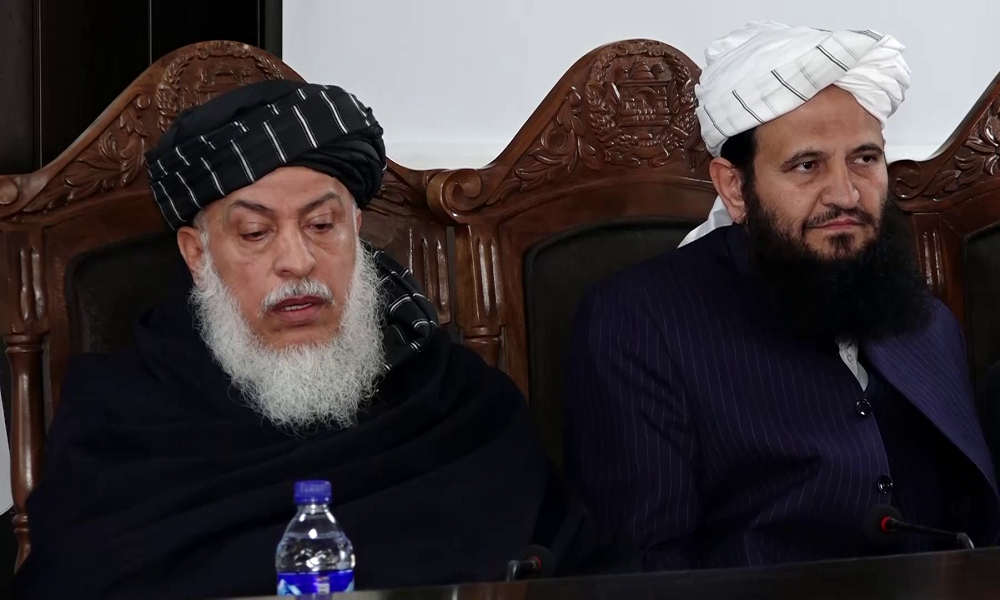
Sher Mohammad Abbas Stanikzai, the political deputy minister of foreign affairs, says media outlets should be supported in a way that there is no distance between them and the government.
Stanikzai, speaking at a seminar titled “The Role of Media in Strengthening the Islamic System” in Kabul, added that the media plays a crucial role in global propaganda wars, and it is necessary for the IEA to cease exerting pressure on the country’s media and allow them to freely play their role in the development and prosperity of the country.
“The problems of the media should be heard, their voices should be heard, and the environment should be conducive for them to carry out their work freely,” he stated.
He further emphasized that the views towards the country’s media should be such that both sides do not view each other as strangers, and the IEA should refrain from exerting pressure on the media and allow them to operate with freedom.
Meanwhile, officials from the Ministry of Information and Culture also stated at the seminar that they have not adopted an approach of confrontation with the media and that the ministry is committed to collaborating with them.
Participants in the seminar also urged the media to spare no effort in reflecting a positive image of Afghanistan to the world.
This seminar was held at a time the media considers itself committed to freedom of expression and reporting activities within the framework of national interests and Islamic values.



Latest News
SCO summit to be held without confirmed Afghan invitation
Afghanistan became an SCO observer in 2012, but its observer status was suspended following the Islamic Emirate’s return to power in August 2021.
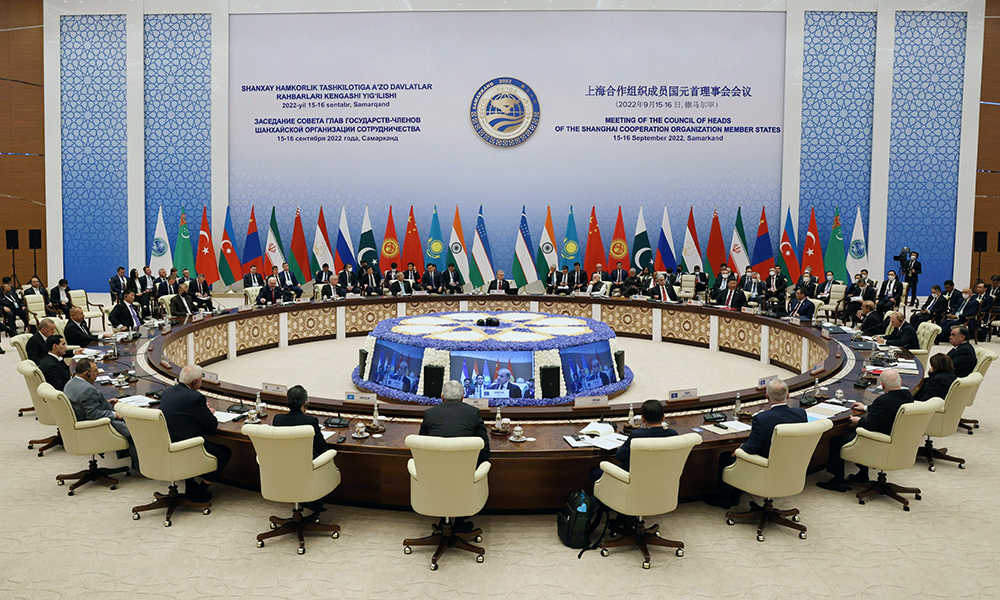
The Shanghai Cooperation Organization (SCO) summit is scheduled to take place on September 1 in Bishkek, the capital of Kyrgyzstan, with leaders of the organization’s 10 member states expected to attend.
However, no invitation for the Islamic Emirate of Afghanistan has so far been publicly announced.
Experts say Afghanistan’s participation in SCO meetings is important for regional security and stability, given the country’s strategic location and the direct impact of developments in Afghanistan on neighboring SCO members.
The Islamic Emirate has repeatedly called for Afghanistan to be included in regional discussions, arguing that Kabul’s views should be considered in decisions and initiatives concerning the future of the region.
Analysts say participation in SCO meetings could give Kabul an opportunity to strengthen engagement with regional countries, particularly on security and economic cooperation. They also believe Afghanistan’s presence could contribute to discussions on the country’s future role in regional security and economic mechanisms.
Afghanistan became an SCO observer in 2012, but its observer status was suspended following the Islamic Emirate’s return to power in August 2021.
Russian officials have previously said that the organization’s permanent members hold a positive view of restoring Afghanistan’s observer status.
Analysts believe restoring the status could provide Afghanistan with a platform for greater regional engagement and help expand cooperation with SCO members in areas such as security, trade and economic development.
Latest News
Former US ambassador says Washington could eventually reopen embassy in Kabul
He warned that reopening an embassy without securing meaningful commitments could weaken Washington’s negotiating position.
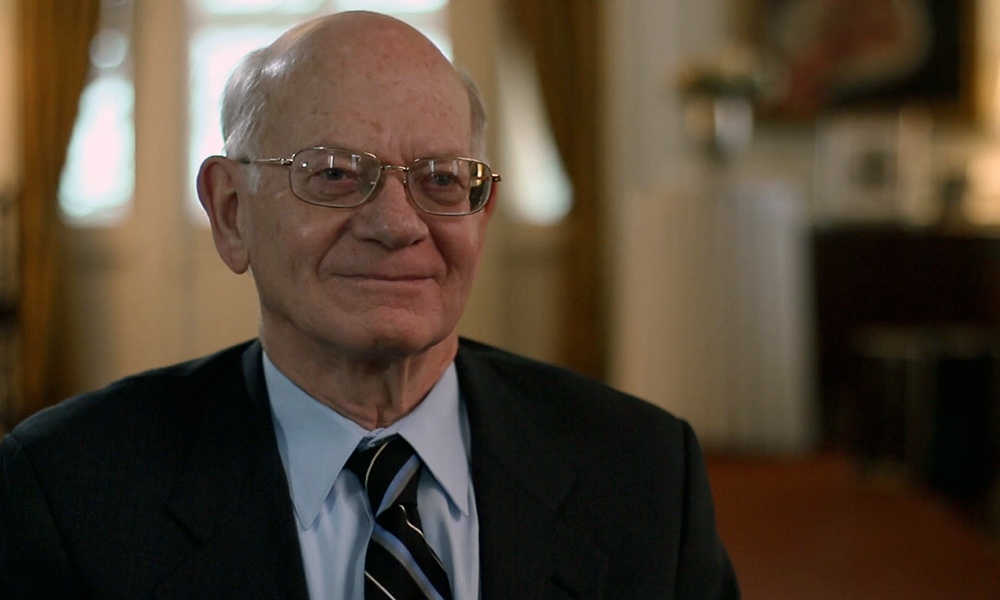
The United States could eventually reopen its embassy in Kabul, but any renewed relationship with the Islamic Emirate of Afghanistan should be built gradually and based on concrete actions, former US ambassador Ronald E. Neumann has said.
Speaking to i24NEWS, Neumann said he could envisage Washington restoring a diplomatic presence in Kabul, although he could not predict when.
“There are reasons to reopen,” Neumann said, while stressing that the Islamic Emirate would first need to make policy changes, particularly regarding its treatment of women.
His comments follow an appeal by acting Foreign Minister Amir Khan Muttaqi for the United States to reopen its embassy, restore diplomatic ties and invest in Afghanistan. Muttaqi has proposed US investment in minerals, dams and roads while ruling out any return of American troops.
Neumann said Washington and the Islamic Emirate are already engaging pragmatically in limited areas, including discussions over Americans detained in Afghanistan and counterterrorism.
However, he expressed serious concerns about restrictions on women and girls and the Islamic Emirate’s relationships with militant groups, including Al-Qaeda and Tehreek-e-Taliban Pakistan (TTP).
Despite those concerns, Neumann warned that completely disengaging from Afghanistan could create risks for the United States and the wider region.
He said Afghanistan’s mineral resources could potentially attract US investment, but major projects would require greater security, rule of law and investor confidence.
Neumann also reflected on the collapse of the former Afghan government, saying it resulted from a combination of political, institutional and strategic failures. He argued that Afghan leaders failed to build a state that enough people believed was worth defending, while US policy created excessive reliance on American protection and aid.
On future engagement, Neumann urged Washington to exchange concrete actions rather than promises.
“You should only trade real actions for real actions,” he said, arguing that any normalization should proceed “step by step” because there is little trust between the two sides.
He warned that reopening an embassy without securing meaningful commitments could weaken Washington’s negotiating position.
“Not by promises, not by hopes that things will be better,” Neumann said. “That has to be step by step.”
Latest News
Afghanistan’s polio cases rise to 19 in 2026, WHO says
Afghanistan recorded 21 WPV1 cases in 2025, while Pakistan recorded 31, bringing the regional total to 52 cases last year.
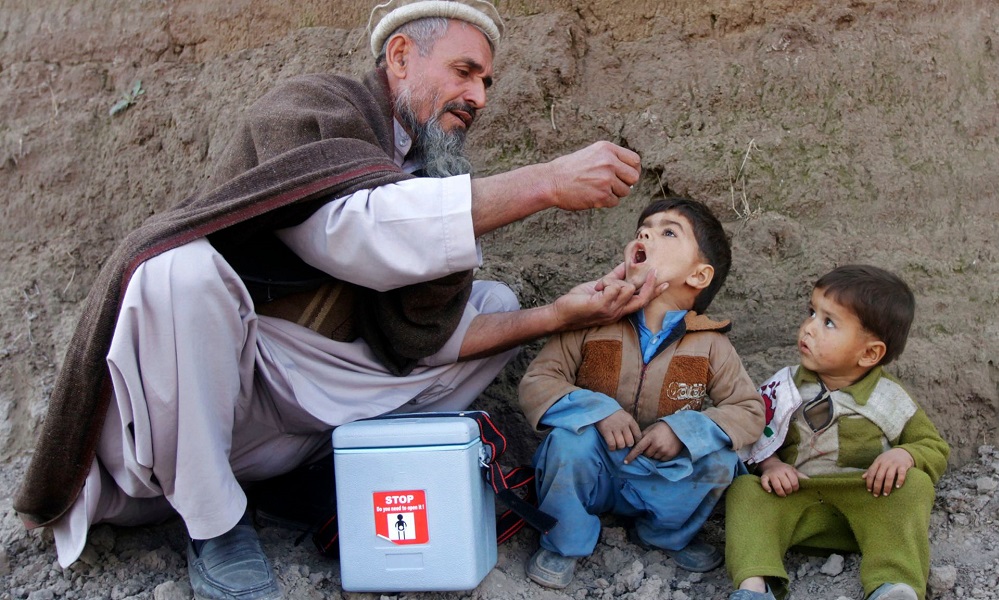
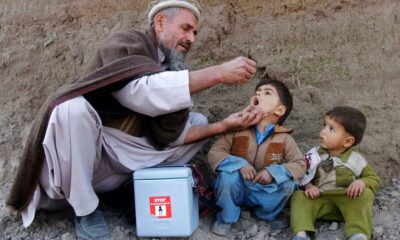
Four new cases of wild poliovirus type 1 (WPV1) have been reported in Afghanistan, bringing the country’s total to 19 so far this year, according to the latest World Health Organization (WHO) Eastern Mediterranean Region polio bulletin.
The cases were reported in Herat, Paktika and Kandahar provinces. Two were recorded in Herat’s Shindand and Adraskan districts, while Paktika’s Dila district and Kandahar’s Arghestan district each reported one case.
The WHO bulletin, issued for the week ending August 16 and published on Sunday, August 23, said 22 WPV1 cases have been confirmed across the Eastern Mediterranean region in 2026, including 19 in Afghanistan and three in Pakistan.
Afghanistan recorded 21 WPV1 cases in 2025, while Pakistan recorded 31, bringing the regional total to 52 cases last year.
Environmental surveillance also indicates continued circulation of WPV1. A total of 176 positive environmental samples have been recorded across the region this year, including 58 in Afghanistan and 118 in Pakistan. No new positive environmental samples were reported during the latest reporting week.
The latest figures highlight the continued circulation of wild poliovirus in Afghanistan and Pakistan, the only two countries where wild poliovirus remains endemic.


Afghanistan unveil squad for three-match T20I series against India

Afghanistan added to Asian Cricket Council presidency rotation

SCO summit to be held without confirmed Afghan invitation

Former US ambassador says Washington could eventually reopen embassy in Kabul

Afghanistan’s polio cases rise to 19 in 2026, WHO says

Pakistan’s governance system has ‘collapsed’: Mohsin Naqvi

Afghanistan exports first stone shipment to US in $100,000 trade milestone

AFC confirms clubs for 2026/27 competitions; draw set for August 18

Only two days to go before Afghanistan and Ireland begin ODI series

Iran seeks to establish free trade zone with Afghanistan and China

Tahawol: IEA seeking Afghanistan seat at UN

Saar: U.S. sanctions against Iran

Saar: Ongoing return of Afghan refugees from Iran and Pakistan discussed

Tahawol: Expansion of IEA’s diplomatic ties with countries discussed

Saar: Ongoing tensions between Iran and US discussed
-
 Latest News2 days ago
Syria and Saudi Arabia condemn Kabul bombing, express solidarity with Afghanistan
-
 Latest News1 day ago
Four mediators struggle to secure lasting Pakistan-Afghanistan ceasefire
-
 Latest News2 days ago
US judge strikes down Trump visa suspension for 75 countries, including Afghanistan
-
 Latest News3 days ago
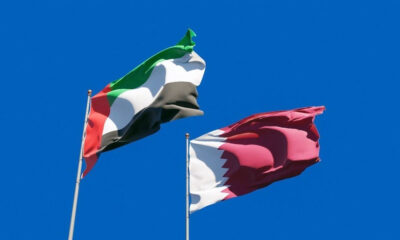
Qatar and UAE condemn Kabul school bombing that injured dozens
-
 Latest News2 days ago
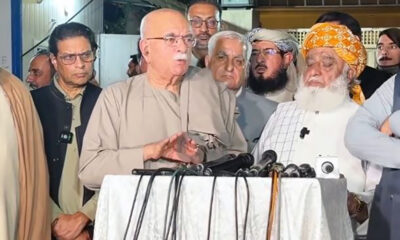
Achakzai urges Pakistan to end hostility towards Afghanistan
-
 Latest News4 days ago
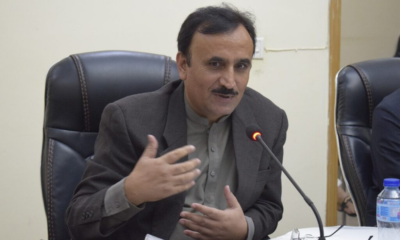
Pakistan needs national dialogue on Afghan policy: security expert
-
 Science & Technology4 days ago
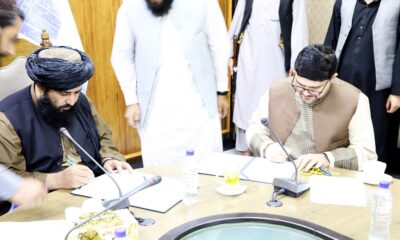
Ministry of Communications signs contract with AWCC to build 31 telecom towers
-

 Sport2 days ago
Afghanistan-India T20I series could see major schedule change