
Regional
Turkey slams Israel’s ‘untenable’ claims after strikes on Syrian base

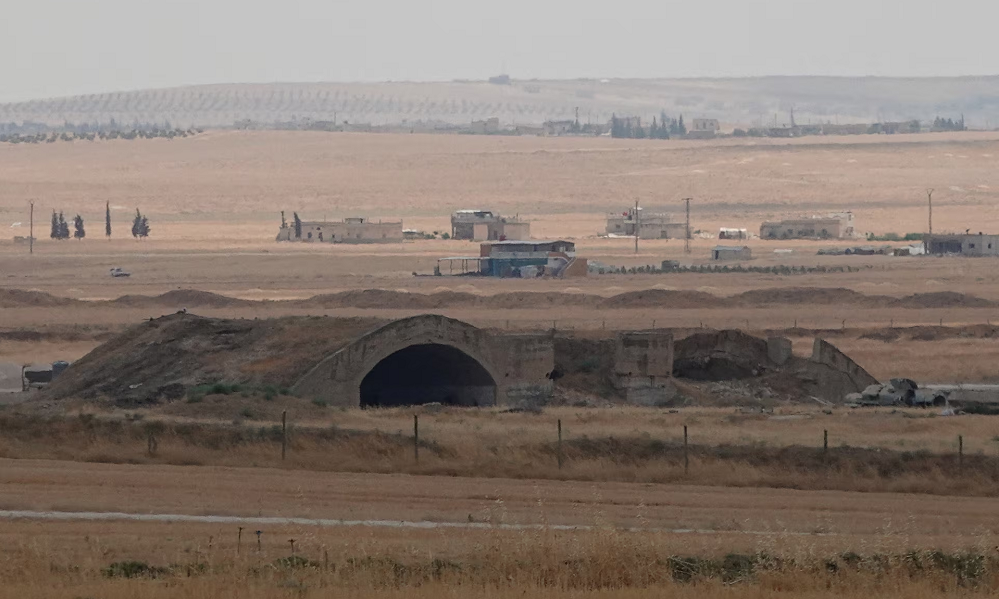
Turkey firmly rejected on Wednesday what it called “untenable allegations” by Israel regarding its military position in Syria, after Israel bombed a Syrian air base near the Turkish border and said Syria was on the verge of permitting Turkish troops to deploy there.
Israel carried out airstrikes against the Abu al-Duhur base near Aleppo on Tuesday, drawing condemnation from Turkey and criticism from a U.S. envoy who called the attack an “unnecessary escalation”.
In a statement, Israeli Prime Minister Benjamin Netanyahu’s office said late on Tuesday that Syria was on the verge of violating a “status quo agreed with Israel in security matters” by allowing Turkish troops to deploy at the airbase, adding that such a deployment would threaten Israel’s security and it would not tolerate this, Reuters reported.
In response, Turkey’s presidency said the “imputations” from Netanyahu’s office stemmed from his intention to pursue “expansionist and destabilising policies” ahead of elections in Israel, adding that lasting regional peace could only be achieved if Israel respected international law and abandoned its “aggressive and coercive policies”.
“The untenable allegations put forward by the Israeli Prime Minister’s Office are intended to legitimise Israel’s unlawful airstrikes targeting Syria’s sovereignty and territorial integrity,” it said on X, without explicitly referring to any potential deployment plans.
“Turkey will resolutely continue to cooperate with the Syrian Government on a legitimate basis for the establishment of peace, stability, and prosperity in Syria, and will never allow the destabilisation of Syria.”
The strikes on Tuesday follow worsening security tensions between Israel and Turkey and increasingly sharp rhetoric between the two countries over Syria, where both countries’ militaries are active.
Turkey, which has NATO’s second-largest army and has emerged as one of Syrian President Ahmed al-Sharaa’s main allies, accuses Israel of trying to destabilise Syria and undermine its new administration, repeatedly calling for international pressure and measures on Israel to respect Syria’s territorial integrity.
Ankara has been training Syria’s army, helping it rebuild its state institutions and infrastructure, and providing military and diplomatic support.
Last year, Turkey and Israel — also sharply at odds over the war in Gaza — established a line of communication to avoid any incidents in Syria.
Tom Barrack, the U.S. special presidential envoy for Syria and Iraq, told Reuters after the strikes on Tuesday that Washington was working to establish a deconfliction mechanism among Israel, Turkey and Syria, and added the U.S. already facilitates an information-sharing and dialogue mechanism among the parties.



Regional
Oman and Iran discuss restoring shipping through Strait of Hormuz
Oman’s Foreign Ministry said the talks focused on protecting maritime corridors and ensuring the continued movement of commercial shipping.
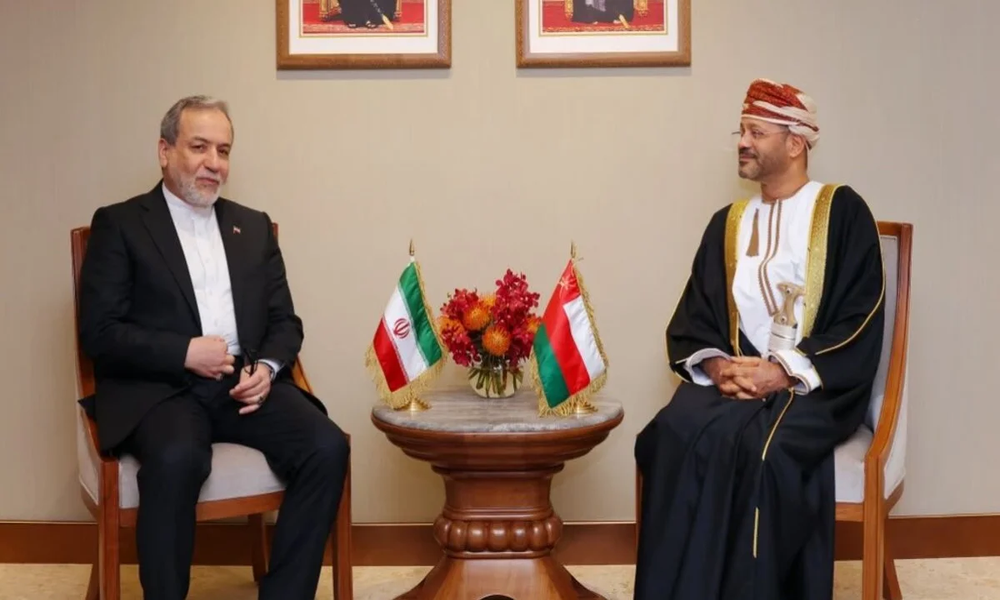
Oman and Iran have held talks on safeguarding maritime routes and restoring the smooth flow of international shipping and trade as disruption in the strategically important Strait of Hormuz continues to threaten global energy supplies.
The discussions took place during a visit to Oman by Iranian Foreign Minister Abbas Araqchi on Tuesday, November 17. He met Oman’s Foreign Minister Badr Albusaidi, with both sides discussing ways to revive diplomatic channels and prevent further escalation of the crisis.
In a statement, Oman’s Foreign Ministry said the talks focused on protecting maritime corridors and ensuring the continued movement of commercial shipping.
The two ministers also discussed revitalising dialogue and negotiation channels, with the aim of expanding common ground between the parties involved and preventing the crisis from widening.
Oman, which lies along the southern coast of the Strait of Hormuz, has played an important mediating role since the conflict began with US and Israeli attacks on Iran on February 28.
The waterway has become a major flashpoint in the conflict, with attacks on commercial vessels increasing as Iran continues to disrupt shipping and Washington maintains a naval blockade against Tehran.
The Strait of Hormuz is one of the world’s most important maritime chokepoints. Before the conflict, it carried approximately one-fifth of global oil and gas supplies, making its continued disruption a serious concern for energy markets and international trade.
Tensions have also extended to maritime infrastructure. Iran reportedly attacked shipping navigation systems on Oman’s Didamar Island last week, raising concerns about the security of facilities needed to maintain and restore commercial shipping through the Gulf.
With exports increasingly affected, regional producers have been exploring alternative arrangements, including ship-to-ship transfers off the coasts of Oman and the United Arab Emirates. The US military has also been assisting commercial vessels navigating the strait.
Oman and Iran have previously held discussions over managing maritime traffic through the waterway, including talks in August. Before the war, commercial vessels generally transited freely through the internationally recognised shipping route.
The latest diplomatic engagement comes as efforts to end the conflict continue, with the future of the Strait of Hormuz emerging as a central issue in negotiations.
Any prolonged disruption could have far-reaching consequences for global oil supplies, shipping costs and the wider economy, particularly as the conflict continues to spread across the Middle East.
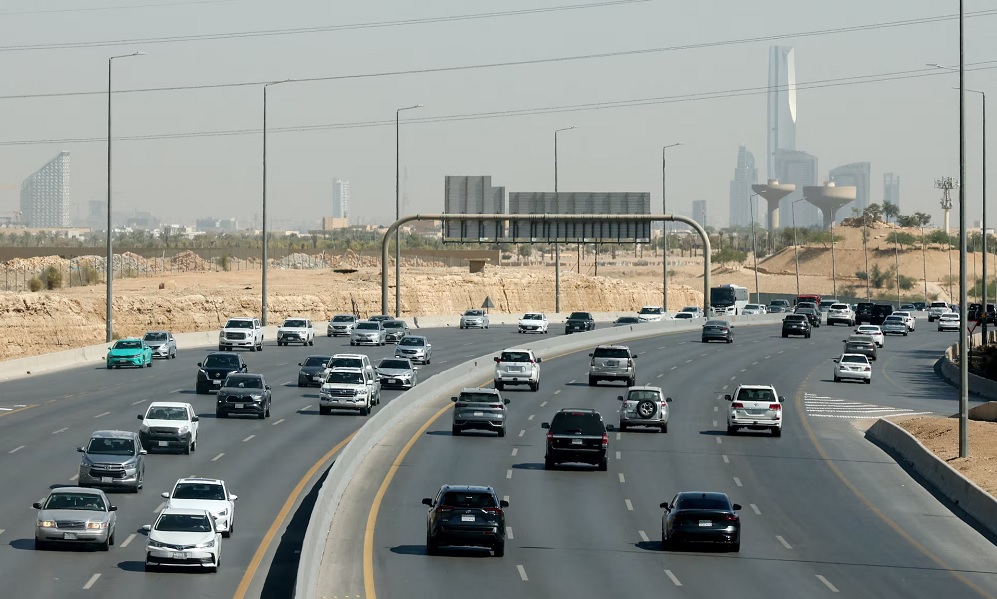
The Saudi-led coalition fighting Yemen’s Iran-aligned Houthis said on Sunday it had intercepted two Houthi ballistic missiles launched towards the Saudi capital Riyadh and three drones in the kingdom’s oil-rich Eastern Province.
The Houthis, who control most of the populous parts of Yemen, have intensified attacks on the Saudi capital in recent days. A Houthi attack last week damaged an administrative building of the state oil company Saudi Aramco in Riyadh’s financial hub, Reuters reported.
The Eastern Province, the economic powerhouse of Saudi Arabia, has been subject to multiple attacks by Houthis in the past few weeks.
It contains the majority of the kingdom’s oil and gas reserves and is home to Aramco’s headquarters, which suffered extensive damage in an attack in October.
The Houthis have stepped up strikes on Saudi airports, ports and oil facilities, while Saudi Arabia has ramped up airstrikes on Houthi targets in Yemen in response.
Regional
Saudi Arabia says debris from intercepted missiles falls in Mecca region
The missiles were launched towards the region and intercepted and destroyed, Saudi Arabia’s civil defence said in a statement.
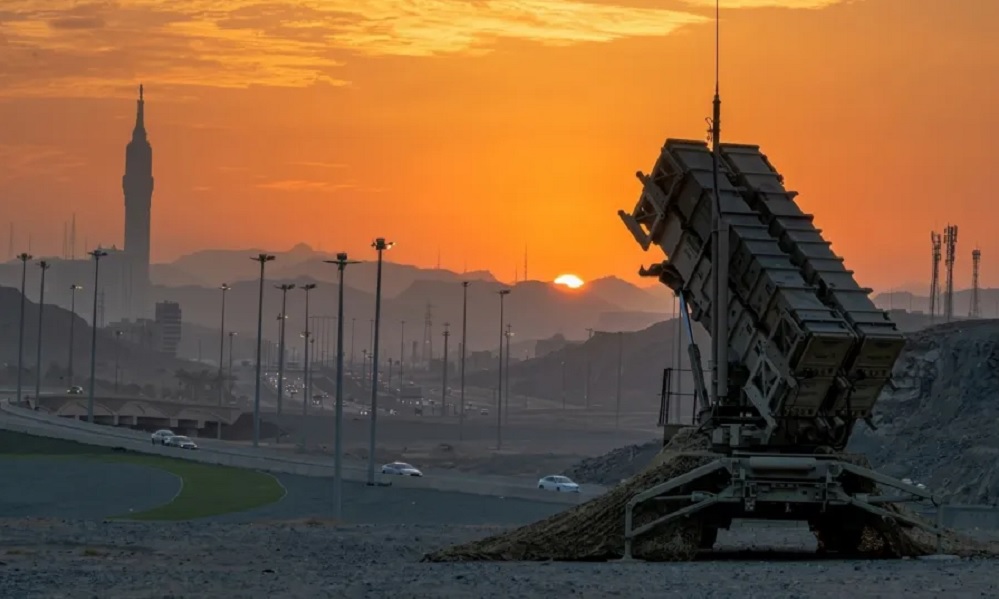
Saudi Arabia said debris from two ballistic missiles intercepted by its air defences fell in the Mecca region on Wednesday, as the kingdom and Yemen’s Iran-aligned Houthis continued to trade attacks in an escalating conflict.
Saudi state television identified the locations as Sabuhah village, about 35 km (22 miles) northeast of the Grand Mosque in Mecca, and Wadi al-Maghmas, about 21 km east of the mosque, Reuters reported.
The missiles were launched towards the region and intercepted and destroyed, Saudi Arabia’s civil defence said in a statement.
The Houthis have repeatedly denied Saudi accusations that they target Mecca and Medina, Islam’s two holiest cities, saying their military operations are directed at military and strategic targets elsewhere in Saudi Arabia.
Mecca, home to sites sacred to Muslims worldwide, is the focal point of the annual hajj pilgrimage, one of the five pillars of Islam, which millions of Muslims undertake each year.
“This hostile targeting of civilian objects constitutes a flagrant violation of international humanitarian law and reflects the dangerous hostile approach pursued by the Houthi militia,” Saudi Arabia’s civil defence said early on Thursday.
The Houthis seized Yemen’s capital Sanaa in 2014, prompting Saudi Arabia to intervene militarily the following year in support of the internationally recognised government.
A UN-brokered truce in 2022 largely froze the conflict, but hostilities resumed earlier this year, with the Houthis launching missile and drone attacks on Saudi territory and Riyadh carrying out airstrikes in Yemen.
The latest escalation has threatened the strategic Bab el-Mandeb Strait, a key shipping route linking the Red Sea and the Gulf of Aden.

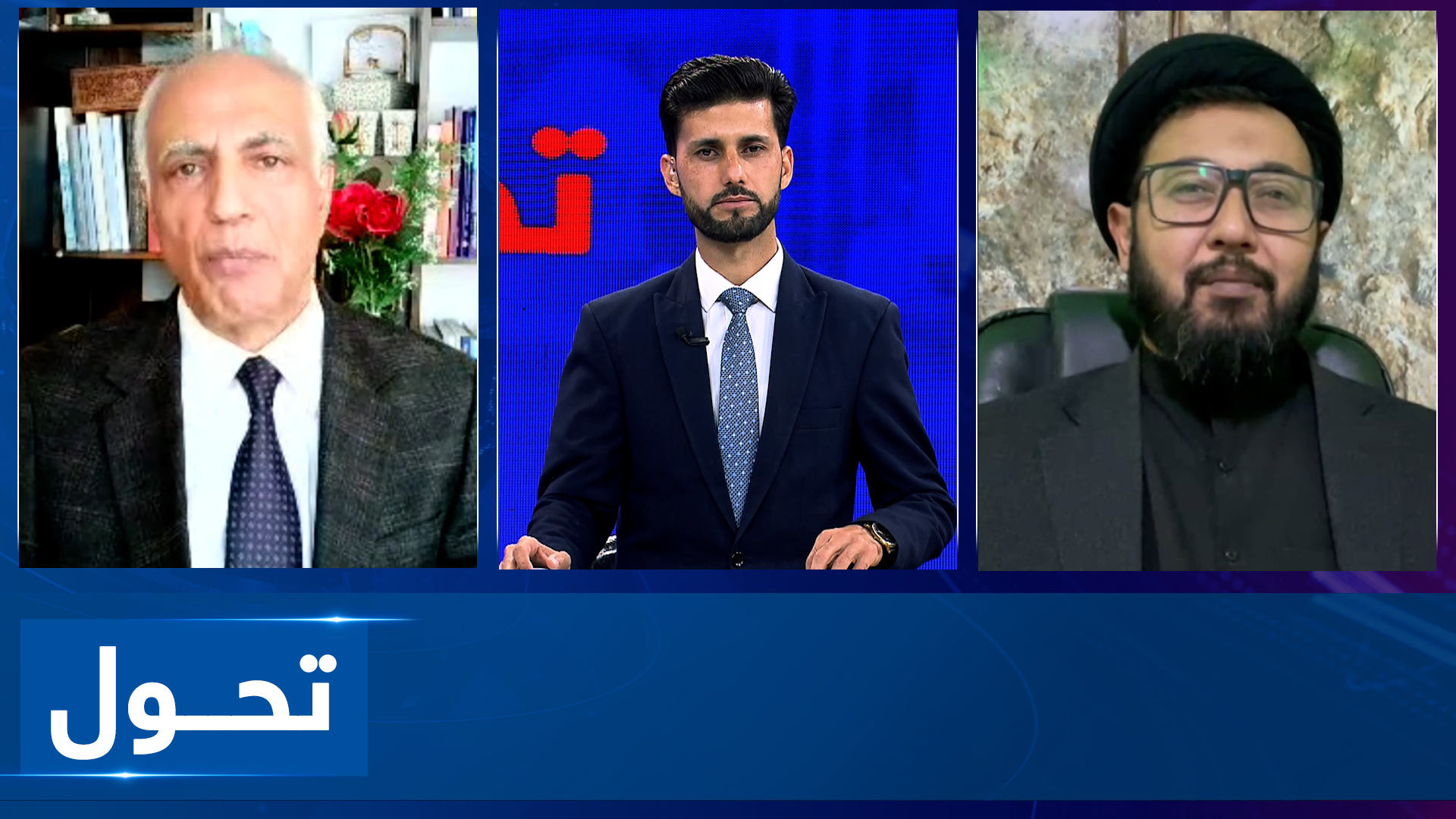
Tahawol: 80th anniversary of Afghanistan’s UN membership discussed
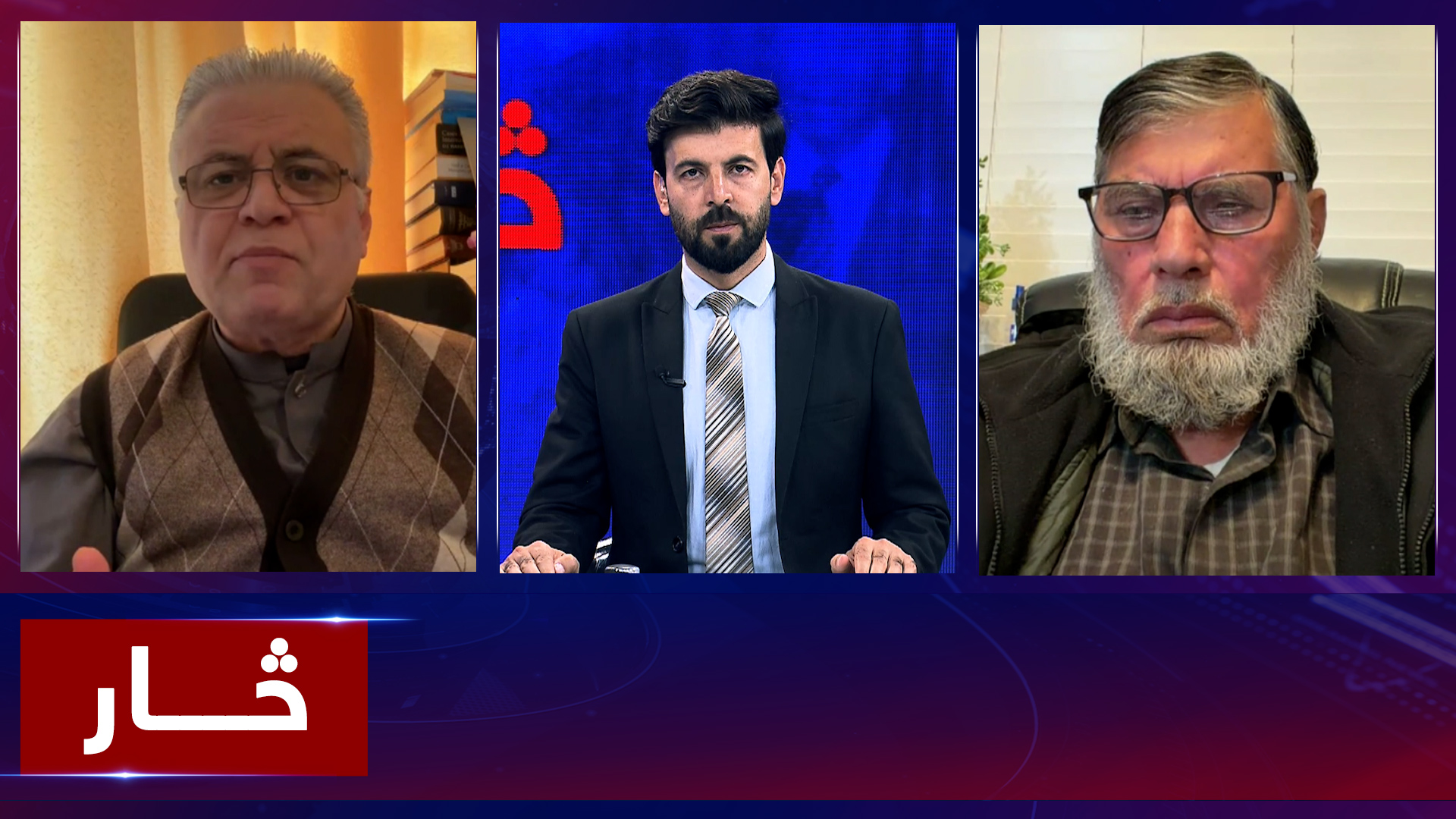
Saar: Europe’s shift toward engagement with the IEA discussed

Zimbabwe beat Afghanistan by 57 runs in second Test
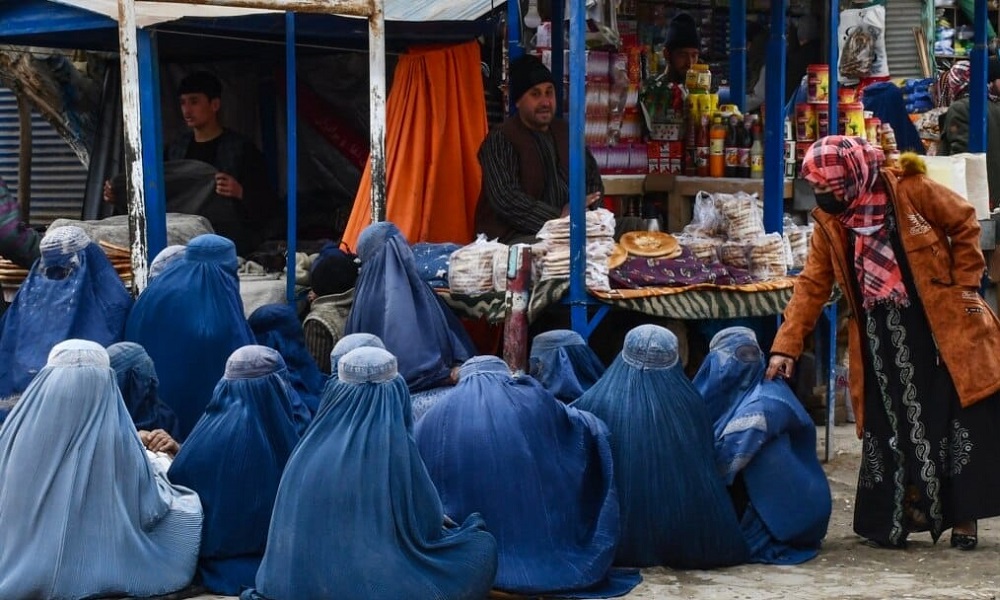
UN allocates $18 million to help 824,000 Afghans ahead of winter
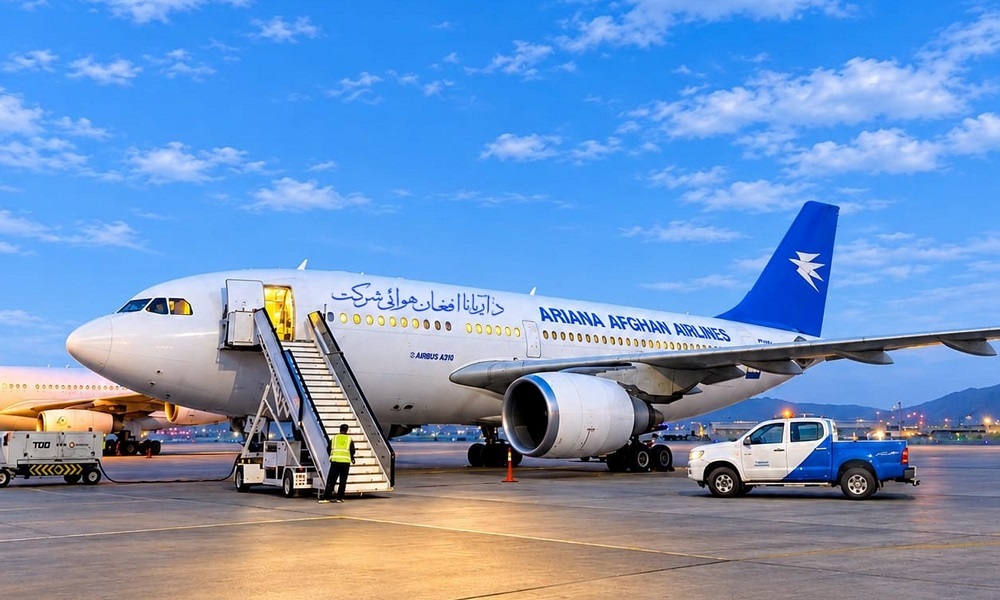
Ariana Airlines to launch direct flights between Mazar-e-Sharif and Jeddah

Afghanistan finish runners-up after 6-0 defeat to Brazil in futsal final

Violent protests spread across Europe as Albanian PM blames ‘foreign hand’

Governments take websites offline as critical cyber flaws trigger global alert

Afghanistan’s new Wakhan road to China faces major hurdles

Iran calls for extending Herat railway to Uzbekistan border
Tahawol: 80th anniversary of Afghanistan’s UN membership discussed
Saar: Europe’s shift toward engagement with the IEA discussed
Oman and Iran discuss restoring shipping through Strait of Hormuz
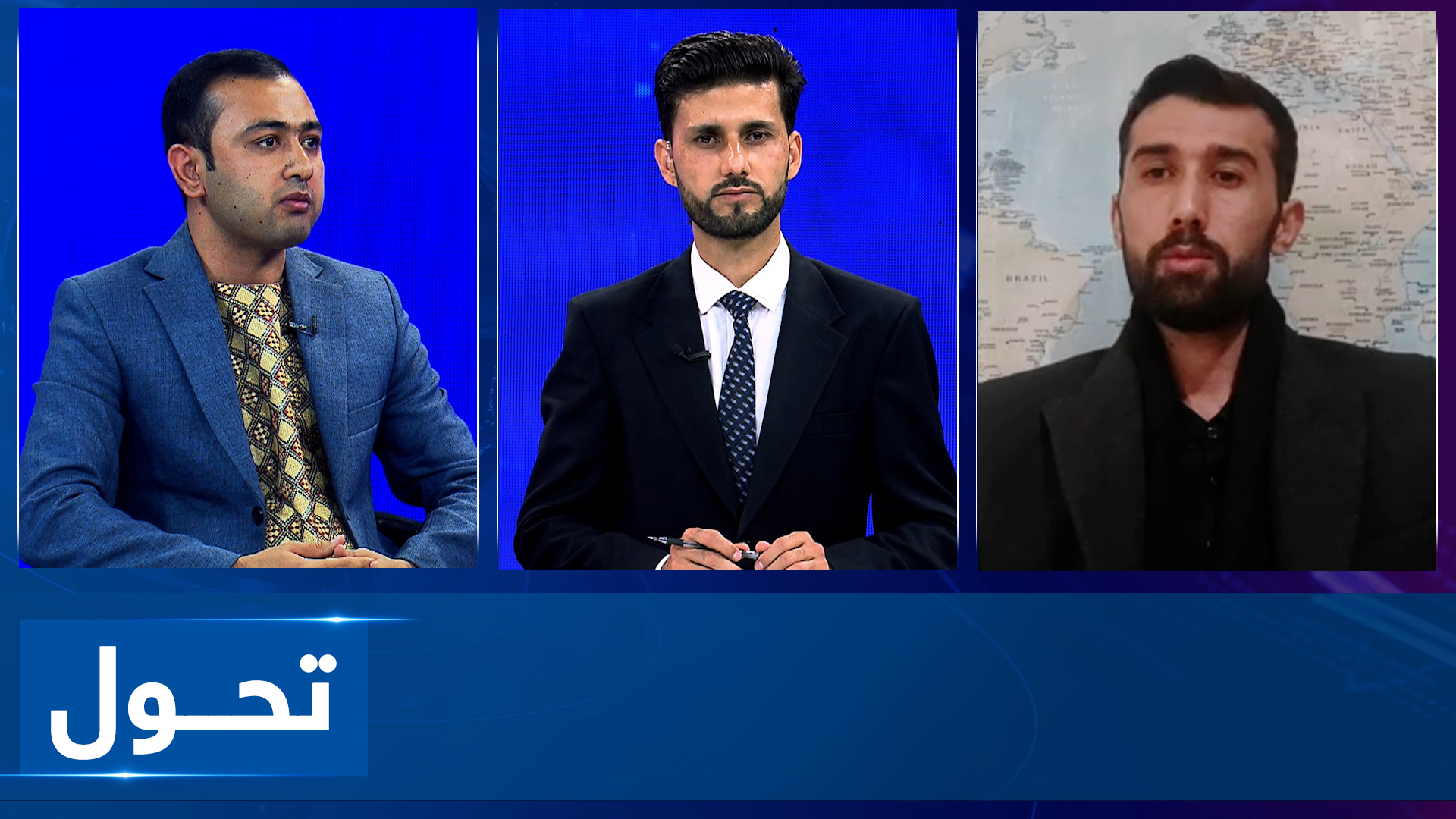
Tahawol: Afghanistan absent from ECO meeting

Saar: ECO meeting kicks off in Islamabad
-
 Business5 days ago
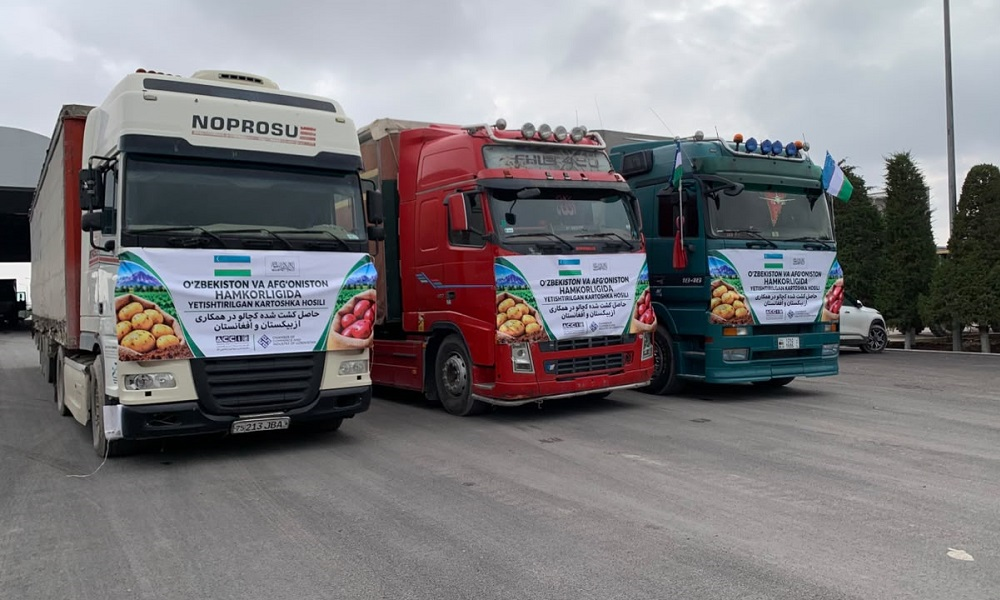
Afghanistan and Uzbekistan agree on export of 100,000 tons of Bamyan potatoes
-
 Latest News4 days ago
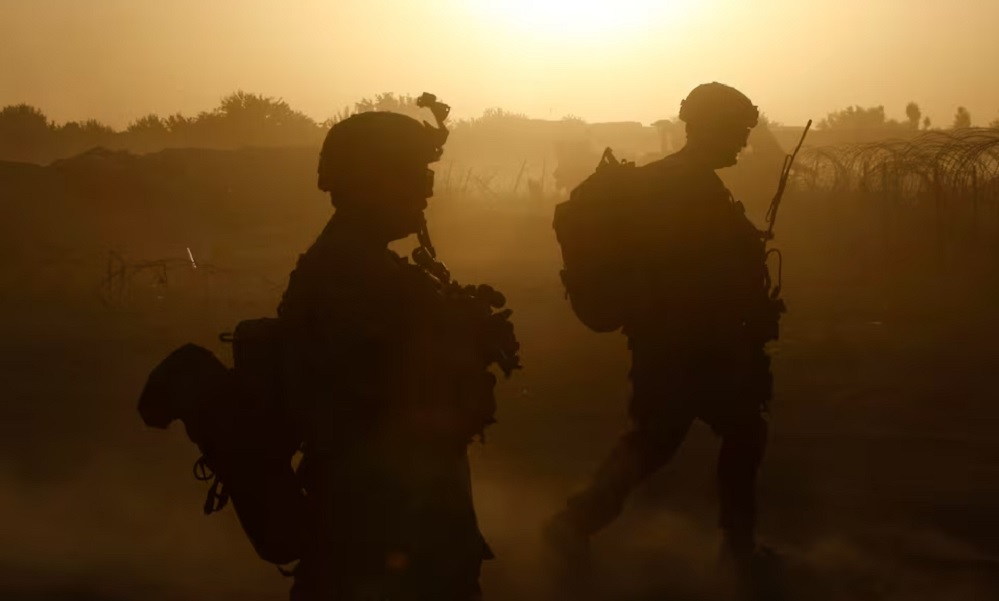
ICC halts probe into alleged crimes by US troops in Afghanistan
-
 Sport5 days ago
Argentina clinch futsal gold after defeating Portugal in Dakar 2026 final
-
 Sport4 days ago
Debutant Naseer Khan strikes four as Afghanistan fight back against Zimbabwe in second Test
-
 Sport3 days ago
ILT20 teams required to field at least two UAE and Afghanistan players in Season 5
-
 Latest News5 days ago
Russia calls UN report on Afghan opium ‘political propaganda’
-
 World5 days ago
Putin agrees to European role in Ukraine peace talks as Zelenskiy welcomes move
-
 Climate Change5 days ago
Urgent climate finance pleas at COP31 face a non-urgent response