
Latest News
UN agency urges Pakistan to halt expelling Afghans during winter

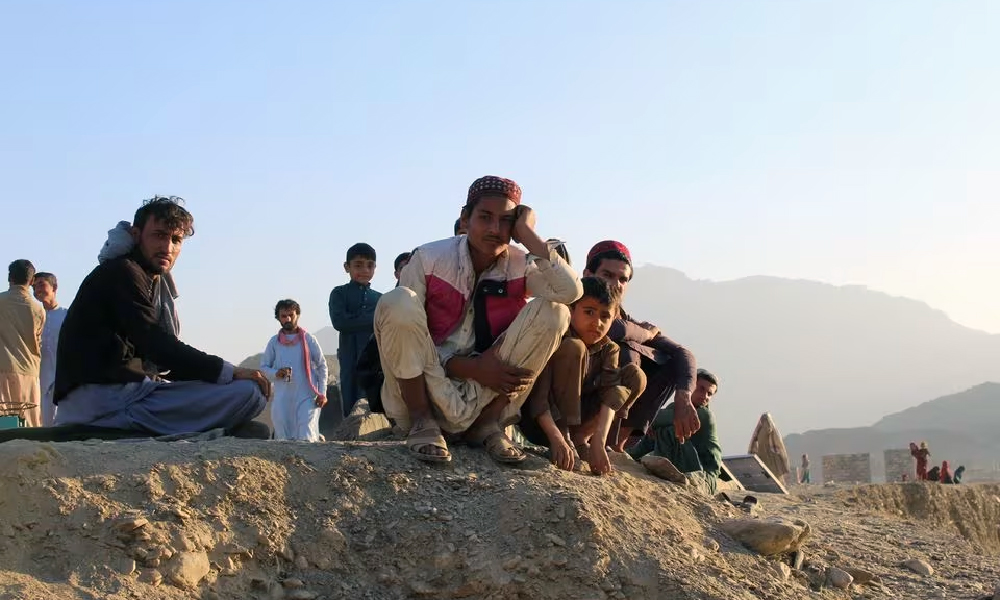
The U.N. refugee agency on Wednesday urged Pakistan to halt deportation of undocumented Afghan refugees during the harsh winter season, as police continued to search homes and expel Afghanis who had not already left, Reuters reported.
Islamabad last month announced it would expel over a million undocumented refugees, mostly Afghans, amid a row with Kabul over charges that it harbours anti-Pakistan militants.
According to Reuters over 370,000 Afghans have fled Pakistan since Oct. 1.
“UNHCR is calling upon the government of Pakistan to halt these mass numbers of returns during this harsh season of winter because the cold in Afghanistan is really deadly and it can take lives,” the agency’s regional spokesman, Babar Baloch, told Reuters TV in an interview.
“We’re talking about desperate women, children and men being on the move, leaving Pakistan in droves,” he said.
The agency has said the Afghans’ return should be voluntary and that Pakistan should identify vulnerable individuals who need international protection.
Pakistan is home to over 4 million Afghan migrants and refugees, about 1.7 million of whom are undocumented. Many came after the Islamic Emirate retook Afghanistan in 2021, and a large number have been present since the 1979 Soviet invasion, read the report.
Pakistani police have been searching door to door in refugees settlements for those who have not left voluntarily, beginning with the port city of Karachi, where hundreds of thousands of Afghans live. Anyone remaining may be forcefully expelled.
Thousands of Afghans have gone underground in Pakistan to avoid deportation, fearing for their lives if they return to IEA-ruled Afghanistan following the hasty and chaotic withdrawal of U.S.-led western forces in 2021, Reuters reported.
Islamabad has thus far not entertained calls by international organizations and refugee agencies to reconsider its deportation plans.
Pakistan’s Supreme Court has admitted a petition filed by rights activists seeking to halt the deportation, which is yet to be taken up for a hearing, a court order issued on Wednesday said.






Latest News
Afghan envoy invites Fazlur Rehman to Kabul amid push for better Pak-Afghan ties
The discussions focused on strengthening cooperation and exploring ways to reduce tensions between the two countries.
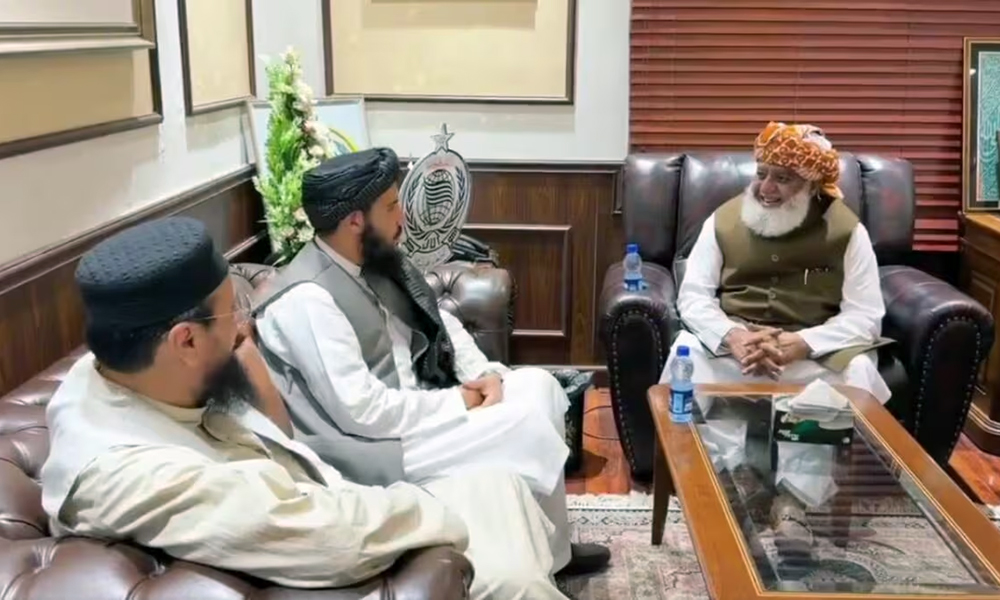
Afghanistan’s ambassador to Pakistan, Sardar Ahmad Shakeeb, has invited Jamiat Ulema-e-Islam-Fazl (JUI-F) chief Maulana Fazlur Rehman to attend an event marking the Islamic Emirate’s return to power.
The invitation was extended during a meeting between Shakeeb and Fazlur Rehman, where the two discussed Pakistan-Afghanistan relations and the regional security situation, local media reported.
The meeting comes amid strained relations between Islamabad and Kabul, with both sides exchanging views on ways to improve bilateral cooperation and ease existing tensions.
Shakeeb and Fazlur Rehman also discussed developments affecting regional security and stressed the need for greater cooperation between the two neighbouring countries.
The Afghan envoy and the JUI-F chief emphasised the importance of maintaining communication channels and strengthening engagement between Islamabad and Kabul at a time of repeated friction in bilateral relations.
The discussions focused on strengthening cooperation and exploring ways to reduce tensions between the two countries.

Islamic Emirate leader Sheikh Hibatullah Akhundzada has urged Kabul University graduates to uphold Islamic values and Sharia laws under all circumstances and not abandon their religion.
A Ministry of Higher Education official read out Akhundzada’s message on Wednesday at a graduation ceremony for around 2,500 students from Kabul University.
In his message, Akhundzada called on graduates to respect their parents and teachers and to uphold piety, sincerity, honesty and trustworthiness in their daily lives.
He also urged university teachers to provide students with proper religious, intellectual, moral, academic and professional education, promote unity and focus on their moral development.
According to the Ministry of Higher Education, around 2,500 students graduated in 2026 from 80 departments across 22 faculties of Kabul University.
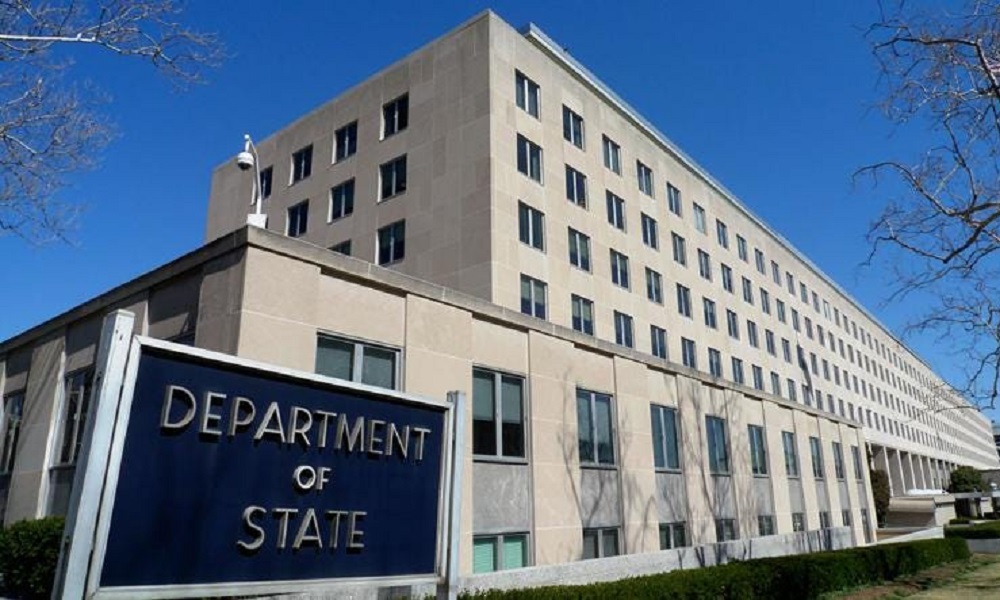
The U.S. Department of State says Afghanistan’s ministries and other public-sector institutions failed to meet any of the minimum requirements for fiscal transparency during the review period.
In its 2026 Fiscal Transparency Report, released Tuesday, the State Department said no Afghan entity had published an executive budget proposal or an end-of-year report within a reasonable timeframe.
The report said that in the absence of a publicly available budget, there was no confirmation of government expenditures made to support public services. It also said Afghan institutions had not published timely information on public-sector debt obligations.
According to the report, publicly available revenue and expenditure figures did not correspond to actual revenues and expenditures, based on information gathered through contacts and the government’s inability to service public-sector debts.
However, some state-owned enterprises independently published information on their revenues and expenditures.
The State Department also said an entity calling itself the Supreme Audit Office, which announced that it would begin operating in 2022, had not clarified the legal basis for its activities and did not publish any audits or audit findings during the review period.
The report further noted that the IEA did not make public the budgets of their “military” and intelligence services.
The U.S. State Department recommended that Afghan ministries and public institutions improve fiscal transparency by publishing reliable budget documents on time, following internationally accepted budgeting principles, strengthening oversight of off-budget accounts, and making information on public-sector debt publicly available.
It also called for clearer laws governing natural-resource extraction and public procurement, as well as ensuring that any supreme audit institution operates independently and meets international standards.
Meanwhile, the Islamic Emirate’s spokesperson, Zabihullah Mujahid, said Afghanistan’s budget does not belong to any other country, and therefore there is no obligation to provide information to others about how it is spent.


Total darkness, then sunset as full eclipse wows spectators in Spain

Afghan envoy invites Fazlur Rehman to Kabul amid push for better Pak-Afghan ties

Afghanistan clinch Ireland series with record ODI score

Iran says no progress on reviving interim peace deal with US

Tahawol: Afghanistan’s future in the global press discussed

Pakistan’s governance system has ‘collapsed’: Mohsin Naqvi

Spain sweep FIFA World Cup player awards after historic triumph

Iran, Afghanistan and Tajikistan discuss expanding regional transit cooperation

Afghan health minister, Gavi discuss expanding routine immunization

Afghanistan temporarily eases fuel import standards to help curb rising prices
Tahawol: Afghanistan’s future in the global press discussed

Saar: The Islamic Emirate’s five-year rule discussed

Tahawol: Hamid Karzai’s call for Afghan reconciliation discussed

Saar: Preparations for IEA’s fifth anniversary discussed

Tahawol: Iran’s acknowledgment of Afghanistan’s cooperation discussed
-

 Sport4 days ago
Afghanistan secure direct qualification for 2027 Men’s ODI World Cup
-
 Regional5 days ago
Goods transporters to go on strike from Saturday after talks with Pakistan govt fail
-
 Latest News4 days ago
Pakistan-backed armed groups in Balochistan using former Afghan government forces: report
-

 Sport3 days ago
Abasin Defenders stun Kabul Zalmi in Kabul Premier League
-
 Regional4 days ago
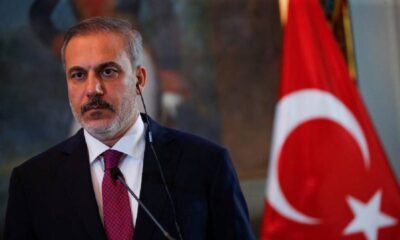
Turkey, Pakistan, Saudi Arabia defence pact technically same as NATO’s Article 5, Turkish minister says
-

 Sport3 days ago
Kabul Premier League gets underway with high-scoring opener
-

 Latest News4 days ago
Russia eyes railway route via Afghanistan as alternative to Strait of Hormuz
-

 Latest News4 days ago
Ariana Airlines brings $2.3 million Boeing 737 engine from US to Kabul