
Health
Up to 8 children dying daily in Kabul hospital from malnutrition: Source


As many as eight children die each day from malnutrition at just one hospital in Kabul, a reliable source told Ariana News on Wednesday.
According to the source, who asked not to be named, the deaths have happened at the Indira Gandhi Children’s Hospital in Kabul.
However, hospital officials have denied the claims and said they have recorded only one death from malnutrition in the past month.
Malnutrition among children across Afghanistan has raised serious concerns in the past few months.
Last month, the United Nations Children’s Fund (UNICEF) in Afghanistan warned that one million Afghan children could die from severe acute malnutrition if “urgent actions” are not taken.
Hasib Rahimzai Wardag, chief of the Indira Gandhi Children’s Hospital, said on Wednesday: “We have two wards for malnutrition – one which involves medium-level treatment and supply of materials and the other involves acute cases requiring hospitalization. We had only one death among the patients in beds during the past one month.”
Meanwhile, patients and visitors at the hospital have complained about a number of issues including the lack of discipline among staff, the lack of medicine and medical supplies, and the mistreatment of patients at the facility.
“There is no accountability and we wait so long for doctors. My patient is suffering from both malnutrition and a cleft palate. They should attend to people. We buy all the medicines. There is nothing in the hospital,” said Zarlasht, a relative of one patient.
Humaira, a relative of another patient, said: “I have been at the hospital for one month. I don’t understand why the doctors are not telling me what the child is suffering from and why he is not recovering.”
UNICEF meanwhile has also warned that some 3.2 million children under the age of five are at risk of severe malnutrition in Afghanistan by the end of the year as a result of the country’s severe humanitarian crisis.




Health
Health minister visits Belarus to expand medical cooperation
Belarusian Deputy Health Minister welcomed Jalali and his delegation, describing the visit as an important step toward strengthening health cooperation between Afghanistan and Belarus.
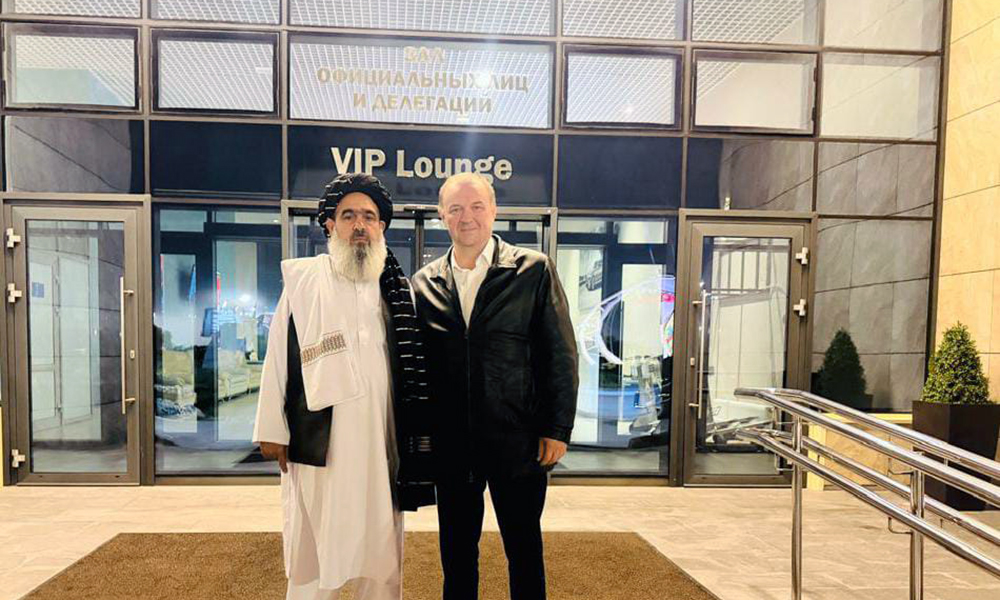
Afghanistan’s Minister of Public Health, Noor Jalal Jalali, has travelled to Belarus at the head of a delegation to strengthen health cooperation and exchange medical expertise between the two countries.
According to Afghanistan’s Ministry of Public Health, the visit will focus on expanding bilateral cooperation, reviewing Belarus’s healthcare institutions and sharing experience in medical services and specialized healthcare.
Belarusian Deputy Health Minister Barys Andrasyuk welcomed Jalali and his delegation, describing the visit as an important step toward strengthening health cooperation between Afghanistan and Belarus.
During the visit, Jalali is expected to meet with senior officials at Belarus’s Ministry of Health and visit several medical and research institutions, including the Belarusian State Medical University, a state pharmaceutical production company, specialized cardiac and oncology centers, the Republican Centre for Hygiene and Epidemiology, and an emergency clinical hospital.
The two sides are also expected to discuss cooperation in medical education, healthcare services, pharmaceutical production and specialized treatment, as well as opportunities to expand technical exchanges.
The visit comes as Afghanistan seeks to expand international cooperation in the health sector and improve access to medical expertise, training and pharmaceutical resources.
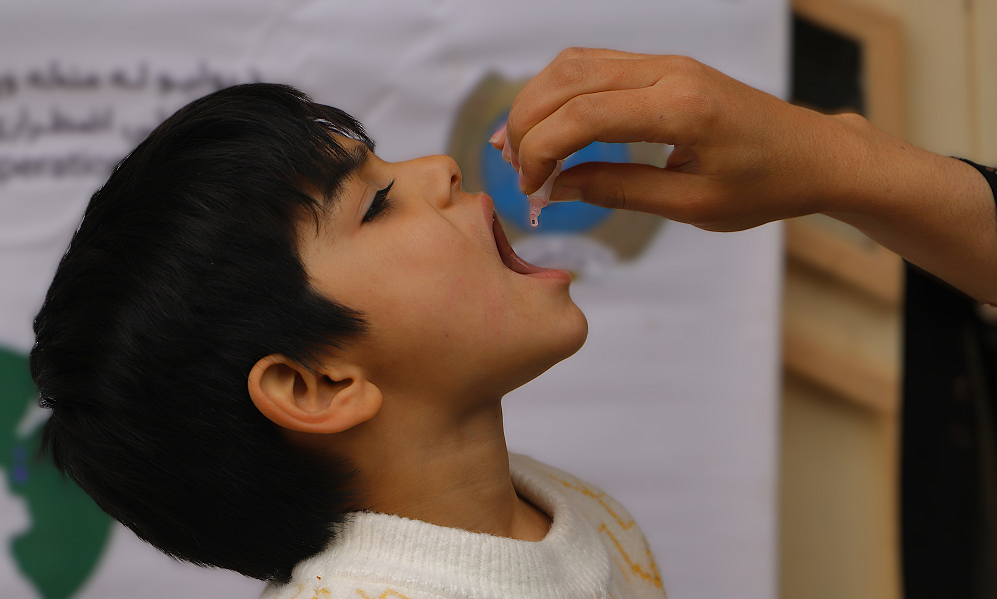
A nationwide polio vaccination campaign got underway across Afghanistan on Monday.
The four-day campaign aims to vaccinate around 12.77 million children under the age of five against polio.
Officials said the campaign is aimed at strengthening protection for children against polio and preventing the spread of the virus.
However, in the southern zone of the country, the polio vaccination campaign will begin one day later, on Tuesday, to ensure better implementation.
According to the information provided, Afghanistan has conducted one nationwide and two sub-national polio vaccination campaigns so far this year. The current campaign is the fourth of the year. In addition, localized campaigns and public awareness programs have also been carried out.
Officials said some environmental samples linked to the polio virus have tested positive. However, the Ministry of Public Health has not so far confirmed any human cases of polio.
According to officials, investigations into suspected cases are ongoing, and information on confirmed human cases will be shared once the assessments are completed and sufficient evidence is available.
Health
Afghanistan faces cancer treatment crisis
Spokesperson for the Ministry of Public Health, said dozens of cancer treatment centers are operating across the country.
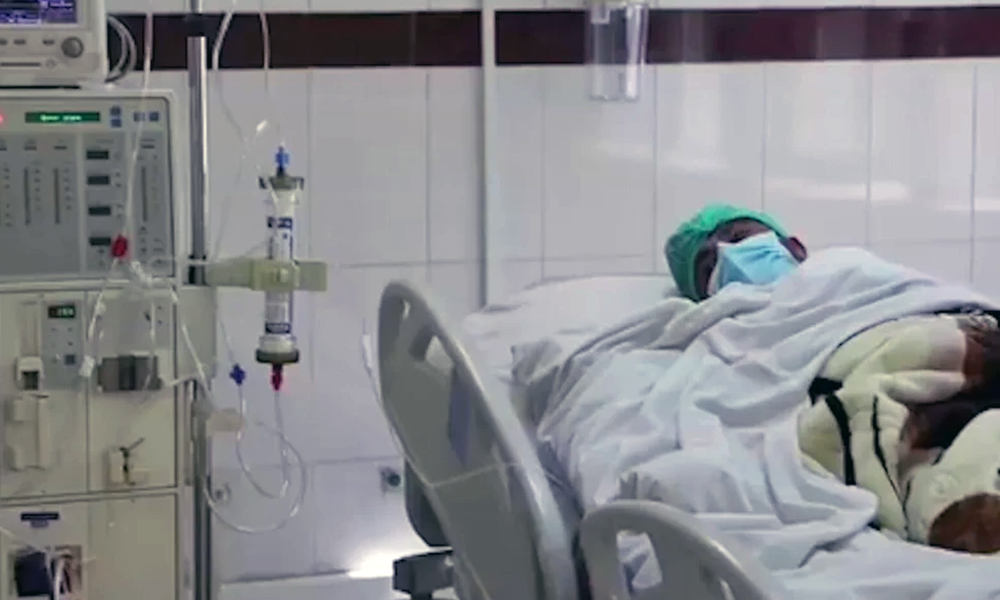
The Afghanistan Cancer Foundation has raised concern over the rising number of cancer cases across the country, saying at least 1.5 million people are currently suffering from the disease.
According to figures released on Saturday, September 11, about 50,000 new cases are recorded annually. The figures are based on data from the Ministry of Public Health and international organizations.
Shafiq Shinwari, head of the Afghan Cancer Foundation, said in a recent interview that breast and uterine cancers are among the most common cancers in women, while lung, stomach, prostate and colon cancers are widespread among men.
He said cancer is the second-leading cause of death in Afghanistan after heart disease.
Cancer specialist Dr. Rahim Gul Darwish identified smoking and tobacco use, poor hygiene and unhealthy diets as major factors contributing to the spread of the disease.
Meanwhile, Sharafat Zaman Amarkhail, spokesperson for the Ministry of Public Health, said dozens of cancer treatment centers are operating across the country. However, he acknowledged serious shortages of modern equipment and facilities needed to provide comprehensive treatment.
The situation has been further aggravated by the departure of hundreds of medical specialists and healthcare workers since the Islamic Emirate returned to power, according to reports.
Afghan patients have also faced growing difficulties accessing treatment abroad. Many previously travelled to Pakistan for cancer care, but border closures and restrictions on Pakistani visas have made access more difficult.
Doctors say cancer patients require continuous treatment and regular specialist care, warning that shortages of facilities and restrictions on cross-border travel are increasing the risks for patients.


Sarsabz Yashlar edge Arman FC 1-0 in Afghanistan Champions League

Kunduz football ground to be built with FIFA funding

ACL: Sorkh Poshan Khafi maintain perfect record with 1-0 win over Ariana Khost

Health minister visits Belarus to expand medical cooperation

Afghanistan vs India Asian Games quarter-final abandoned without a toss

Saudi energy group signs major Afghanistan deals covering gas exploration and pipeline plans

Trump floats idea of renaming Atlantic or Pacific Ocean

Nepal flood rescue mission enters critical phase as thousands remain missing

Iranian clubs to face Gulf opponents at neutral venues in Asian Champions League Elite

Khalilzad: Afghanistan ready to attract major investment

Saar: Afghanistan’s image at UNGA

Saar: Concerns over Pakistan’s political crisis discussed

Exclusive interview with Abdul Latif Mansoor, Minister of MRRD

Tawsia: Overview of Afghanistan’s iron mines

Tahawol: Discussion on fresh Pakistani airstrikes on Afghanistan
-

 Regional5 days ago
Iran airlines cancel flights as US sanctions hit
-

 Sport4 days ago
Afghanistan open Asian Games cricket campaign with win over Japan
-
 World4 days ago
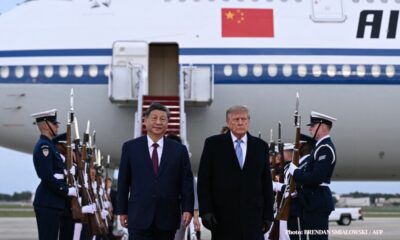
Trump welcomes Chinese President Xi as US-China summit gets underway
-
 World2 days ago
Trump rejects Iranian proposal to open Hormuz and end fighting
-
 Latest News1 day ago
Afghanistan says 28 killed, 32 captured in Nuristan operation
-

 Sport1 day ago
Afghan bodybuilder Ali Bilal finishes runner-up at Mr Olympia for third straight year
-
 Latest News4 days ago
Khalilzad warns Pakistan-Afghanistan tensions likely to worsen after fresh airstrikes
-
 Sport3 days ago
Afghanistan to face India in Asian Games cricket quarter-final