
Climate Change
Who’s who at this year’s COP28 climate talks, and what do they want?

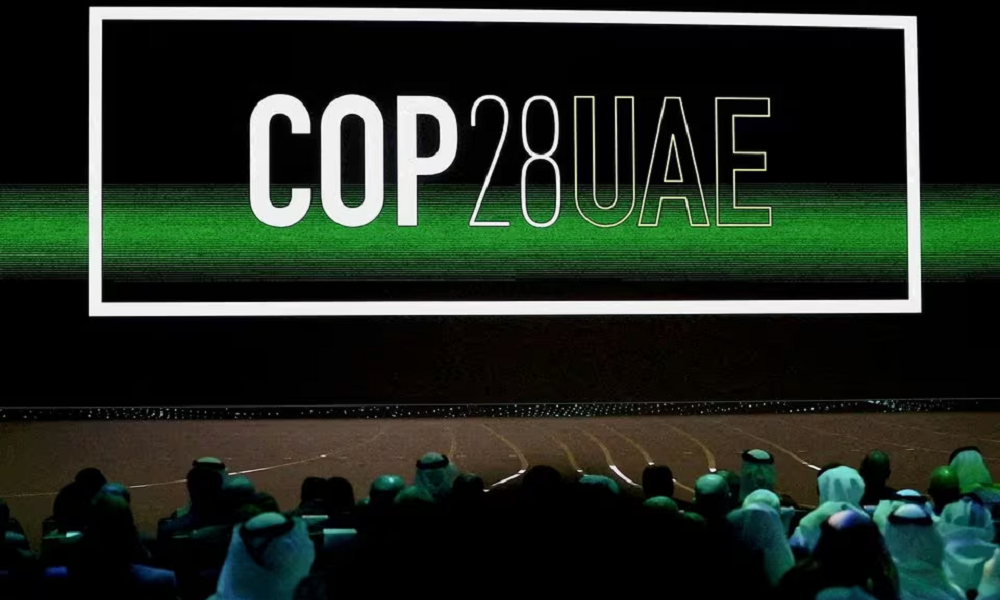
As the world wrangles over its next steps in fighting climate change, each country has its own concerns and interests they hope to advance at this year’s U.N. climate summit.
U.N. climate negotiations can only pass deals with unanimous support from all countries present. That makes finding consensus a daunting challenge.
Here are some of the main players and negotiating blocs involved in the COP28 conference starting Nov. 30 in Dubai, Reuters reports.
CHINA
China leads the world in both clean and dirty energy, with more renewable energy capacity and more coal consumption than any other country. Responsible for about 30% of annual global emissions, China is the world’s biggest greenhouse gas emitter.
The country is also suffering climate change impacts, including heatwaves and flooding, as well as extreme drought.
In climate negotiations, Beijing argues that wealthy developed countries like the United States, the biggest historical CO2 emitter, should move first and fastest in climate policy and finance.
Despite having the world’s second largest economy after the United States, China considers itself as a developing nation in the climate talks.
UNITED STATES
The world’s second-biggest emitter comes to COP28 a year into rolling out its $369 billion-plus subsidy package for electric vehicles and other green products. The Inflation Reduction Act (IRA) is expected to triple the country’s clean energy capacity by 2030.
The U.S. and European Union are now asking others to join a COP28 pledge to triple renewable capacity this decade.
The United States – the world’s biggest oil and gas producer – also supports a COP28 deal calling to phase out CO2-emitting fossil fuel use.
But U.S. delegates will face pressure for climate finance after Washington pledged no new climate cash to the United Nations this year. The U.S. supports creating a new fund to help poor countries deal with climate-caused damage, but wants the deal to make clear no country will be obliged to pay into it.
EUROPEAN UNION
The 27-country EU’s negotiating position for COP28 is among the most ambitious. The bloc will push for tripling renewable capacity, phasing out CO2-emitting fossil fuels, ending new coal-fuelled power plants and powering electricity grids with renewable sources in the 2030s.
The EU also wants countries to agree that technologies to “abate” – meaning capture – emissions will only be used sparingly. That sets up a clash between the EU and countries that are reliant on fossil fuels and see abatement technology as a way to prolong their use.
At the U.N. climate talks, the EU bloc is traditionally allied with climate-vulnerable small island states. But the EU is at odds with those allies over some details of the climate damage fund.
The EU wants China and other large economies to pay into the planned fund, which Beijing opposes.
UNITED KINGDOM
Despite leaving the EU in 2020, the United Kingdom comes to COP with similar asks to the bloc – including on phasing out fossil fuels and tripling renewable energy.
This year, however, London raised eyebrows among some climate diplomats by weakening some green policies and approving 27 licenses for oil and gas exploration. The UK government says it is still on track to meet its climate targets.
‘BASIC’ COUNTRIES
Brazil, South Africa, India and China make up this bloc of populous, fast-developing countries. Each has asked for more climate financing and equity through the United Nations Framework Convention on Climate Change (UNFCCC) concept of “common but differentiated responsibilities” – meaning rich countries that emitted the most historically should do more to address the problem.
India last year proposed widening a deal on phasing down coal to include oil and gas. It won backing from more than 80 countries, but Saudi Arabia and other oil and gas producers blocked it.
Brazil has spearheaded negotiations on rules for carbon credit markets, through which it plans to monetise its vast forests.
South Africa secured a 2021 deal for $8.5 billion from the EU, United States and other nations to help its shift from coal to renewable energy. But the country now is facing its worst power crisis, with rolling blackouts and ageing coal plants frequently breaking down.
OTHER NEGOTIATING BLOCS:
G77 + CHINA
This alliance of 77 developing countries and China also holds that rich countries have a bigger responsibility to cut CO2 than poorer nations. A key question this year is whether the G77 will stick together as smaller climate-vulnerable nations seek urgent climate action, while larger members like China are wary of rapid CO2 cuts.
AFRICAN GROUP OF NEGOTIATORS
African countries will be pushing at COP28 for climate finance and financial mechanisms to speed up green energy projects.
Some African countries including Kenya, Ethiopia and Senegal have backed calls for phasing out fossil fuel production. But others like Mozambique want to develop their reserves of gas – both to boost their energy capacity and to capitalise on European gas demand. Any deal on phasing out fossil fuels, the group says, must allow poor nations to develop reserves in the short term to alleviate energy poverty.
ALLIANCE OF SMALL ISLAND STATES
The alliance, known by its acronym AOSIS, represents countries that are disproportionately vulnerable to climate effects including sea level rise.
The group’s front-line experiences lend its members an influential position in COP talks, where its priorities include securing loss and damage finance and phasing out fossil fuel use to limit global warming to 1.5 Celsius – a threshold beyond which island nations face catastrophic climate impacts.
HIGH AMBITION COALITION
Chaired by the Marshall Islands and including Vanuatu, Costa Rica, the United States and the European Union, this group pushes for more ambitious emissions targets and policies – among them, this year, halting new coal plants and peaking the world’s emissions before 2025.
LEAST DEVELOPED COUNTRY GROUP
This group’s 46 nations are highly vulnerable to climate change but have contributed little to it. Aside from demanding that loss and damage be addressed, the LDCs want rich nations to double their financing for climate adaptation.
INDEPENDENT ALLIANCE OF LATIN AMERICA AND THE CARIBBEAN
The AILAC bloc is aligned with other developing countries in demanding greater climate ambition and more funding.


Climate Change
Afghanistan among world’s five most climate-vulnerable countries
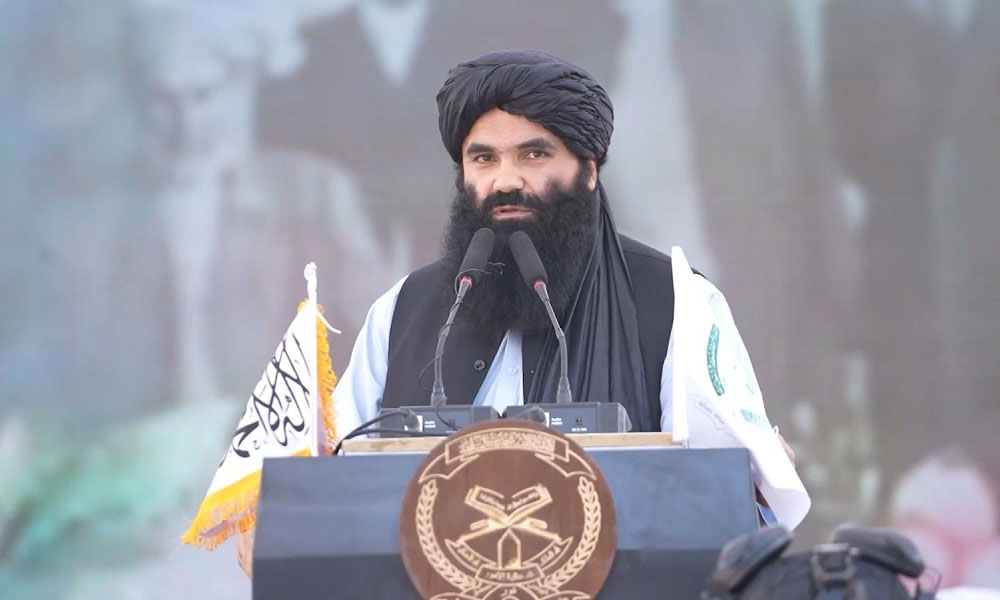
Meanwhile, Shir Ahmad Haqqani, Minister of Information and Culture, highlighted the important role of media organisations in reporting the negative impacts of climate change.
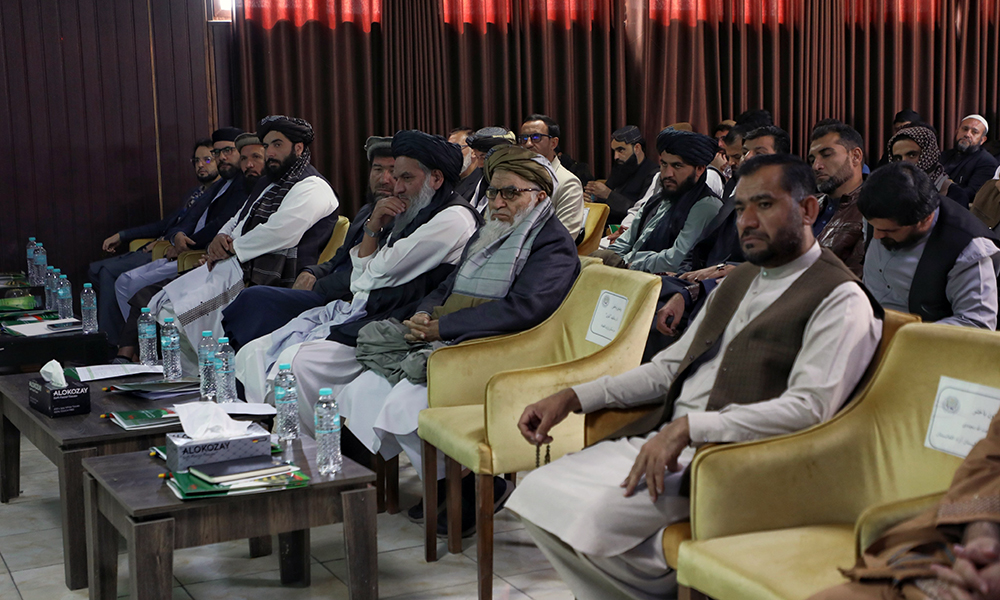
Afghanistan ranks among the five countries most vulnerable to the impacts of climate change, despite contributing little to global greenhouse gas emissions, the head of the country’s National Environmental Protection Agency has said.
Matiul Haq Khalis, Director General of the National Environmental Protection Agency (NEPA), made the remarks at a scientific conference in Kabul, saying Afghanistan could rank as the world’s third most climate-vulnerable country if comprehensive global research is conducted.
The conference, titled “Afghanistan’s Media and Climate Diplomacy: Opportunities and Challenges,” was organised at a private university and brought together government officials and media representatives to discuss the country’s climate challenges.
Khalis stressed that Afghanistan faces serious climate-related risks despite having a negligible role in producing global greenhouse gas emissions.
Meanwhile, Shir Ahmad Haqqani, Minister of Information and Culture, highlighted the important role of media organisations in reporting the negative impacts of climate change.
He called on media outlets to take a more active role in raising public awareness and informing communities about climate-related challenges.
Media representatives attending the conference also expressed their readiness to cooperate with government institutions in public awareness campaigns and efforts to address the consequences of climate change.
The discussions come ahead of an international climate conference scheduled to take place in Türkiye, where Afghan representatives have also been invited to participate and present the country’s views, with the aim of drawing greater international attention to Afghanistan’s climate challenges.
However, several international projects aimed at supporting climate change mitigation and adaptation efforts in Afghanistan have currently been suspended, raising concerns about the country’s ability to respond effectively to growing environmental threats.
The conference highlighted the importance of stronger media engagement, international cooperation and continued support for Afghanistan as it faces increasing climate-related challenges.
These developments come as a climate change conference is set to be held in Turkey in one day’s time; representatives from Afghanistan have also been invited to participate, present their perspectives, and draw the international community’s attention to the country’s climate situation.
Climate Change
90 million displaced people at risk from climate threats, UN refugee agency says
In the first half of 2026, more than two-thirds of refugee returns were to countries highly exposed to climate hazards, placing them at risk of renewed displacement, the report said.
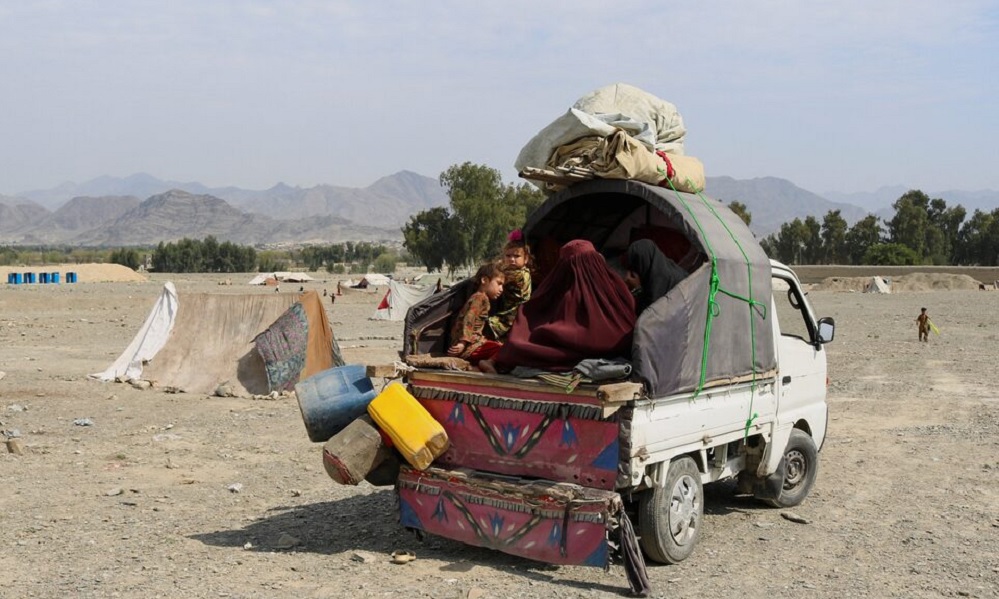
Nearly 90 million forcibly displaced people are living in countries increasingly exposed to climate-related droughts, floods and extreme heat, the UN refugee agency said on Friday, warning ahead of the COP31 climate summit that more funding is needed to help vulnerable communities adapt.
Nearly three-quarters of the world’s forcibly displaced people are living in countries such as Afghanistan and Bangladesh that are exposed to severe climate-related risks, according to the report by the agency, known as UNHCR, published ahead of the UN Climate Change Conference in Antalya, Turkey. The findings show the overlap between conflict, displacement and climate change, the report said.
“Climate adaptation in fragile and displacement-affected areas is a matter of survival,” said Anton Leis Garcia, UNHCR’s assistant high commissioner for operations.
“We need climate financing to reach the communities where the needs are greatest,” he said.
The report highlighted the experience of a Sudanese refugee who fled conflict in al-Fashir in June 2023 to the Farchana refugee settlement in eastern Chad. The refugee said she sometimes goes a week without finding safe water and must walk increasingly long distances for alternative sources as nearby seasonal riverbeds dry up amid intensifying heat.
RETURNS AT RISK
It also warned that climate change is making it harder for displaced people to return home sustainably.
In the first half of 2026, more than two-thirds of refugee returns were to countries highly exposed to climate hazards, placing them at risk of renewed displacement, the report said.
In Syria, where nearly 4 million displaced people have recently returned, people face worsening water scarcity and erratic rainfall, while flooding along the Euphrates River in May damaged homes and displaced thousands of people, the report said.
Across sub-Saharan Africa, one in three refugee settlements could experience at least 100 days of dangerous heat each year by 2050, threatening health and livelihoods, the report said. In some settlements in Ethiopia, including Helaweyn, dangerous heat could persist for more than 200 days a year, increasing the risks of heatstroke and premature death.
“Refugees often have limited access to cooling, water and reliable energy, making it harder to escape dangerous temperatures,” the report said.
UNHCR also warned that a forecast supersized El Niño could worsen climate-related risks in many refugee-hosting countries and trigger further displacement.
In East Africa, severe flooding could displace up to 3 million people in Somalia, Kenya, South Sudan and Uganda by the end of this year, UNHCR said. In the Sahel, drought, flooding and conflict could intensify competition over scarce resources, while parts of Asia face heightened risks of droughts, floods and cyclones.
UNHCR called on governments and climate-finance institutions meeting at COP31 to increase funding for climate adaptation, highlighting that only about 10% of climate finance reaches fragile or conflict-affected countries.
On Wednesday, a separate UN report found rich countries were falling well short of the $305 billion needed each year to help developing nations adapt to climate change, even as extreme weather events become more frequent and severe.
Climate Change
IEA to attend UN climate summit for second time since returning to power
The IEA previously attended COP29 in Baku, Azerbaijan, in 2024. Observer status allows delegates to participate in discussions but does not grant them formal negotiating or decision-making powers.
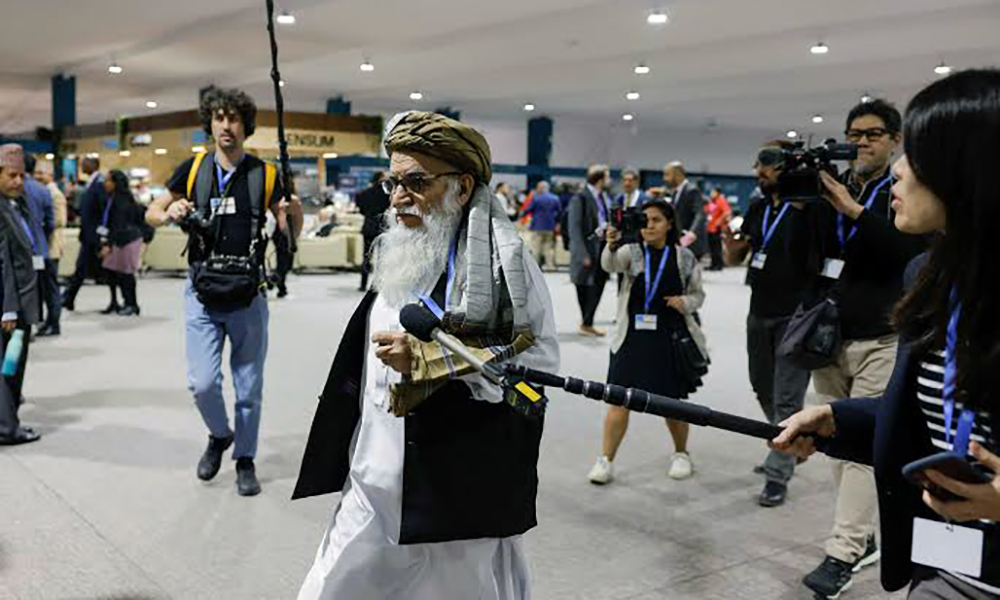
Afghanistan’s Islamic Emirate (IEA) is expected to send representatives to the COP31 United Nations climate summit in Antalya, Turkey, marking its second participation in the global climate conference process since returning to power in 2021.
According to the Associated Press, Rohullah Amin, head of climate change at the National Environmental Protection Agency, confirmed that Kabul plans to send a delegation. A Turkish official also confirmed that IEA representatives had been invited as observers.
The IEA previously attended COP29 in Baku, Azerbaijan, in 2024. Observer status allows delegates to participate in discussions but does not grant them formal negotiating or decision-making powers.
Afghanistan remains among the countries most vulnerable to climate change, facing recurring droughts, water shortages, extreme temperatures and devastating floods. These challenges threaten agricultural production, livelihoods and food security, while contributing to internal displacement.
The planned participation comes amid continuing disagreements over Afghanistan’s international representation and access to climate financing, with the United Nations yet to recognize the IEA administration as the country’s official government.
COP31 is expected to provide another opportunity to highlight Afghanistan’s growing environmental challenges and its need for international climate support.

Afghanistan now has unified central government: IEA defense minister

Baradar approves action plan for establishing special economic zones

Russian deputy prime minister to visit Kabul with high-level economic delegation
Historic first for Rahmat Shah after ICC rankings update
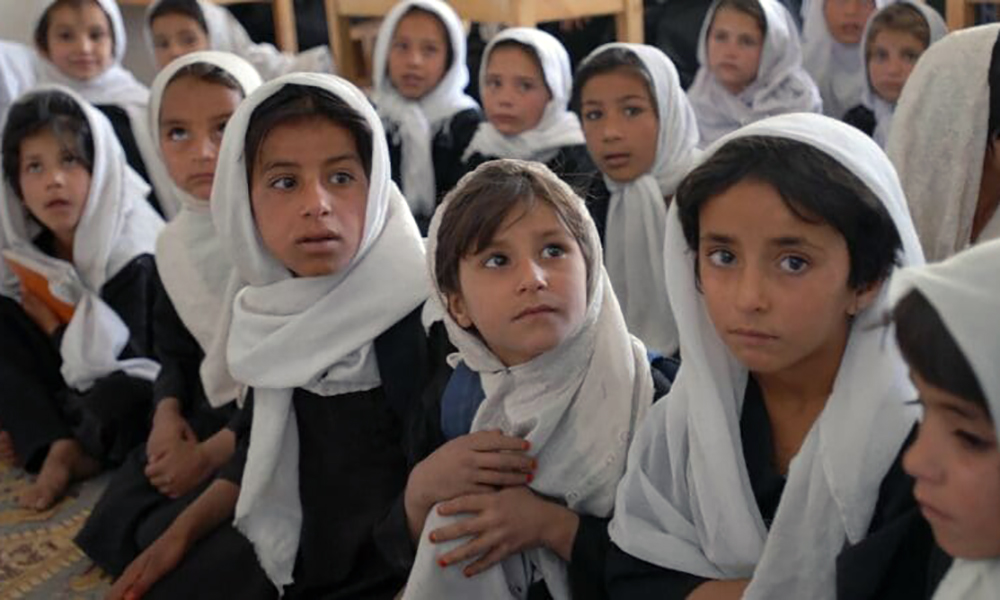
UNESCO warns Afghanistan risks losing an entire generation of professionals as girls’ education ban continues

Afghanistan finish runners-up after 6-0 defeat to Brazil in futsal final

Trump says US may strike Iran’s ‘Pickaxe Mountain’ nuclear facility

Afghan futsal coach: Brazil tournament is first step towards new goals and World Cup

Violent protests spread across Europe as Albanian PM blames ‘foreign hand’

Rubio heads to Central Asia while other US officials hit foreign policy hot spots

Tahawol: Efforts to halt deportation of Afghan refugees from US discussed
Saar: Russia’s stance on Afghanistan discussed

Trump says further US attacks on Iran ‘highly unlikely’ as peace talks gain momentum
Tahawol: Geopolitical developments in the Middle East
Saar: EU’s engagement with Afghanistan
-
 World3 days ago
Houthi-run health ministry says airstrikes kill 33 near Yemen capital
-
 Sport3 days ago
Afghanistan’s record partnership highlights fourth day of Test against Zimbabwe
-
 Sport4 days ago
Toofan Herat defeat Arman FC 2–0 in Afghanistan Champions League
-
 Sport5 days ago
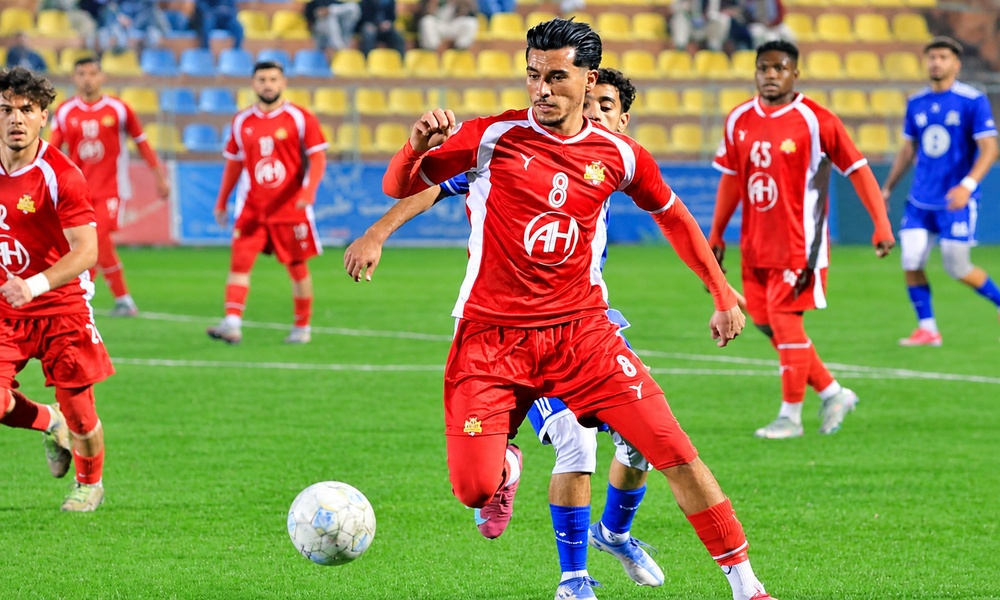
Abu Muslim Farah claim convincing 3-0 win over Omar Zawak in ACL
-
 Regional4 days ago
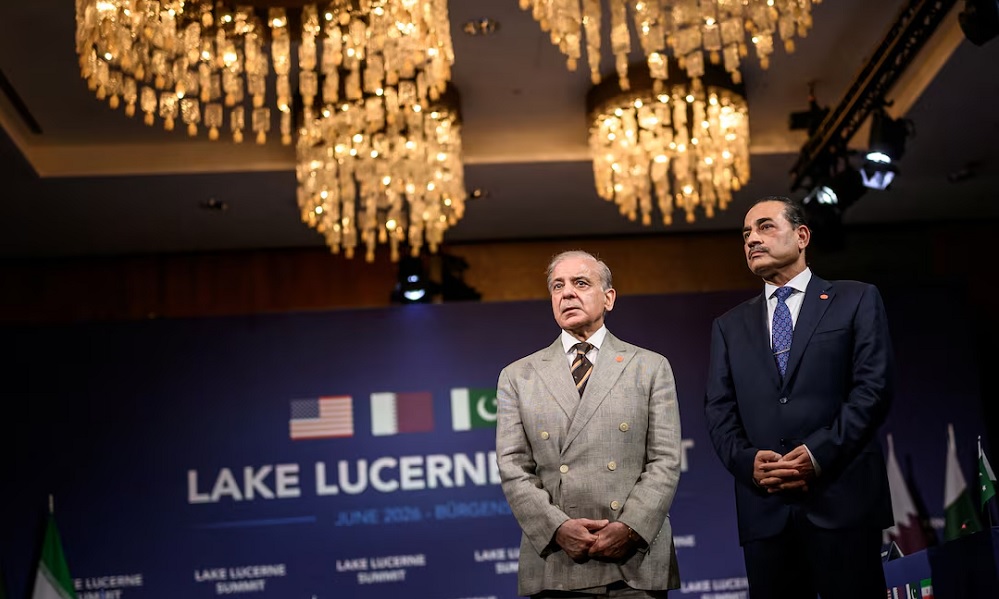
Pakistan’s leaders dread US Democrats’ win but its households are praying for it
-
 Sport3 days ago
Afghanistan thrash Senegal 6-0 to reach Dakar Youth Olympics futsal semi-finals
-
 Sport2 days ago
Portugal beat Afghanistan 2-0 in Dakar Youth Olympics futsal semi-finals
-
 Business4 days ago
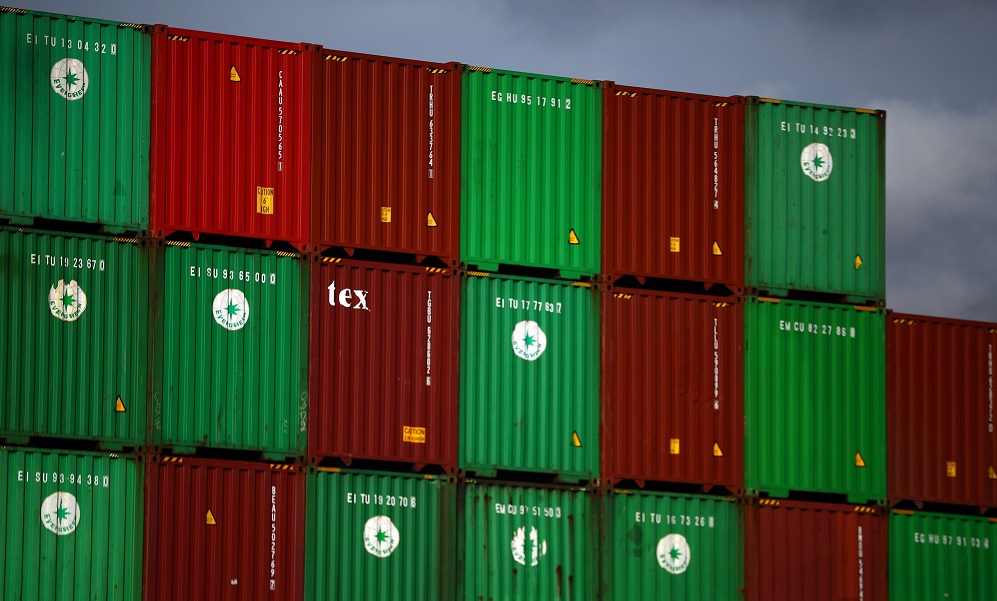
UK-Afghanistan trade falls 16.7% to £70 million over 12 months