
Latest News
2,000 hectares of land cleared of poppies in Herat: officials

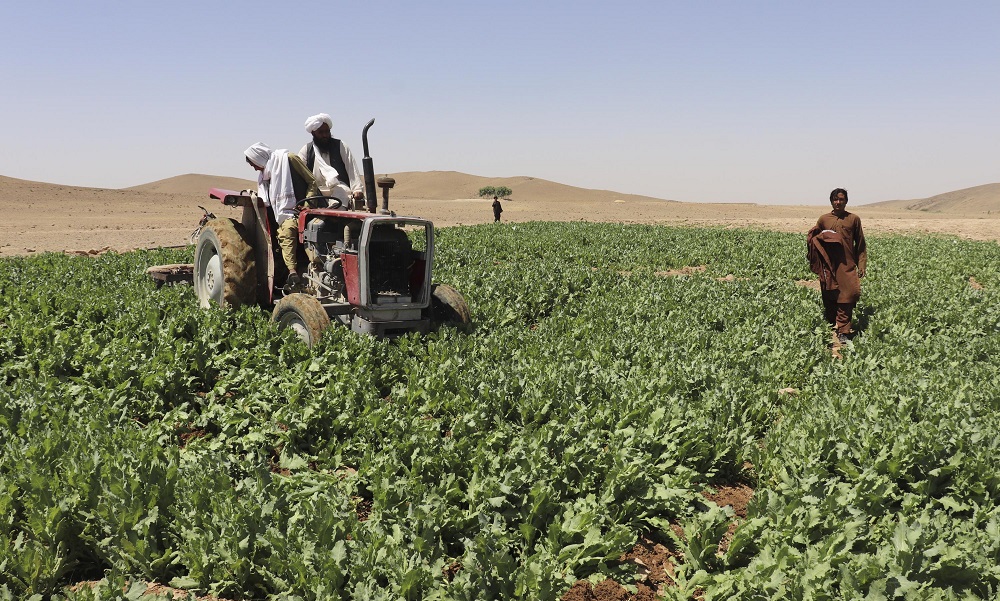
Around 2,000 hectares of poppy fields have been cleared in recent months in Afghanistan’s western Herat province, officials said Monday.
The Islamic Emirate of Afghanistan (IEA) in April announced a ban on the cultivation of poppy in Afghanistan.
“If anyone violates the decree the crop will be destroyed immediately and the violator will be treated according to the sharia law,” a decree issued by IEA’s Supreme Leader Hebatullah Akhundzada read.
Speaking at a ceremony to celebrate World Drug Day, Hayatullah Rouhani, head of counter-narcotics unit of the provincial police in Herat, assured the public of a serious fight against the cultivation and trafficking of narcotics.
He also said rehabilitation programs for drug addicts in the province was ongoing.
“Experience shows that the drug addiction rate will not decrease unless we round up drug dealers,” Rouhani said. “We have carried out nearly 250 operations in which we rounded up a large number of drug dealers and referred them for prosecution.”
Syed Mohammad Sadat, a provincial health official, said that IEA was seeking to fundamentally include drug addiction rehabilitation in the country’s public health system.
Around 70,000 drug addicts are estimated to be in Herat, mostly living on the streets and in recreation parks.
“They have a wife and children. There is no one without a family. They are addicted due to unemployment. I studied for 12 years, but look I have been forced to live on the street,” said Nazir Ahmad, one drug addict in Herat.
Experts say poverty, unemployment and easy availability of drugs have contributed to the rise in drug addiction.
Counternarcotic police say more than 200 people have been arrested in Herat on charges of drug dealing during the past 10 months. Over 1,000 kilograms of drug have been seized from them.





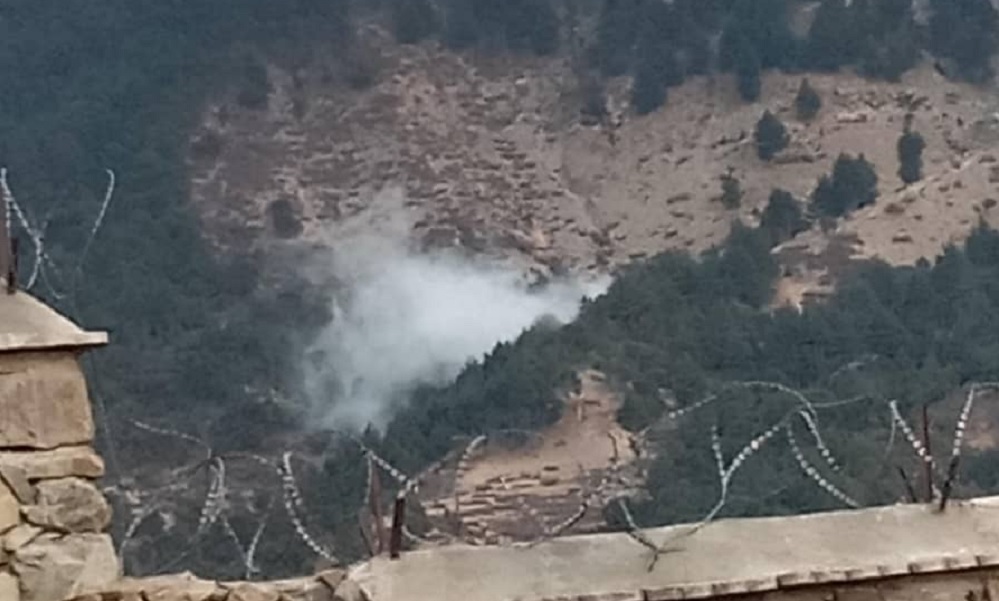
At least two civilians have been killed and eight others wounded following fresh shelling by Pakistan across the disputed Durand Line in Afghanistan’s Kunar province, local authorities said Wednesday.
Officials reported that over the past 24 hours, Pakistani forces fired approximately 85 rockets targeting residential areas across several districts, causing damage to civilian homes and heightening fears among local communities.
According to Zia-ur-Rahman Spin Ghar, head of information at the provincial Directorate of Information and Culture, the heaviest casualties were recorded in Nari district, where one civilian was killed and six others injured. In Sarkano district, another civilian lost their life, while two more people were wounded.
Additional rockets struck areas including Shultan, Marawara, and the outskirts of Asadabad. While no casualties were reported in those strikes, residents described widespread panic and property damage.
Escalating tensions
The latest incident comes amid a broader escalation in cross-Durand Line violence between Afghanistan and Pakistan in recent weeks. Residents in frontier provinces have repeatedly reported shelling, displacement, and disruption to daily life.
Spin Ghar also confirmed that Afghan forces responded with retaliatory strikes, claiming to have destroyed three Pakistani military outposts and killed one Pakistani soldier. There has been no immediate confirmation from Pakistani authorities.
Growing humanitarian concerns
The ongoing hostilities have raised concerns about civilian safety in these areas where communities often find themselves caught in the crossfire. Aid groups warn that continued shelling could lead to further displacement and strain already limited local resources.
With no clear signs of de-escalation, observers say urgent dialogue is needed to prevent further civilian casualties and stabilize the volatile region.

At the 95th Standing Committee of UNHCR, the European Union and its Member States called for urgent de-escalation of tensions between Afghanistan and Pakistan, stressing the need for dialogue and respect for international law.
In a statement, the EU urged all sides to avoid further escalation, ensure the protection of civilians, and uphold territorial integrity. It also reiterated that Afghan soil should not be used to threaten or attack other countries, calling on the Islamic Emirate of Afghanistan to take effective action against militant groups operating within or from the country.
The bloc further expressed concern over the broader humanitarian situation in Afghanistan, highlighting restrictions that continue to affect the work of international organizations and humanitarian partners.
A key issue raised was the return of more than four million Afghans from Iran and Pakistan over the past two years, which the EU said has placed additional strain on Afghanistan’s already fragile economy and public services. It voiced particular concern over forced deportations and emphasized the importance of respecting the right to seek asylum and the principle of non-refoulement.
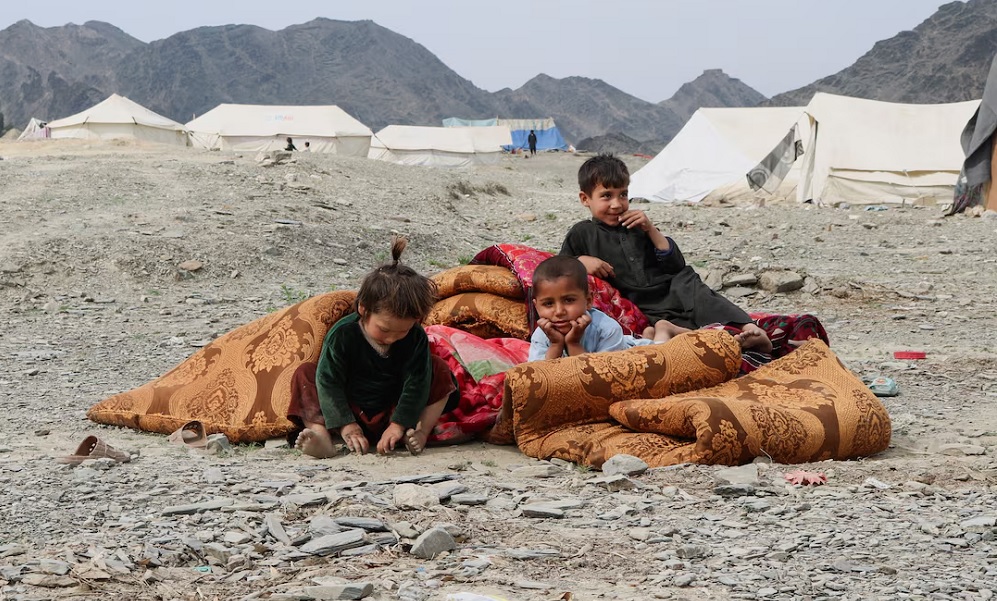
A group of religious scholars from Afghanistan and Pakistan have called on authorities in both countries to extend the pause in hostilities, initially announced for Eid ul-Fitr, until Eid ul-Adha.
The appeal comes after Attaullah Tarar, Pakistan’s Information Minister, announced a temporary ceasefire from March 18–19 midnight until March 23–24 midnight.
In a joint statement signed by 11 Pakistani clerics and as many Afghan clerics, the scholars emphasized that their initiative aims to promote a sustainable and dignified resolution to tensions between Islamabad and Kabul, Dawn newspaper reported.
The clerics urged both Pakistani authorities and the Afghan side to extend the ceasefire to allow pilgrims to perform Hajj in a peaceful environment. They added that this “peace movement” goes beyond the ceasefire appeal and includes broader diplomatic and social efforts to resolve longstanding issues between the two countries.
The scholars expressed hope that their efforts would lead to a mutually acceptable solution and help lay the foundation for lasting stability and regional harmony.


Two civilians killed, eight injured in fresh shelling by Pakistan in Kunar

EU urges de-escalation between Afghanistan and Pakistan, raises rights concerns

IPL 2026: RCB sold for $1.78 billion in landmark deal

‘Made in Afghanistan’ expo opens in Tashkent

Afghan, Pakistani clerics urge extension of ceasefire until Eid ul-Adha

Pakistani military jet downed in Afghanistan’s Jalalabad, pilot captured alive

Afghan Air Force conducts airstrikes in Islamabad, other cities

Prominent Muslim scholar issues fatwa calling for Afghanistan-Pakistan ceasefire

Afghan air force strikes key Pakistani military installations in retaliatory operation

IEA: Special circle in Pakistan has launched mission to destabilize region

Tahawol: Escalating threats between Iran-US discussed

Tahawol: Possibility of US ground forces entering Iran war discussed

Saar: Using US prisoners as political pressure

Tahawol: Pakistan’s efforts to destabilise Afghanistan

Saar: Decline in international assistance to Afghanistan
-

 Sport5 days ago
Afghanistan national buzkashi falls short in Kokpar World Championship semifinals
-
 Latest News3 days ago
Deadly violence likely without dialogue between Afghanistan and Pakistan: ICG
-

 Sport4 days ago
Ireland to host Afghanistan for ODI series in August
-
 Latest News4 days ago
Mojtaba Khamenei calls for improved Afghanistan–Pakistan relations, offers help
-
 Latest News4 days ago
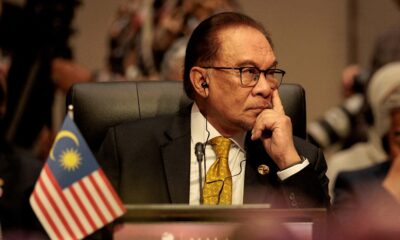
Malaysian PM welcomes temporary Afghanistan–Pakistan truce, urges lasting peace
-

 Latest News2 days ago
Pakistan seeks Russian mediation to resolve Afghanistan tensions
-

 International Sports3 days ago
FIFA World Cup 2026: Play-Off Tournament takes centre stage
-
 Sport3 days ago
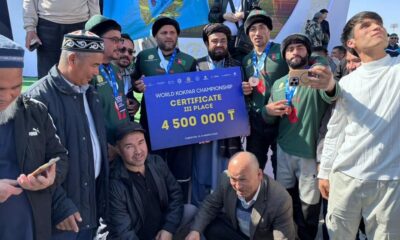
Afghanistan secures third place at 2026 World Kokpar Championship