
Latest News
40 ancient artifacts discovered in Ghor province

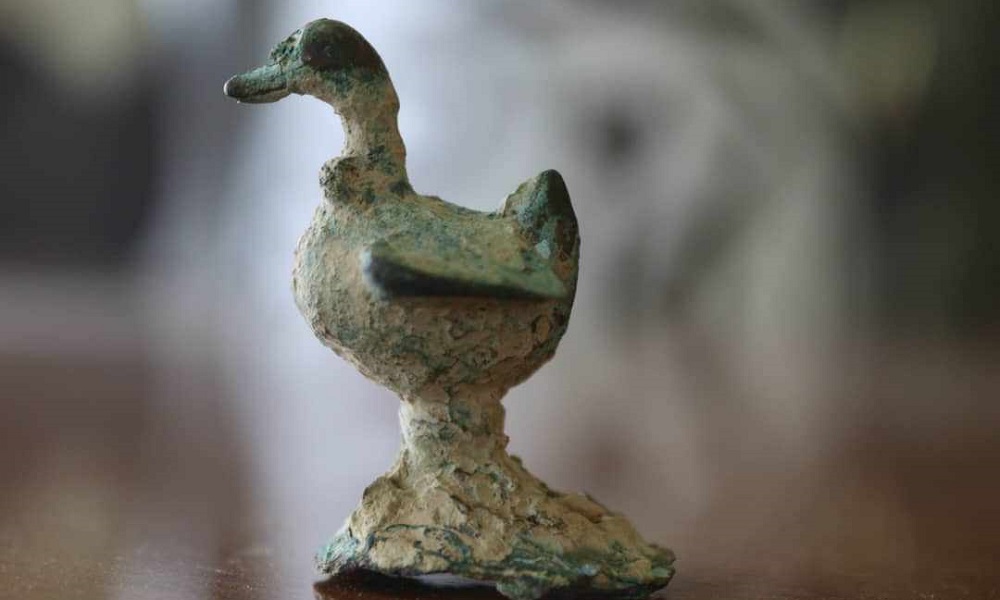
Following the recent flash floods in Ghor, 40 ancient artifacts have been discovered and confiscated in the Minaret of Jam area of this province, local officials said.
Abdul Hai Zaim, the head of information and culture of Ghor said that these artifacts were taken out from the areas around the Minaret of Jam after heavy rains, which were collected by the security forces and the local people and handed over to the government.
Zaim stated that the antiquities date back to the period of the Ghoris.
He added that these artifacts have been handed over to the local museum of Ghor province.





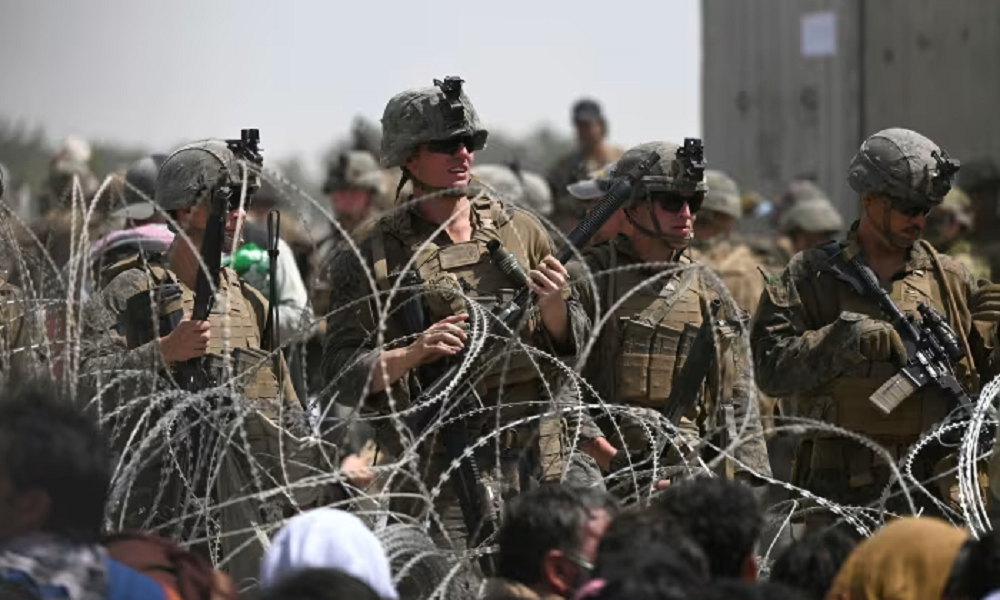
The United States has warned that the threat posed by terrorist groups, including ISIL-Khorasan (ISIL-K), remains a major concern, with instability continuing to provide opportunities for militant organizations to expand.
Speaking at a UN Security Council briefing on threats to international peace and security caused by terrorist acts, Tammy Bruce, Deputy Representative of the United States to the United Nations, said on Wednesday countering ISIL, al-Qaida and their affiliates remains a key priority for Washington.
“These groups continue to exploit instability — as evidenced by al-Qaida’s gains in the Sahel, ISIL’s growing focus on Africa, and the persistent threat from ISIL-K in Afghanistan,” Bruce said.
The remarks come as Afghan authorities have repeatedly rejected claims that terrorist organizations are operating from Afghanistan and said they will not allow the country’s territory to be used against other nations.
Latest News
Kuwait fund signs $5 million in humanitarian grants for Afghanistan, Syria
Under the agreements, $2.5 million will be allocated to the Afghanistan Humanitarian Fund and another $2.5 million to the Syria Humanitarian Fund.
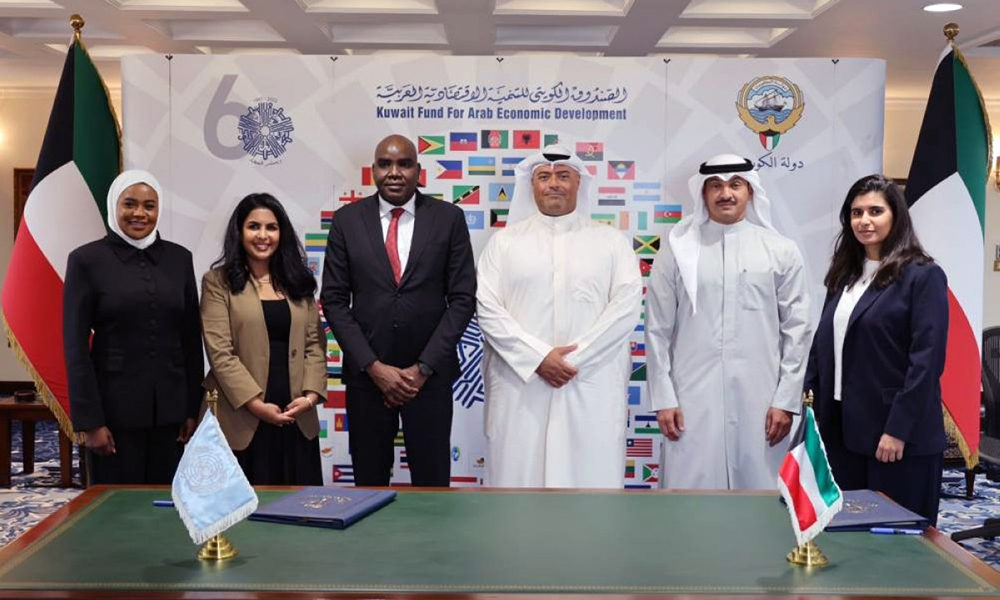
The Kuwait Fund for Arab Economic Development (KFAED) signed two grant agreements worth a combined $5 million with the United Nations Office for the Coordination of Humanitarian Affairs (OCHA) on Thursday to support humanitarian operations in Afghanistan and Syria.
Under the agreements, $2.5 million will be allocated to the Afghanistan Humanitarian Fund and another $2.5 million to the Syria Humanitarian Fund.
KFAED said the grants will help finance urgent humanitarian programs and projects aimed at addressing critical needs and providing life-saving assistance to vulnerable and affected communities.
The funding will also enable the OCHA-managed humanitarian funds in Afghanistan and Syria to respond more rapidly and flexibly to emergencies, support humanitarian partners on the ground and improve coordination of relief operations.
According to KFAED, the latest agreements reflect Kuwait’s continued commitment to international humanitarian efforts and bring its total contributions to joint projects with OCHA to approximately $16.1 million.
The agreements were signed by KFAED Acting Director General Rashid Al-Bader and OCHA representative in Saudi Arabia Mohammad Zaid.
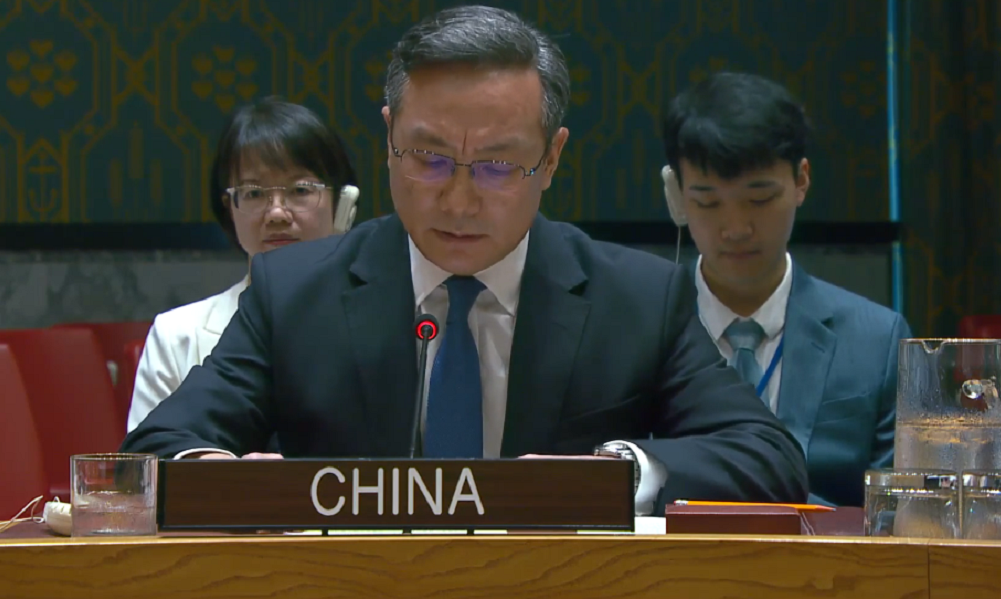
China has urged Afghan authorities to take resolute action against terrorist groups operating in Afghanistan, warning that such groups continue to pose a serious threat to the country and the wider region.
Speaking at a UN Security Council briefing on threats to international peace and security caused by terrorist acts, Sun Lei, Chargé d’Affaires of China’s Permanent Mission to the United Nations, said on Wednesday the international community should pay close attention to the counter-terrorism situation in Afghanistan.
Citing a report by the UN Secretary-General, Sun said terrorist organizations based in Afghanistan, including ISIL-Khorasan (Daesh), continue to increase their capability and intent to carry out cross-border attacks.
“China urges the Afghan authorities to honor their counter-terrorism commitments and take resolute action against all terrorist groups based in Afghanistan,” Sun said.
He also called for action against individuals and entities listed by the UN Security Council’s 1267 Sanctions Committee, warning that Afghanistan should not become a breeding ground for terrorism.
The Chinese diplomat said the international community should support Afghanistan in rebuilding its economy and improving people’s livelihoods, arguing that addressing economic challenges can help remove conditions that contribute to the spread of terrorism.
Sun added that China supports greater cooperation between Afghanistan, Central Asian countries, and regional organizations, including the Shanghai Cooperation Organization, to jointly address cross-border terrorist threats.
The remarks come as the Islamic Emirate has repeatedly denied the presence of terrorist groups in Afghanistan, saying it will not allow Afghan territory to be used against the security of any other country.


Tahawol: End of US sanctions waiver for Chabahar Port discussed

Saar: US warns of ISIL-K threat in Afghanistan discussed

US warns of persistent ISIL-K threat in Afghanistan

Kuwait fund signs $5 million in humanitarian grants for Afghanistan, Syria

China urges Afghan authorities to take ‘resolute action’ against terrorist groups

Pakistan’s governance system has ‘collapsed’: Mohsin Naqvi

India offers 1,000 online scholarships for Afghan students for 2026-27 academic year

Cricket world pays tribute to Afghanistan fast bowler Shapoor Zadran

Turkey spent over $120 million to prepare airport for Qatar-donated U.S. presidential aircraft

Thousands pay final respects as Afghan cricketer Shapoor Zadran buried in Kabul
Tahawol: End of US sanctions waiver for Chabahar Port discussed
Saar: US warns of ISIL-K threat in Afghanistan discussed

Tahawol: Limited choices of small states in global politics discussed

Saar: India’s response to Pakistan’s recent remarks discussed

Tahawol: China-Pakistan talks on Afghanistan security reviewed
-

 Sport3 days ago
Only two days to go before Afghanistan and Ireland begin ODI series
-

 Sport4 days ago
AFC confirms clubs for 2026/27 competitions; draw set for August 18
-
 Latest News1 day ago
Khalilzad says Pakistan needs ‘reset’ amid economic crisis and rising instability
-

 Latest News3 days ago
KP chief minister says Islamabad has lost control of Khyber Pakhtunkhwa and Balochistan
-
 Latest News3 days ago
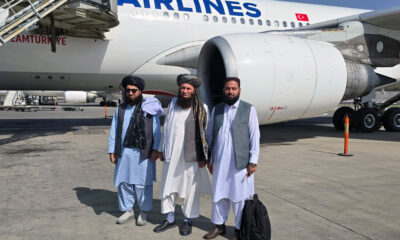
Afghan agriculture delegation visits Moldova to boost scientific cooperation
-
 Regional5 days ago
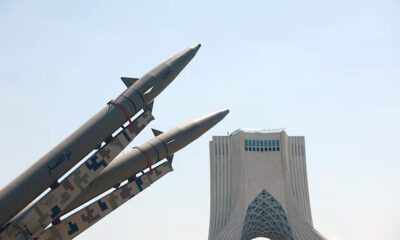
Trump says he will hold off on fresh Iran attack in hope of quick deal
-

 Climate Change4 days ago
Heavy monsoon rains claim lives across India as flooding and landslides continue
-
 Latest News4 days ago
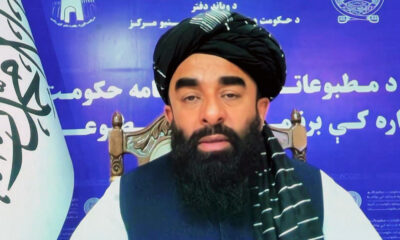
Mujahid: Afghanistan-Pakistan tensions benefit neither side