
World
Zelenskiy says ‘mercenaries’ from China, Pakistan and other countries fighting for Russia
Zelenskiy has previously accused Moscow of recruiting Chinese fighters for its war effort against Ukraine, charges Beijing denied.

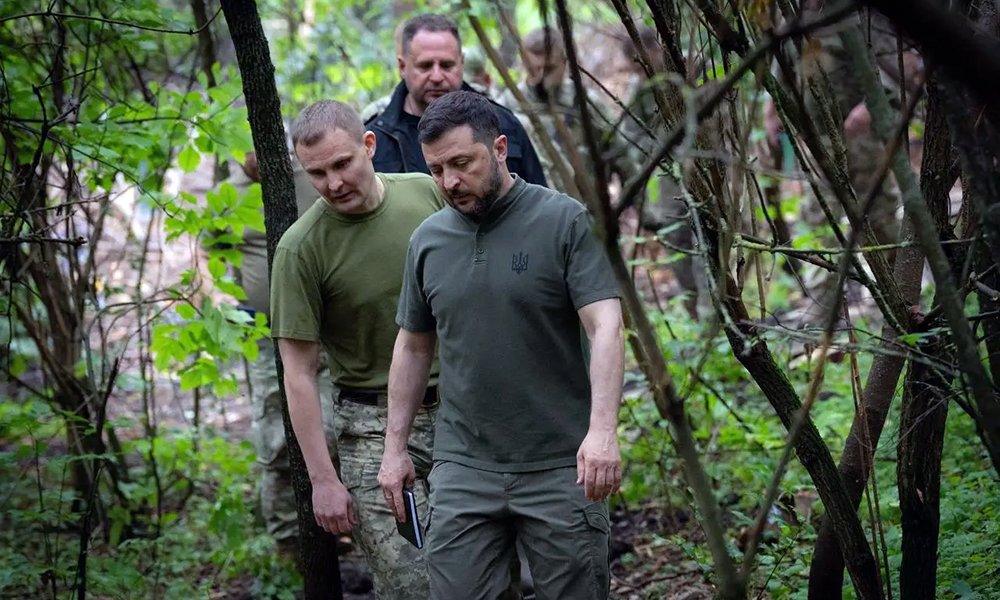
President Volodymyr Zelenskiy said on Monday that Ukrainian troops in northeastern Ukraine were fighting foreign “mercenaries” from various countries including China, Pakistan and parts of Africa, and vowed a response, Reuters reported.
Zelenskiy has previously accused Moscow of recruiting Chinese fighters for its war effort against Ukraine, charges Beijing denied, while North Korea has also provided thousands of its own troops in Russia’s Kursk region.
“We spoke with commanders about the frontline situation, the defence of Vovchansk, and the dynamics of the battles,” Zelenskiy wrote on X after visiting a frontline area in the northeastern Kharkiv region.
“Our warriors in this sector are reporting the participation of mercenaries from China, Tajikistan, Uzbekistan, Pakistan, and African countries in the war. We will respond.”
Reuters contacted the embassies of Tajikistan, Uzbekistan and Pakistan in Kyiv to request comment.
Russia did not immediately comment publicly on Zelenskiy’s comments.

World
US Army schedules Iowa explosives detonation despite public outcry
The Army has described the operation as the safest available option to eliminate the threat of a potentially uncontrolled explosion.
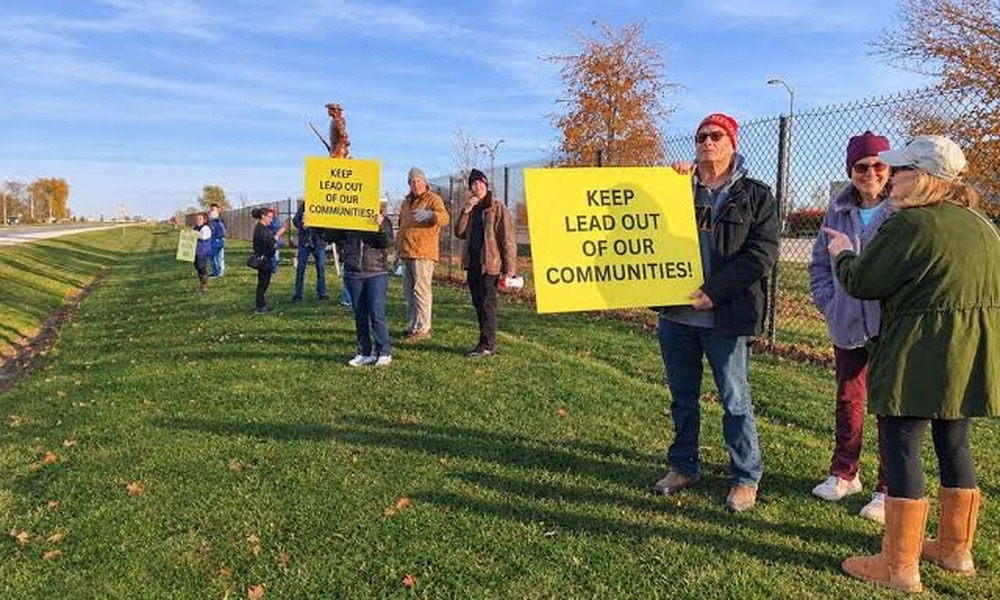
The US Army has scheduled a controlled detonation of approximately five tons of unstable explosive material at the Iowa Army Ammunition Plant for Wednesday, November 25, at 10 a.m. Eastern time, as authorities prepare for the operation amid public safety and environmental concerns.
The operation, at the facility in Middletown, Iowa, involves 68 drums containing more than 9,700 pounds of degraded lead azide, a highly sensitive explosive compound used in ammunition production.
The Army said the material had deteriorated and developed crystallisation, making it vulnerable to friction, vibration, heat and shock. Officials warned that moving or chemically neutralising the material could create an unacceptable risk of an accidental explosion.
Following consultations involving several federal agencies, military explosive ordnance disposal specialists are expected to carry out the controlled detonation at the site.
The Army has described the operation as the safest available option to eliminate the threat of a potentially uncontrolled explosion.
The Army has established a series of safety measures to limit the spread of lead particles during the operation. These include concrete and sand barriers around the storage bunkers, water tanks, foam and gel systems designed to contain debris and reduce airborne contamination.
Authorities have recommended that residents of Middletown and surrounding affected areas within a five-mile zone southwest of the facility relocate temporarily. The Federal Emergency Management Agency (FEMA) is providing temporary accommodation, transport, food and other assistance.
Residents outside the evacuation zone but within the wider advisory area have been urged to remain indoors, close windows and doors, and switch heating and air-conditioning systems to recirculation mode to limit exposure to airborne particles.
The operation has raised concerns among residents, environmental groups and local officials over potential lead contamination, public health risks and the handling of the ageing explosive stockpile. Legal challenges were also brought against the planned operation, but a federal appeals court cleared the way for the Army to proceed.
The Army and Environmental Protection Agency (EPA) have said monitoring teams will collect air, soil and water samples before and after the detonation to assess any environmental impact.
World
Trump to meet NATO Chief Mark Rutte in Florida amid tensions over Ukraine peace talks
The upcoming meeting also comes as European countries push to be included in U.S.-backed negotiations aimed at ending Russia’s war in Ukraine.
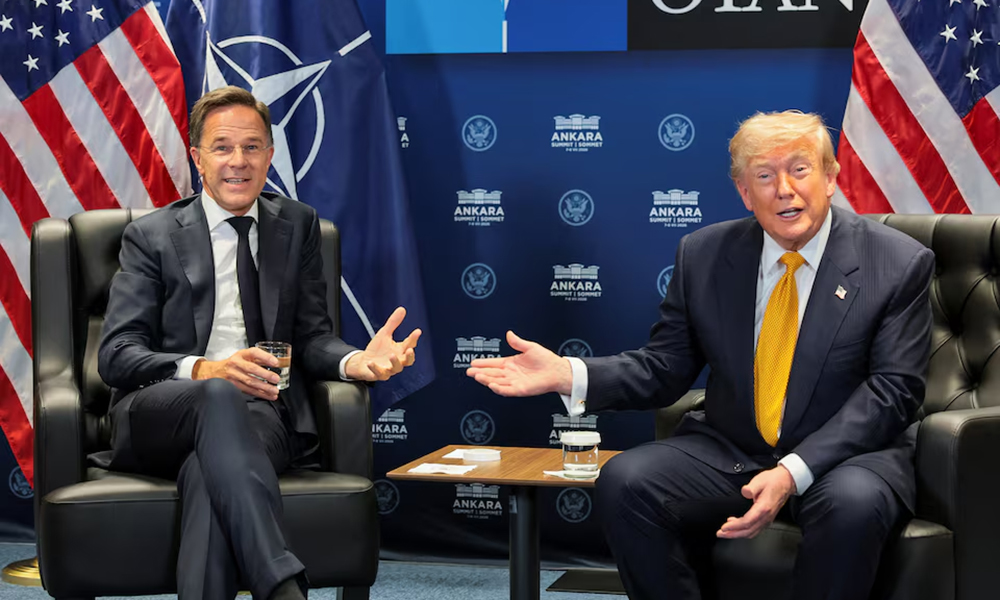
U.S. President Donald Trump is scheduled to meet NATO Secretary-General Mark Rutte in Florida on Wednesday, the White House has announced, as tensions continue over Europe’s role in efforts to end Russia’s war in Ukraine.
According to Reuters, the meeting will take place late Wednesday afternoon in Palm Beach, Florida, following Trump’s meetings with Russian President Vladimir Putin and Chinese President Xi Jinping during his recent visit to Asia.
Trump, who has repeatedly criticized Washington’s Western allies over NATO defence spending, trade tariffs and their support during the U.S.-Israeli war on Iran, described both Putin and Xi as his “friends” during last week’s summit.
His meeting with Putin sparked criticism from European allies and Democratic opponents in the United States.
Rutte, who has sought to ease tensions within NATO and maintain close ties with Trump, said meetings between major nuclear powers were normal.
The upcoming meeting also comes as European countries push to be included in U.S.-backed negotiations aimed at ending Russia’s war in Ukraine.
Last week, U.S. special envoy and Trump’s son-in-law Jared Kushner said Trump was open to security guarantees for Ukraine based on NATO’s Article 5 collective defence commitment. Kushner also said Russia had become “comfortable” with such an arrangement.
Ukrainian President Volodymyr Zelenskyy, who has faced criticism from Trump, has stressed that Europe must be included in any peace negotiations.
World
Ukraine sinks Russian warship in Libya as conflict spreads beyond Europe
Zelenskiy said a Russian Ka-27 combat helicopter had been destroyed along with the corvette. Russia’s Defence Ministry did not immediately comment.
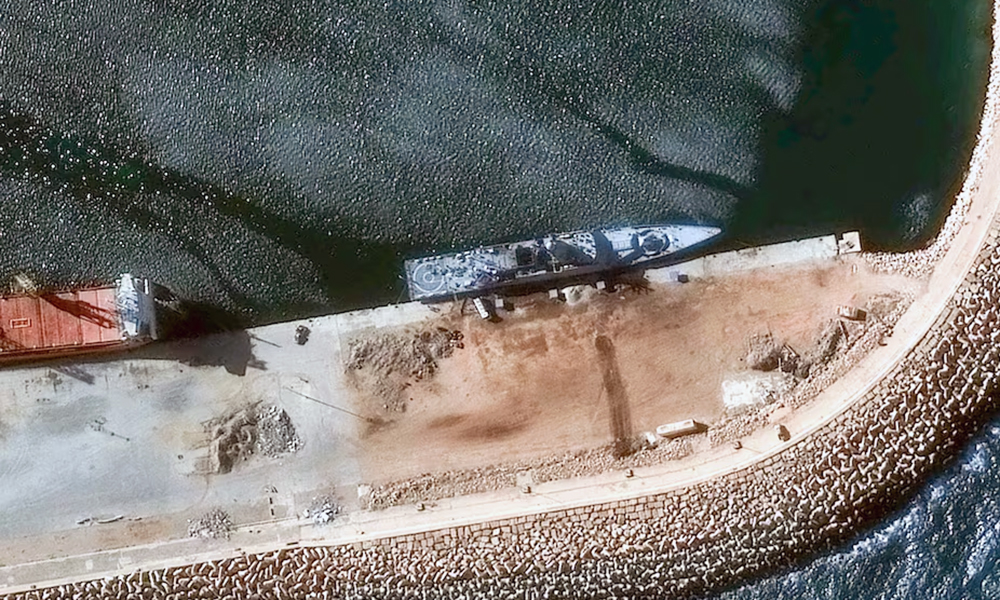
Ukraine sank a Russian naval corvette in a Libyan port using naval drones on Sunday, the day after a drone strike on a Russian military-linked cargo ship in the Gulf of Finland, President Volodymyr Zelenskiy said.
Zelenskiy said on Monday morning that Ukraine used seven naval drones in Sunday’s attack, and had also hit the Russian dry cargo ship MV Angara, which he said Russia had used to transport weapons.
“Despite all the enemy’s attempts to counter the attack, the Russian corvette ‘Mercury’ was sunk,” Zelenskiy posted on Telegram, the first official acknowledgement that Ukraine has carried out an attack in Libya.
“We continue operations in designated waters.”
Zelenskiy said a Russian Ka-27 combat helicopter had been destroyed along with the corvette. Russia’s Defence Ministry did not immediately comment.
After a civil war, eastern Libya is controlled by military commander Khalifa Haftar, whose Libyan National Army has ties with Russia, while the west is controlled by an internationally recognised Government of National Unity based in Tripoli.
Libya’s eastern-based government said the corvette was docked at the Benghazi naval base on Sunday when it was hit.
The Institute for the Study of War said it had stopped for several days, under a cooperation agreement, to refuel and resupply as it escorted Russian cargo ships that can carry military supplies heading for Russia.
Osama Hamad, prime minister of Libya’s eastern-based government, said he had asked the UN to investigate “suspicions that the boats had been launched from western Libya” and to verify the presence of Ukrainian military experts there. No comment was immediately available from the Tripoli government.
Russia’s Transport Ministry said in March that Ukrainian naval drones launched from Libya had attacked the Arctic Metagaz, which was carrying liquefied natural gas from Murmansk. Libya’s maritime agency reported that the vessel had sunk between Libya and Malta after catching fire. Kyiv has not claimed responsibility for that attack.
On Saturday, a drone attack set fire to another Russian cargo ship, the Sparta II, operated by the Russian defence logistics firm Oboronlogistika, in international waters in the Gulf of Finland.
The Finnish military said it was likely to have been carried out by Ukraine, although Kyiv did not immediately comment. All 16 crew were evacuated onto a nearby Russian ship, one of them slightly injured.
Kremlin spokesman Dmitry Peskov responded to a question about the attack by saying there was a “dangerous trend of increasing terrorist activity” in the Baltic Sea. He said Moscow hoped states in the area would warn Kyiv off such operations.
Russian, Estonian and Finnish vessels fought the fire after the Sparta II drifted into Finnish waters, and a Russian ship began towing it away on Sunday.
US-backed talks between Russia and Ukraine resumed this month after a nine-month hiatus in an effort to end the war, Europe’s biggest since World War Two, albeit with little result so far.
Mykola Bielieskov of the National Institute for Strategic Studies in Kyiv said Ukraine was looking to strengthen its position with “horizontal escalation”.
“Since neither side is able to compel the other to accept terms of settlement through the battlefield only, both try to find new ways to pressure each other,” he said.


ASQA stresses standards compliance in Emirati Olive Company products
US Army schedules Iowa explosives detonation despite public outcry
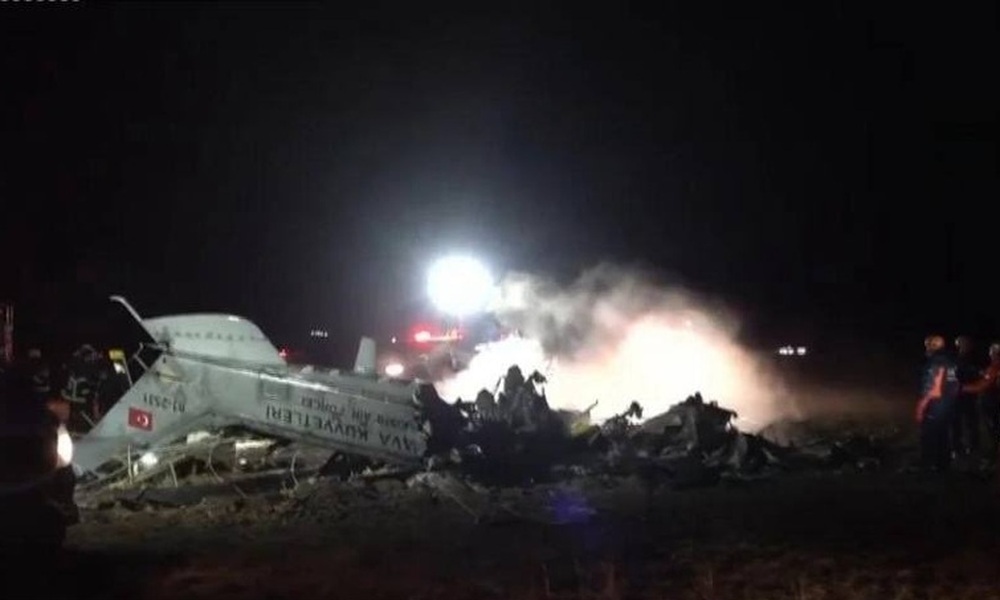
Five killed in Turkish military helicopter crash in western Turkiye
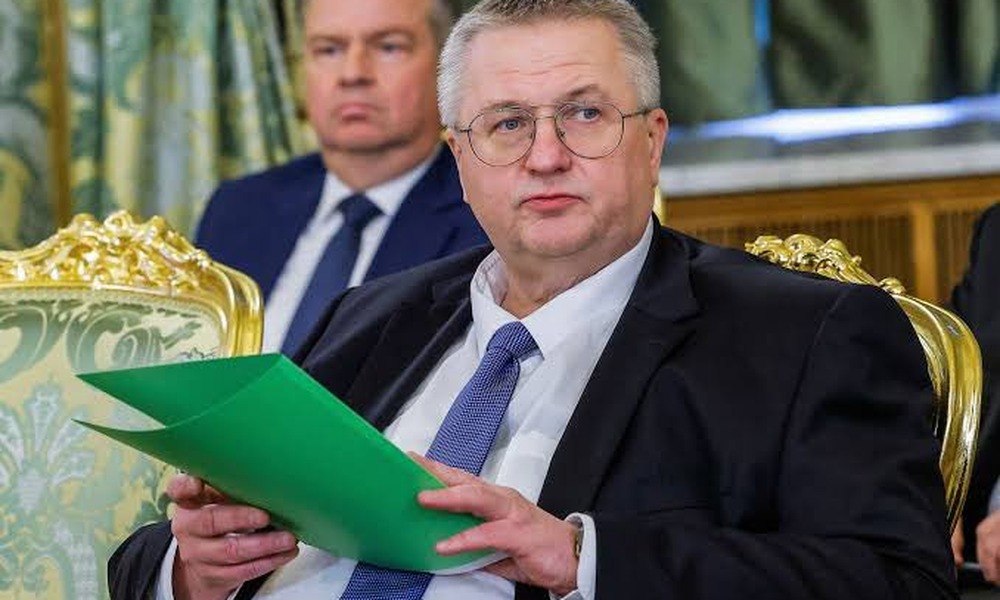
Russia agrees to supply Afghanistan with $200 million worth of goods
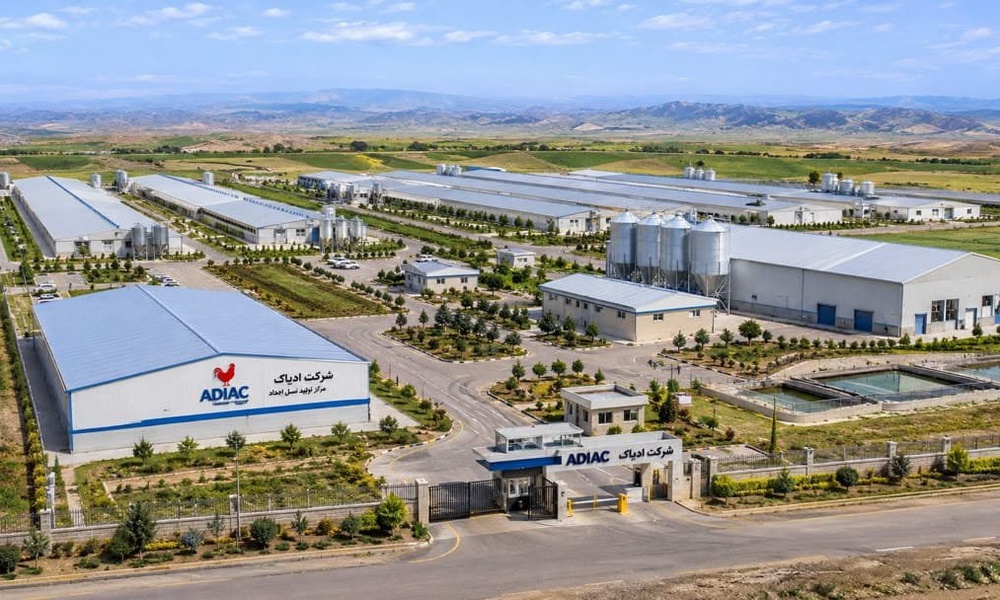
$7 million poultry farm opens in Herat, creating 600 jobs

US sanctions and blockade measures disrupt Iran’s trade with Afghanistan and regional neighbors
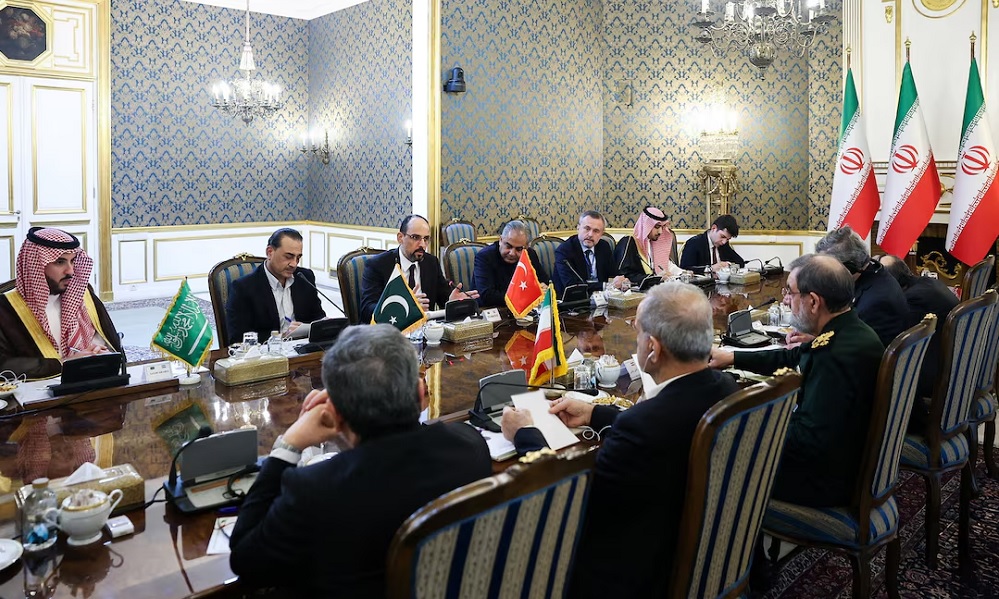
Saudi defence pact countries push for peace in Tehran as Houthis launch more attacks

England forward Kane crowned Ballon d’Or winner

Afghanistan to launch nationwide polio vaccination campaign

Afghanistan futsal team thrash Panama 5-0 in flying start to Dakar Youth Olympics
Five killed in Turkish military helicopter crash in western Turkiye

Tahawol: Discussion on shifting views within Pakistan
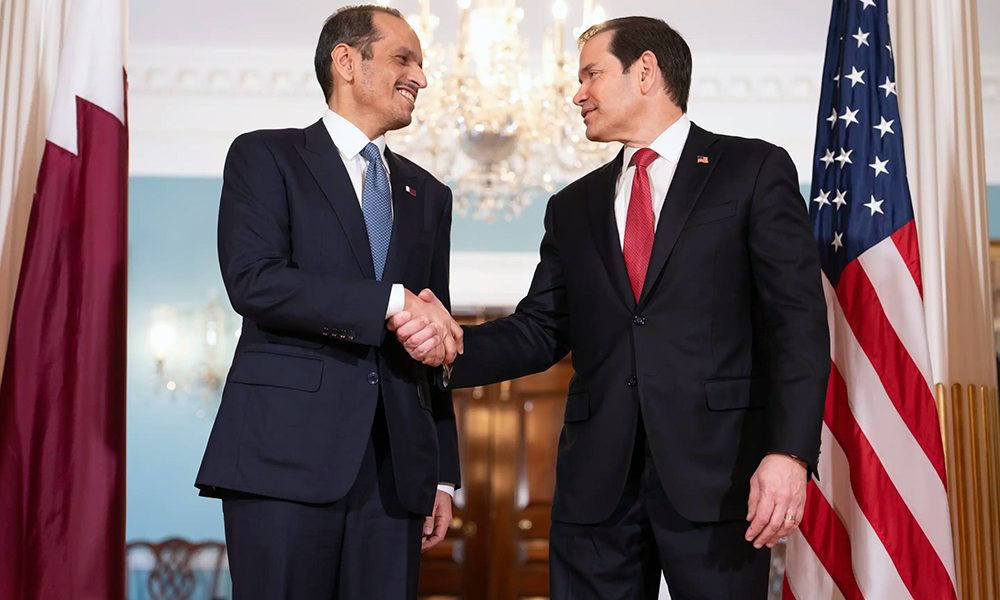
Qatar warns Middle East cannot afford renewed US-Iran escalation

Saar: Return of millions of Afghans to their homeland

Saar: Pakistan FM’s remarks on Afghanistan
-
 Latest News4 days ago
US judge questions Trump administration’s policies targeting refugees
-
 Latest News2 days ago
SNEAKO claims US authorities questioned him for eight hours after Afghanistan visit
-
 Sport5 days ago
ATN hosts AFPL Season 5 draw and 2025 futsal awards ceremony
-
 Latest News4 days ago
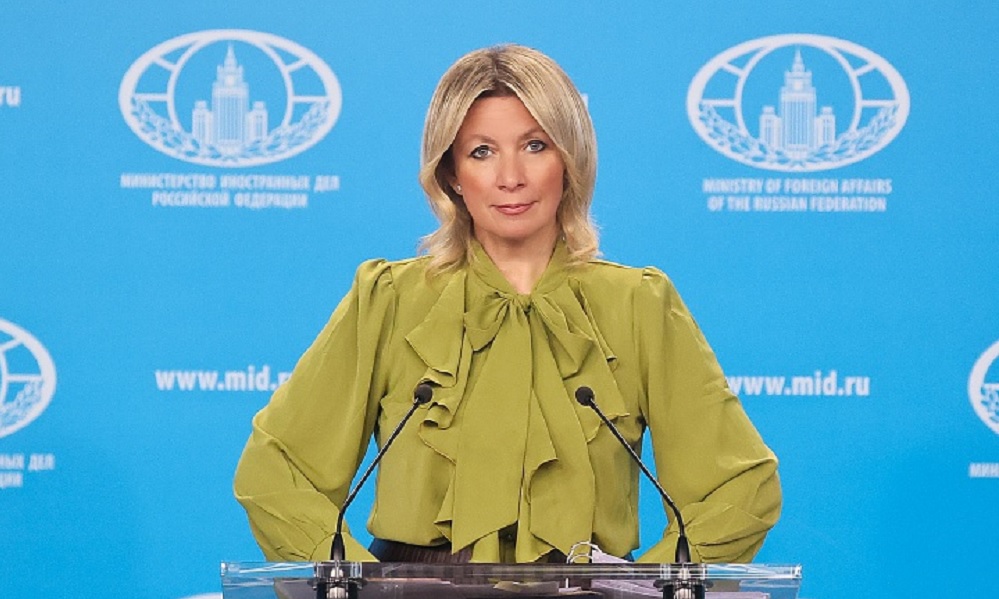
Russia reiterates readiness to facilitate talks between Afghanistan and Pakistan
-
 Regional4 days ago
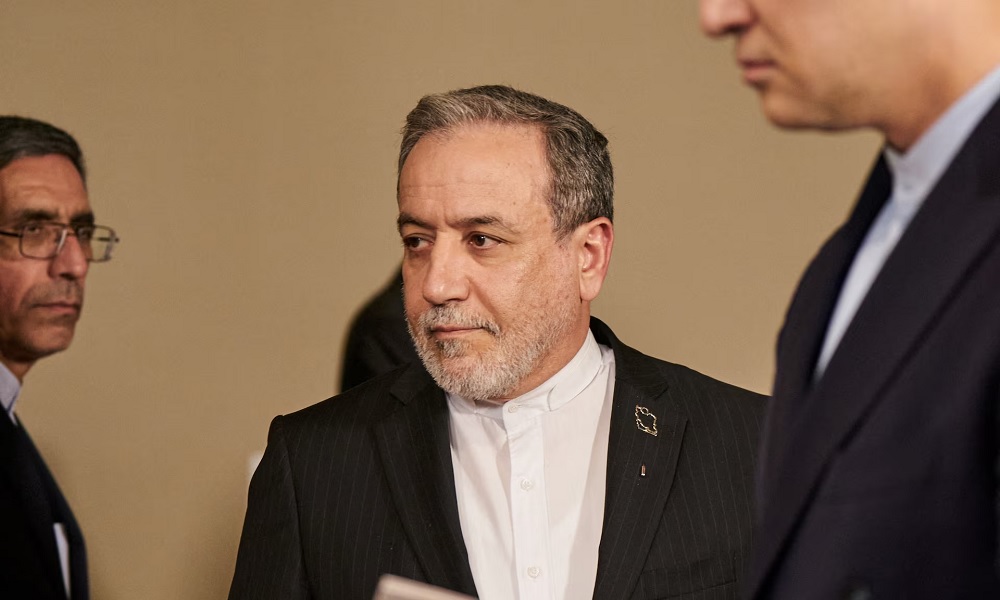
Araqchi says Iran wants diplomacy to end war, Trump says terms unacceptable
-
 Science & Technology4 days ago
Astronomers observe a huge puffy star merge with smaller companion
-
 Latest News3 days ago
AfD leader calls for return of 2.6 million foreigners from Germany
-
 Latest News4 days ago
Bagram belongs to Afghanistan, not the United States: Anas Haqqani