
Business
Turkmenistan aims to start gas supplies to Afghanistan via TAPI by 2027
Once operational, the pipeline is expected to boost regional connectivity, generate transit revenues for Afghanistan, and strengthen energy cooperation across South and Central Asia.

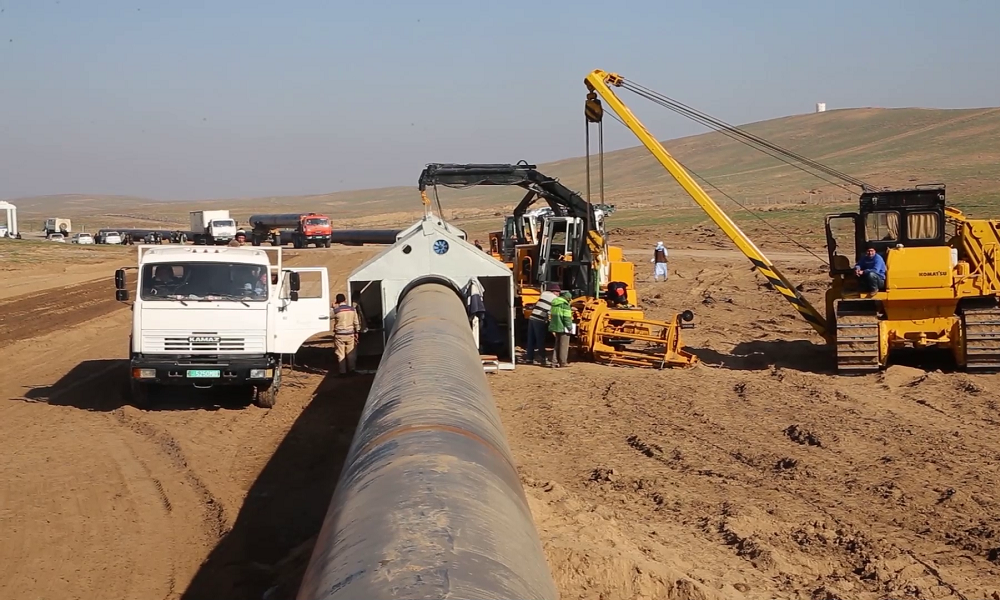
Turkmenistan plans to begin supplying natural gas to Afghanistan through the Turkmenistan-Afghanistan-Pakistan-India (TAPI) pipeline by early 2027, according to Muhammetmyrat Amanov, General Director of TAPI Pipeline Company Limited.
Speaking at the Oil and Gas of Turkmenistan – 2025 International Conference and Exhibition, Amanov said construction on the Afghan section of the pipeline is progressing steadily. “Our plan is to complete construction work by the end of next year and begin gas supply either at the end of next year or at the beginning of 2027,” he stated.
Amanov also noted significant progress in talks with Pakistan on finalizing key agreements necessary for the project’s implementation. “We are working to secure Pakistan’s participation in signing agreements that will safeguard future investments and provide confidence to investors, financial institutions, and government agencies,” he said, adding that more than 90 percent of the negotiation process has been completed and is expected to conclude in the first half of 2026.
The TAPI project, considered a cornerstone of regional economic integration, aims to transport up to 33 billion cubic meters of natural gas annually from Turkmenistan’s massive Galkynysh field. Under the project’s framework, Afghanistan will receive 5 billion cubic meters, while Pakistan and India will each receive 14 billion cubic meters.
Construction of the 214-kilometer Turkmen section of the pipeline has already been completed, while work on the 153-kilometer Afghan segment between Torghundi and Herat began in September 2024 and is currently ongoing.
Once operational, the pipeline is expected to boost regional connectivity, generate transit revenues for Afghanistan, and strengthen energy cooperation across South and Central Asia.

Business
Afghanistan approves new foreign investment policy in bid to attract international investors
The decisions have been forwarded to the office of the Supreme Leader of the Islamic Emirate for final approval.
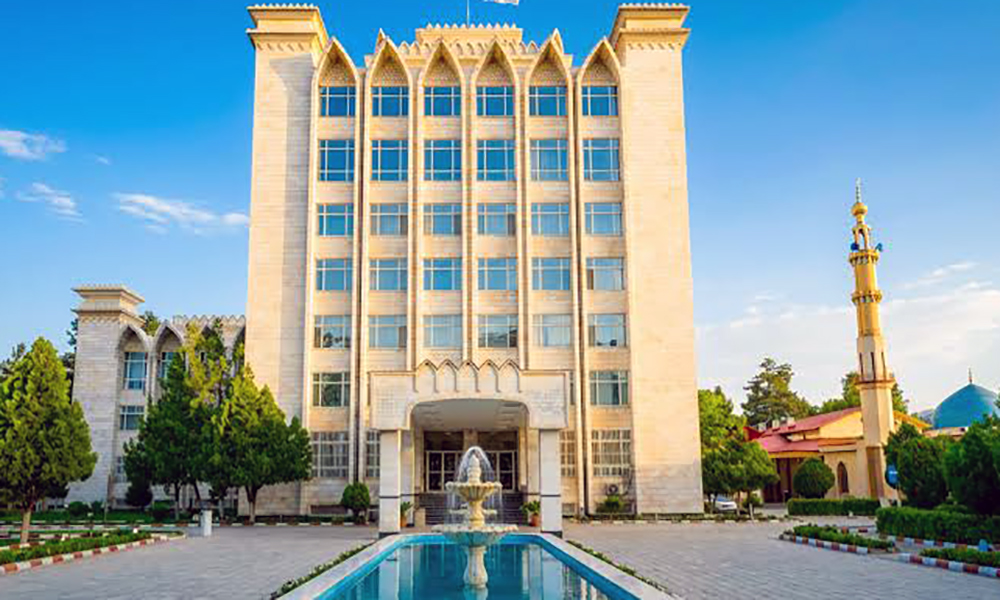
Afghanistan’s Economic Commission has approved a new foreign investment policy aimed at attracting international investors, improving investment opportunities and supporting the country’s economic growth.
The decision was made during the commission’s regular meeting, chaired by Mullah Abdul Ghani Baradar, Deputy Prime Minister for Economic Affairs, at the Marble Palace on Monday.
According to the Deputy Prime Minister’s Office for Economic Affairs, the proposed policy was presented by a committee established under the leadership of the economic deputy office. Following a comprehensive review and consideration of the commission’s recommendations, the policy was approved.
The policy aims to regulate foreign investment activities, facilitate investment procedures, create a favourable environment for investors, ensure investment security and promote Afghanistan’s economic growth and development.
During the meeting, the commission also approved a proposal concerning the payment of fixed taxes by commercial import companies at the country’s customs offices.
Officials said implementing the proposal would create additional facilities and simplify procedures for importing businesses.
The decisions have been forwarded to the office of the Supreme Leader of the Islamic Emirate for final approval.
Business
Afghanistan and Iran discuss boosting trade and investment ties
Both sides agreed to follow up on the issues raised, improve coordination between relevant economic institutions and work towards removing barriers to trade.
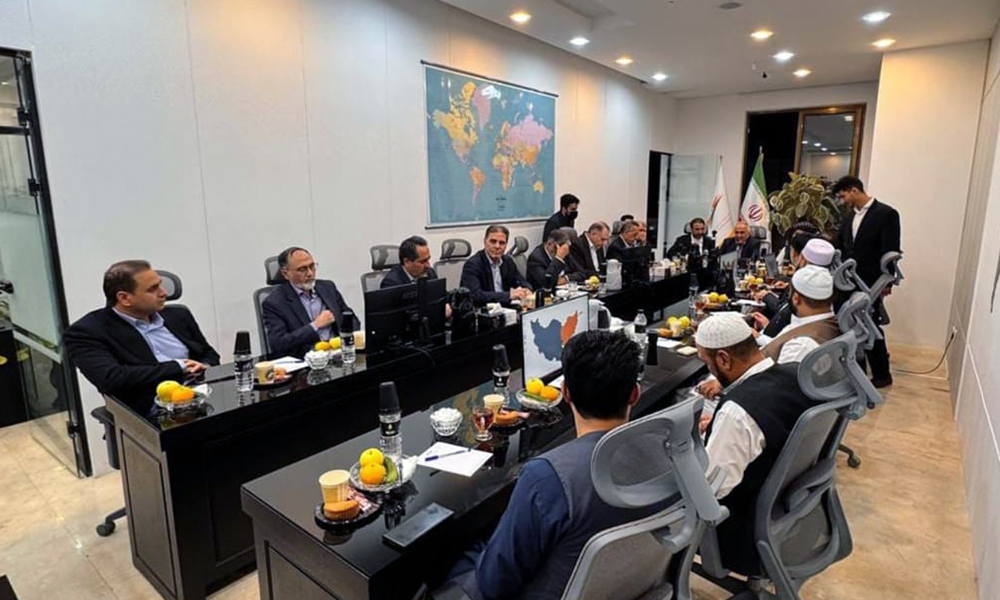
Afghanistan and Iran have held talks on expanding bilateral trade, improving cross-border commerce and creating new investment opportunities for businesses in both countries.
The discussions took place during a meeting between a trade delegation from Afghanistan’s Kandahar province and representatives of the Iran-Afghanistan Joint Chamber of Commerce.
The Afghan delegation was led by Kamaluddin Tawhid, Chairman of the Afghanistan-Iran Joint Chamber of Commerce, who met with his Iranian counterpart, Mahmoud Seyadat, along with members of the chamber’s board of directors. Afghanistan’s Consul General in Mashhad, Noor Mohammad Mutawakkil, also attended.
The talks focused on strengthening economic cooperation, streamlining trade procedures at ports and border crossings, and encouraging joint investment by Afghan and Iranian companies.
Participants also raised several practical obstacles affecting commercial activities, including foreign exchange obligations, visa arrangements for Afghan truck drivers and the movement of Afghan freight vehicles through Iranian territory.
Tawhid highlighted Kandahar’s economic potential and investment opportunities across Afghanistan, urging Iranian businesses to play a greater role in the country’s economy.
He also pointed to investment opportunities identified by Afghanistan’s Ministry of Industry and Commerce, stressing the need for improved facilities for private-sector businesses and closer cooperation between the two countries’ commercial communities.
Both sides agreed to follow up on the issues raised, improve coordination between relevant economic institutions and work towards removing barriers to trade.
The meeting concluded with a commitment to strengthen commercial exchanges and expand trade and investment relations between Afghanistan and Iran.
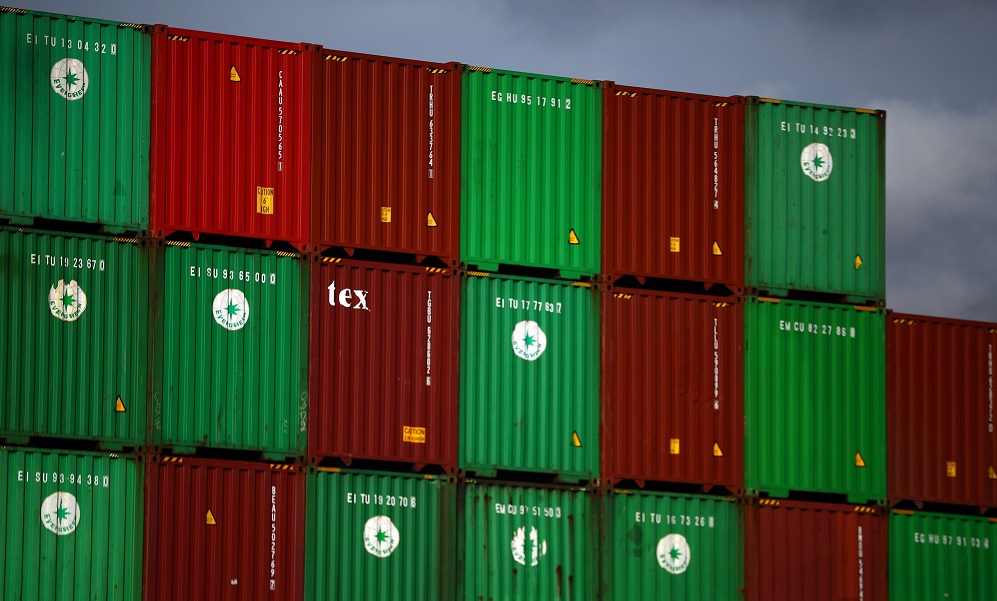
Trade in goods and services between the United Kingdom and Afghanistan declined by 16.7 percent to £70 million in the 12 months to the end of June 2026, according to the latest figures published by the UK Department for Business and Trade.
The department’s trade and investment factsheet, released on November 6, shows that bilateral trade fell by £14 million compared with the same period a year earlier.
UK exports to Afghanistan totalled £57 million, down 18.6 percent or £13 million, while imports from Afghanistan stood at £13 million, representing a 7.1 percent decline.
The figures show that goods accounted for £32 million, or 45.7 percent, of total trade, while services made up the remaining £38 million, or 54.3 percent.
UK exports to Afghanistan included beverages, pharmaceutical products, dairy products, road vehicles and industrial machinery.
Vegetables and fruit were the leading Afghan goods exports to the UK, worth £1.7 million. Clothing and textile fabrics were also among the main products exported.
The report ranks Afghanistan as the UK’s 166th-largest trading partner, accounting for less than 0.1 percent of the UK’s total trade during the period.

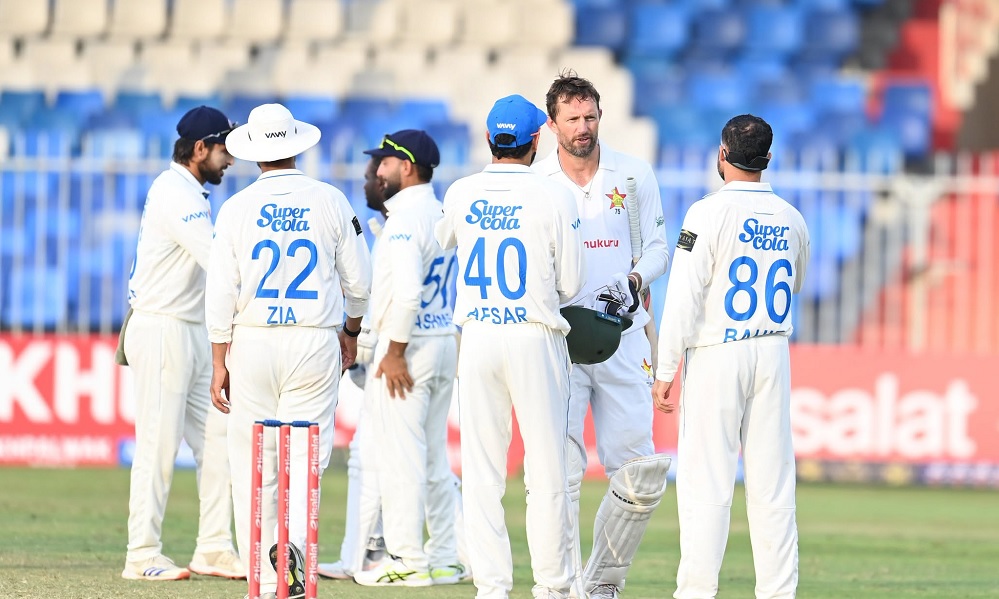
First Test between Afghanistan and Zimbabwe ends in a draw
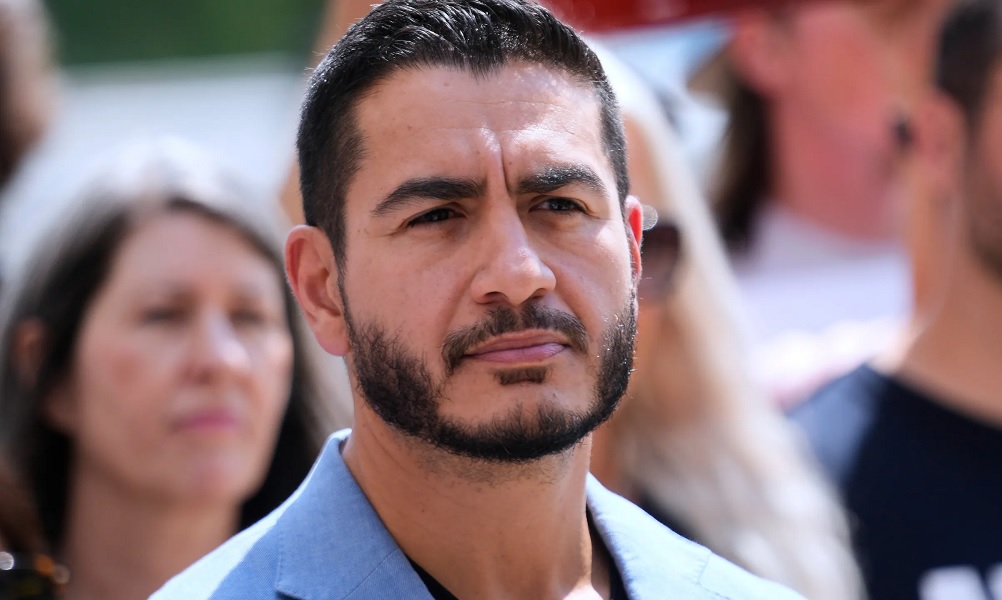
First Muslim US senator-elect El-Sayed calls for review of aid to Pakistan

Portugal beat Afghanistan 2-0 in Dakar Youth Olympics futsal semi-finals
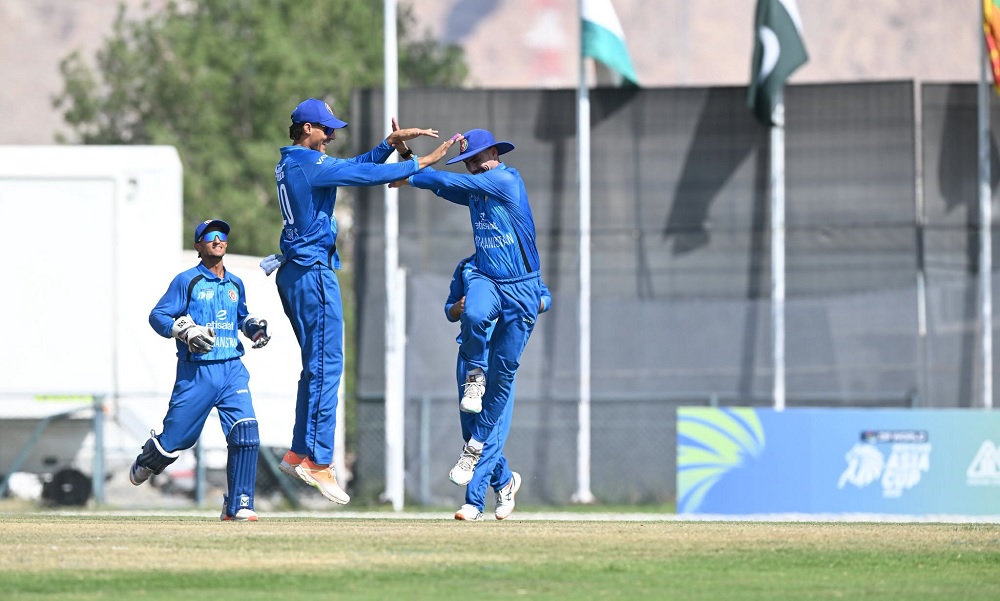
Afghanistan beat Sri Lanka by 106 runs in Under-19s Asia Cup
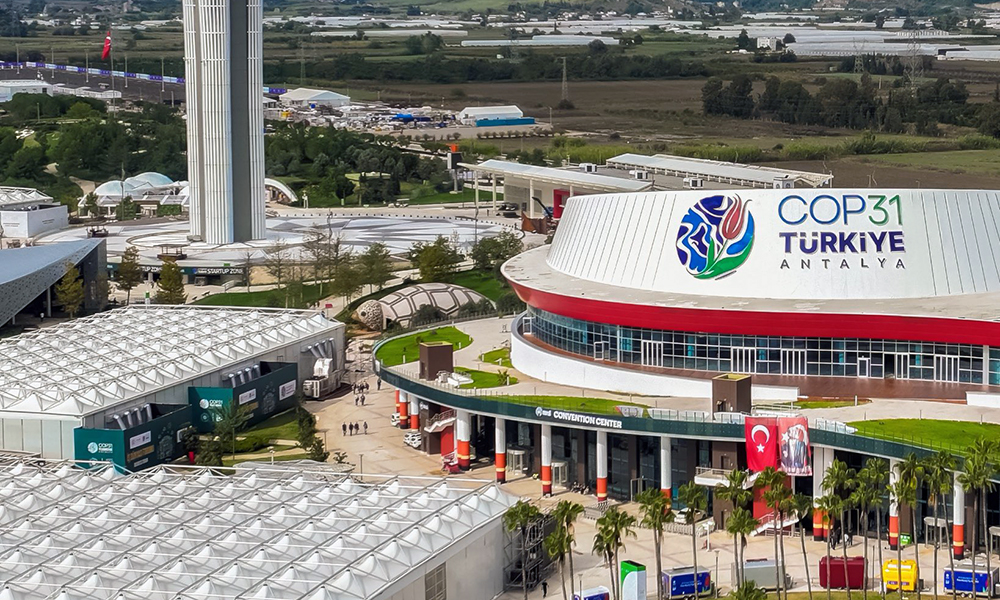
COP31 opens in Türkiye: World leaders urged to turn climate promises into action

Afghanistan finish runners-up after 6-0 defeat to Brazil in futsal final

Trump says US may strike Iran’s ‘Pickaxe Mountain’ nuclear facility

Afghan futsal coach: Brazil tournament is first step towards new goals and World Cup

Houthis warn airlines to avoid Saudi airports after deadly Riyadh attack

Pakistan deploys military to Peshawar after emergency rule declared
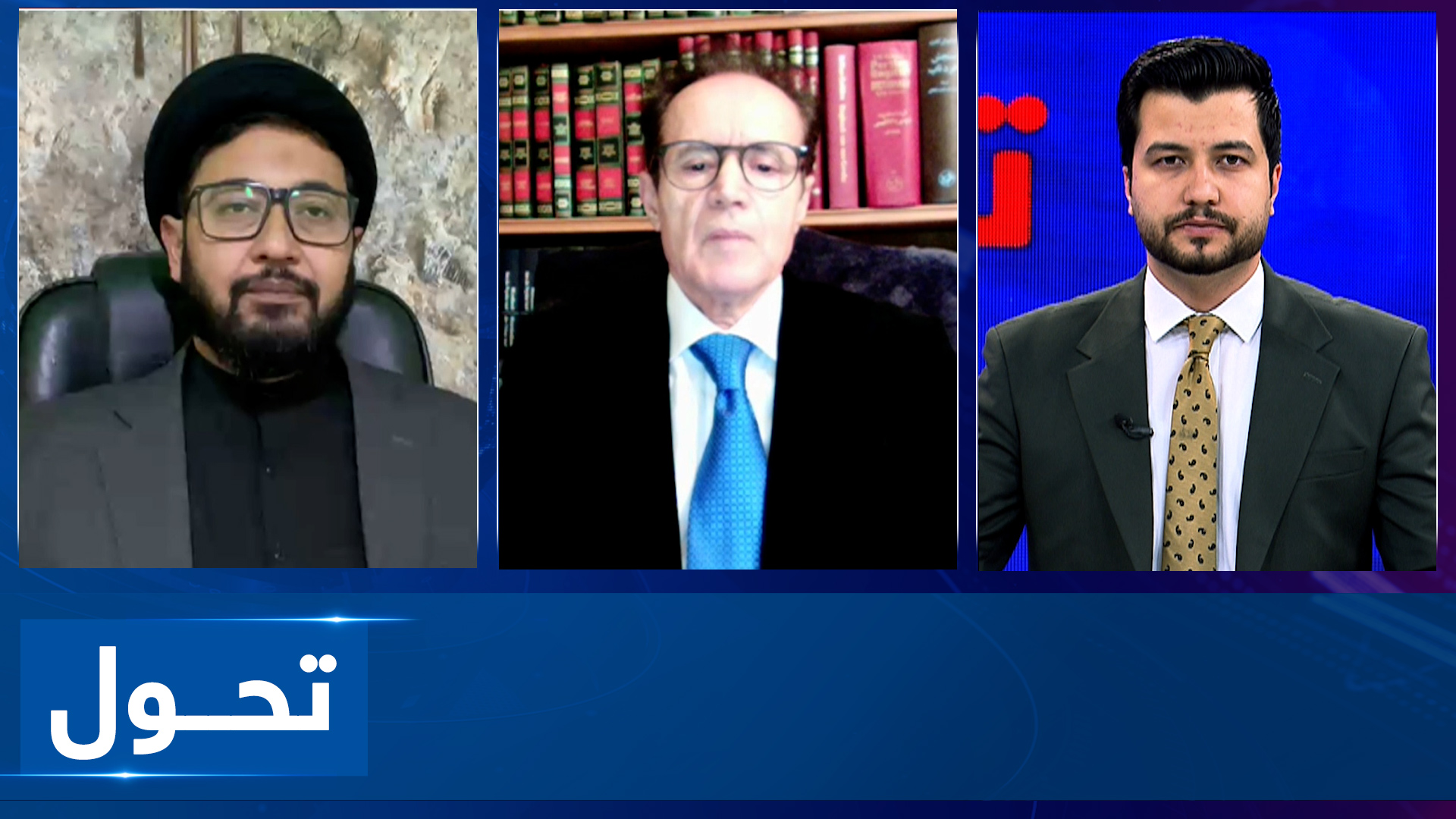
Tahawol: Geopolitical developments in the Middle East
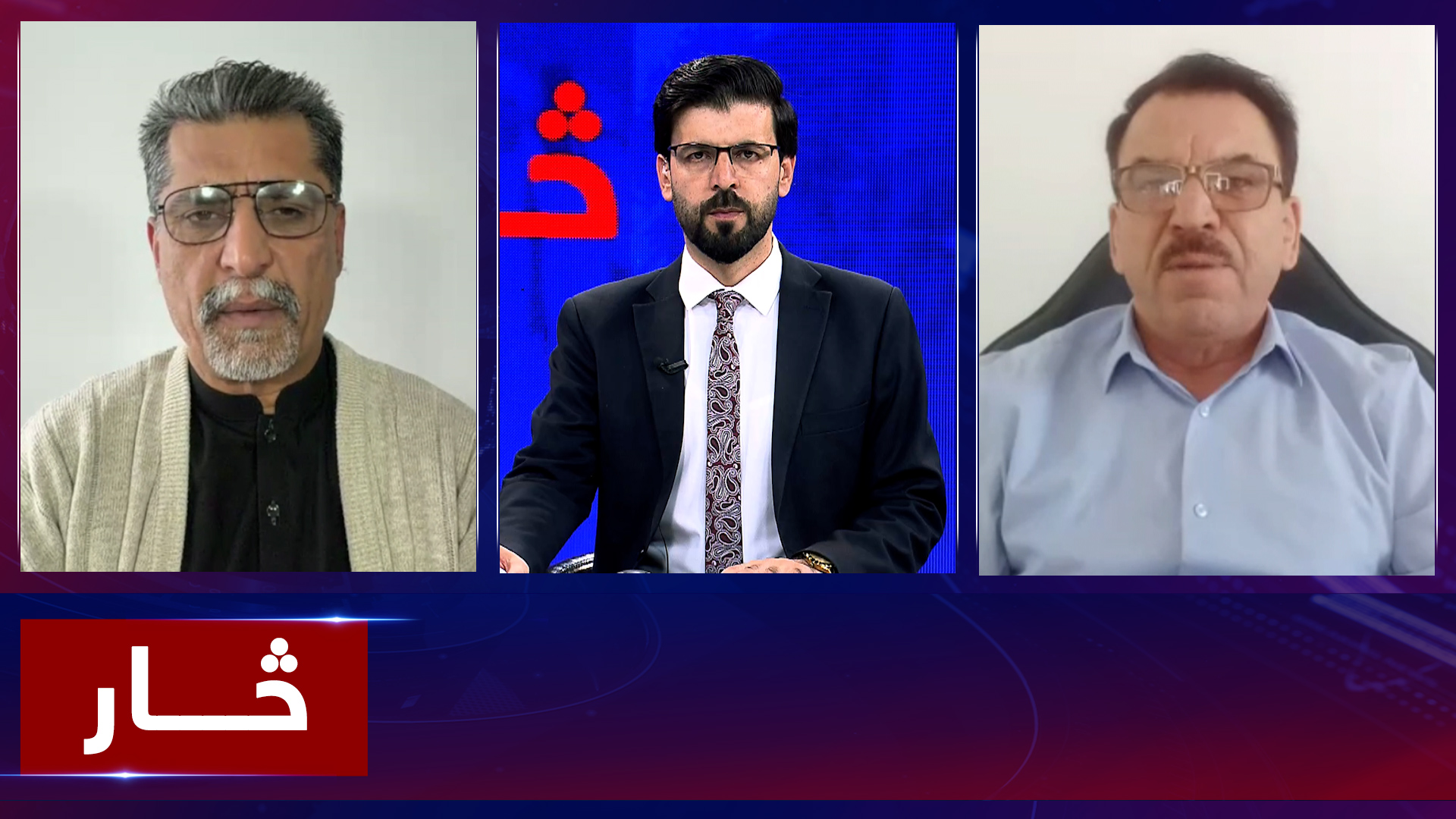
Saar: EU’s engagement with Afghanistan
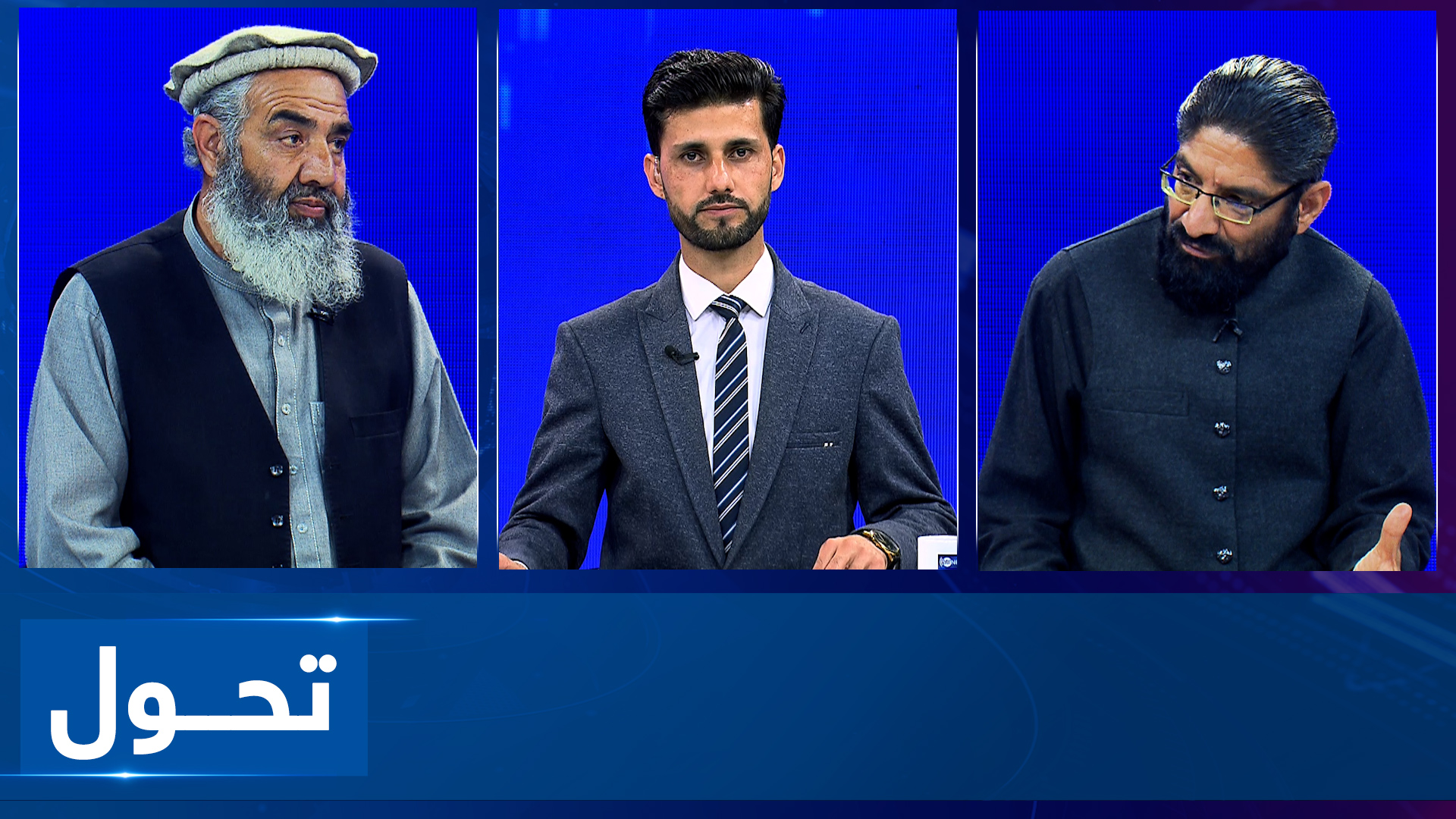
Tahawol: Afghanistan’s participation in Shanghai Plus security meeting discussed
Saar: Afghanistan’s declining humanitarian aid funding discussed
Tahawol: Calls for stronger joint action against terrorism discussed
-
 Sport5 days ago
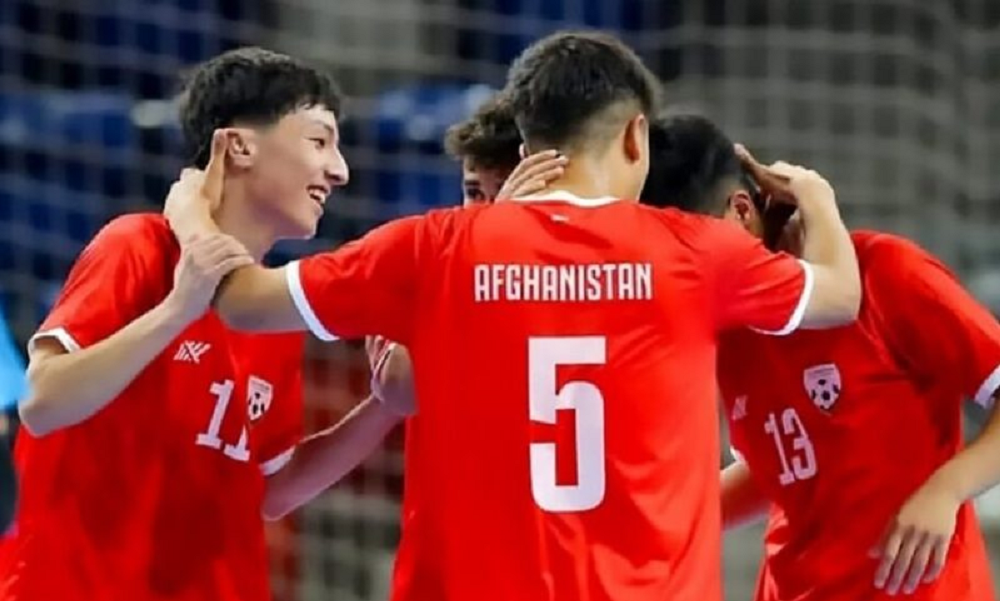
Afghanistan suffer narrow defeat against Argentina at Dakar Youth Olympics
-

 International Sports5 days ago
Cristiano Ronaldo announces international retirement
-
 Regional5 days ago
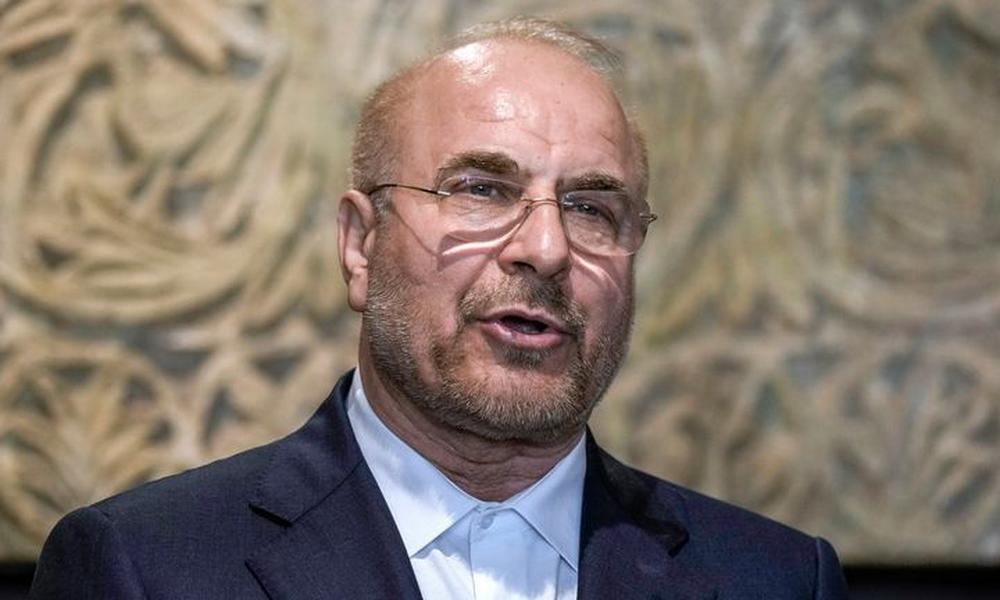
Iran says US voted ‘No to War’ after Republican midterm losses
-
 Regional5 days ago
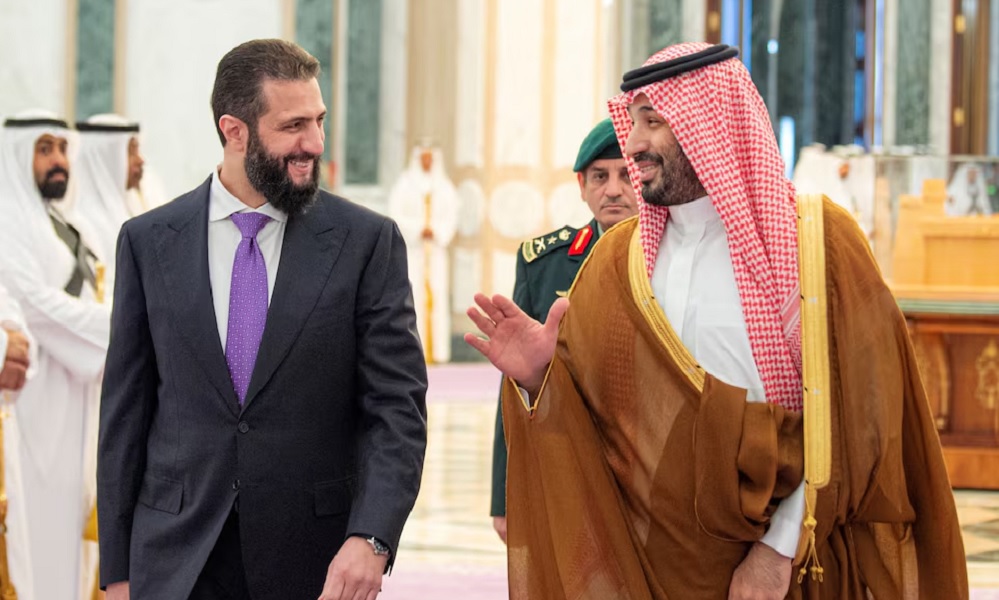
Saudi, Syrian defence ministries sign cooperation agreement
-
 World5 days ago
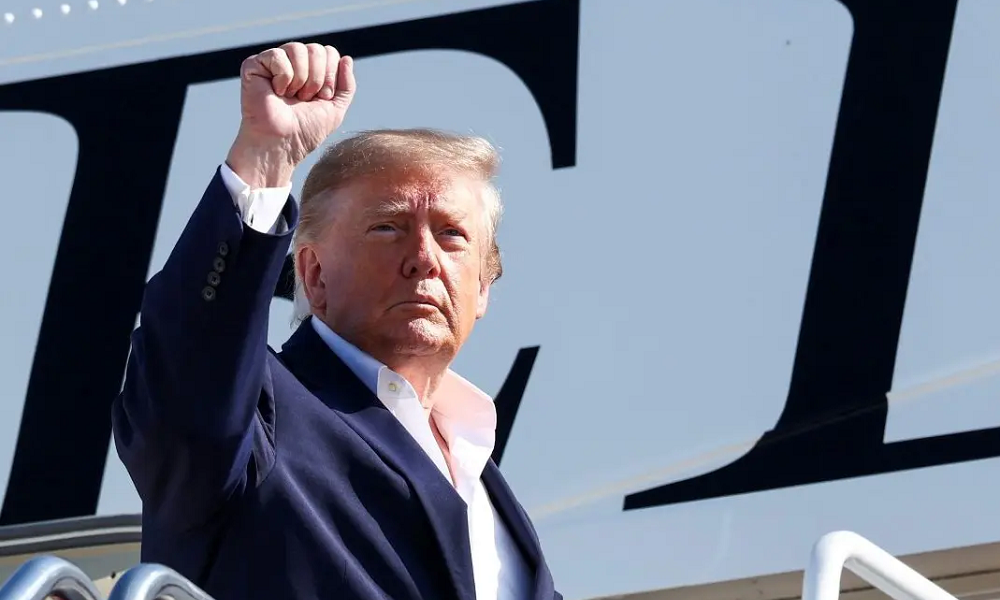
White House declares ‘Trump is still your president’ after Republicans suffer sweeping midterm defeats
-
 Latest News5 days ago
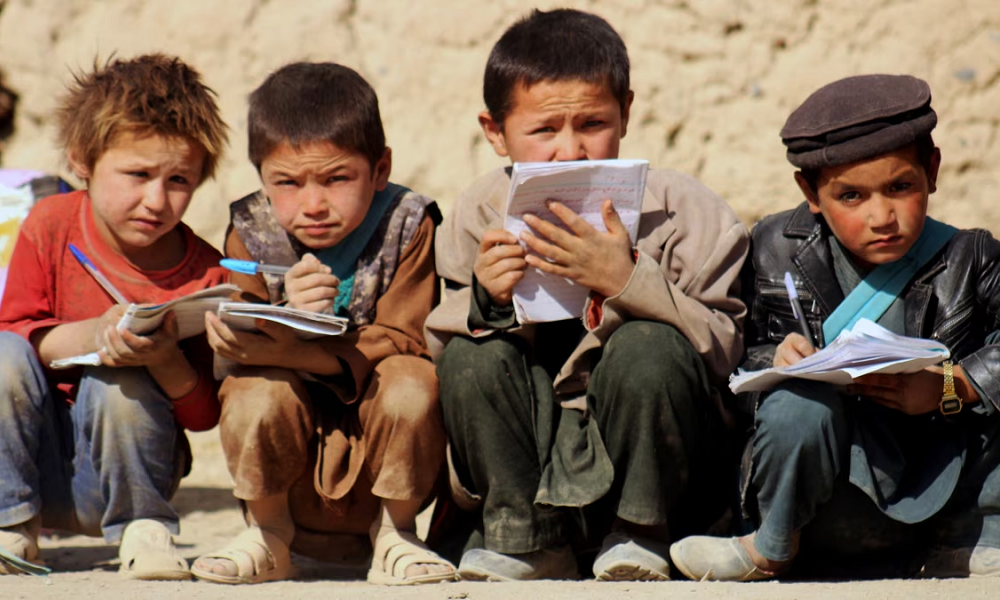
More than half of Afghan primary school-age children out of school: UN report
-
 Regional4 days ago
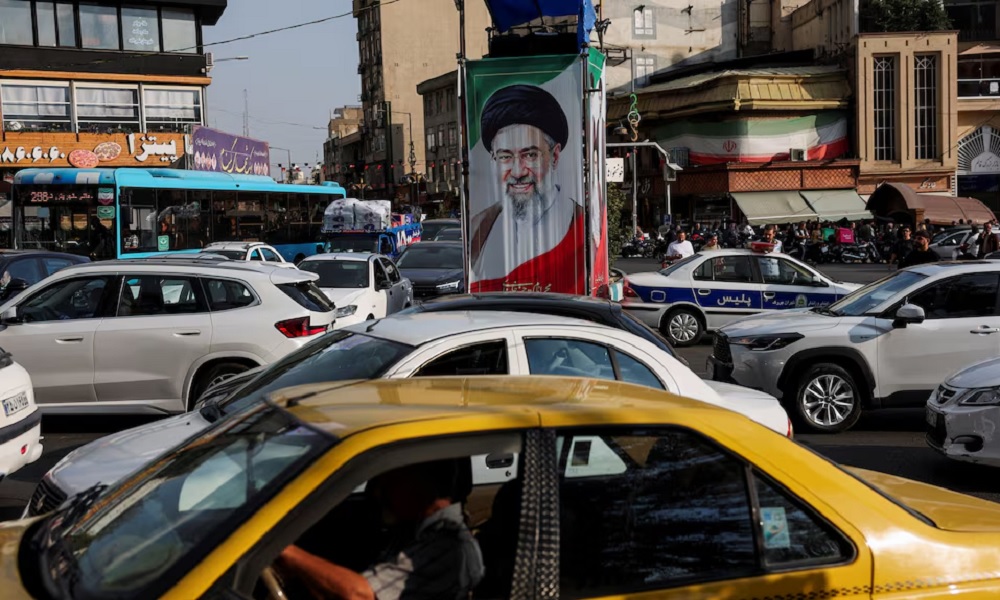
Iran sent nuclear proposal to the US via Qatar, senior Iranian official tells Reuters
-
 Sport3 days ago
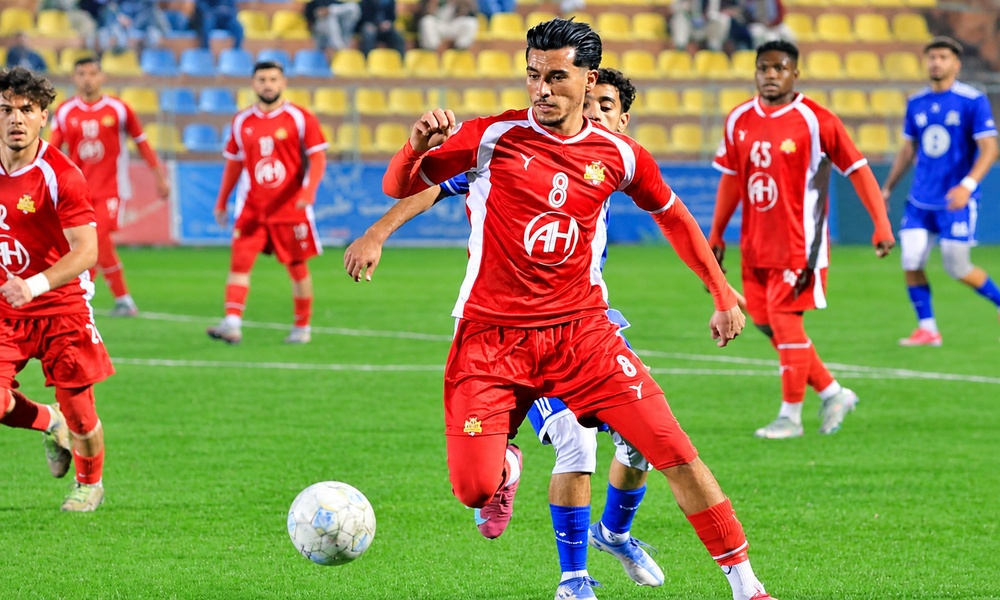
Abu Muslim Farah claim convincing 3-0 win over Omar Zawak in ACL