
Latest News
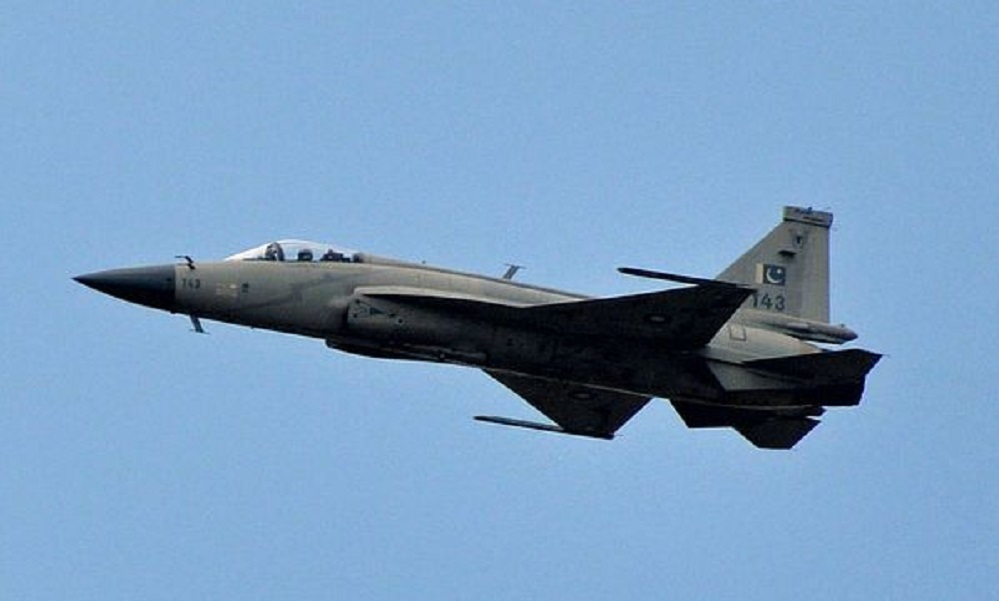
Pakistani airstrikes on civilian areas in three Afghan provinces kill 13






Latest News
Islamic Emirate launches media initiative, says Badakhshan security situation under control
Mujahid said security incidents occur in many countries and should not be viewed as unusual.
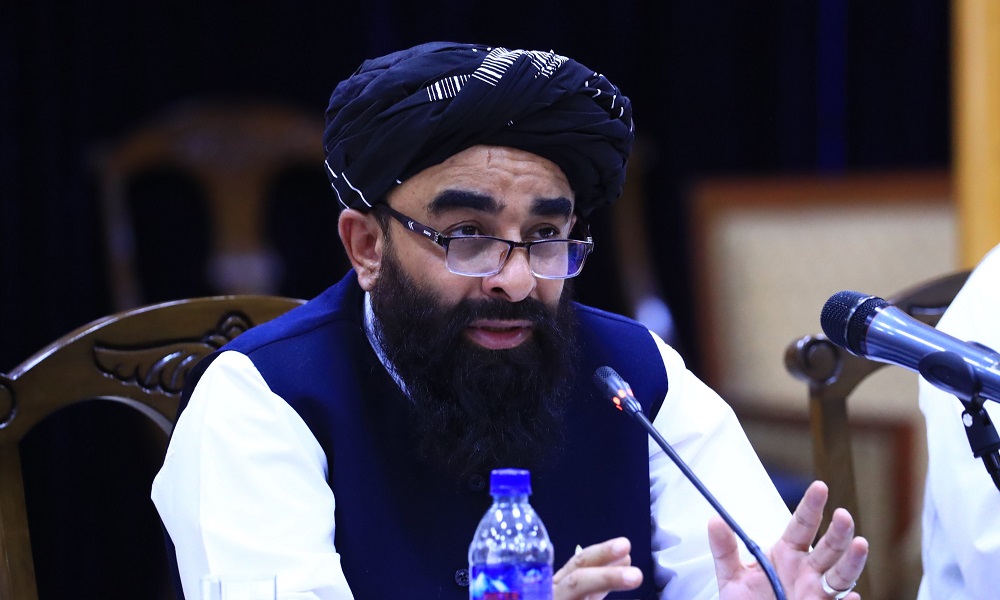
The Islamic Emirate of Afghanistan (IEA) has launched a new media engagement initiative aimed at improving coordination between government institutions and the press, while maintaining that recent security incidents in Badakhshan province have been overstated.
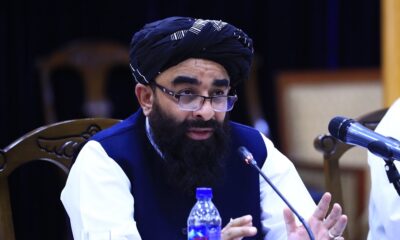
Speaking at the inauguration of the “Government in the Mirror of the Press” program at the Government Media and Information Center (GMIC), IEA spokesman Zabihullah Mujahid said clashes between security forces and armed opposition groups in Badakhshan had been exaggerated and that the situation remains under control.
Mujahid said security incidents occur in many countries and should not be viewed as unusual. He added that Afghan security forces remain determined to respond to any armed activity and said the public also supports the country’s current system.
The new initiative is intended to strengthen cooperation between government institutions and media organizations, promote official activities and evaluate media coverage of state bodies.
Minister of Information and Culture Sher Ahmad Haqqani also stressed the importance of cooperation between the government and the media to ensure the public receives accurate information.
Referring to the recent incidents in Badakhshan, Haqqani said many reports circulating about the clashes were based on rumors and did not accurately reflect the situation.
Other officials attending the launch described the media as an important bridge between the government and the public and reiterated the Islamic Emirate’s commitment to supporting media organizations.
The event comes as journalists and media representatives continue to call for greater and more timely access to official information from government institutions.
Latest News
FIFA Fan Festival attracts more than nine million visitors during World Cup 2026
FIFA said more than 6.3 million food and beverage items were sold during the tournament, while official stores across the venues covered a combined retail space of more than 9,000 square meters.

More than nine million football fans attended FIFA Fan Festival events across Canada, Mexico and the United States during the FIFA World Cup 2026, making it the most successful edition of the program since its introduction in 2006.
According to FIFA, a total of 9,017,000 people visited the 13 FIFA Fan Festival sites, which operated across the tournament’s 39 days. The festivals gave supporters without match tickets an opportunity to watch every one of the tournament’s 104 matches on giant screens while enjoying live music, entertainment, cultural activities and interactive fan experiences.
The largest single-day attendance came on June 27, when 543,020 people visited Fan Festival venues to watch the final day of the group stage. Mexico City’s Zócalo recorded the highest overall attendance, welcoming 2.57 million visitors over 36 operating days.
The celebrations concluded on July 19, when 263,972 supporters gathered across eight remaining Fan Festival sites to watch Spain defeat Argentina in the FIFA World Cup final.
While approximately seven million spectators attended matches inside stadiums, FIFA said the Fan Festival program extended the World Cup experience to millions more supporters around the world.
“Once again, the FIFA Fan Festival showed the extraordinary power of football to unite and inspire fans from all over the world, creating an unforgettable atmosphere that was accessible to all,” FIFA President Gianni Infantino said.
“We wanted the 2026 edition to be the biggest and most inclusive expression of the FIFA Fan Festival spirit yet, and the response from supporters shows that we achieved this in style.”
The Fan Festivals featured more than 873 musical performances and supporters also enjoyed football challenges, appearances by FIFA Legends, local food, official merchandise and partner activations.
FIFA said more than 6.3 million food and beverage items were sold during the tournament, while official stores across the venues covered a combined retail space of more than 9,000 square meters.
The tournament’s digital reach also proved significant. FIFA reported that Fan Festival content generated 811 million video views across its social media platforms, while more than 22,300 media representatives were accredited to cover the events.
FIFA said the Fan Festival program transformed public spaces across the three host nations into gathering places where supporters from different countries and cultures could celebrate the world’s biggest football tournament together, creating a lasting legacy beyond the matches themselves.
Latest News
Afghanistan’s Swiss fund grows to $4.2 billion: Ahadi
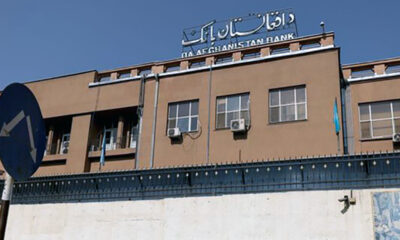
Ahadi said the fund has not been used and will remain intact until conditions allow for its transfer to Da Afghanistan Bank, Afghanistan’s central bank.
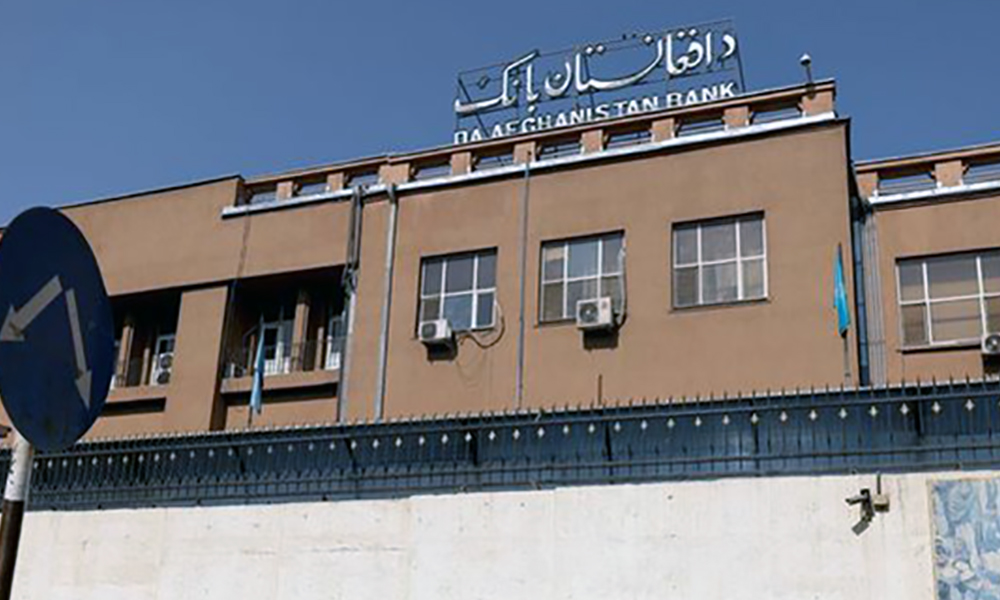
Afghanistan’s sovereign assets held in Switzerland have grown to $4.2 billion after generating approximately $700 million in investment returns, according to Anwar-ul-Haq Ahadi, a member of the Special Trust Fund for Afghanistan (STFA).
Speaking during the 70th online conference of the Association of Afghan Scholars and Specialists on Sunday, July 26, 2026, Ahadi said the fund has not been used and will remain intact until conditions allow for its transfer to Da Afghanistan Bank, Afghanistan’s central bank.
The conference was held under the theme, “Afghanistan’s Economic and Political Situation: Realities and Future Outlook.”
Ahadi said none of the assets have been spent since the fund was established, emphasizing that the money is being preserved for the benefit of the Afghan people.
Commenting on the remaining $3.5 billion in Afghan sovereign assets frozen in the United States, Ahadi said two U.S. courts have already ruled in Afghanistan’s favor. He expressed confidence that the third and final court would also order the release of the funds, allowing the assets to remain protected for the Afghan people.
The Swiss-based fund was established to safeguard a portion of Afghanistan’s overseas sovereign assets while efforts continue to resolve the legal status of the remaining reserves frozen in the United States.


Tahawol: Afghanistan–Uzbekistan Economic Cooperation Enters New Phase

Islamic Emirate launches media initiative, says Badakhshan security situation under control

Saar: Growing Criticism in Pakistan Over Islamabad’s Afghanistan Policy

FIFA Fan Festival attracts more than nine million visitors during World Cup 2026

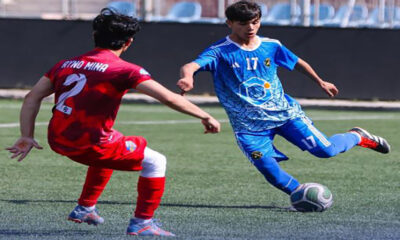
Youth teams take centre stage in Afghanistan Under-17 Champions League

India offers 1,000 online scholarships for Afghan students for 2026-27 academic year

Afghanistan eyes direct Basmati rice imports from India amid tensions with Pakistan

Cricket world pays tribute to Afghanistan fast bowler Shapoor Zadran

Turkey spent over $120 million to prepare airport for Qatar-donated U.S. presidential aircraft

Afghanistan, Uzbekistan set for friendly cricket clash in Khost
Tahawol: Afghanistan–Uzbekistan Economic Cooperation Enters New Phase
Saar: Growing Criticism in Pakistan Over Islamabad’s Afghanistan Policy

Tahawol: Trump halting major Iran escalation

Saar: Afghanistan-Uzbekistan economic ties

Tahawol: New developments ahead in the Middle East discussed
-
 Business5 days ago
Pakistan’s trade deficit with neighbours surges to nearly $16 billion as exports to Afghanistan plunge
-
 Latest News4 days ago
Five armed men killed while attempting to cross Durand Line into Badakhshan
-
 Latest News2 days ago
Badakhshan Governor, Army Chief reaffirm commitment to Afghanistan’s security
-
 Latest News3 days ago
U.S. government plan to interview Afghan refugees raises deportation concerns
-
 World5 days ago
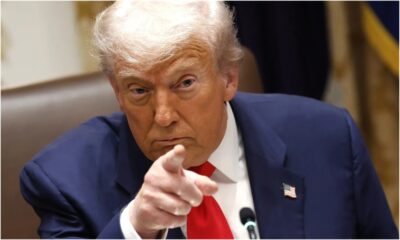
Trump: US will attack Iranian bridge, power plant for every ship targeted in Hormuz
-
 Regional5 days ago
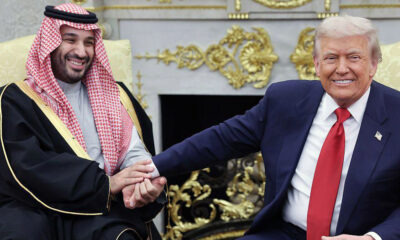
US says it reaches nuclear power deal with Saudi Arabia
-
 Latest News5 days ago
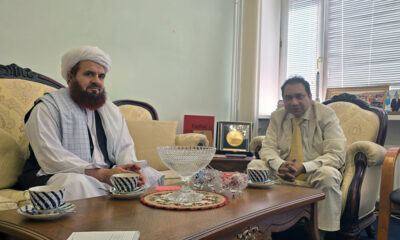
Afghanistan seeks stronger ties with Bangladesh, presents investment opportunities
-
 Latest News4 days ago
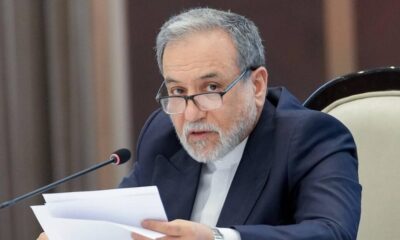
Iran reiterates call for inclusive government in Afghanistan