
Health
Muttaqi calls for stronger health cooperation, says polio efforts must remain free of politics
Muttaqi reiterated his support for polio eradication initiatives and highlighted the need to establish advanced cancer diagnosis and treatment centres.

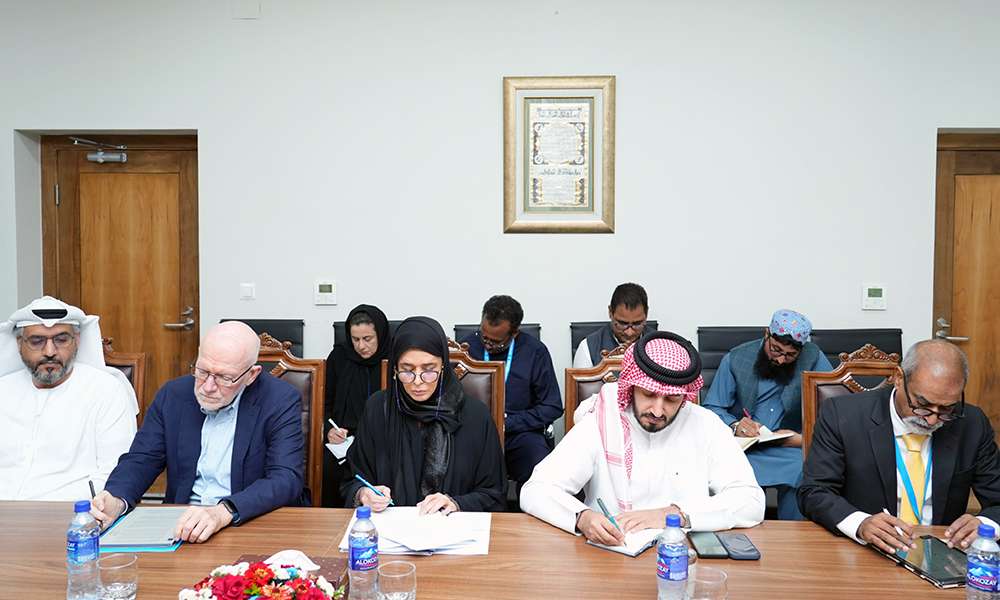
Afghanistan’s Acting Foreign Minister Amir Khan Muttaqi has called for closer international cooperation to strengthen the country’s healthcare system, stressing that health and humanitarian assistance should remain separate from political considerations.
During a meeting with Hanan Balkhy, the World Health Organization’s Regional Director for the Eastern Mediterranean, and her delegation, Muttaqi discussed ways to improve Afghanistan’s health sector and accelerate efforts to eradicate polio, according to the Ministry of Foreign Affairs.
Balkhy reaffirmed the WHO’s commitment to supporting Afghanistan’s healthcare system and appealed for the continued cooperation of the Islamic Emirate in implementing nationwide polio vaccination campaigns.
Muttaqi reiterated his support for polio eradication initiatives and highlighted the need to establish advanced cancer diagnosis and treatment centres, improve medical equipment in health facilities, and strengthen the skills of healthcare professionals.
He also emphasized that health, humanitarian and trade cooperation should not be influenced by political issues, saying that keeping these sectors separate is essential to ensuring aid and critical health services reach the Afghan people.


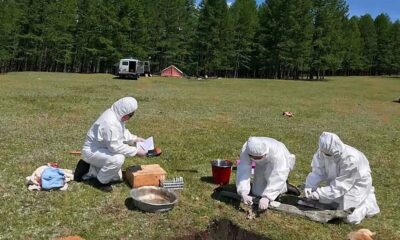


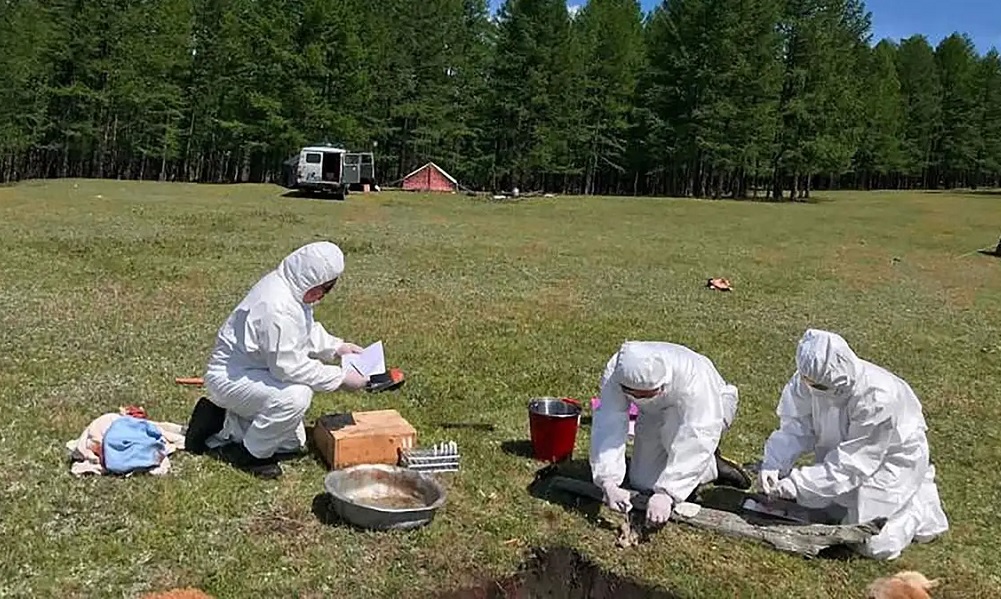
President Donald Trump says the United States is ready to help Russia after reports of a suspected pneumonic plague case in Siberia, as authorities monitor nearly 200 people who may have come into contact with the woman who died.
The woman, a laboratory worker at the Irkutsk Anti-Plague Research Institute, identified in reports as 28-year-old Darya Shipilova, became seriously ill while working at the institute and later died in hospital.
Reports initially suggested she may have been exposed to plague bacteria following an incident at the laboratory. However, Russian health authorities have rejected that account and said she died from pneumonia of unknown origin.
Officials said testing had not detected microorganisms associated with her professional activities and that there was no confirmed laboratory accident involving dangerous pathogens.
As a precaution, authorities have placed people who may have had contact with the woman under medical observation. Five hospitals in the region have also been placed under quarantine measures.
No additional cases of plague have been confirmed, and officials have said those under observation are not showing symptoms associated with the disease.
Pneumonic plague is a severe form of plague that affects the lungs and can spread between people through respiratory droplets. It can, however, be treated with antibiotics when treatment begins promptly.
Trump offers US assistance
The reports have also drawn attention in Washington.
Trump said the United States was closely monitoring the situation and was prepared to assist Russia.
“We’re looking at it very strongly, we just heard about it,” Trump told reporters when asked about the reported risk of pneumonic plague coming from Russia.
“We’ll help them, we’ll help them as much as we can,” he said.
Trump also said he had not spoken with Russian President Vladimir Putin about the reported case.
US Secretary of State Marco Rubio said Washington was monitoring developments but indicated there was no immediate cause for alarm. The US State Department said it was coordinating with the Centers for Disease Control and Prevention and other agencies.
No confirmed outbreak
Despite reports describing the incident as a plague outbreak, Russian authorities have not confirmed a wider outbreak of pneumonic plague.
The cause of the laboratory worker’s illness remains a key point of uncertainty. Russian officials maintain that she died from pneumonia of unknown origin and that tests have not established a connection to plague bacteria.
The monitoring and quarantine measures are precautionary and are intended to identify any potential infections while the investigation continues.
Nearly 200 people are being monitored — but there are currently no confirmed cases of pneumonic plague among them.
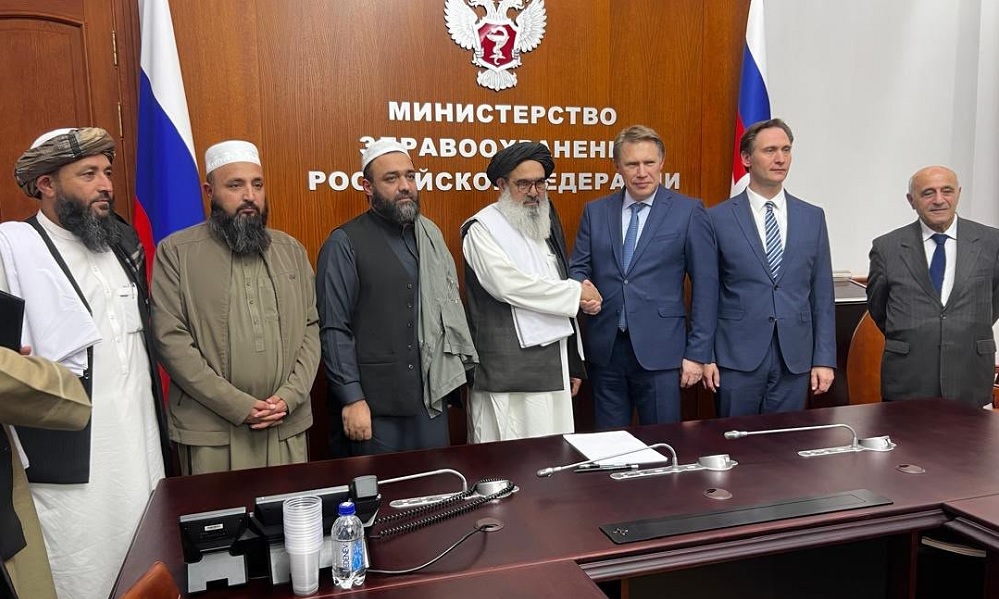
Noor Jalal Jalali, Minister of Public Health of Afghanistan, met with Russian Health Minister Mikhail Albertovich Murashko during his official visit to Russia.
The two sides discussed expanding long-term health cooperation between Afghanistan and Russia, including medicines, vaccines, medical equipment, health-worker training and the transfer of modern medical technologies, Afghanistan’s Public Health Ministry said in a statement.
Jalali briefed his Russian counterpart on the needs and priorities of Afghanistan’s health sector and called for greater Russian cooperation to improve the quality of health services, strengthen the professional capacity of health workers and develop modern medical facilities.
Murashko expressed Russia’s readiness to expand technical cooperation with Afghanistan and support efforts to strengthen the country’s health sector.
Health
Kandahar Red Crescent: More than 3,000 mental health patients treated in five years
Doctors said patients considered a serious danger to society are kept at the center on a permanent basis and receive regular treatment.
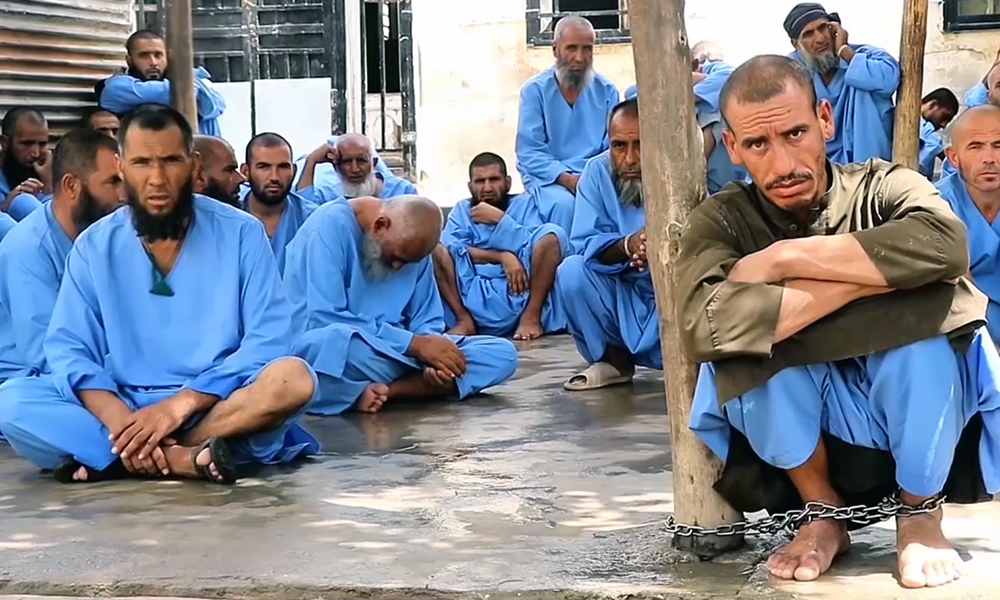
The Kandahar branch of the Afghan Red Crescent Society says more than 3,000 mental health patients, including men and women, have received treatment at home across southern Afghanistan over the past five years.
Officials said 405 patients were also treated at the Afghan Red Crescent’s mental health treatment center in Kandahar and returned to their homes. The center is the only facility in southern Afghanistan providing treatment to mental health patients from the region.
According to officials, during the past five years, 1,936 male and 1,331 female mental health patients received treatment at their homes.
Currently, 158 patients, including men and women who pose a risk to themselves or others, are being kept and treated at the center, while treatment for another 804 patients is continuing at their homes.
Doctors said patients considered a serious danger to society are kept at the center on a permanent basis and receive regular treatment.
Meanwhile, some patients who were previously brought to the center in poor condition are now recovering and have expressed satisfaction with the services they have received.
The development comes as officials from the Red Crescent’s southern regional branch say mental health problems linked to poverty and family difficulties are increasing.
Despite the challenges, they said efforts are underway to expand mental health services so that more patients can receive treatment.


Muttaqi and Shoigu discuss regional security and Afghanistan-Russia cooperation

Muttaqi, Russian deputy PM discuss expanding economic ties

Russia investigates suspected pneumonic plague; Trump ready to ‘help’

▶️Saudi Arabia, Turkey, Pakistan activate Mecca defense pact

Thirty US states seek access to Afghan assets for 9/11 victims

Saudi energy group signs major Afghanistan deals covering gas exploration and pipeline plans

Khalilzad: Afghanistan ready to attract major investment

UAE firm eyes investment in Salang’s second tunnel and pharmaceutical factories

US envoys make first Kyiv visit amid Ukraine war peace push

US Treasury ratchets up pressure on Iran with sweeping new aviation sanctions

Tahawol: Afghanistan-Iran: shared opportunities and challenges discussed

Saar: Pakistan’s hostile policy toward Afghanistan discussed

Tahawol: Doha process seeks new cooperation opportunities

Saar: Moscow forum 8th consultative meeting on Afghanistan

Tahawol: Escalation of internal political crisis in Pakistan discussed
-

 Sport4 days ago
ACB announces Afghanistan squads for Bangladesh, Zimbabwe series
-

 Sport1 day ago
Cricket Bonanza: Afghanistan set for packed international schedule
-
 Latest News4 days ago
Russia expects to ease Afghanistan-Pakistan tensions at Moscow Format meeting
-

 International Sports4 days ago
Afghanistan to face Pakistan, India and Australia at 2027 Cricket World Cup
-
 Regional4 days ago
Saudi-led coalition says Houthis attacked power station for Prophet’s Mosque in Medina
-

 Regional4 days ago
Cargo stacks up as Pakistan seizes containers to block capital routes
-
 Latest News3 days ago
Kazakhstan, Uzbekistan and UAE sign MoU on CASA railway project via Afghanistan
-
 Regional3 days ago
Pakistan says Mecca pact members to hold emergency talks on engaging Houthis