
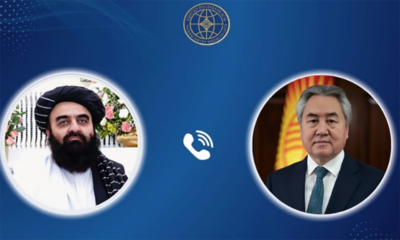

The two foreign ministers discussed current issues of bilateral cooperation, with particular emphasis on expanding trade, economic and investment ties, the ministry said.
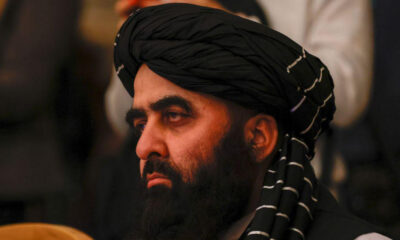

Muttaqi argued that the situation in Afghanistan is now better than during the decades of conflict, including the 20 years of the US and NATO-led war.


The ministry said Muttaqi and DiCarlo also shared views on future engagement and cooperation regarding the Doha Process.
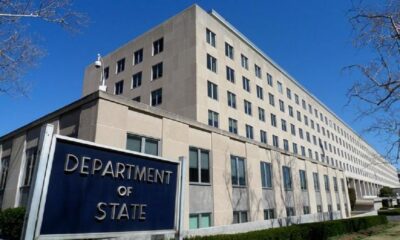

Muttaqi said the Islamic Emirate welcomes US investment and urged Washington to look beyond the two decades of war in assessing relations between the two countries.
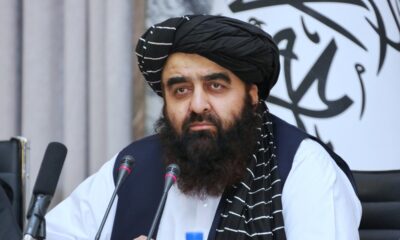

Speaking to the BBC, Muttaqi said Afghanistan has developed relations with countries in the region and that engagement with European nations is growing.


He warned that reopening an embassy without securing meaningful commitments could weaken Washington’s negotiating position.
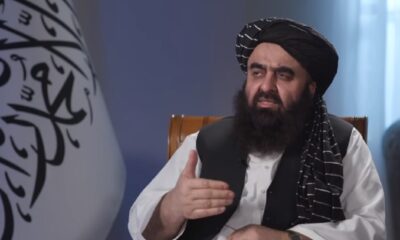

He claimed that Afghans are satisfied with the current government and that the Islamic Emirate enjoys broad support across the country.
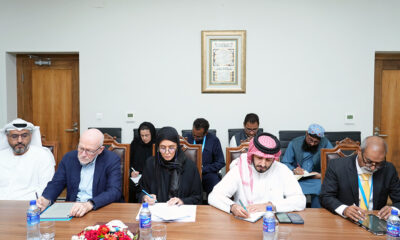

Muttaqi reiterated his support for polio eradication initiatives and highlighted the need to establish advanced cancer diagnosis and treatment centres.
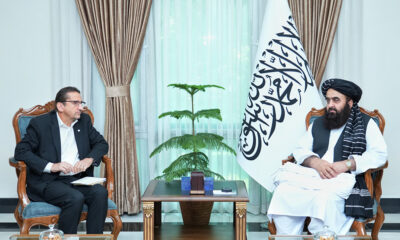

According to the ministry, during the meeting Lemarquis shared his views on improving the delivery and management of humanitarian assistance in Afghanistan.
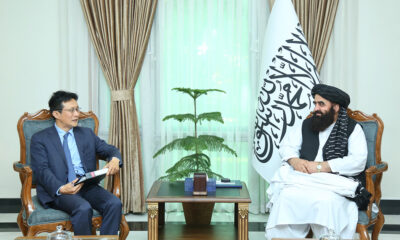

Japanese Ambassador Kenichi Masamoto reaffirmed Japan’s commitment to continuing cooperation and assistance to Afghanistan in different fields.
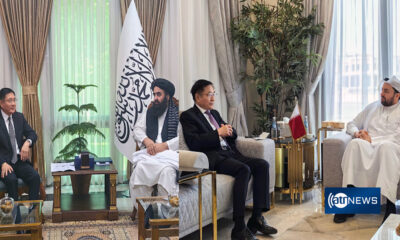

According to the ministry, the discussions focused on China-Afghanistan relations as well as regional and international issues of mutual interest.
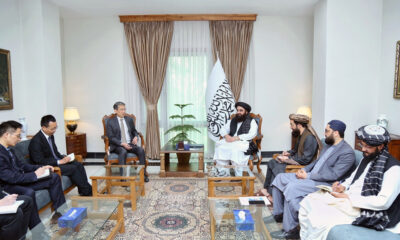

Respect for Afghanistan’s sovereignty and territorial integrity, he said, remains essential for fostering regional stability and building trust among neighboring states.


DiCarlo expressed her condolences over the loss of civilian lives and said the issue of the airstrikes would be raised with UN member states and relevant...
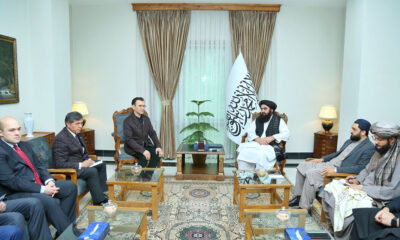

During the meeting, the two sides discussed ways to further strengthen political and economic cooperation, as well as key regional issues.
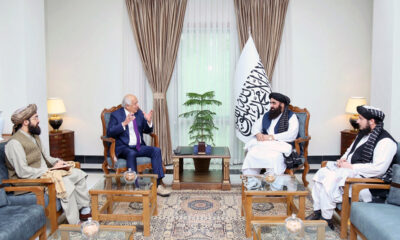

Khalilzad also commended Afghanistan’s progress in security and reconstruction and underscored the importance of continuing bilateral talks.
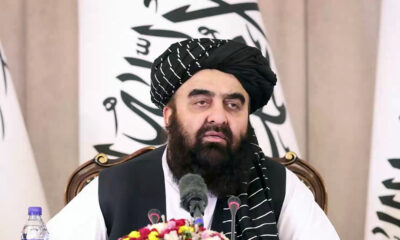

Speaking at the Fifth Coordination Meeting between sectoral ministries and UN agencies, he said political considerations continue to hinder effective humanitarian support for the Afghan people.
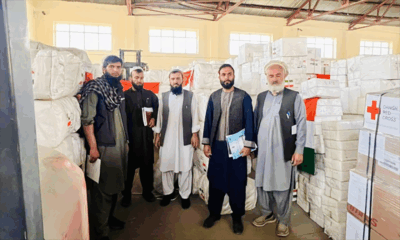

The latest medical aid underscores India’s longstanding partnership with Afghanistan and its ongoing support in humanitarian and developmental areas.


Shaheen described India’s decision as both “important and needed” for advancing relations across multiple sectors, including trade, development, and diplomacy.
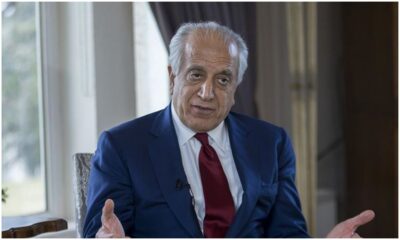

He went on to state that Afghanistan and Pakistan should turn to diplomacy to preclude the continuation of the recent attacks and counter-attacks and avoid escalation.
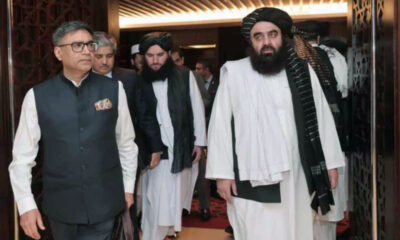

India has already resumed limited humanitarian and development cooperation with Afghanistan, focusing on food aid, healthcare, and regional connectivity projects.
| Country | Selling in AFS | |
|---|---|---|
| 1 USD |  | 64.74 |
| 1 EUR |  | 73.70 |
| 1 PND |  | 85.02 |
| 1 AED |  | 16.89 |
| 1 TRY |  | 1.33 |
| 1000 INR |  | 734 |
| 1000 IRR |  | 0.28 |
| 1000 PKR |  | 222 |


