
Climate Change
China evacuates thousands as Typhoon Narra brings torrential rain
Flooding and waterlogging were also reported in Pingxiang City and Ningming County, with rural roads submerged and farmland inundated.

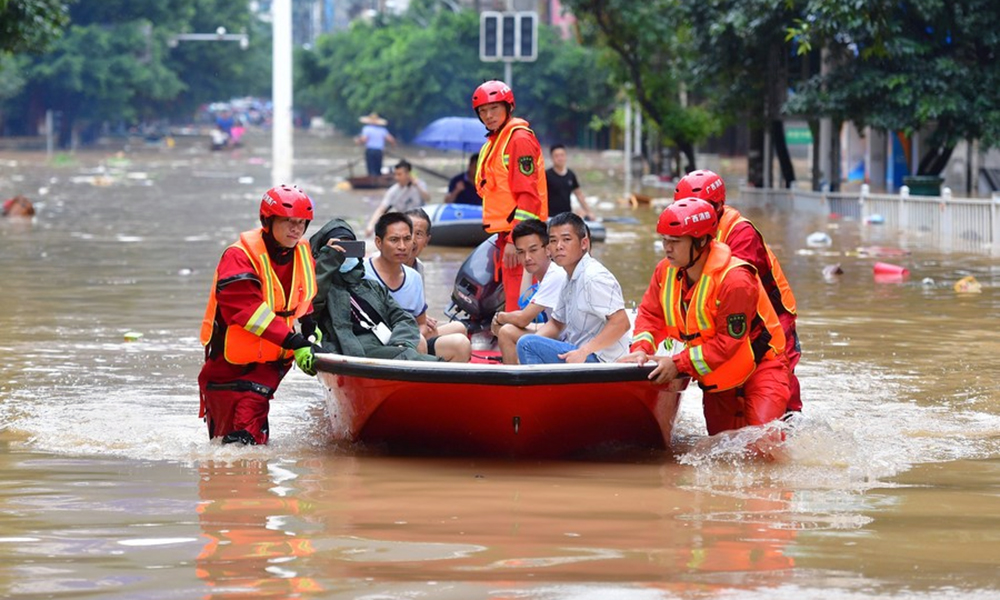
Authorities in China’s southern Guangxi Zhuang Autonomous Region are evacuating residents trapped by flooding as Typhoon Narra brings heavy rain to the area.
In Shangsi County of Fangchenggang City, floodwater reached around 1.5 metres in some urban areas, inundating major roads and leaving several villages without drinking water, electricity or communications.
Local authorities deployed 50 militiamen to search for and rescue residents overnight using rubber boats and relief supplies. At least 203 people have been safely evacuated.
Flooding and waterlogging were also reported in Pingxiang City and Ningming County, with rural roads submerged and farmland inundated.
More than 400 militiamen were deployed to help evacuate residents, including door-to-door operations. In one severely affected village in Ningming, inflatable boats were used to ferry villagers across a flooded river.
In Youyi Township of Pingxiang, rescuers helped elderly people and children with limited mobility reach safer areas. By Monday morning, local militiamen had assisted 1,499 people trapped by the floods.
Typhoon Narra, the 19th typhoon of the year, was located in the Beibu Gulf early Monday, about 185 kilometres southwest of Beihai, with maximum winds of 23 metres per second near its centre.
The storm was expected to move eastward before turning north, travelling at 5 to 10 kilometres per hour toward coastal areas of Guangxi and western Leizhou Peninsula in neighbouring Guangdong Province.


Climate Change
COP31 climate talks collapse as EU and others reject deal
The failed deal had acknowledged the planet’s projected temperature overshoot and called for faster development of carbon-removal technologies to eventually reverse it.
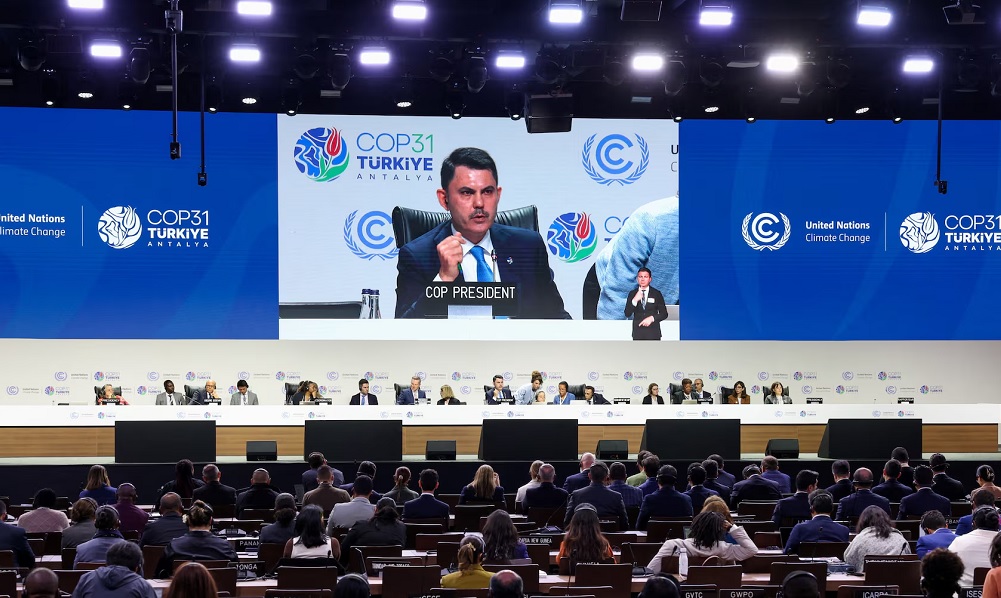
UN climate talks collapsed on Sunday as the European Union and others rejected a final draft deal put forward by COP31 presidents Turkey and Australia, saying it was too weak to advance the fight against global warming.
The failed talks reflect world governments’ struggle this year to muster ambitious action to address the worsening consequences of climate change, as wars, economic pressures and other crises compete for their attention, Reuters reported.
After more than two weeks of negotiations that spilled two days into overtime — making it the longest COP on record — Turkey’s conference president Murat Kurum said at the closing plenary that he could see there was no agreement and confirmed he would not advance any new text.
“There is nothing to do, we did all that we could,” he said. “There will be no new text from now on.”
He later left the stage in the midst of speeches being delivered by country representatives.
Australia’s COP31 President of Negotiations, Chris Bowen, called the outcome “very disappointing” and said disagreements over fuels and climate finance were the dealbreakers.
The last time UN climate talks failed to get a deal adopted by all was in Copenhagen in 2009.
Ireland’s environment minister Darragh O’Brien said the European Union could not support the proposed deal in part because it made no mention of the fossil fuels that scientists say drive global warming.
“It is unconscionable that we would have a climate act that makes no reference to fossil fuel, no reference to transitioning away from fossil fuels,” he said.
Saudi Arabia and other big oil producer countries had lobbied hard to keep their mention out of the text, according to observers at the summit.
Panama also said it could not support the text because it failed to address the scale and urgency of the climate crisis.
This year’s COP is the first since the UN’s environmental body in October confirmed the rise in global temperature was set to exceed 1.5 degrees Celsius (2.7 degrees Fahrenheit), a threshold countries agreed at Paris climate talks over a decade ago to try not to exceed, and beyond which extreme weather impacts intensify.
Belgium’s Climate Minister Jean-Luc Crucke said the failure of the deal was a difficult outcome, but appropriate.
“It’s not the end of multilateralism, but there has to be courage to say no,” he said.
While a blow to efforts to ratchet up international action, the failure to agree a political declaration in Antalya does not erase the obligations agreed by previous UN conferences or remove the technical and legal frameworks governing multilateral action against climate change.
PRESSURE FROM SAUDI ARABIA AND OTHER OIL PRODUCERS
The failed deal had acknowledged the planet’s projected temperature overshoot and called for faster development of carbon-removal technologies to eventually reverse it.
That was a big ask from oil-producing countries.
While scientists say removing carbon from the atmosphere — when paired with steep emissions cuts — is vital to avoiding the worst impacts of climate change, critics of the proposed deal said they worried the carbon removal language would be used as a licence to keep pumping oil.
A representative for the Saudi delegation, which supported the deal’s mention of carbon removal, told the summit at the closing plenary that he was surprised at the resistance to technology, which he said offered a concrete solution.
Developing countries had also criticised the deal for not providing sufficient new climate finance to help them adapt to a warming planet. The deal had called for a tripling of such finance, but did not specify from what baseline.
The failed deal had also included a goal put forward by Turkey to expand electricity’s share of total final world energy consumption to 35% by 2035, from around 23% now.
Proponents of that pledge said it could cut greenhouse gas emissions by speeding the transition away from fuel-powered cars, furnaces, and other equipment. But critics said it could force more costs onto poor nations without providing a clear path away from fossil fuels.
The COP process is the main vehicle through which countries coordinate their efforts to curb global warming. Its annual meeting provides an opportunity for nations to signal they are willing to work together to find solutions and help finance the problems rising temperatures cause.
Climate Change
Florida flooding continues as California braces for historic high tides
Heavy rain earlier in the week submerged large areas of Florida’s Atlantic coast, leaving some residents stranded by floodwaters in the northeastern part of the state.
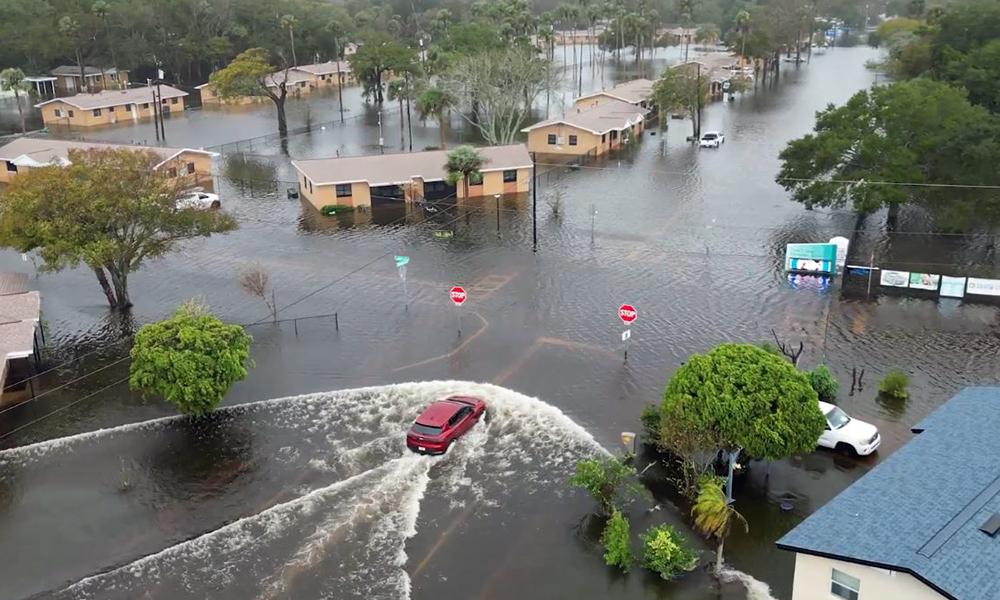
Scattered rain continued to worsen the impact of historic flooding across central Florida on Saturday, while officials in Northern California prepared for an unprecedented storm surge and exceptionally high tides ahead of the busy Thanksgiving travel period.
San Francisco Mayor Daniel Lurie warned that the city was facing an “extremely serious” weather situation, urging residents to prepare for severe coastal flooding and reconsider holiday travel plans.
According to forecasts from the National Oceanic and Atmospheric Administration and the National Weather Service, San Francisco could experience the highest tides ever recorded in the city.
Lurie urged residents to stock up on essential supplies and complete their shopping ahead of the storm, saying city authorities would work throughout the weekend to protect residents and businesses.
The expected flooding coincides with annual king tides, the highest tides of the year. Forecasters warned that coastal and low-lying areas could experience flooding of up to 0.6 metres through early Monday, with further warnings extending along parts of the Pacific coast until Thursday afternoon.
Meanwhile, Florida’s Atlantic coast also faced hazardous conditions on Saturday, with thunderstorms potentially producing waterspouts. Authorities warned boaters about dangerous marine conditions and beachgoers about rough surf and strong rip currents.
Although the heaviest rainfall had passed, water levels along the St. Johns River, Florida’s longest river, were expected to continue rising because of persistent lighter showers.
Near Cocoa, the river exceeded a record water level set in 1953 on Thursday.
National Weather Service meteorologist Melissa Watson said flooding along the river was expected to persist for an extended period, regardless of whether further rainfall occurred.
Heavy rain earlier in the week submerged large areas of Florida’s Atlantic coast, leaving some residents stranded by floodwaters in the northeastern part of the state.
The weather systems affecting Florida and California are linked to El Niño, a natural warming of Pacific Ocean waters near the equator that can influence weather patterns around the world.
Climate Change
Urgent climate finance pleas at COP31 face a non-urgent response
For many developed nations, facing international and domestic unrest as citizens protest against the rising cost of living, their focus has narrowed.
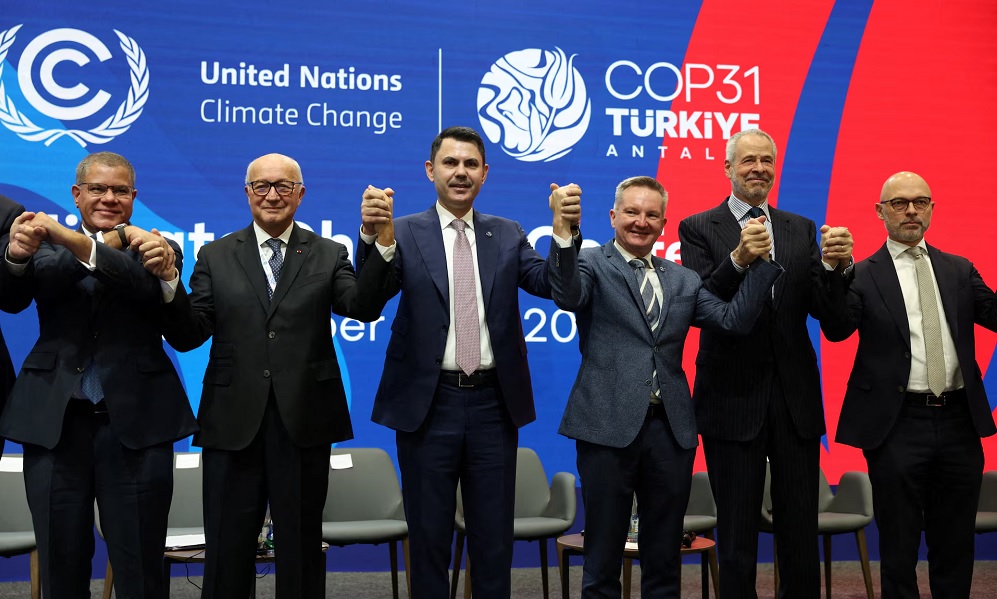
Urgent pleas for cash from poor nations most exposed to the kind of climate-related disasters that have marked this year risk meeting a sluggish response at Turkey’s COP31 talks as Western governments put national security and living costs first.
Two years ago, rich countries agreed at UN climate talks they would triple climate funding for poorer countries to $300 billion per year by 2035 versus a previous 2020 target. Also by 2035, financing from all public and private sources combined would be $1.3 trillion annually, Reuters reported.
The rich countries met their 2020 target two years late.
Since then, climate action has slipped down the political agenda for Western governments as US President Donald Trump has withdrawn international funding, while wars in Ukraine and the Middle East have added to inflationary pressures and the need to spend on security.
Vulnerable small island nations say the cash they need to repair damage and to guard against future climate-related crises is again arriving too slowly and their own budgets have shrunk.
“Like many small island developing states, we remain in a perpetual climate disaster recovery mode,” Solomon Islands Prime Minister Matthew Wale told the conference. “We cannot build resilience while our fiscal space erodes.”
Even when money is available, technical hurdles set by lenders can stretch the administrative capacity of small states.
For many developed nations, facing international and domestic unrest as citizens protest against the rising cost of living, their focus has narrowed.
Britain, which has sought to be a leader in addressing climate change, said in July savings made from switching some climate finance contributions from grants to loans would be used to help fund a cap on domestic bus fares.
Meanwhile, defence spending has climbed significantly.
The Stockholm International Peace Research Institute estimated in April that world military expenditure reached $2.89 trillion in 2025, up 2.9% in real terms from 2024.
Marshall Islands President Hilda Heine said military defence ultimately was the smaller concern.
“We are told there is no money, but as spending on war grows, the greatest security threat we face remains underfunded. I appeal to you: Find money for life, not death,” she said in her speech to the conference in the Turkish Mediterranean city of Antalya on Wednesday.
COP31 SEEKING IMPLEMENTATION, NOT NEW TARGETS
As they respond to the contemporary mood, host country Turkey and lead negotiator Australia have emphasised making previous pledges work, rather than securing a new headline target at the conference, which continues until the end of next week.
“COP31 must respond to the global moment and send a clear message to accelerate implementation,” Australia’s COP31 negotiating president Chris Bowen said. He also said finance must be “faster, simpler and fairer”.
Analysis by previous COP host Brazil published earlier this week found that $137 billion was mobilised in 2024, a slight increase on 2023, but that direct aid and future commitments to multilateral funds were lower.
Current trends suggested provision would fall $840 billion short of the $1.3 trillion goal, it said.
“Geopolitical tensions, constrained fiscal space in many developing countries and the high cost of capital where it is most needed are among the obstacles,” the report said.
By way of solutions, it urged measures such as risk-sharing and clearer links between national plans and budgets.
Some smaller nations have taken novel steps to find cash and to spur richer nations to match it.
The Solomon Islands pledged $400,000 from its own pocket on Thursday, saying it was determined to show leadership and calling on rich countries to do the same.
The Bahamas committed $75 million to protect and restore its seagrass meadows, which store carbon, to try to persuade investors to fund verified carbon projects.
UNCLOGGING THE SYSTEM TO GET MONEY FLOWING
Both public and private funding provide climate finance grants, loans, aid and investment in measures ranging from renewable energy to flood defences.
Multilateral development banks are a conduit for finance that leverages capital provided by shareholder countries to increase lending power and they say they are delivering. Their lending reached record levels in 2025, according to the European Investment Bank.
But, they could do more, according to Washington-based think tank the Center for Global Development and recipients of the finance have said the development banks should make access easier.
Addressing that, a group of multilateral funds told the COP31 talks they would rely more on one another’s assessments in co-financed operations rather than having to go through multiple overlapping processes.
For private investors, the most obvious issue is the risk of investing in an instrument that does not guarantee returns.
Given how unforthcoming the world’s richer governments have been, the private sector is ever more important.
“Our clients see opportunities in the energy transition, but they need reliable power, predictable costs and confidence in customer demand before they invest,” HSBC Chief Sustainability Officer Julian Wentzel said. “COP31 needs to help create that confidence.”


Afghanistan A thrash Hong Kong to register first win at Asia Cup Rising Stars
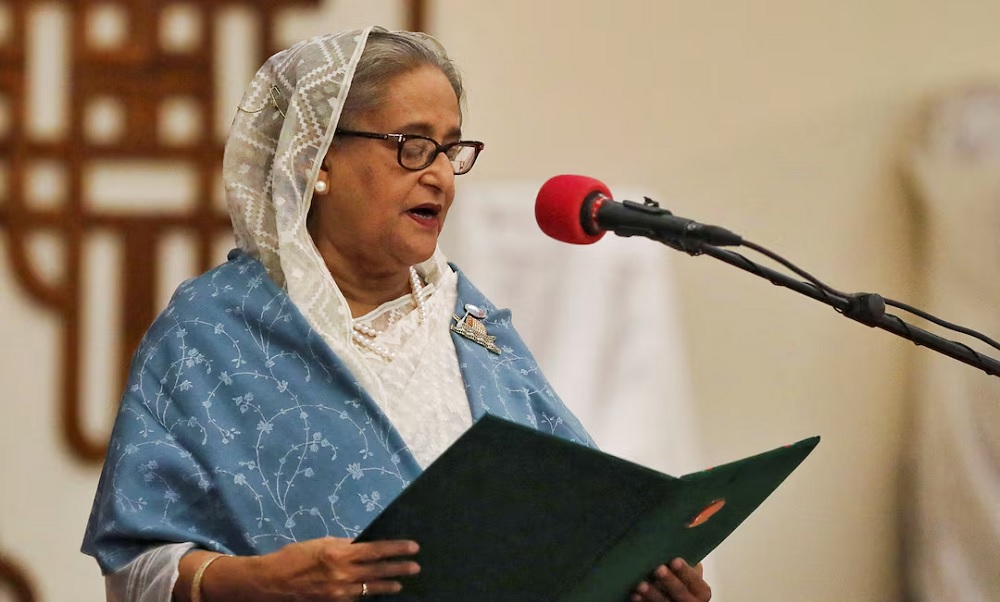
Bangladesh vows to arrest Hasina if she returns from India

Global environmental grants programme resumes in Afghanistan

Afghanistan beat Vietnam 5-2 at Beach Soccer Asian Cup
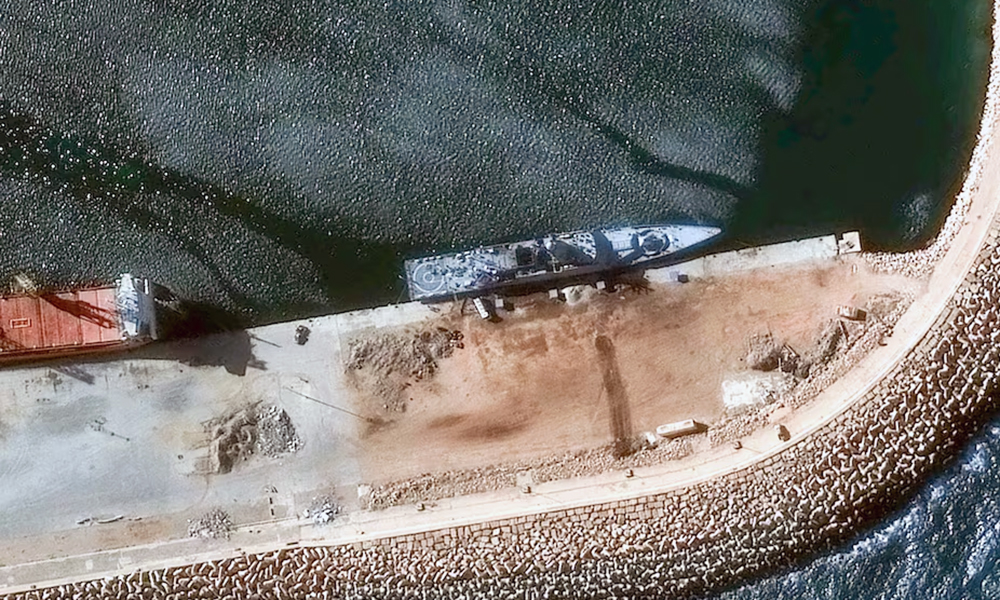
Ukraine sinks Russian warship in Libya as conflict spreads beyond Europe

US sanctions and blockade measures disrupt Iran’s trade with Afghanistan and regional neighbors
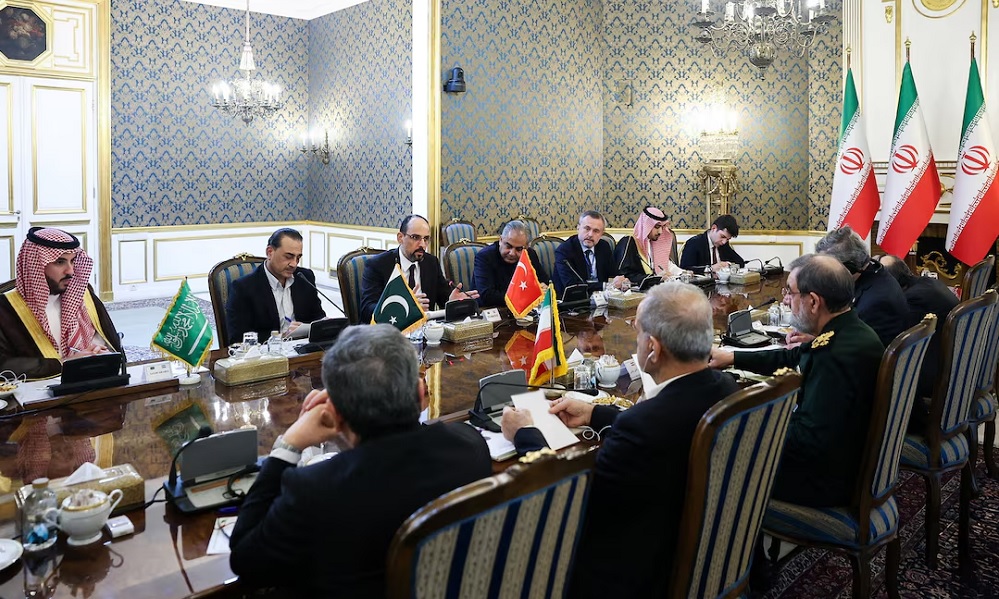
Saudi defence pact countries push for peace in Tehran as Houthis launch more attacks

England forward Kane crowned Ballon d’Or winner

Afghanistan to launch nationwide polio vaccination campaign

WFP report notes high food and fuel costs continue to pressure Afghan households

Saar: Pakistan FM’s remarks on Afghanistan

Tahawol: World Television Day discussed

Saar: Efforts to resolve Afghanistan-Pakistan tensions in Moscow reviewed

Tawsia: Afghanistan’s key economic highlights of the week discussed

Tahawol: Kazakhstan’s call for practical international engagement with Afghanistan
-
 Latest News4 days ago
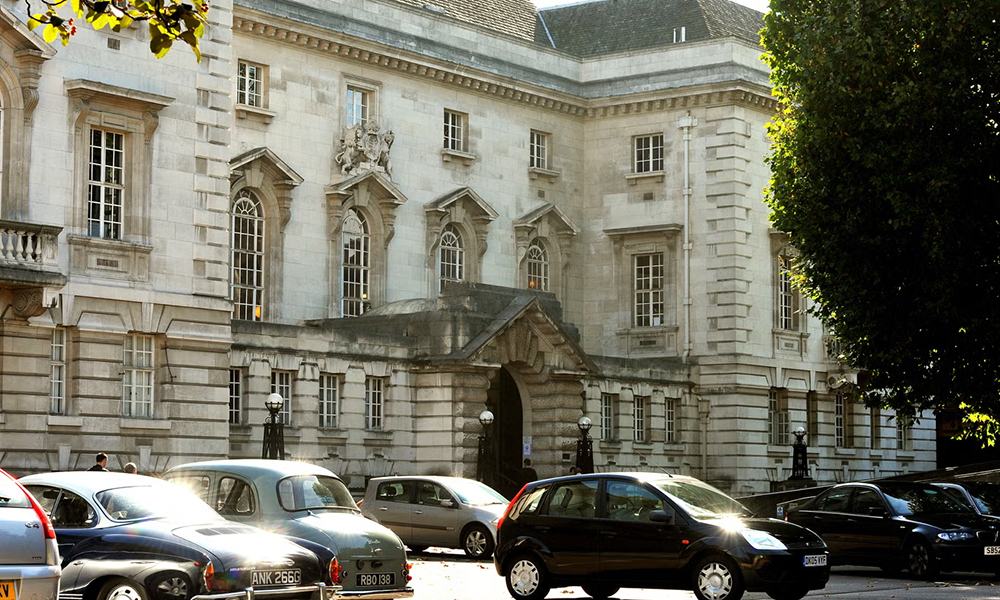
Two Afghan nationals convicted over sexual assault of 14-year-old girl on UK train
-
 Sport4 days ago
Afghanistan suffer 9-2 defeat to Iran in Beach Soccer Asian Cup opener
-
 Business4 days ago
Afghanistan and Uzbekistan agree to expand railway cooperation and boost freight traffic
-
 Science & Technology4 days ago
North Korea shows off AI chatbot at IT exhibition
-
 Latest News4 days ago
Kazakhstan steps up efforts to support Afghanistan’s stability and economic recovery
-
 Latest News2 days ago
US judge questions Trump administration’s policies targeting refugees
-
 Business3 days ago
Afghan and Indian traders sign $250 million trade agreements in New Delhi
-
 Latest News4 days ago
Sweden rejects asylum request of former Afghan ambassador, plans deportation to US: Le Monde