
Latest News
UN agency warns funding crisis could leave 8.3 million people without aid
UNHCR expects the population under its mandate to reach 131.2 million by year end, up from 129.4 million at the end of last year.

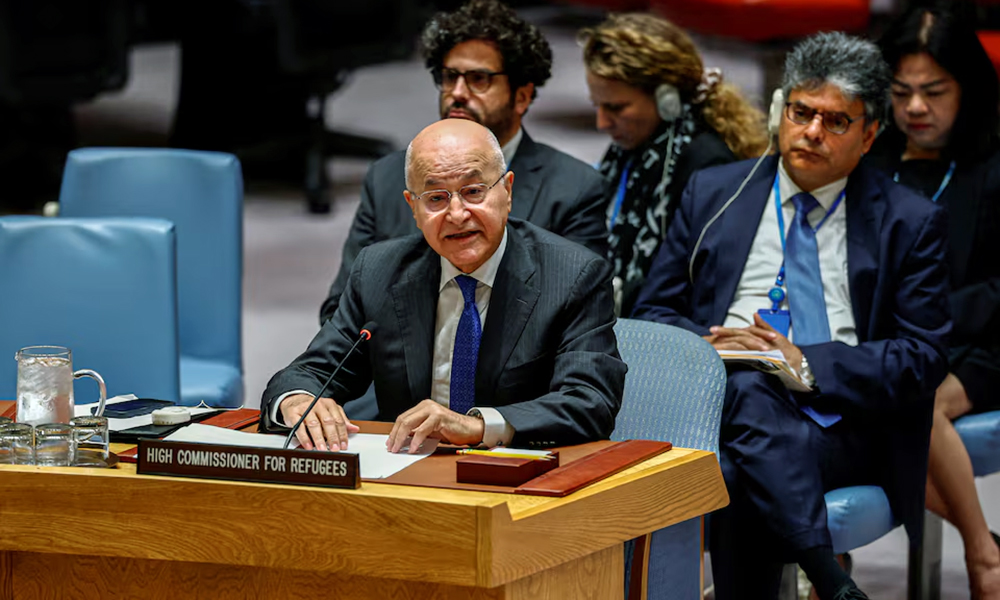
A deepening funding crisis could leave nearly 8.3 million refugees and forcibly displaced people without access to assistance this year, and push protection systems in some countries towards collapse, the United Nations refugee agency warned on Tuesday, Reuters reported.
UNHCR is facing one of its worst-ever funding crises following aid cuts by the United States and other countries. It faces a $5.789 billion funding gap, according to a new report by the agency, after money available to the agency fell 24% between 2024 and 2025.
As of July, UNHCR had received only 32% of the $8.505 billion it required in 2026, while the number of forcibly displaced and stateless people globally remains near record levels.
UNHCR expects the population under its mandate to reach 131.2 million by year end, up from 129.4 million at the end of last year.
“Below a certain threshold, the system doesn’t shrink, it fails,” the agency said in the 26-page report outlining the impact of budget cuts on refugee registration, child protection programmes and services for survivors of gender-based violence.
The report highlighted severe consequences in countries hosting large displaced populations. In Chad, where refugees have fled conflict in neighbouring Sudan, 319,000 people face registration delays while 200,000 women and girls could lose access to safe spaces and prevention programmes.
In Sudan — which the UN considers the world’s worst displacement crisis due to the civil war that entered its fourth year in April — about 140,000 refugees and asylum-seekers remained unregistered by mid-year after registration activities were suspended for the first five months of 2026.
In Afghanistan, UNHCR grants given to people returning to the country have been slashed from $375 to $170 per person, while the country has received over one million people this year alone, due to forced or voluntary returns from neighbouring countries including Iran and Pakistan, read the report.
UNHCR said that further cost-saving measures could not compensate for funding shortfalls, after having already cut its workforce by 33% in 2025, closed offices in 140 locations and discontinued operations in 15 countries compared with 2024.
The agency also said a growing share of donor funding is tightly earmarked, rising to 51% in 2026 from 19% five years earlier, limiting its ability to shift resources to the most urgent priorities.
UNHCR warned that reduced funding was gradually eroding the protection system, increasing the risk that refugees remain undocumented and that survivors of gender-based violence are left without the support they need.


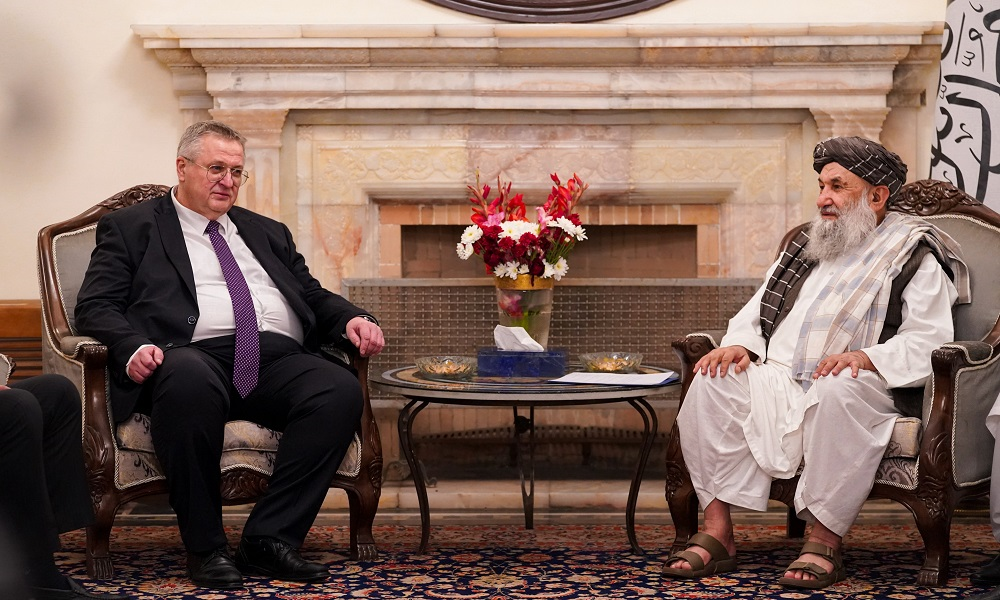
Afghanistan’s Prime Minister, Mullah Mohammad Hassan Akhund, met with Russian Deputy Prime Minister Alexey Overchuk in Kabul on Thursday evening, emphasizing the need to strengthen bilateral relations and expand economic cooperation between the two countries.
According to a statement from the Presidential Palace, several senior officials from both countries attended the meeting, including Afghanistan’s Foreign Minister Amir Khan Muttaqi and representatives of Russia’s political and economic sectors.
Akhund described Afghanistan’s security and stability as favourable conditions for foreign investment and thanked Moscow for recognizing the Islamic Emirate and supporting Afghanistan in international forums.
Meanwhile, Overchuk praised the security situation and developments in Afghanistan, expressing Russia’s interest in investing in various sectors of the country.
He said around 70 representatives of Russia’s private sector were accompanying the delegation and were expected to hold discussions with relevant ministries and institutions of the Islamic Emirate on trade and investment agreements, as well as ways to address existing obstacles.
The Russian deputy prime minister reaffirmed his country’s support for Afghanistan in various fields.
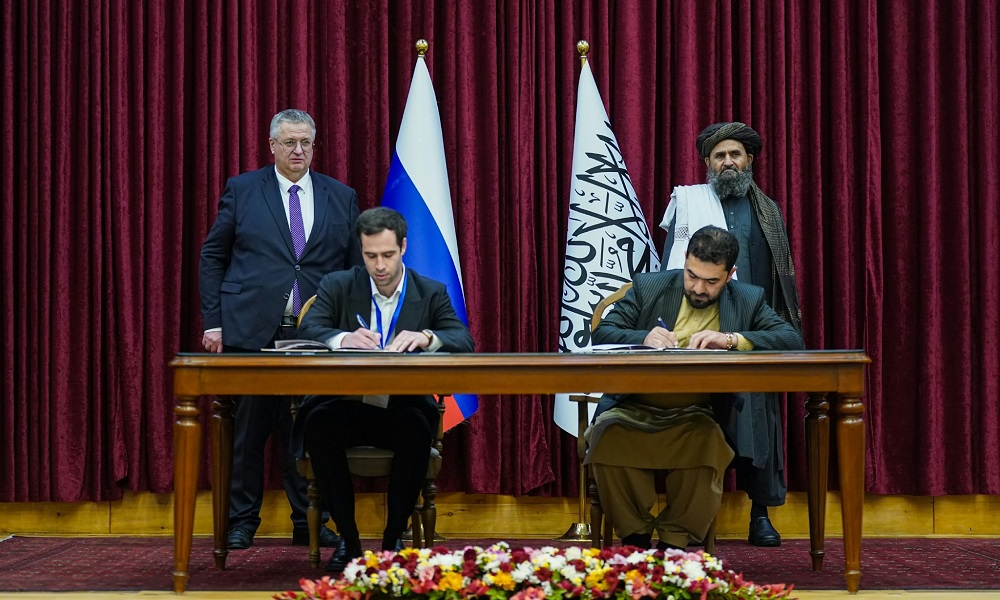
Afghanistan’s private sector and the Russian Federation have signed 15 economic cooperation agreements worth a total of $103 million.
The agreements were signed in the presence of Mullah Abdul Ghani Baradar, Deputy Prime Minister for Economic Affairs, and Alexey Overchuk, Russia’s Deputy Prime Minister.
Under the agreements, the two sides will cooperate in importing medicines, wheat, flour, and cooking oil into Afghanistan, as well as exporting fresh Afghan fruits, particularly pomegranates, to Russia.
Expanding bilateral trade relations and developing economic cooperation in various sectors are also among the key areas covered by the agreements.
According to officials, the agreements will facilitate two-way exports and imports between the two countries.
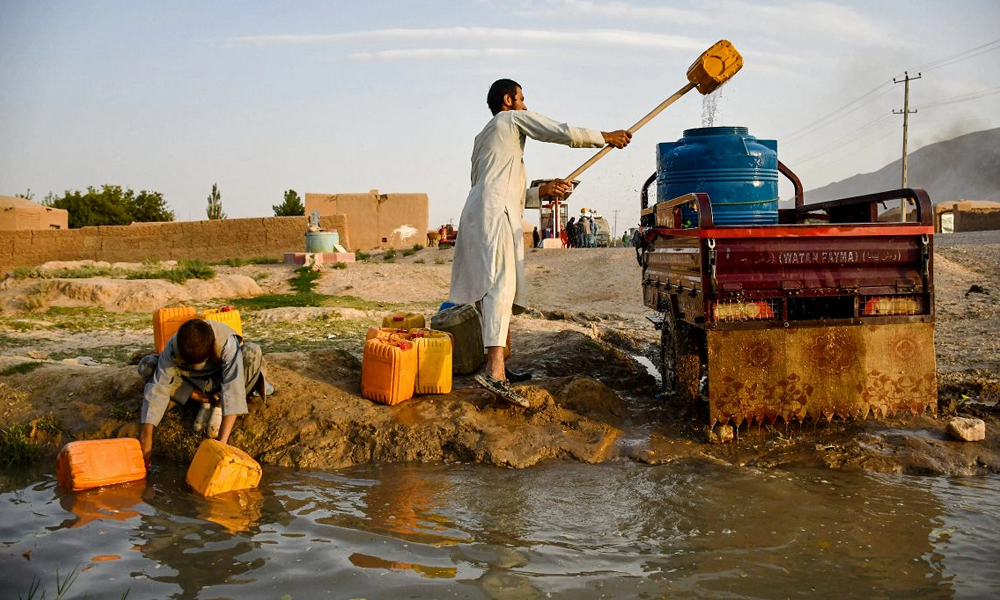
The United Nations has warned of worsening water shortages, the impacts of climate change and inadequate infrastructure in Afghanistan’s central highland regions, highlighting growing challenges facing communities in remote areas.
Rabab Fatima, the UN Secretary-General’s Special Representative in Afghanistan, raised the concerns during a visit to Bamyan province, where she assessed the living conditions and challenges facing local communities.
Fatima said poor road networks and inadequate infrastructure in remote areas have made it increasingly difficult for residents to access essential services, including healthcare and education.
During her visit to the mountainous central regions of Afghanistan from November 2 to 4, she met with local communities to discuss their daily challenges, as well as opportunities for improving livelihoods and access to basic services.
She also stressed the need to expand healthcare services, establish more medical facilities in underserved areas and strengthen support for girls’ education.
Fatima praised the enthusiasm of students in Bamyan for education and highlighted the growing participation of women in business, describing these developments as encouraging signs for the region’s future.
She called for equal educational and economic opportunities for girls and women, emphasizing the importance of ensuring that remote communities are not left behind.
The visit comes as Afghanistan’s central highlands continue to face significant challenges linked to climate change, water scarcity and limited infrastructure, underscoring the need for sustained support and investment in essential services.

Afghanistan and Russia discuss expanding economic cooperation and boosting investment

Argentina clinch futsal gold after defeating Portugal in Dakar 2026 final
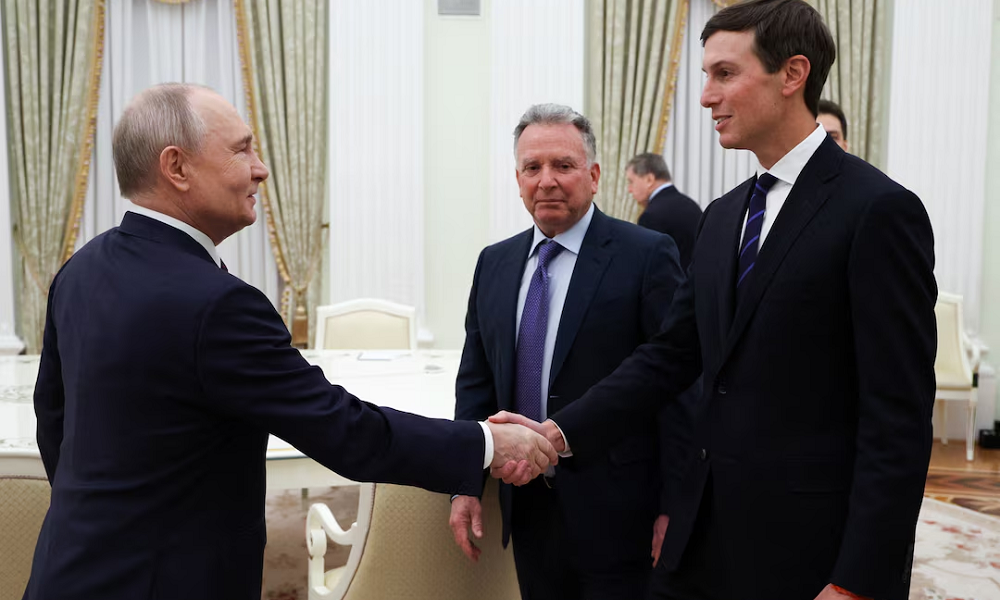
Putin agrees to European role in Ukraine peace talks as Zelenskiy welcomes move
Afghanistan and Russia sign 15 economic cooperation agreements worth $103 million
UN warns of deepening water crisis in central Afghanistan amid climate change

Afghanistan finish runners-up after 6-0 defeat to Brazil in futsal final

Trump says US may strike Iran’s ‘Pickaxe Mountain’ nuclear facility

Afghan futsal coach: Brazil tournament is first step towards new goals and World Cup

Rubio heads to Central Asia while other US officials hit foreign policy hot spots

Violent protests spread across Europe as Albanian PM blames ‘foreign hand’
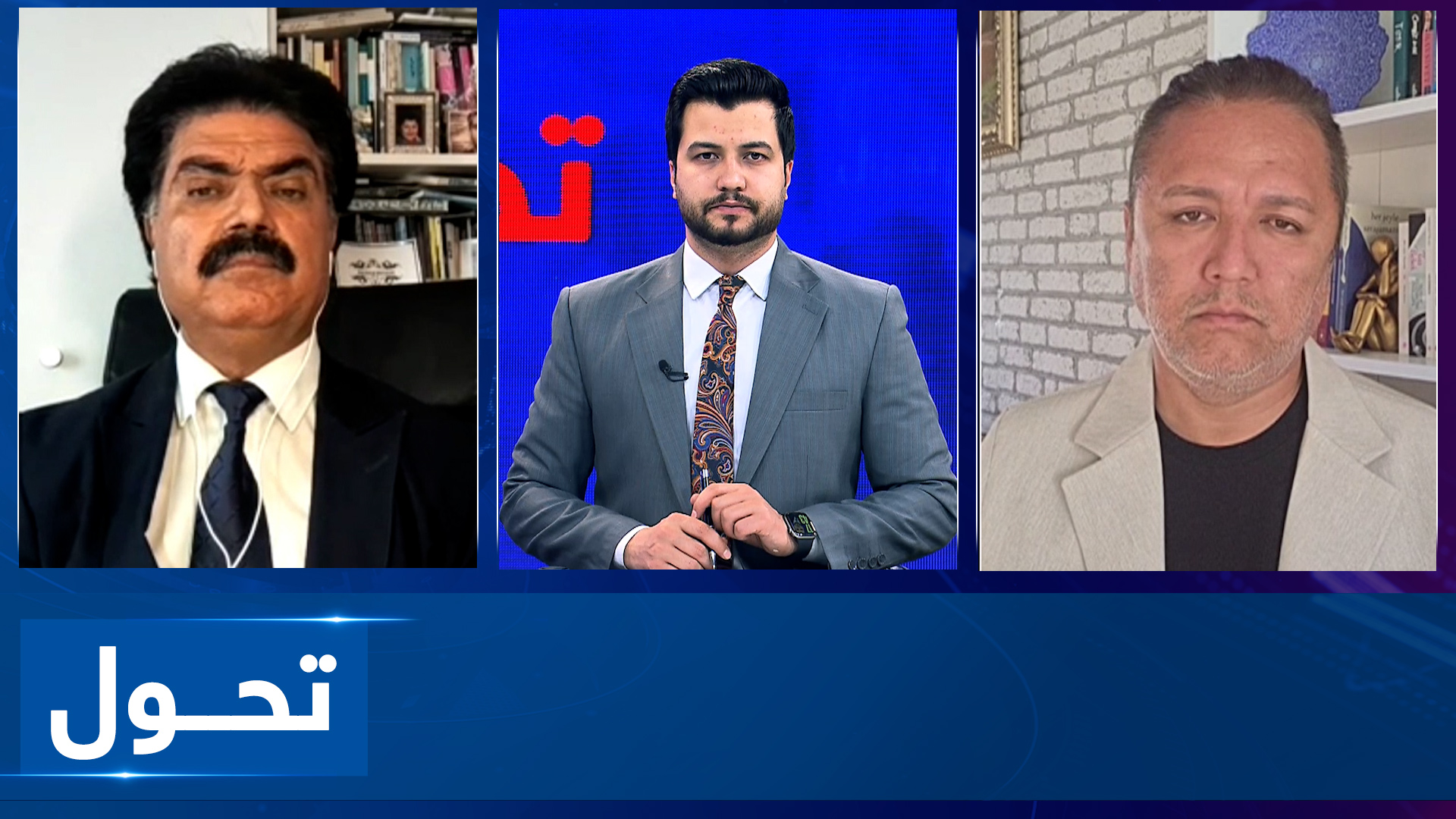
Tahawol: Russia’s special attention to situation in Afghanistan discussed
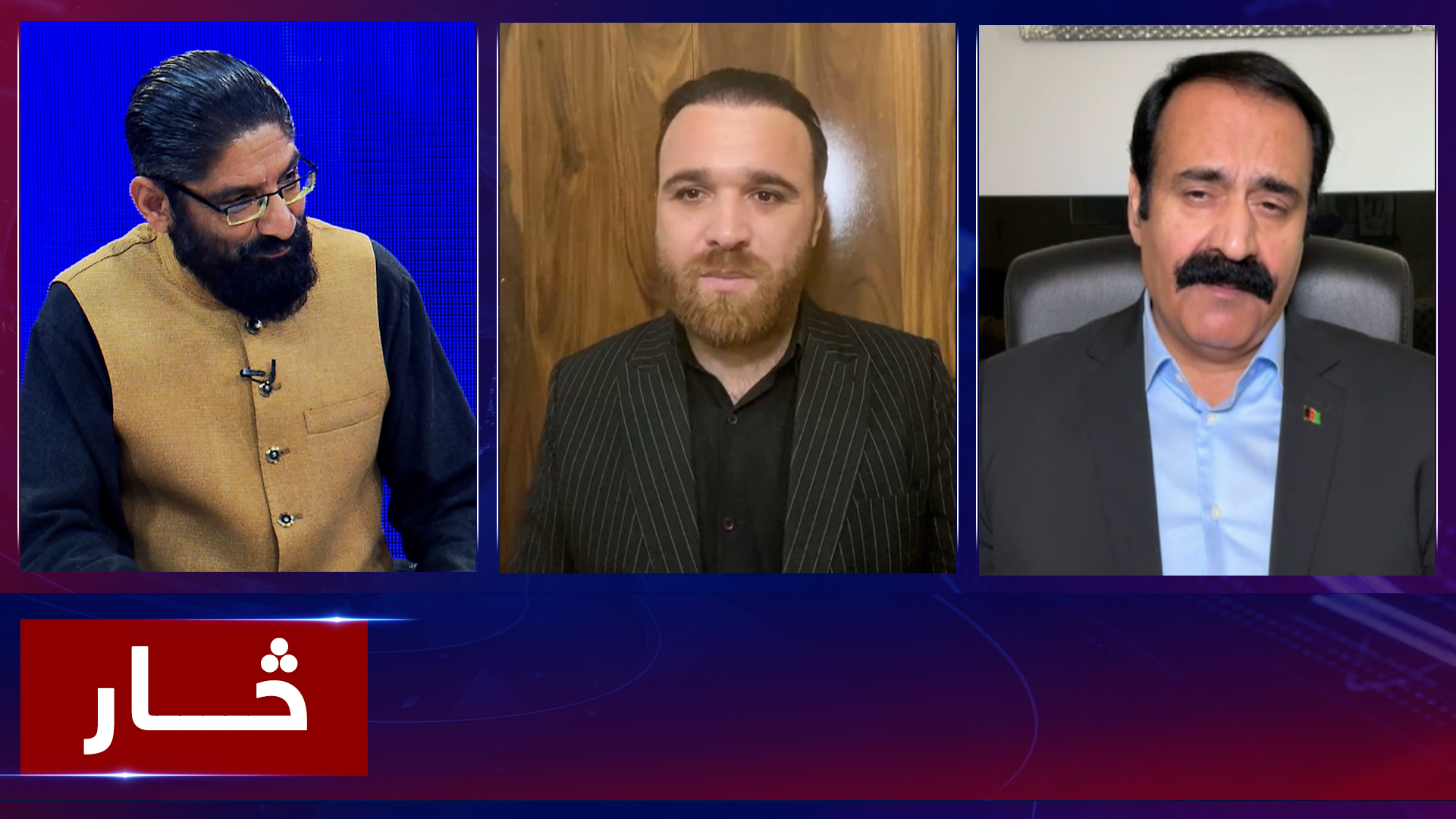
Saar: Discussion on US’s humiliating defeat in Afghanistan
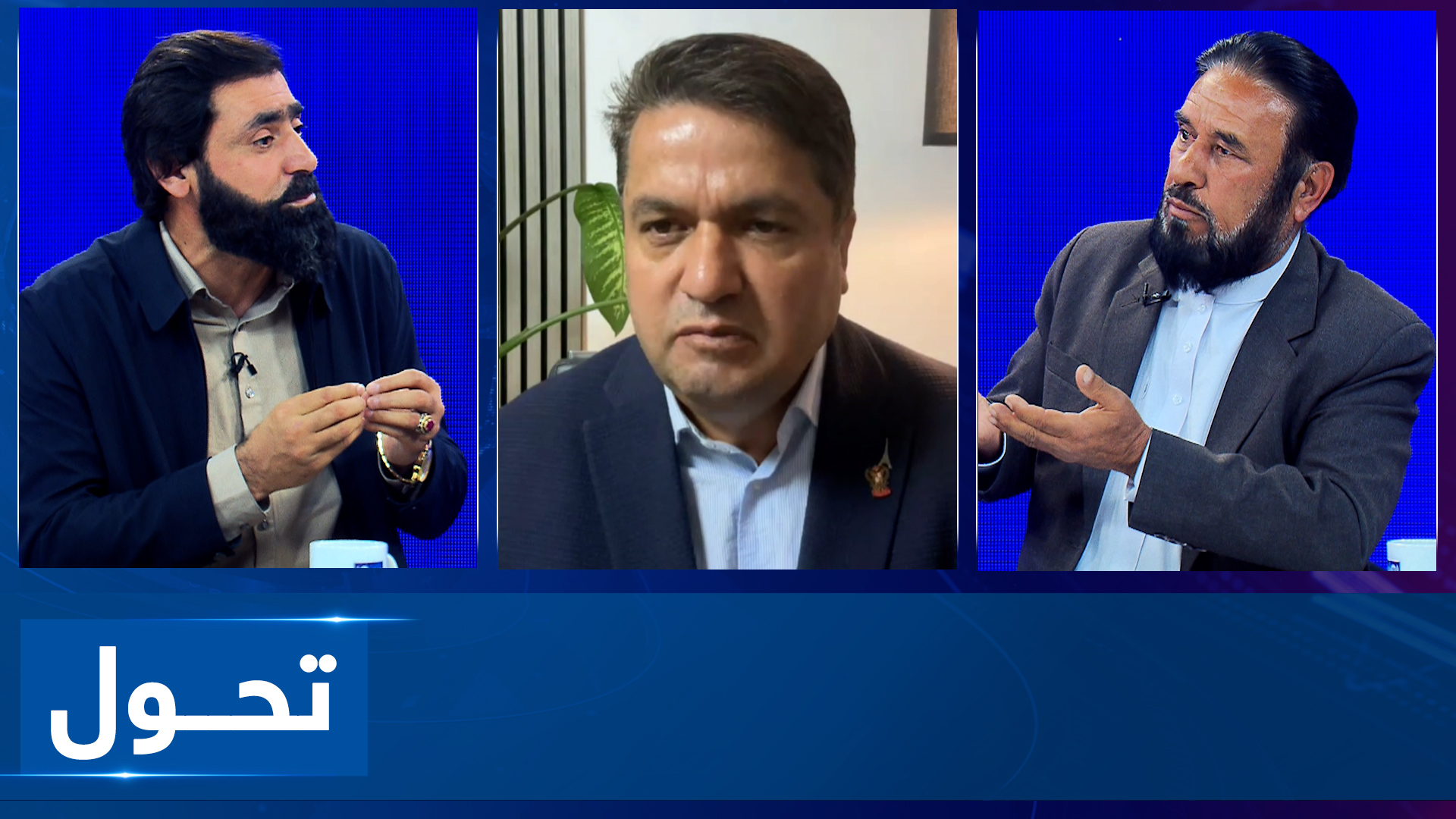
Tahawol: High-level Russian delegation’s visit to Kabul discussed
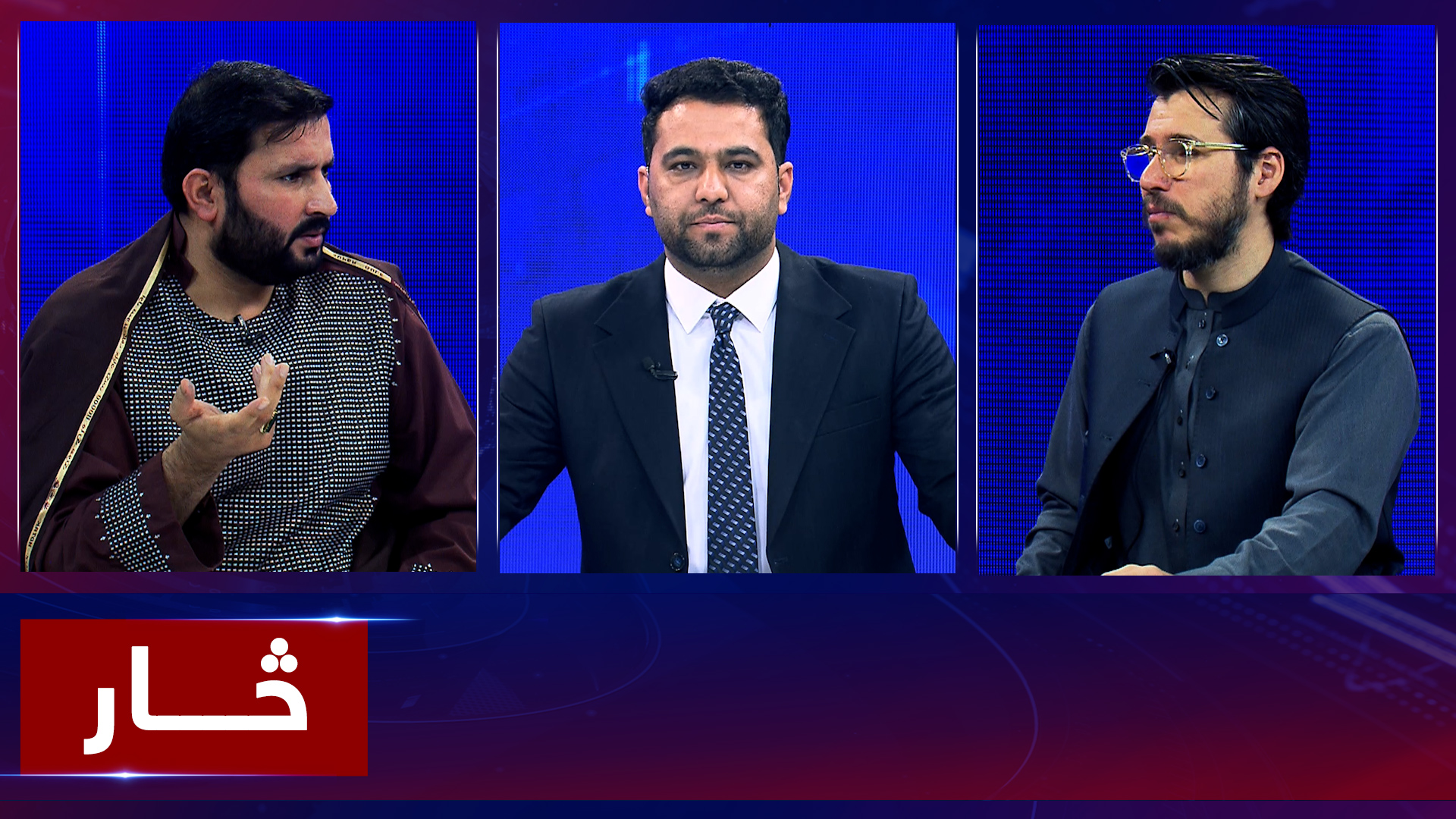
Saar: Afghanistan’s situation in focus at CSTO discussed

Tahawol: Efforts to halt deportation of Afghan refugees from US discussed
-
 Sport4 days ago
Portugal beat Afghanistan 2-0 in Dakar Youth Olympics futsal semi-finals
-
 Sport5 days ago
Afghanistan’s record partnership highlights fourth day of Test against Zimbabwe
-
 Sport5 days ago
Afghanistan thrash Senegal 6-0 to reach Dakar Youth Olympics futsal semi-finals
-
 World4 days ago
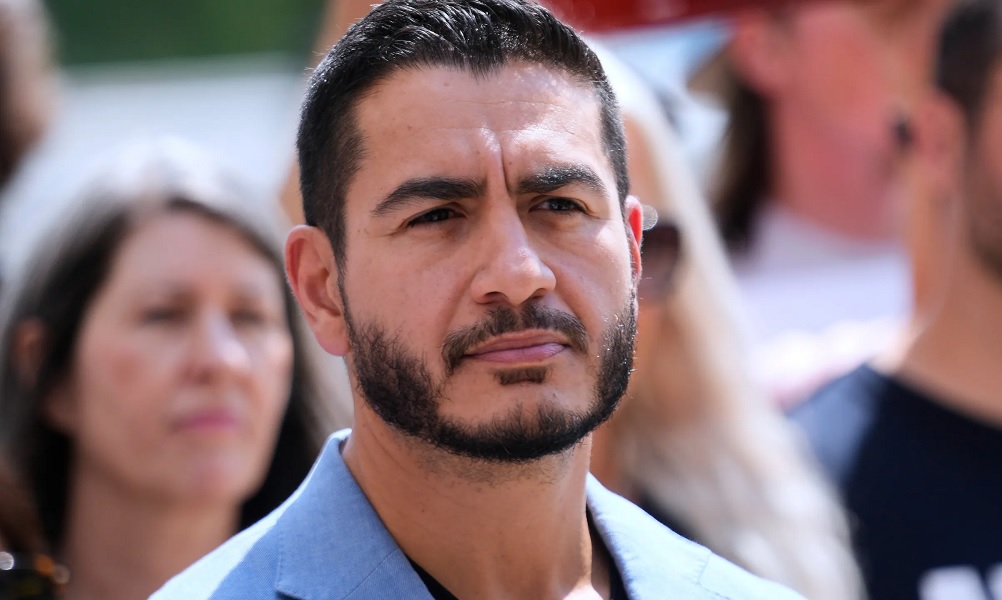
First Muslim US senator-elect El-Sayed calls for review of aid to Pakistan
-
 Regional4 days ago
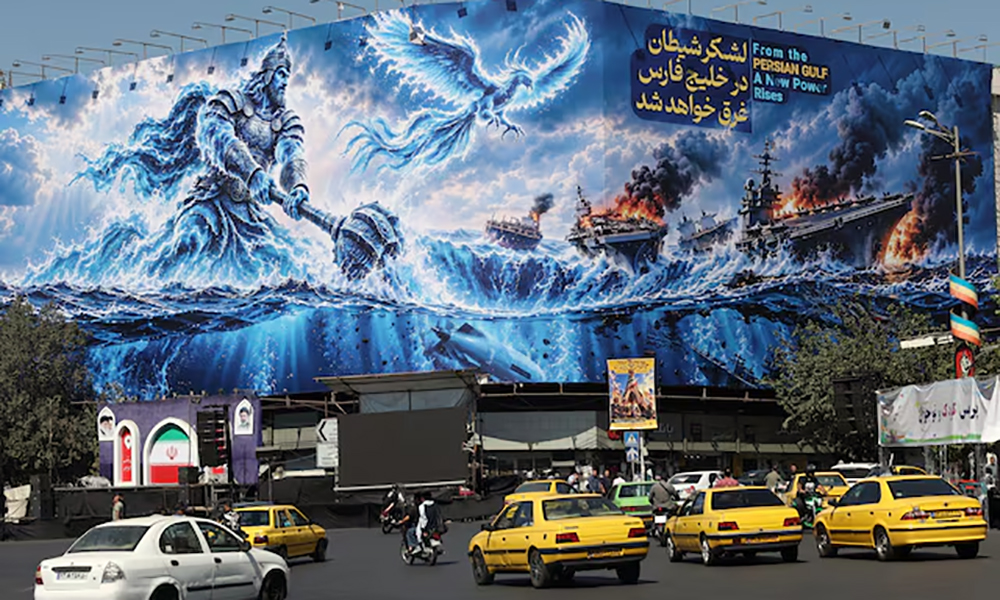
Iran defends two-day proposal for peace talks after US rejects conditions
-
 Climate Change5 days ago
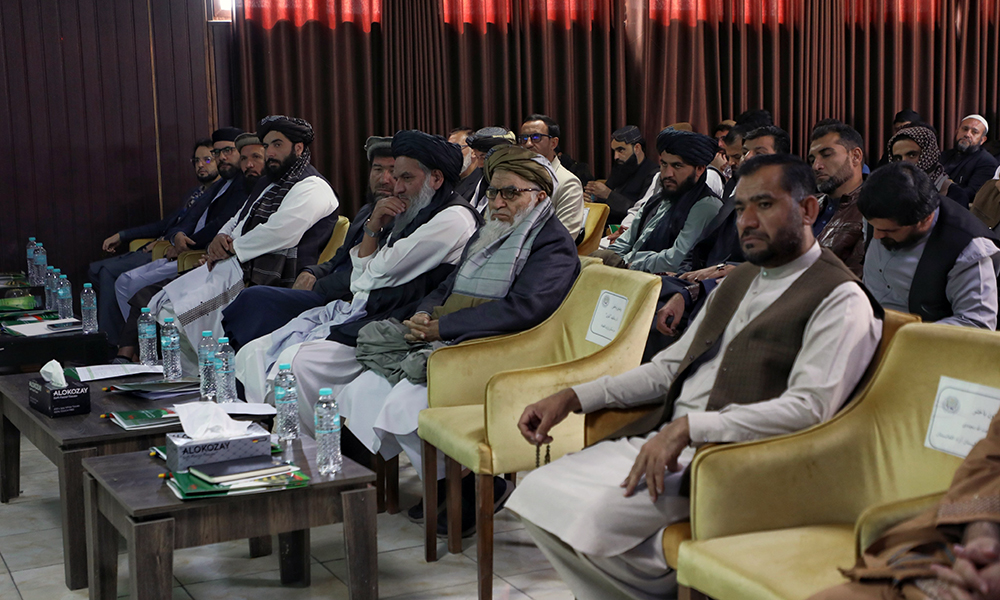
Afghanistan among world’s five most climate-vulnerable countries
-
 Business4 days ago
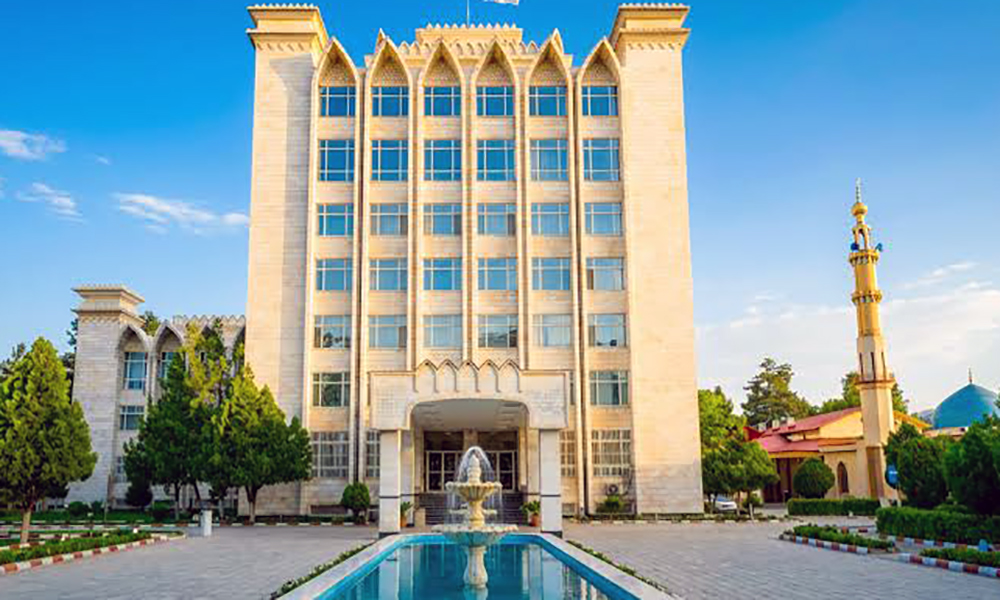
Afghanistan approves new foreign investment policy in bid to attract international investors
-
 Latest News5 days ago
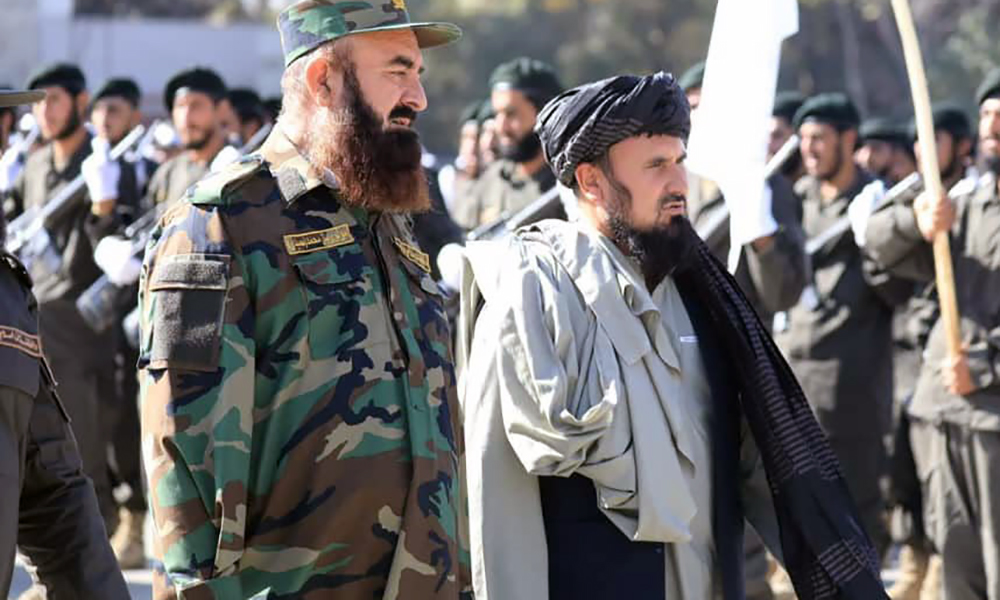
Afghanistan needs strong, modern and independent army, says defence chief