
Health
Over 200 health centers close across Afghanistan due to donor funding cuts: WHO


More than 200 humanitarian health centers across Afghanistan have been forced to shut down due to a halt in international aid, severely disrupting healthcare services for over 1.8 million people in 28 provinces, the World Health Organization (WHO) reported in its March update.
According to the WHO, as of March 25, 2025, a total of 202 health facilities have either been suspended or closed following the cuts in funding provided by humanitarian partners.
The closures include 108 mobile health and nutrition teams, 33 family health clinics, 20 basic health centers, 22 sub-health centers, and 19 other health facilities.
The organization warns that if funding gaps persist, up to 80% of WHO-supported health facilities in Afghanistan could face closure by June 2025, putting millions more at risk of losing access to essential healthcare services.
“The disruption is expected to impact around 1.8 million individuals in 28 of Afghanistan’s 34 provinces,” the report stated.
It also highlighted that the number of suspended or closed centers may change weekly depending on the availability of donor funding.
WHO has urgently appealed to international donors to support the restoration of critical health services and help prevent further deterioration of the public health situation in Afghanistan.
Meanwhile, officials from the Islamic Emirate of Afghanistan have consistently emphasized that humanitarian aid should not be politicized, and have reiterated that the Afghan
population remains in dire need of humanitarian assistance.
This recent wave of closures follows a previous shutdown of 167 health facilities in 25 provinces, which had already cut off access to vital healthcare for 1.6 million people due to similar funding shortfalls.

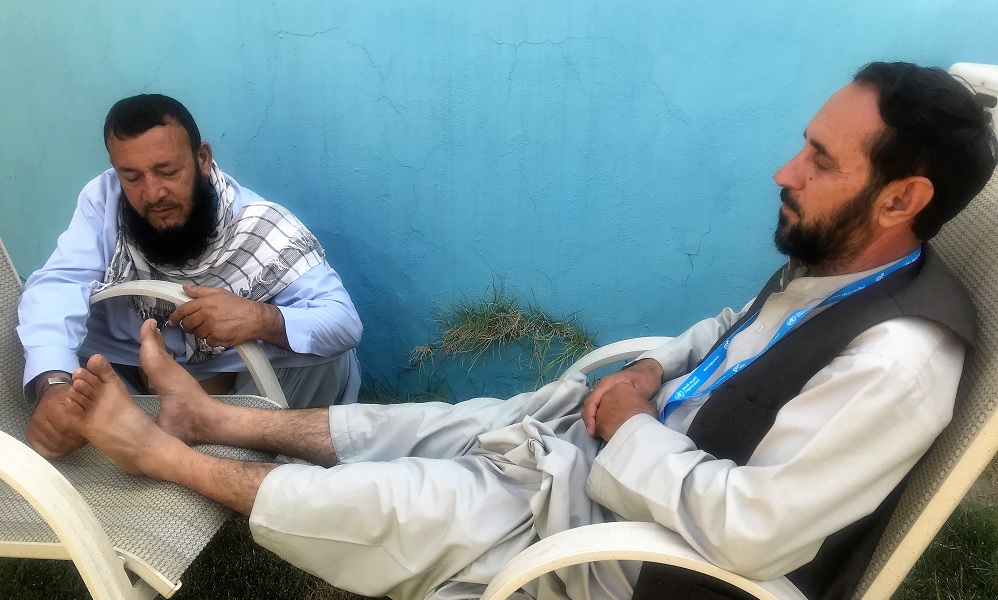
“Diabetes is a big public health problem in Afghanistan,” the World Health Organization (WHO) representative to Afghanistan has warned, saying too many people only learn they have the disease when a complication arises.
Dr. Edwin Ceniza Salvador said urgent investment is required to address and prevent diabetes, noting that screening is available in only one out of every 20 public health facilities.
In a message marking World Diabetes Day, Salvador urged people aged 40 and older to ask for a blood glucose test at their nearest health facility.
“Early action will save your sight, kidneys and prevent complications,” he said.
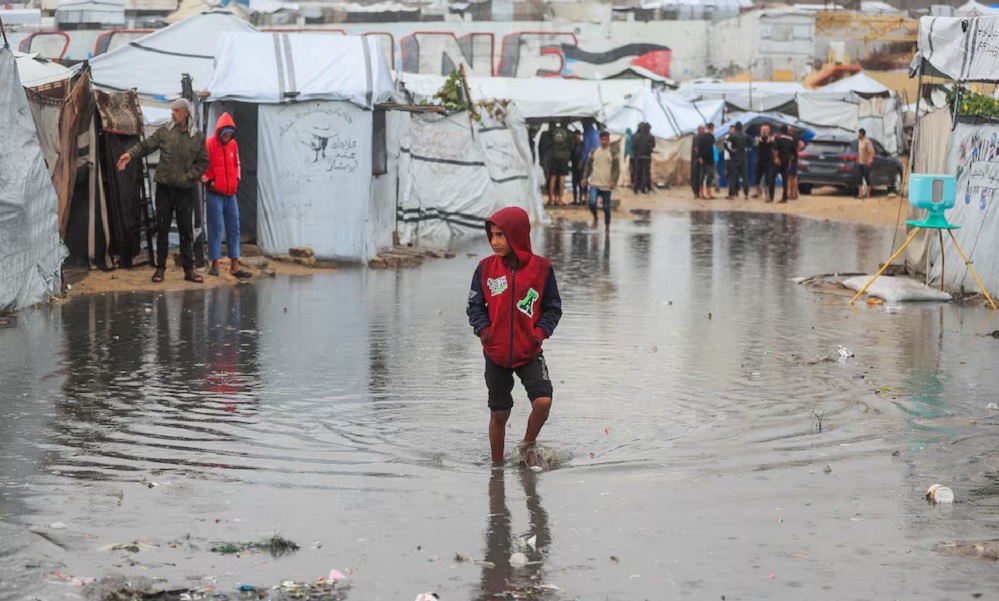
The World Health Organization warned on Friday of surging respiratory illnesses in Gaza, with worse expected after heavy rains flooded tens of thousands of tents housing displaced Palestinians.
“The numbers already show the pressure. Acute respiratory infections are 33,000 cases higher than at the same time last year,” Dr Reinhilde Van De Weerdt, WHO Representative in the Occupied Palestinian Territory, told reporters in Geneva from Jerusalem, Reuters reported.
Poor living conditions and severe overcrowding are driving up infections as Gaza’s population is squeezed into an ever-smaller area, WHO said. The crunch has worsened as the Israeli military expands its control by advancing the “yellow line” — a demarcation established under October’s US-brokered ceasefire.
“That means people are living in more crowded conditions, where of course the spread between humans of a virus is much more prone to spread,” Van De Weerdt explained.
The Israeli military and COGAT, the Israeli military agency that coordinates aid, did not immediately respond to Reuters request for comment.
Last week COGAT said that it had stepped up efforts to improve sanitary conditions before the heavy rain, in coordination with international organisations.
Respiratory infections currently make up 11% of all consultations, with the WHO expecting cold weather, flooding, overcrowded shelters and poor ventilation to push these numbers higher.
“It is shocking that just a few days of rain really showed us what the coming months will bring. And winter has not even fully set in. The worst really is yet to come,” Van De Weerdt said.
Nearly a million displaced people in Gaza live in flood-exposed areas, and 400,000 of them are in locations that are considered at extremely high risk, according to the WHO.
The agency said flooding heightened the risk of contaminated water, while standing water gave mosquitoes and pests more places to breed. Dampness encouraged mould and bacteria that are major drivers for respiratory infections, especially in young children, it said.
While the majority of medicines are getting into Gaza, the WHO faces difficulty getting laboratory supplies, which it says are vital for diagnosing patients before they can be treated.
“To prevent outbreaks, we really call to let laboratory equipment enter Gaza today, so that we can avoid a public health disaster on top of a disaster.“
Health
German medical team launches free surgical mission at Bamiyan provincial hospital
The mission is funded by volunteer doctors and partner organisations, with essential medicines and medical equipment also brought into the country.

A nine-member medical team from Germany has begun a two-week medical and surgical mission at Bamiyan Provincial Hospital, offering free specialised treatment to patients in need.
According to the Ministry of Public Health, the team arrived in Afghanistan in coordination with the ministry and in partnership with Aga Khan Health Services (AKHS).
During the mission, the specialists will provide diagnostic and surgical services, including plastic surgery, burn treatment, correction of congenital deformities, war-related injuries and other complex medical conditions.
The team is expected to examine around 200 patients, with between 100 and 150 selected for surgical procedures.
In addition to treating patients, the German specialists will conduct theoretical and practical training sessions for Afghan doctors, surgeons and medical students to strengthen local medical expertise.
The ministry said the mission is funded by volunteer doctors and partner organisations, with essential medicines and medical equipment also brought into the country.
The initiative aims to improve access to free specialised healthcare, enhance the skills of Afghan medical professionals and strengthen surgical services in Afghanistan.

ASQA stresses standards compliance in Emirati Olive Company products
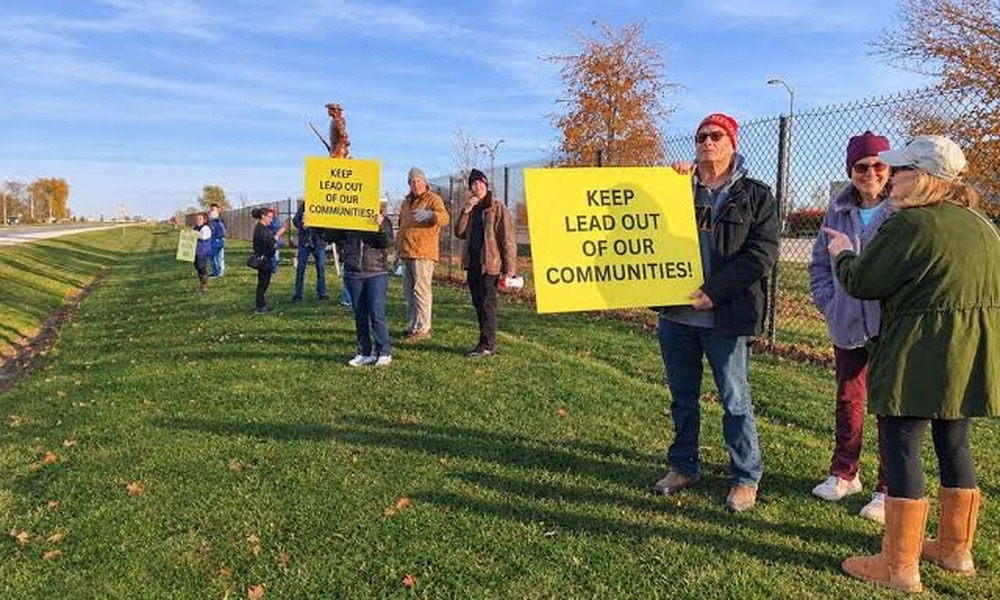
US Army schedules Iowa explosives detonation despite public outcry

Five killed in Turkish military helicopter crash in western Turkiye

Russia agrees to supply Afghanistan with $200 million worth of goods
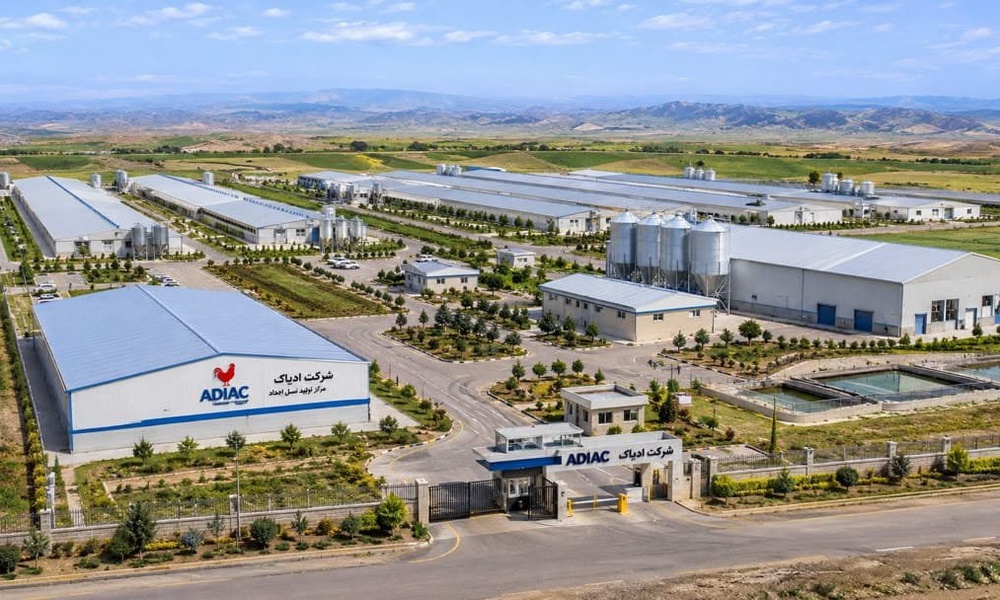
$7 million poultry farm opens in Herat, creating 600 jobs

US sanctions and blockade measures disrupt Iran’s trade with Afghanistan and regional neighbors
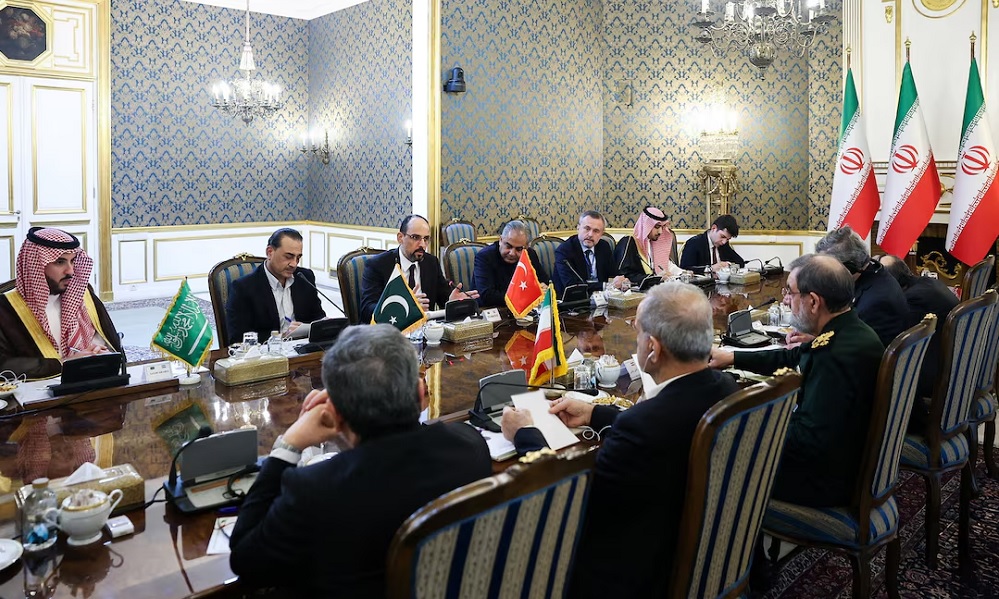
Saudi defence pact countries push for peace in Tehran as Houthis launch more attacks

England forward Kane crowned Ballon d’Or winner

Afghanistan to launch nationwide polio vaccination campaign

Afghanistan futsal team thrash Panama 5-0 in flying start to Dakar Youth Olympics
Five killed in Turkish military helicopter crash in western Turkiye

Tahawol: Discussion on shifting views within Pakistan

Qatar warns Middle East cannot afford renewed US-Iran escalation

Saar: Return of millions of Afghans to their homeland

Saar: Pakistan FM’s remarks on Afghanistan
-
 Latest News5 days ago
US judge questions Trump administration’s policies targeting refugees
-
 Latest News2 days ago
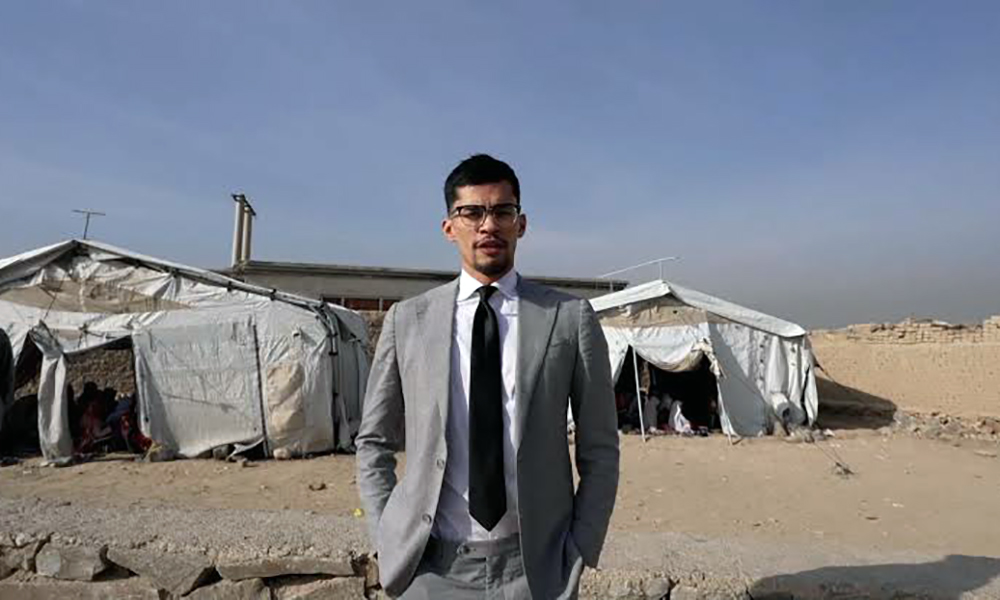
SNEAKO claims US authorities questioned him for eight hours after Afghanistan visit
-
 Latest News4 days ago
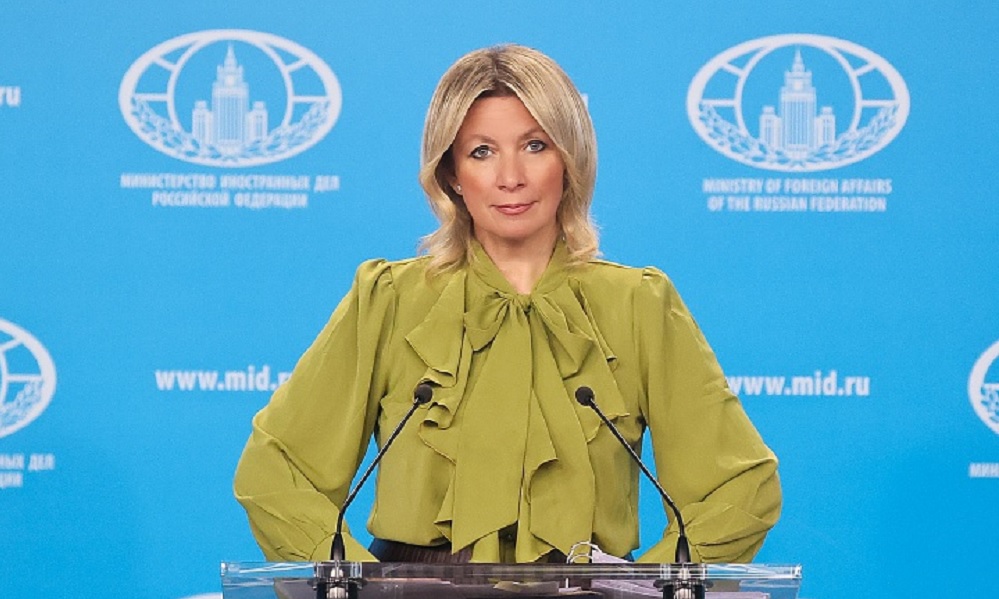
Russia reiterates readiness to facilitate talks between Afghanistan and Pakistan
-
 Regional5 days ago
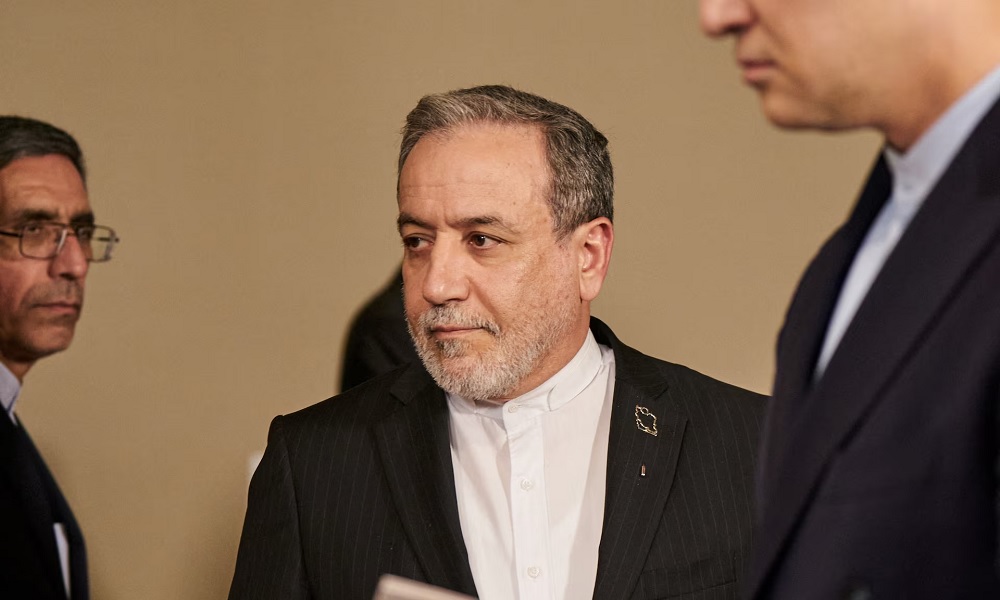
Araqchi says Iran wants diplomacy to end war, Trump says terms unacceptable
-
 Science & Technology5 days ago
Astronomers observe a huge puffy star merge with smaller companion
-
 Latest News4 days ago
AfD leader calls for return of 2.6 million foreigners from Germany
-
 Latest News4 days ago
Bagram belongs to Afghanistan, not the United States: Anas Haqqani
-
 Sport4 days ago
Lebanon defeat Afghanistan 5-0 in Beach Soccer Asian Cup