
Regional
Pakistan crowd vandalises churches, torches homes after blasphemy claim


A Muslim crowd attacked a Christian community in eastern Pakistan on Wednesday, vandalising several churches and setting scores of houses on fire after accusing two of its members of desecrating the Holy Quran, police and community leaders said.
The attack took place in Jaranwala in the industrial district of Faisalabad, police spokesman Naveed Ahmad told Reuters. The two Christians were accused of blasphemy, he said, adding they and family members had fled their homes.
Resident Shakil Masih said he heard announcements inciting the mob and then saw crowds heading towards his Christian area.
“I left my home immediately with my family. Several other families did the same,” he told Reuters.
The area has been cordoned off as police negotiated with the crowd, provincial police chief Usman Anwar told Dawn News.
The police case against the two Christians is that they found pages of the Quran with some derogatory remarks written in red.
Blasphemy is punishable by death in Pakistan and though no one has ever been executed for it, numerous accused people have been lynched by outraged crowds.
A Christian leader, Akmal Bhatti, said the crowd had “torched” at least five churches and looted valuables from houses that had been abandoned by their owners.
Several social media posts showed some churches, houses and belongings on fire as police stood by.


Regional
Araqchi says Iran wants diplomacy to end war, Trump says terms unacceptable
The foreign minister said Iran’s red lines included keeping its highly enriched uranium in the country, though he said a “fair solution” was still possible.
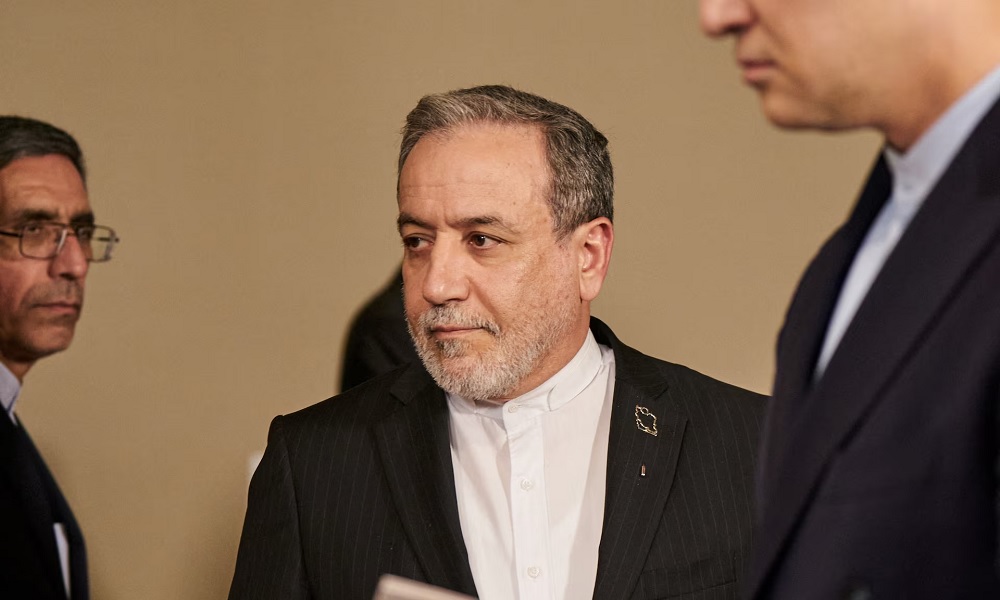
Iran’s Foreign Minister Abbas Araqchi said Tehran still hoped diplomacy could end its war with the United States, while US President Donald Trump said Iran wanted a deal but one that was not acceptable to him.
Araqchi told the state-owned Iran newspaper that messages continued to be exchanged between Iran and Washington through mediators, and that Tehran was seeking “an agreement that would ensure there was no further war”, Reuters reported.
He also said Iran wanted guarantees that Washington was serious about negotiations before proceeding further, adding that Iran had discussed with mediators the form and nature of confidence-building measures.
The remarks came as diplomatic efforts continued to try to end a conflict that has destabilised the Middle East, disrupted shipping, driven up global energy prices and drawn in countries across the region.
The foreign minister said Iran’s red lines included keeping its highly enriched uranium in the country, though he said a “fair solution” was still possible.
Authorities have previously mentioned “feasible formulas” to resolve the dispute between Tehran and Washington over the matter, including diluting the highly enriched uranium stockpile under the supervision of the International Atomic Energy Agency.
The IAEA estimates that Iran had 440.9 kg of uranium enriched to 60% when Israel and the US attacked Iranian nuclear facilities in June 2025. How much of that has survived is unclear.
“I believe a fair solution can be reached on the issue of nuclear material, one that is based on our national interests while also meeting the country’s needs,” Araqchi said.
Trump, in a press conference on Friday, said: “They want to make a deal, but they don’t want to make a deal that’s acceptable to me.”
The United States and Israel attacked Iran on February 28, prompting Tehran to strike Israel and Gulf states hosting US military bases.
Qatari and Iranian officials met on Tuesday in talks aimed at “bridging perspectives and narrowing the gap between proposals presented on the ground,” a spokesperson for Qatar’s foreign ministry said.
Regional
US strikes Iranian military site as Gulf states report fresh attacks
The IRGC claimed earlier it had struck a US military radar system at Bahrain’s Sheikh Isa Air Base using drones.
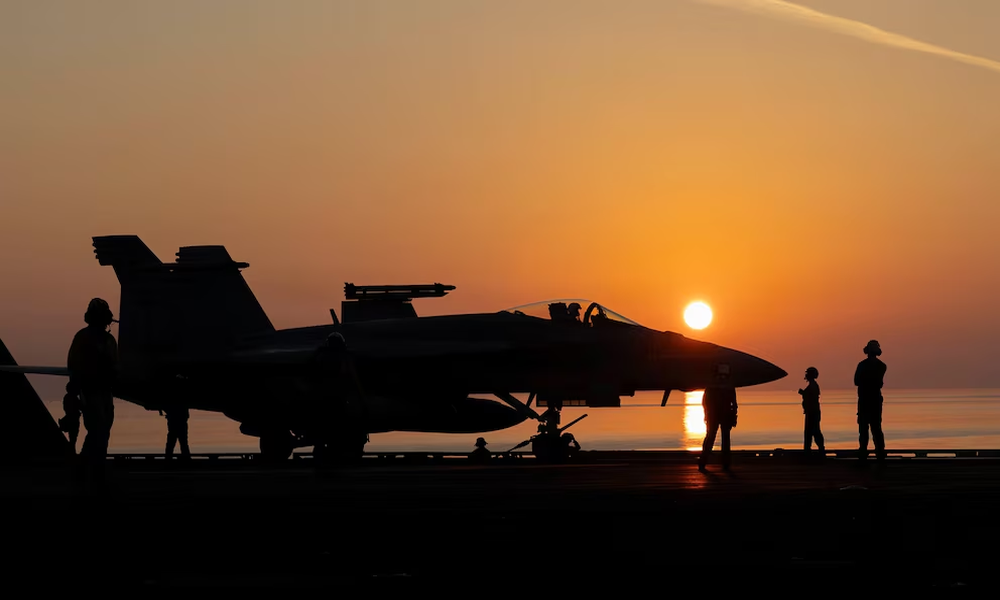
US warplanes struck an Iranian military installation on Qeshm Island in the Strait of Hormuz on November 17, as Bahrain and Kuwait reported fresh aerial attacks and diplomatic efforts continued to prevent further escalation across the Gulf.
A US military official told Reuters that American aircraft targeted a site belonging to Iran’s Islamic Revolutionary Guard Corps (IRGC), in response to attacks on US personnel and military assets.
Ahmad Nafisi, deputy governor of Iran’s Hormozgan province, confirmed the strikes on Qeshm Island but said residential areas, businesses and critical infrastructure had not been damaged. He did not provide details of casualties or damage to military facilities.
Earlier, the IRGC claimed it had struck a US military radar system at Bahrain’s Sheikh Isa Air Base using drones. It described the attack as retaliation for what it called repeated violations of Iranian airspace by American military drones.
However, US Central Command rejected the claim, saying the incoming drones had been intercepted without causing damage to American equipment or injuring US personnel.
Bahrain, which hosts the US Navy’s Fifth Fleet, reported further aerial interceptions in the early hours of November 18, accusing Iran of continuing attacks against the kingdom. The Interior Ministry issued two emergency alerts instructing residents to seek shelter before announcing that the threat had passed.
Kuwait’s military also reported that its air defence systems were engaging hostile drones, although it did not identify their origin or provide details of casualties or damage.
Shipping tensions escalate in Strait of Hormuz
The latest military exchanges coincided with further reports of attacks on commercial shipping in the Strait of Hormuz, a critical international energy and trade route.
Iran’s Revolutionary Guards said a tanker caught fire after striking a mine near Oman’s Ghanam Island while travelling along a route that Tehran had not authorized. The statement did not identify the vessel or provide information about its crew.
Iranian forces also reported fires aboard other vessels in the strait, although Reuters said it could not independently verify the claims.
Separately, the United Kingdom Maritime Trade Operations (UKMTO) agency reported that the crew of a tanker attacked north of Oman’s port of Khasab could not be accounted for.
The vessel, which was first attacked on November 16, reportedly sustained a second strike and caught fire again.
Diplomatic efforts continue
Despite the renewed military activity, diplomatic efforts to contain the conflict continued, with Qatar and Oman maintaining contacts aimed at reducing tensions between Washington and Tehran.
Qatari Foreign Ministry spokesman Majed Al Ansari said on November 17 that mediation efforts to narrow differences between the two sides were ongoing.
He warned that further escalation threatened maritime navigation, the global economy and the prospects of reaching an agreement, urging all parties to exercise restraint.
Iranian Foreign Minister Abbas Araghchi also travelled to Oman, where he met Sultan Haitham bin Tarik and Foreign Minister Badr Albusaidi.
Oman’s Foreign Ministry said the discussions focused on efforts to de-escalate tensions and create conditions for a peaceful resolution to the crisis.
In Ankara, Turkish Foreign Minister Hakan Fidan called for the reopening of the Strait of Hormuz and a swift, positive conclusion to negotiations between the United States and Iran.
Fidan urged Tehran to demonstrate its willingness to resolve the dispute, stressing the importance of restoring safe maritime navigation and addressing the security concerns of neighbouring countries.
The conflict began on February 28 with US-Israeli strikes against Iran. Washington has maintained a blockade of Iranian ports, while Tehran continues to restrict shipping through the Strait of Hormuz.
Disagreements over maritime access and the US blockade remain major obstacles to diplomatic efforts to end the conflict.
Regional
Oman and Iran discuss restoring shipping through Strait of Hormuz
Oman’s Foreign Ministry said the talks focused on protecting maritime corridors and ensuring the continued movement of commercial shipping.
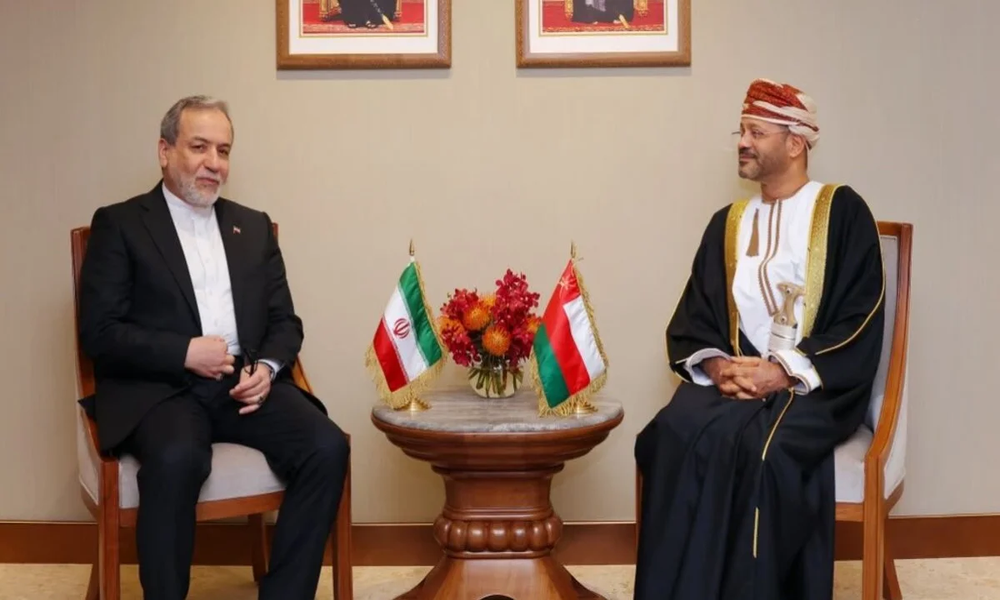
Oman and Iran have held talks on safeguarding maritime routes and restoring the smooth flow of international shipping and trade as disruption in the strategically important Strait of Hormuz continues to threaten global energy supplies.
The discussions took place during a visit to Oman by Iranian Foreign Minister Abbas Araqchi on Tuesday, November 17. He met Oman’s Foreign Minister Badr Albusaidi, with both sides discussing ways to revive diplomatic channels and prevent further escalation of the crisis.
In a statement, Oman’s Foreign Ministry said the talks focused on protecting maritime corridors and ensuring the continued movement of commercial shipping.
The two ministers also discussed revitalising dialogue and negotiation channels, with the aim of expanding common ground between the parties involved and preventing the crisis from widening.
Oman, which lies along the southern coast of the Strait of Hormuz, has played an important mediating role since the conflict began with US and Israeli attacks on Iran on February 28.
The waterway has become a major flashpoint in the conflict, with attacks on commercial vessels increasing as Iran continues to disrupt shipping and Washington maintains a naval blockade against Tehran.
The Strait of Hormuz is one of the world’s most important maritime chokepoints. Before the conflict, it carried approximately one-fifth of global oil and gas supplies, making its continued disruption a serious concern for energy markets and international trade.
Tensions have also extended to maritime infrastructure. Iran reportedly attacked shipping navigation systems on Oman’s Didamar Island last week, raising concerns about the security of facilities needed to maintain and restore commercial shipping through the Gulf.
With exports increasingly affected, regional producers have been exploring alternative arrangements, including ship-to-ship transfers off the coasts of Oman and the United Arab Emirates. The US military has also been assisting commercial vessels navigating the strait.
Oman and Iran have previously held discussions over managing maritime traffic through the waterway, including talks in August. Before the war, commercial vessels generally transited freely through the internationally recognised shipping route.
The latest diplomatic engagement comes as efforts to end the conflict continue, with the future of the Strait of Hormuz emerging as a central issue in negotiations.
Any prolonged disruption could have far-reaching consequences for global oil supplies, shipping costs and the wider economy, particularly as the conflict continues to spread across the Middle East.

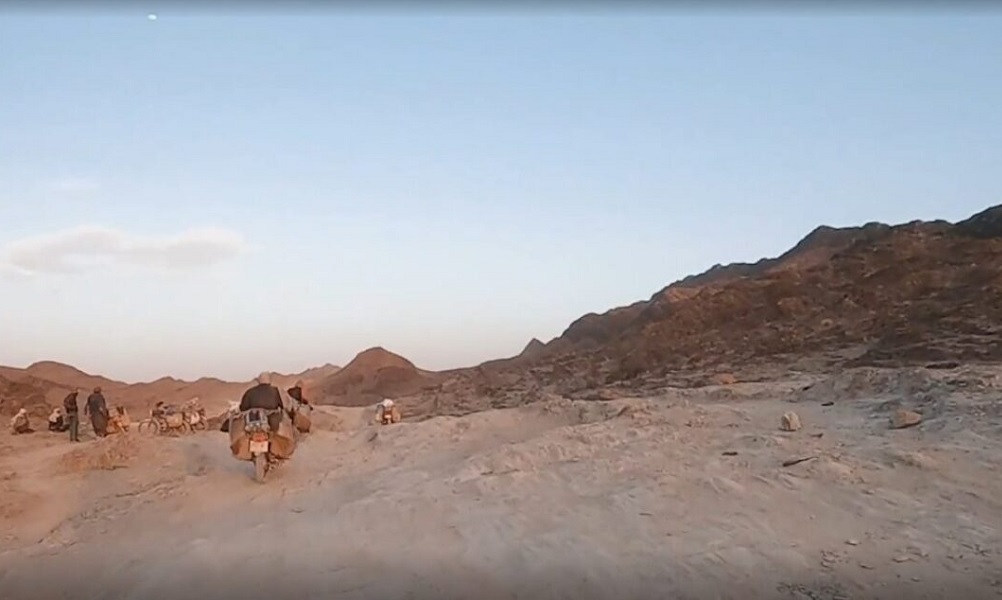
Three Afghan migrants, including woman and child, killed in Iran border shooting

Saar: Pakistan FM’s remarks on Afghanistan
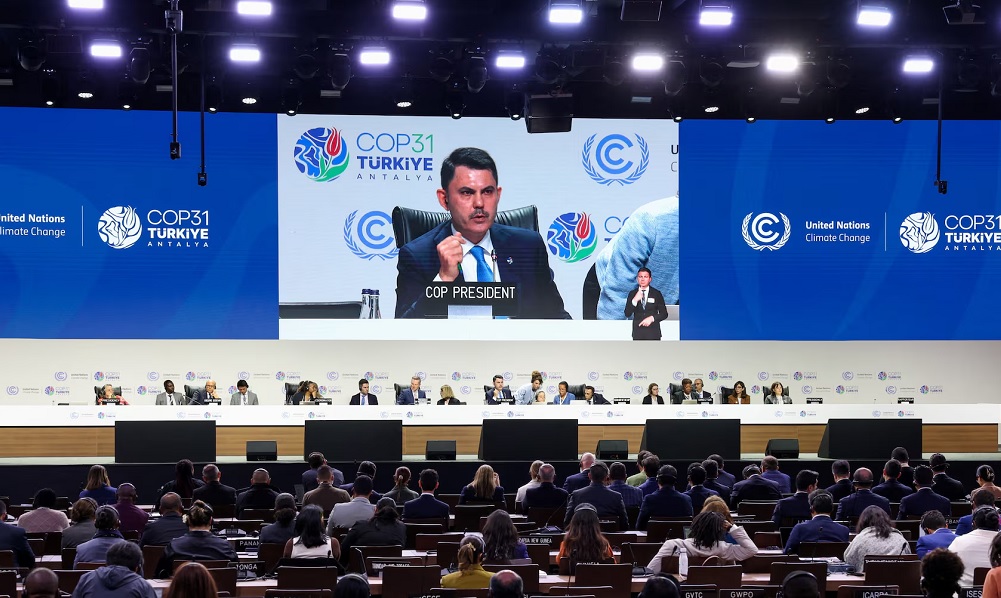
COP31 climate talks collapse as EU and others reject deal
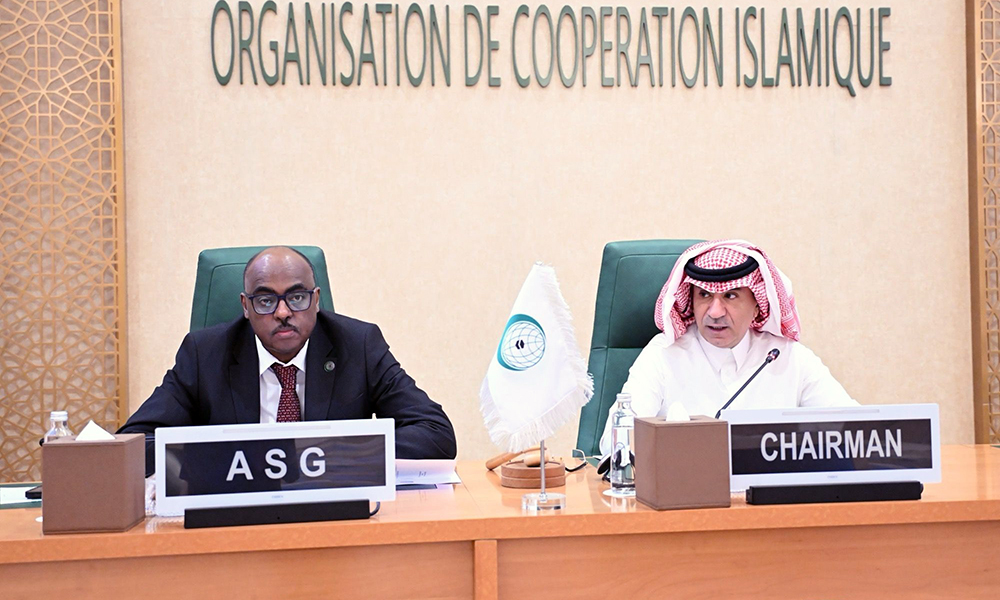
OIC contact group discusses roadmap for phased engagement with Afghanistan’s authorities

Afghanistan wins bronze at Asia Rugby Sevens Trophy 2026

US sanctions and blockade measures disrupt Iran’s trade with Afghanistan and regional neighbors
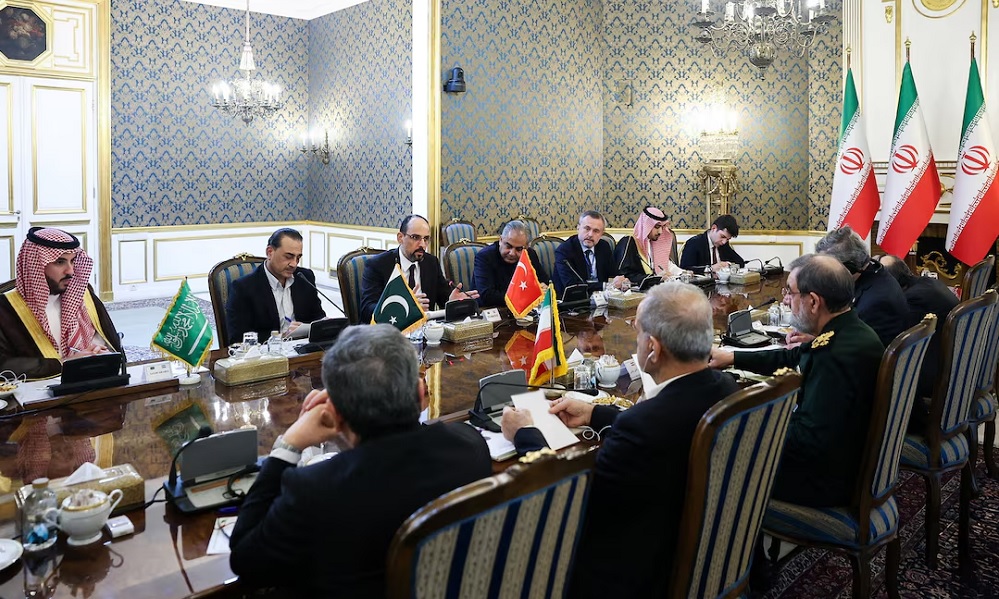
Saudi defence pact countries push for peace in Tehran as Houthis launch more attacks

England forward Kane crowned Ballon d’Or winner

Afghanistan to launch nationwide polio vaccination campaign

Afghanistan urges polio vaccination as cases reach 42
Saar: Pakistan FM’s remarks on Afghanistan

Tahawol: World Television Day discussed
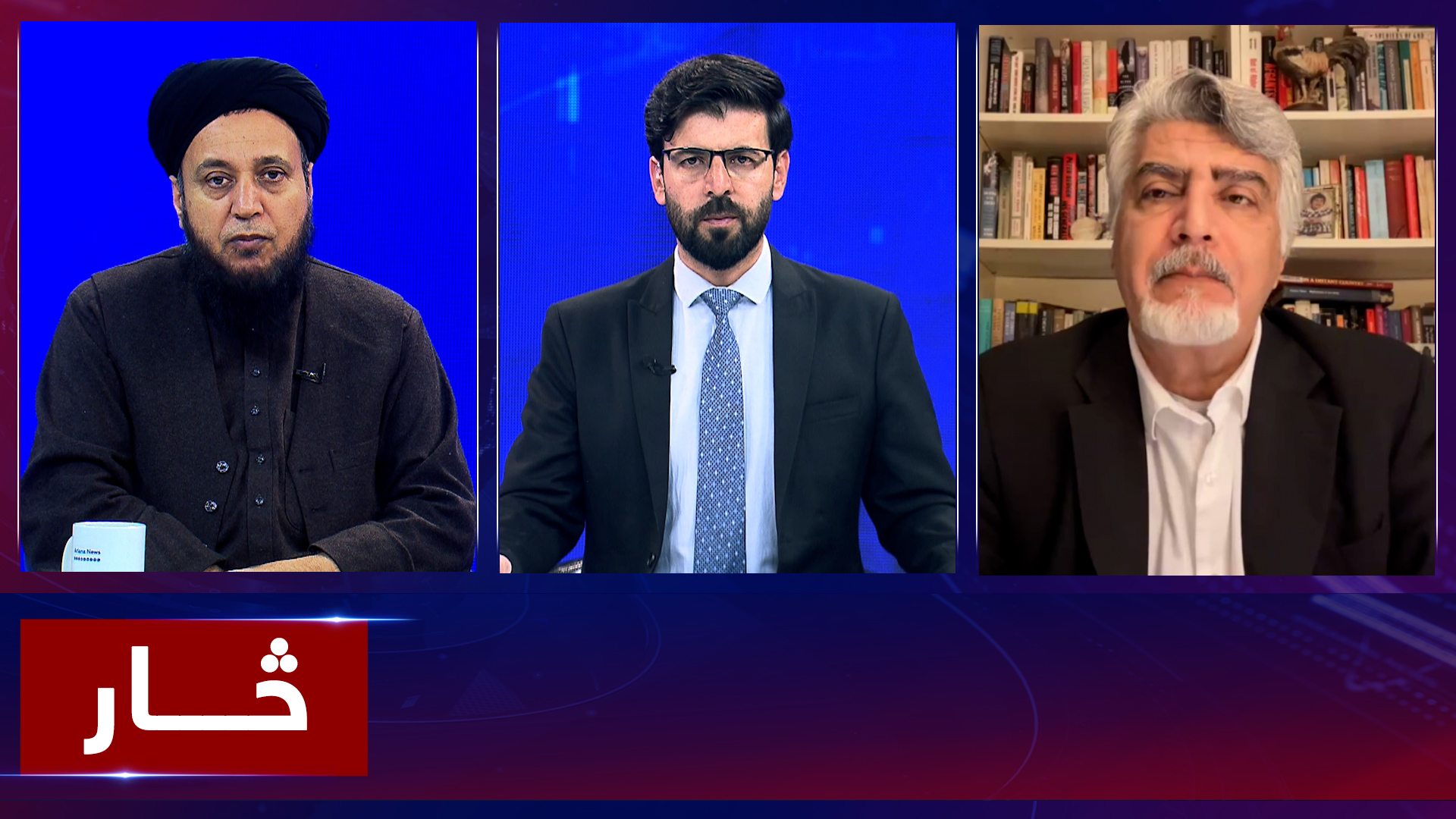
Saar: Efforts to resolve Afghanistan-Pakistan tensions in Moscow reviewed

Tawsia: Afghanistan’s key economic highlights of the week discussed

Tahawol: Kazakhstan’s call for practical international engagement with Afghanistan
-
 Sport4 days ago
ATN to broadcast AFC Awards honoring Asia’s football stars
-
Regional5 days ago
US strikes Iranian military site as Gulf states report fresh attacks
-

 Latest News5 days ago
Afghanistan’s economy grows despite rising food insecurity and water crisis: World Bank
-
 Latest News4 days ago
Two Afghan nationals convicted over sexual assault of 14-year-old girl on UK train
-
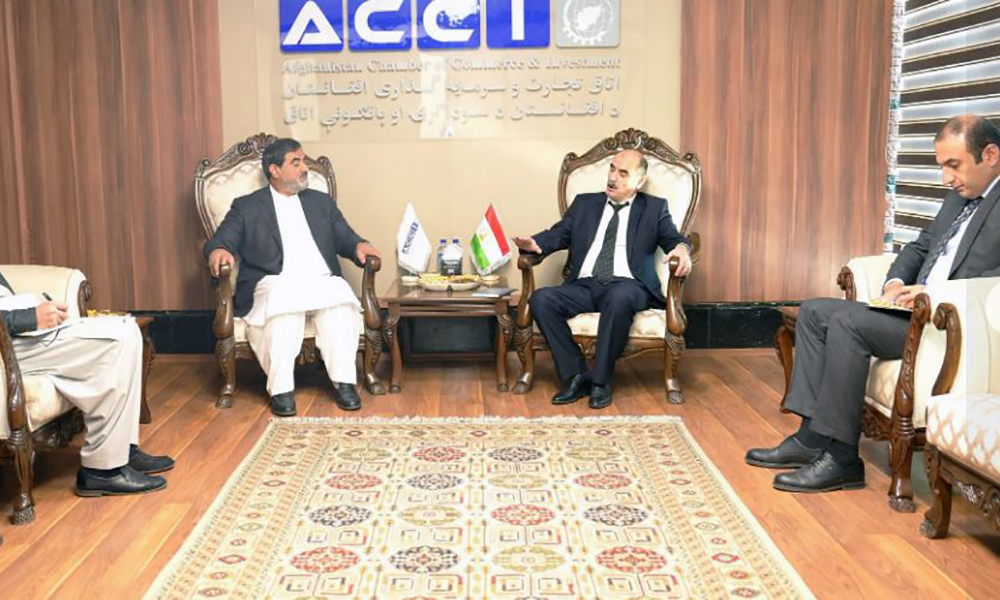 Business5 days ago
Tajikistan seeks to establish joint market along border with Afghanistan
-
 Sport4 days ago
Afghanistan suffer 9-2 defeat to Iran in Beach Soccer Asian Cup opener
-
 Latest News5 days ago
Pakistan invites Turkmenistan to join CASA-1,000 power project
-
 Business4 days ago
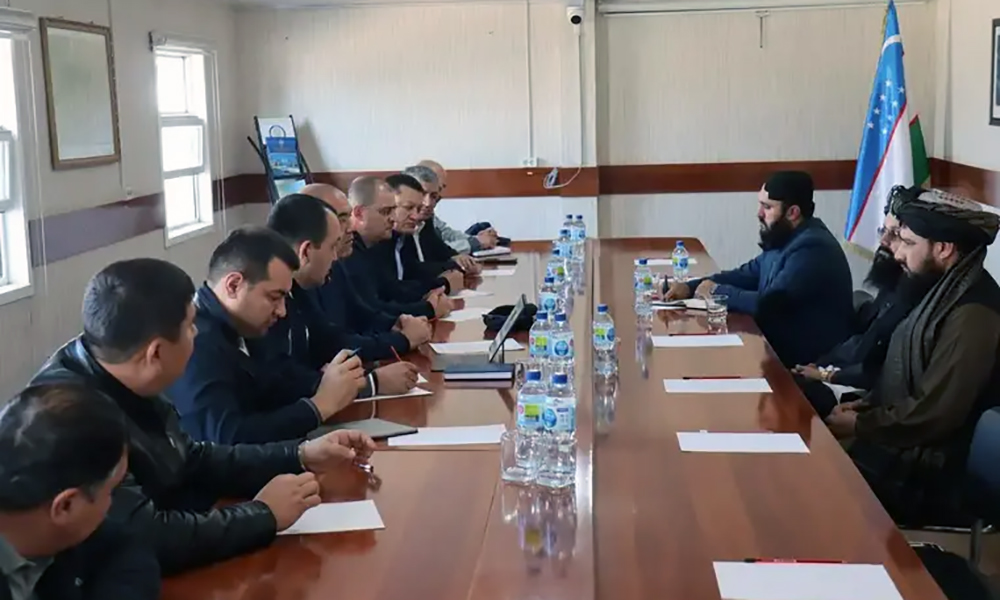
Afghanistan and Uzbekistan agree to expand railway cooperation and boost freight traffic