
Latest News
Renovation of Afghanistan–Iran border markers to begin in the near future

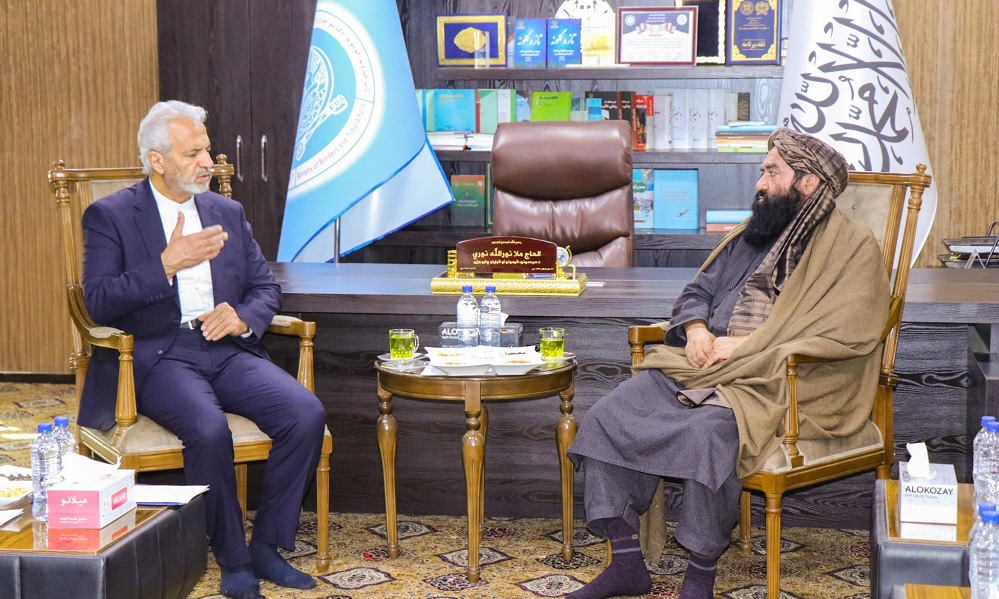
Afghanistan’s Minister of Borders and Tribal Affairs, Noorullah Noori, has announced that the long-delayed demarcation and renovation of border markers along the Afghanistan–Iran frontier will officially begin in the near future.
According to a statement from the ministry, Noori made the remarks during a meeting with Iran’s ambassador to Kabul, Ali-Reza Bikdeli.
He assured the Iranian side that the Islamic Emirate is fully committed to accelerating the process and resolving any challenges that may arise during implementation.
In a separate statement, the Iranian Embassy in Kabul said Bikdeli underscored the importance of bilateral cooperation on border issues, describing it as a key factor in strengthening and expanding overall relations between the two countries.
Officials from both sides agreed nearly three months ago to resume the border-marker renovation project, which had remained stalled for the past seven years.




Latest News
Afghanistan, India explore cooperation on medical supplies, food and drug quality
The delegation reviewed the laboratory’s procedures for testing medicines and food products destined for export, with discussions focusing on quality, safety and technical standards.
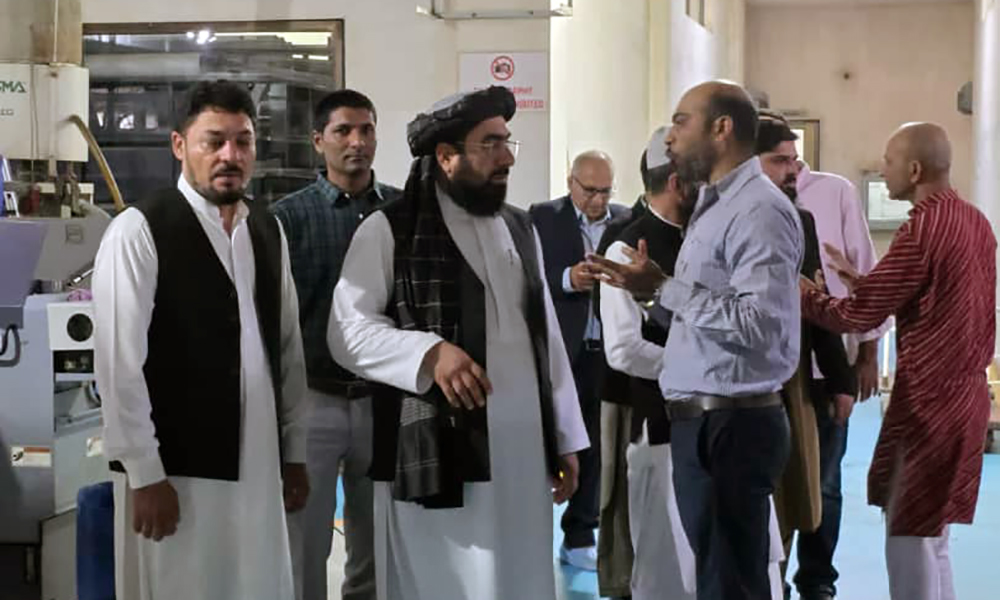
Afghanistan and India are exploring expanded cooperation in quality control, medical supplies, medicines and food products, as Afghanistan seeks to strengthen its standards and improve access to quality products.
Hamdullah Zahid, Afghanistan’s Deputy Minister for Food and Medicine, led a delegation that visited a private laboratory in Mumbai during a trip to India.
The delegation reviewed the laboratory’s procedures for testing medicines and food products destined for export, with discussions focusing on quality, safety and technical standards.
The two sides also discussed potential cooperation in quality control, technical capacity-building and the use of the laboratory’s expertise to strengthen Afghanistan’s capabilities.
Under an agreement reached during the visit, the laboratory will submit a detailed proposal outlining possible areas of cooperation. Afghan officials will review the proposal before further technical discussions are held.
The laboratory also expressed readiness to assist Afghanistan with capacity-building, while the Ministry of Public Health will provide information needed to facilitate practical use of its technical expertise.
Focus on trade and technology
The Afghan delegation also visited a medical equipment manufacturer, a major food-processing facility and a factory producing raw materials for medical products in Gujarat.
Officials examined production processes, technology, technical capacity and quality standards at the facilities.
Discussions focused on supplying Afghanistan with medical equipment, food products and pharmaceutical raw materials, while also exploring opportunities to expand trade and make greater use of Indian industrial capacity.
The companies agreed to provide detailed lists of their products, which will be assessed against Afghanistan’s requirements to identify opportunities to supply quality products at competitive prices.
The Afghan delegation also invited representatives of the medical equipment manufacturer to visit Afghanistan to explore technology and knowledge transfer and assess the potential for producing medical equipment inside the country.
The Ministry of Public Health said the engagements could help strengthen Afghanistan’s quality-control systems while creating opportunities for technology transfer, technical capacity-building and improved access to standard health-related products.
Latest News
UNICEF expands aid to millions of Afghan children after flash floods
In Parun, the capital of Nuristan province, 23 people were killed in flooding, while water services for around 1,000 families were disrupted.
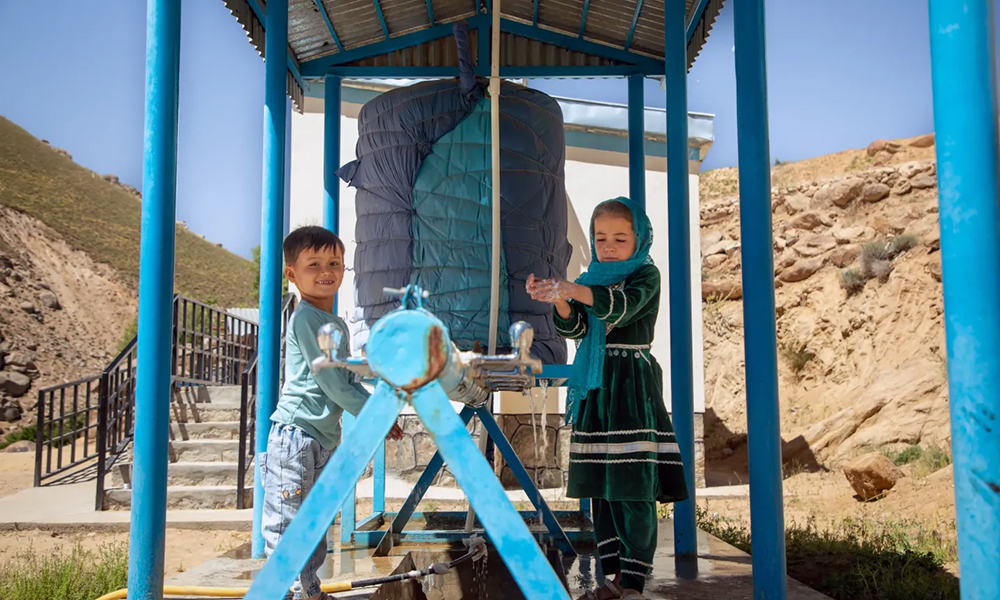
Flash floods affected more than 1,100 families across 14 provinces of Afghanistan in July, damaging or destroying over 1,100 homes, according to UNICEF’s latest humanitarian situation report covering July 1–31.
UNICEF said 1,168 families were affected by the floods, while 1,164 homes were damaged or destroyed.
In Parun, the capital of Nuristan province, 23 people were killed in flooding, while water services for around 1,000 families were disrupted.
Despite the ongoing humanitarian challenges, UNICEF said it continued supporting essential health services across the country through 2,393 static health facilities and 16 mobile facilities.
The UN agency also responded to 245 disease outbreaks during July, while approximately 183,000 children under the age of five received measles vaccinations.
Access to clean water and sanitation also remained a key focus. During the month, around 96,300 people gained access to safe drinking water, while 89,061 people received basic sanitation services. Essential WASH supplies were also provided to 180,814 people.
Child malnutrition remained another major concern. UNICEF and its partners screened approximately 1.1 million children for wasting during July, with 104,602 children admitted for treatment.
In addition, 10.3 million children aged 6–59 months received vitamin A supplementation as part of efforts to prevent malnutrition and protect child health.
UNICEF said its humanitarian response remains focused on ensuring vulnerable children and families across Afghanistan can access essential health, nutrition, water and sanitation services amid continued humanitarian needs.
Latest News
Lahore High Court halts expulsion of 13 Afghan medical students
The latest order means the 13 students cannot be expelled while the court considers their petitions and awaits responses from the relevant authorities.
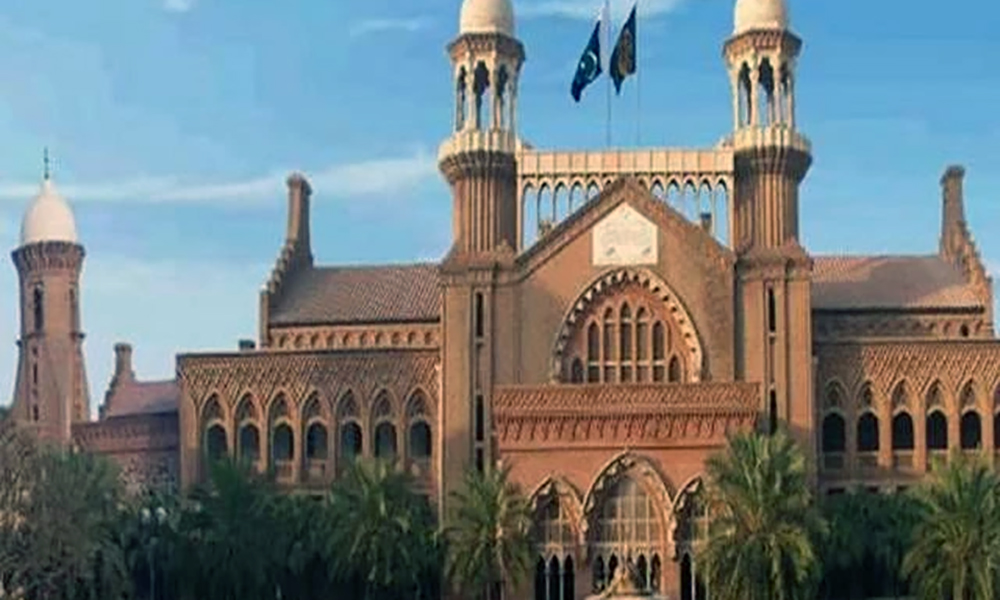
The Lahore High Court has temporarily stopped authorities from expelling 13 Afghan medical students from colleges in Punjab, directing the University of Health Sciences (UHS), Pakistan Medical and Dental Council (PMDC) and the concerned medical colleges to respond at the next hearing.
Justice Khalid Ishaq issued the interim order while hearing petitions filed by the students, including Sabiha Daftani and Waheeda Asad Rasool, challenging directives seeking their removal from medical colleges.
The petitioners told the court that they are enrolled in medical colleges across Punjab, with several already in their fourth and fifth years of MBBS.
The court’s intervention comes amid wider uncertainty facing Afghan medical students in Pakistan. Last month, the Lahore High Court suspended the operation of directives issued by the PMDC requiring Afghan medical students to return to Afghanistan.
The latest order means the 13 students cannot be expelled while the court considers their petitions and awaits responses from the relevant authorities.
The case highlights the difficulties faced by Afghan students pursuing medical education in Pakistan, where changes to immigration and education policies have created uncertainty over their ability to complete their studies.
The court is expected to consider the responses from the UHS, PMDC and the medical colleges at the next hearing.


Afghanistan, India explore cooperation on medical supplies, food and drug quality

UNICEF expands aid to millions of Afghan children after flash floods

Lahore High Court halts expulsion of 13 Afghan medical students

Kyrgyz, Afghan foreign ministers discuss expanding trade and investment ties

North Korea’s Kim vows to expand ties with Russia, backs victory in ‘sacred war’

Four mediators struggle to secure lasting Pakistan-Afghanistan ceasefire

Juma Khan Fateh surrenders to IEA forces in Badakhshan

Afghanistan’s trade diversification challenges Pakistan

Syria and Saudi Arabia condemn Kabul bombing, express solidarity with Afghanistan

Saudi energy group signs major Afghanistan deals covering gas exploration and pipeline plans

Tahawol: Houthis’ return to regional power dynamics

Tahawol: Calls for U.S. engagement with Afghanistan

Saar: End of Chinese ambassador’s mission in Kabul

Tahawol: Norwegian delegation’s call for engagement with Afghanistan discussed

Saar: Pakistan’s dual policy towards Afghanistan reviewed
-

 Sport4 days ago
Omar Zawak, Toofan Herat secure victories in Afghanistan Champions League
-
 Latest News2 days ago
Khalilzad warns US risks losing influence in Afghanistan to China and Russia
-

 Sport2 days ago
Zadran calls on Afghan fans to rally behind team against India
-

 Regional3 days ago
Saudis shut down oil pipeline as Houthis tighten grip on Red Sea shipping
-

 Latest News4 days ago
Kabul to host tripartite meeting on Afghan migrants’ problems
-

 Latest News4 days ago
Pakistan court blocks expulsion of Afghan medical students
-
 Business2 days ago
EU and FAO launch €5m programme to strengthen Afghanistan’s agrifood sector
-
 World2 days ago
Houthi advance in Yemen puts U.S. in a new bind