
Regional
Trump again threatens India with harsh tariffs over Russian oil purchases
Over the weekend, two Indian government sources told Reuters that India will keep purchasing oil from Russia despite Trump’s threats.


U.S. President Donald Trump again threatened on Monday to raise tariffs on goods from India over its Russian oil purchases, while New Delhi called his attack “unjustified” and vowed to protect its economic interests, deepening the trade rift between the two countries, Reuters reported.
In a social media post, Trump wrote, “India is not only buying massive amounts of Russian Oil, they are then, for much of the Oil purchased, selling it on the Open Market for big profits. They don’t care how many people in Ukraine are being killed by the Russian War Machine.”
“Because of this, I will be substantially raising the Tariff paid by India to the USA,” he added.
A spokesperson for India’s foreign ministry said in response that India will “take all necessary measures to safeguard its national interests and economic security.”
“The targeting of India is unjustified and unreasonable,” the spokesperson added.
Trump has said that from Friday he will impose new sanctions on Russia as well as on countries that buy its energy exports, unless Moscow takes steps to end its 3-1/2 year war with Ukraine. Russian President Vladimir Putin has shown no public sign of altering his stance despite the deadline.
Over the weekend, two Indian government sources told Reuters that India will keep purchasing oil from Russia despite Trump’s threats.
India has faced pressure from the West to distance itself from Moscow since Russia invaded Ukraine in early 2022. New Delhi has resisted, citing its longstanding ties with Russia and economic needs.
Trump had already in July announced 25% tariffs on Indian imports, and U.S. officials have cited a range of geopolitical issues standing in the way of a U.S.-India trade accord.
Trump has also cast the wider BRICS group of developing nations as hostile to the United States. Those nations have dismissed his accusation, saying the group promotes the interests of its members and of developing countries at large, read the report.
India is the biggest buyer of seaborne crude from Russia, importing about 1.75 million barrels per day of Russian oil from January to June this year, up 1% from a year ago, according to data provided to Reuters by trade sources.
India began importing oil from Russia because traditional supplies were diverted to Europe after the outbreak of the Ukraine conflict, the Indian spokesperson said, calling it a “necessity compelled by global market situation.”
The spokesperson also noted the West’s, particularly the European Union’s, bilateral trade with Russia: “It is revealing that the very nations criticizing India are themselves indulging in trade with Russia.”
Despite the Indian government’s defiance, the country’s main refiners paused buying Russian oil last week, sources told Reuters. Discounts to other suppliers narrowed after Trump threatened hefty tariffs on countries that make any such purchases.
Indian government officials denied any policy change.
The country’s largest refiner, Indian Oil Corp, has bought 7 million barrels of crude from the United States, Canada and the Middle East, four trade sources told Reuters on Monday.
India also has been frustrated by Trump repeatedly taking credit for an India-Pakistan ceasefire that he announced on social media in May, which halted days of hostilities between the nuclear-armed neighbors.
The unpredictability of the Trump administration creates a challenge for Delhi, said Richard Rossow, head of the India program at Washington’s Center for Strategic and International Studies.
“India’s continued energy and defense purchases from Russia presents a larger challenge, where India does not feel it can predict how the Trump administration will approach Russia from month to month,” he said.

Regional
Five killed in Turkish military helicopter crash in western Turkiye
The helicopter crashed shortly after taking off from Eskisehir on Tuesday. The aircraft had been conducting a training flight when the accident occurred.
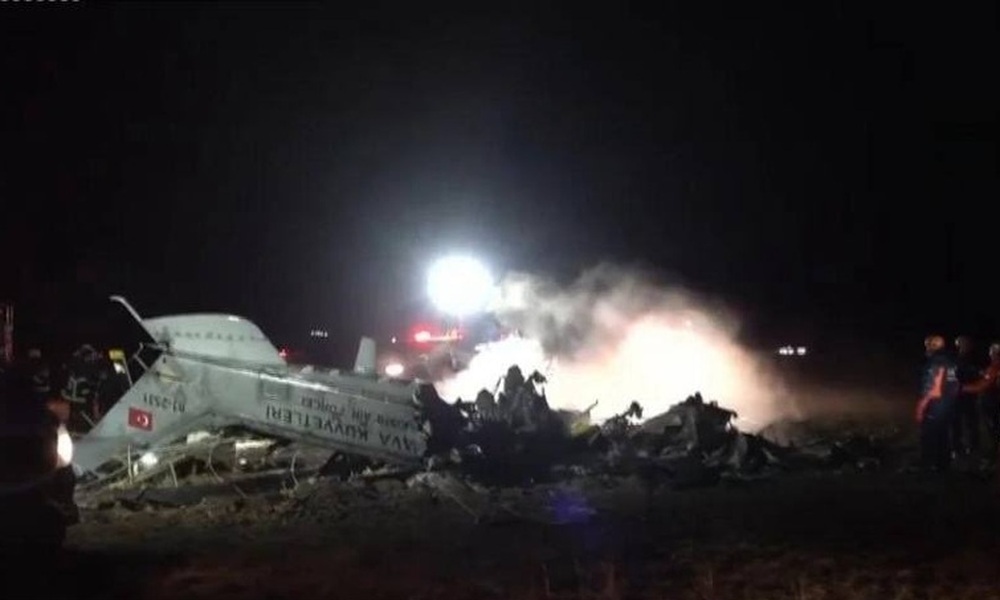
Five crew members have been killed after a Turkish Air Force helicopter crashed during a training mission in western Turkiye, according to the country’s Ministry of National Defence.
The AS-532 Cougar helicopter crashed shortly after taking off from Eskisehir on Tuesday. The aircraft had been conducting a training flight when the accident occurred.
The ministry confirmed that the wreckage had been located, while search and rescue operations were under way. It did not provide further details about the cause of the crash.
Emergency teams were dispatched to the crash site near Yorukakcayir village, approximately 15 kilometres west of Eskisehir city centre.
The incident comes just 12 days after another Turkish military helicopter crashed near Malatya in southern Turkiye on November 12, killing four crew members. Authorities have yet to announce the cause of that accident.
Turkiye has NATO’s second-largest military.
Regional
Qatar warns Middle East cannot afford renewed US-Iran escalation
Speaking during a meeting with US Secretary of State Marco Rubio in Washington, Sheikh Mohammed underscored the importance of diplomatic engagement in preventing further regional instability.
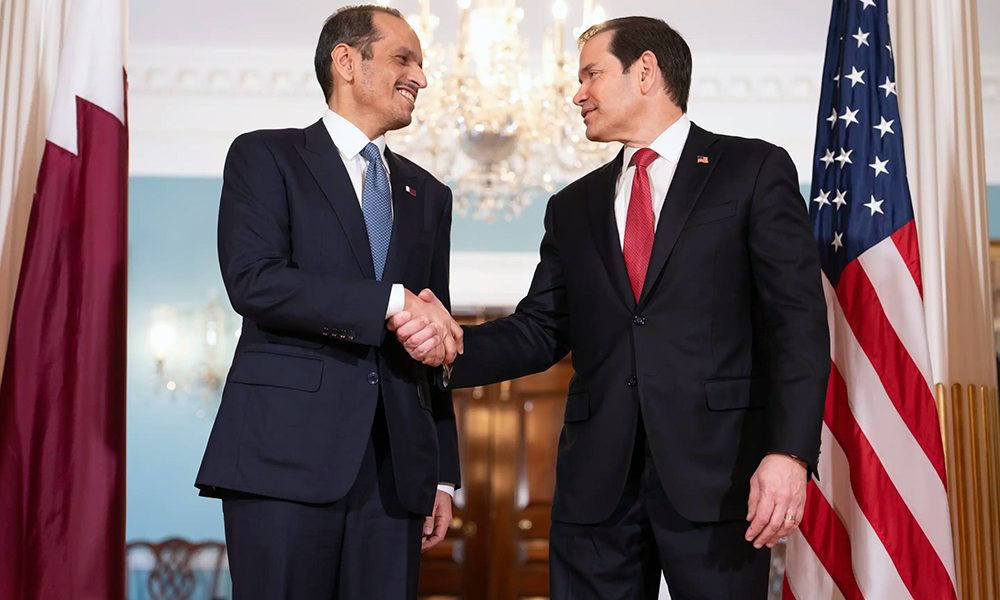
Qatar’s prime minister has warned that the Middle East cannot afford another escalation between the United States and Iran, saying Doha is working with both sides to revive negotiations.
Sheikh Mohammed bin Abdulrahman Al Thani, who also serves as Qatar’s foreign minister, said efforts were underway to bring Washington and Tehran back to the negotiating table, although no breakthrough had yet been reached.
Speaking during a meeting with US Secretary of State Marco Rubio in Washington, Sheikh Mohammed underscored the importance of diplomatic engagement in preventing further regional instability.
The meeting marked the launch of the eighth US-Qatar Strategic Dialogue, with both sides expressing their commitment to strengthening bilateral relations, particularly in defence, economic and security cooperation.
According to the US State Department, Rubio praised Qatar’s mediation efforts and emphasized continued coordination between the two countries to deter threats and promote stability and security across the Middle East.
Tensions between Washington and Tehran have continued since the US and Israel launched an offensive against Iran on February 28.
Efforts to end the conflict remain complicated by disagreements over the implementation of a June memorandum of understanding reached in Islamabad, as well as disputes concerning sanctions, a US naval blockade and security arrangements in the Strait of Hormuz.
Regional
Bangladesh vows to arrest Hasina if she returns from India
Hasina faces a death sentence in Bangladesh and her Awami League party is banned following the 2024 uprising that ended her long rule. The United Nations has said as many as 1,400 people were killed during the unrest.
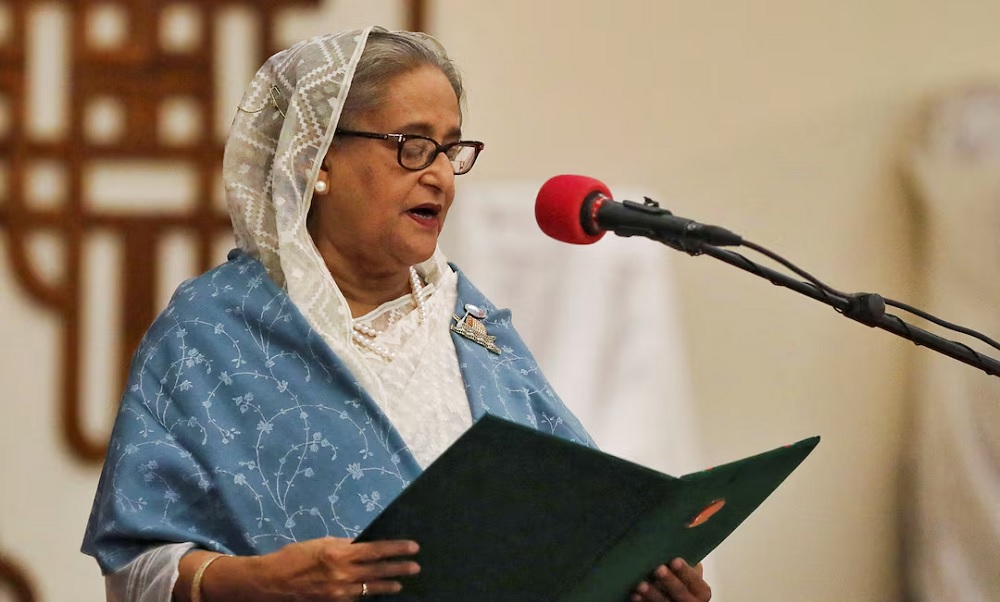
Bangladesh will arrest and jail former Prime Minister Sheikh Hasina if she returns from India, a senior government minister said, as her plans to come home in December fuel political tension and renewed street violence.
Dhaka is instead seeking Hasina’s extradition from India, where she has lived since fleeing Bangladesh in 2024, and expects New Delhi to comply with an existing extradition treaty, State Minister for Foreign Affairs Shama Obaed Islam told Reuters.
India’s foreign ministry did not immediately respond to a request for comment. In April, the ministry said it was examining Bangladesh’s request to extradite Hasina.
Hasina faces a death sentence in Bangladesh and her Awami League party is banned following the 2024 uprising that ended her long rule. The United Nations has said as many as 1,400 people were killed during the unrest.
Hasina fled Dhaka in August 2024 as protests demanding her resignation swept the country. She has since sought a new passport and identity card ahead of a planned return in December, requests the government has rejected.
“As soon as she tries to enter Bangladesh, she will be arrested. And she will be taken to jail, and the law will take its course,” Obaed said in an interview on Sunday.
“We would like India to honour the extradition treaty and return her as a convict, and the law will take its course. She (Hasina) will have to face the music.”
The standoff has brought Hasina’s Awami League supporters out on the streets. The party this month announced a week of protests and rallies in support of Hasina’s return, culminating in a nationwide lockdown on November 19.
Police have recorded dozens of crude bomb blasts and incidents of arson targeting vehicles in at least 28 districts over the past 10 days, with several police officers and civilians injured, according to local media.
Obaed called the violence a survival tactic by Hasina’s “politically bankrupt political party.”
Khalid Mahmud Chowdhury, a senior Awami League official, said the current political establishment was responsible for the violence.
The minister said there had been no official discussions with India about sending an aircraft to bring Hasina back, adding that Dhaka wanted balanced ties with New Delhi that did not compromise Bangladesh’s “dignity, self-respect and interests.”
“India needs to decide what kind of foreign policy they need to adopt for Bangladesh,” Obaed said.
ROHINGYA VERDICT
Dhaka is also stepping up diplomatic pressure on neighbouring Myanmar over the return of Rohingya refugees after the UN’s highest court ruled that thousands of killings and widespread sexual violence by Myanmar’s security forces against the Muslim minority in 2017 amounted to state-sponsored genocide.
Myanmar has criticised the ruling by the International Court of Justice said Rohingya would only be able to return “when situations permit”.
“Now, this verdict gives us, Bangladesh, the strength, the Rohingya community the strength to fight,” Obaed said, adding that they deserved to return “with dignity and safety”.
About 1.2 million Rohingya live in Bangladesh after repeated repatriation attempts failed. Their return has been complicated by Myanmar’s civil war and the Arakan Army militia’s control of nearly all of Rakhine State, which is home for most Rohingya.
Obaed called for greater international pressure on Myanmar and the Arakan Army.
“Bangladesh did not create this crisis. Myanmar created this crisis, so Myanmar has to end it,” she said.

Five killed in Turkish military helicopter crash in western Turkiye
Russia agrees to supply Afghanistan with $200 million worth of goods
$7 million poultry farm opens in Herat, creating 600 jobs
Qatar to protect Canada’s interests in Afghanistan under new agreement
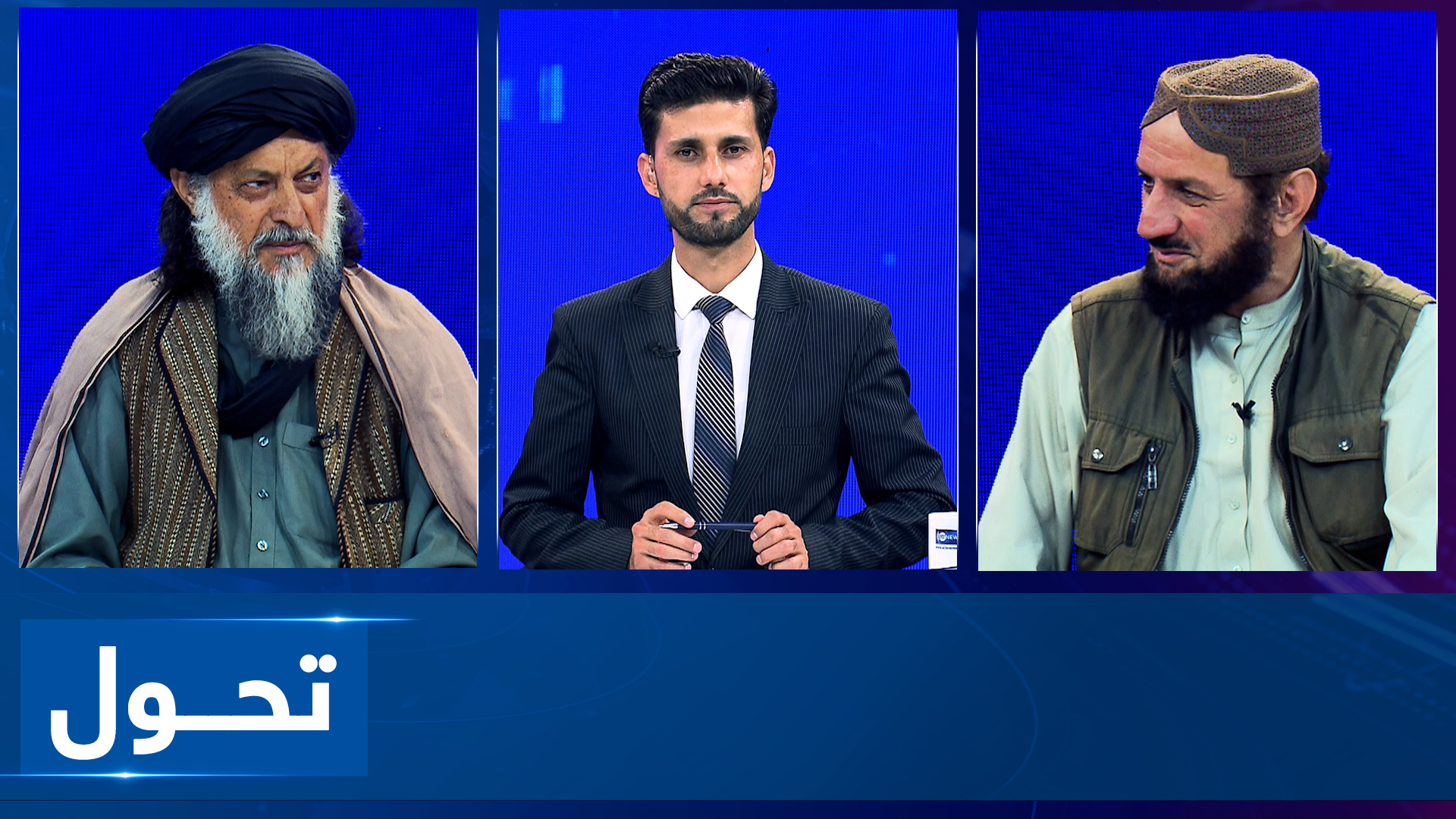
Tahawol: Discussion on shifting views within Pakistan
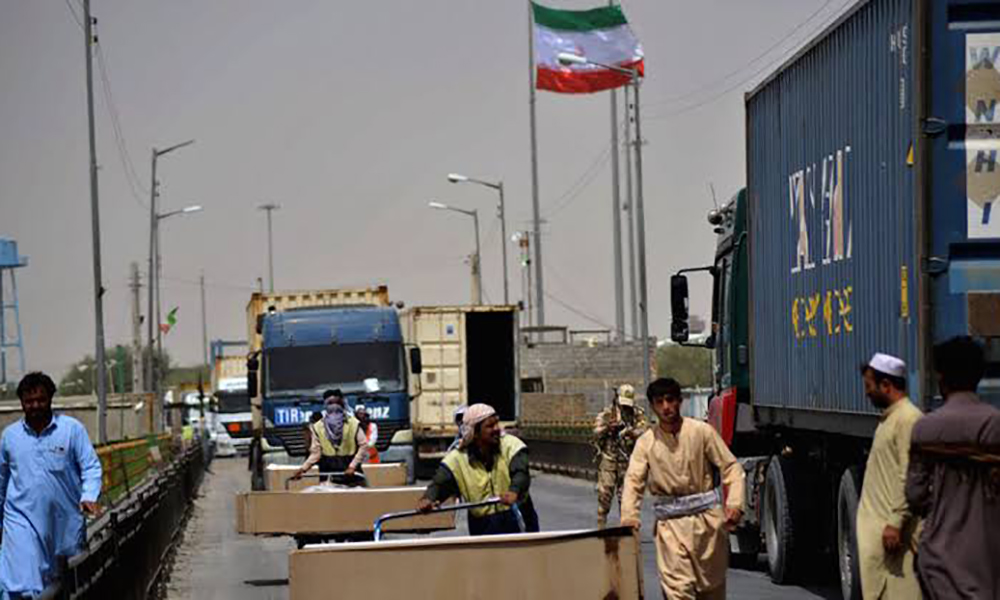
US sanctions and blockade measures disrupt Iran’s trade with Afghanistan and regional neighbors
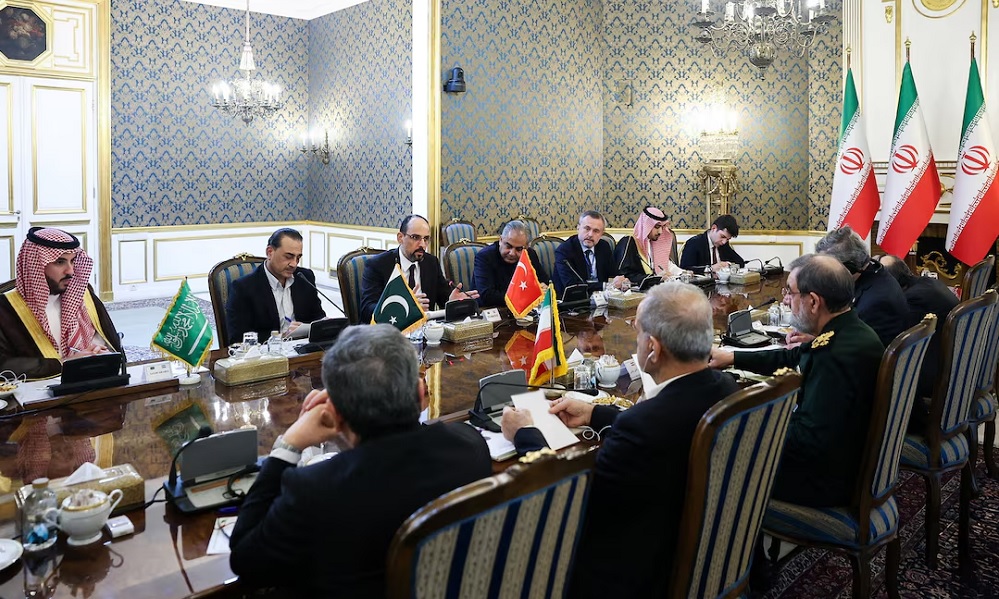
Saudi defence pact countries push for peace in Tehran as Houthis launch more attacks

England forward Kane crowned Ballon d’Or winner
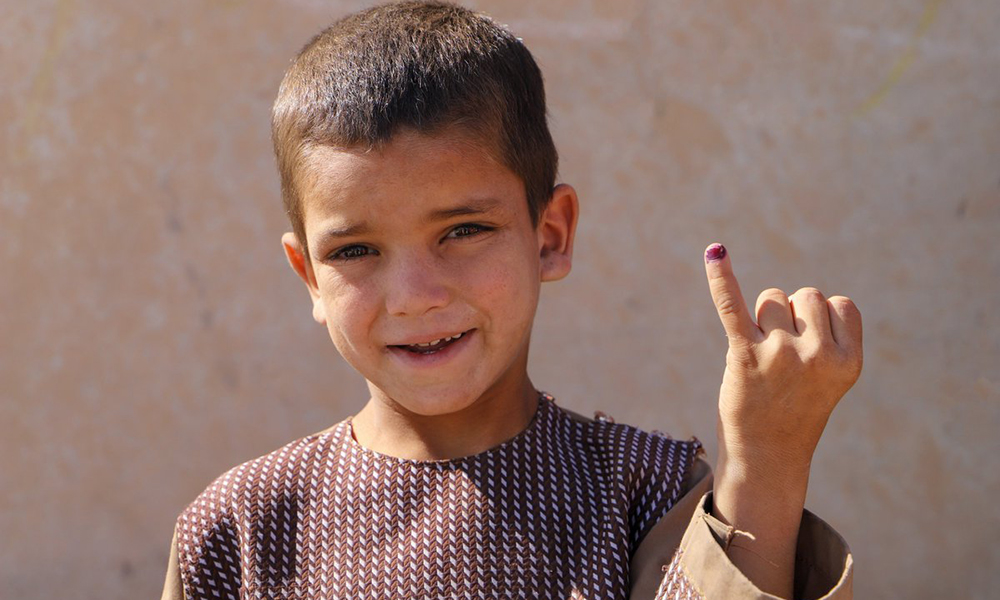
Afghanistan to launch nationwide polio vaccination campaign

WFP report notes high food and fuel costs continue to pressure Afghan households
Tahawol: Discussion on shifting views within Pakistan
Qatar warns Middle East cannot afford renewed US-Iran escalation
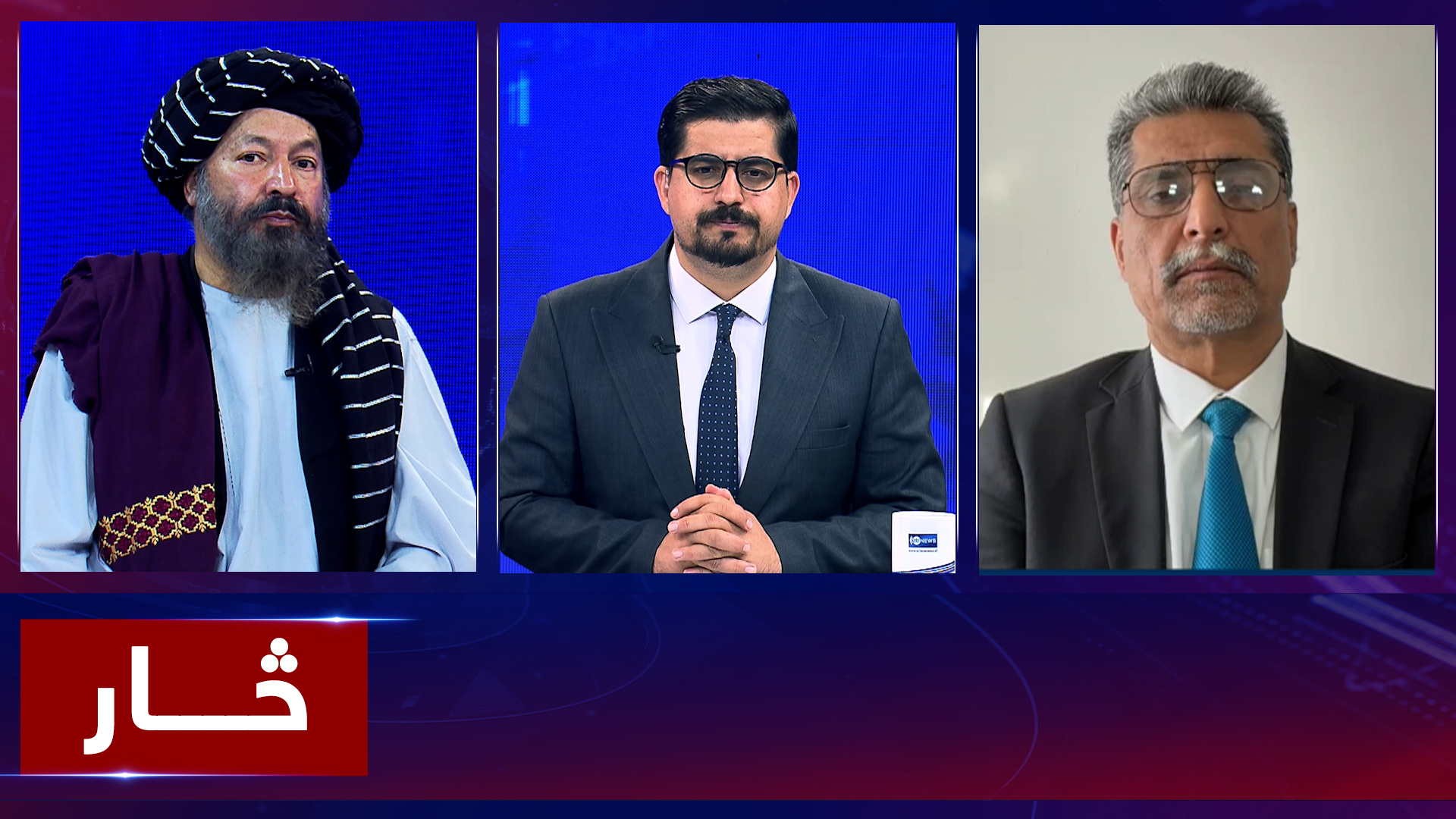
Saar: Return of millions of Afghans to their homeland
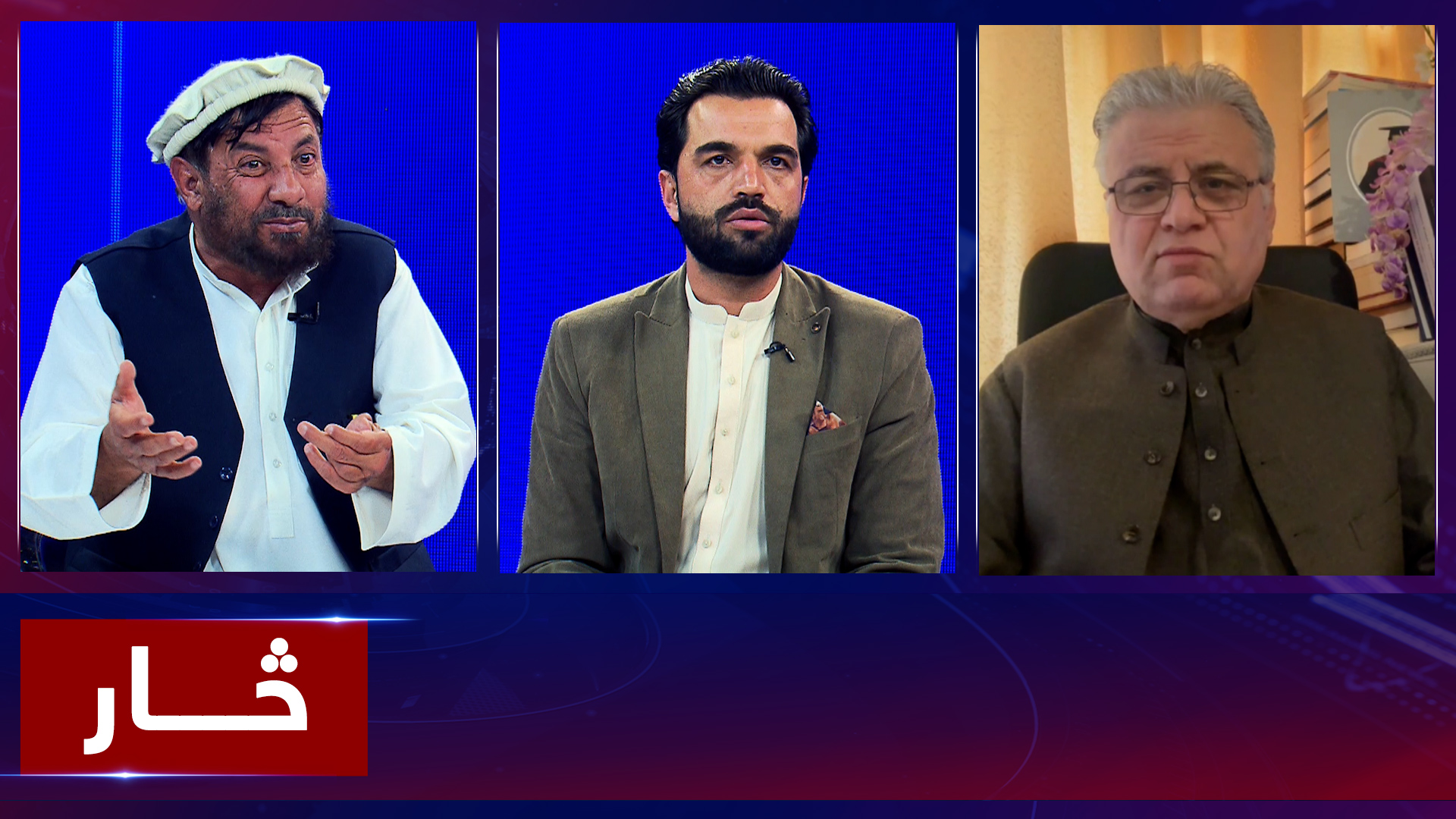
Saar: Pakistan FM’s remarks on Afghanistan
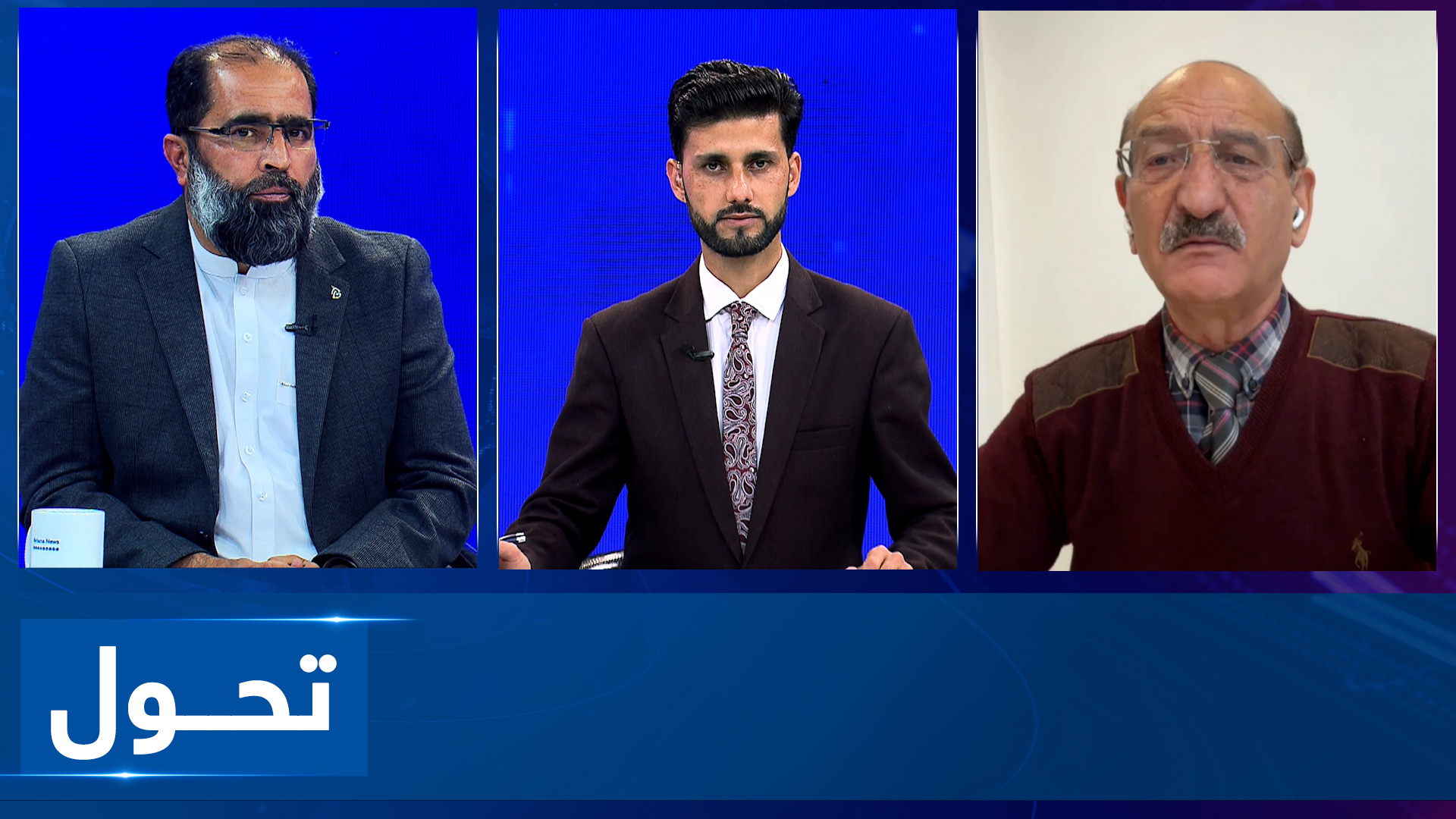
Tahawol: World Television Day discussed
-
 Latest News4 days ago
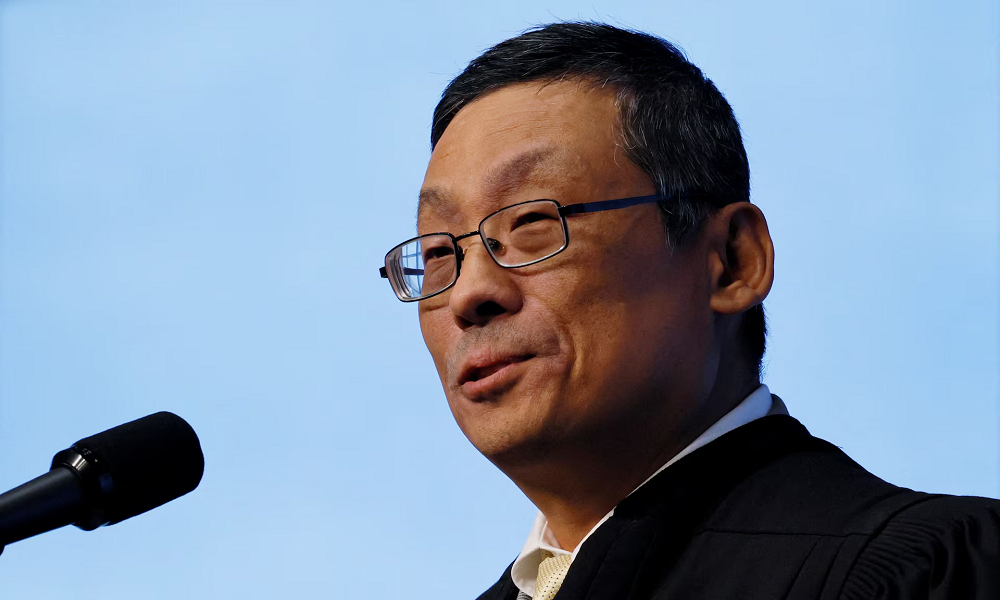
US judge questions Trump administration’s policies targeting refugees
-
 Latest News2 days ago
SNEAKO claims US authorities questioned him for eight hours after Afghanistan visit
-
 Business5 days ago
Afghan and Indian traders sign $250 million trade agreements in New Delhi
-
 Sport5 days ago
ATN hosts AFPL Season 5 draw and 2025 futsal awards ceremony
-
 Latest News4 days ago
Russia reiterates readiness to facilitate talks between Afghanistan and Pakistan
-
 World5 days ago
Malaysia says it will resettle 10,000 Rohingya refugees in Turkey
-
 Regional4 days ago
Araqchi says Iran wants diplomacy to end war, Trump says terms unacceptable
-
 Science & Technology4 days ago
Astronomers observe a huge puffy star merge with smaller companion