
Latest News
UN: 258 million people faced acute food insecurity in 2022

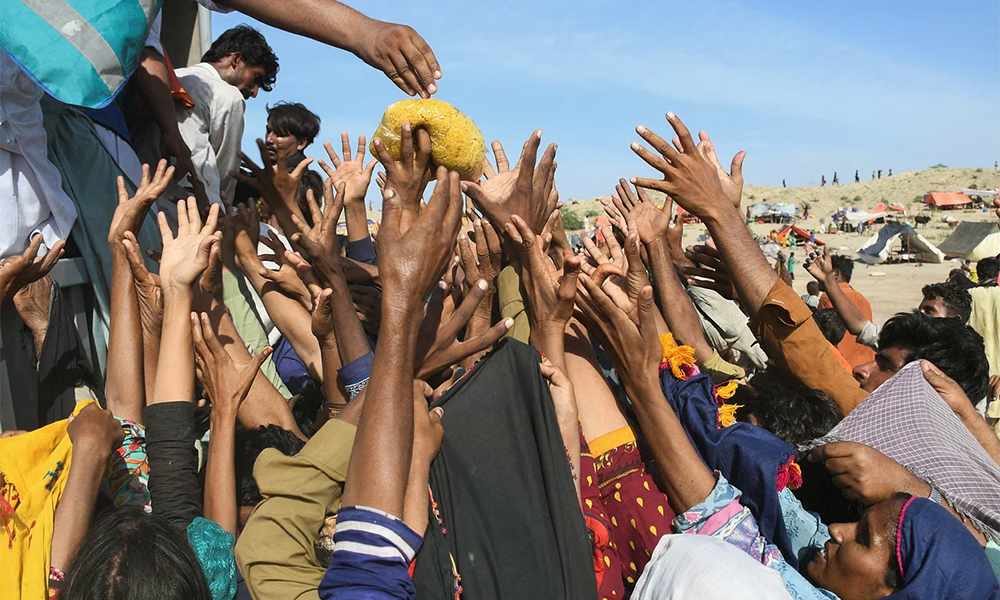
More than a quarter-billion people in 58 countries faced acute food insecurity last year because of conflicts, climate change, the effects of the COVID-19 pandemic and Russia’s war in Ukraine, according to a report published Wednesday.
The Global Report on Food Crises, an alliance of humanitarian organizations founded by the U.N. and European Union, said people faced starvation and death in seven of those countries: Somalia, Afghanistan, Burkina Faso, Haiti, Nigeria, South Sudan and Yemen.
The report found that that the number of people facing acute food insecurity and requiring urgent food aid — 258 million — had increased for the fourth consecutive year, a “stinging indictment of humanity’s failure” to implement U.N. goals to end world hunger, U.N. Secretary-General António Guterres said.
While the increase last year was due in part to more populations being analyzed, the report also found that the severity of the problem increased as well, “highlighting a concerning trend of a deterioration.”
Rein Paulsen, director of emergencies and resilience for the U.N. Food and Agriculture Organization, said an interplay of causes was driving hunger. They include conflicts, climate shocks, the impact of the pandemic and consequences of Russia’s war in Ukraine that has had an impact on the global trade in fertilizers, wheat, maize and sunflower oil, The Associated Press reported.
The impact has been most acute on the poorest countries that are dependent on food imports. “Prices have increased (and) those countries have been adversely affected,” Paulsen said.
He called for a “paradigm shift” so that more funding is spent investing in agricultural interventions that anticipate food crises and aim to prevent them.
“The challenge that we have is the disequilibrium, the mismatch that exists between the amount of funding money that’s given, what that funding is spent on, and the types of interventions that are required to make a change,” he said.
The U.N. World Food Program’s new chief issued a warning that the Rome-based agency’s resources to provide food aid amid the surging needs are “running dangerously low.” Executive Director Cindy McCain told panelists at an event to present the report that the agency could be forced to make “heart-breaking decisions to slash” assistance if substantial new funding doesn’t materialize quickly.
McCain noted that she had just returned from Somalia, where, she said, “millions are teetering on the edge of hunger and catastrophe.” She also said: “We all know it doesn’t have to be that way.”
Acute food insecurity is when a person’s inability to consume adequate food puts their lives or livelihoods in immediate danger.
The EU’s commissioner for international partnership, Jutta Urpilainen, said that the bloc’s strategy to fight hunger includes supporting initiatives aimed to “boost local production and reduce dependence on unsustainable imports.”












Kazakhstan’s Foreign Minister Mukhtar Tileuberdi has called for pragmatic and coordinated international engagement with Afghanistan, saying the country’s long-term stability is closely linked to the security and sustainable development of Central Asia.
Speaking during the general debate of the 81st session of the United Nations General Assembly in New York on Friday, Tileuberdi said humanitarian assistance to Afghanistan remains essential but alone cannot break the cycle of poverty, displacement and dependency.
He said Kazakhstan supports a “pragmatic, coordinated and step-by-step” approach to international engagement with Afghanistan, with the United Nations playing a central role.
Tileuberdi also said Kazakhstan is working with the UN to operationalize the United Nations Regional Centre for the Sustainable Development Goals for Central Asia and Afghanistan in Almaty.
He said the success of the centre should be measured by the results and assistance it delivers to the region.


Abu Muslim Farah defeat Khurasan Faryab 2-0 in ACL season six

Saar: Concerns over Pakistan’s political crisis discussed

Afghanistan Champions League: Omar Zawak Herat beat Toofan Herat 1-0

Blast in Pakistan’s Dera Ismail Khan kills 11, injures 30

Ariana Afghan Airlines increases Kabul-Delhi cargo flights

Saudi energy group signs major Afghanistan deals covering gas exploration and pipeline plans

Trump floats idea of renaming Atlantic or Pacific Ocean

US hits Egyptian bank branches with Iran sanctions as war marks six months

Nepal flood rescue mission enters critical phase as thousands remain missing

Iranian clubs to face Gulf opponents at neutral venues in Asian Champions League Elite
Saar: Concerns over Pakistan’s political crisis discussed

Exclusive interview with Abdul Latif Mansoor, Minister of MRRD

Tawsia: Overview of Afghanistan’s iron mines

Tahawol: Discussion on fresh Pakistani airstrikes on Afghanistan

Saar: Calls for international support for Afghanistan discussed
-

 World5 days ago
CNN, MS NOW and Politico sue Trump, challenging White House ban
-

 Latest News3 days ago
Ariana Afghan Airlines ranks seventh among 45 Central Asian airlines
-

 Latest News5 days ago
UN reiterates call for respect for international law after Kunar airstrikes
-

 Regional4 days ago
US and Iran hold first talks since June after Trump’s ‘annihilation’ threat
-

 Latest News3 days ago
Silk Road highway in Wakhan corridor now reaches the China border
-

 Regional3 days ago
Iran airlines cancel flights as US sanctions hit
-

 Latest News5 days ago
Afghan Official: Pakistan’s airstrikes will not go unanswered
-

 Regional5 days ago
G7 foreign ministers call on Iran to stop arming Houthis