
Business
World Bank survey finds Afghan firms still face ‘daunting challenges’


The World Bank said Monday many businesses in Afghanistan are adjusting to the new business environment but most still face daunting challenges.
The World Bank’s second private sector survey, published Monday, was conducted in May and June 2022.
The Private Sector Rapid Survey (PSRS) Round 2 assessed the status, constraints, and investment outlook of businesses, and the impacts of the ongoing economic challenges faced by private sector firms in Afghanistan.
“Afghanistan continues to face enormous social and economic challenges that are impacting heavily on the welfare of its people, especially women, girls, and minorities.
“The new survey confirms the resilience of Afghanistan’s private sector, which can play a key role in the economic recovery of the country and improving the lives of all Afghans,” said Melinda Good, World Bank Country Director for Afghanistan.
“It also shows that firms continue to suffer from impacts of political uncertainty and policy fragmentation, Afghanistan’s isolation from the international financial sector, and reductions in international assistance,” she said.
More than three-fourths of firms surveyed in Round 2 are operational, compared to two-thirds in Round 1, conducted in October and November last year.
However, most are operating significantly below their full capacity and are only considered partially open, the World Bank stated. Consumer demand appears to have slightly improved in past months but remains considerably lower than before August 2021.
Employment remained around 50 percent lower, on average, than before August 2021, compared to 61 percent lower in Round 1 of the survey.
Women-owned businesses are most affected by restrictions on women’s mobility, resulting in disproportionate revenue and job losses, World Bank stated.
Female employment remains 62 percent lower than before August 2021, while it was 75 percent lower in November 2021.
In addition to this, the World Bank found that businesses continue to be negatively impacted by the loss of international banking relationships, which has disrupted international payments and limited access to bank accounts and formal banking.
“Firms are resorting to the use of informal money transfer systems for domestic payments,” the bank stated.
Despite some businesses hiring employees, the majority of respondents have coped with these challenges by laying off employees, shifting to cash and informal payment channels, shrinking investments, and lowering staff salaries, World Bank reported.
“Action is required by the authorities to unlock possibilities for much-needed international economic integration and domestic opportunities for Afghanistan’s private sector,” said Good.
“This includes increased transparency in public finances and reestablishing central bank independence. With measures like these and continued resilience of businesses, a sustainable private sector-led recovery is possible.”


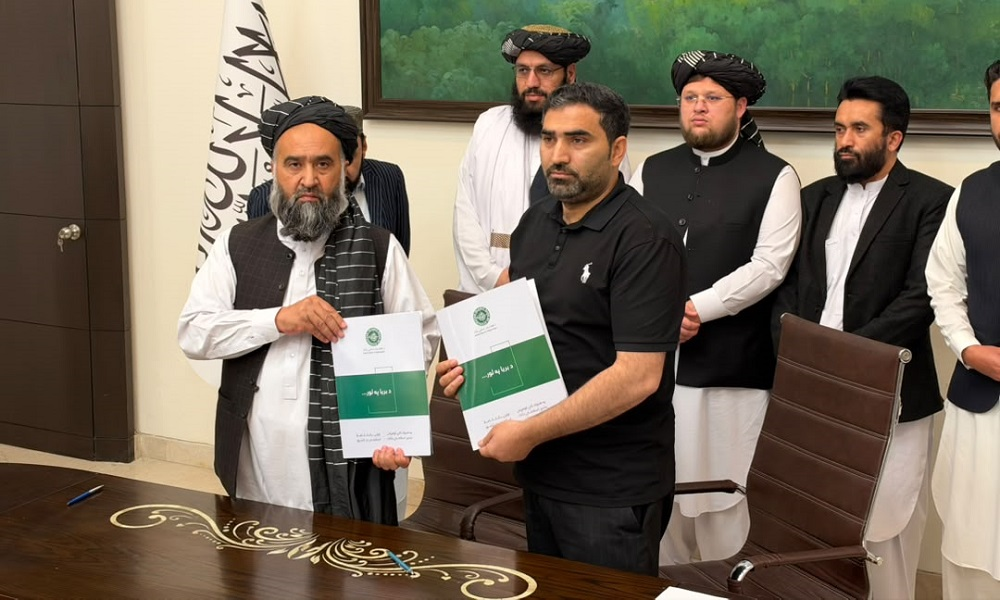
Afghan and Indian traders have signed trade cooperation agreements worth a total of $250 million at a meeting in New Delhi.
The meeting was held at the Embassy of the Islamic Emirate of Afghanistan in India, with the aim of expanding trade relations between the two countries, increasing Afghanistan’s exports and creating new opportunities for business cooperation.
The meeting was attended by Noor Ahmad Noor, Afghanistan’s ambassador to India; Sayed Hamad Hashemi, the embassy’s commercial attaché; Abdul Qasim Amarkhail, head of Afghanistan’s Dried Fruit Exporters Union; and a number of Afghan and Indian traders and investors.
The embassy’s commercial attaché office, in cooperation with Afghanistan’s Dried Fruit Exporters Union, facilitated discussions between traders from the two countries. According to the information provided, the agreements mainly focus on expanding exports of Afghan dried fruits and other agricultural products to the Indian market.
In addition, agreements were signed with several private banks in Afghanistan to facilitate banking transactions and strengthen financial cooperation between the two countries.
At the end of the meeting, the Afghan embassy in New Delhi presented an appreciation award to the head of Afghanistan’s Dried Fruit Exporters Union in recognition of his efforts to promote trade and increase the country’s exports.
The signing of these agreements comes as expanding exports and gaining access to regional and international markets remain among Afghanistan’s key priorities for strengthening its trade sector.
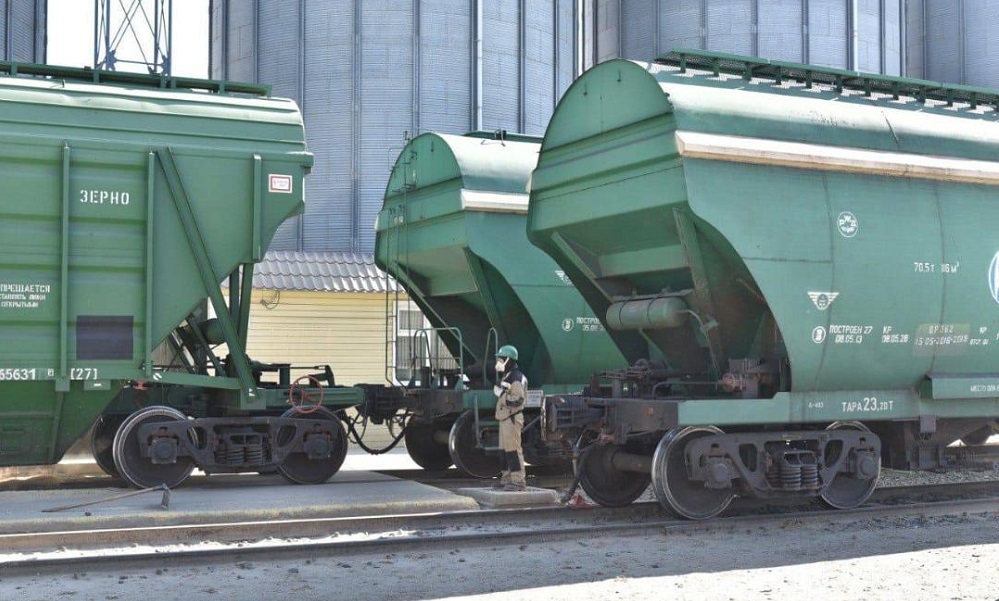
Kazakhstan has increased its grain exports to Afghanistan by 1.6 times, reaching 632,000 tons, the country’s Minister of Agriculture Aidarbek Saparov has said.
According to Check-point.kz, Saparov reported growth in grain exports to several key markets, including Afghanistan, China, Uzbekistan and Tajikistan.
Exports to Uzbekistan rose by 8.8 percent to 1.39 million tons, while shipments to Tajikistan increased by 9.6 percent to 417,000 tons. Exports to China grew 1.8 times to 436,000 tons.
Kazakhstan’s total grain and flour exports, calculated in grain equivalent, reached approximately 16 million tons this year, compared with 15.3 million tons in the previous season.
The upward trend has continued into the current season. Between September and November 10, Kazakhstan exported 3.28 million tons of grain, marking a 7.4 percent increase compared with the same period last year.
“Our goal is to strengthen our position in traditional markets, open up new directions, and provide farmers with predictable sales conditions,” Saparov said.
Business
Afghanistan and Uzbekistan agree to expand railway cooperation and boost freight traffic
Officials noted that mutual freight transportation has increased significantly this year.
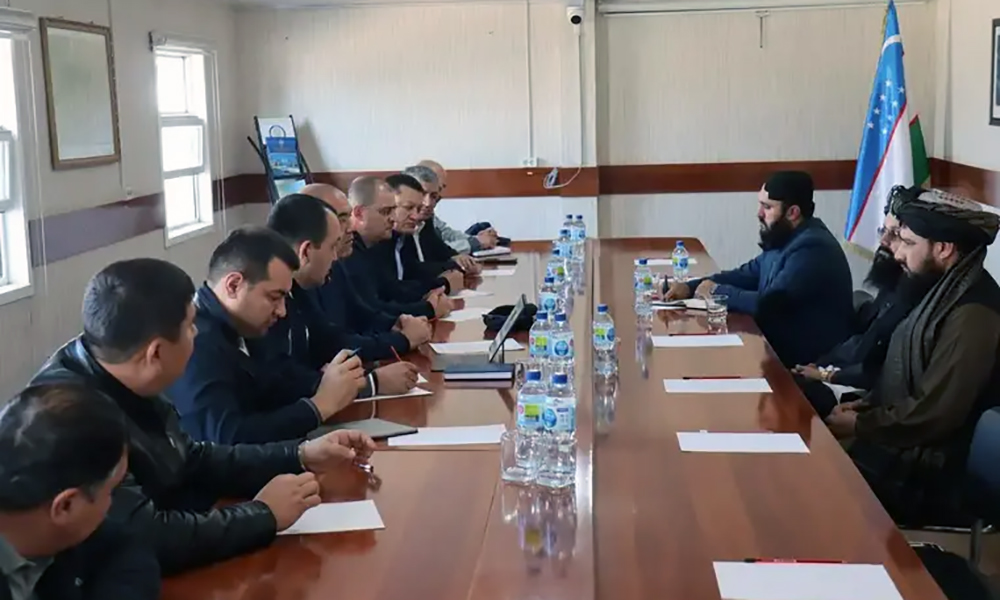
Afghanistan and Uzbekistan have agreed to strengthen railway cooperation and increase freight transportation between the two countries, Uzbekistan Railways has announced.
According to the company, a meeting was held in Hairatan on November 18, 2026, between Z. G. Narzullaev, Chairman of the Board of Uzbekistan Railways, and Abdul Karim Fateh, head of Afghanistan’s Railway Authority.
The discussions focused on further developing railway connections, making more efficient use of existing infrastructure and increasing freight volumes between the two countries.
Officials noted that mutual freight transportation has increased significantly this year.
Following the meeting, both sides agreed to develop Naibobod station within the established timeframe and organize rail freight transportation from Hairatan to Mazar-i-Sharif.
The two parties also agreed to increase the total number of daily train movements and arrange training and professional development programmes for Afghan railway specialists.
The agreements are aimed at improving railway operations, strengthening transport links and facilitating trade between Afghanistan and Uzbekistan.

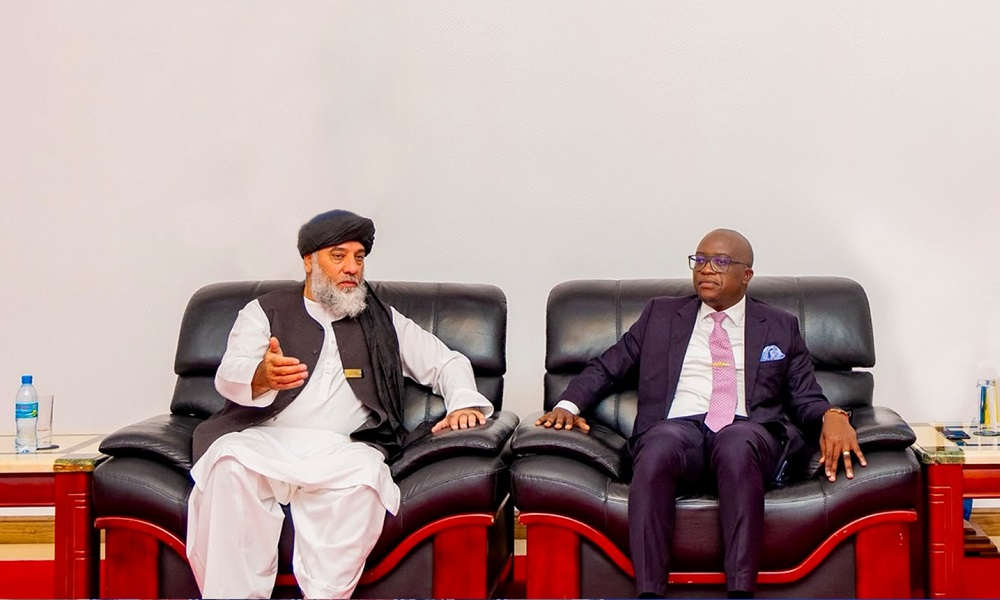
Afghanistan and Tanzania stress expanding cooperation in mining and trade

Lebanon defeat Afghanistan 5-0 in Beach Soccer Asian Cup

Bagram belongs to Afghanistan, not the United States: Anas Haqqani
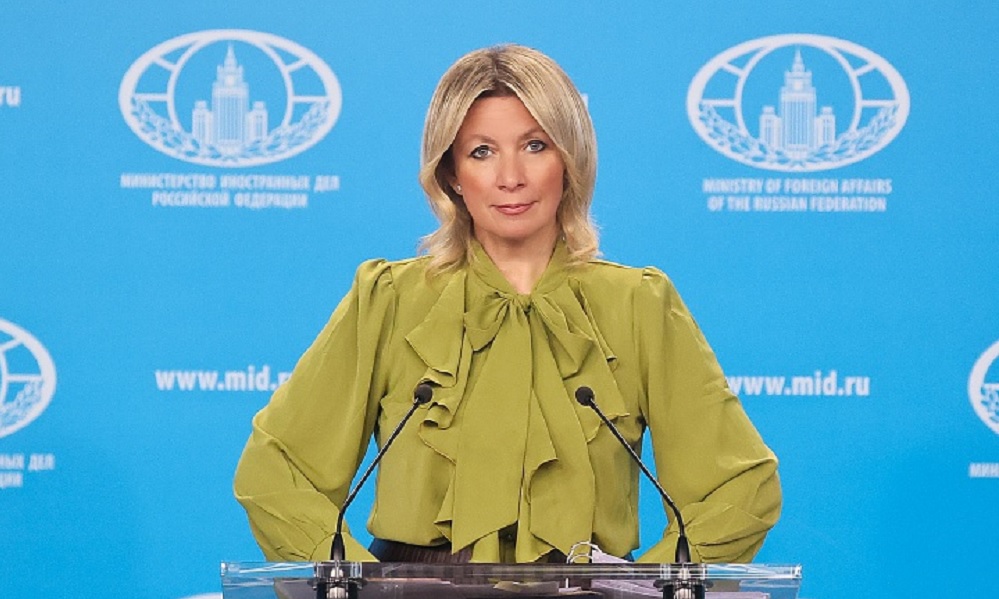
Russia reiterates readiness to facilitate talks between Afghanistan and Pakistan

Astronomers observe a huge puffy star merge with smaller companion
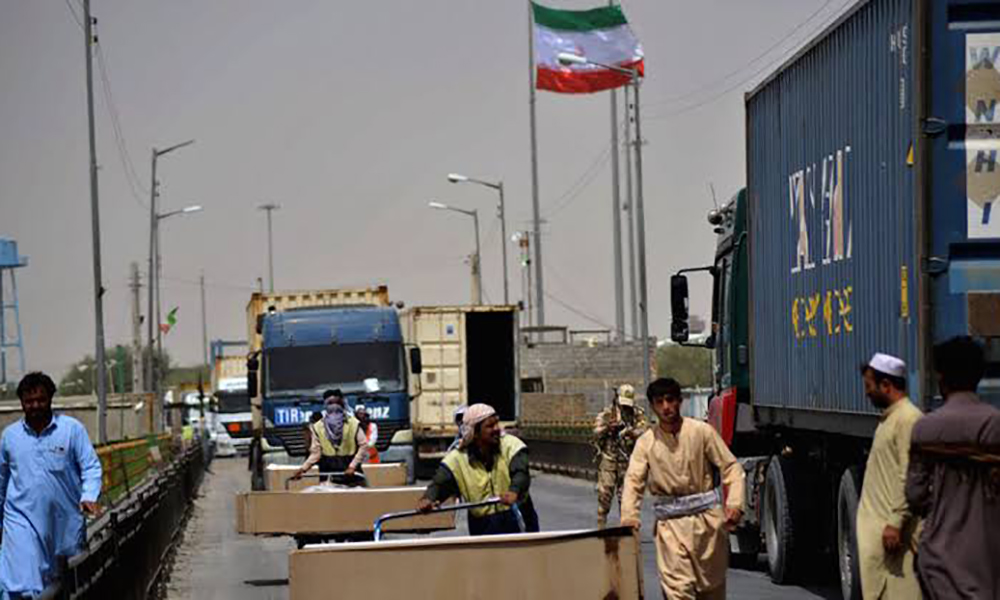
US sanctions and blockade measures disrupt Iran’s trade with Afghanistan and regional neighbors

Pakistan exporters suffer billions in losses as Afghanistan trade halt continues
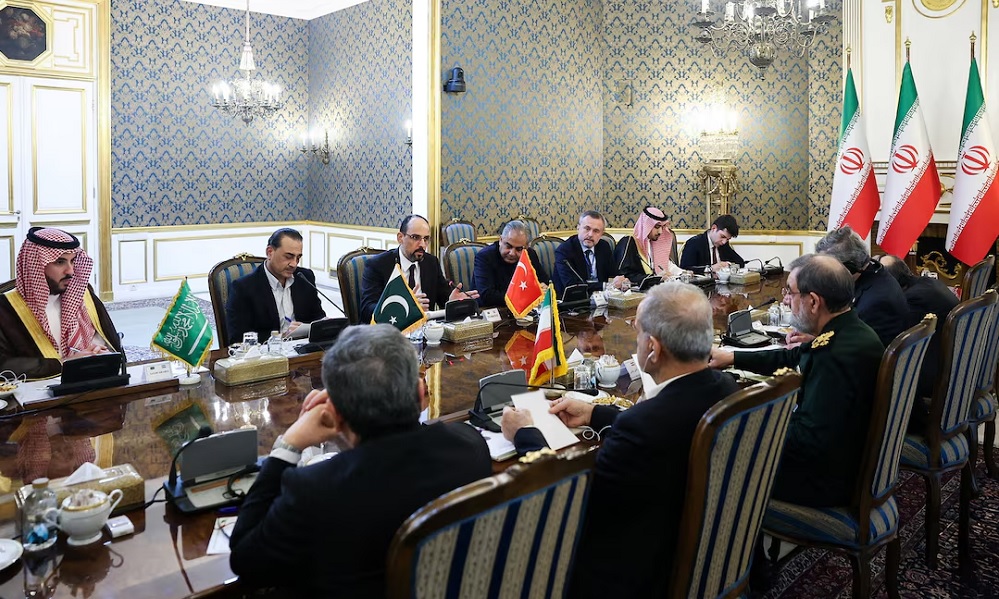
Saudi defence pact countries push for peace in Tehran as Houthis launch more attacks

England forward Kane crowned Ballon d’Or winner

Afghanistan urges polio vaccination as cases reach 42

Tawsia: Afghanistan’s key economic highlights of the week discussed
Tahawol: Kazakhstan’s call for practical international engagement with Afghanistan
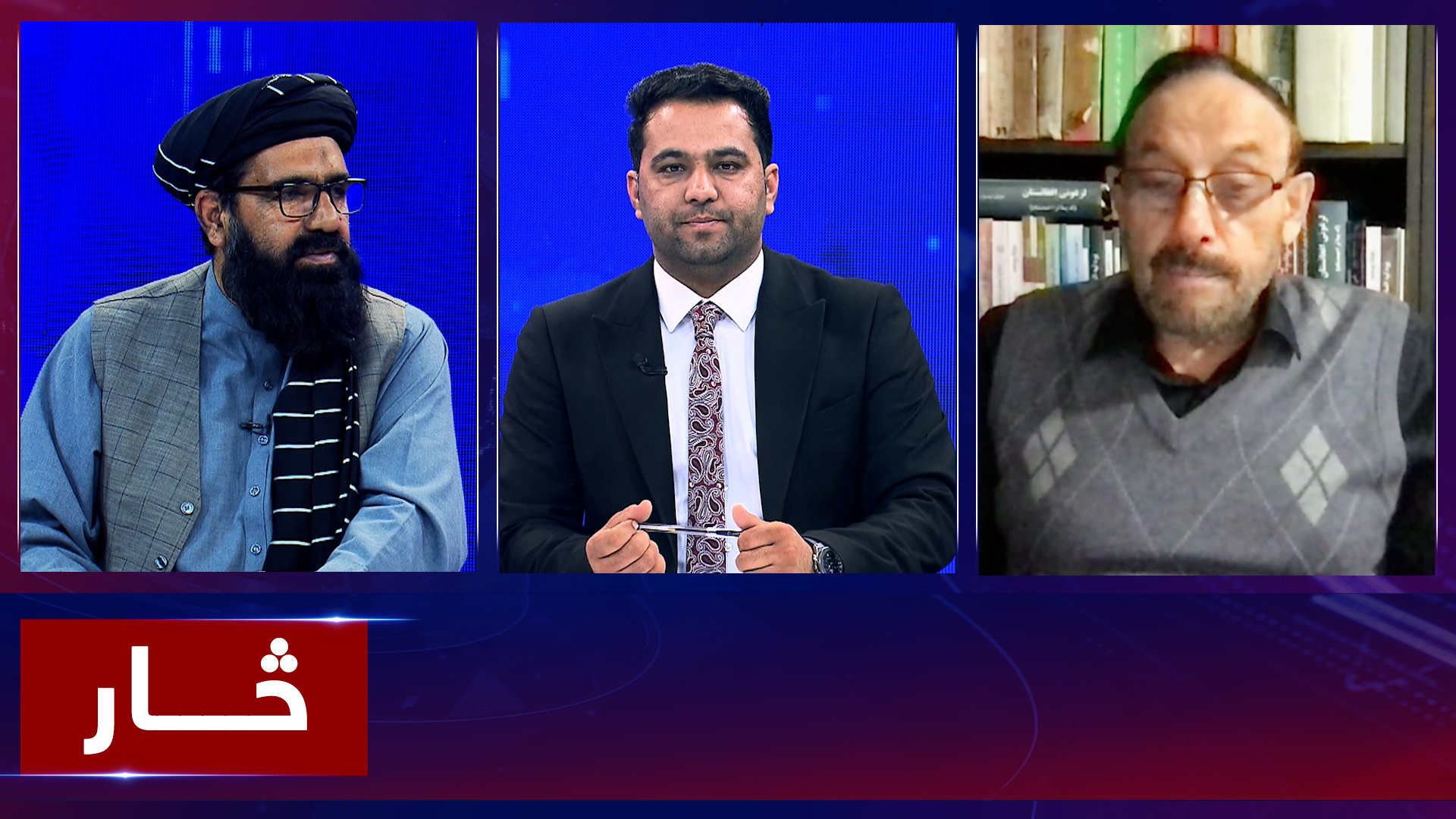
Saar: Afghanistan and UN: 80 years of diplomatic relations discussed

Tahawol: Qatar-UK consultations on Afghanistan discussed
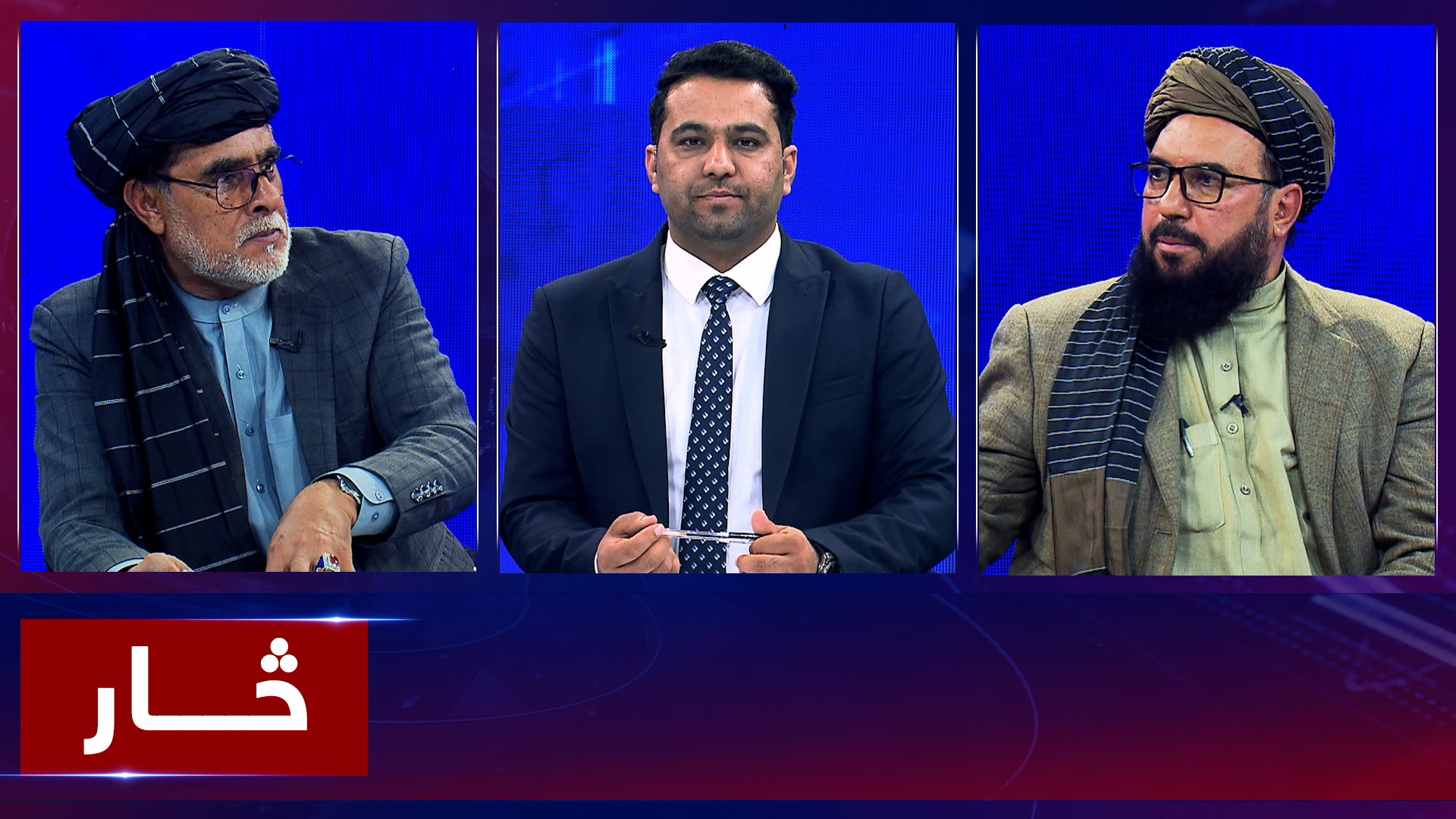
Saar: Efforts to deliver urgent humanitarian aid to needy Afghans
-
 Sport3 days ago
ATN to broadcast AFC Awards honoring Asia’s football stars
-
 Sport5 days ago
Sorkh Poshan Khafi crowned ACL champions after unbeaten campaign
-
 Regional3 days ago
US strikes Iranian military site as Gulf states report fresh attacks
-
 Business4 days ago
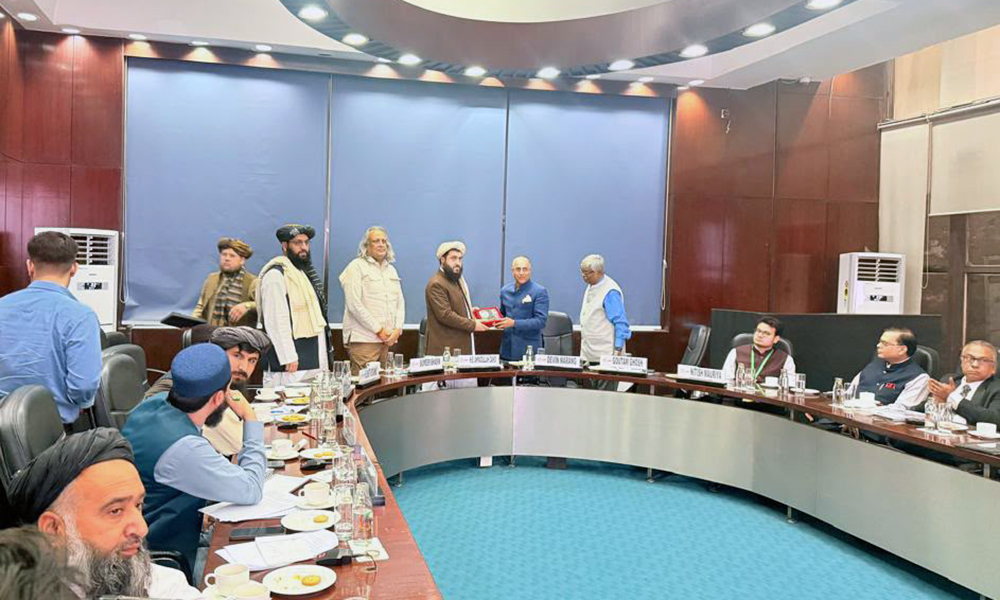
Afghanistan, India discuss expanding trade and investment ties
-
 Regional4 days ago
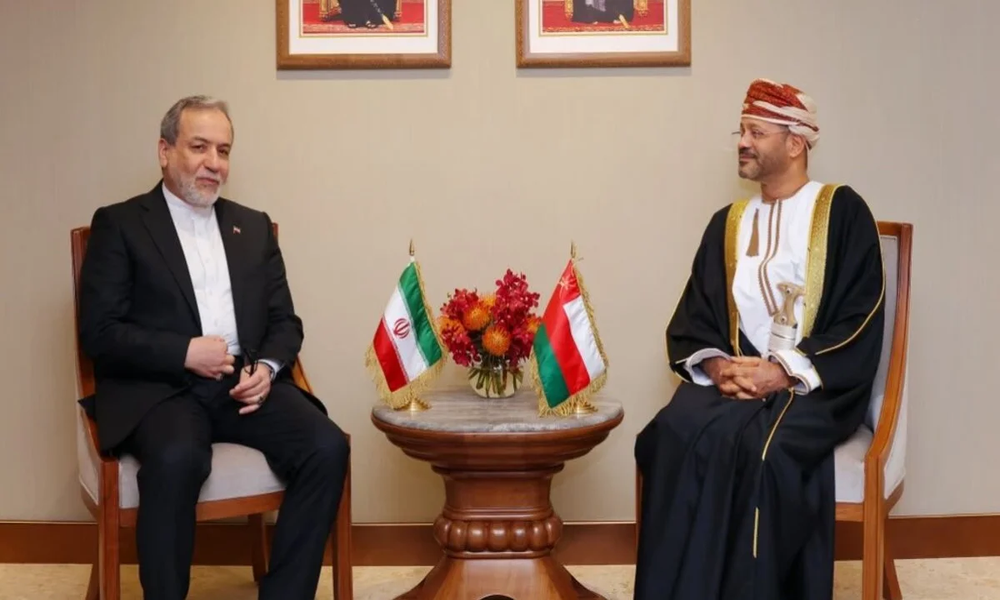
Oman and Iran discuss restoring shipping through Strait of Hormuz
-
 Latest News3 days ago
Afghanistan’s economy grows despite rising food insecurity and water crisis: World Bank
-

 Latest News4 days ago
IEA leader says he will not allow Muslims to fight to protect his power
-

 Latest News4 days ago
Germany reportedly approves visas for four new Afghan diplomats