
Latest News
بیشاز چهل جریب کشتزار چرس در ولایت سرپل تخریب شد


مسوولان در مدیریت مبارزه با مواد مخدر ولایت سرپل میگویند که در یک ماه گذشته، بیشاز چهل جریب کشتزار چرس را در این ولایت تخریب کردهاند.
مقامهای محلی امروز (سهشنبه، ۸ سنبله) گفتند که برای تطبیق فرمان رهبر امارت اسلامی مبارزه جدی را با تولید، قاچاق و فروش مواد مخدر آغاز کردهاند.
به گفتۀ آنان، در یک ماه گذشته بیشاز چهل جریب زمین از وجود بتههای چرس پاکسازی شده است.
حمیدالله فقیر، آمر تطبیق مدیریت مبارزه با مواد مخدر قوماندانی امنیه ولایت سرپل گفته است: «تقریباً دریک ماه که ما عملیات تخریب بتههای چرس را شروع کردیم، بیشاز چهل جریب زمین را تخریب کردیم، حالا در ساحه سیدآباد منطقه ذکه افغانیه آمدیم که تقریبا ۱۲ جریب زمین چرس کشتشده شما میبینید که این ها را نیز تخریب کردیم.»
تخریب کشتزارهای کوکنار هرچند با استقبال دهاقین روبهرو شده اما آنان از امارت اسلامی میخواهند که برای آنان کشت بدیل ارایه کنند.
آنان از تلاشها جهت تطبیق فرمان رهبر امارت اسلامی مبنی بر مبارزه جدی با تولید، قاچاق و فروشندگان مواد مخدر سخن میزنند و میگویند برای هیچکس اجازه کشت کوکنار داده نمیشود.
کمبود آب، نبود امکانات دهاقین، بلند بودن بهای کودکیمیاوی از اساسیترین مشکل دهاقین دراین ولایت بیان گفته شدهاست.
در همین حال، مسوولان امنیتی جمعآوری افراد مبتلا به مواد مخدر از روی جادهها را از دیگر برنامههای شان جهت مبارزه با مواد مخدر عنوان میکنند.
به گفتهی آنان تا اکنون دست کم یک هزار معتاد از سطح شهرکابل جمعآوری و برای تداوی به مراکز صحی منتقل شدهاند.
آقای فقیر نیز افزود: «ما فعالیت خود را از ماه حمل آغاز کردیم و در ولایت سرپل نزدیک بهیک هزار دستگیری داریم که معتاد استند و در شفاخانه بستر میباشند.»
گفتنیست که افغانستان یکی از کشورهای زراعتی در منطقه است اما مواد مخدر همچنان با نام افغانستان گره خورده است هرچند که امارت اسلامی کشت و تولید آنرا ممنوع کرده است.









Latest News
UN official warns Afghanistan’s humanitarian crisis could threaten regional stability and security
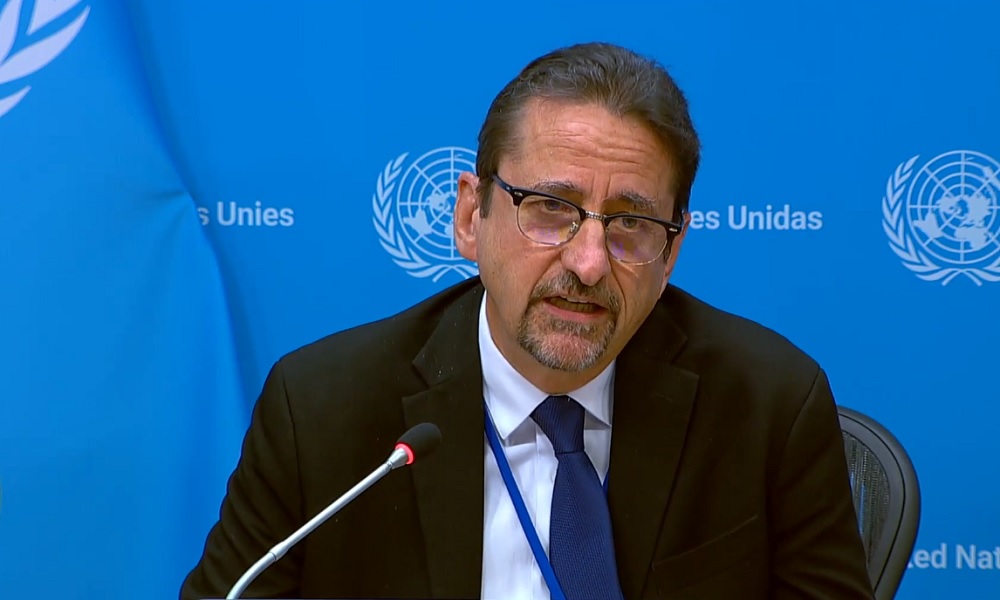
A senior United Nations official has warned that Afghanistan’s deepening humanitarian crisis could have consequences beyond the country’s borders, potentially affecting regional security, stability and migration routes.
Bruno Lemarquis, the UN Deputy Special Representative of the Secretary-General for Afghanistan and Resident and Humanitarian Coordinator, said on Friday that the country was at a “difficult crossroad” more than five years after the Islamic Emirate returned to power.
He said relative stability and security were being undermined by a fragile economy, restrictions on fundamental rights and growing humanitarian needs.
Lemarquis described restrictions on women and girls as “severe and sweeping,” saying they continue to face barriers to education, employment and participation in public life.
He noted that more than 2.6 million girls have been deprived of secondary education since 2021, while female university enrollment currently stands at zero.
The UN official also highlighted the impact of the mass return of Afghan migrants, saying approximately 6.7 million Afghans have returned to the country since 2020, many of them forcibly expelled from neighbouring countries, particularly Pakistan and Iran.
He said the large-scale returns were placing additional pressure on Afghanistan’s already overstretched public services, stressing that returnees urgently need legal documentation, protection and employment opportunities.
Lemarquis also raised concerns over a reported increase in opium poppy cultivation, citing a UN report that found production had risen by 330 percent in 2025 following a sharp decline after the 2022 ban imposed by the Islamic Emirate.
He said efforts to prevent poppy cultivation must be accompanied by viable alternative livelihoods for farmers.
Meanwhile, humanitarian needs in Afghanistan are expected to rise further in 2027 amid mass returns, regional instability and extreme weather risks associated with El Niño.
However, international humanitarian funding has continued to decline. According to Lemarquis, assistance reached $2 billion in 2023, fell to $1 billion in 2025 and has amounted to only $570 million so far in 2026.
He warned that funding shortages were threatening essential services, with around 40 percent of primary healthcare facilities expected to close between 2025 and 2026, potentially affecting 700 of the country’s 1,900 health posts.
Describing the consequences as “very, very, very significant,” Lemarquis urged the international community not to turn its back on Afghanistan.
“And there is a saying in Afghanistan that is ‘What is happening in Afghanistan is not staying in Afghanistan,’” he said.
“The consequences could go beyond the Afghanistan border, potentially affecting regional security, regional stability and migration pathways.”
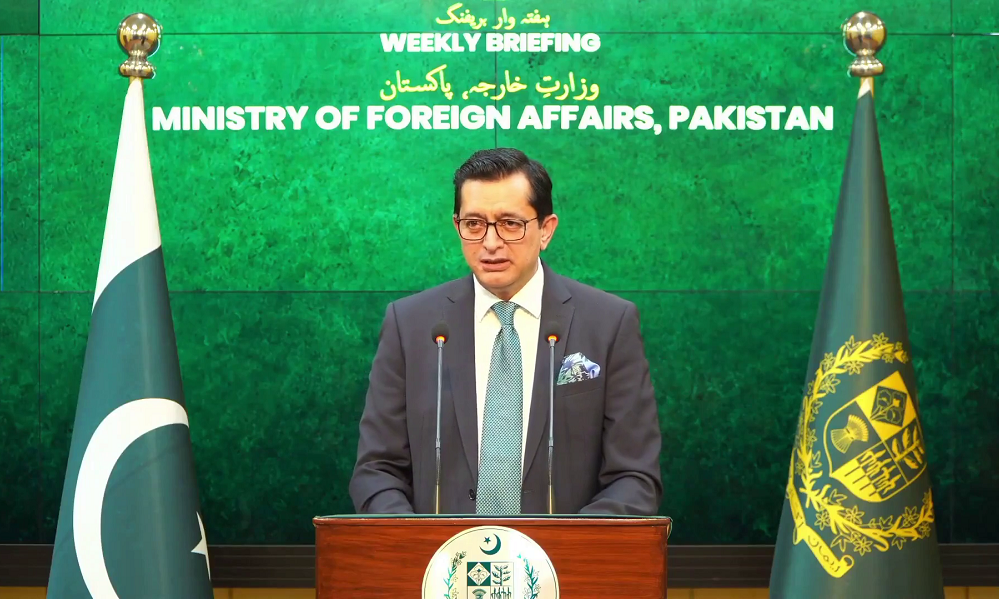
Pakistan’s Foreign Ministry says it is reviewing reports that the Trump administration plans to deport Afghans through Pakistan, adding that it is consulting relevant stakeholders to find a mutually acceptable way forward.
Foreign Ministry spokesperson Sajjad Haider Khan made the remarks at a press conference on Friday, saying Islamabad remained committed to close coordination with its allies and partners.
“We will continue to act in accordance with our international obligations and established protocols,” Khan said.
He added that the matter was under consideration and that all relevant aspects were being carefully examined in consultation with concerned stakeholders.
Pakistan-based Bank Alfalah has completed its exit from Afghanistan after 20 years of operations, transferring its local banking business to Ghaznfar Bank, the lender said in a notice to shareholders on Friday.
The bank said the transaction was completed on November 5 after the signing of final agreements, approval from the State Bank of Pakistan and Da Afghanistan Bank, and fulfilment of other required conditions.
The deal allows Bank Alfalah to sell and transfer its operations in Afghanistan to Ghaznfar Bank, following approval from the regulatory authorities in both countries.
“Bank Alfalah has accordingly ceased its banking operations in Afghanistan and will complete the closure of its Afghanistan branches in accordance with applicable regulatory requirements,” the notice said.
Bank Alfalah began operating in Kabul in 2005, offering both conventional and Islamic banking services.

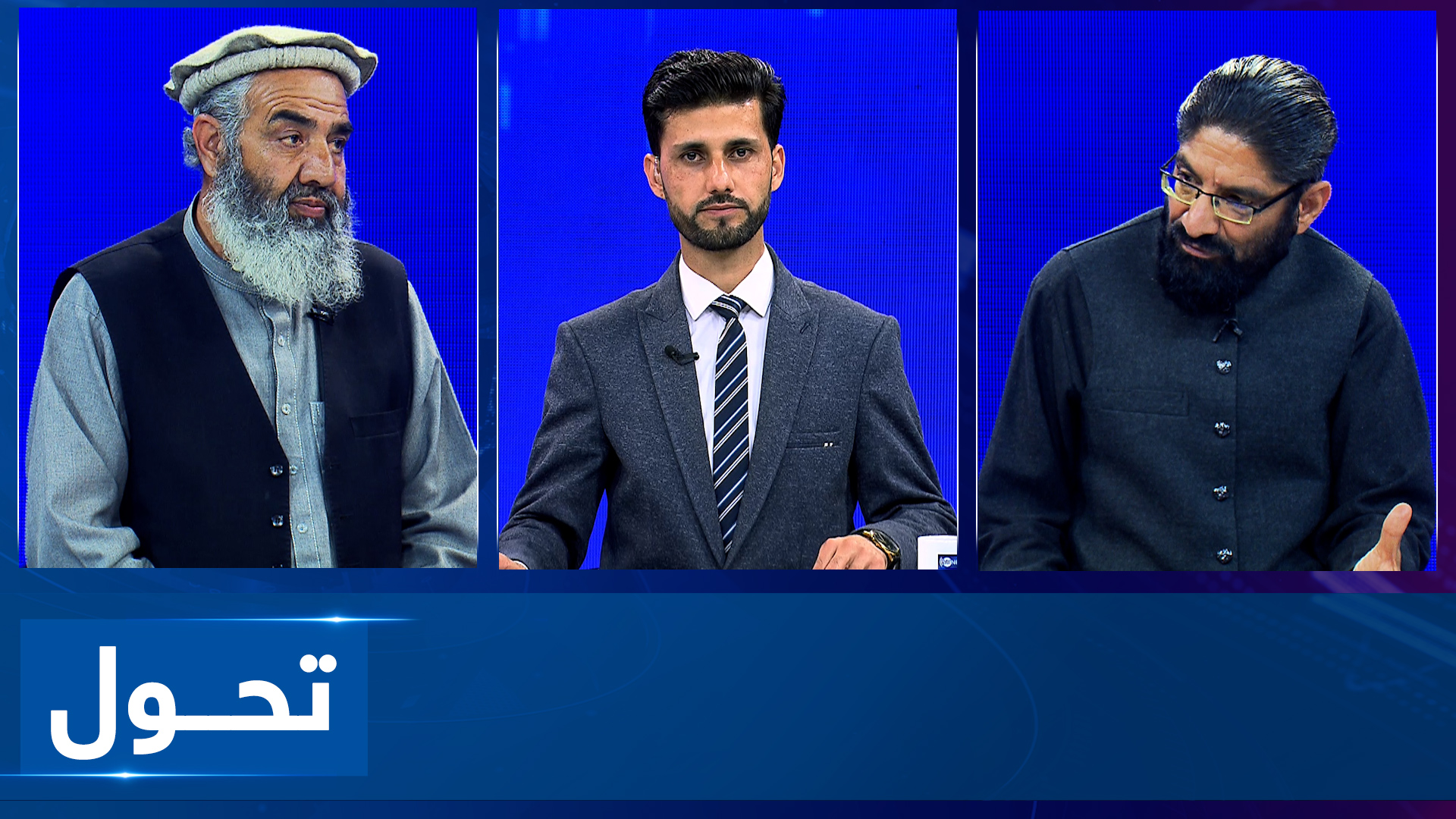
Tahawol: Afghanistan’s participation in Shanghai Plus security meeting discussed
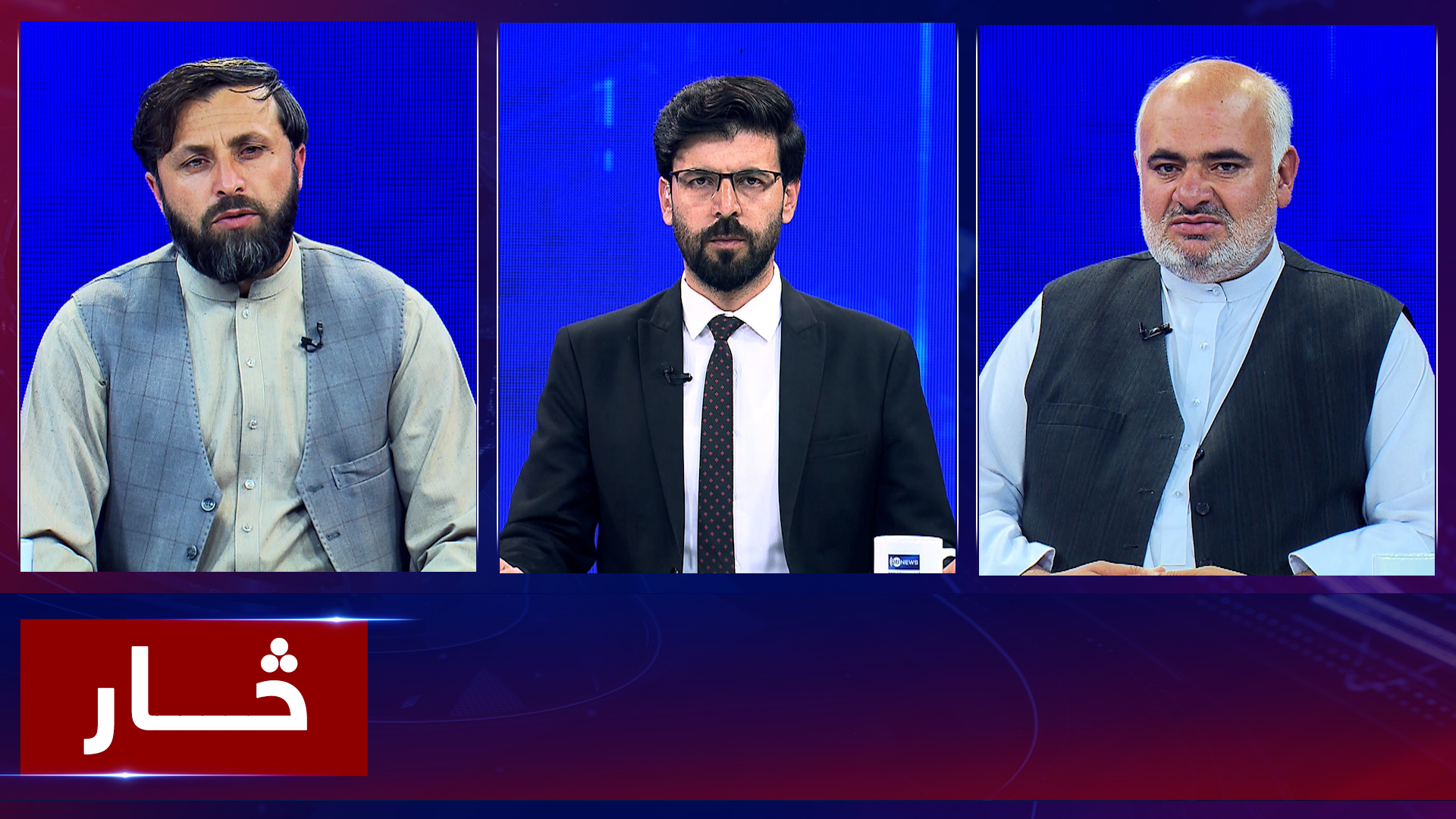
Saar: Afghanistan’s declining humanitarian aid funding discussed

Toofan Herat defeat Arman FC 2–0 in Afghanistan Champions League
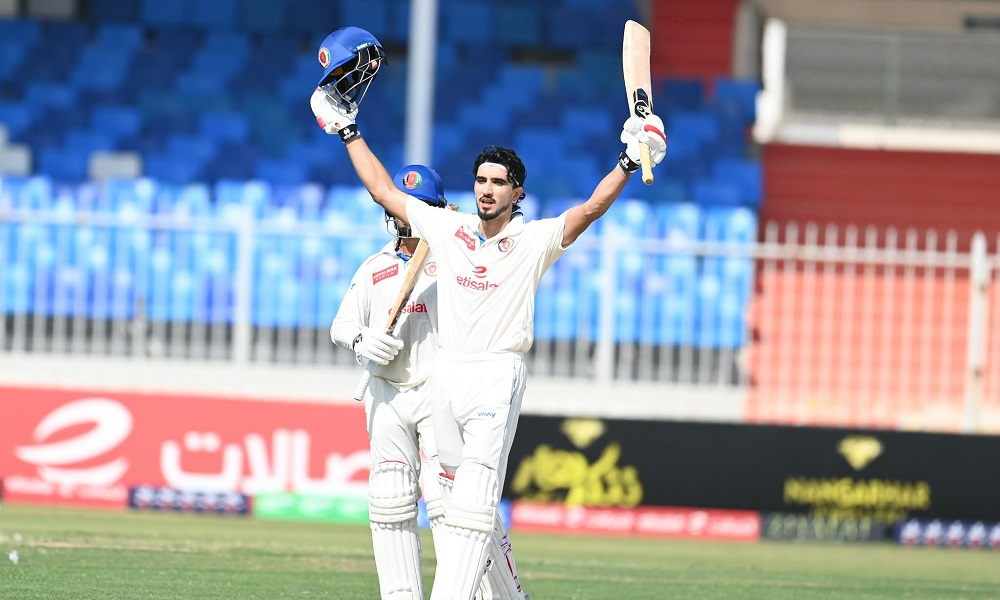
Afghanistan trail Zimbabwe by 102 runs at stumps on day three of first Test

Astronomers discover white dwarf surrounded by two rings of planetary debris

Afghanistan finish runners-up after 6-0 defeat to Brazil in futsal final

Trump says US will not attack Iran before midterm elections in November

Trump says US may strike Iran’s ‘Pickaxe Mountain’ nuclear facility

Afghan futsal coach: Brazil tournament is first step towards new goals and World Cup

WHO calls for greater mental health support in Afghanistan
Tahawol: Afghanistan’s participation in Shanghai Plus security meeting discussed
Saar: Afghanistan’s declining humanitarian aid funding discussed
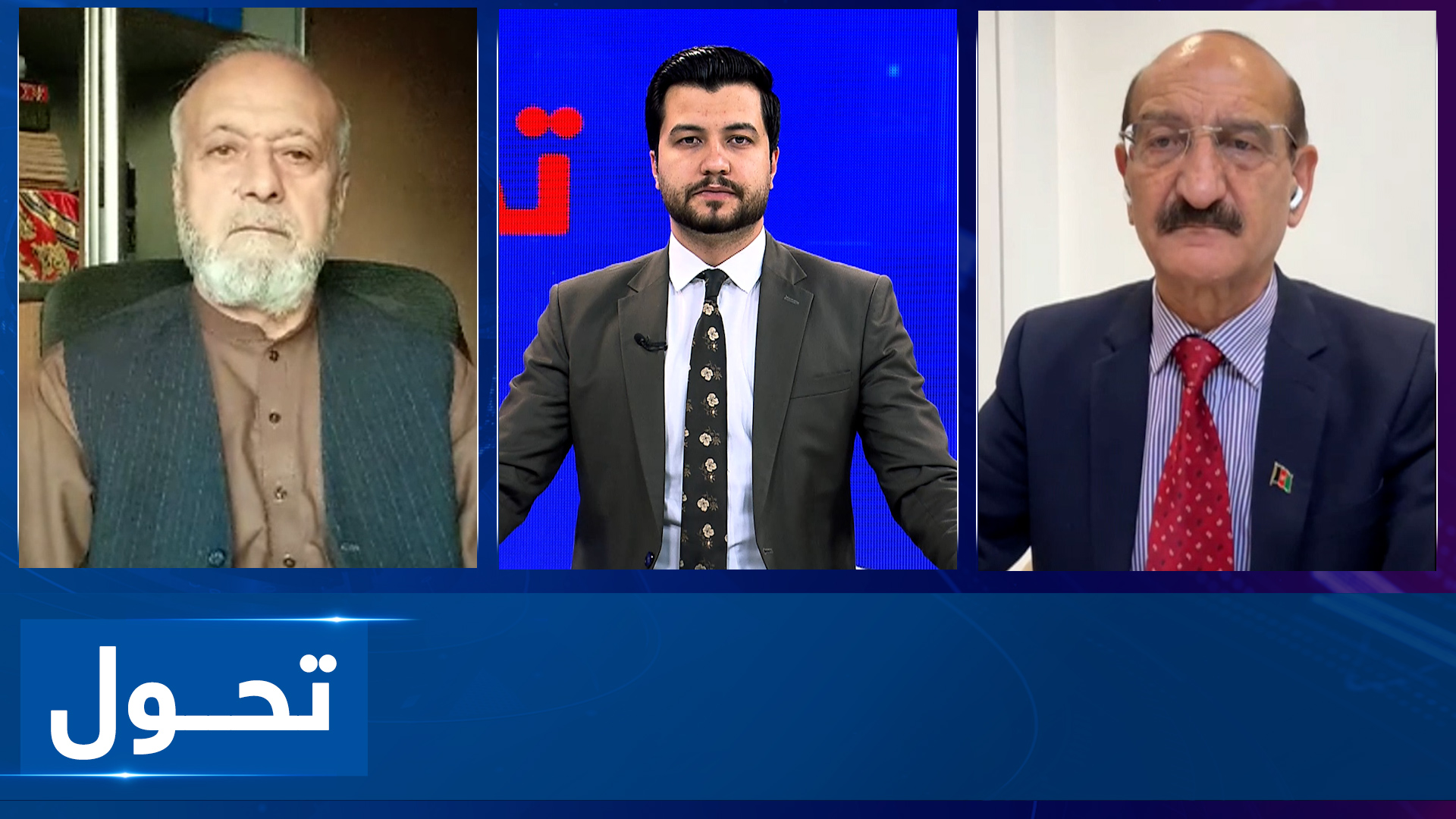
Tahawol: Calls for stronger joint action against terrorism discussed
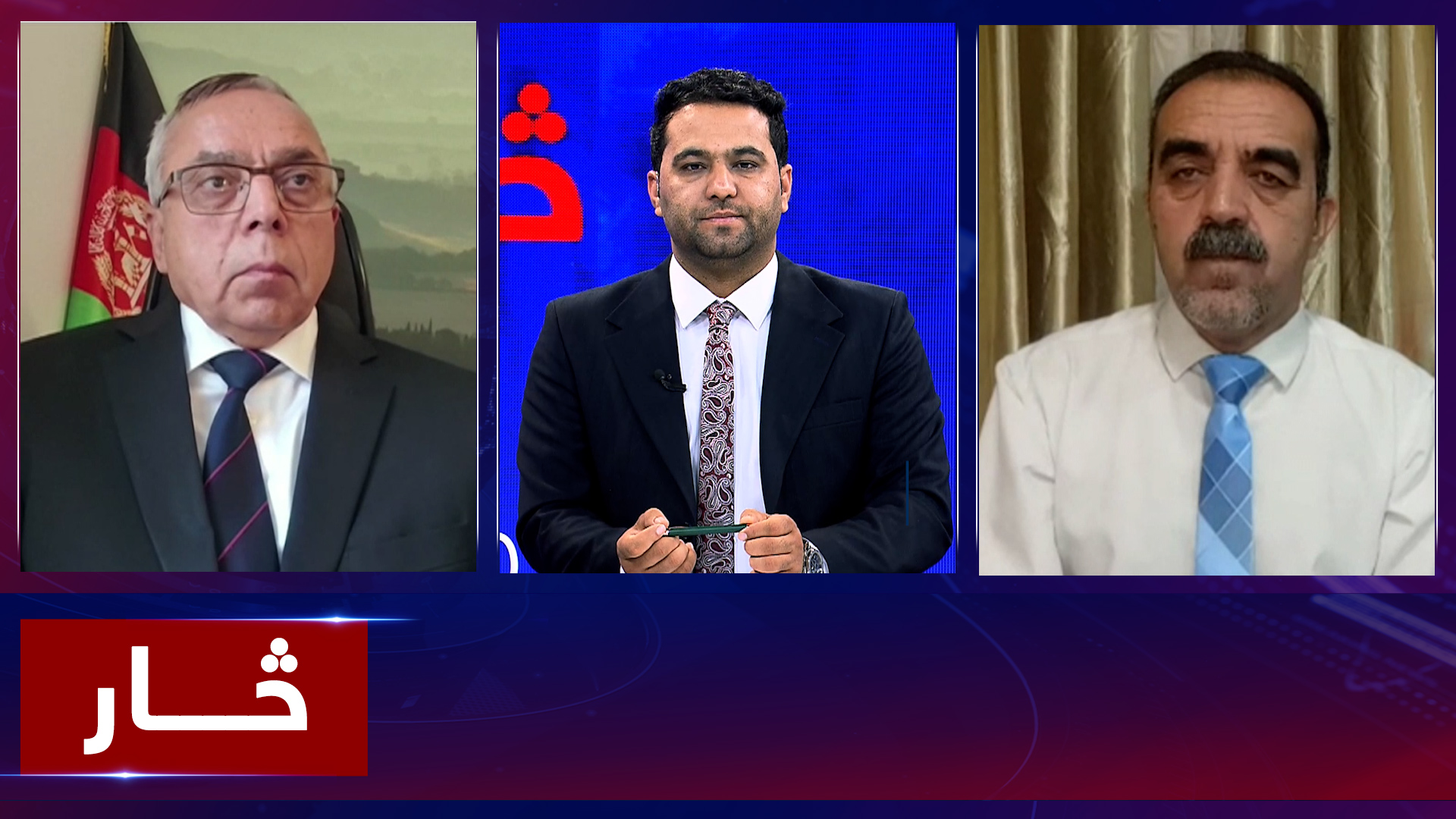
Saar: Impact of closing trade routes between Kabul-Pakistan discussed

El-Sayed’s historic victory opens a new chapter for Muslim Americans
-
 World5 days ago
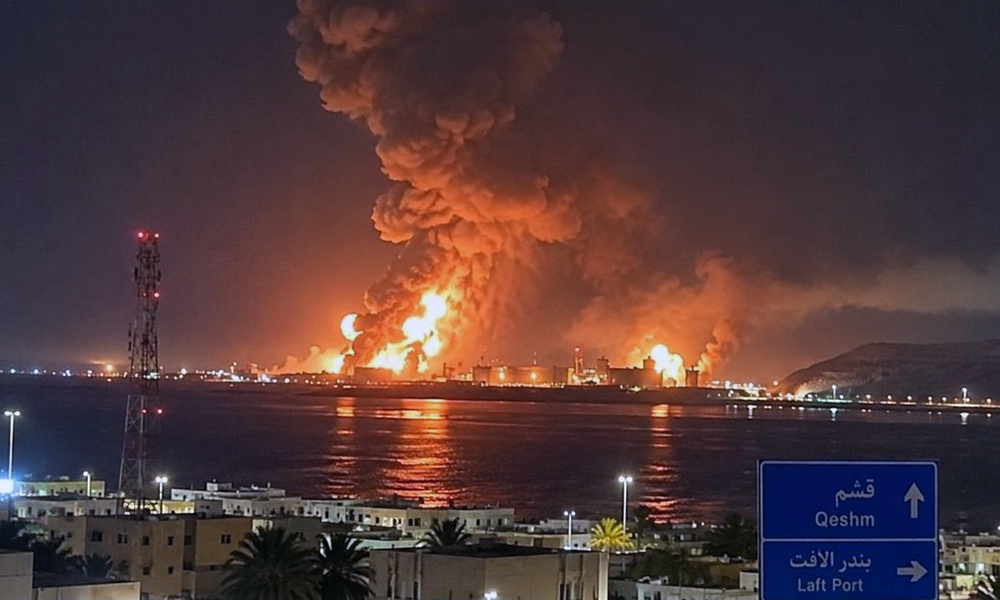
US carries out ‘defensive’ strikes on Iran’s Qeshm Island, officials say
-
 Sport2 days ago
Afghanistan suffer narrow defeat against Argentina at Dakar Youth Olympics
-
 Regional5 days ago
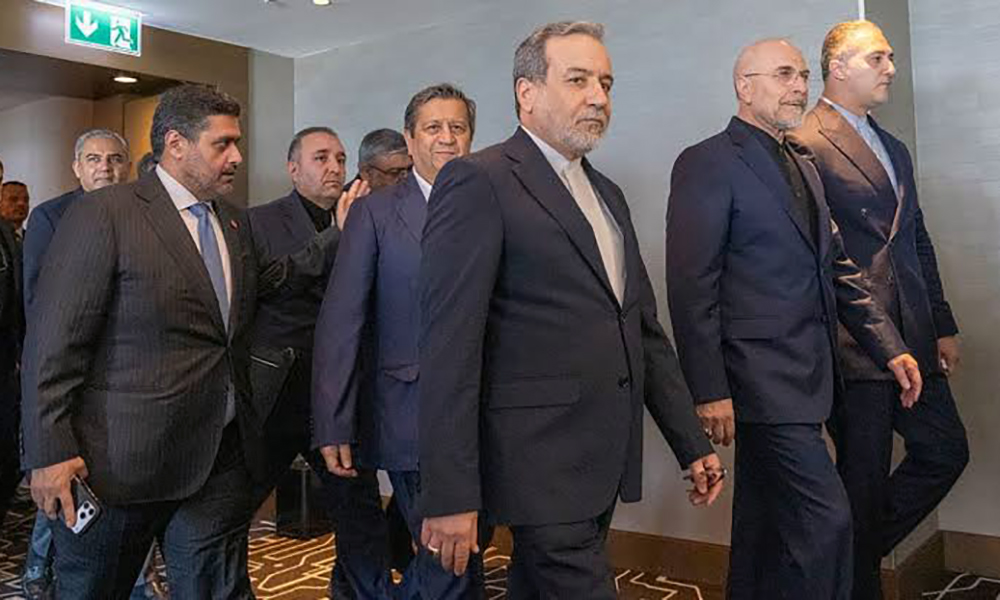
Iran says contacts over ending war continue after talks finish with no breakthrough
-
 Latest News5 days ago
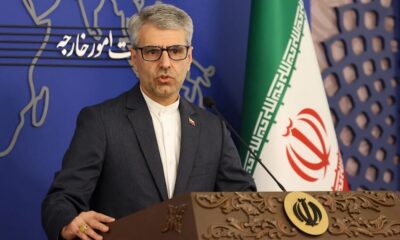
Iran plans new four-nation meeting on Afghanistan amid regional diplomatic efforts
-
 Latest News4 days ago
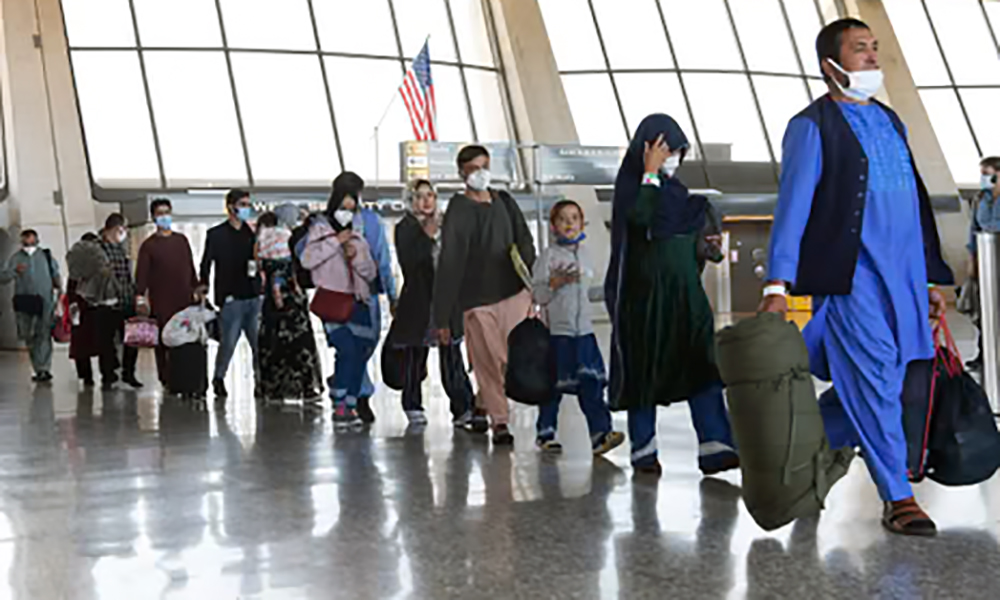
US judge temporarily blocks deportation of detained Afghans
-

 Latest News4 days ago
US lawmakers urge Trump administration to halt Afghan deportations
-
 Climate Change4 days ago
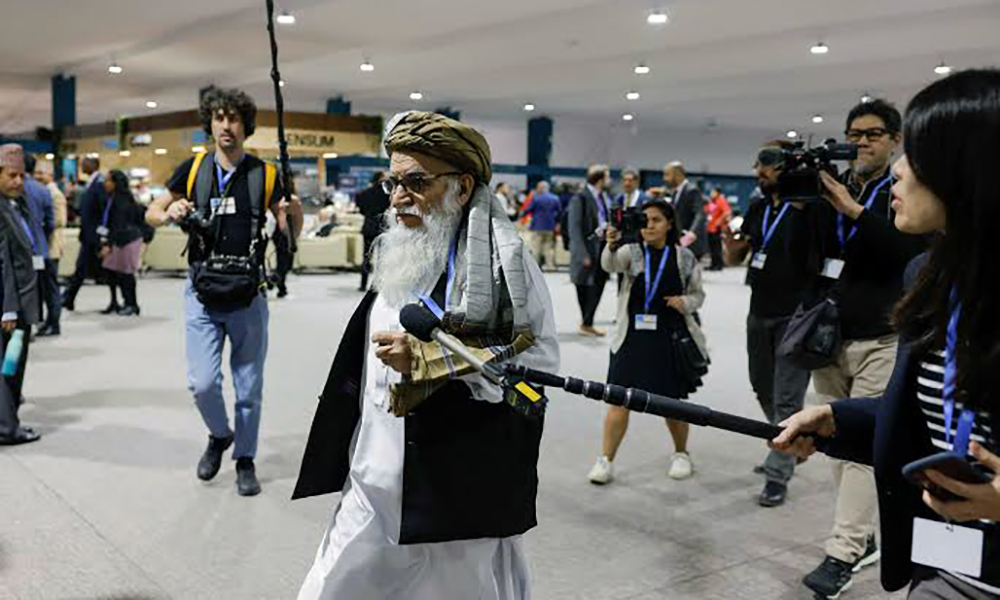
IEA to attend UN climate summit for second time since returning to power
-
 Sport4 days ago
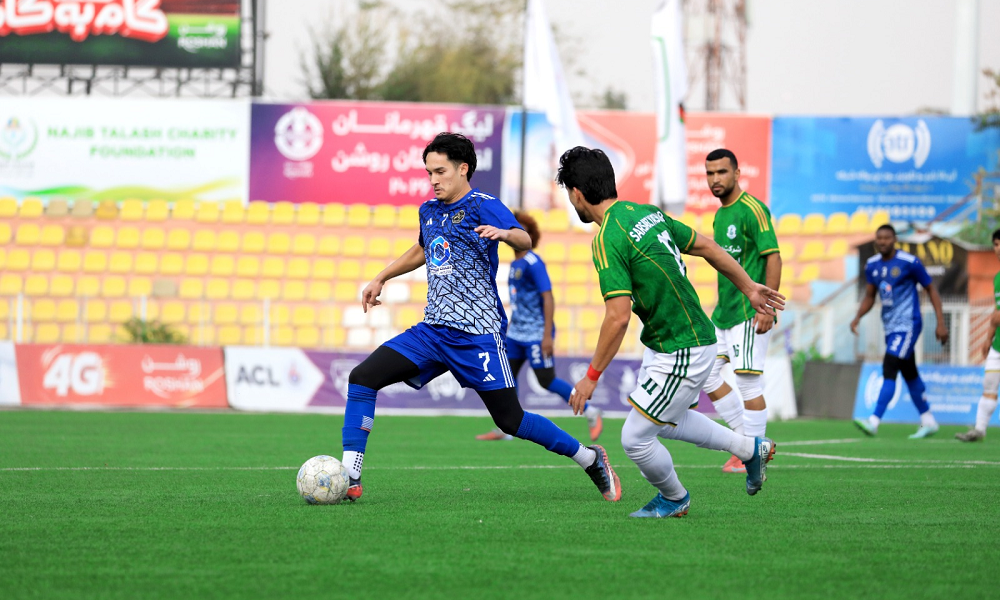
Arman FC secure 3-1 victory over Sarsabz Yashlar in ACL