
Health
Special Care Center for coronavirus in Kabul

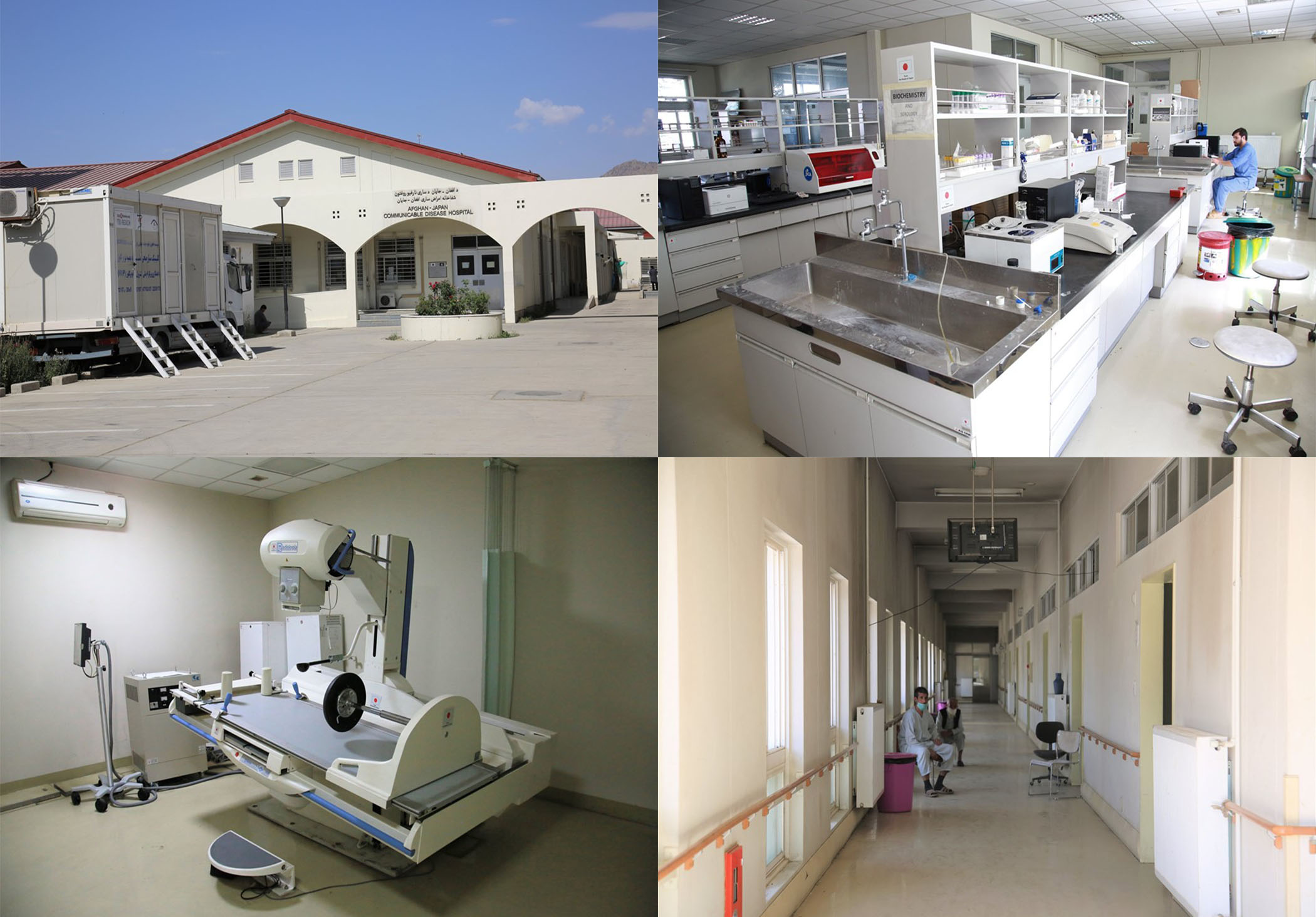
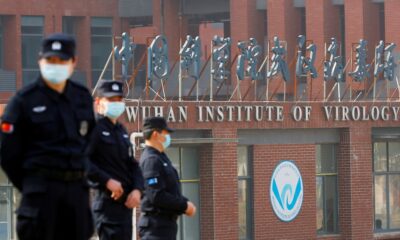
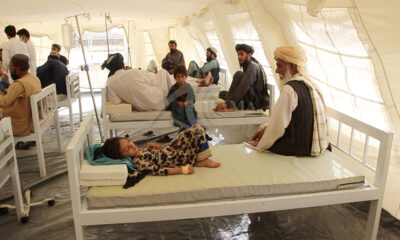
 On February 4th, 2020, the first special care center to fight coronavirus was established in Afghan-Japan Communicable Disease Hospital in Kabul.
Public Health Minister Ferozuddin Feroz says that the center offers 100 beds, and is dedicated to diagnose and cure coronavirus patients.
The minister adds that if need be, they will establish such centers, with a capacity of 150 beds, in other provinces too.
He says, “The special care center is meant for those infected and/or possibly exposed to the virus – they will be diagnosed and cured here, because moving patients around, adds to the possibility of the outbreak.”
Authorities in the hospital say that as of now, the outbreak of the coronavirus in Afghanistan is negative.
Mohammad Tahir Formuli, head of Afghan-Japan Communicable Disease Hospital, says, “There is no problem in the diagnosis and treatment of patients. We have the required number of staff. In case, God forbid, the number of the infected exceeds, we can use auxiliary from the Infectious Diseases Hospital, whose personnel have also been trained in a relevant field.”
To date, the coronavirus has been spread to 27 countries, killing 426 people and leaving nearly 21,000 people infected.







Health
Afghanistan to launch nationwide polio vaccination campaign
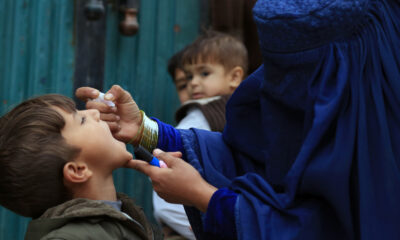
UNICEF said that 12.7 million children in Afghanistan have been vaccinated against polio through ongoing immunization campaigns.
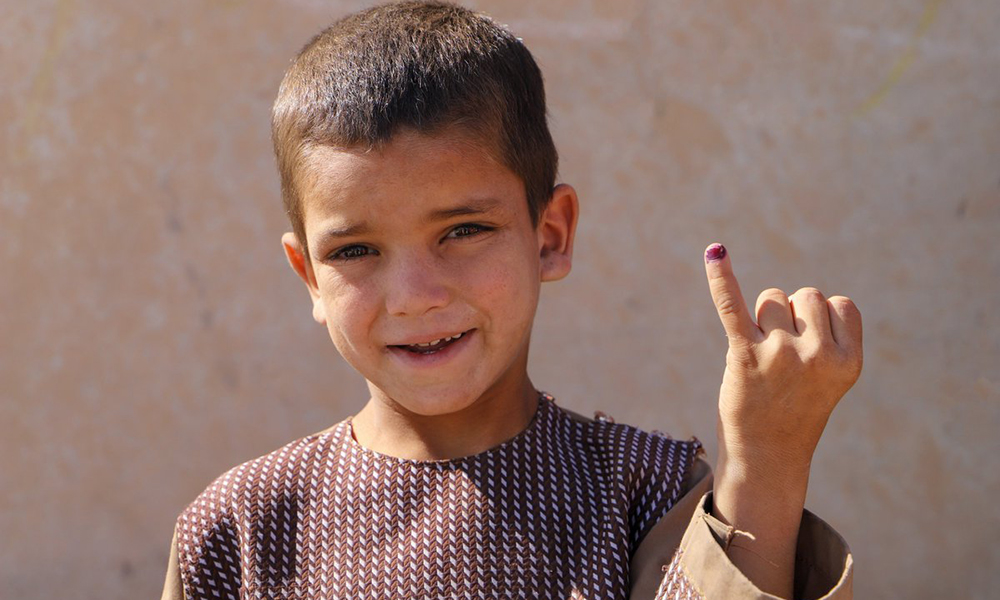
Afghanistan is set to launch a new nationwide polio vaccination campaign on Monday, November 2, as health authorities continue efforts to eradicate the disease, following the vaccination of 12.7 million children across the country.
Afghanistan’s Polio-Free Initiative announced that the campaign will begin nationwide on Monday, while vaccination activities in the southern zone will start a day later, on Tuesday, November 3.
Meanwhile, the United Nations Children’s Fund (UNICEF) said that 12.7 million children in Afghanistan have been vaccinated against polio through ongoing immunization campaigns.
The UN agency noted that despite progress in vaccination coverage, efforts to completely eliminate polio in Afghanistan are continuing.
Polio is a highly infectious viral disease that mainly affects children under the age of five and can cause permanent paralysis.
Health organizations have urged families to cooperate with vaccination teams and ensure that all eligible children receive the required vaccine doses to protect them against the disease.
Health
Afghanistan urges polio vaccination as cases reach 42
World Polio Day is observed annually on October 24 to raise awareness and strengthen global efforts to eliminate the disease.
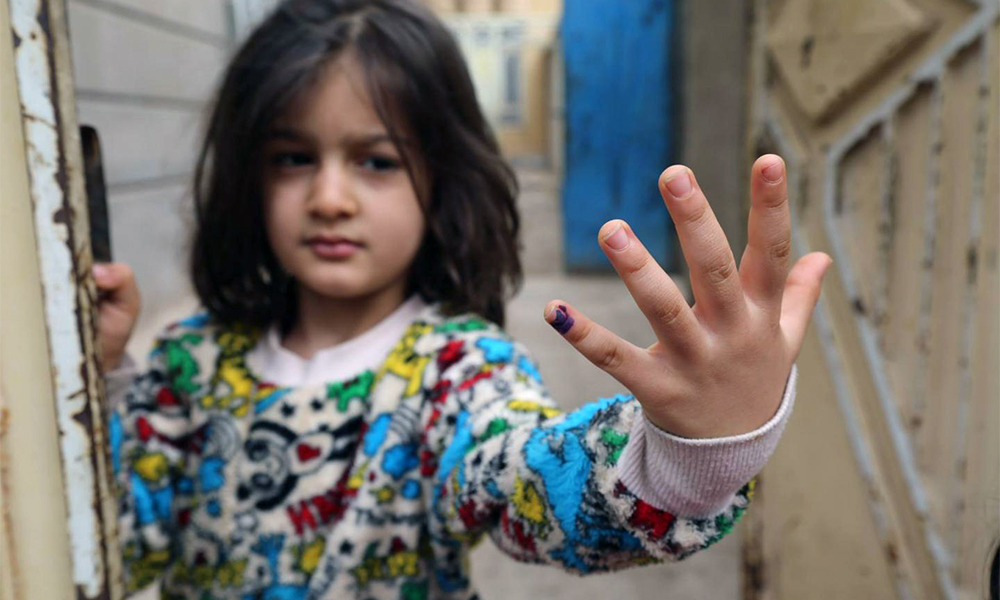
Afghanistan Free Polio has urged parents and caregivers to vaccinate their children against polio, warning of the continued need for vaccination efforts as the country marks World Polio Day on October 24.
In a message issued on Saturday, the organization called on families to ensure their children receive polio vaccines, stressing that every child has the right to grow up free from the disease.
The organization also emphasized the role of families and communities in preventing the spread of the virus and achieving a polio-free Afghanistan.
According to a previous report by the World Health Organization (WHO), six new polio cases had been recorded in Afghanistan, bringing the total number of cases reported since the beginning of 2026 to 42.
Afghanistan and Pakistan remain the only countries where polio has not been eradicated.
World Polio Day is observed annually on October 24 to raise awareness and strengthen global efforts to eliminate the disease.
Health authorities and public health organizations continue to stress that vaccination and community participation are essential to protecting children and preventing further transmission of the virus.
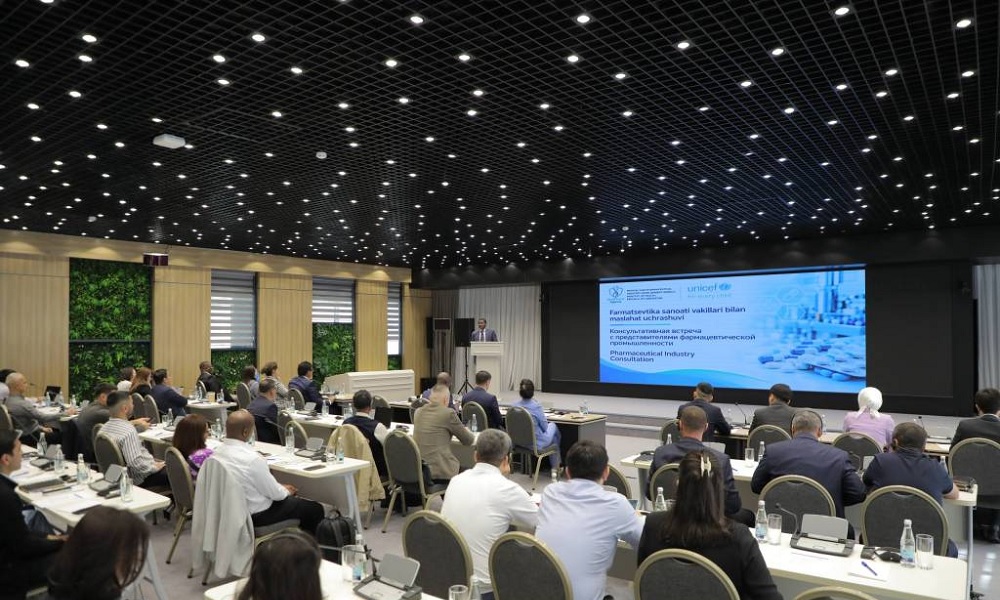
Uzbekistan’s Agency for the Development of the Medical and Pharmaceutical Industry has held talks with UNICEF representatives and local pharmaceutical companies on expanding cooperation and opportunities to supply medicines to Afghanistan.
The meeting was attended by Agency Director Abdulla Azizov, UNICEF Representative in Afghanistan Tajudeen Oyewale, and UNICEF Deputy Representative in Uzbekistan Geoffrey Ijumba.
According to Uzbekistan’s National News Agency, discussions focused on expanding access to international procurement platforms for Uzbek-made medicines, ensuring compliance with international quality standards, and improving transparency in pharmaceutical procurement and tender procedures.
The participants also explored mechanisms for bilateral agreements and potential medicine supplies to Afghanistan.
During the visit, the delegation toured BioPharma City, a pharmaceutical cluster under construction in the Tashkent region, and the Pharmaceutical Technical University. They were briefed on projects aimed at expanding domestic pharmaceutical production and training qualified specialists.

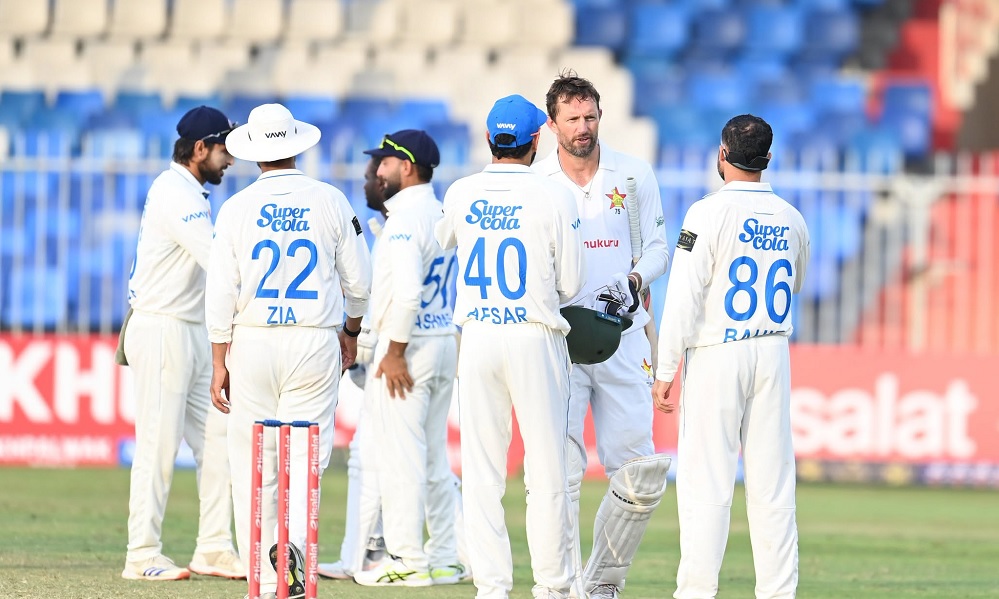
First Test between Afghanistan and Zimbabwe ends in a draw
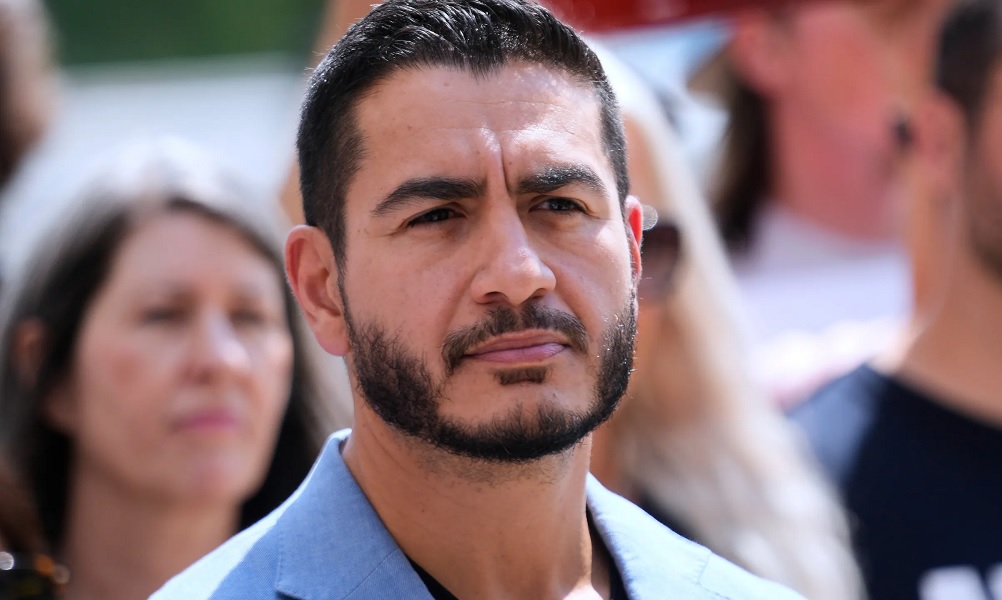
First Muslim US senator-elect El-Sayed calls for review of aid to Pakistan
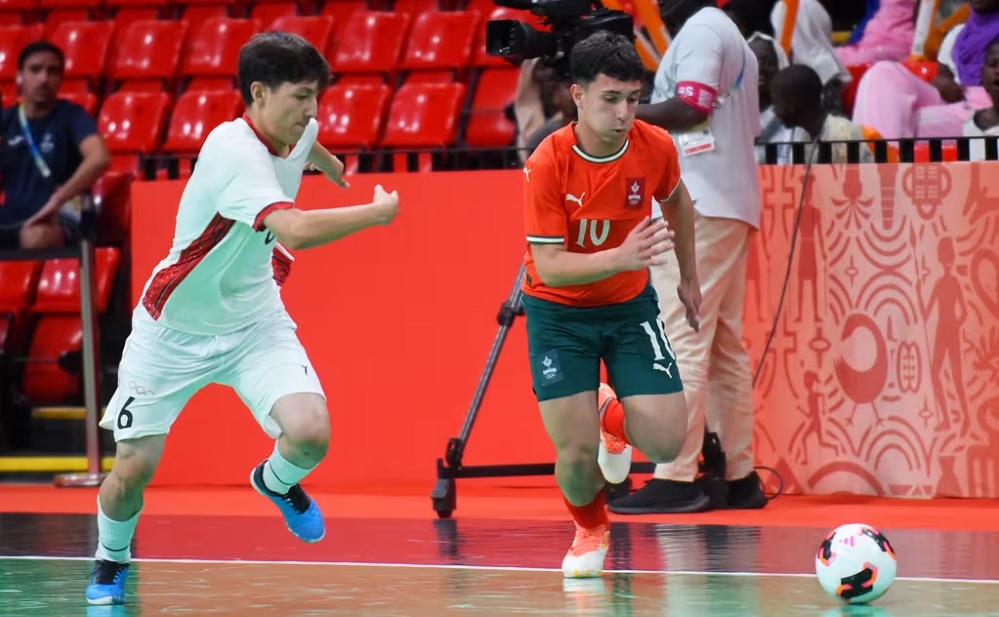
Portugal beat Afghanistan 2-0 in Dakar Youth Olympics futsal semi-finals
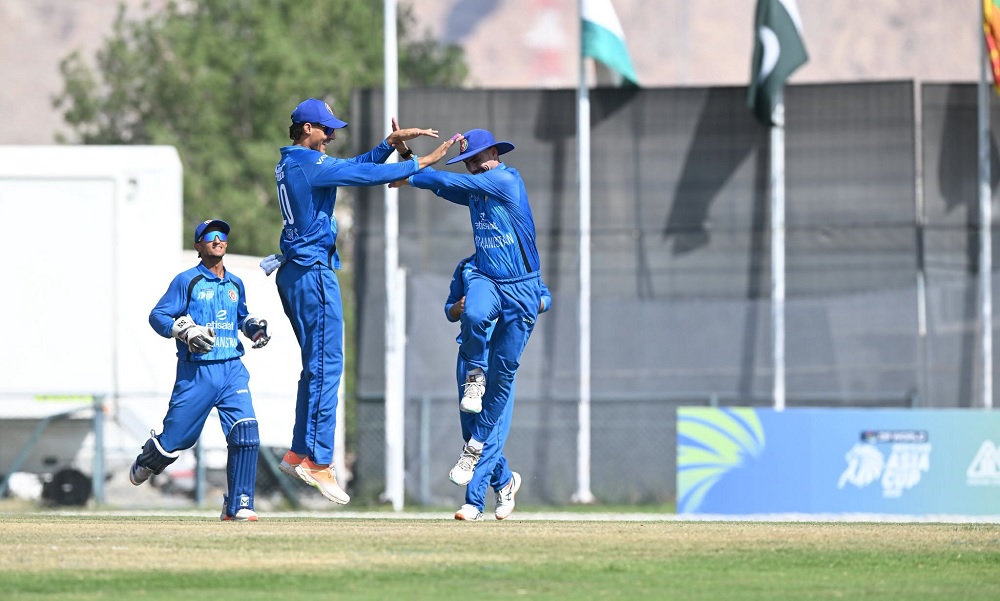
Afghanistan beat Sri Lanka by 106 runs in Under-19s Asia Cup
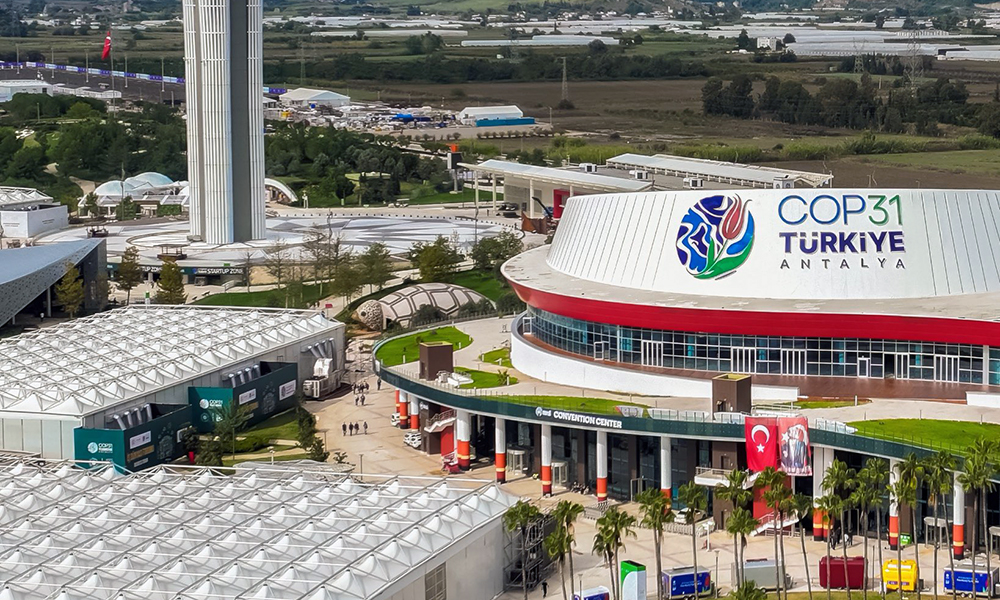
COP31 opens in Türkiye: World leaders urged to turn climate promises into action

Afghanistan finish runners-up after 6-0 defeat to Brazil in futsal final

Trump says US may strike Iran’s ‘Pickaxe Mountain’ nuclear facility

Afghan futsal coach: Brazil tournament is first step towards new goals and World Cup

Houthis warn airlines to avoid Saudi airports after deadly Riyadh attack

Pakistan deploys military to Peshawar after emergency rule declared
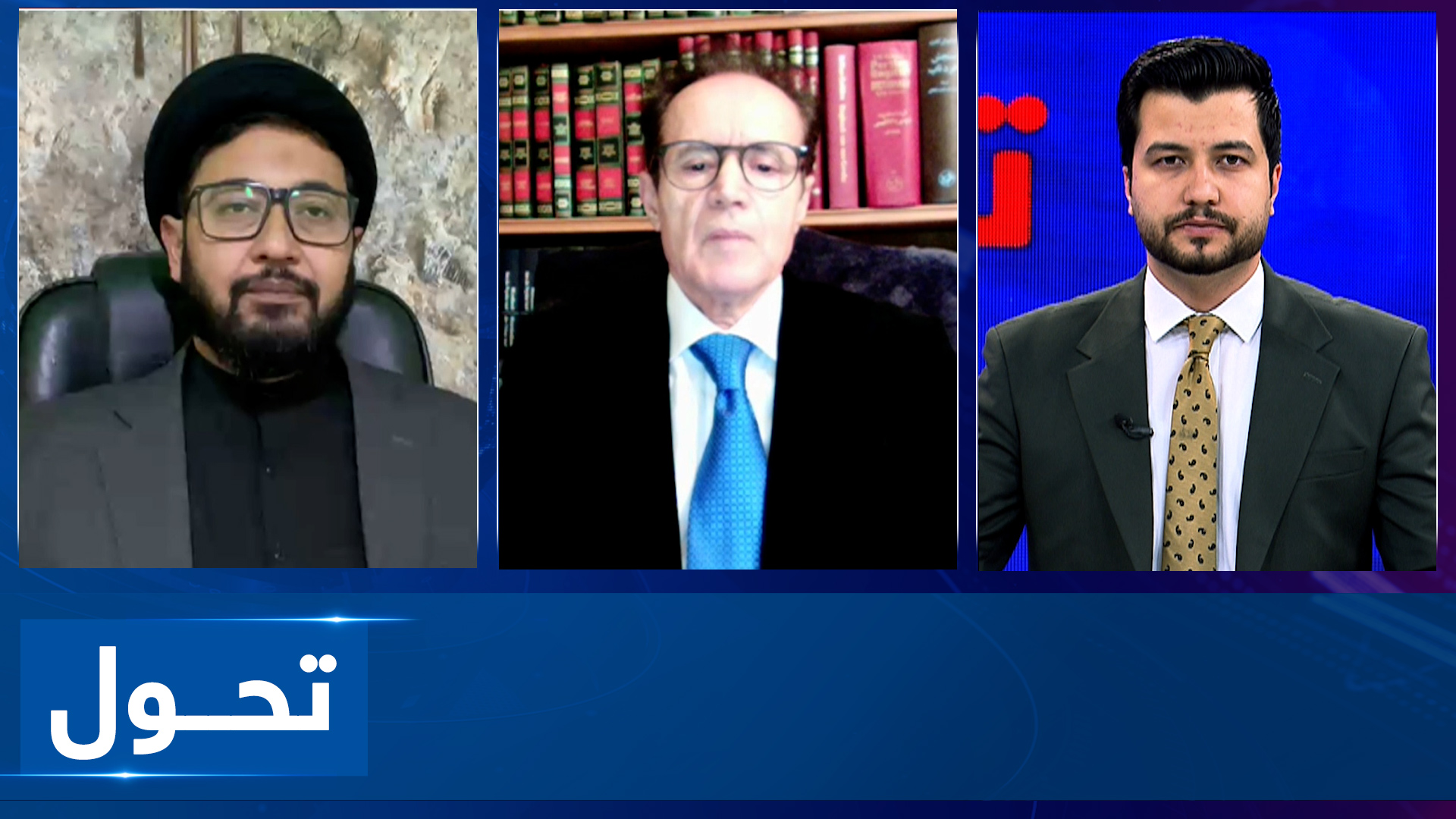
Tahawol: Geopolitical developments in the Middle East
Saar: EU’s engagement with Afghanistan
Tahawol: Afghanistan’s participation in Shanghai Plus security meeting discussed
Saar: Afghanistan’s declining humanitarian aid funding discussed
Tahawol: Calls for stronger joint action against terrorism discussed
-
 Sport5 days ago
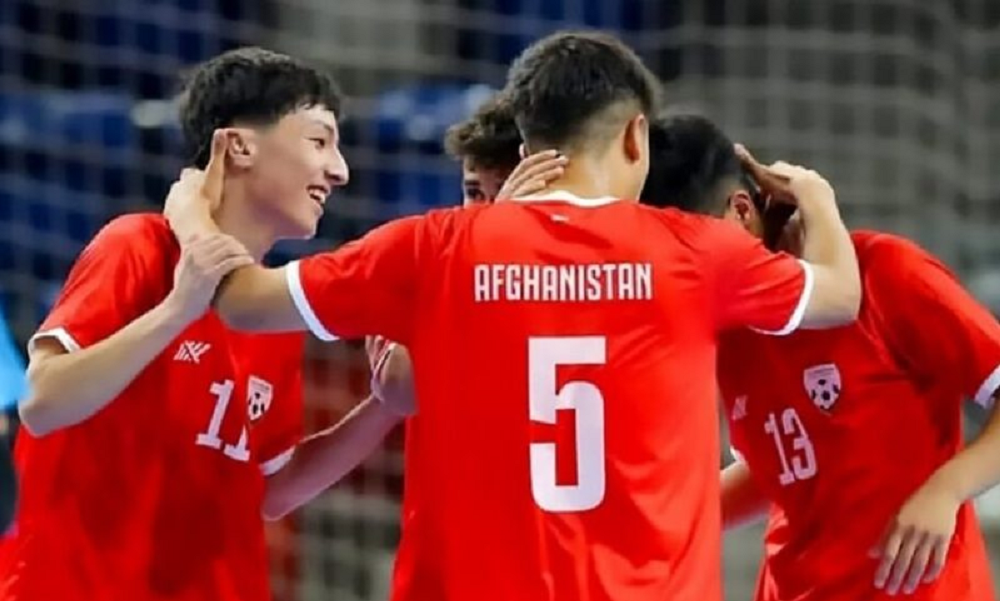
Afghanistan suffer narrow defeat against Argentina at Dakar Youth Olympics
-

 International Sports5 days ago
Cristiano Ronaldo announces international retirement
-
 Regional5 days ago
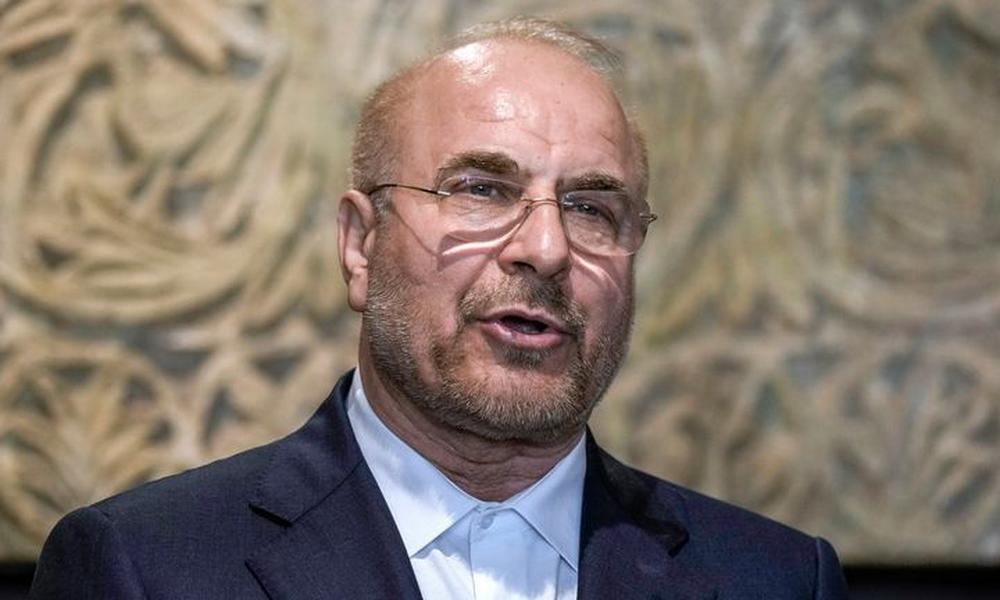
Iran says US voted ‘No to War’ after Republican midterm losses
-
 Regional5 days ago
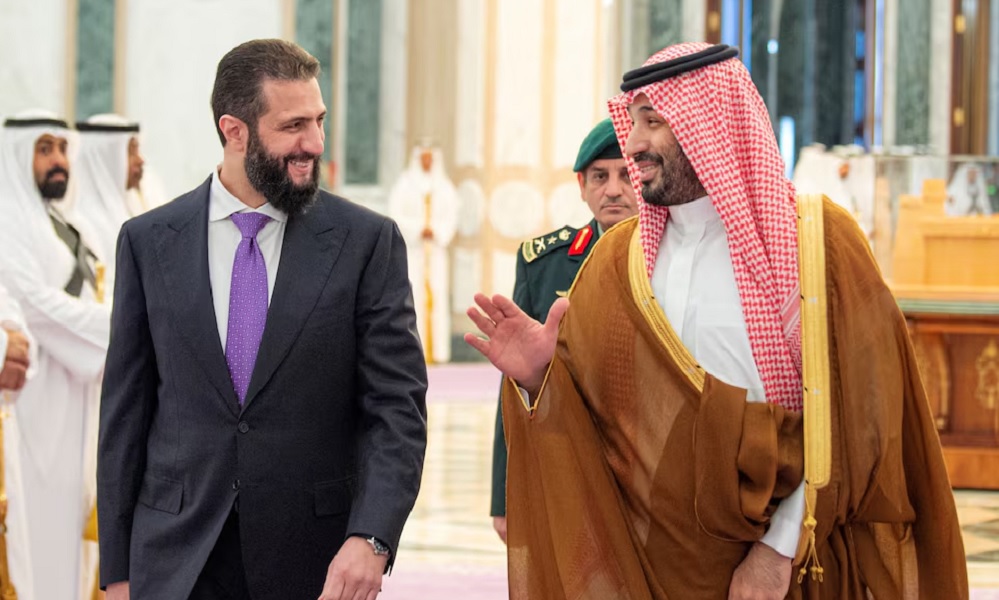
Saudi, Syrian defence ministries sign cooperation agreement
-
 World5 days ago
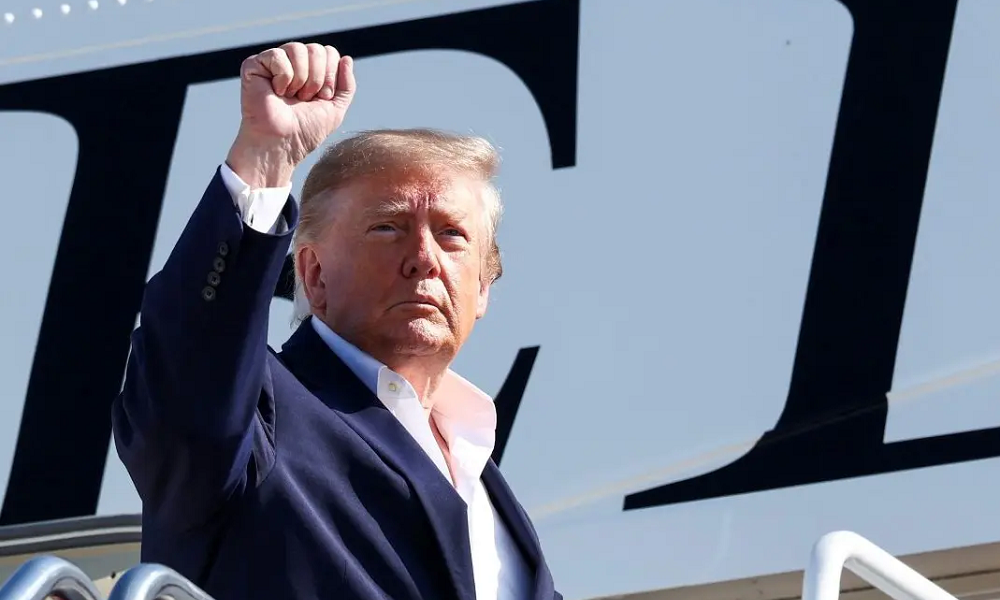
White House declares ‘Trump is still your president’ after Republicans suffer sweeping midterm defeats
-
 Regional4 days ago
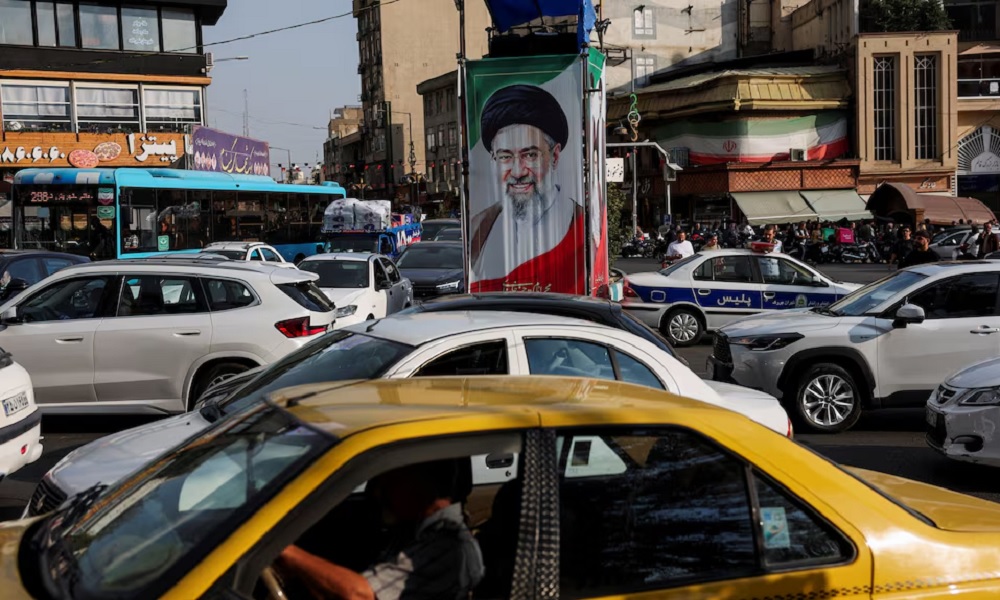
Iran sent nuclear proposal to the US via Qatar, senior Iranian official tells Reuters
-
 Latest News5 days ago
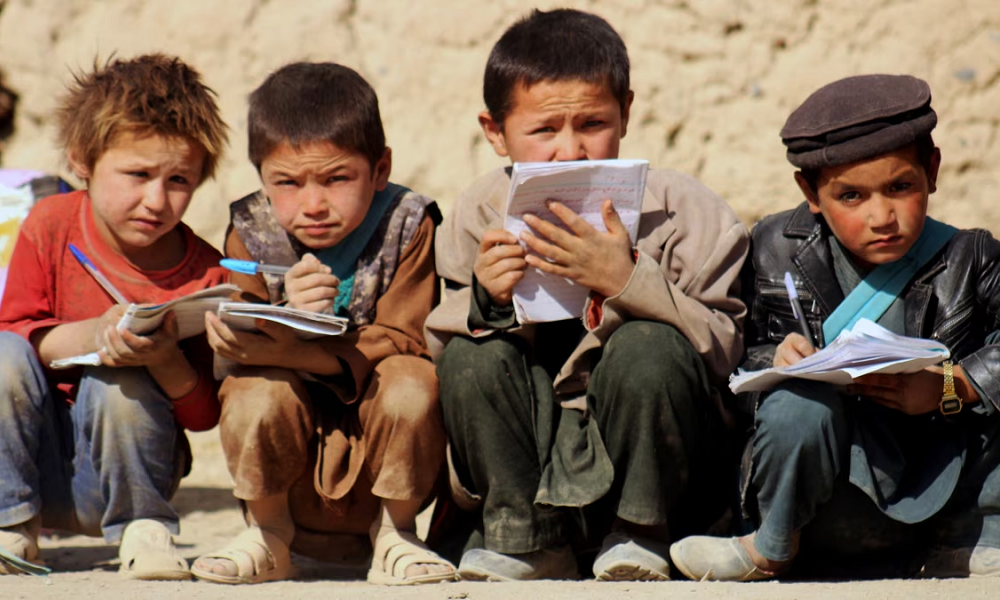
More than half of Afghan primary school-age children out of school: UN report
-
 Sport3 days ago
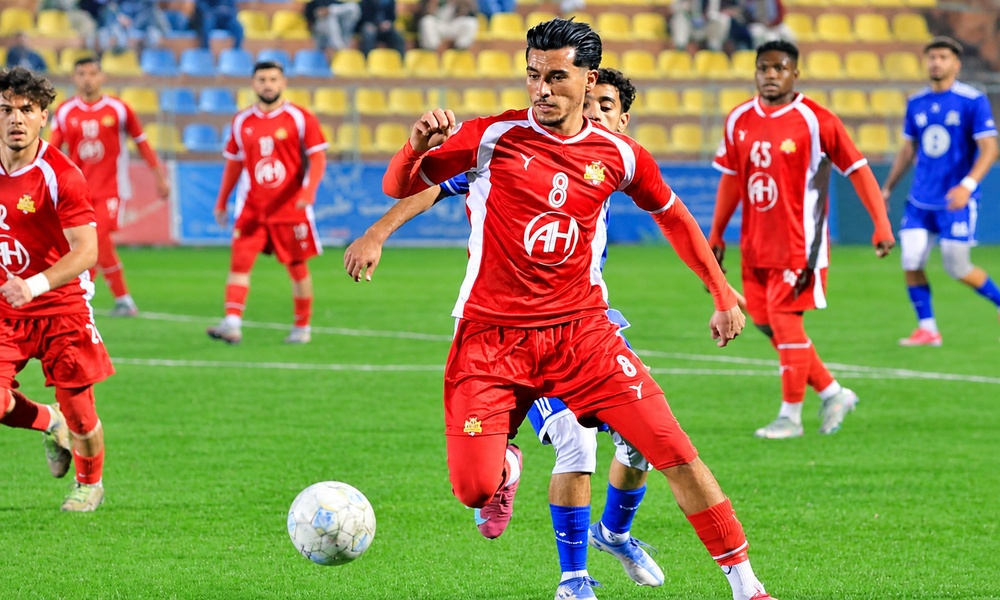
Abu Muslim Farah claim convincing 3-0 win over Omar Zawak in ACL