
Latest News
Construction gets underway on New Kabul housing project

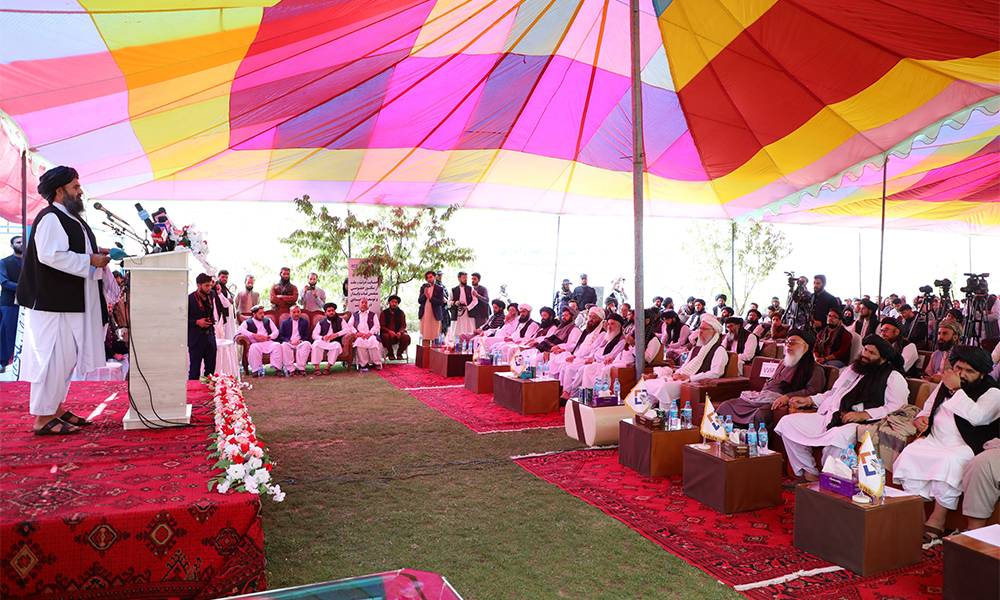
Practical work on the New Kabul project got underway on Thursday in the presence of high-ranking Islamic Emirate of Afghanistan (IEA) officials.
The project involves two 15-year phases. Phase one will include the construction of 250,000 residential units that will house an estimated 1.5 million people. This phase also includes the building of commercial, agricultural, recreational and industrial areas.
The head of administrative affairs of the Islamic Emirate of Afghanistan, Sheikh-ul-Hadith Noorul Haq Anwar, said at Thursday’s ceremony: “It is a pleasure that these days, instead of bad news, the news of the start of big economic projects is published every day.”
“The time has come for the Islamic Emirate to speed up its efforts for the economic self-sufficiency of the country and make Afghanistan self-sufficient economically,” Anwar added.
At the same time, Mullah Abdul Ghani Baradar, first deputy prime minister of the Islamic Emirate of Afghanistan (IEA), said at the ceremony: “The New Kabul project will include all the modern facilities, and with the start of this project, a large number of citizens will be able to invest and employment will be provided.”
Speaking at the ceremony, Mawlawi Abdul Salam Hanafi, Deputy Prime Minister of the IEA, said that with the implementation of this national project, the challenges, traffic and environmental problems will be lifted to a great extent.
“It is the responsibility of the businessmen and investors of the country to participate in the development of the country together with the regime, and we invite the investors of the region and the world to invest in Afghanistan,” Hanafi said.
Sher Mohammad Abbas Stanikzai, the political deputy of the Ministry of Foreign Affairs, also participated in the ceremony and said that the Islamic Emirate has taken important economic steps in a short time and has proven in practice that it is committed to the settlement, development and progress of Afghanistan.
“Afghans have made unprecedented sacrifices to preserve the dignity, honor and freedom of their country, and they are still ready for any sacrifice, and the Islamic Emirate is committed to freeing Afghans from economic problems just as it saved them from occupation,” added Stanikzai.
According to him, those who fuel ethnic, religious and linguistic prejudices have no place in Afghanistan. He said “if he [opposition] cannot help and cooperate with Afghanistan, then let Afghans settle their country and live a peaceful life.”
Sheikh Nada Mohammad Nadeem, Acting Minister of Higher Education, also addressed the event and said the time has come for the Islamic Emirate to start working to fulfill the aspirations of the martyrs and the people of the country and stabilize Afghanistan.
Acting Minister of Economy, Qari Din Muhammad Hanif, said that those who invest in Afghanistan today are committed to the development of their country.
“Investors who have invested billions of dollars outside of Afghanistan, if they transfer 20 percent of their capital to Afghanistan, without a doubt, they will help a lot to solve Afghanistan’s economic problems,” added Hanif.
He also added that the Islamic Emirate gives priority to domestic businessmen and investors in large economic projects.
Sheikh Mohammad Qasim Khalid, the governor of Kabul, said businessmen and investors who invest in Afghanistan are national heroes in the economic sector.
Mawlawi Amir Khan Muttaqi, Acting Minister of Foreign Affairs, has said that in the near future we will see a better interaction of the Islamic Emirate with the world and a solution to the current problems in Afghanistan.
“It is clear that there are problems in the political sector, especially in recognition, but the Islamic Emirate has made considerable progress in other fields,” Muttaqi said.

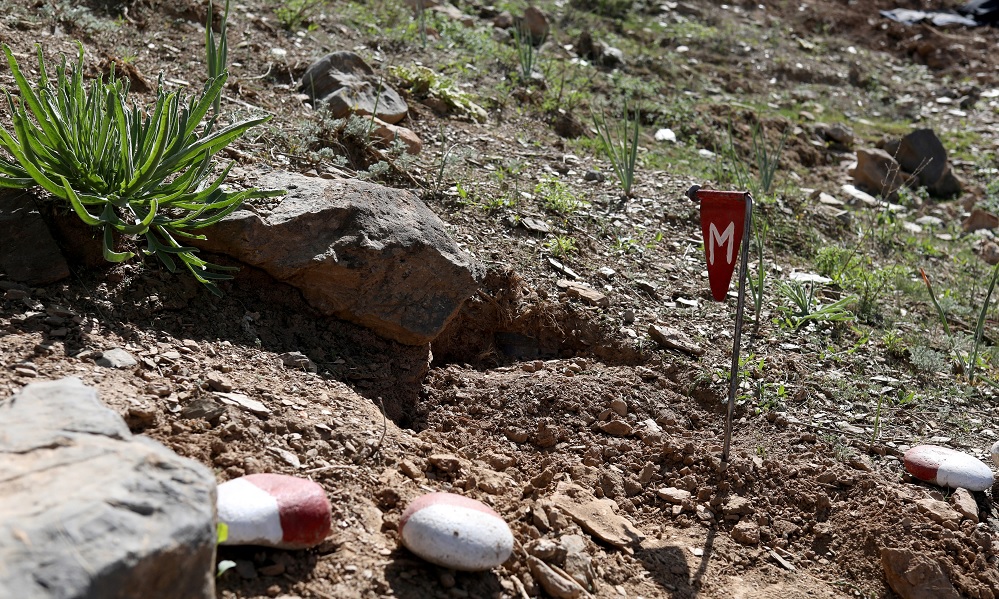
Around 901 square kilometres of land across Afghanistan is contaminated with unexploded ordnance, posing a continuing threat to civilians, particularly children, Afghanistan National Disaster Management Authority said.
Mohammad Yousuf Hammad, spokesperson for the Afghanistan National Disaster Management Authority, made the remarks in an interview with Afghanistan’s state-controlled national broadcaster.
Hammad said explosions involving landmines and unexploded remnants of war continue to kill and injure large numbers of Afghans every year.
He added that, with financial support from the United Nations Special Trust Fund for Afghanistan, more than 73,000 square metres of contaminated land had been cleared in Kunduz and Baghlan provinces by December 2025.
According to available figures, approximately 1,026 people were killed or injured in Afghanistan in landmine and unexploded ordnance explosions in 2021.
Decades of conflict have left large quantities of explosive remnants of war scattered across the country, creating persistent dangers for civilians.
Children remain particularly vulnerable, as unexploded devices can be mistaken for ordinary objects or encountered while playing and travelling through affected areas.
The reported contamination highlights the continuing need for mine-clearance operations, humanitarian assistance and public awareness programmes to protect communities and prevent further civilian casualties.
Latest News
Afghanistan and Uzbekistan sign trade deals worth more than $151 million
Meanwhile, Yarqin Malikov, Chairman of the Uzbekistan Exporters Association, said trade relations between the two countries had expanded significantly.
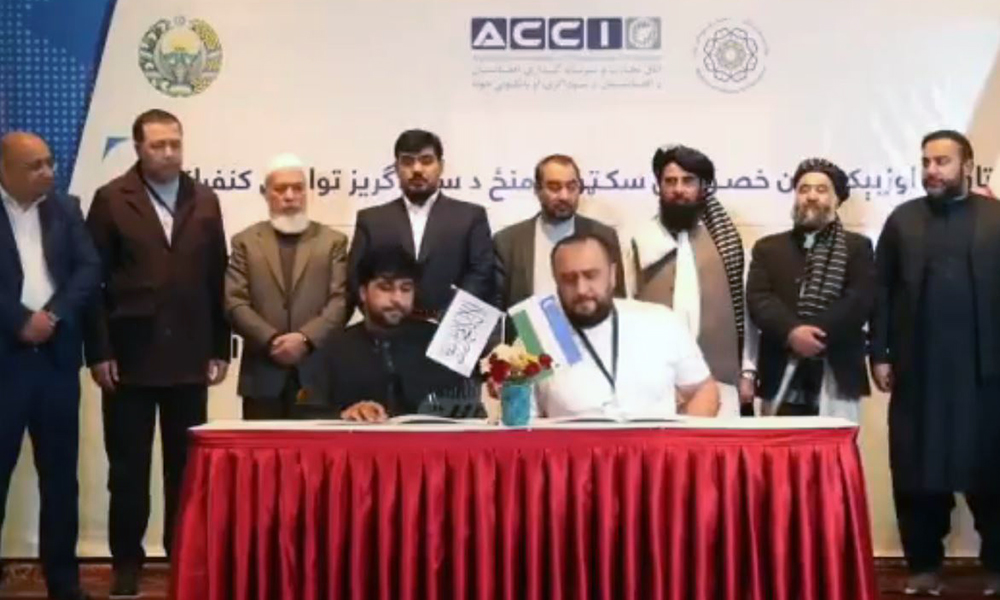
Private sector representatives from Afghanistan and Uzbekistan have signed dozens of trade agreements worth a combined $151.16 million during a business meeting in Kabul, as both countries seek to expand economic cooperation and strengthen bilateral trade ties.
The agreements were signed by representatives of around 80 companies from both countries across various economic and commercial sectors.
Speaking at the meeting, Mojib Rahman Shirzad, Deputy Head of the Afghanistan Chamber of Commerce and Investment, described expanding trade and economic relations between Kabul and Tashkent as important for both countries.
He said increased exchanges of government and private-sector delegations in recent months had created opportunities for direct engagement between business communities, helping pave the way for stronger commercial cooperation.
Meanwhile, Yarqin Malikov, Chairman of the Uzbekistan Exporters Association, said trade relations between the two countries had expanded significantly.
According to Malikov, bilateral trade, which previously stood at around $80 million, has now exceeded $1.8 billion.
He attributed the growth to stronger relations between the two countries and increasing mutual trust among Afghan and Uzbek business communities.
Malikov also said Uzbek investors and business representatives were exploring Afghanistan’s commercial potential and considering opportunities to establish joint ventures in the country.
He noted that trade figures during 2024 and 2025, particularly the first seven months of 2026, demonstrated significant growth in economic relations between the neighbouring countries.
The signing of the agreements comes as an Afghan delegation, led by the Deputy Minister of Agriculture and Livestock, travelled to Uzbekistan on Saturday.
The delegation is expected to meet Uzbek officials to discuss expanding bilateral cooperation in several sectors, particularly agriculture.
The latest business agreements are expected to create further opportunities for private-sector cooperation, investment and increased trade between Afghanistan and Uzbekistan.
Latest News
Afghanistan needs strong, modern and independent army, says defence chief
He said those who returned could live in the country with dignity but warned that anyone continuing armed activities would face the country’s security forces.
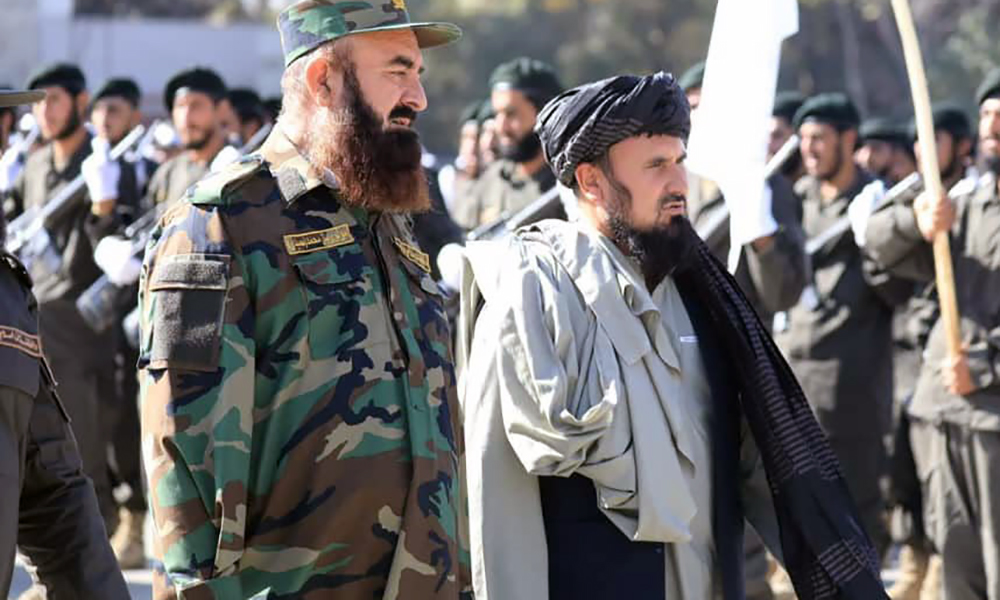
Afghanistan needs a strong, professionally trained and well-equipped army to safeguard its sovereignty and territorial integrity, the country’s Chief of Staff of the Armed Forces, Fasihuddin Fitrat, has said.
Fitrat said the armed forces were prepared to defend Afghanistan against internal and external threats, stressing that military strength was essential to preserving the country’s independence.
He said Afghanistan’s independence had been achieved through years of struggle and sacrifice by the Mujahideen, adding that maintaining it required a modern military equipped with advanced weapons and properly trained personnel.
According to Fitrat, strengthening the military was not about threatening neighbouring countries or pursuing territorial expansion, but about protecting Afghanistan from aggression, pressure and foreign interference.
He said a capable armed force would also help the Islamic Emirate maintain security and provide an environment in which Afghans could live in peace.
Military independence a priority
Fitrat emphasised the need to build an independent and professional military, criticising the former Afghan National Defence and Security Forces for their reliance on foreign support.
He argued that the previous military lacked the ability to operate independently and blamed former government officials for its collapse following the withdrawal of international forces.
He said military and economic independence remained central priorities for the Islamic Emirate, adding that while Afghanistan wanted friendly relations with other countries, it would not accept foreign control over its economy or natural resources.
Fitrat criticises Pakistan’s border restrictions
Turning to tensions with Pakistan, Fitrat criticised Islamabad over restrictions at border crossings, accusing it of closing routes during Afghanistan’s export season while reopening them when imports were required.
He said the Islamic Emirate had responded to the restrictions and insisted that Afghanistan would not remain dependent on other countries for its defence requirements.
Fitrat also claimed that Afghanistan had experienced five years of peace and security and made progress in several sectors, alleging that some countries were unwilling to accept these developments.
Warning to armed opposition groups
Fitrat issued a warning to armed opposition groups, urging individuals he accused of operating under foreign direction to return to Afghanistan and surrender to the judicial authorities.
He said those who returned could live in the country with dignity but warned that anyone continuing armed activities would face the country’s security forces.
He stressed that no individual or group would be allowed to threaten public safety or disrupt the lives of ordinary Afghans.
Denies opposition presence in Badakhshan
Addressing reports of opposition fighters operating in Badakhshan, Fitrat dismissed claims and footage allegedly showing fighters in the province’s mountainous areas.
He claimed that some footage circulating as evidence of opposition activity in Badakhshan had actually been filmed in Pakistan’s Chitral region.
Fitrat insisted that no opposition fighters were present in the mountains of Badakhshan, adding that Afghanistan’s security and intelligence forces were active throughout the country.
He also dismissed opposition groups as largely symbolic organisations, claiming their members were based in Pakistan and operating under foreign influence.
Fitrat concluded by assuring the public that the armed forces would continue working to prevent security threats and protect the country’s population.


Afghanistan thrash Senegal 6-0 to reach Dakar Youth Olympics futsal semi-finals
Unexploded ordnance contaminates 901 square kms of land in Afghanistan
Saar: EU’s engagement with Afghanistan

Afghanistan’s record partnership highlights fourth day of Test against Zimbabwe
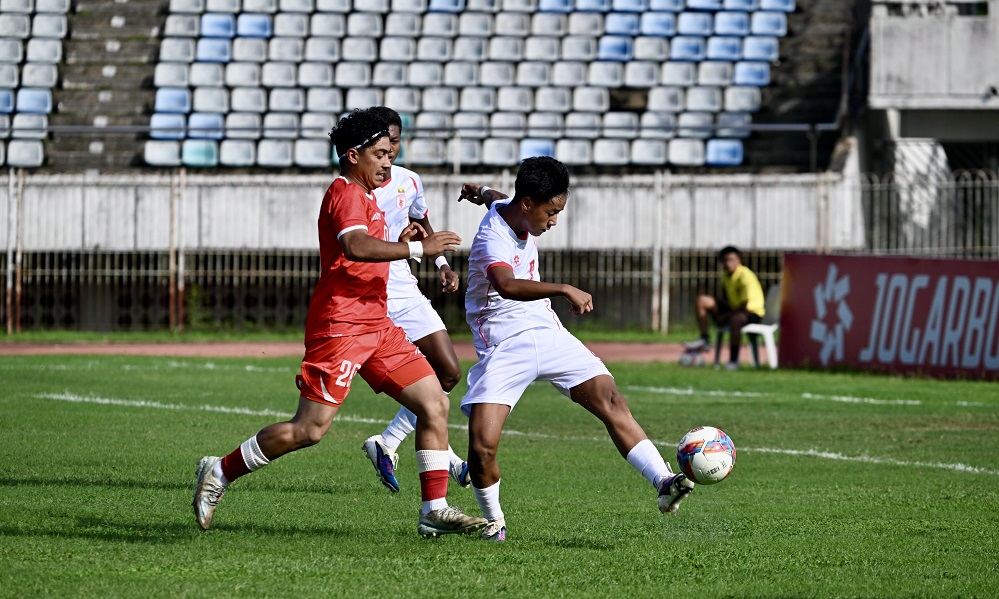
Afghanistan begin AFC U17 Asian Cup qualifying campaign with 4-1 win over Myanmar

Afghanistan finish runners-up after 6-0 defeat to Brazil in futsal final

Trump says US may strike Iran’s ‘Pickaxe Mountain’ nuclear facility

Afghan futsal coach: Brazil tournament is first step towards new goals and World Cup

WHO calls for greater mental health support in Afghanistan

Houthis warn airlines to avoid Saudi airports after deadly Riyadh attack
Saar: EU’s engagement with Afghanistan
Tahawol: Afghanistan’s participation in Shanghai Plus security meeting discussed
Saar: Afghanistan’s declining humanitarian aid funding discussed
Tahawol: Calls for stronger joint action against terrorism discussed
Saar: Impact of closing trade routes between Kabul-Pakistan discussed
-
 Sport3 days ago
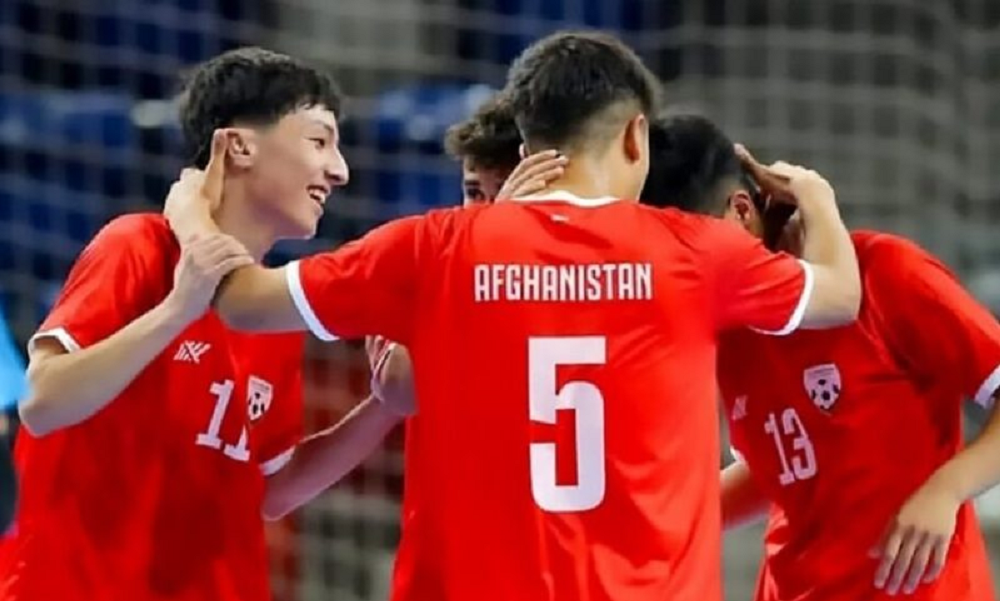
Afghanistan suffer narrow defeat against Argentina at Dakar Youth Olympics
-
 Latest News4 days ago
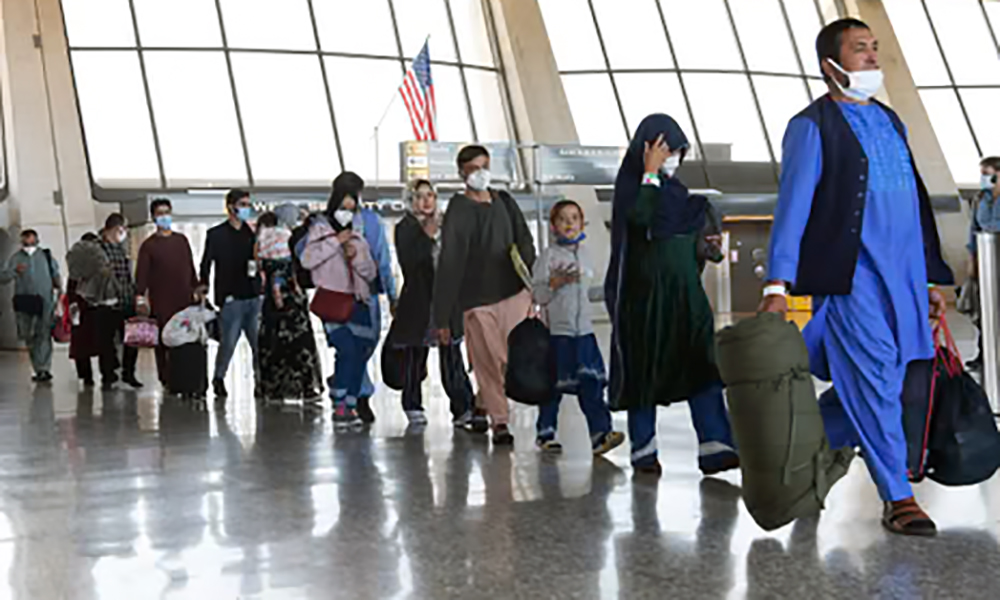
US judge temporarily blocks deportation of detained Afghans
-
 Climate Change4 days ago
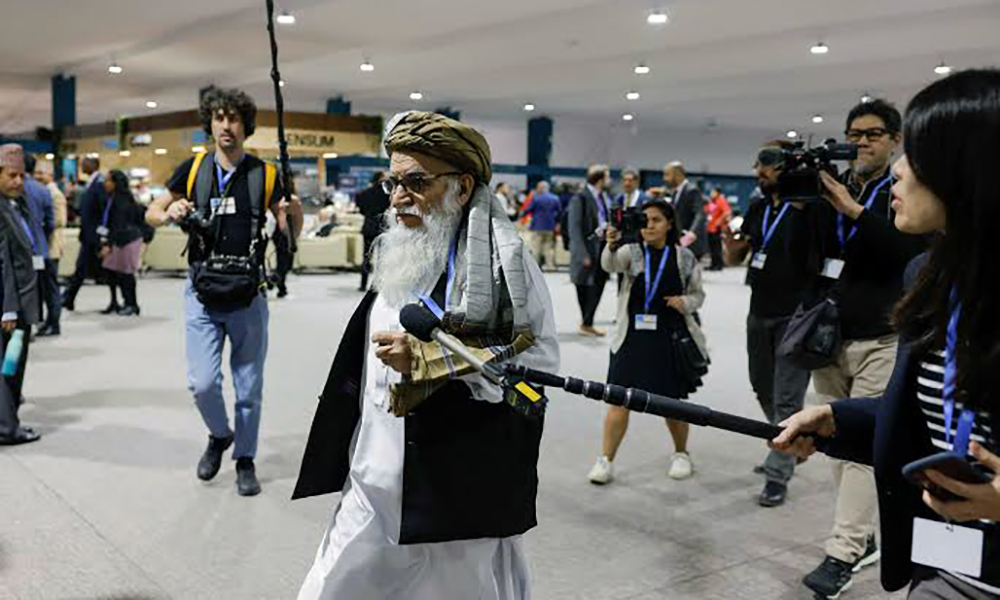
IEA to attend UN climate summit for second time since returning to power
-
 World4 days ago
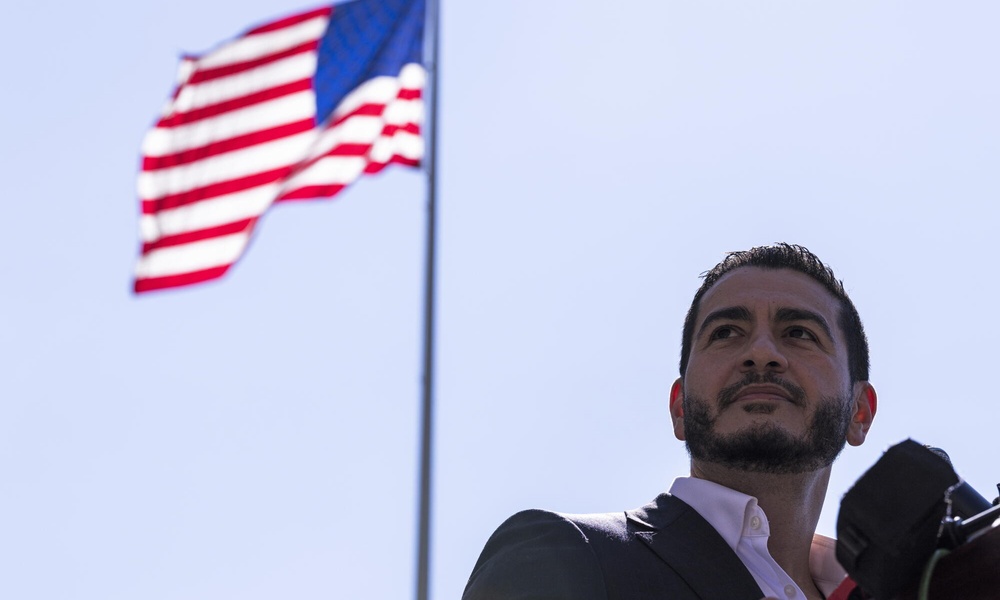
Democrat Abdul El-Sayed becomes first Muslim elected to US Senate
-
 Business4 days ago
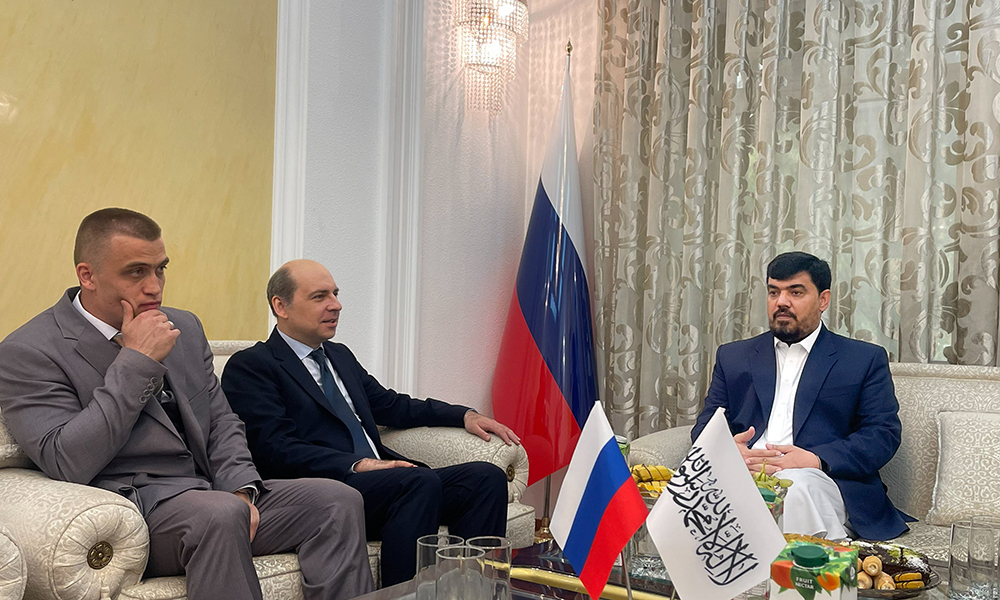
Afghanistan and Russia discuss expanding trade and investment ties
-
 Latest News5 days ago
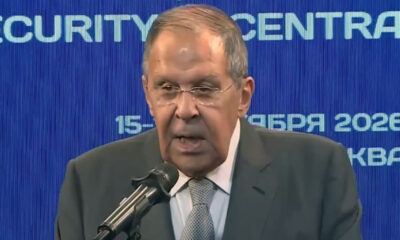
Lavrov says Moscow Format remains key platform for Afghanistan talks
-
 Latest News4 days ago
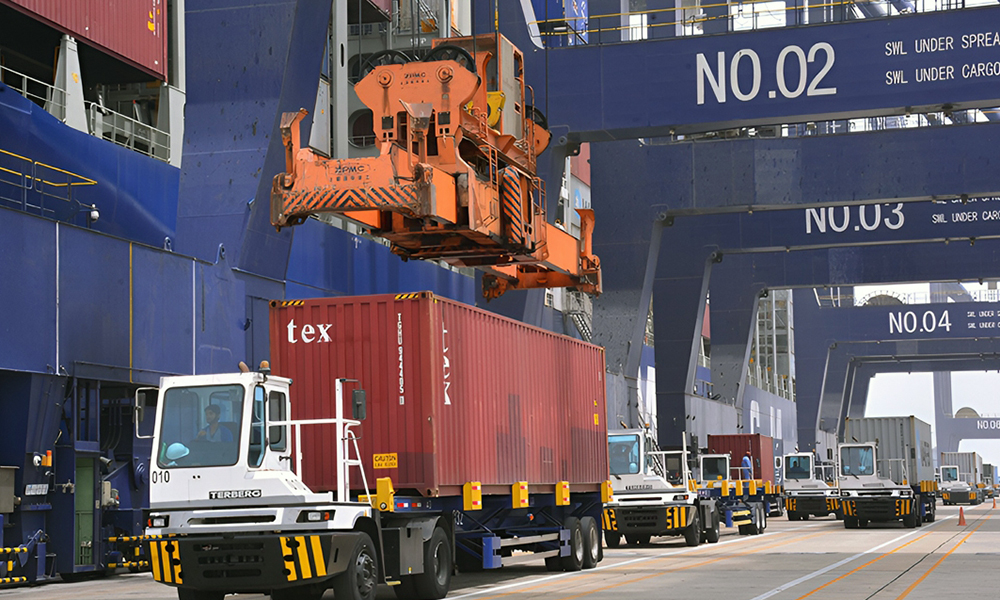
Afghanistan-Pakistan tensions threaten Central and South Asian trade ambitions
-
 World4 days ago
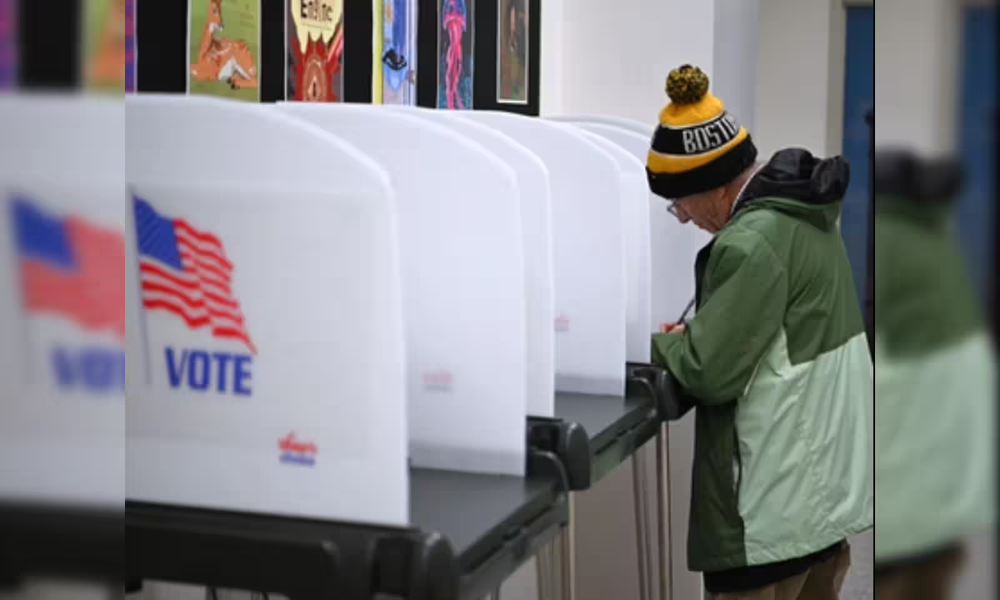
Democrats seize control of Congress in major setback for Trump