
Latest News
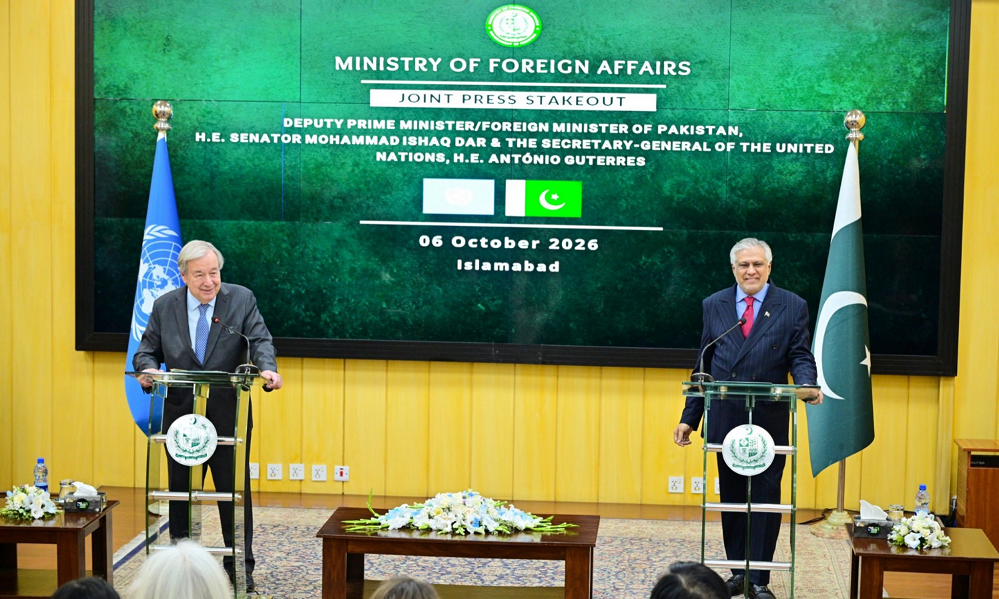
Afghan returns from Pakistan must be voluntary, safe and dignified: Guterres
Guterres added that the United Nations remains committed to working with Pakistan to uphold protection principles and ensure that the return of Afghans takes place voluntarily and in a safe and dignified manner.





Latest News
Germany reportedly approves visas for four new Afghan diplomats
German officials have repeatedly stressed that such technical cooperation does not constitute formal political recognition of the Islamic Emirate.

Afghanistan’s Ministry of Foreign Affairs is preparing to send four new diplomats to Germany to serve at the Afghan Embassy in Berlin and the country’s Consulate General in Bonn, according to informed sources within the ministry.
The sources identified the four diplomats as Hedayatullah Paktin, Mohammad Hakim Hakimi, Bashir Ahmad Afghan and Saeed Akbar Rastad. They are currently in Doha, Qatar, awaiting German visas, according to the reports.
Bashir Ahmad Afghan has reportedly been appointed first secretary at the Afghan Embassy in Berlin, while Saeed Akbar Rastad will serve as second secretary. Hedayatullah Paktin and Mohammad Hakim Hakimi are expected to take up positions as second secretaries at the Afghan Consulate General in Bonn.
The sources said the German government has agreed to issue visas for the four representatives of the Islamic Emirate. However, neither officials in Kabul nor Germany’s Foreign Ministry have publicly commented on the reported appointments.
The reported move comes amid ongoing technical cooperation between Berlin and Kabul over consular services and efforts to facilitate the return of Afghan nationals who do not have legal residency status in Germany.
According to official German figures, approximately 450,000 Afghan nationals live in the country. Berlin considers the continued operation of Afghanistan’s diplomatic and consular missions important for issuing identity documents and handling migration-related cases.
Germany expands technical engagement with Kabul
Since the political changes in Afghanistan in August 2021, Germany, like other European countries, has not formally recognized the Islamic Emirate. However, Berlin has gradually expanded administrative and consular contacts with Kabul, particularly to address migration-related issues and the return of Afghan nationals convicted of crimes.
German officials have repeatedly stressed that such technical cooperation does not constitute formal political recognition of the Islamic Emirate.
The process gained momentum in July 2025, when two consular employees affiliated with the Islamic Emirate were accepted to effectively manage the Afghan Embassy in Berlin and the consulate in Bonn.
Further discussions between German Interior Ministry officials and Islamic Emirate representatives in Doha and Kabul followed in autumn 2025. In June 2026, Germany’s Foreign Ministry announced plans to increase consular staffing, while a three-member technical support delegation from Kabul travelled to Berlin in August 2026.
The reported approval of visas for four additional diplomats would mark another step in the gradual expansion of consular cooperation between the two sides, as European governments seek to manage migration and documentation issues involving Afghan nationals.
Latest News
Afghanistan marks 80 years of UN membership with special commemorative event
Afghanistan became a member of the United Nations on November 19, 1946. In 1952, Mohammad Kabir Ludin began his assignment as the country’s first permanent representative to the organization.
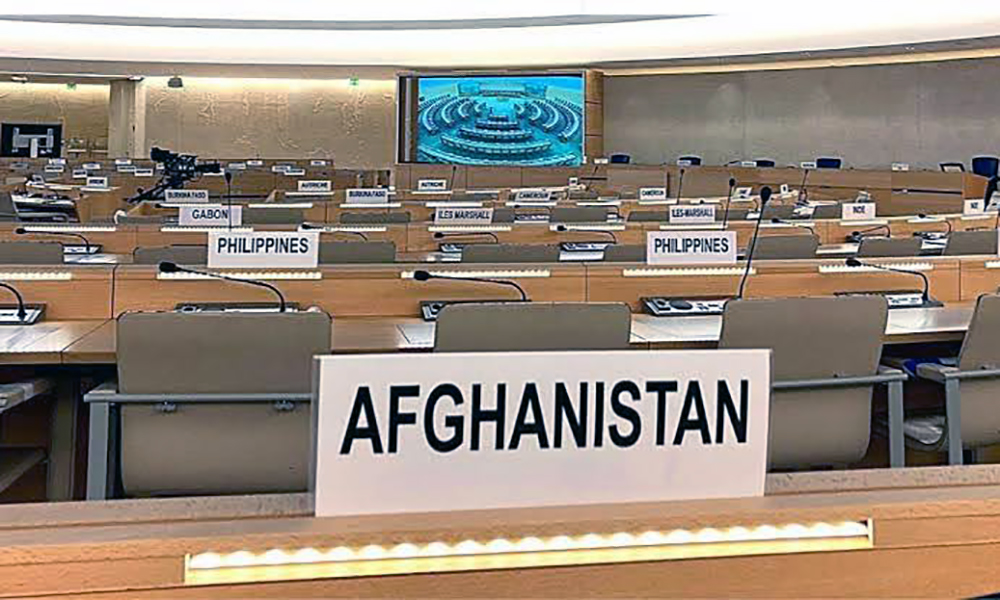
Afghanistan is set to mark the 80th anniversary of its membership in the United Nations with a special event bringing together its diplomatic missions in New York, Geneva and Vienna to reflect on eight decades of engagement and explore prospects for future cooperation.
Nasir Ahmad Faiq, acting head of Afghanistan’s Permanent Mission to the United Nations, announced on Monday that the event will be held online and broadcast live on November 18, 2026.
Titled “Afghanistan and the United Nations: Eight Decades of Engagement, Participation and Lessons for the Future,” the event will examine Afghanistan’s history within the international organization, the country’s diplomatic contributions and the role of the United Nations in Afghanistan.
According to Faiq, the gathering will also provide an opportunity to reflect the views and aspirations of the Afghan people, while highlighting their hopes for peace, human dignity, equality and a better future.
Afghanistan’s Permanent Mission in Geneva has also announced that the meeting will focus on the country’s history at the United Nations, its diplomatic role and opportunities for future cooperation.
Afghanistan became a member of the United Nations on November 19, 1946. In 1952, Mohammad Kabir Ludin began his assignment as the country’s first permanent representative to the organization.
The anniversary comes amid continued uncertainty over Afghanistan’s representation at the United Nations. Since the political changes in August 2021, the UN Credentials Committee has not reached a final decision on accepting the representative nominated by the Islamic Emirate. Afghanistan’s mission continues to be administered by diplomats appointed under the former government.
The commemorative event is expected to provide an opportunity to reflect on Afghanistan’s eight decades of engagement with the United Nations and discuss the country’s diplomatic future.
Latest News
IEA intelligence officials highlight Sharia-based operations at research conference
The General Directorate of Intelligence was the first government institution for which special regulations were established by the leadership.

Abdul Haq Wasiq, head of the General Directorate of Intelligence of the Islamic Emirate of Afghanistan, and his deputy, Tajmir Jawad, have discussed the activities of their institution and the principles of the Islamic system at a scientific and research conference examining the impact of leadership decrees.
Wasiq said that following the Islamic Emirate’s return to power, the General Directorate of Intelligence was the first government institution for which special regulations were established by the leadership.
He added that the directorate operates under the established regulations and in accordance with Sharia, prevents what he described as cruel torture, combats crime and is committed to safeguarding human dignity.
Meanwhile, Tajmir Jawad said the Muslim community had lost significant spiritual strength following the loss of leadership under an Islamic system, adding that foreign ideas had influenced its thinking.
He stressed the need to strengthen Islamic thought and values and maintain the stability of the system.
Jawad further described the Islamic Emirate and Imamate as divine commands and religious obligations, saying that the advancement of Islam and the country depends on them.


Germany reportedly approves visas for four new Afghan diplomats
Afghanistan marks 80 years of UN membership with special commemorative event
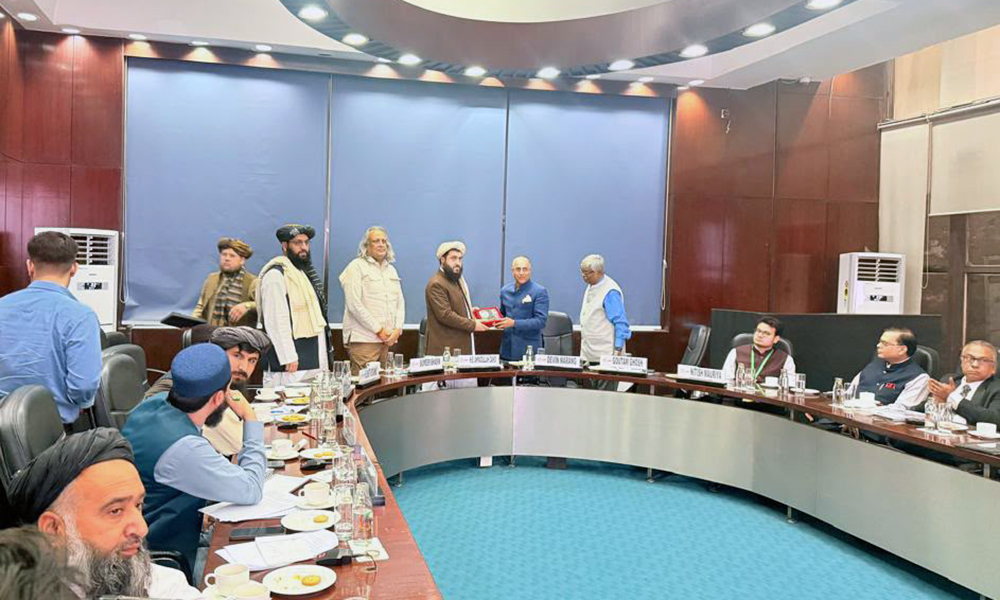
Afghanistan, India discuss expanding trade and investment ties

Sorkh Poshan Khafi crowned ACL champions after unbeaten campaign
Tahawol: Afghanistan absent from ECO meeting

Afghanistan finish runners-up after 6-0 defeat to Brazil in futsal final

Rubio heads to Central Asia while other US officials hit foreign policy hot spots

Violent protests spread across Europe as Albanian PM blames ‘foreign hand’

Governments take websites offline as critical cyber flaws trigger global alert

Uzbekistan, UNICEF discuss pharmaceutical supplies to Afghanistan
Tahawol: Afghanistan absent from ECO meeting
Saar: ECO meeting kicks off in Islamabad
Tahawol: UK seeks to ease Kabul–Islamabad tensions
Saar: Iran–US tensions: an uncertain future
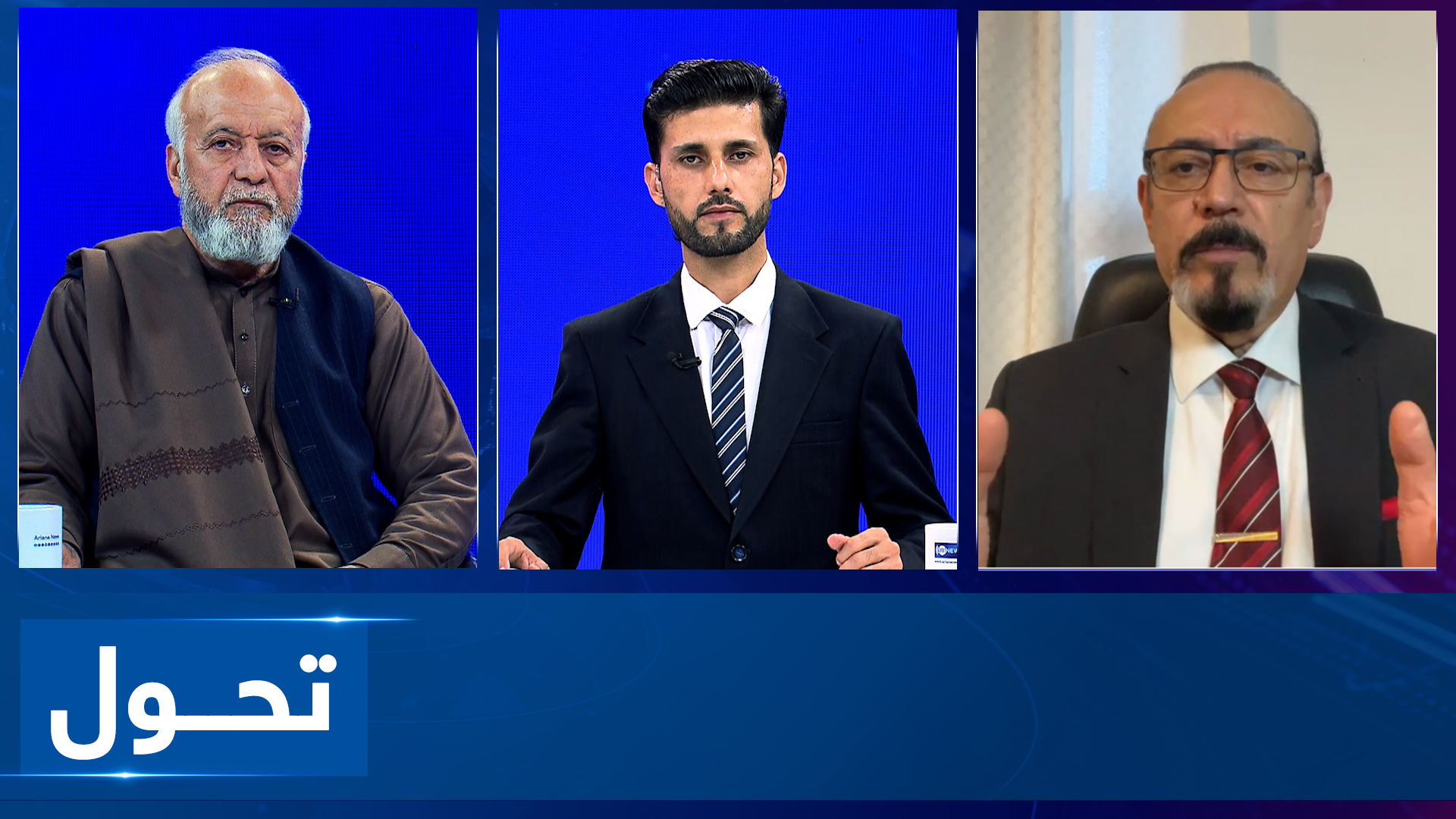
Tahawol: Concerns grow over worsening regional humanitarian crises discussed
-
 Business4 days ago
Afghanistan and Uzbekistan agree on export of 100,000 tons of Bamyan potatoes
-
 Latest News5 days ago
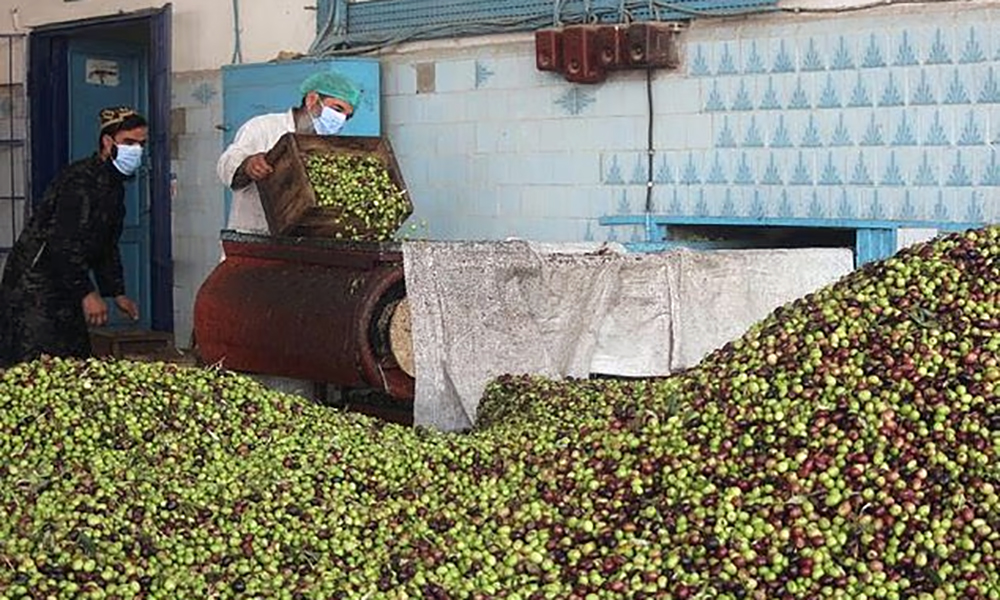
Olive farming offers new hope to Afghan farmers amid growing climate challenges
-
 Sport5 days ago
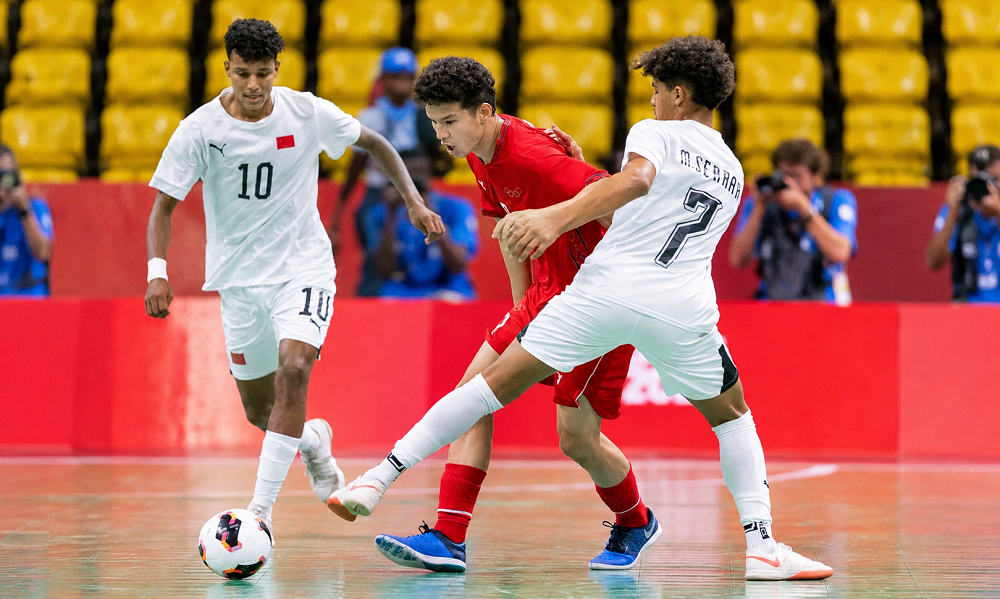
Afghanistan falls just short of Bronze at Dakar 2026 Youth Olympic Games
-
 Latest News3 days ago
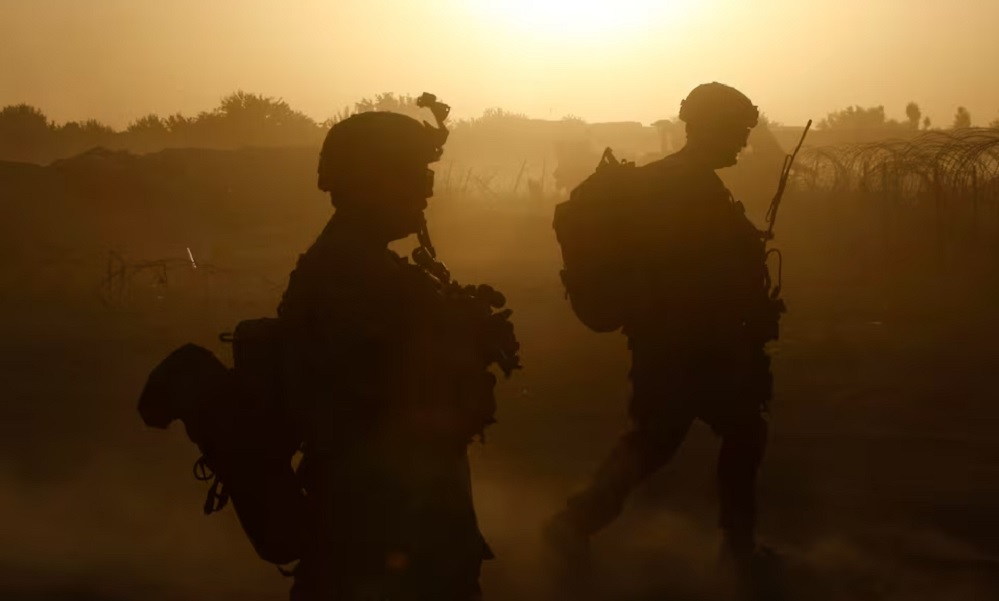
ICC halts probe into alleged crimes by US troops in Afghanistan
-
 Sport4 days ago
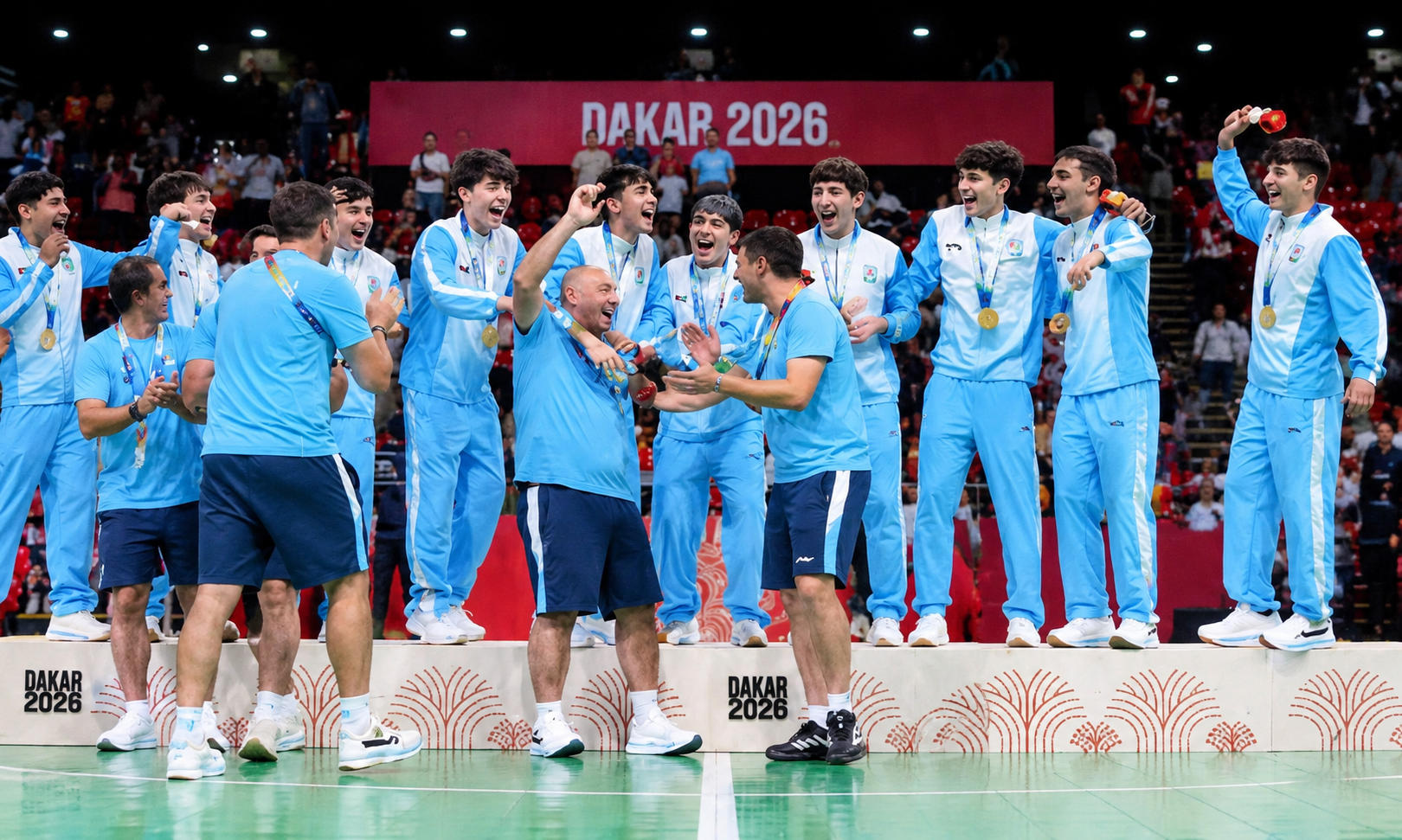
Argentina clinch futsal gold after defeating Portugal in Dakar 2026 final
-
 Sport4 days ago
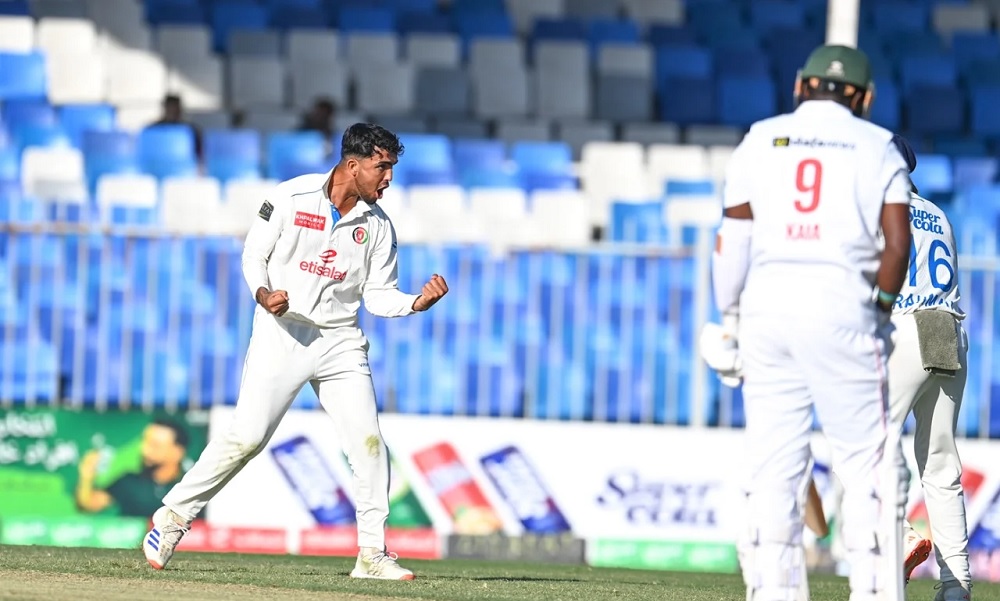
Debutant Naseer Khan strikes four as Afghanistan fight back against Zimbabwe in second Test
-
 Business5 days ago
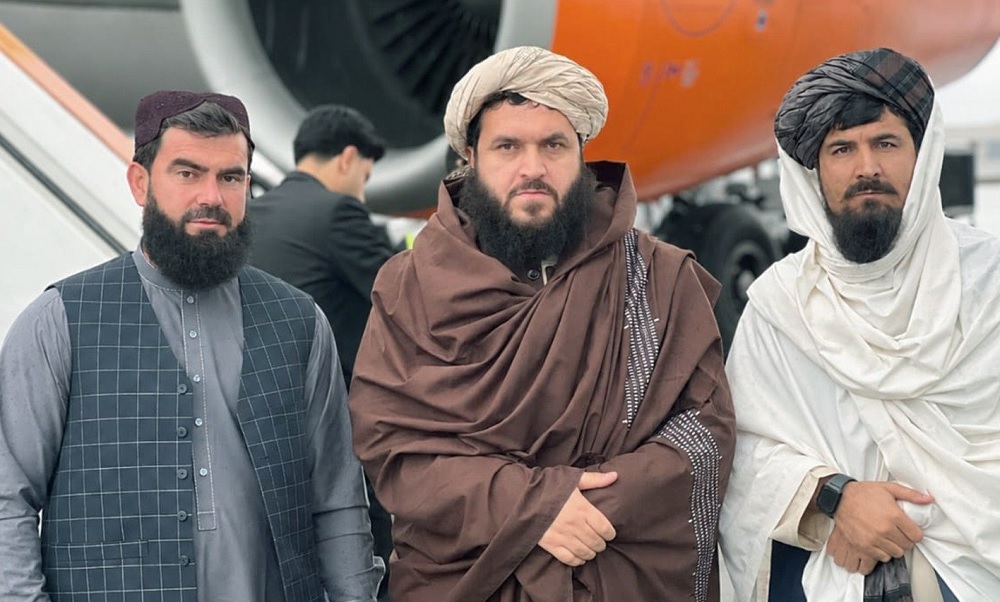
Afghan deputy commerce minister travels to India for trade fair in Delhi
-
 Latest News5 days ago
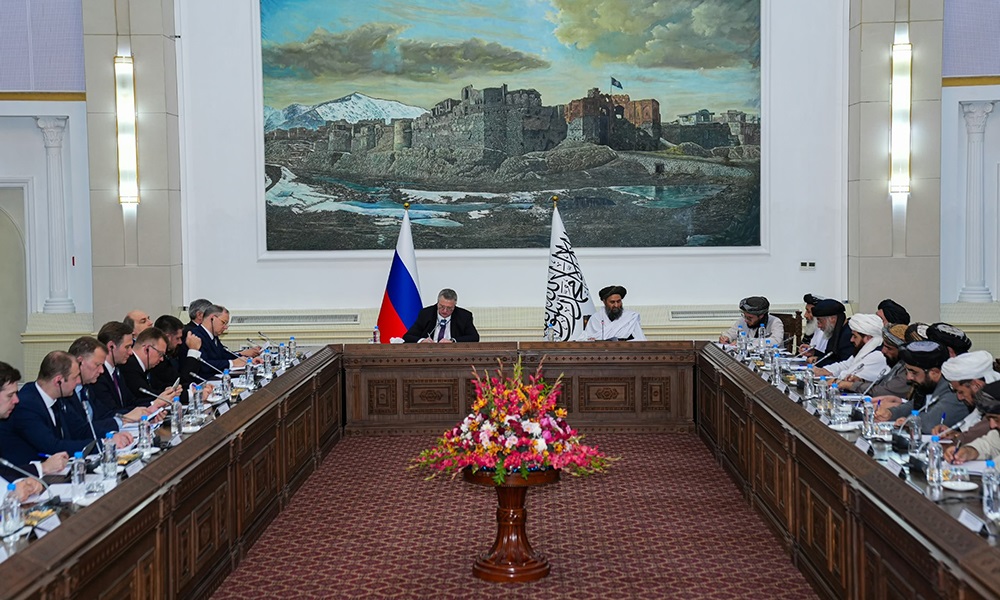
Afghanistan invites Russian companies to invest in mining, industry and infrastructure