
Climate Change
Afghanistan outlines environmental priorities to international donors
The meeting aimed to improve coordination between Afghanistan’s institutions and international partners, ensuring future development assistance reflects the country’s environmental needs.

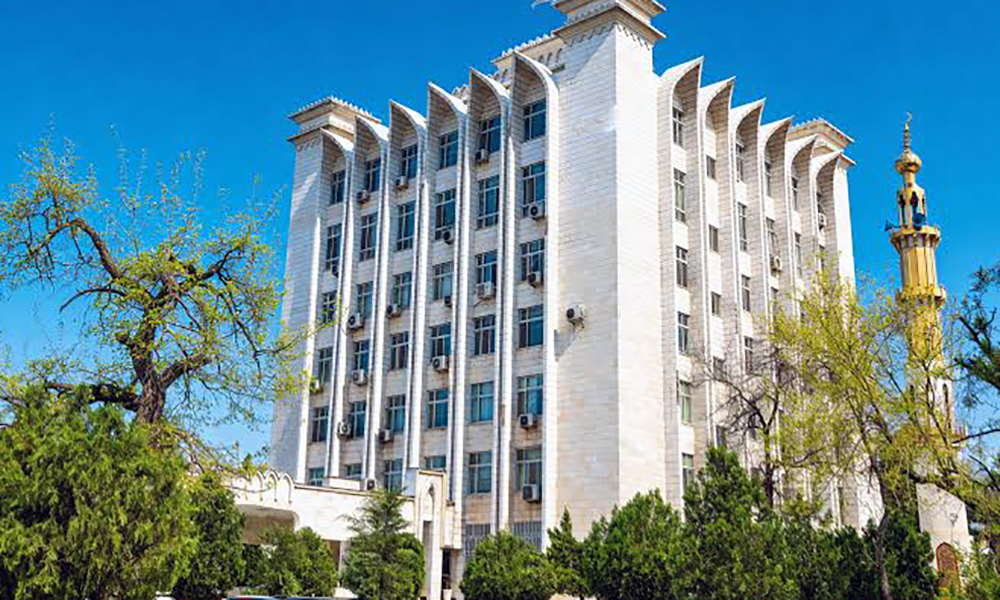
Afghanistan has presented its key environmental and climate-related priorities to international organisations and development partners, seeking stronger cooperation and support for environmental protection initiatives.
The priorities were outlined during the eighth meeting on aligning the priorities of Afghanistan’s sectoral institutions with international organisations, the United Nations and development partners, held at the Marble Palace.
The meeting was organised by the Public Relations Directorate of the Deputy Prime Minister’s Office for Economic Affairs, with the National Environmental Protection Agency presenting its key areas of focus.
These include developing a climate change information system, assessing climate vulnerabilities, expanding green spaces, promoting tree planting and monitoring greenhouse gas emissions and ozone-depleting substances.
The meeting aimed to improve coordination between Afghanistan’s institutions and international partners, ensuring future development assistance reflects the country’s environmental needs.
Representatives of international organisations and donor agencies welcomed the initiative and said the priorities would be considered in their future cooperation with Afghanistan.
The discussions form part of broader efforts to strengthen international coordination on environmental protection and address the country’s growing climate-related challenges.



Climate Change
Afghanistan’s environmental protection chief travels to Malaysia for global education conference
Afghanistan’s participation is intended to promote knowledge-sharing and explore potential international partnerships in environmental protection, waste management and climate resilience.
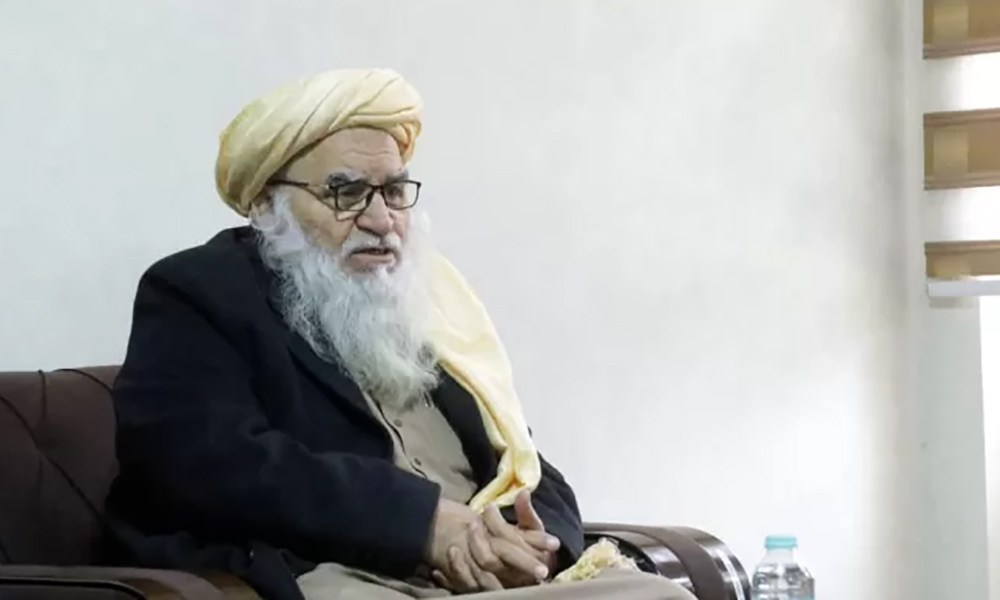
Matiul Haq Khalis, head of Afghanistan’s National Environmental Protection Agency (NEPA), has travelled to Malaysia with a delegation to participate in the Global Environmental Education Conference (EEC 2026), focusing on environmental awareness, climate resilience and international cooperation.
According to the agency, the conference is scheduled to take place on October 27 and 28 in Kuching, the capital of Malaysia’s Sarawak state.
The conference aims to explore innovative approaches to environmental education, raise public awareness about environmental protection, strengthen communities’ resilience to climate change and facilitate the exchange of knowledge and experience among participating countries.
The Afghan delegation is expected to share the country’s experiences and proposals in environmental education and waste management with representatives from other countries, while seeking opportunities for cooperation with international organizations, the agency said.
Representatives and experts from various countries and organizations, including the United Nations Children’s Fund (UNICEF), the United Nations Development Programme (UNDP) and the World Wide Fund for Nature (WWF), are also expected to attend the conference.
Afghanistan’s participation is intended to promote knowledge-sharing and explore potential international partnerships in environmental protection, waste management and climate resilience.
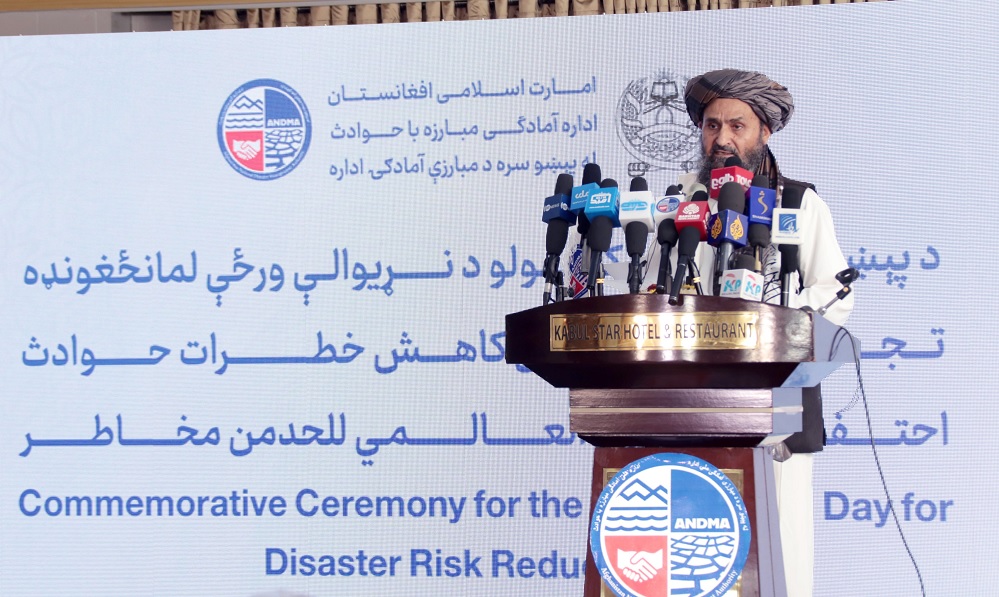
Mullah Abdul Ghani Baradar, Deputy Prime Minister for Economic Affairs, has called for Afghanistan to have fair access to international financial and technical assistance to combat climate change and reduce losses caused by natural disasters.
Speaking at a ceremony marking the International Day for Disaster Risk Reduction, Baradar said Afghanistan continues to suffer from the effects of climate change despite having no significant role in greenhouse gas emissions or global climate degradation.
He added that Afghanistan suffered severe social and economic losses last year due to earthquakes, seasonal floods and droughts. These disasters caused casualties and extensive financial losses, as well as damage to public infrastructure.
Emphasizing the need for climate justice, Baradar said: “It is inconsistent with the principles of global climate justice that we have no role in creating the problem, yet must bear its severe consequences and pay the price for the destruction caused by others.”
He urged the international community, the United Nations and climate-related organizations not to allow political considerations to interfere with efforts to combat climate change.
Baradar said climate change affects everyone and that protecting the global climate is a shared responsibility of all countries, without exception.
He stressed that fair access to international financial and technical assistance to reduce losses caused by natural disasters and climate change is Afghanistan’s right.
The Deputy Prime Minister for Economic Affairs also called on the international community to provide practical assistance by supplying modern meteorological equipment, early warning systems, advanced rescue equipment and support to strengthen Afghanistan’s technical capacity.
He further said the Islamic Emirate had made significant efforts to construct buildings that meet standards for resilience against natural disasters, build standard retaining walls to control water flows, and protect and restore forests. He added that these efforts would continue.
Climate Change
Afghanistan on climate front line as Kabul faces groundwater warning
Participants also highlighted growing pressure on already limited water and other community resources following the return of large numbers of Afghan migrants.
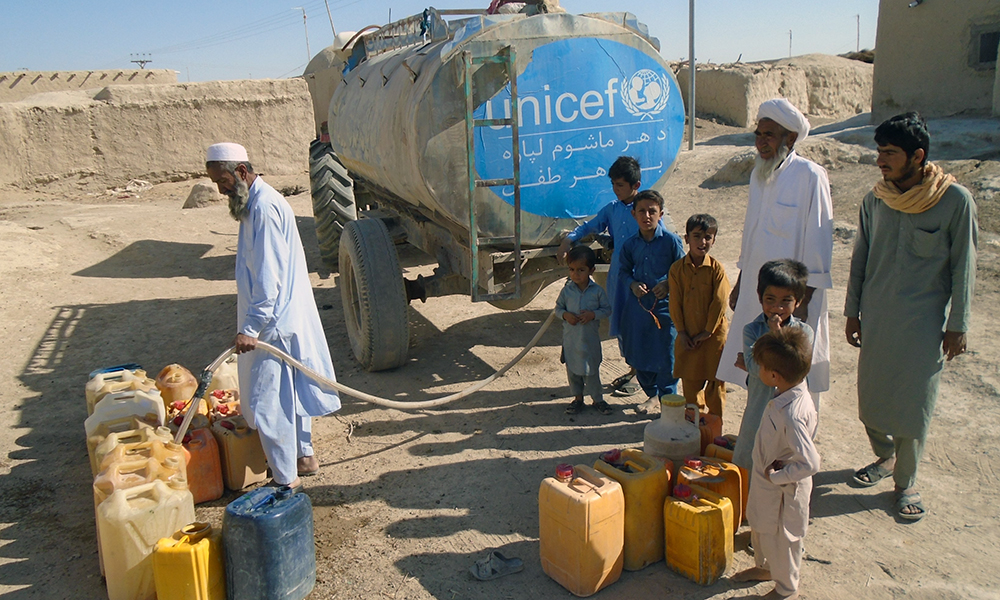
Afghanistan is among the countries most vulnerable to climate change despite contributing less than 0.1 percent of global greenhouse gas emissions, UN officials and experts said at a meeting on the sidelines of the United Nations General Assembly in New York.
The meeting, titled “Afghanistan on the Front Line of Climate and Migration Pressures,” brought together UN representatives, experts and Afghan activists to discuss the country’s worsening water crisis, drought, floods, displacement and the impact of climate change.
Selwin Hart, Adviser to the UN Secretary-General on Climate Action, said Afghanistan faces severe climate vulnerability, environmental degradation, economic fragility and limited institutional capacity.
“Afghanistan accounts for less than 0.1 percent of global greenhouse gas emissions, but faces severe climate vulnerability, environmental degradation, economic fragility and limited institutional capacity,” Hart said.
He said drought had severely affected Afghan communities for four consecutive years between 2021 and 2024, while flash floods this spring affected more than 73,000 people.
Participants also highlighted growing pressure on already limited water and other community resources following the return of large numbers of Afghan migrants.
Najibullah Sadid, a water resources and climate change expert, warned that Kabul could become the first capital in the world to face severe groundwater shortages by 2030.
Kabul’s groundwater resources have been declining amid growing demand, with the city’s population estimated at around seven million. Experts have warned that continued overuse and reduced water availability could put the capital under severe water stress in the coming years.
Switzerland’s representative to the United Nations said his country supports Afghanistan’s efforts to address climate change and water security and is working through various channels to strengthen capacity in these areas.
He said Switzerland supports initiatives including the UN Regional Centre for Preventive Diplomacy in Central Asia and the Global Network of Women in Water Diplomacy, as well as the network’s activities in Central Asia and Afghanistan.
Participants called for Afghanistan’s climate crisis to be addressed through greater international cooperation and responsibility. They also urged improved access for Afghanistan and local institutions to financial resources for climate adaptation and compensation for climate-related losses.

Afghanistan outlines environmental priorities to international donors

AFC Asian Cup Saudi Arabia 2027 postponed amid regional disruptions

US lawmakers urge Trump administration to halt Afghan deportations

Iran plans new four-nation meeting on Afghanistan amid regional diplomatic efforts

Iran says contacts over ending war continue after talks finish with no breakthrough

Cricket Bonanza: Afghanistan set for packed international schedule

Afghanistan finish runners-up after 6-0 defeat to Brazil in futsal final

Trump says US will not attack Iran before midterm elections in November

Afghanistan inaugurates 121 km Wakhan road to China border

Lionel Messi bids tearful farewell to Argentina after 3-0 win over Benin

Tahawol: calls for dialogue between Kabul and Islamabad

Saar: Trump’s remarks on Afghanistan war
Tahawol: US offers to ease Kabul-Islamabad tensions
Saar: Identity of ISIS suspect arrested in pakistan revealed

Tahawol: Disruptions in Iran’s trade with neighboring and regional countries
-
 Business3 days ago
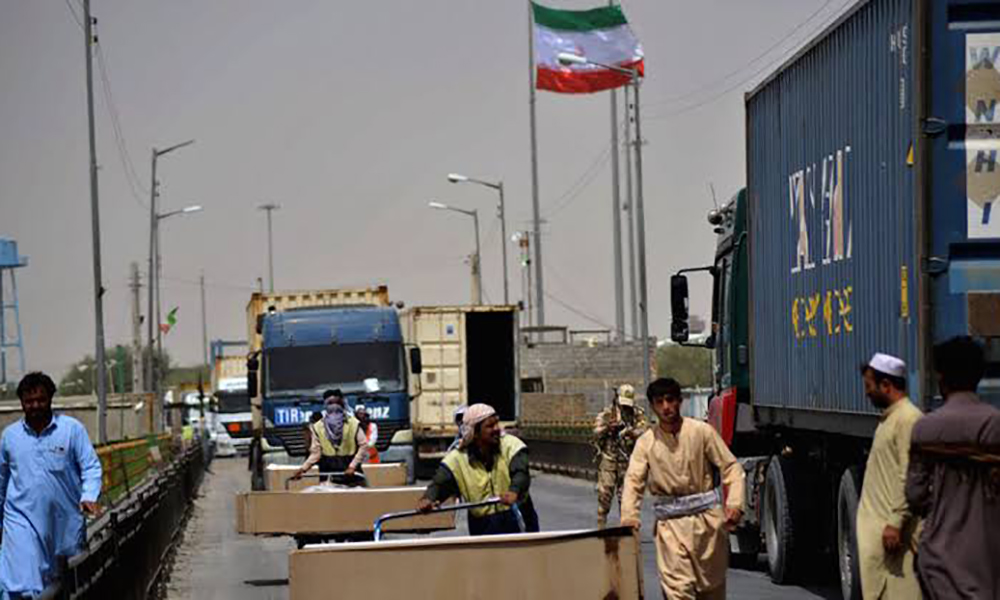
US sanctions and blockade measures disrupt Iran’s trade with Afghanistan and regional neighbors
-
 Sport2 days ago
Afghanistan crowned 2026 Hong Kong Sixes champions after beating Australia in final
-
 Sport3 days ago
Afghanistan storm into Hong Kong Sixes final after beating Scotland
-

 Sport4 days ago
Rashid Khan makes history as first-ever bowler to claim 200 T20I wickets
-
 Business4 days ago
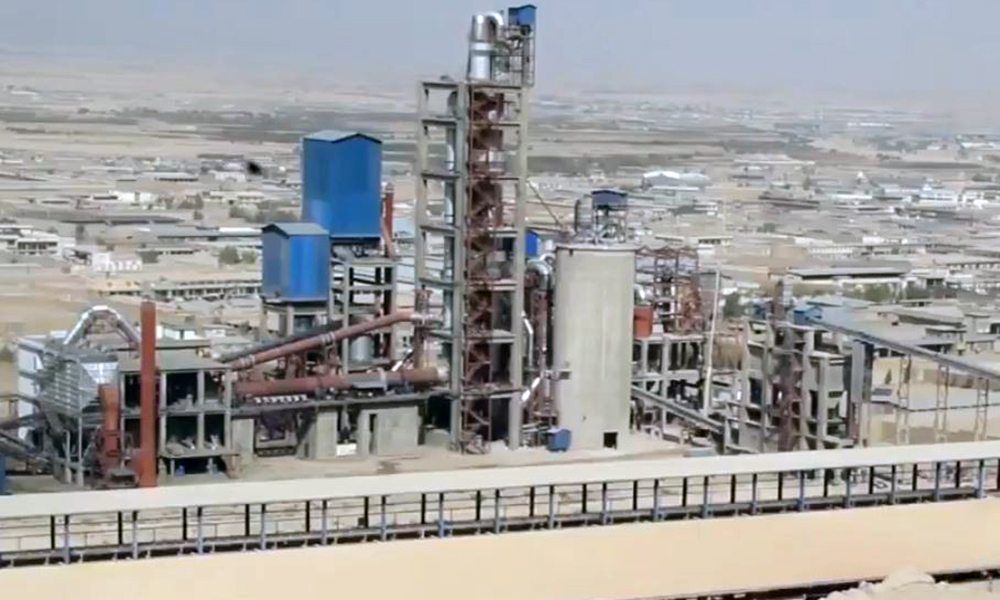
Afghanistan inaugurates first phase of Kandahar cement factory
-
 Health4 days ago
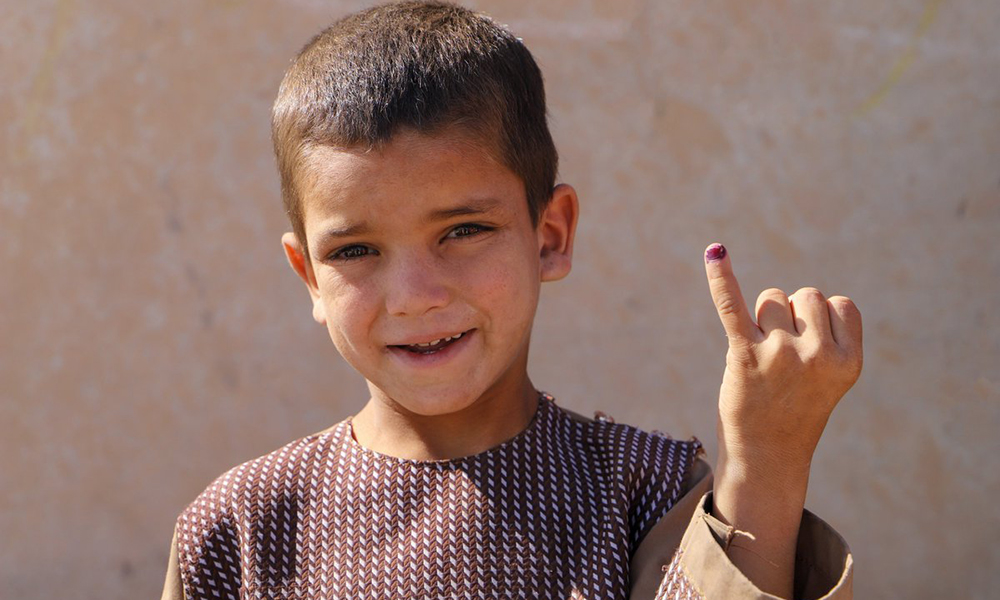
Afghanistan to launch nationwide polio vaccination campaign
-
 Latest News3 days ago
UNHCR: 6.3 million Afghans have returned since 2023, 60 percent reportedly forced to return
-
 Latest News5 days ago
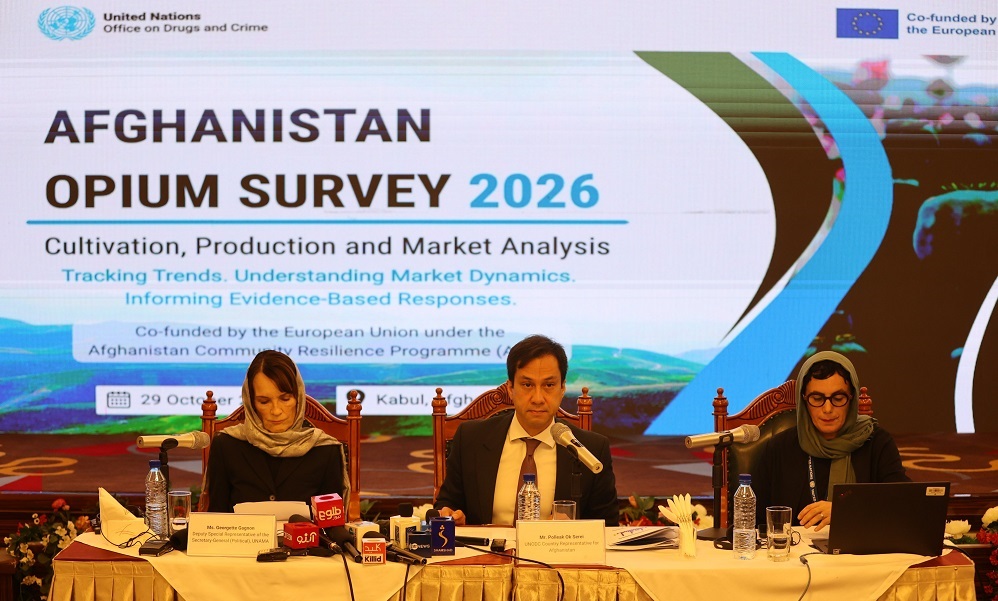
Afghanistan rejects UN report showing fourfold rise in poppy cultivation