
Business
Construction of Sar-e-Pul and Uruzgan dams to start soon

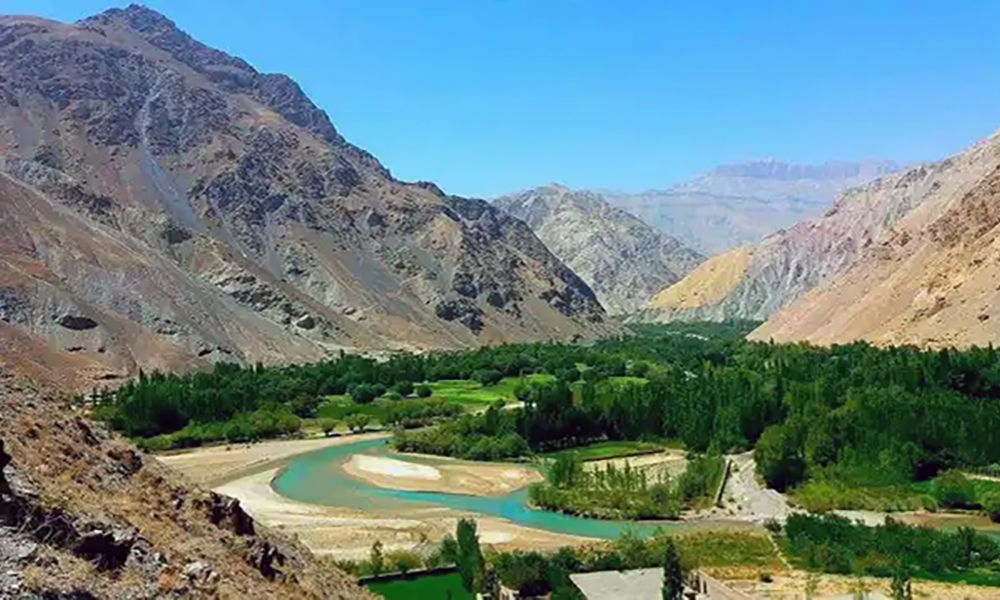
Two new major dams will be built in the near future after the Islamic Emirate’s economic commission on Saturday approved contracts for the projects.
At a regular meeting of the commission, at Marmarin Palace, which was chaired by the Deputy Prime Minister for Economic Affairs Mullah Abdul Ghani Baradar Akhund, the contracts for the construction of Sultan Ibrahim Dam in Sar-e-Pul province and the Agha Jan Dam in Chinarto district of Uruzgan were signed with the National Development Corporation.
According to the deputy prime minister’s office, the projects are scheduled to commence in the near future.
A decision was also taken at the meeting to stop the transloading of petroleum products at the Farah, Herat and Nimroz ports. Going forward, the transportation of such products will only be imported into Afghanistan in one vehicle – from source to destination.
It has been common practice for more than one tanker to be used – where fuel is transferred from one vehicle to another at border posts before entering the country.
Based on the Economic Commission’s decision, Afghan fuel tankers will also in future be authorized to transport fuel and oil into Afghanistan.
In addition, the Ministry of Justice and the Department of Revenue of the Ministry of Finance presented a plan focused on increasing revenue and implementing effective management practices. The plan entails revitalizing existing sources of income for the Ministry of Justice and exploring 14 new revenue streams within its framework.
This comprehensive strategy is expected to significantly boost the annual income of the Ministry of Justice.




Business
Dogharoun handles 60% of Iran’s exports to Afghanistan
Modoudi invited machinery manufacturing companies in Iran to establish operations in the area.
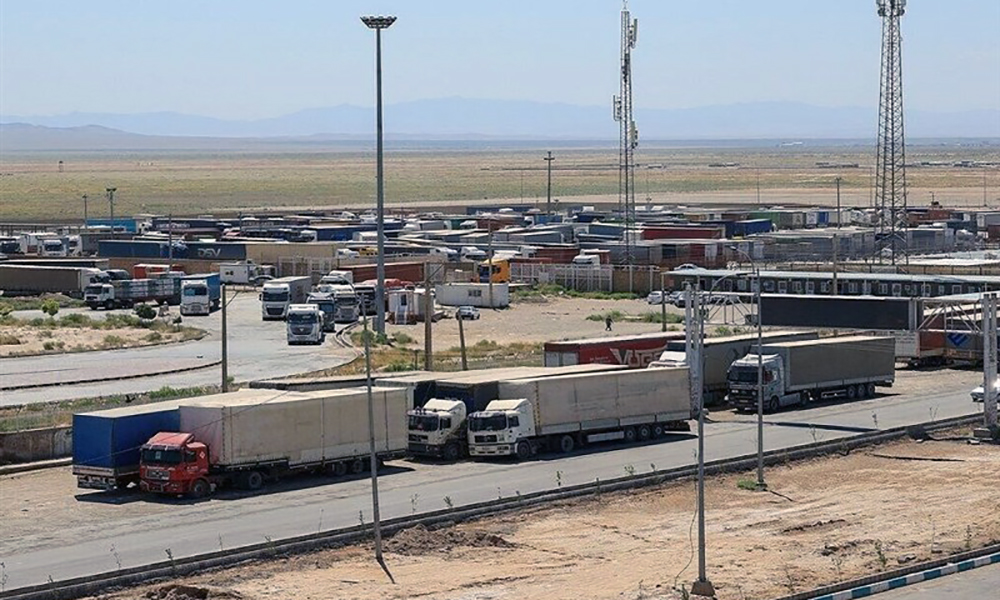
Mohammadreza Modoudi, CEO of the Dogharoon Free Zone, has criticized what he described as the neglect of Dogharoun’s potential, saying Iran ranks first among all countries in terms of exports of goods to Afghanistan.
He said 60 percent of this large volume of exports passes through the Dogharoun border crossing, adding that, despite this, the region’s significant potential has been overlooked.
Modoudi invited machinery manufacturing companies in Iran to establish operations in the area.
He said it is time to take a realistic approach and transform Dogharoun from a transit route into a major hub for production, value-chain development and a driving force for international trade.
Business
EU and FAO launch €5m programme to strengthen Afghanistan’s agrifood sector
FAO Representative in Afghanistan Richard Trenchard said agrifood businesses had shown potential to grow and create jobs despite difficult conditions.
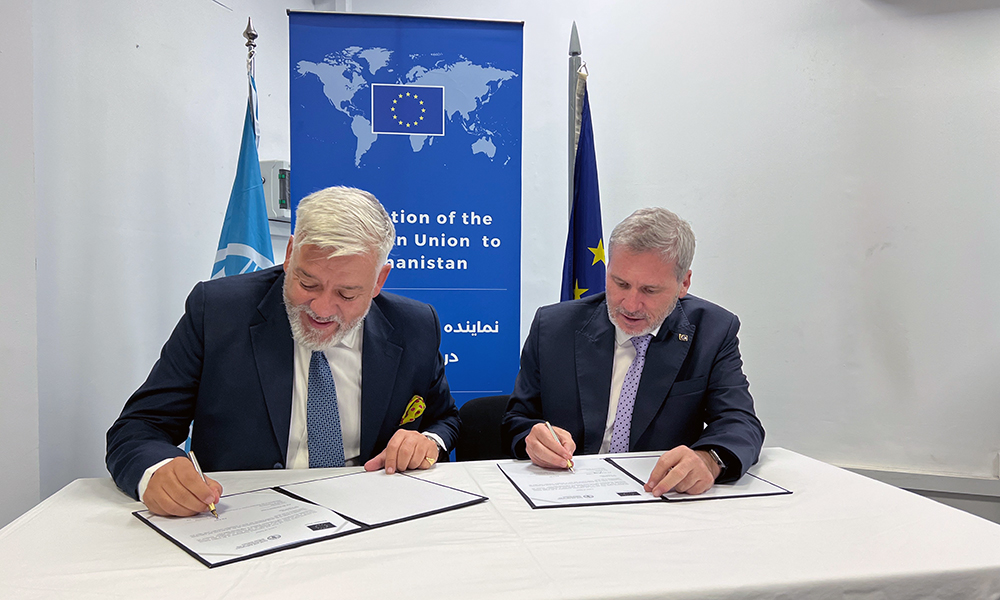
The European Union (EU) and the Food and Agriculture Organization of the United Nations (FAO) have launched a €5 million initiative to help Afghan farmers and agribusinesses access markets, improve incomes and withstand climate and economic shocks.
The programme will target vulnerable households, including returnees, internally displaced people and host communities, particularly in areas affected by food insecurity, climate risks and limited economic opportunities. Women and youth will be key beneficiaries.
Four one-stop service hubs will connect farmers and rural entrepreneurs with agricultural advice, specialised services, businesses and markets. Farmers will also gain access to FAO climate analysis and early-warning information to help them make timely production and marketing decisions.
The initiative will restore 2,000 hectares of degraded forests and rangelands and support 250 women- and community-led nurseries, combining environmental protection with new livelihood opportunities.
FAO will also provide matching grants and technical and business support to established agrifood and environmentally sustainable enterprises with growth potential. Participating businesses will contribute their own resources, helping expand processing, source from more local farmers and create rural jobs.
Nicola Bellomo, the EU’s new Chargé d’Affaires for Afghanistan, said the programme reflected the EU’s commitment to food security and economic empowerment.
“Afghanistan’s agricultural potential remains undervalued and constrained by the country’s extreme climate vulnerability,” Bellomo said, adding that the partnership would strengthen agricultural services, support agribusiness growth and promote nature-based solutions.
FAO Representative in Afghanistan Richard Trenchard said agrifood businesses had shown potential to grow and create jobs despite difficult conditions.
“When farmers can produce with confidence, businesses can grow and products can reach markets, agriculture becomes a powerful engine for recovery and resilience,” he said.
Business
UAE firm eyes investment in Salang’s second tunnel and pharmaceutical factories
The proposals will be submitted to the Inter-Ministerial Investment Committee for further review and discussion.
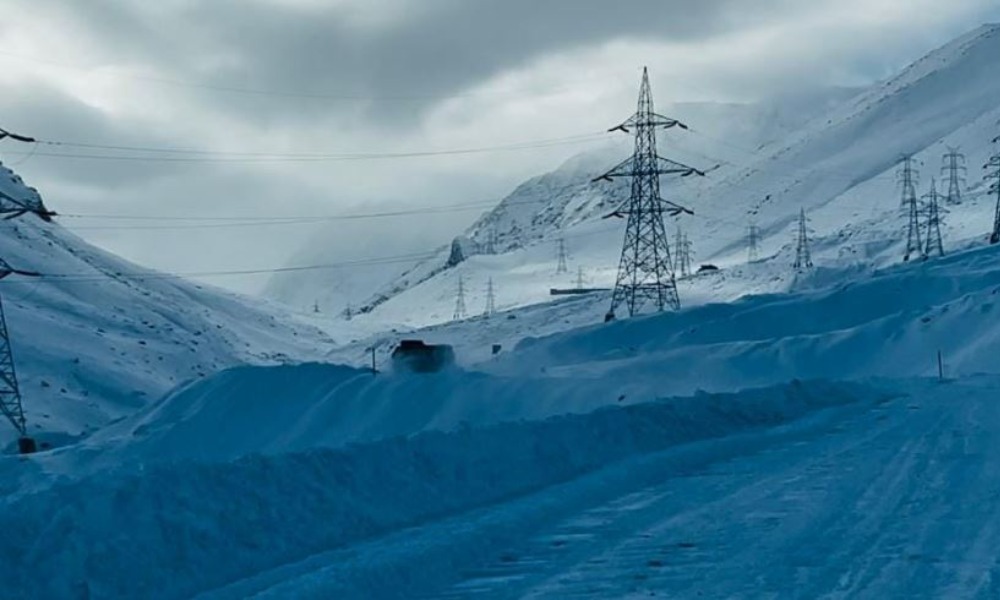
A United Arab Emirates-based company, HHM Global Industry Group, has expressed interest in investing in the construction of the second Salang Tunnel and establishing pharmaceutical factories in Afghanistan.
The issue was discussed at a regular meeting of the Inter-Ministerial Investment Committee, held on September 8, 2026, at the Marble Palace under the Economic Deputy Office of the Prime Minister’s Office.
The committee welcomed the company’s interest in investing in Afghanistan and assured its representatives that the relevant ministries and government agencies are prepared to provide comprehensive cooperation.
Following extensive discussions, company officials were asked to prepare detailed investment proposals for the construction of the second Salang Tunnel, pharmaceutical manufacturing facilities, as well as other potential investment projects.
The proposals will be submitted to the Inter-Ministerial Investment Committee for further review and discussion.
If implemented, the proposed investments could contribute to the development of Afghanistan’s transport infrastructure and strengthen domestic pharmaceutical production.


Sorkh Poshan Khafi beat Toofan Herat 3-1 in Afghanistan Champions League

ACL: Arman FC fight back to beat Khurasan Faryab 2-1

Tahawol: Impact of middle East war on Afghanistan

Pakistan says Kohat attackers had roots in Afghanistan

Saar: Pakistan blames Afghanistan for deadly attack

Four mediators struggle to secure lasting Pakistan-Afghanistan ceasefire

Syria and Saudi Arabia condemn Kabul bombing, express solidarity with Afghanistan

Afghanistan’s trade diversification challenges Pakistan

Saudi energy group signs major Afghanistan deals covering gas exploration and pipeline plans

ATN secures exclusive rights to broadcast T20I series in India across Afghanistan
Tahawol: Impact of middle East war on Afghanistan
Saar: Pakistan blames Afghanistan for deadly attack

Tahawol: Kabul’s warning over any threat from Pakistan discussed

Debate on Afghanistan and New Investment Opportunities

Tahawol: Reasons behind Qatari, Turkish security officials’ Kabul visit discussed
-
 Latest News5 days ago
UN warns of mounting humanitarian and human rights pressures in Afghanistan
-
 Regional5 days ago
Saudi Arabia calls alleged Mecca attack a ‘red line’ as Houthis deny involvement
-
 Latest News5 days ago
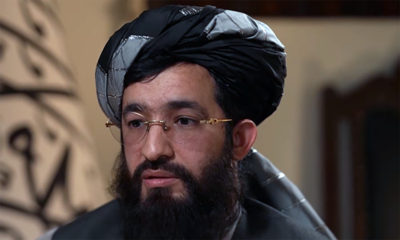
Five Years On: IEA touts economic growth despite international isolation
-

 Sport5 days ago
India take 2-0 lead in 3-match series against Afghanistan
-

 Latest News3 days ago
Five years out of school: Amnesty raises alarm over Afghan girls’ education
-
 Latest News4 days ago
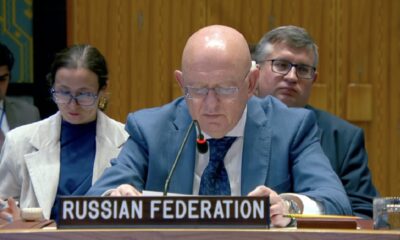
Russia urges dialogue and economic support for Afghanistan, warns against excessive pressure
-
 Sport4 days ago
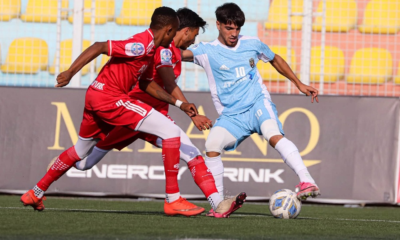
ACL: Ariana Khost win, Aino Mina and Khurasan Faryab draw
-
 Latest News3 days ago
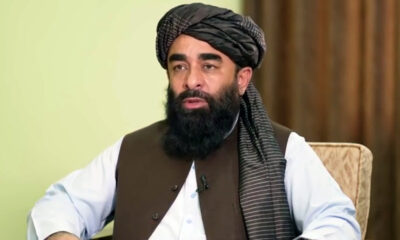
Afghanistan seeks stronger ties with Saudi Arabia, dialogue with Pakistan: Mujahid