
Health
Japan donates $240,000 to support health services in Afghanistan

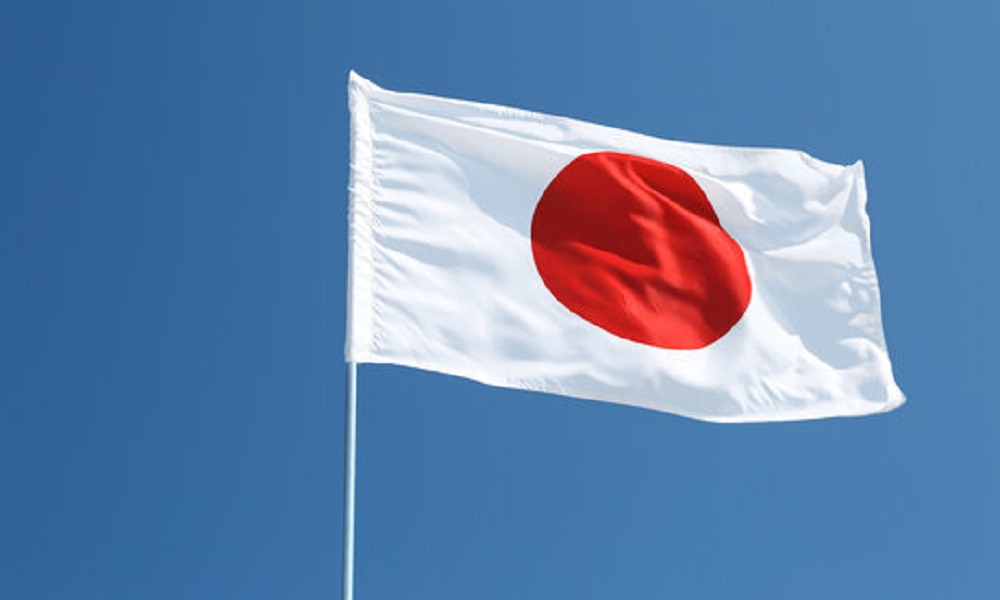
The World Health Organization (WHO) has received a humanitarian contribution of $240,000 from Japan to support health services in Afghanistan.
WHO said in a statement the assistance will enable the organization to address urgent health needs while strengthening essential health services.
WHO’s share of the funding will support the continued delivery of life-saving care for the most vulnerable populations – including women, children and displaced families – with a particular focus on maintaining substance use treatment centres and ensuring the availability of critical emergency medical supplies where they are most needed, the statement said.
“We are thankful to the People and Government of Japan for standing with the people of Afghanistan at this challenging time. Their support helps keep essential health services running, including care for people with substance use problems and emergency medical services. This partnership allows WHO to respond quickly and deliver care to the communities that are most vulnerable,” said Edwin Ceniza Salvador, WHO Representative to Afghanistan.
Japanese Ambassador to Afghanistan, Kenichi Masamoto, said: “Japan is deeply concerned about the ongoing challenges faced by the people of Afghanistan and is pleased to support WHO in strengthening essential health services. By prioritizing areas like substance use treatment and emergency care, Japan reaffirms its commitment to the health, resilience and future well-being of the Afghan people.”
WHO emphasized that it will continue working with national and international partners to improve health systems, enhance emergency preparedness, and ensure access to essential services across Afghanistan.

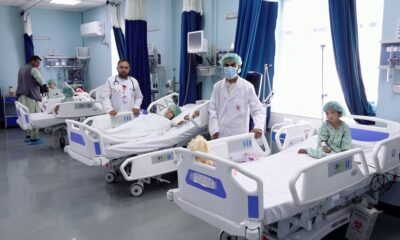






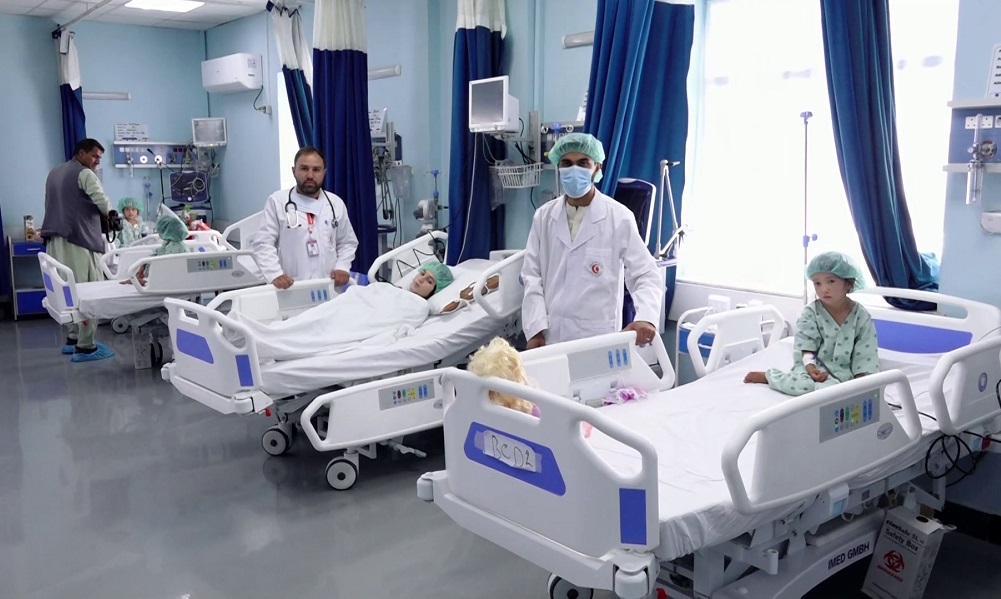
A pediatric hospital for treating heart diseases, particularly congenital heart defects such as holes in the heart, has been inaugurated in Kabul by the Afghan Red Crescent Society.
Officials from the organization say the hospital has the capacity to treat up to 2,000 patients annually and will provide free diagnosis, treatment, and heart surgery services around the clock.
Shahabuddin Delawar, head of the Afghan Red Crescent Society, said the construction costs of the facility were covered through the organization’s own budget.
Previously, many patients suffering from heart conditions, especially children with holes in the heart, had to seek treatment at private hospitals or medical centers abroad due to limited access to specialized services inside the country.
Abdul Salam Hanafi, Administrative Deputy Prime Minister, said during the inauguration ceremony that the opening of the facility would help provide treatment for a large number of patients in need. He added that economic challenges had previously prevented many patients from accessing necessary medical services.
The head of the Afghan Red Crescent Society said local and foreign specialist doctors at the hospital will provide free, 24-hour cardiac services to patients, with efforts underway to ensure quality medical care.
Meanwhile, specialists at the hospital said modern medical equipment for diagnosing and treating heart diseases has been prepared at the facility.
The opening of the hospital offers new hope for patients, particularly children with congenital heart conditions, allowing them to receive free and specialized cardiac treatment inside Afghanistan and reducing the need for costly treatment abroad.
Health
OCHA warns Afghanistan’s maternal health system under mounting strain
The agency estimated that the country recorded 638 maternal deaths for every 100,000 live births in 2024 — the highest rate in Asia and the seventh highest globally.
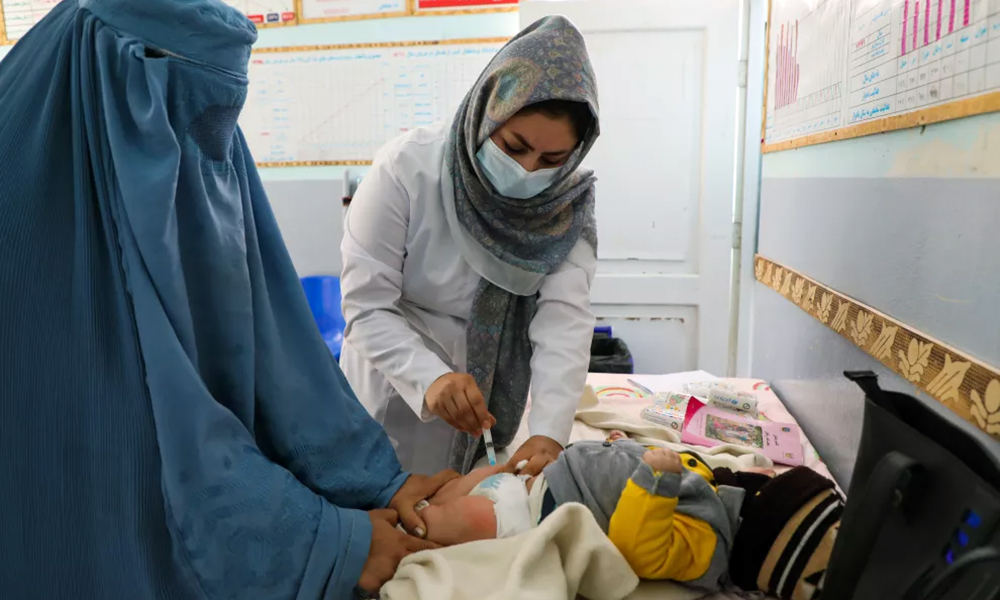
The United Nations Office for the Coordination of Humanitarian Affairs (OCHA) has warned that Afghanistan’s maternal healthcare system is facing mounting pressure as humanitarian needs continue to grow, leaving millions of women and girls at risk of losing access to essential health services.
In its Afghanistan Humanitarian Update for June 2026, OCHA said more than 10.7 million women and girls are expected to require humanitarian assistance this year, making them among the populations most severely affected by the country’s prolonged humanitarian crisis.
The agency said ongoing restrictions affecting women’s movement, education and employment, coupled with economic hardship and declining humanitarian funding, have significantly reduced access to healthcare and other essential services while increasing protection risks and deepening vulnerabilities.
According to OCHA, Afghanistan continues to have one of the world’s highest maternal mortality rates. The agency estimated that the country recorded 638 maternal deaths for every 100,000 live births in 2024 — the highest rate in Asia and the seventh highest globally.
OCHA said the situation has been exacerbated by shortages of female healthcare workers, inadequate funding, limited supplies of essential medicines and gaps in emergency obstetric and neonatal care. These challenges are contributing to preventable deaths among mothers and newborns, particularly in rural and hard-to-reach communities where access to medical facilities remains limited.
The UN agency also warned of the long-term impact of restrictions on girls’ education, saying they threaten the future of Afghanistan’s healthcare workforce. Citing UNICEF estimates, OCHA said the country could lose more than 25,000 female teachers and health professionals by 2030 if current restrictions remain in place, potentially worsening shortages of female doctors, nurses and midwives.
During a recent assessment mission to Bamyan Province, OCHA highlighted the growing burden on local health facilities. Bamyan Provincial Hospital, the province’s main referral centre, continues to provide critical maternal and newborn services and houses the area’s only neonatal intensive care unit. However, the hospital is struggling to meet increasing demand with limited resources.
The agency said many expectant mothers arrive only after developing serious pregnancy-related complications because of long travel distances, poor road infrastructure and a lack of reliable referral services, reducing the chances of timely treatment.
OCHA called for sustained international support to strengthen Afghanistan’s fragile health system, warning that continued investment in maternal and newborn healthcare will be essential to reducing preventable deaths and ensuring that women, particularly those in remote areas, can access life-saving medical services.
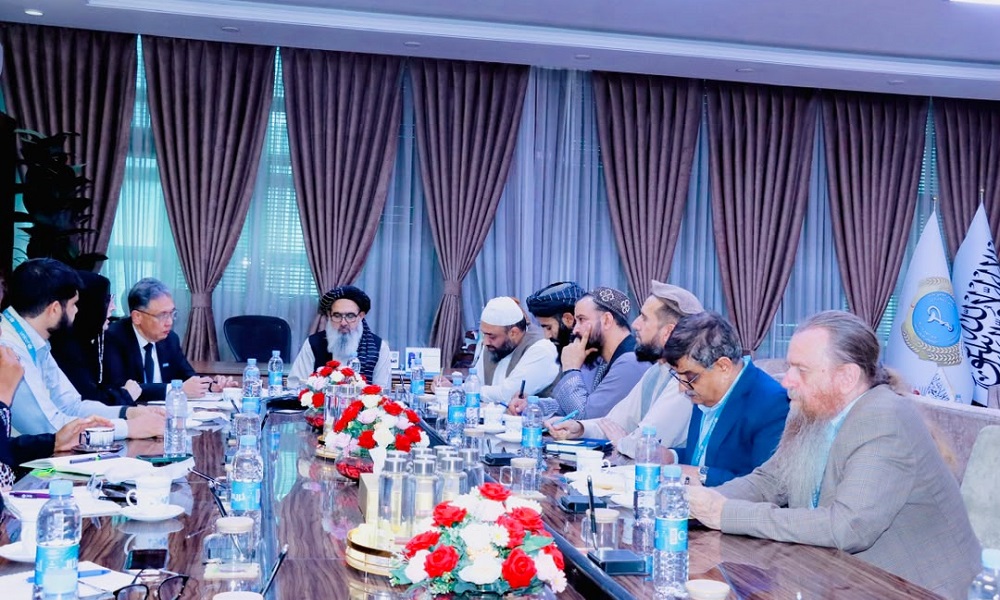
Afghanistan’s Acting Minister of Public Health, Noor Jalal Jalali, has held talks with officials from Gavi, the Vaccine Alliance, as well as representatives of the World Health Organization (WHO) and UNICEF on expanding routine immunization and strengthening primary healthcare services across the country, the Ministry of Public Health said on Tuesday.
According to the ministry, the meeting focused on improving access to primary healthcare, increasing routine vaccination coverage and reviewing Gavi’s continued support for Afghanistan’s health sector.
Jalali said combating vaccine-preventable diseases, including measles and polio, remains one of the ministry’s top priorities. He added that efforts are also underway to expand preventive healthcare services and improve access to essential medical care, particularly in underserved communities.
The minister said Afghanistan’s National Vaccination Strategy and National Health Strategy are in the final stages of preparation and will soon be shared with relevant stakeholders to support coordinated implementation.
Routine immunization remains a critical challenge in Afghanistan, where years of conflict, economic hardship and limited access to healthcare have left millions of children vulnerable to preventable diseases. International organizations continue to support vaccination campaigns and efforts to strengthen the country’s fragile health system.
According to the ministry, Gavi officials reaffirmed that Afghanistan remains one of the alliance’s priority countries and pledged to continue supporting immunization programmes and broader health initiatives aimed at protecting the country’s most vulnerable populations.


Tahawol: US cancelling strikes on Iran

Saar: Strained relations between Kabul and Islamabad

Suspected suicide bombing at police station kills at least 14 in Pakistan, officials say

Kabul opens cardiac hospital for children

Bomb carried by woman kills three, injures 21 near Moscow restaurant, authorities say

Pakistan’s governance system has ‘collapsed’: Mohsin Naqvi

India offers 1,000 online scholarships for Afghan students for 2026-27 academic year

Cricket world pays tribute to Afghanistan fast bowler Shapoor Zadran

Turkey spent over $120 million to prepare airport for Qatar-donated U.S. presidential aircraft

Thousands pay final respects as Afghan cricketer Shapoor Zadran buried in Kabul
Tahawol: US cancelling strikes on Iran
Saar: Strained relations between Kabul and Islamabad

Saar: Trade shifts from Pakistan to Central Asia and Iran discussed

Tawsia: Efforts to increase Ghori cement production discussed

Tahawol: Germany’s deportation of non-criminal Afghan refugees
-
 Latest News3 days ago
Pakistan’s governance system has ‘collapsed’: Mohsin Naqvi
-

 Sport5 days ago
Afghanistan set for crucial five-match ODI series against Ireland
-
 Sport5 days ago
Afghanistan futsal team heads to Thailand for Continental Championship
-
 Latest News5 days ago
MSF urges Pakistan to halt forced returns of Afghan refugees
-
 Business5 days ago
Afghanistan exports first stone shipment to US in $100,000 trade milestone
-

 Sport3 days ago
Qosh Tepa crowned champions of inaugural Afghanistan Wrestling Premier League
-
 Regional5 days ago
Oman presents Iran with Gulf-backed plan for voluntary fees to use Hormuz
-
 Latest News5 days ago
Germany deports first Afghan without criminal record since 2021, Reuters reports