
Regional
Magnitude 6.1 earthquake strikes western Turkey, damages buildings
Emergency teams have been deployed to inspect damaged structures and assist affected residents as aftershocks continue to rattle the region.

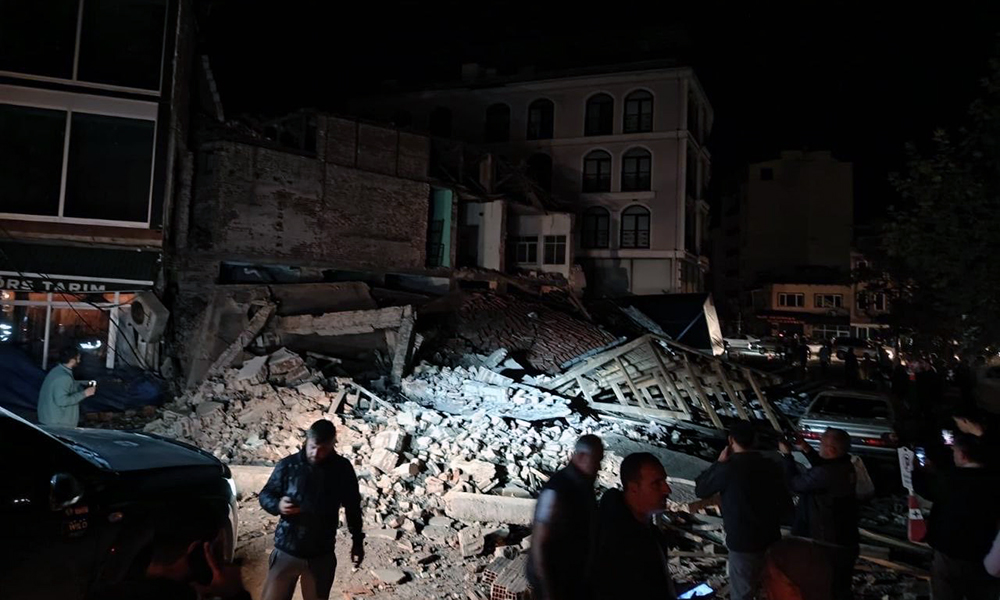
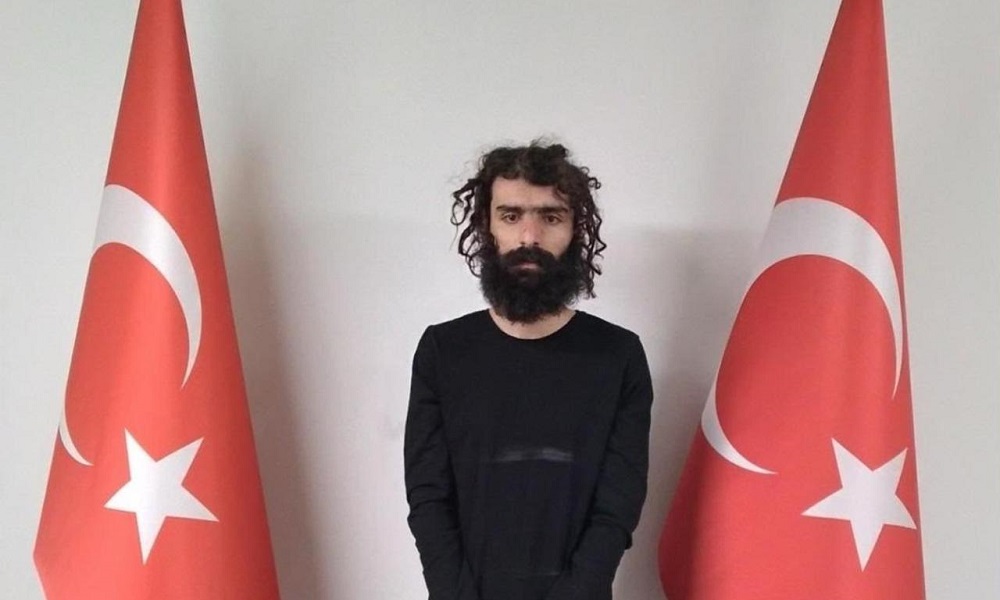
A magnitude 6.1 earthquake struck western Turkey late Monday, shaking several provinces and causing a number of previously damaged buildings to collapse. Authorities have so far reported no fatalities.
According to Turkey’s Disaster and Emergency Management Authority (AFAD), the quake’s epicenter was near the town of Sindirgi in Balikesir province. It hit at 10:48 pm local time at a shallow depth of 5.99 kilometers and was followed by multiple aftershocks.
Tremors were felt across Istanbul, Bursa, Manisa, and Izmir, prompting residents to rush out of their homes in panic. Interior Minister Ali Yerlikaya confirmed that at least three unoccupied buildings and a two-story shop collapsed in Sindirgi. All had sustained damage from a previous earthquake.
Balikesir Governor Ismail Ustaoglu said 22 people were injured, mostly due to panic-related falls. “So far, we have not identified any loss of life, but assessment teams are continuing their inspections,” Sindirgi district administrator Dogukan Koyuncu told Anadolu Agency.
Emergency teams have been deployed to inspect damaged structures and assist affected residents as aftershocks continue to rattle the region.


Regional
Bangladesh vows to arrest Hasina if she returns from India
Hasina faces a death sentence in Bangladesh and her Awami League party is banned following the 2024 uprising that ended her long rule. The United Nations has said as many as 1,400 people were killed during the unrest.
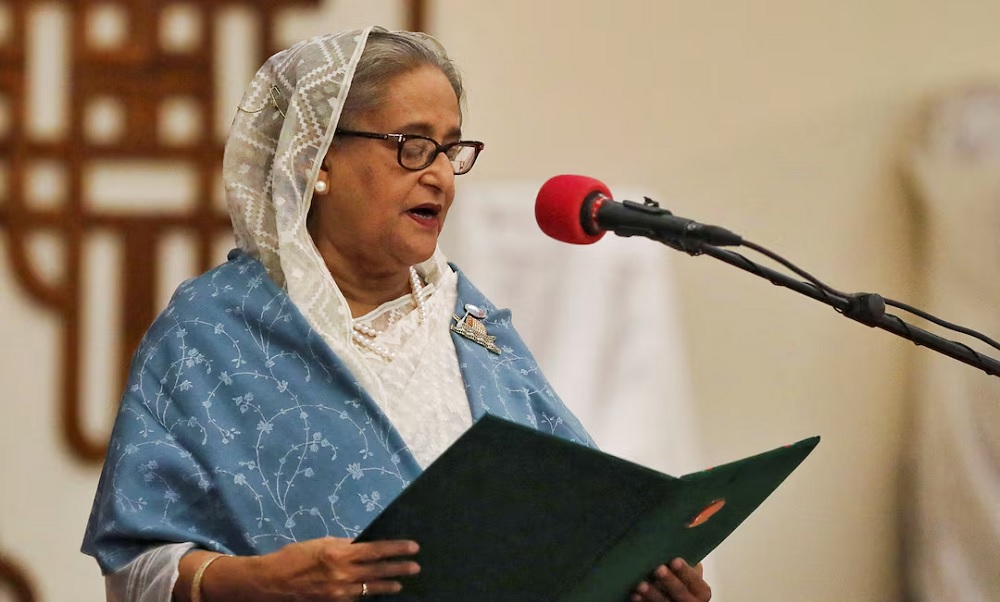
Bangladesh will arrest and jail former Prime Minister Sheikh Hasina if she returns from India, a senior government minister said, as her plans to come home in December fuel political tension and renewed street violence.
Dhaka is instead seeking Hasina’s extradition from India, where she has lived since fleeing Bangladesh in 2024, and expects New Delhi to comply with an existing extradition treaty, State Minister for Foreign Affairs Shama Obaed Islam told Reuters.
India’s foreign ministry did not immediately respond to a request for comment. In April, the ministry said it was examining Bangladesh’s request to extradite Hasina.
Hasina faces a death sentence in Bangladesh and her Awami League party is banned following the 2024 uprising that ended her long rule. The United Nations has said as many as 1,400 people were killed during the unrest.
Hasina fled Dhaka in August 2024 as protests demanding her resignation swept the country. She has since sought a new passport and identity card ahead of a planned return in December, requests the government has rejected.
“As soon as she tries to enter Bangladesh, she will be arrested. And she will be taken to jail, and the law will take its course,” Obaed said in an interview on Sunday.
“We would like India to honour the extradition treaty and return her as a convict, and the law will take its course. She (Hasina) will have to face the music.”
The standoff has brought Hasina’s Awami League supporters out on the streets. The party this month announced a week of protests and rallies in support of Hasina’s return, culminating in a nationwide lockdown on November 19.
Police have recorded dozens of crude bomb blasts and incidents of arson targeting vehicles in at least 28 districts over the past 10 days, with several police officers and civilians injured, according to local media.
Obaed called the violence a survival tactic by Hasina’s “politically bankrupt political party.”
Khalid Mahmud Chowdhury, a senior Awami League official, said the current political establishment was responsible for the violence.
The minister said there had been no official discussions with India about sending an aircraft to bring Hasina back, adding that Dhaka wanted balanced ties with New Delhi that did not compromise Bangladesh’s “dignity, self-respect and interests.”
“India needs to decide what kind of foreign policy they need to adopt for Bangladesh,” Obaed said.
ROHINGYA VERDICT
Dhaka is also stepping up diplomatic pressure on neighbouring Myanmar over the return of Rohingya refugees after the UN’s highest court ruled that thousands of killings and widespread sexual violence by Myanmar’s security forces against the Muslim minority in 2017 amounted to state-sponsored genocide.
Myanmar has criticised the ruling by the International Court of Justice said Rohingya would only be able to return “when situations permit”.
“Now, this verdict gives us, Bangladesh, the strength, the Rohingya community the strength to fight,” Obaed said, adding that they deserved to return “with dignity and safety”.
About 1.2 million Rohingya live in Bangladesh after repeated repatriation attempts failed. Their return has been complicated by Myanmar’s civil war and the Arakan Army militia’s control of nearly all of Rakhine State, which is home for most Rohingya.
Obaed called for greater international pressure on Myanmar and the Arakan Army.
“Bangladesh did not create this crisis. Myanmar created this crisis, so Myanmar has to end it,” she said.
Regional
Araqchi says Iran wants diplomacy to end war, Trump says terms unacceptable
The foreign minister said Iran’s red lines included keeping its highly enriched uranium in the country, though he said a “fair solution” was still possible.
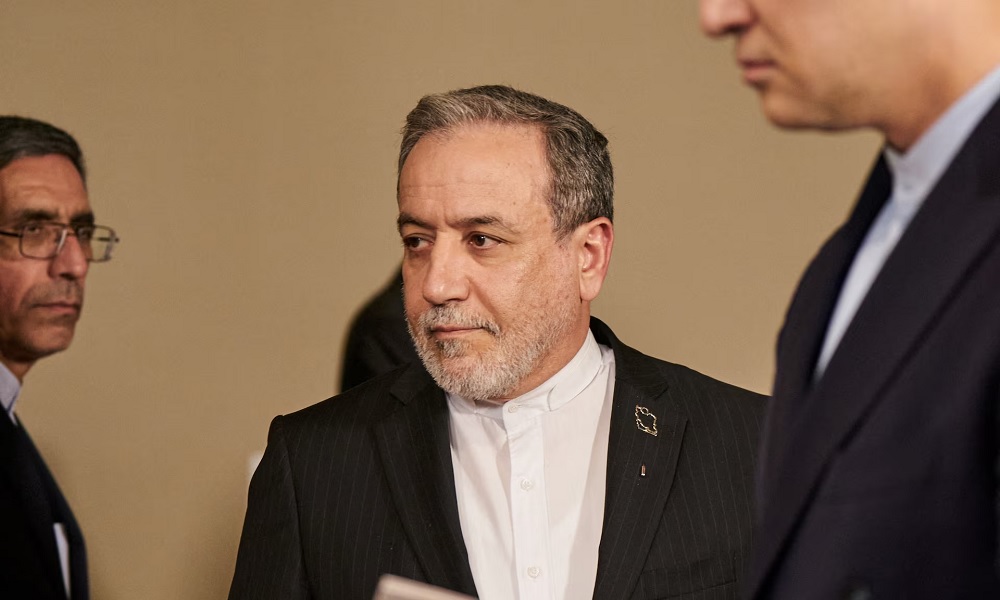
Iran’s Foreign Minister Abbas Araqchi said Tehran still hoped diplomacy could end its war with the United States, while US President Donald Trump said Iran wanted a deal but one that was not acceptable to him.
Araqchi told the state-owned Iran newspaper that messages continued to be exchanged between Iran and Washington through mediators, and that Tehran was seeking “an agreement that would ensure there was no further war”, Reuters reported.
He also said Iran wanted guarantees that Washington was serious about negotiations before proceeding further, adding that Iran had discussed with mediators the form and nature of confidence-building measures.
The remarks came as diplomatic efforts continued to try to end a conflict that has destabilised the Middle East, disrupted shipping, driven up global energy prices and drawn in countries across the region.
The foreign minister said Iran’s red lines included keeping its highly enriched uranium in the country, though he said a “fair solution” was still possible.
Authorities have previously mentioned “feasible formulas” to resolve the dispute between Tehran and Washington over the matter, including diluting the highly enriched uranium stockpile under the supervision of the International Atomic Energy Agency.
The IAEA estimates that Iran had 440.9 kg of uranium enriched to 60% when Israel and the US attacked Iranian nuclear facilities in June 2025. How much of that has survived is unclear.
“I believe a fair solution can be reached on the issue of nuclear material, one that is based on our national interests while also meeting the country’s needs,” Araqchi said.
Trump, in a press conference on Friday, said: “They want to make a deal, but they don’t want to make a deal that’s acceptable to me.”
The United States and Israel attacked Iran on February 28, prompting Tehran to strike Israel and Gulf states hosting US military bases.
Qatari and Iranian officials met on Tuesday in talks aimed at “bridging perspectives and narrowing the gap between proposals presented on the ground,” a spokesperson for Qatar’s foreign ministry said.
Regional
US strikes Iranian military site as Gulf states report fresh attacks
The IRGC claimed earlier it had struck a US military radar system at Bahrain’s Sheikh Isa Air Base using drones.
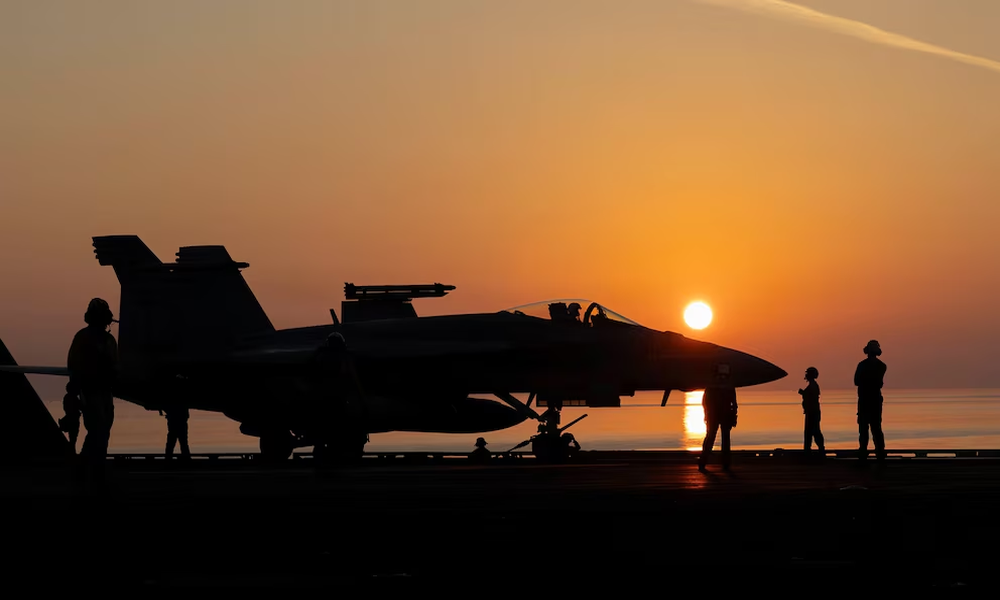
US warplanes struck an Iranian military installation on Qeshm Island in the Strait of Hormuz on November 17, as Bahrain and Kuwait reported fresh aerial attacks and diplomatic efforts continued to prevent further escalation across the Gulf.
A US military official told Reuters that American aircraft targeted a site belonging to Iran’s Islamic Revolutionary Guard Corps (IRGC), in response to attacks on US personnel and military assets.
Ahmad Nafisi, deputy governor of Iran’s Hormozgan province, confirmed the strikes on Qeshm Island but said residential areas, businesses and critical infrastructure had not been damaged. He did not provide details of casualties or damage to military facilities.
Earlier, the IRGC claimed it had struck a US military radar system at Bahrain’s Sheikh Isa Air Base using drones. It described the attack as retaliation for what it called repeated violations of Iranian airspace by American military drones.
However, US Central Command rejected the claim, saying the incoming drones had been intercepted without causing damage to American equipment or injuring US personnel.
Bahrain, which hosts the US Navy’s Fifth Fleet, reported further aerial interceptions in the early hours of November 18, accusing Iran of continuing attacks against the kingdom. The Interior Ministry issued two emergency alerts instructing residents to seek shelter before announcing that the threat had passed.
Kuwait’s military also reported that its air defence systems were engaging hostile drones, although it did not identify their origin or provide details of casualties or damage.
Shipping tensions escalate in Strait of Hormuz
The latest military exchanges coincided with further reports of attacks on commercial shipping in the Strait of Hormuz, a critical international energy and trade route.
Iran’s Revolutionary Guards said a tanker caught fire after striking a mine near Oman’s Ghanam Island while travelling along a route that Tehran had not authorized. The statement did not identify the vessel or provide information about its crew.
Iranian forces also reported fires aboard other vessels in the strait, although Reuters said it could not independently verify the claims.
Separately, the United Kingdom Maritime Trade Operations (UKMTO) agency reported that the crew of a tanker attacked north of Oman’s port of Khasab could not be accounted for.
The vessel, which was first attacked on November 16, reportedly sustained a second strike and caught fire again.
Diplomatic efforts continue
Despite the renewed military activity, diplomatic efforts to contain the conflict continued, with Qatar and Oman maintaining contacts aimed at reducing tensions between Washington and Tehran.
Qatari Foreign Ministry spokesman Majed Al Ansari said on November 17 that mediation efforts to narrow differences between the two sides were ongoing.
He warned that further escalation threatened maritime navigation, the global economy and the prospects of reaching an agreement, urging all parties to exercise restraint.
Iranian Foreign Minister Abbas Araghchi also travelled to Oman, where he met Sultan Haitham bin Tarik and Foreign Minister Badr Albusaidi.
Oman’s Foreign Ministry said the discussions focused on efforts to de-escalate tensions and create conditions for a peaceful resolution to the crisis.
In Ankara, Turkish Foreign Minister Hakan Fidan called for the reopening of the Strait of Hormuz and a swift, positive conclusion to negotiations between the United States and Iran.
Fidan urged Tehran to demonstrate its willingness to resolve the dispute, stressing the importance of restoring safe maritime navigation and addressing the security concerns of neighbouring countries.
The conflict began on February 28 with US-Israeli strikes against Iran. Washington has maintained a blockade of Iranian ports, while Tehran continues to restrict shipping through the Strait of Hormuz.
Disagreements over maritime access and the US blockade remain major obstacles to diplomatic efforts to end the conflict.

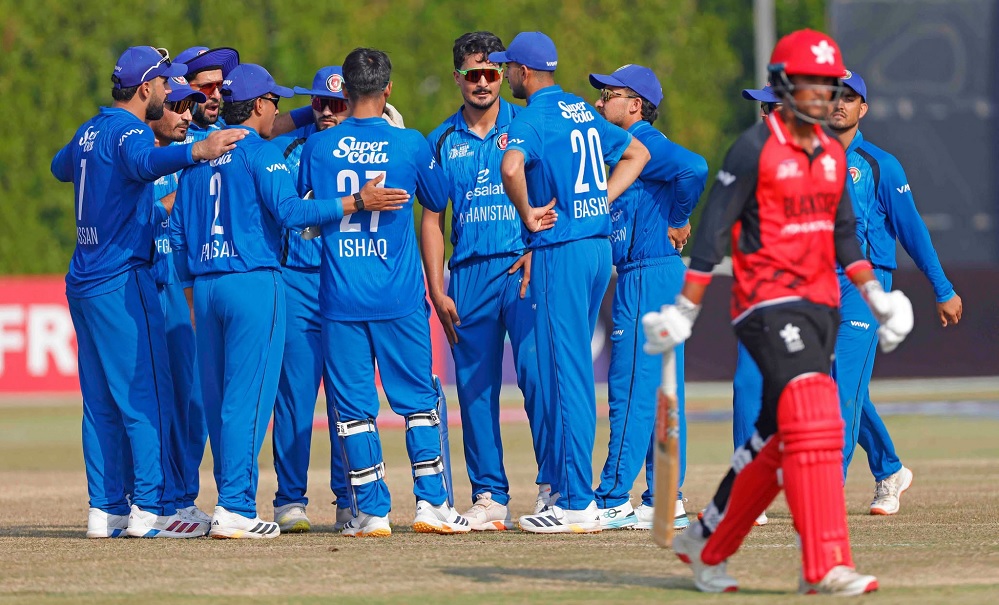
Afghanistan A thrash Hong Kong to register first win at Asia Cup Rising Stars
Bangladesh vows to arrest Hasina if she returns from India
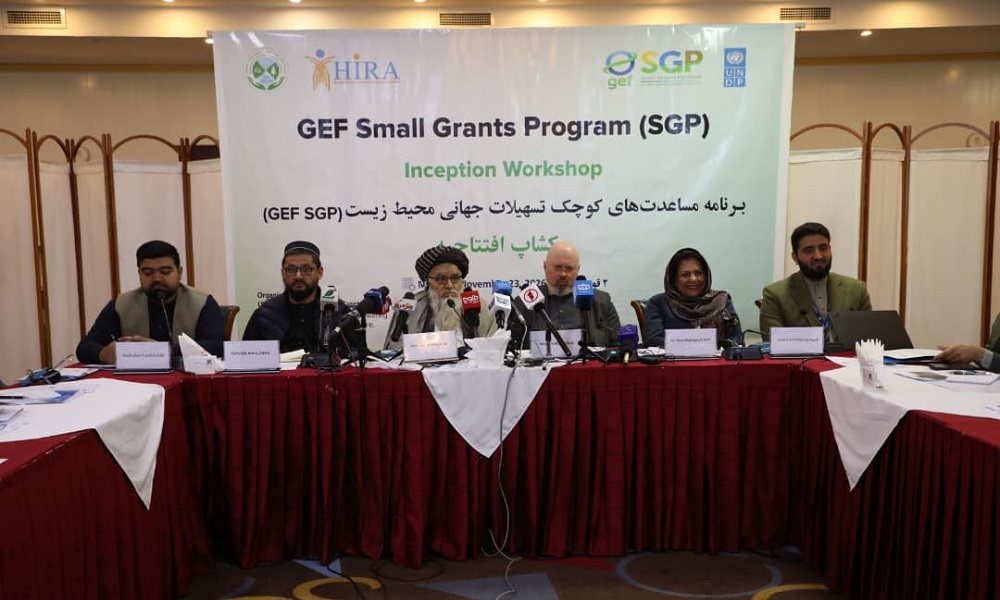
Global environmental grants programme resumes in Afghanistan

Afghanistan beat Vietnam 5-2 at Beach Soccer Asian Cup
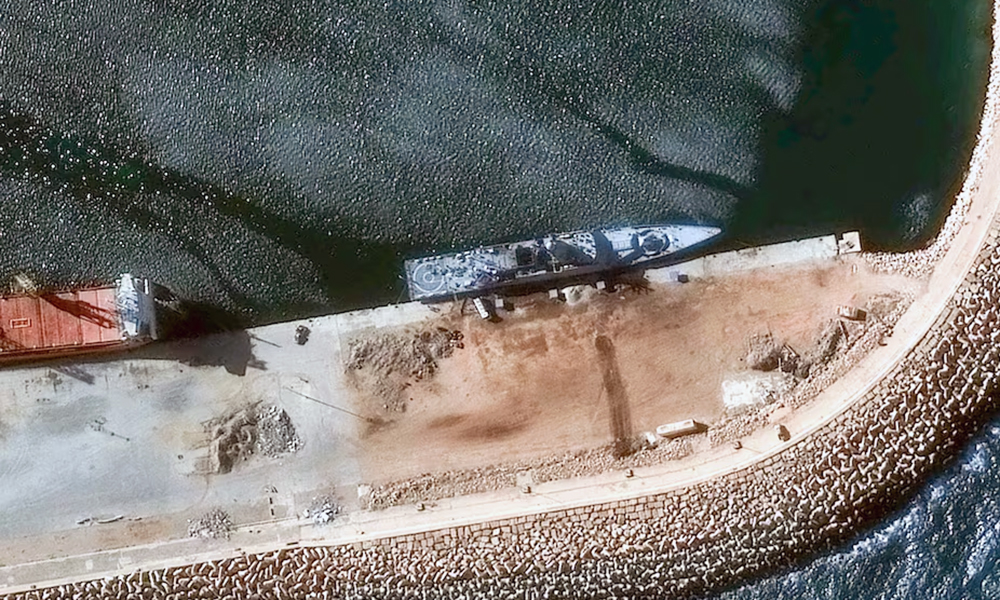
Ukraine sinks Russian warship in Libya as conflict spreads beyond Europe
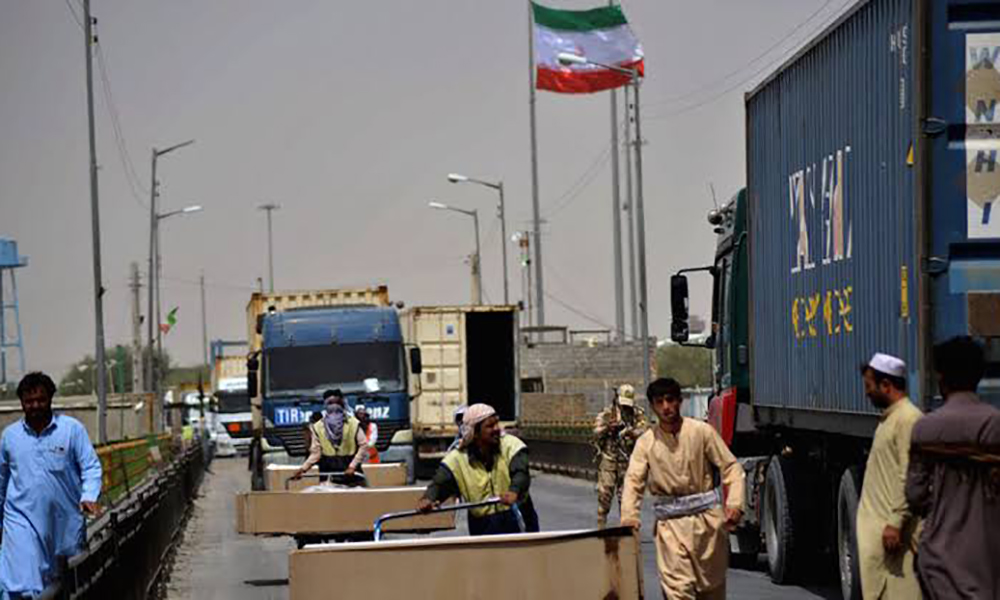
US sanctions and blockade measures disrupt Iran’s trade with Afghanistan and regional neighbors
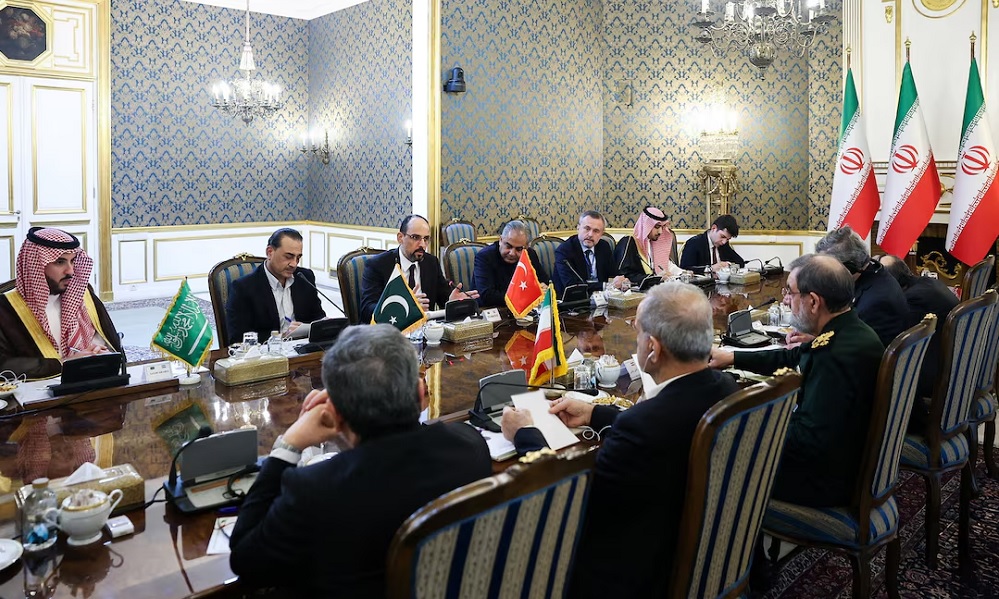
Saudi defence pact countries push for peace in Tehran as Houthis launch more attacks

England forward Kane crowned Ballon d’Or winner
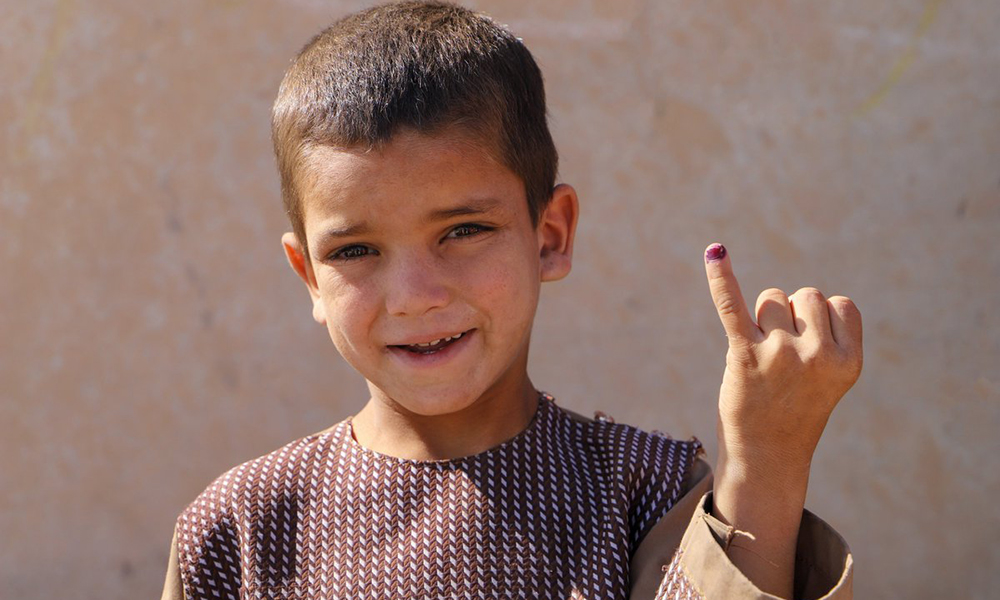
Afghanistan to launch nationwide polio vaccination campaign

WFP report notes high food and fuel costs continue to pressure Afghan households
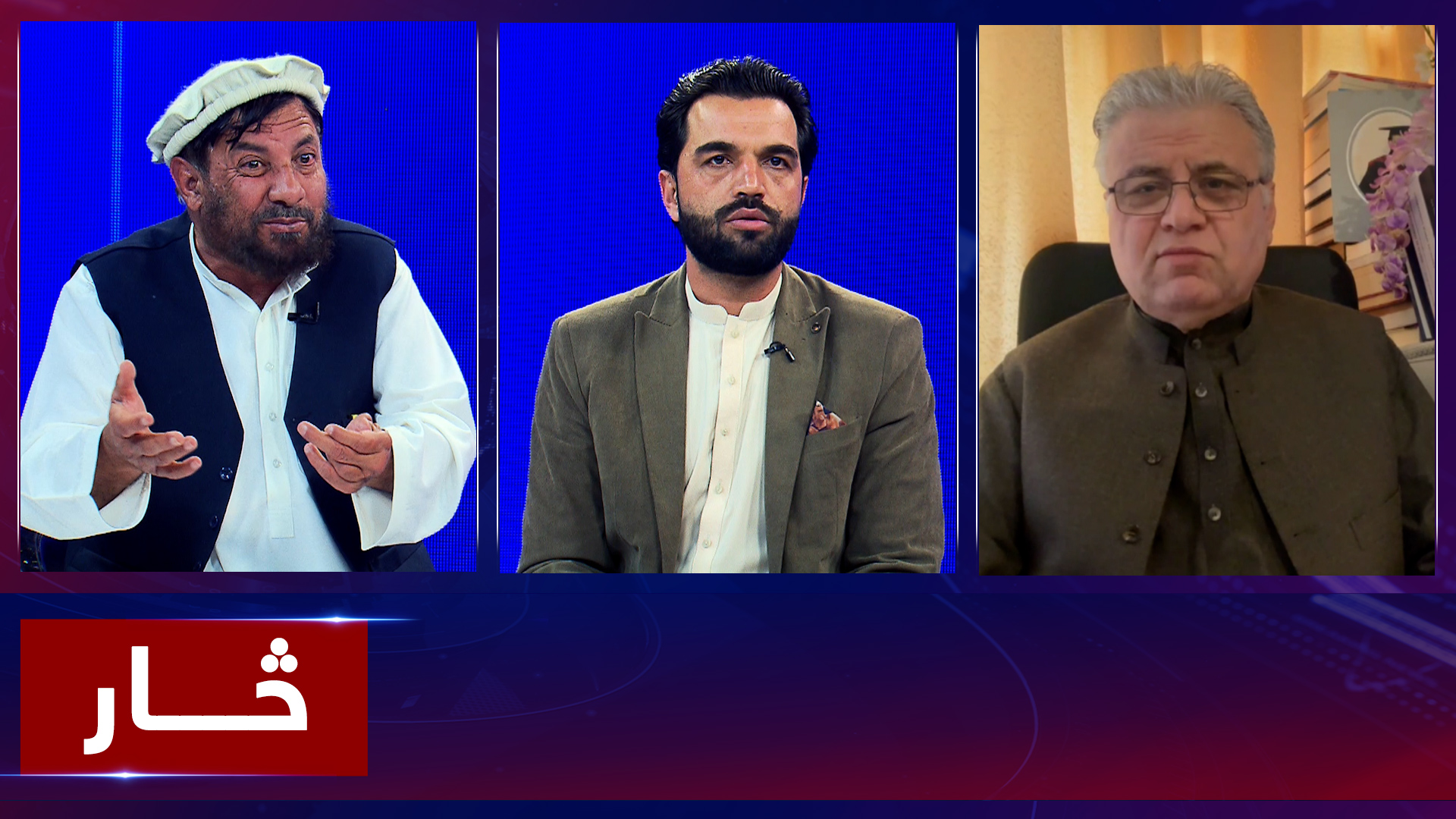
Saar: Pakistan FM’s remarks on Afghanistan
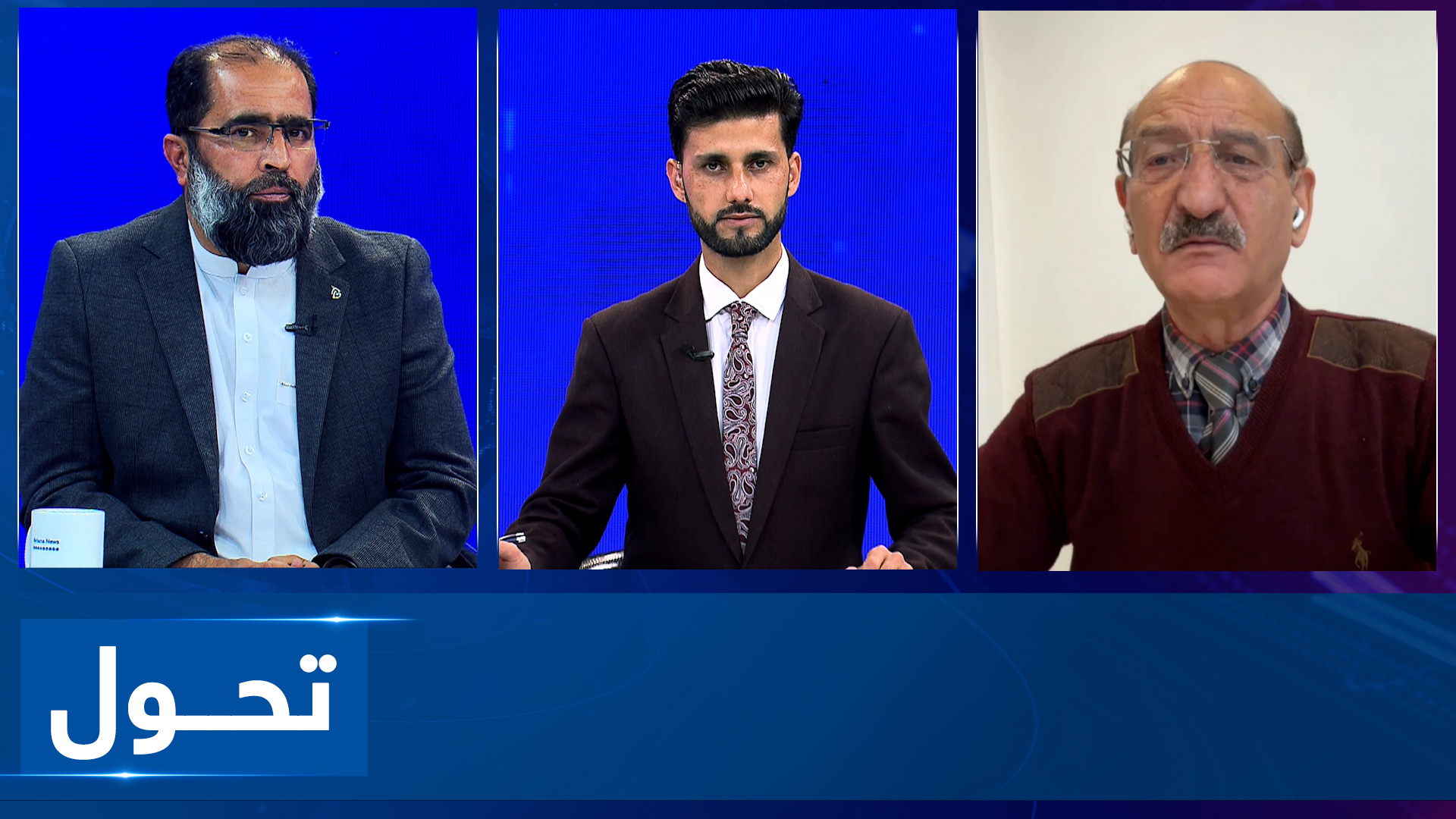
Tahawol: World Television Day discussed
Saar: Efforts to resolve Afghanistan-Pakistan tensions in Moscow reviewed
Tawsia: Afghanistan’s key economic highlights of the week discussed
Tahawol: Kazakhstan’s call for practical international engagement with Afghanistan
-
 Latest News4 days ago
Two Afghan nationals convicted over sexual assault of 14-year-old girl on UK train
-
 Sport4 days ago
Afghanistan suffer 9-2 defeat to Iran in Beach Soccer Asian Cup opener
-
 Business4 days ago
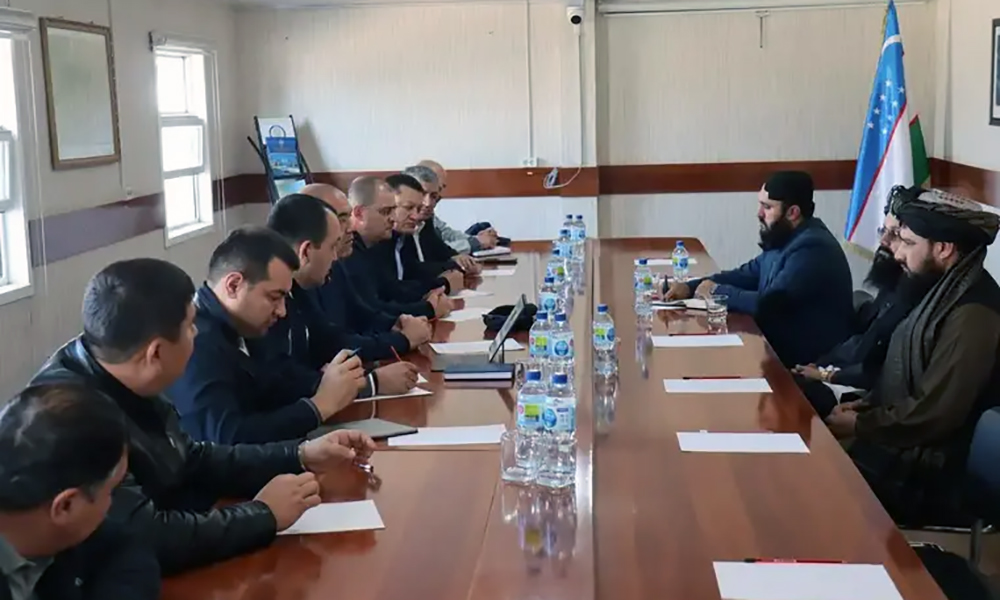
Afghanistan and Uzbekistan agree to expand railway cooperation and boost freight traffic
-
 Science & Technology4 days ago
North Korea shows off AI chatbot at IT exhibition
-
 Latest News4 days ago
Kazakhstan steps up efforts to support Afghanistan’s stability and economic recovery
-
 Latest News2 days ago
US judge questions Trump administration’s policies targeting refugees
-
 Latest News4 days ago
Sweden rejects asylum request of former Afghan ambassador, plans deportation to US: Le Monde
-
 Business3 days ago
Afghan and Indian traders sign $250 million trade agreements in New Delhi