
Business
Ministry of mines promises major investment in Sar-e Pul mines

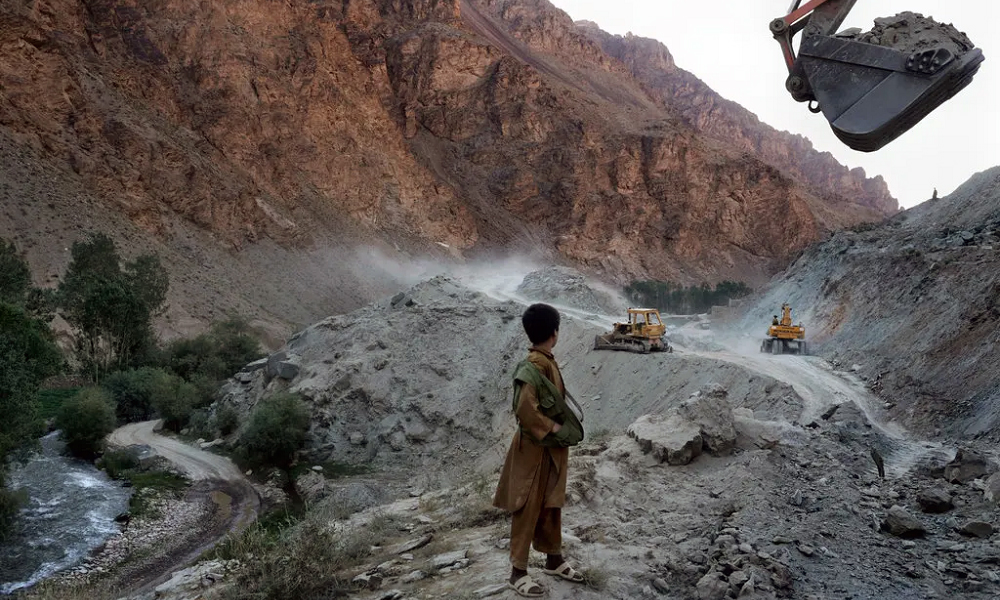
The Ministry of Mines and Petroleum (MoMP) says in the next seven months, about $148 million will be invested in extracting mines in Sar-e Pul province.
In a trip to the province on Thursday, Minister of Mines and Petroleum Shahabuddin Delawar said that the process of investing in Sar-e-Pul mines will begin soon.
Delawar has promised the residents of Sar-e Pul that practical work regarding development in this province will begin within the next seven months.
At the meeting, local authorities and residents of the province also presented their suggestions for the development of the province.
Speeding up the work of mining, recruiting educated young people in the mining process, and implementing construction projects from revenue obtained from the mines are among the most basic demands that were expressed at the meeting.
He also pledged that besides taking care of the basic needs of the people, priority will be given to employing professional youth in the province.
“So far, the vast works of this project have not started and those youths of this province who are professional will be employed,” said Delawar.
Sar-e Pul province in the north of the country, has coal mines and oil and is one of the wealthiest provinces in terms of untapped minerals.
Qashgari oil wells, which are in this province, are already operational.



Business
Afghanistan and Russia discuss expanding trade and investment ties
Both sides highlighted the importance of closer cooperation between the Afghan and Russian private sectors.
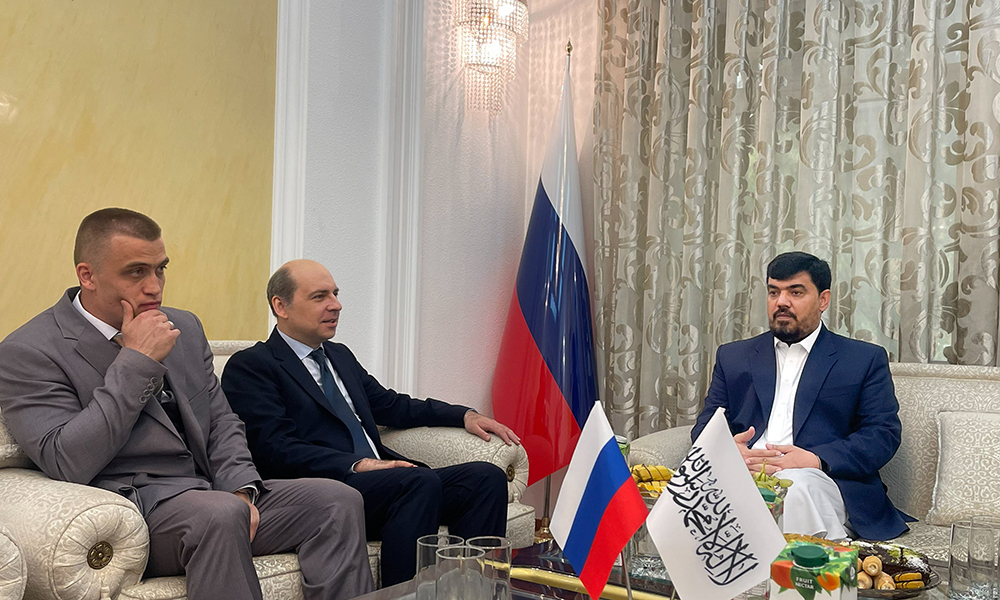
Afghanistan and Russia have discussed ways to strengthen bilateral trade, expand private-sector cooperation and attract new investment during a meeting in Kabul.
Inayatullah Sediqzi, Deputy Head of the Afghanistan Chamber of Commerce and Investment (ACCI) for Services, met with Russian Ambassador to Afghanistan Dmitry Zhirnov on the sidelines of an event marking Russia’s National Unity Day on Wednesday, November 4.
The event was hosted by the Russian Embassy in Kabul.
According to a statement from the ACCI, discussions focused on boosting economic relations, increasing bilateral trade and creating greater opportunities for businesspeople and investors from both countries.
Both sides highlighted the importance of closer cooperation between the Afghan and Russian private sectors, exploring new areas of economic partnership and establishing stronger direct links between their respective business communities.
The discussions reflect Afghanistan’s continued efforts to expand economic engagement with regional and international partners, with increased trade, private-sector development and foreign investment remaining key priorities.
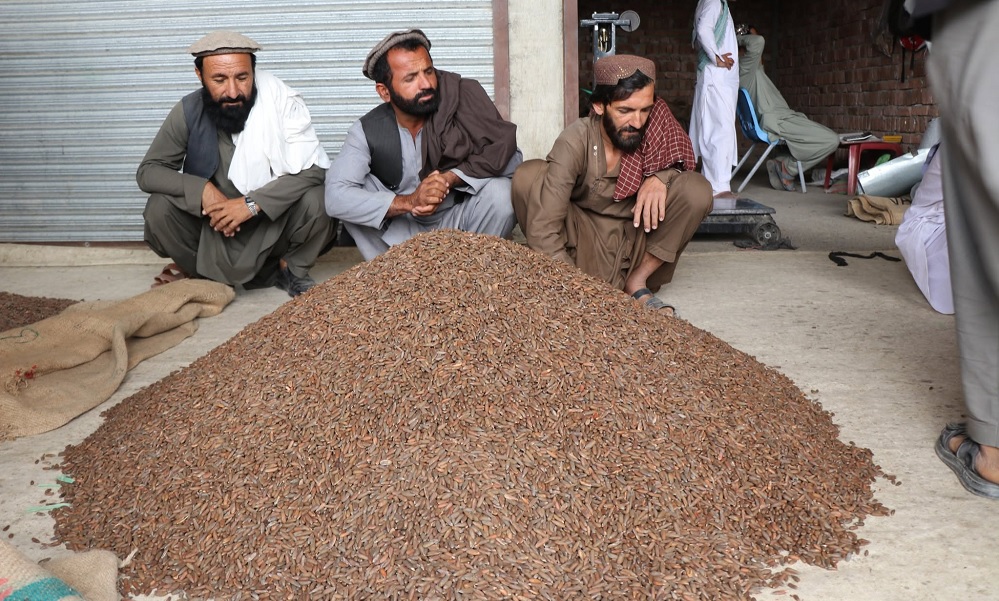
Afghanistan’s pine nut exports increased by 69 percent in the first seven months of the current solar year 1405 compared with the same period last year, reaching $72 million, the Afghanistan Chamber of Commerce and Investment (ACCI) says.
According to chamber officials, the value of pine nut exports stood at $42 million during the first seven months of last year. The product has been exported to European countries, India and, particularly, China.
Meanwhile, officials at the Ministry of Industry and Commerce say they have taken steps since the beginning of the year to expand pine nut exports and identify new markets for the product.
However, some economic experts say pine nuts are among Afghanistan’s key export products and that relevant government ministries, particularly the Ministry of Industry and Commerce, should strengthen efforts to promote the product and secure access to new markets.
Afghan pine nuts are also exported to China, India, the United Arab Emirates, Saudi Arabia, Pakistan, the United States, the United Kingdom, Italy, Germany, Australia, Turkey, Austria and Kuwait.
Experts emphasize that pine nut packaging should be improved to meet the requirements and standards of different international markets in order to further increase exports.
Business
US sanctions and blockade measures disrupt Iran’s trade with Afghanistan and regional neighbors
The effects have also extended beyond Iran’s borders, affecting regional trade routes and cross-border commerce with neighboring countries, including Afghanistan.
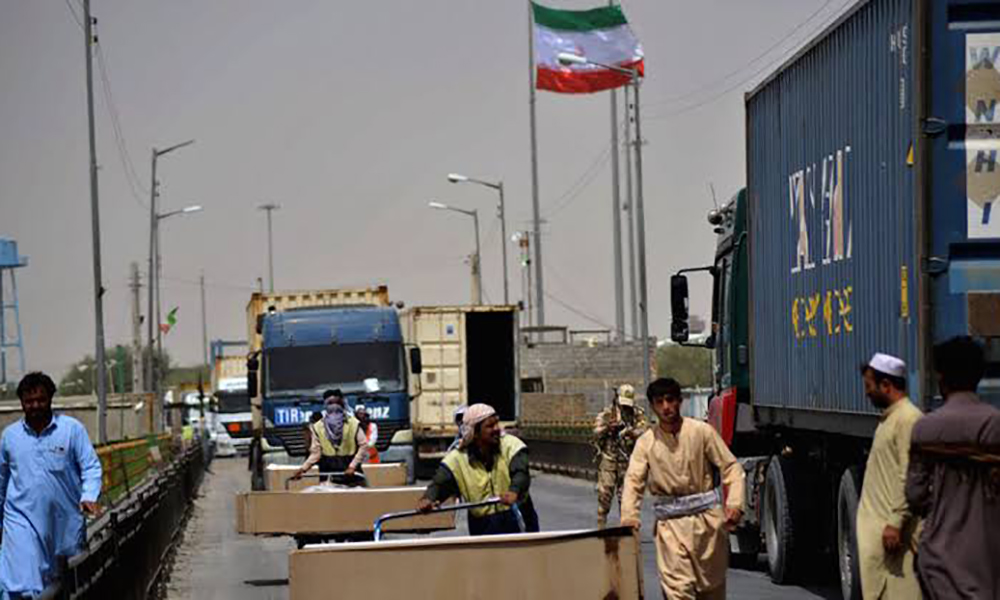
US naval blockade measures and economic sanctions against Iran are increasingly disrupting the country’s overland trade with Afghanistan and other regional neighbors, including Pakistan, Turkmenistan and Turkey, according to a US Treasury Department report cited by Axios.
The report said Washington aims to pressure Iranian officials into negotiations through economic restrictions and other measures targeting the country’s economy.
According to the Treasury Department, US sanctions and mounting economic pressure have significantly weakened Iran’s national currency, fueled inflation and disrupted commercial activities.
The effects have also extended beyond Iran’s borders, affecting regional trade routes and cross-border commerce with neighboring countries, including Afghanistan.
The developments have raised concerns over the potential economic impact on regional trade, particularly in countries that rely on commercial routes and trade links with Iran.


Brendan Taylor century puts Zimbabwe in control against Afghanistan on day one

El-Sayed’s historic victory opens a new chapter for Muslim Americans

Afghanistan U19 defeat Bangladesh by 113 runs in Asia Cup opener
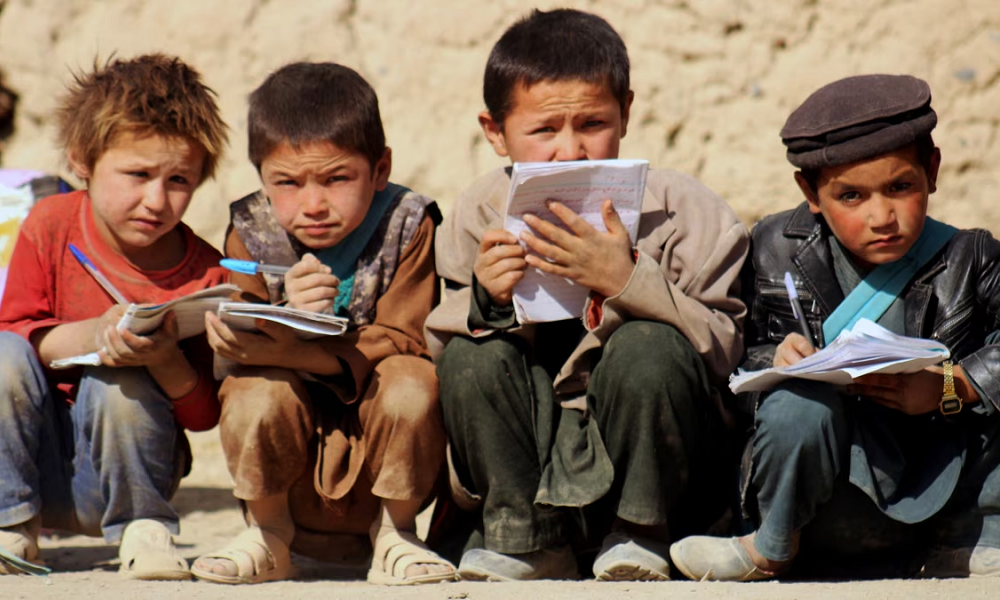
More than half of Afghan primary school-age children out of school: UN report

Cristiano Ronaldo announces international retirement

Afghanistan finish runners-up after 6-0 defeat to Brazil in futsal final

Trump says US will not attack Iran before midterm elections in November

Lionel Messi bids tearful farewell to Argentina after 3-0 win over Benin

Afghan futsal coach: Brazil tournament is first step towards new goals and World Cup

Trump says US may strike Iran’s ‘Pickaxe Mountain’ nuclear facility
El-Sayed’s historic victory opens a new chapter for Muslim Americans
Tahawol: Russia’s Moscow Format for Afghan issues discussed
Saar: Afghanistan’s second invitation to Global Climate Summit discussed

Democrat Abdul El-Sayed becomes first Muslim elected to US Senate

Tahawol: Iran hosts quadrilateral talks on Afghanistan discussed
-
 Sport4 days ago
Afghanistan crowned 2026 Hong Kong Sixes champions after beating Australia in final
-
 Sport3 days ago
Afghanistan futsal team thrash Panama 5-0 in flying start to Dakar Youth Olympics
-
 Sport3 days ago
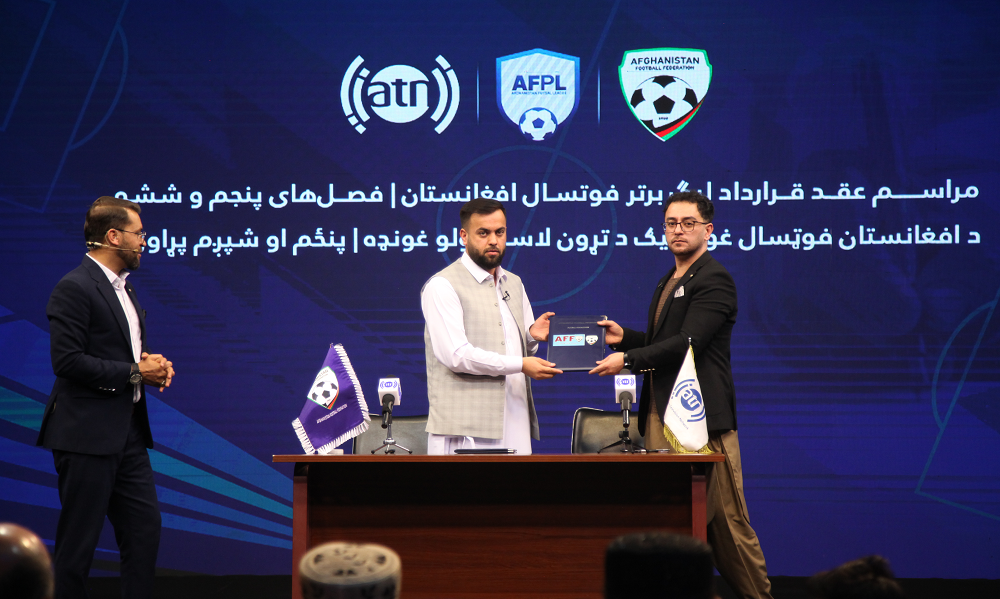
ATN signs deal to broadcast Afghanistan Futsal Premier League seasons 5 and 6
-
 Sport4 days ago
Afghanistan target T20I clean sweep against Zimbabwe in Sharjah
-
 World2 days ago
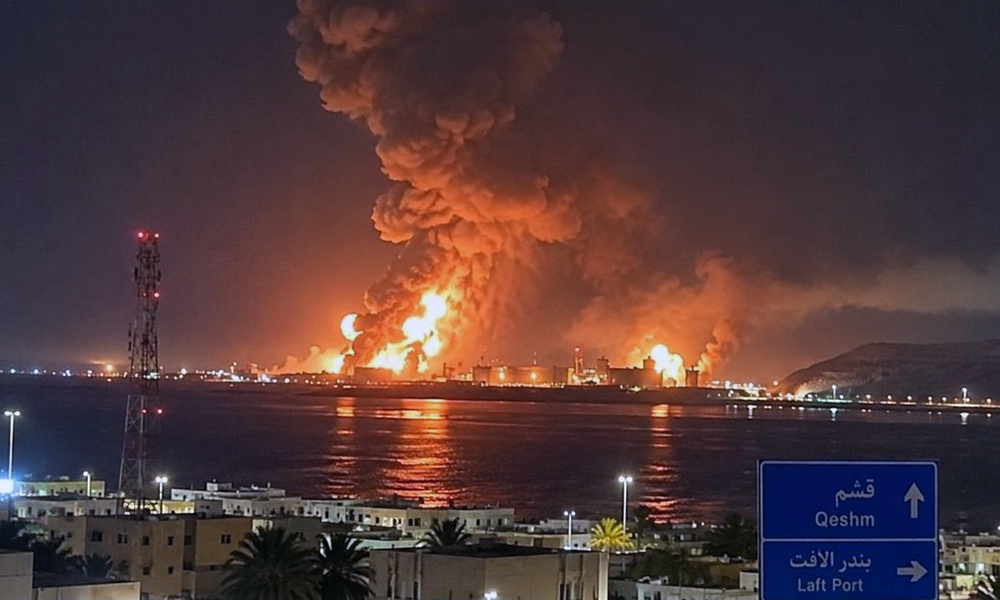
US carries out ‘defensive’ strikes on Iran’s Qeshm Island, officials say
-
 Sport5 days ago
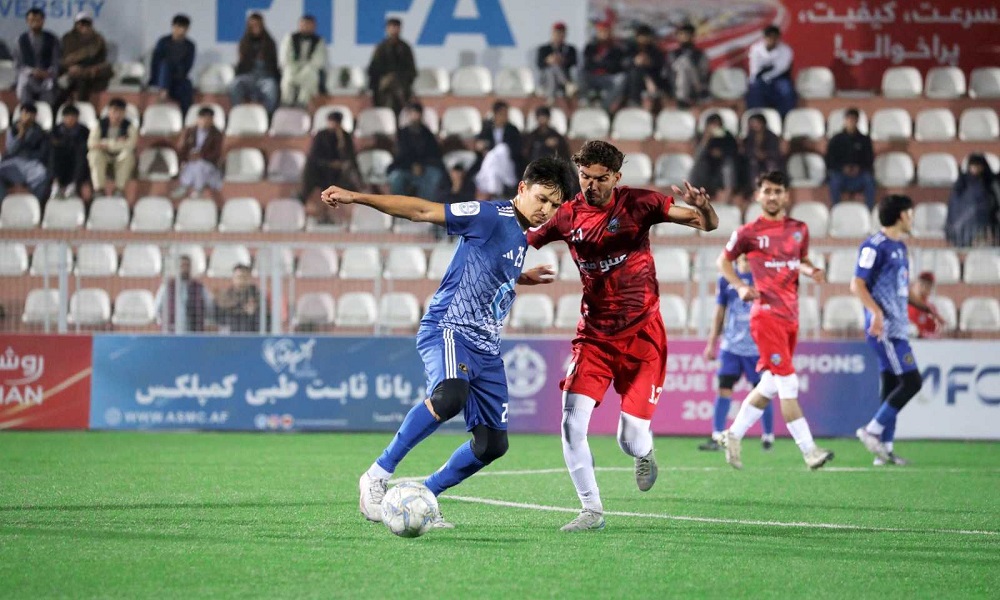
Arman FC fall 2–0 to Aino Mina in Afghanistan Champions League
-
 Latest News4 days ago
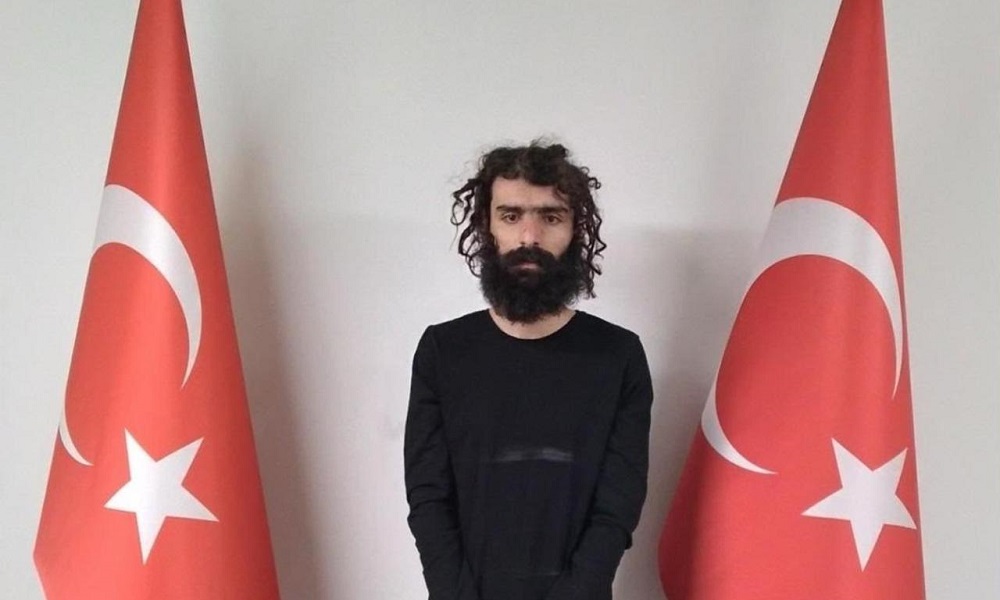
Turkish Daesh suspect Uğur Bahadır arrived at Islamabad airport, trained in Balochistan: sources
-
 Sport3 days ago
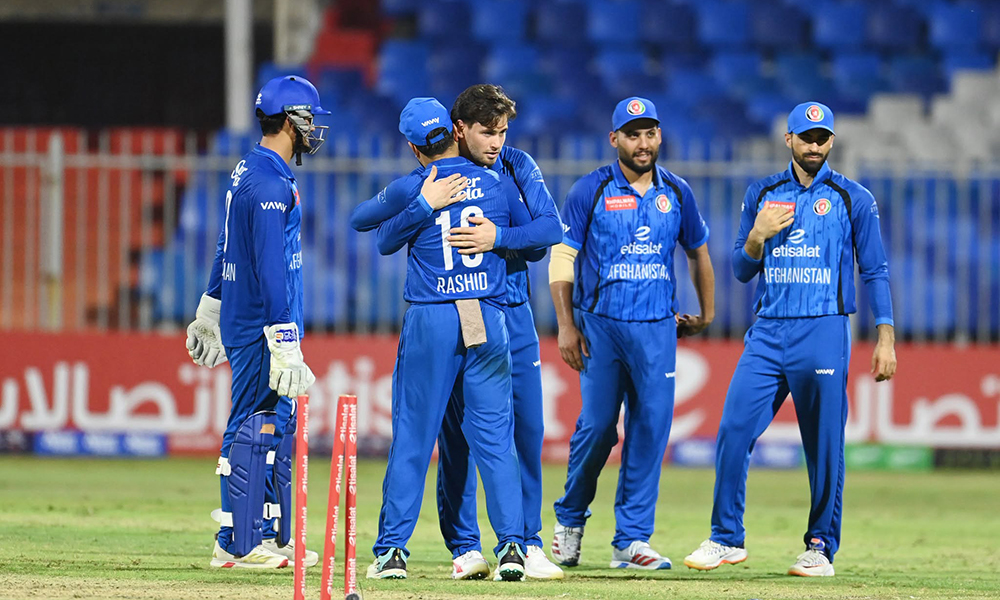
Afghanistan achieve their highest ICC Men’s ODI team ranking