
Latest News
Muttaqi, Lavrov discuss expanding Afghanistan-Russia ties
The two sides also discussed regional stability, counter-narcotics efforts and security issues, with Russia acknowledging Afghanistan’s efforts in these areas.

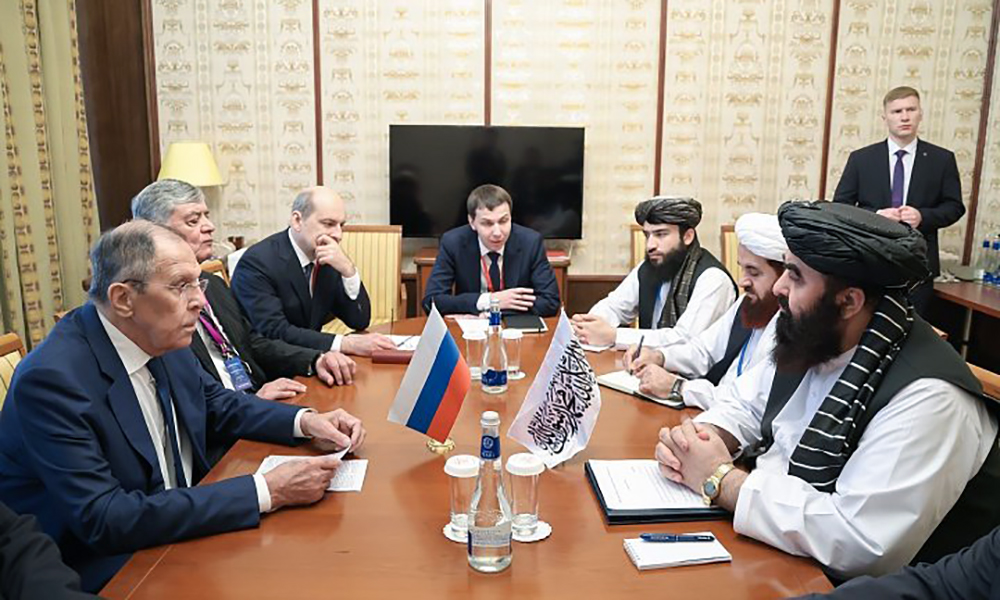
Afghanistan’s Foreign Minister Amir Khan Muttaqi met with Russian Foreign Minister Sergey Lavrov in Moscow to discuss bilateral relations, economic and trade cooperation, regional developments and continued political consultations.
According to Afghanistan’s Ministry of Foreign Affairs, Muttaqi called for deeper political understanding between the two countries and greater cooperation in trade, transit and economic affairs.
He stressed Afghanistan’s interest in developing long-term and mutually beneficial relations with Russia.
Lavrov emphasized the importance of continued political consultations and expressed Moscow’s interest in further expanding economic and trade ties with Afghanistan.
The two sides also discussed regional stability, counter-narcotics efforts and security issues, with Russia acknowledging Afghanistan’s efforts in these areas.

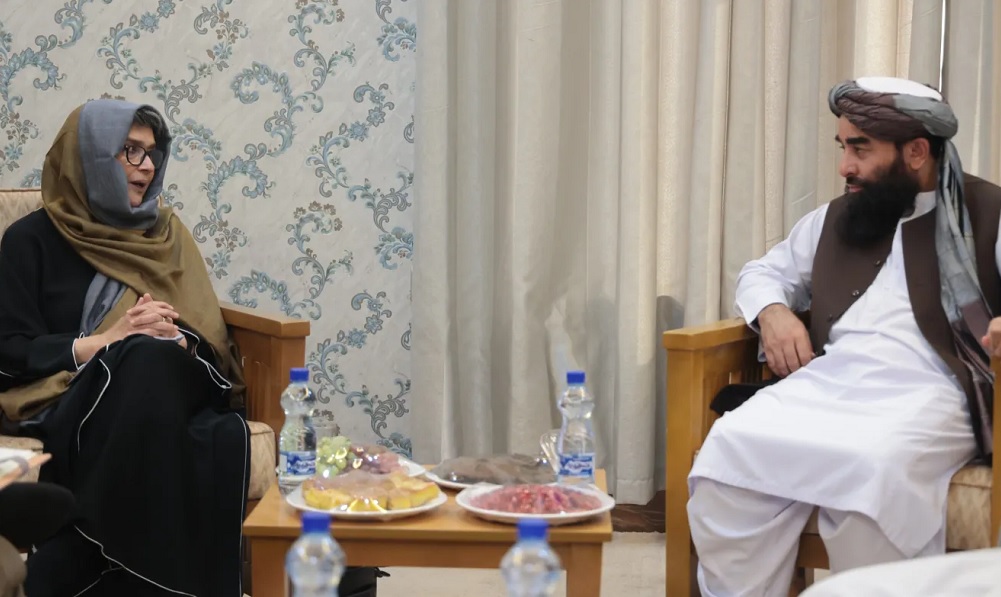
Rabab Fatima, the UN Secretary-General’s Special Representative for Afghanistan and head of UNAMA, has called for progress in Afghanistan’s political process, saying it would help advance efforts to address several issues facing the country.
Fatima made the remarks following her initial visits to Nangarhar, Bamyan and Kandahar, where she met government officials, women, community leaders, youth, business representatives, returnees and UN personnel.
She reaffirmed the United Nations’ commitment to working with the authorities, local communities and international partners to address humanitarian needs and pursue long-term solutions in areas including livelihoods, healthcare, education, climate resilience and private sector development.
“I also reiterated the UN’s hope and expectation that there will be progress in the political process, which will enable us to move forward on many of the issues that are before us,” Fatima said.
During her provincial visits, the UN envoy also highlighted the challenges facing communities, including large-scale returns, economic hardship, unemployment, climate-related pressures and limited access to essential services.

Former Afghan President Hamid Karzai has stressed that Afghanistan cannot achieve prosperity and development without ensuring children’s health and security and providing unrestricted access to education for both girls and boys.
In a message marking World Children’s Day on Thursday, November 20, Karzai said that, according to international organizations, nearly four million children in Afghanistan are at risk of severe malnutrition, while more than half of primary school-age children are deprived of education.
He described poverty and deprivation as exposing children to serious risks of malnutrition and illiteracy, warning that the situation threatens not only children’s well-being but also the security of families, society and the country’s future.
Karzai said World Children’s Day serves as a reminder of society’s responsibility to protect children’s basic rights and ensure their access to education, healthcare and security.
He emphasized that Afghanistan can overcome these challenges and move toward development and prosperity only if children’s health and security are guaranteed and the doors of education are opened without restrictions to all girls and boys.
Latest News
Geopolitical interests, not 9/11, drove US war in Afghanistan: Balkhi
He said the Islamic Emirate does not seek conflict with any country and wants Afghanistan’s independence and sovereignty to be respected.
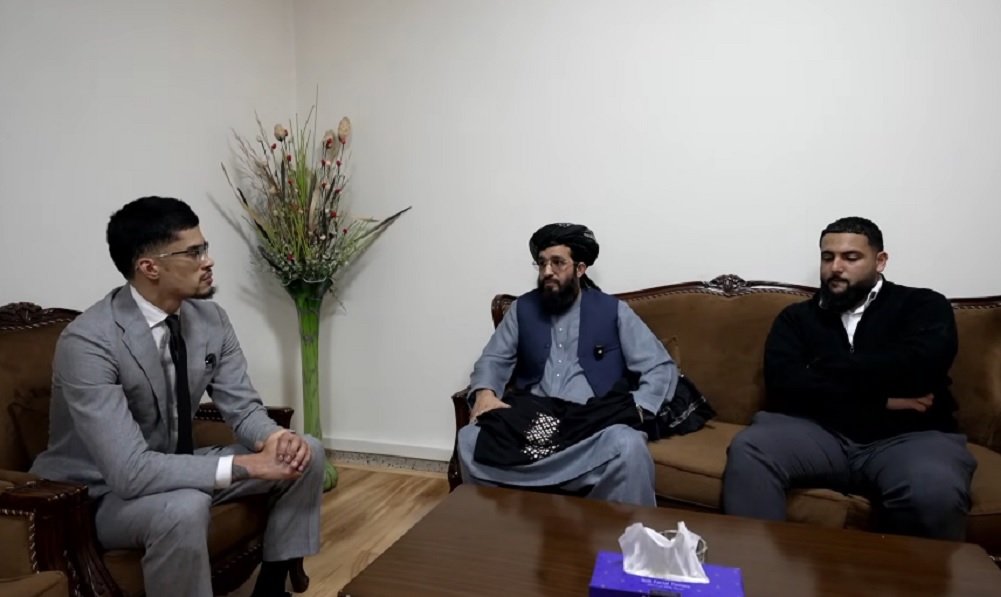
Abdul Qahar Balkhi, spokesperson for the Ministry of Foreign Affairs of the Islamic Emirate of Afghanistan (IEA), has said the US-led war in Afghanistan was not primarily driven by the September 11, 2001 attacks, but by broader geopolitical and strategic interests.
Speaking in an interview with American social media personality Sneako, Balkhi described the intervention as a geopolitical move, arguing that Afghanistan’s strategic location made it important to Washington following the collapse of the Soviet Union.
He said the United States, having emerged as the world’s sole superpower, sought to expand its global influence, while Afghanistan’s position between China, Russia, Central Asia, South Asia and Iran made it a strategic location for establishing a foothold in the region.
“Whatever the official justifications, that’s what the geopolitical reality of the time was,” Balkhi said, adding that the intervention was driven by the interests of the US establishment.
He also challenged what he described as one of the biggest misconceptions about the war: that it was fought in response to the 9/11 attacks.
Referring to conversations with former Marines, army officers and other Americans, Balkhi said some had come to believe they had been misled about the reasons for the intervention.
“[They said] we came to Afghanistan with the belief that you were responsible for 9/11. When we came here, saw the people and interacted with them, we understood that we had been fed lies and had fought on that basis. We regret what we did,” he said.
Balkhi rejected the suggestion that Afghanistan posed a threat to US territory or intended to take over other countries, saying the war had devastating consequences for Afghans, particularly in rural areas where villages were destroyed and many people lost their lives and property.
He said the US intervention had also damaged Washington’s reputation among Afghans, who had previously viewed the United States as a country supporting development and infrastructure.
Balkhi said Afghanistan’s priority now is economic reconstruction, development and maintaining peace at home and with neighboring countries. He called on Afghans living abroad to return and contribute to rebuilding the country, saying the primary responsibility for Afghanistan’s reconstruction rests with Afghans themselves.
He said the Islamic Emirate does not seek conflict with any country and wants Afghanistan’s independence and sovereignty to be respected.
“We do not seek animosity with anyone. We do not want to fight wars with anyone,” Balkhi said, adding that Afghans should be able to determine their own future and pursue development without outside interference.
Balkhi also warned about growing ideological and military polarization around the world. He pointed to the resurgence of far-right and ethnocentric ideologies, as well as anti-immigrant and anti-Muslim sentiment in parts of Europe and North America, saying these trends could contribute to rising tensions.
He added that such tensions could lead to higher prices, declining living standards and deeper social divisions, potentially putting even stable countries at risk of internal conflict.
Balkhi said that after decades of war, Afghanistan wants to stay away from further conflicts and focus instead on development and peaceful relations with the rest of the world.

UNAMA chief calls for progress in Afghanistan’s political process
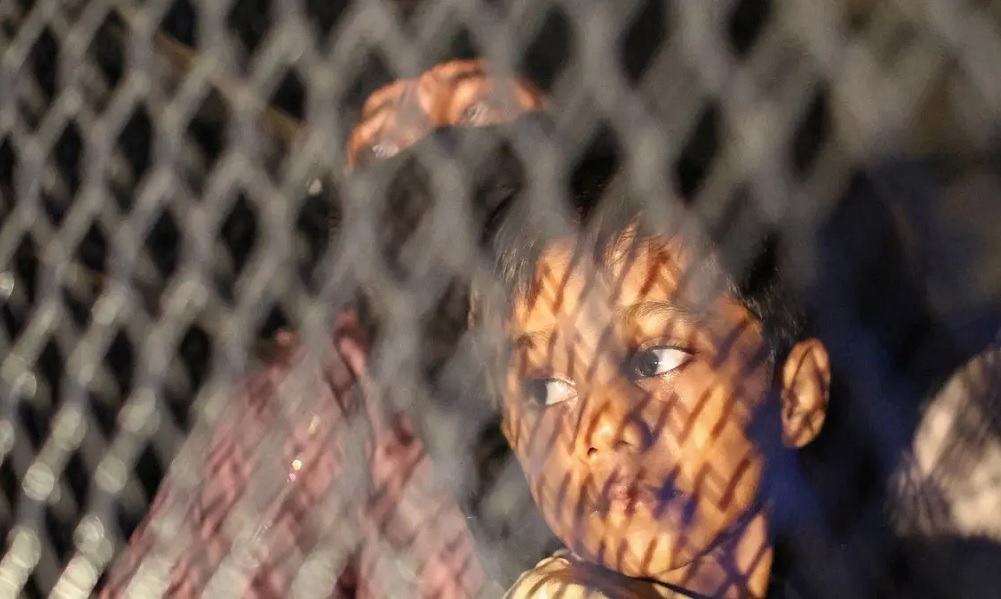
Malaysia says it will resettle 10,000 Rohingya refugees in Turkey

Afghanistan cannot prosper without girls’ education: Karzai
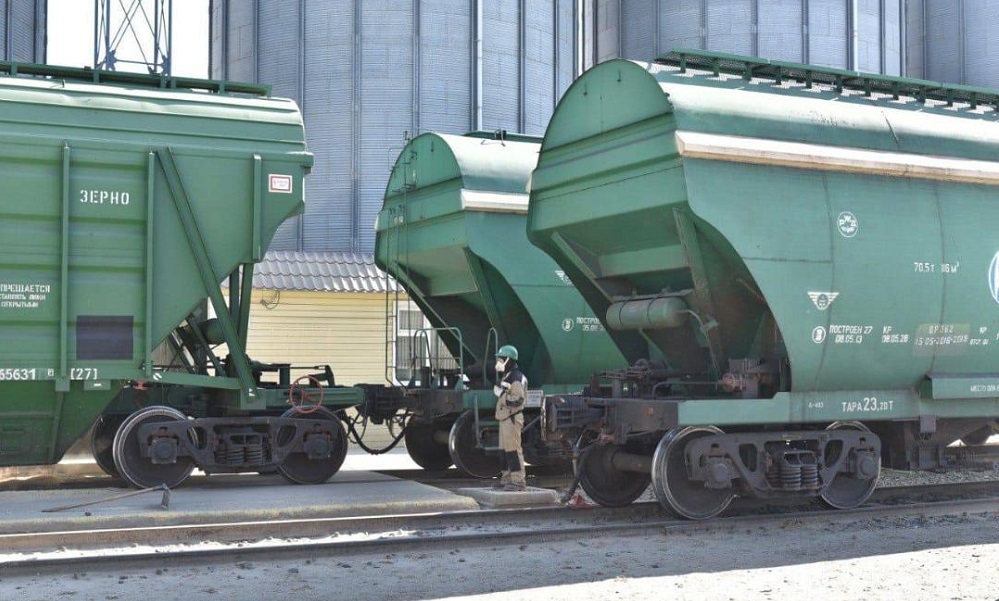
Kazakhstan increases grain exports to Afghanistan by 1.6 times
Geopolitical interests, not 9/11, drove US war in Afghanistan: Balkhi

Governments take websites offline as critical cyber flaws trigger global alert

Afghanistan’s new Wakhan road to China faces major hurdles
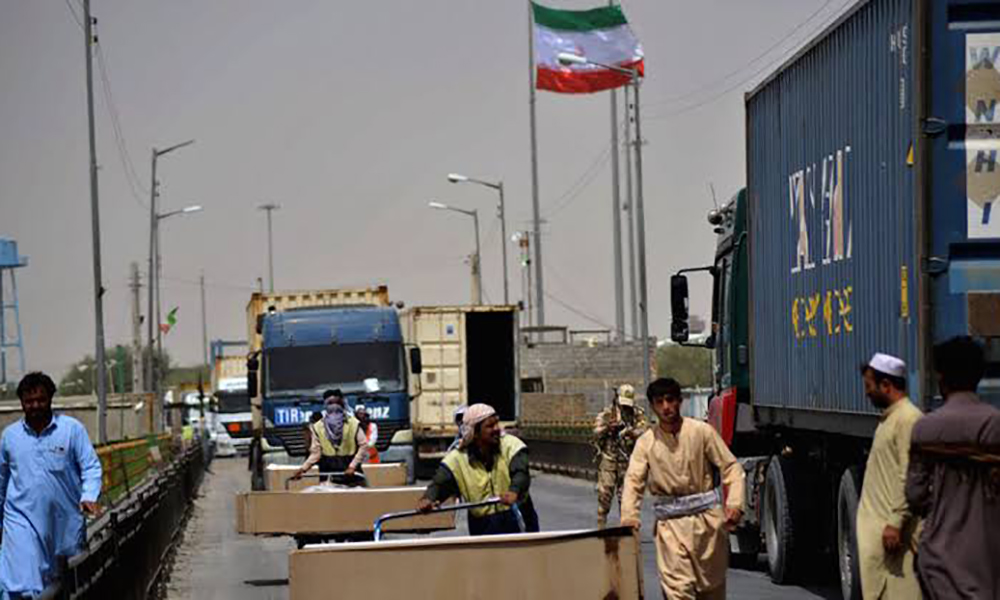
US sanctions and blockade measures disrupt Iran’s trade with Afghanistan and regional neighbors

Pakistan exporters suffer billions in losses as Afghanistan trade halt continues
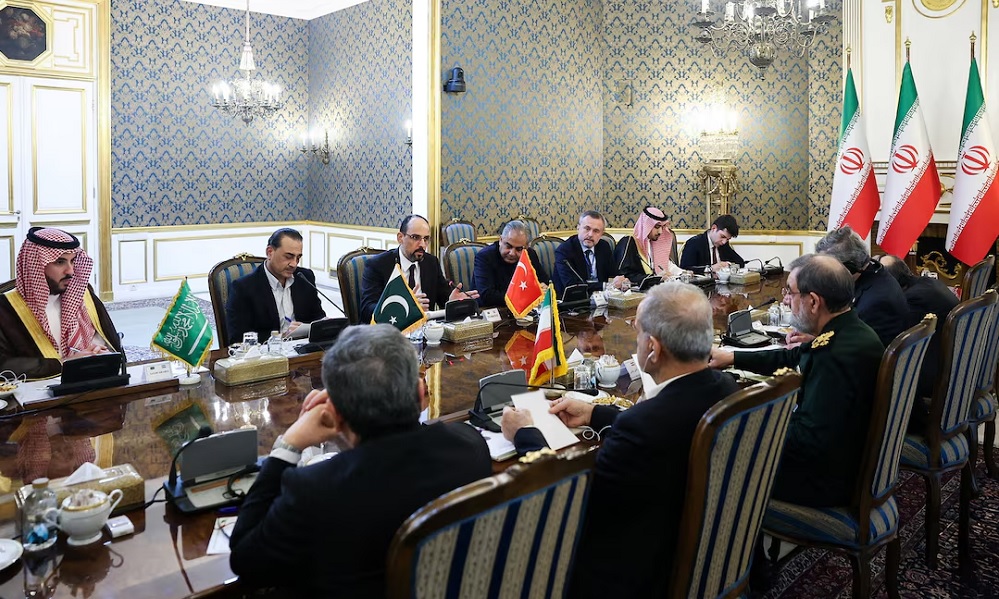
Saudi defence pact countries push for peace in Tehran as Houthis launch more attacks
Tahawol: Kazakhstan’s call for practical international engagement with Afghanistan
Saar: Afghanistan and UN: 80 years of diplomatic relations discussed
Tahawol: Qatar-UK consultations on Afghanistan discussed
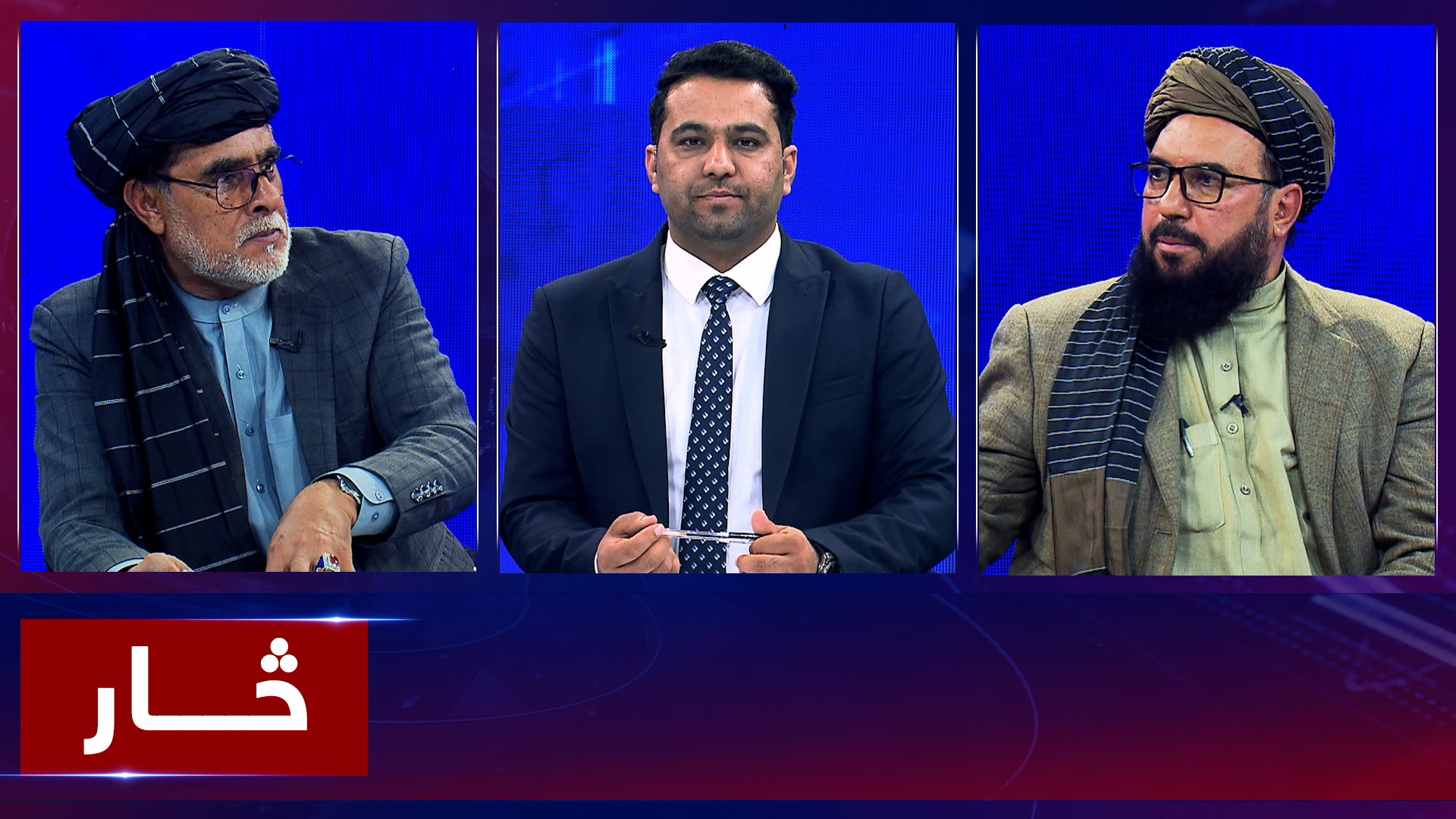
Saar: Efforts to deliver urgent humanitarian aid to needy Afghans
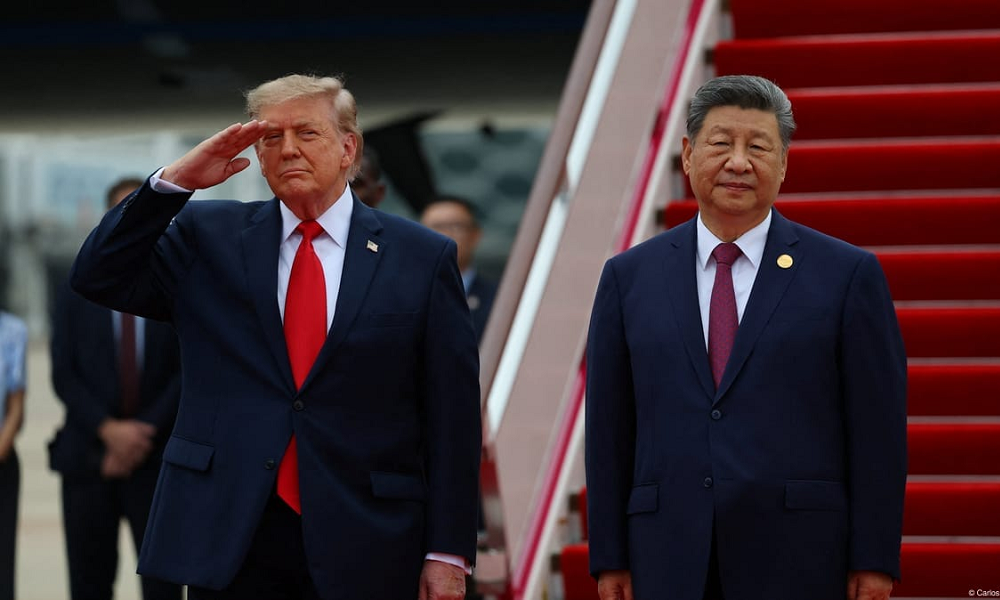
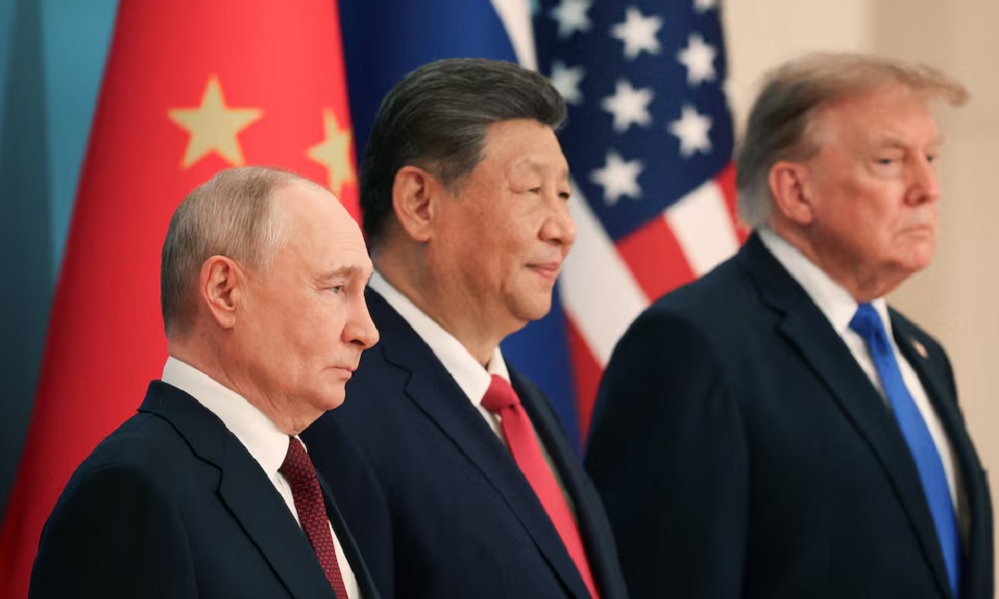
Xi welcomes Trump to China ahead of highly anticipated summit with Putin
-
 Sport5 days ago
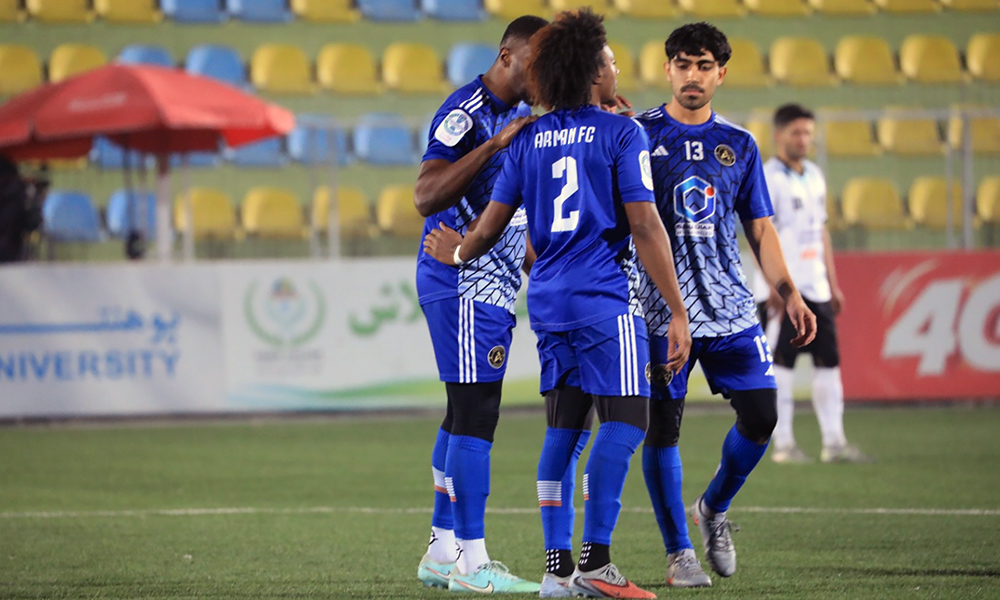
Arman FC cruise to 5-0 victory over Istiqlal Kabul in ACL match
-
 Latest News5 days ago
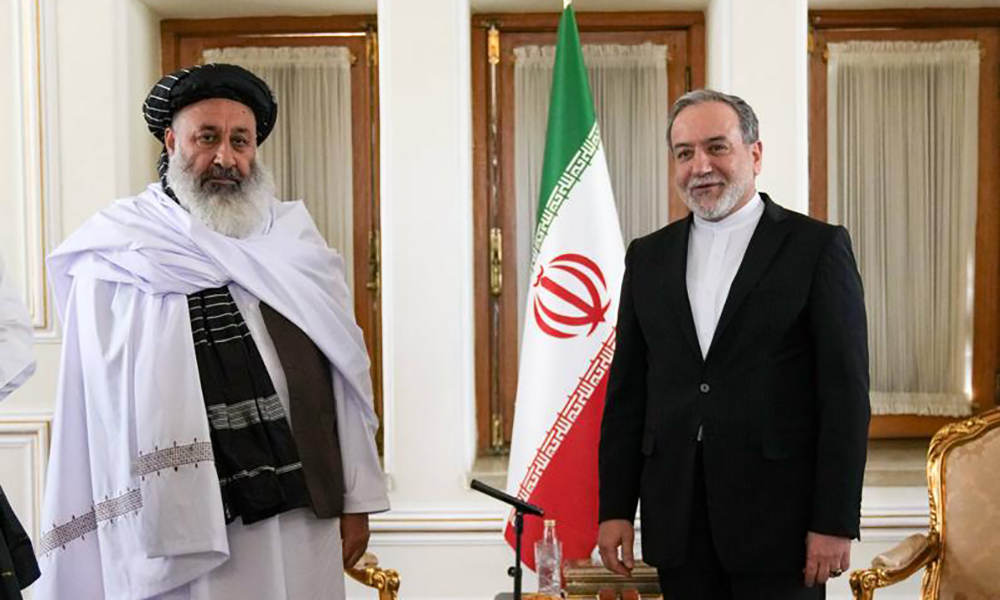
Afghanistan and Iran agree to expand trade cooperation and upgrade border infrastructure
-
 Sport4 days ago
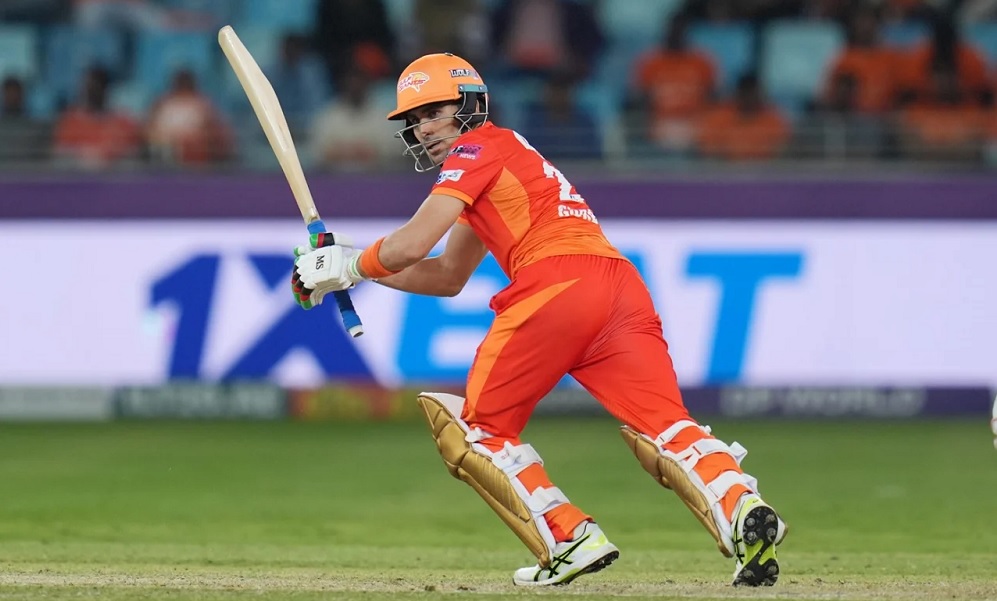
25 Afghan cricketers secure contracts for ILT20 Season 5
-
 Sport2 days ago
ATN to broadcast AFC Awards honoring Asia’s football stars
-
 Latest News5 days ago
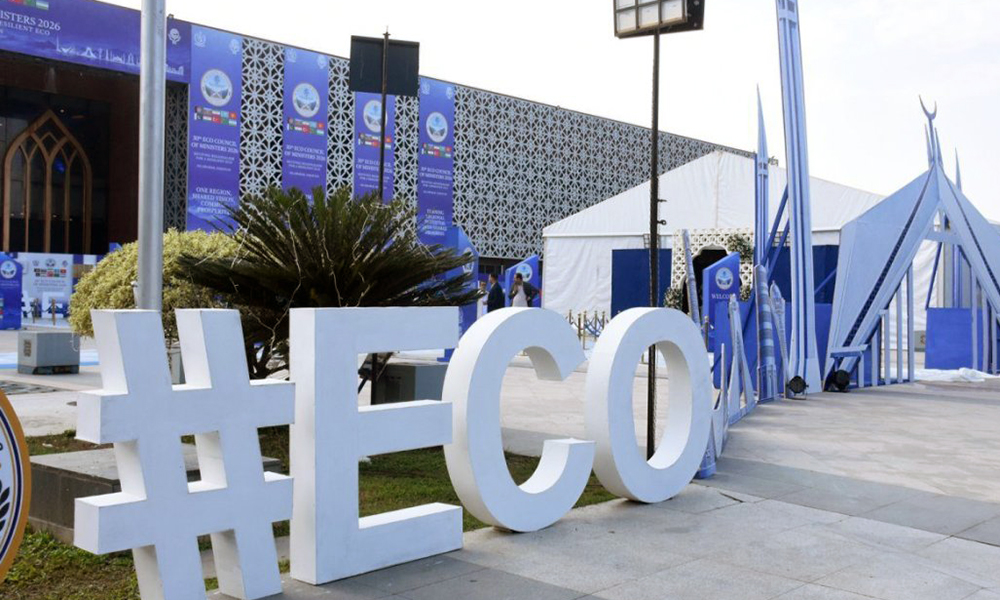
Afghanistan’s absence from ECO foreign ministers’ meeting raises questions
-
 Tahawol5 days ago
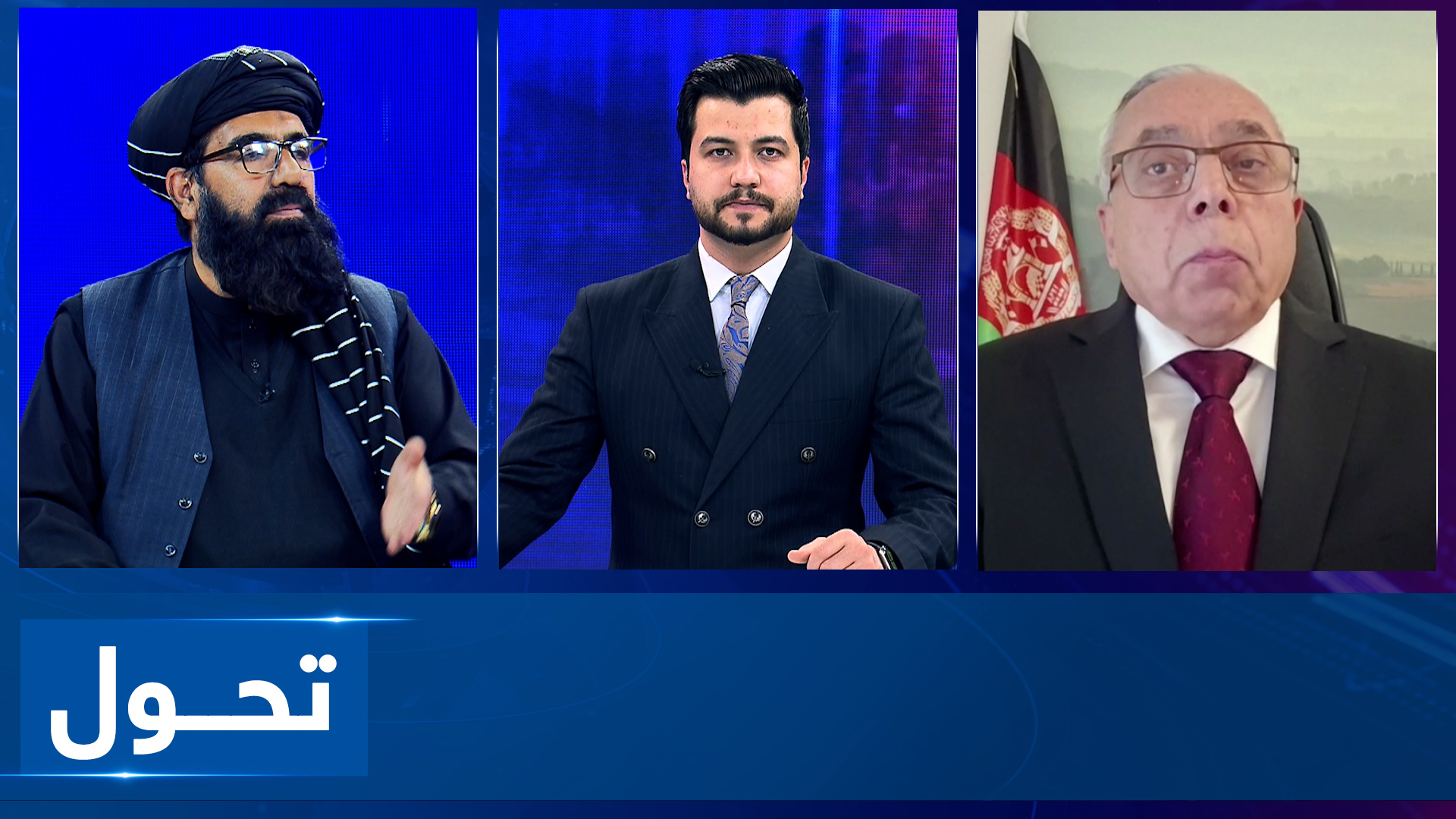
Tahawol: UK seeks to ease Kabul–Islamabad tensions
-
 Sport4 days ago
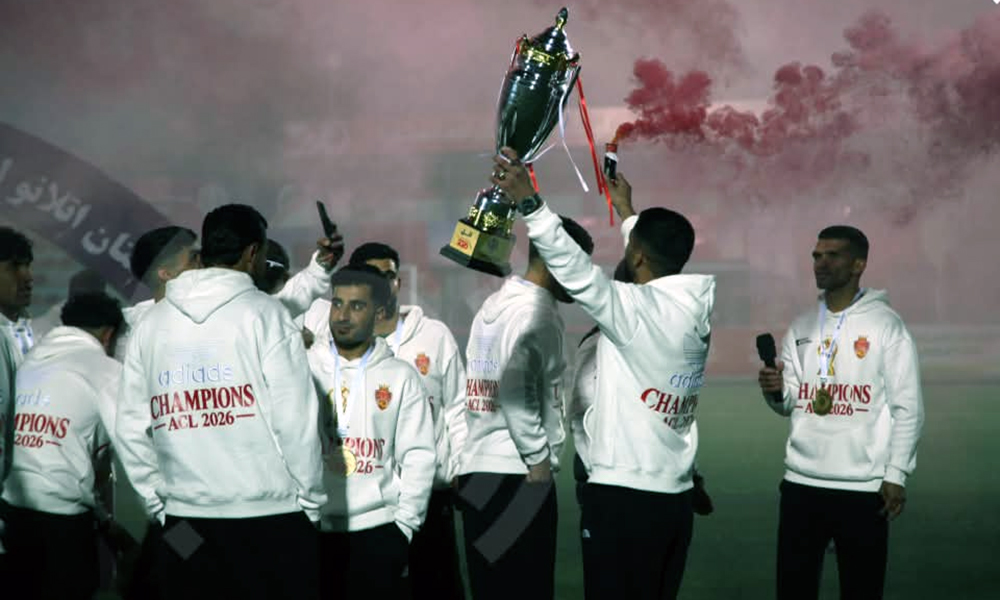
Sorkh Poshan Khafi crowned ACL champions after unbeaten campaign
-
 Business4 days ago
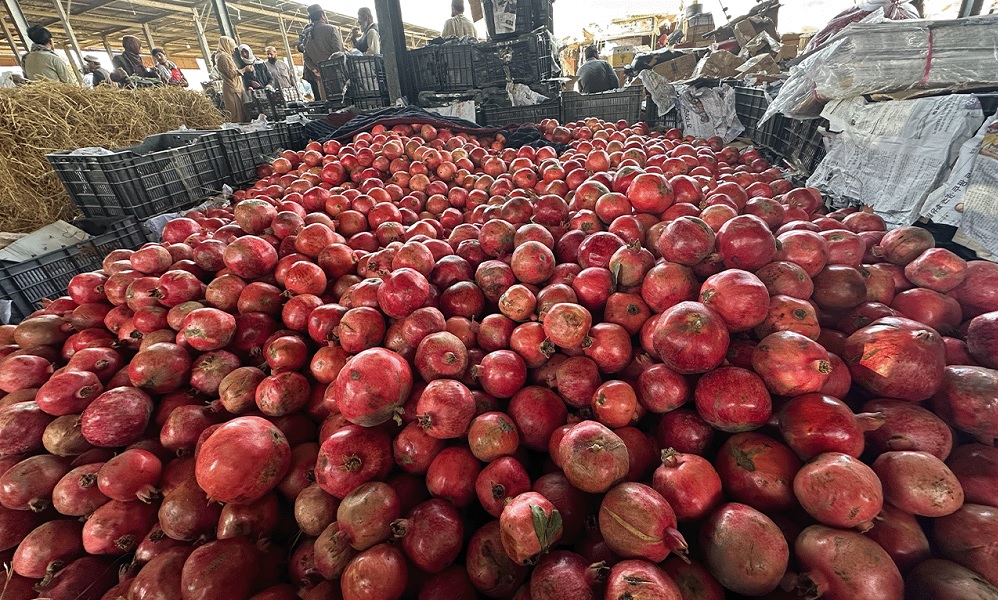
Pomegranate prices double in Pakistan amid suspension of Afghan trade