
World
Trump warns Iran of possible strike, urges Hamas to disarm after meeting Netanyahu
Israel has indicated that if Hamas is not disarmed peacefully, it will resume military action to make it do so.

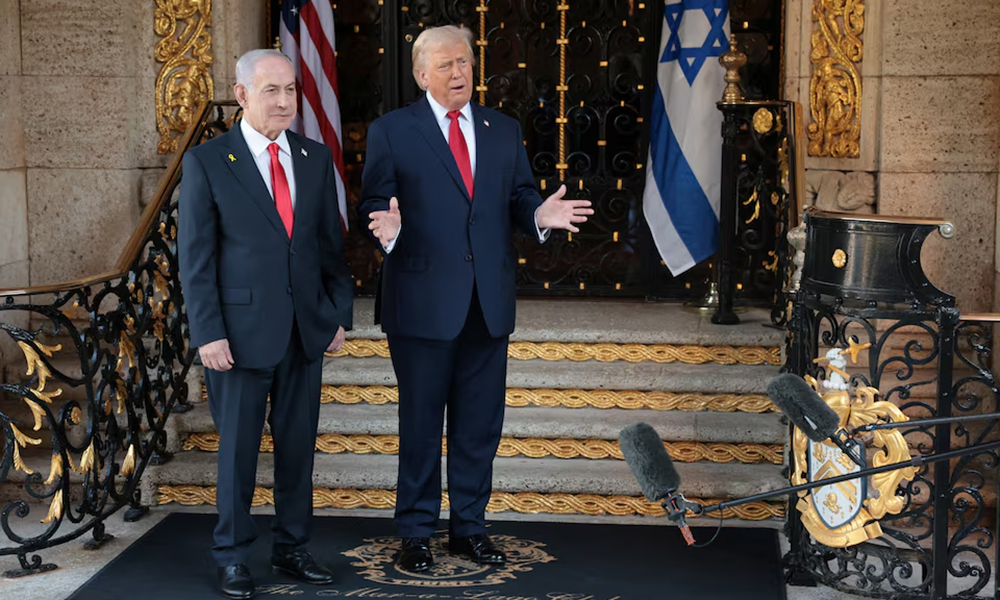
U.S. President Donald Trump said on Monday the United States could support another major strike on Iran were it to resume rebuilding its ballistic missile or nuclear weapons programs and warned Hamas of severe consequences if it does not disarm, Reuters reported.
Speaking beside Israeli Prime Minister Benjamin Netanyahu following a meeting at his Mar-a-Lago estate in Florida, Trump suggested Tehran may be working to restore its weapons programs after a massive U.S. strike in June.
“I’ve been reading that they’re building up weapons and other things, and if they are, they’re not using the sites we obliterated, but possibly different sites,” Trump told reporters during a press conference.
“We know exactly where they’re going, what they’re doing, and I hope they’re not doing it because we don’t want to waste fuel on a B-2,” he added, referring to the bomber used in the earlier strike. “It’s a 37-hour trip both ways. I don’t want to waste a lot of fuel.”
Trump, who has broached a potential nuclear deal with Tehran in recent months, said his talks with Netanyahu focused on advancing the fragile Gaza peace deal he brokered and addressing Israeli concerns over Iran and over Hezbollah in Lebanon.
Iran, which fought a 12-day war with Israel in June, said last week that it had conducted missile exercises for the second time this month.
Netanyahu said last week that Israel was not seeking a confrontation with Iran, but was aware of the reports, and said he would raise Tehran’s activities with Trump, read the report.
Trump said he wanted to move to the second phase of the ceasefire deal between Israel and the Palestinian militant group Hamas reached in October after two years of fighting in Gaza, a progression that entails international peacekeeping forces deployed in the Palestinian enclave.
Israel and Hamas accuse each other of major breaches of the deal and look no closer to accepting the much more difficult steps envisaged for the next phase. Hamas, which has refused to disarm, has been reasserting its control as Israeli troops remain entrenched in about half the territory.
Israel has indicated that if Hamas is not disarmed peacefully, it will resume military action to make it do so.
During his Monday comments, Trump heaped the blame on the militant group for not disarming more promptly, arguing that Israel had lived up to its side of the deal and warning that Hamas was inviting grave consequences, Reuters reported.
“There will be hell to pay,” Trump warned when asked what he will do if Hamas does not lay down its arms. He has made similar statements at previous intervals during the fighting.
Netanyahu said this month that Trump had invited him for the talks, as Washington pushes to establish transitional governance for the Palestinian enclave amid Israeli reluctance to move forward.
The deployment of the international security force was mandated by a November 17 U.N. Security Council resolution.
While Washington has brokered three ceasefires involving its longtime ally – between Israel and Hamas, Israel and Iran, and Israel and Lebanon – Netanyahu is wary of Israel’s foes rebuilding their forces after they were considerably weakened in multiple wars.
Overall, Trump’s comments suggested he remains firmly in Netanyahu’s camp, even as some aides have privately questioned the Israeli leader’s commitment to the Gaza ceasefire. His comments also suggested he is willing to risk additional hostilities related to Gaza and Iran, even as Trump has taken credit for resolving Israel’s wars in both places.
Trump struck a warm tone as he greeted Netanyahu before their meeting, going so far as to say that Israeli President Isaac Herzog had told him he planned to pardon Netanyahu of corruption-related charges – a conversation Herzog’s office immediately denied took place.
Netanyahu reciprocated, telling reporters after the meeting that he was gifting Trump the country’s Israel Prize, which he said has historically been reserved for Israelis.
Trump’s plan to end the Gaza war ultimately calls for Israel to withdraw from the Palestinian territory and Hamas to give up its weapons and forgo a governing role.
The first phase of the ceasefire included a partial Israeli withdrawal, an increase in aid and the exchange of hostages for Palestinian detainees and prisoners.
An Israeli official in Netanyahu’s circle said that the prime minister would demand that the first phase of the ceasefire be completed by Hamas returning the remains of the last Israeli hostage left in Gaza, before moving ahead to the next stages. The family of the deceased hostage, Ran Gvili, joined the prime minister’s visiting entourage.
Israel has yet to open the Rafah crossing between Gaza and Egypt, also a condition of Trump’s plan, saying it will only do so once Gvili’s remains are returned.
Trump said that he and Netanyahu did not agree fully on the issue of the Israeli-occupied West Bank but the Republican leader did not lay out what the disagreement was.
Before the meeting, Trump told reporters he would talk to Netanyahu about the possibility of stationing Turkish peacekeepers in Gaza. That is a fraught subject – while Trump has frequently praised Turkish President Tayyip Erdogan, Israel and Turkey have a much more circumspect relationship, read the report.
While the fighting in Gaza has abated, it has not stopped entirely. Although the ceasefire officially began in October, Israeli strikes have killed more than 400 Palestinians — most of them civilians, according to Gaza health officials — and Palestinian militants have killed three Israeli soldiers.
Netanyahu said on Monday that Israel was keen to ensure a peaceful border with Syria, and Trump said he was sure Israel would get along with President Ahmed al-Sharaa, who took power after longtime strongman Bashar al-Assad was deposed last year.
But Israel has been suspicious of the new leader, who was once a member of al-Qaeda, going so far as to bomb government buildings in Damascus this July.





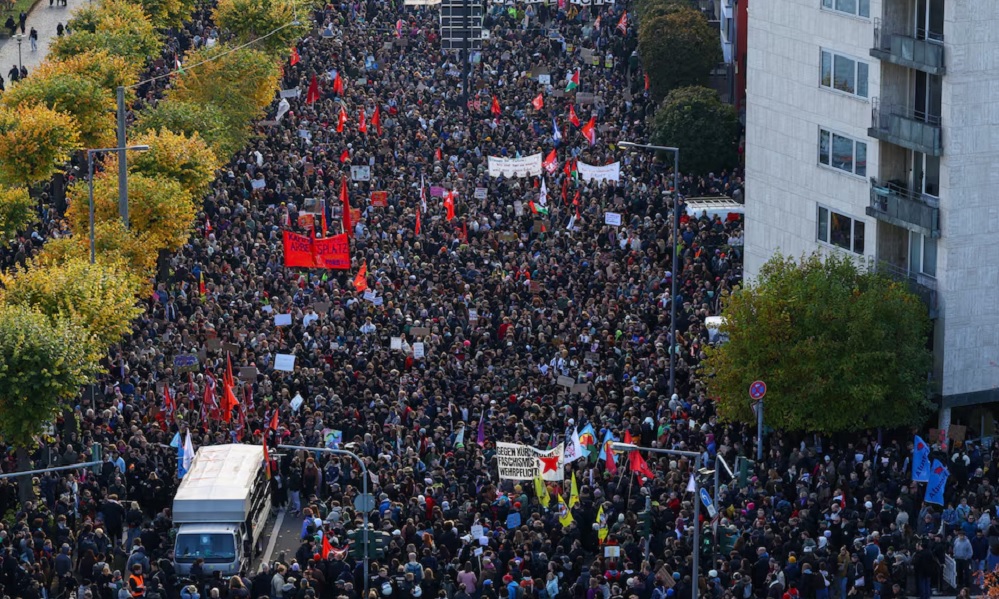
Hooded rioters looted stores in Frankfurt late on Saturday after tens of thousands of demonstrators took to the streets across Germany’s biggest cities to demand better education and lower living costs.
The protests followed a wave of Gen Z-led demonstrations across Europe this year. In Serbia, student-led activism helped unseat the country’s longtime leader at the ballot box, while protests in France have descended into rioting and looting, Reuters reported.
The German protests organised by the campaign group “Gen Z regelt” — “Gen Z takes charge” in German — took place in 34 cities including Berlin, Frankfurt and Munich. The group says it opposes compulsory military service and wants greater investment in education as many young Germans struggle with rising costs.
In Frankfurt, Germany’s financial hub, at least two stores were looted as protests turned violent, with several more damaged and police trying to get the situation under control, according to a Reuters witness.
“Violent disturbances are continuing,” Frankfurt police said on X. “In the city centre, windows have been smashed at several shops. Molotov cocktails are also being thrown at the emergency services. We urge all bystanders to avoid the city centre or to leave the area.”
Official numbers on Saturday afternoon suggested turnout was below the 182,000 participants that organisers initially expected. Police in Frankfurt, Munich and Berlin reported as many as 18,000 protesters, half the roughly 36,000 on the organisers’ website.
German authorities said Saturday’s demonstrations, which coincide with Halloween festivities, had been largely peaceful, but warned of attempts by extremist groups to exploit the movement.
In Hamburg, some barricades had been set on fire.
“We are here today to fight for peace and freedom, rather than for war and coercion,” Gen Z regelt spokesperson Lina Friedrich said in Berlin on Saturday.
“What matters most to us is better support for the health and education systems. We are against compulsory military service and we are in favour of a fairer distribution of the burden.”
LUXURY SHOPS BOARD UP WINDOWS
Parts of Germany’s far-left extremist scene and some groups linked to foreign extremist movements have joined efforts to mobilise support, according to the federal interior ministry.
“We all have those images from France in our minds — looting, burning houses, burning police vehicles, and attacks on police officers,” said Roman Poseck, interior minister for the state of Hesse, whose capital is Germany’s financial hub, Frankfurt.
“France must not be held up as a model in this regard.”
Some businesses across German cities boarded up windows and planned early closures ahead of the demonstrations due to concerns over possible unrest, including along Berlin’s luxury Kurfuerstendamm shopping boulevard.
Organisers have focused on what they see as the growing pressure on younger generations in Europe’s largest economy.
“The government has offered no response to our concerns other than to continue making cuts and piling further burdens upon us,” said Steve, an 18-year-old due to speak at a rally in Munich, addressing Chancellor Friedrich Merz.
“We will continue to exercise our fundamental right to assemble until you stop ignoring us.”
Germany has struggled to revive economic growth. The country also faces growing pressure on pensions and public services as baby boomers retire and the working-age population shrinks.
Questions have been raised about who is driving the campaign and whether it is genuinely youth-led, given the broad mix of political and civil society groups involved.
Germany’s national school student umbrella organisation, BSK, has distanced itself from the initiative and plans to hold a separate day of protest on November 20.
Sean Baker, a student at the Technical University of Berlin, said he would join the protests on Saturday to call attention to the poor state of buildings on campus.
“When you go inside and enter the rooms, it looks like an abandoned building,” he told Reuters. “Yet this is where we’re expected to study on a regular basis.”
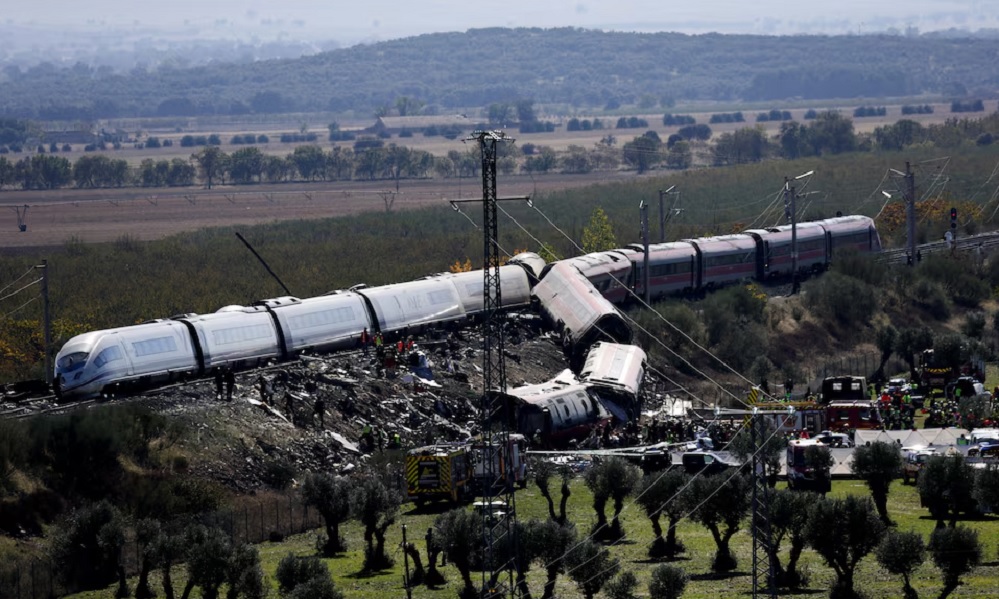
At least 68 people died when a Spanish high-speed express slammed into a stationary train on Wednesday, with rescuers scouring mangled carriages for more bodies after Spain’s second fatal rail crash this year and Europe’s deadliest since 2013.
Prime Minister Pedro Sanchez said “all of Spain” was in mourning after the collision, which the transport minister said happened after a Renfe service was authorised to proceed despite an active red signal due to a stationary train ahead, Reuters reported.
Oscar Puente told reporters in Madrid that the red signal was issued due to a computer communications failure, which automatically stopped traffic, but an erroneous decision was then taken to restart the Renfe train.
Sanchez said in a televised address from near the site south of Madrid that the “terrible tragedy” would be investigated and vowed to address any failures that came to light, adding that the causes of the two crashes appeared to be unrelated.
“If we need to further strengthen safety in order to rebuild confidence in our high-speed rail system, we will do so, because what is unacceptable for a country like Spain is to suffer two high-speed rail accidents in the same year,” Sanchez said.
Spain’s opposition People’s Party said it had cancelled all campaign events for the day, ahead of elections next month.
TRAPPED AMONG SEATS
At the scene in rural Castilla-La Mancha, ambulances, funeral home vans and helicopters assembled beside one of the trains on an elevated stretch of track, while twisted metal and wreckage lay scattered down an embankment where at least three carriages had plunged.
The head of the regional government, Emiliano García-Page, said the death toll had risen to 68, while rescuers searching for other victims as darkness fell did not know if other fatalities would be discovered once the carriages were moved.
Passengers, some splattered with blood or bandaged, were evacuated along a nearby road after the crash, which Spain’s health minister, Monica Garcia, said had injured 80 people, 15 of them very seriously.
Salvador Arriza described the chaos in his carriage.
“I was very close to the door, but (other passengers) were breaking the windows to be able to get out. Some people practically couldn’t move because they were trapped amongst the seats,” said the 62-year-old.
INVESTIGATION UNDER WAY
The disaster, the deadliest train accident in Europe since a 2013 derailment in Spain’s Santiago de Compostela in which 80 people died, follows another fatal accident in January involving high-speed trains operated by the same companies on the same line, in which 46 people died.
In that collision, a train derailed and smashed into an oncoming train, prompting a debate over investment in railway maintenance.
Renfe said on Wednesday that after being authorised to continue its journey, its train had crashed into the Iryo train that had remained stationary “for reasons we don’t know”.
“The Renfe train continued on its way as instructed, and a collision occurred. The exact sequence of events, the traffic conditions and the circumstances of the impact will have to be established by the investigation,” Renfe said in a statement.
Iryo, which said it had activated emergency protocols, and state-owned infrastructure operator Adif did not respond to requests for comment.
PASSENGERS SENT FLYING
A Castilla-La Mancha government spokesperson said 147 people were on board the Iryo train and 397 on the Renfe service when the collision occurred at about 9 a.m. (0800 GMT), derailing two Iryo carriages.
Passenger Rafael Barcelo said he felt lucky as he had stepped away from his seat for a coffee, adding there had been at least eight victims from his carriage.
“We were having breakfast, drinking a coffee when we felt a very strong impact and we were sent flying,” he said.
At a school in Urda where relatives had been directed, a woman who gave her name as Ana fought back tears as she said there was still no news of her husband, Pepe. His name was not among those identified, although police had found their dog, Trece.
Renfe said it had opened a special line for families of victims. The railway operator said it had suspended ticket sales on the Madrid-Andalusia high-speed corridor until December 13.
MAINTENANCE SPENDING
A preliminary Civil Guard report in February pointed to defects in the track, rail or a weld between two sections of track as the leading theory behind January’s accident, though investigators kept seven other possibilities open.
Spain’s railway safety authority has reported that accidents, including derailments and collisions, increased from 45 in 2016 to 57 in 2024 and 69 last year.
A Reuters analysis of data from the Spanish competition authority showed some 25 million passengers used a high-speed train in Spain in the first half of 2026, a drop of around 14% compared with the same period last year.
Meanwhile, European Commission data shows Spain’s maintenance investment in its roughly 4,000 km (2,485 miles) of high-speed lines has lagged other large European countries.
Although Spain spent an average of about €1.5 billion a year on its high-speed network between 2018 and 2022, more than any other European country, most of that money went toward new construction. Only about 16% was earmarked for maintenance, renewals and upgrades.
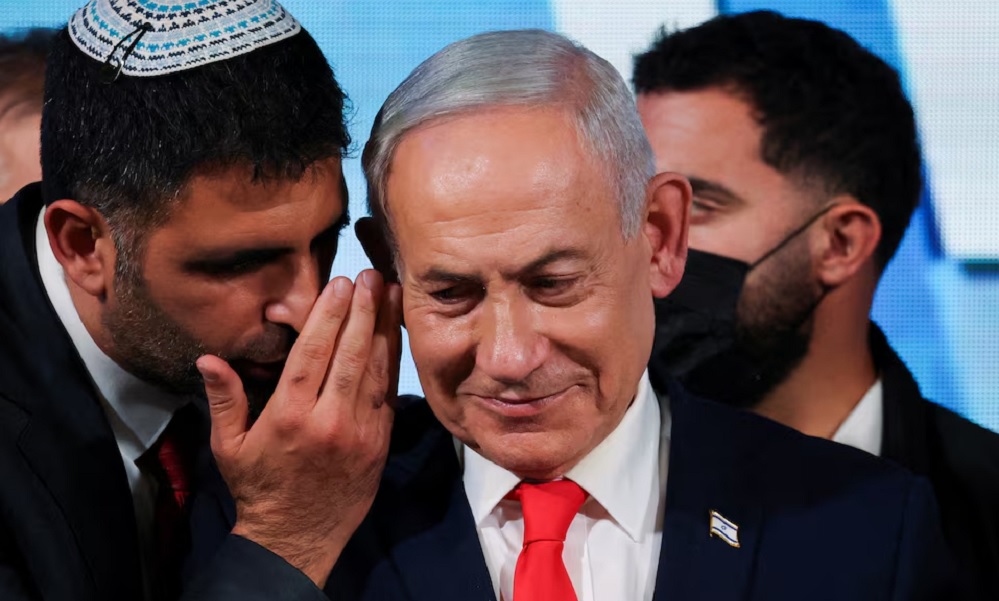
Prime Minister Benjamin Netanyahu and rival Gadi Eisenkot offered competing claims to lead Israel after Tuesday’s election, with Netanyahu calling for a right-wing government and Eisenkot saying voters had rejected the longtime Israeli leader, even as exit polls left their blocs deadlocked.
Netanyahu called for the formation of “a strong, right-wing national government,” while Eisenkot said the public had voted against Netanyahu remaining prime minister and called on him to retire from politics. Neither of them claimed victory, Reuters reported.
Neither declaration resolved the electoral arithmetic.
With actual votes trickling in, Kan 11 and Channel 13 exit polls had the blocs tied at 51-51, while Channel 12 gave Netanyahu’s Likud-led bloc a narrow 52-49 edge. None left either side with the 61 seats needed for a majority in the 120-seat Knesset.
The deadlock could work in Netanyahu’s favour, leaving him in office as a caretaker prime minister during what are likely to be prolonged coalition negotiations or even until another election can be held.
Far-right religious parties led by Itamar Ben-Gvir and Bezalel Smotrich were projected to take a combined 13 seats within Netanyahu’s bloc – with no major gains for either of them.
Arab parties outside the two main blocs could hold the balance of power. But Eisenkot, leader of the Yashar party and a former military chief, has all but ruled out forming a government with them, complicating his path to power.
SECURITY FIGHT SHARPENS
Netanyahu highlighted Israel’s military successes and raised the prospect of renewed joint action with US President Donald Trump against Iran as he addressed party faithful after 3 a.m. (0100 GMT) at Likud election headquarters in Jerusalem.
“Israel faces a singular historical opportunity, together with our partner President Trump, to remove the existential threat of Iran once and for all. But ulterior motives must not divert us from this sacred mission,” he said.
Eisenkot earlier warned Netanyahu not to use Israel’s security for political purposes.
“Netanyahu is a caretaker prime minister, without a mandate or the people’s trust,” Eisenkot said, calling on the security establishment to “stand firm” against any attempt to put political interests ahead of Israel’s security.
Voter turnout was 77.7%, Israel’s Central Elections Committee said, the highest in more than two decades and around 7 percentage points higher than in 2022.
Final results are expected on Thursday or Friday, and Israel’s fragmented political system leaves smaller parties potential kingmakers in coalition negotiations that have run to weeks or months after past elections. If neither bloc can form a government, another vote may need to be held, something Eisenkot opposed given the high voter turnout.
Yohanan Plesner, president of the Israel Democracy Institute, called the exit polls a major defeat for Netanyahu’s coalition but cautioned that Eisenkot had not emerged as a clear winner and much could change as votes were counted.
NETANYAHU SETBACK, NO CLEAR WINNER
If the exit poll projections hold, Netanyahu’s nationalist-religious coalition, which at its height held 68 seats, would fall far short of the 61 needed to govern, leaving him with no clear path to forming a government.
Eisenkot, 66, who lost a son and two nephews in the Gaza war, emerged as Netanyahu’s strongest challenger, stressing his security credentials while positioning himself as a centrist domestically.
He entered politics only four years ago and joined Netanyahu’s war cabinet after the 2023 Hamas attack, but quit eight months later, criticising the prime minister’s leadership.
Eisenkot offers a break with Netanyahu’s leadership and far-right allies, but not with the hawkish approach to security that has become more entrenched since the 2023 Hamas attack. He opposes Palestinian statehood and says Hamas’ military wing must be destroyed or dismantled.
Eisenkot says Israel’s response — a war that has killed more than 74,000 Palestinians, according to Gaza health authorities — was a failure because Hamas remains in charge.
The headquarters of the Joint List, an alliance of several Arab parties, burst into whistles and applause when exit polls were released, on a historic night for turnout among Palestinian citizens of Israel.
“We refuse the occupation and racism, and we will remain here,” said Faten Gattas, a candidate in the Joint List, in a speech at the alliance’s headquarters in Nazareth. Candidates hoped high Arab turnout would allow them to play a decisive role in blocking Netanyahu’s coalition from returning to power.
A WARTIME VERDICT
Voters grappled with the trauma of Israel’s deadliest day, when Hamas killed 1,200 people and took 251 hostage, and the wars in Gaza and with Lebanon’s Hezbollah and Iran that followed.
While Netanyahu was criticised for the country’s biggest security failure, he argued that he had made Israel and the world safer by killing top leaders of Hamas, Hezbollah and Iran.
The policies of Netanyahu’s right-wing coalition have been divisive at home and deepened Israel’s international isolation, but he has portrayed himself as the leader with the mettle to face down Israel’s foes.
Netanyahu, 77, has served as prime minister for nearly 19 of the past 30 years and has repeatedly survived political crises. His opponents have managed to wrest the premiership from him only once since 2009, after four inconclusive elections in two years. Eighteen months later, he was back.
He entered the election facing long-standing corruption charges, which he denies, and criticism over intelligence failures that allowed Hamas-led militants to carry out their attack.

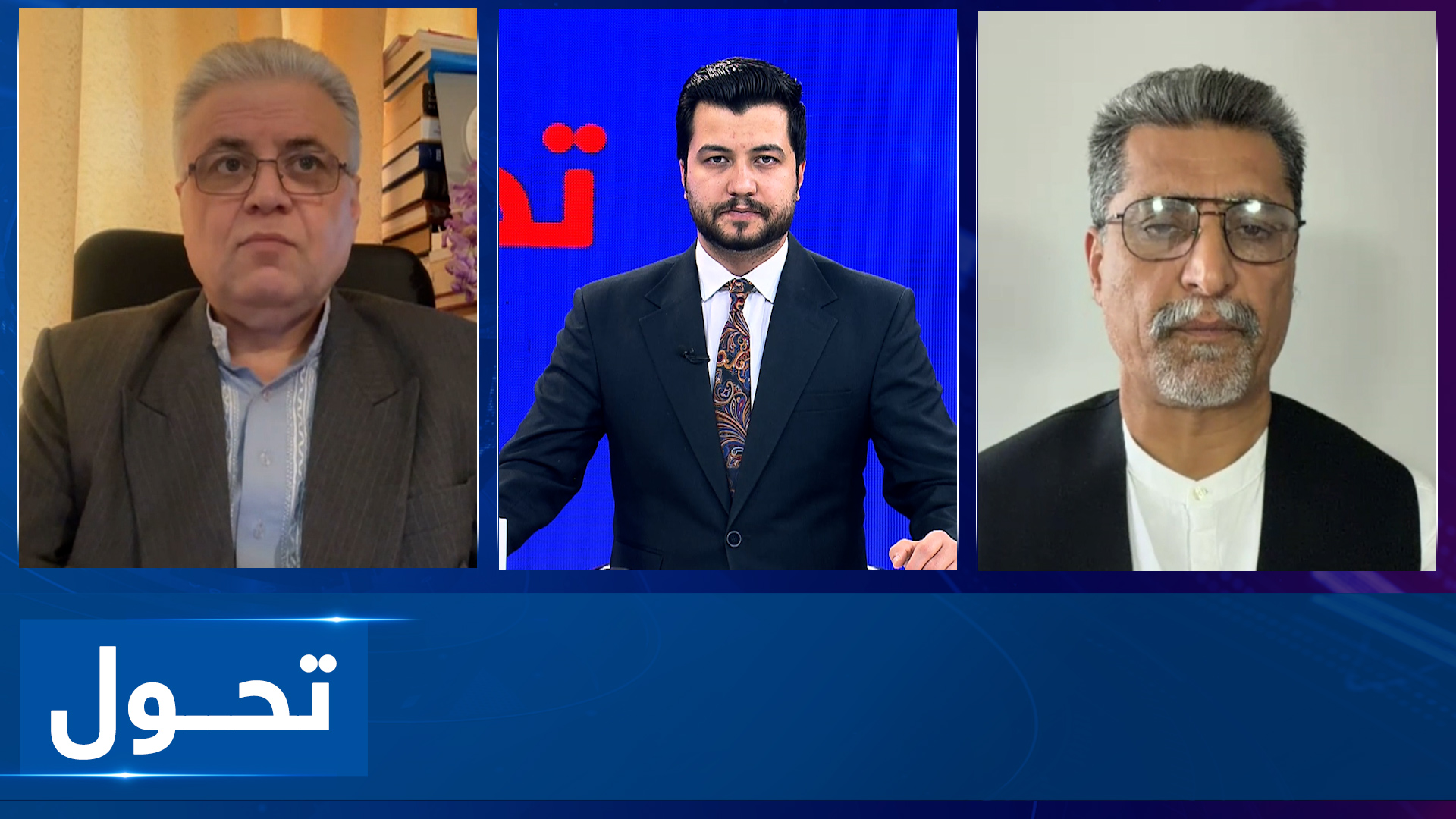
Tahawol: US offers to ease Kabul-Islamabad tensions

Pakistan welcomes US offer to facilitate dialogue with Afghanistan, while Kabul rejects Islamabad’s allegations
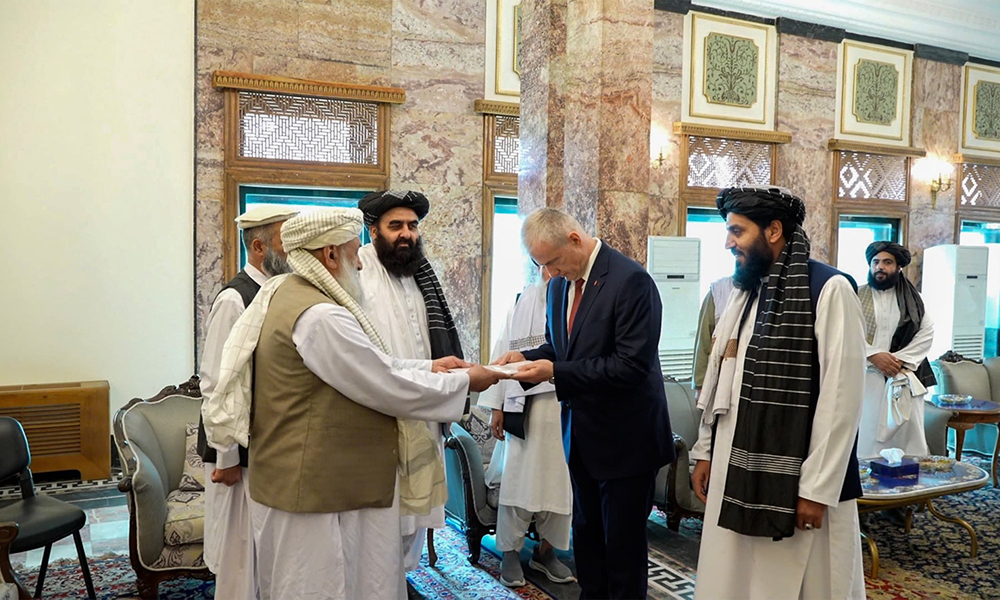
Afghan PM accepts credentials of Belarusian ambassador

Afghanistan target T20I clean sweep against Zimbabwe in Sharjah
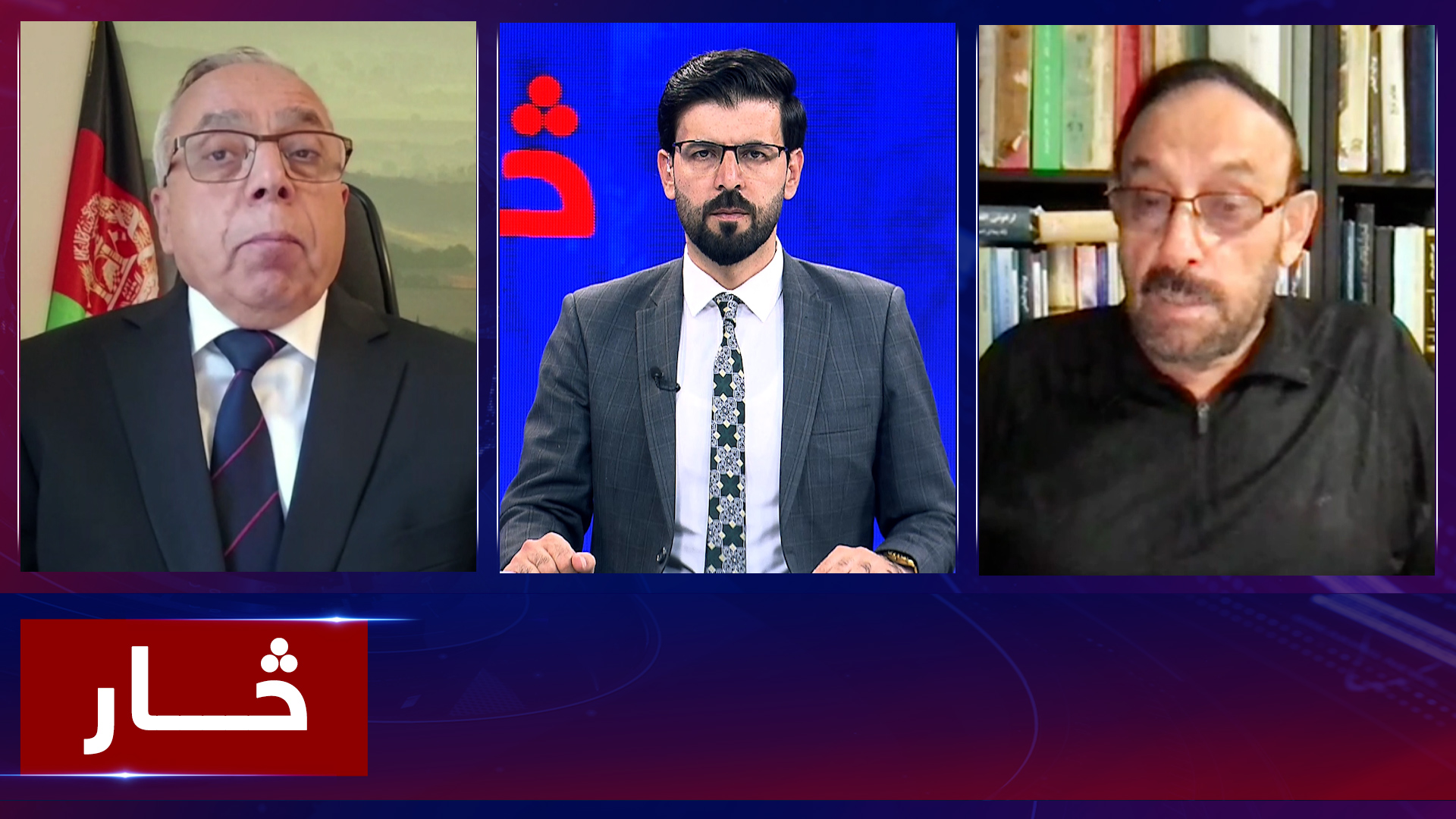
Saar: Identity of ISIS suspect arrested in pakistan revealed

Cricket Bonanza: Afghanistan set for packed international schedule

Afghanistan finish runners-up after 6-0 defeat to Brazil in futsal final

India, Pakistan summon top diplomats over border incident

Pakistan says Mecca pact members to hold emergency talks on engaging Houthis

Afghanistan inaugurates 121 km Wakhan road to China border
Tahawol: US offers to ease Kabul-Islamabad tensions
Saar: Identity of ISIS suspect arrested in pakistan revealed
Tahawol: Disruptions in Iran’s trade with neighboring and regional countries
Saar: Regional opportunities and challenges for Afghanistan discussed
Exclusive interview with Nooruddin Turabi, Director General of ANDMA
-
 Sport4 days ago
Afghanistan beat India 2-1 at FIFA U-15 World Cup & Festival
-
 Business2 days ago
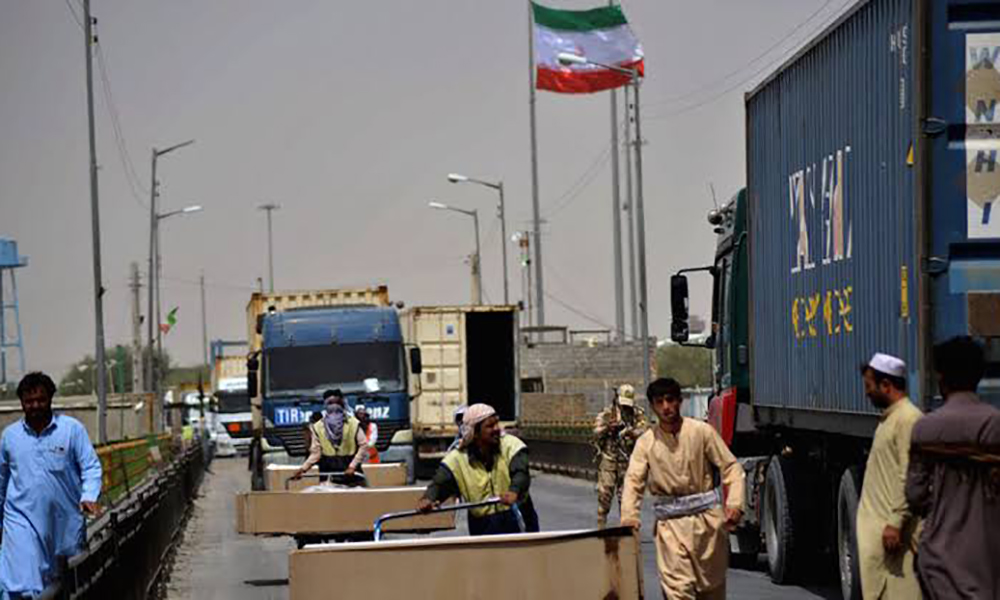
US sanctions and blockade measures disrupt Iran’s trade with Afghanistan and regional neighbors
-
 Latest News4 days ago
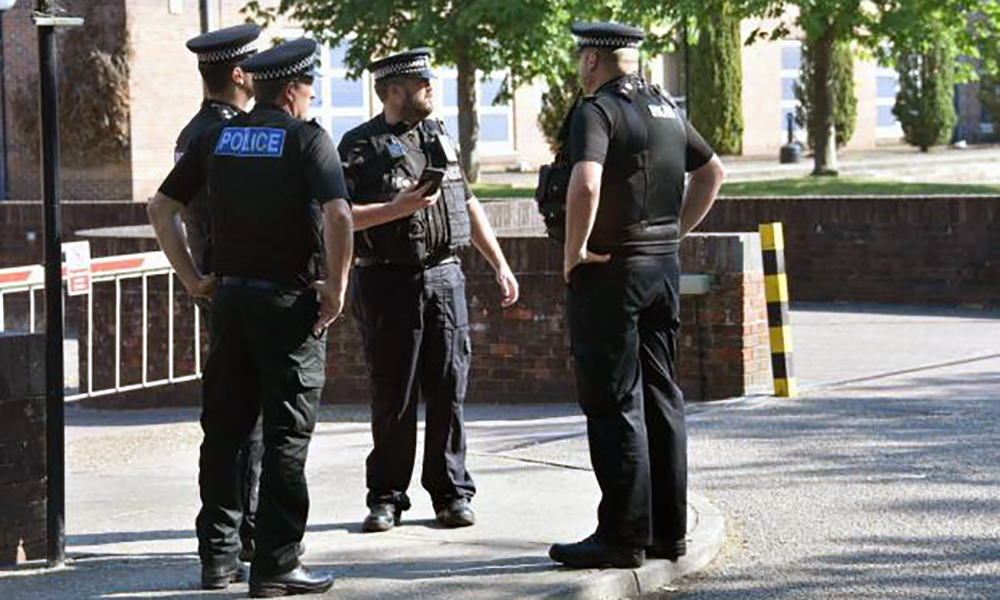
Trial of eight Afghan men accused of child sexual exploitation moved to London
-
World5 days ago
Netanyahu, Eisenkot stake rival claims to lead Israel after deadlocked vote
-
 Latest News4 days ago
Several Pakistani soldiers killed and wounded in retaliatory strikes in Paktika: Defense Ministry
-

 Sport3 days ago
Rashid Khan makes history as first-ever bowler to claim 200 T20I wickets
-
 Sport1 day ago
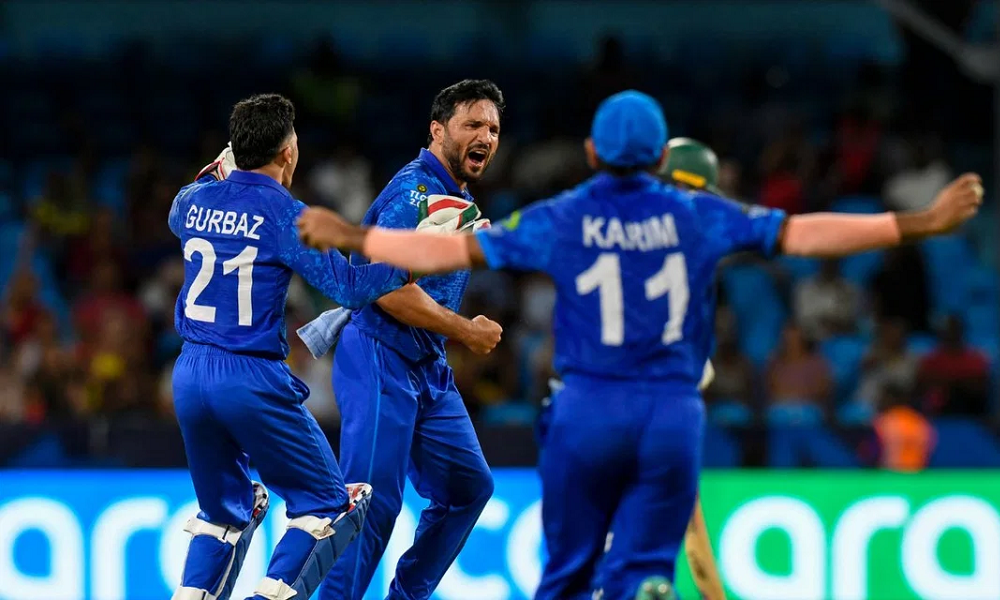
Afghanistan storm into Hong Kong Sixes final after beating Scotland
-
 Sport5 days ago
Ahmadzai, Rashid and Farooqi lead Afghanistan to 37-run win over Zimbabwe