
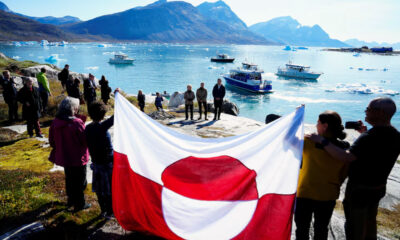

While Denmark is a member of the EU, Greenland left the bloc in 1985. But its people, as Danish citizens, are also citizens of the EU.
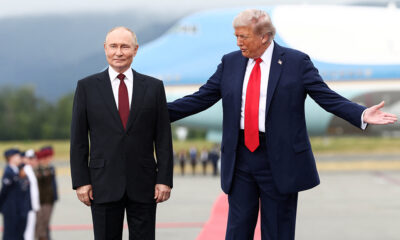

Trump's comments came after the Wall Street Journal reported on Wednesday that Ratcliffe had traveled to Moscow to warn Russia off any attack on a NATO...

He also said he was proud that the ISIS member responsible for the Abbey Gate attack had been apprehended and brought to face justice in the...
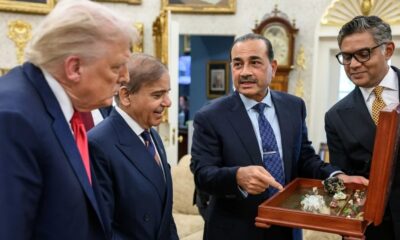

The White House Office of the Press Secretary did not immediately respond to a request for comment. It was unclear what Munir and Trump discussed in...
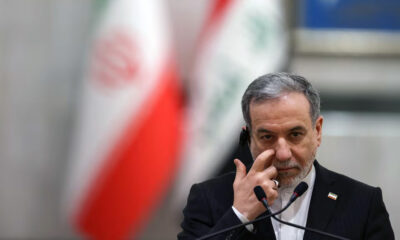

While Iran remains defiant, President Masoud Pezeshkian has also called for a diplomatic solution.
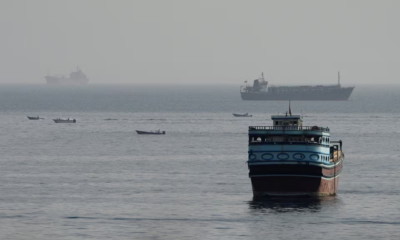

Shipping traffic through the Strait of Hormuz fell to eight vessels on Tuesday, compared with a 10-day average of about 12 vessels, and 130 to 140...
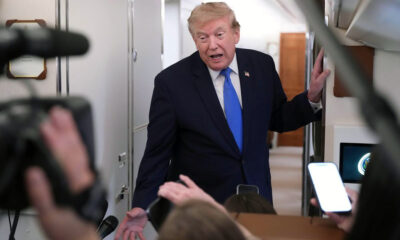

Asked if there was a deadline for Iran to come to an agreement, Trump declined to answer.

The Saudi crown prince spoke to Trump, a White House official told Reuters, but did not provide details.
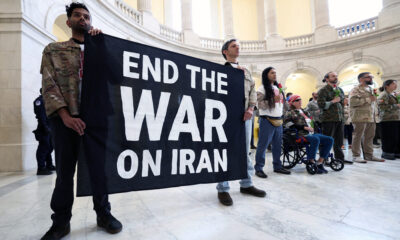

Approval of the conflict has been below 40% since the U.S. and Israel launched strikes on February 28 — a stark contrast to the opening months...
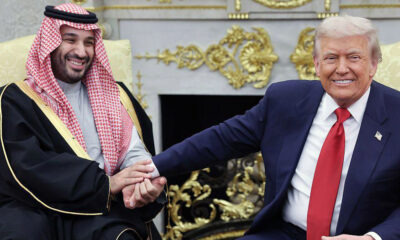

A civil nuclear deal with Saudi Arabia has been in the works for years during both President Donald Trump's first administration and that of former President...
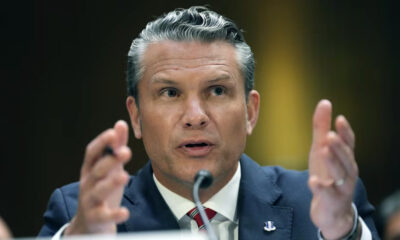

Hegseth told lawmakers at a hearing in Washington that the $37.5 billion included certain aspects of the war as well as anticipated costs through September 30.
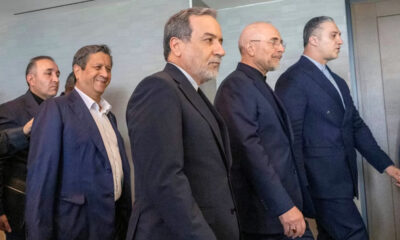

Earlier, US President Donald Trump warned that Washington could consider military action if Iran continues to support Hezbollah.

The 14-point agreement extends a ceasefire announced in April by another 60 days, including in Lebanon, to allow the two sides to negotiate a final truce.


Trump updated Netanyahu on the progress toward a peace deal during a phone call on Sunday, Israel's N12 reported, citing a senior official.

Trump discussed the efforts to end the Iran conflict in a call with British Prime Minister Keir Starmer, Downing Street said on Saturday.

Trump said on social media the agreement had been approved by countries including Israel, Saudi Arabia, Qatar and the United Arab Emirates.

Trump also said that he did not want to meet with Iran's Supreme Leader Mojtaba Khamenei.
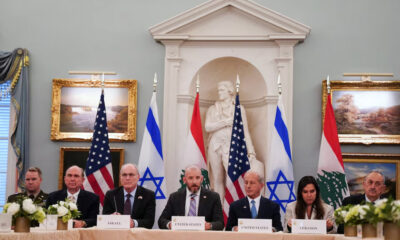

Trump said that parties were working to separate the issue of reopening the strait from the conflict in Lebanon.
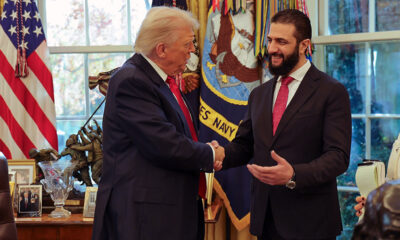

During the call, Sharaa emphasized that lifting the remaining U.S. sanctions on Syria is essential for reviving the country’s economy and attracting foreign investment.


Taiwan, which China views as its own territory, has been waiting for the U.S. to approve an arms sale that Reuters reported could be worth up...
| Country | Selling in AFS | |
|---|---|---|
| 1 USD |  | 64.24 |
| 1 EUR |  | 73.56 |
| 1 PND |  | 84.68 |
| 1 AED |  | 16.74 |
| 1 TRY |  | 1.30 |
| 1000 INR |  | 734 |
| 1000 IRR |  | 0.36 |
| 1000 PKR |  | 227 |


