
Latest News
UN raises alarm over scale of Afghanistan earthquake impact
Ratwatte said homes in the affected region were largely “mud- and wooden-roof structures, so when the walls collapse the roof is what basically for the individuals kills them or suffocates them”.

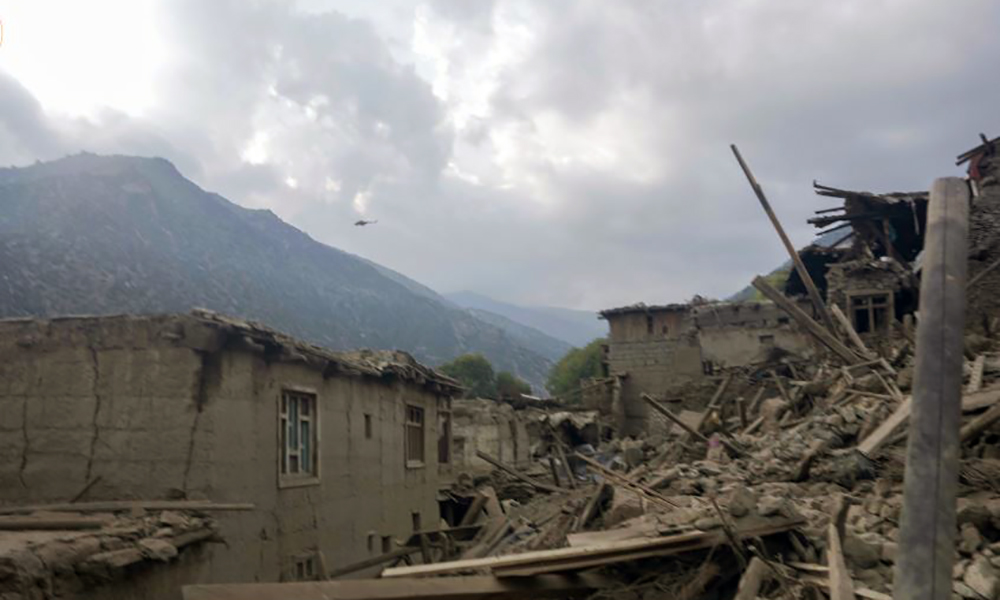
The UN on Tuesday said the earthquake in eastern Afghanistan that has killed more than 1,400 people could impact “hundreds of thousands”, and warned of an “exponential” rise in casualties.
“We think potentially the impacted individuals would go up to almost into the hundreds of thousands,” Indrika Ratwatte, the UN humanitarian coordinator in Afghanistan, told reporters in Geneva, speaking from Kabul.
Thousands are known to have been injured in the 6.0-magnitude earthquake, which hit remote areas in mountainous provinces near the border with Pakistan around midnight Sunday, followed by at least five aftershocks.
“The numbers are definitely going to increase,” Ratwatte said.
“There is no question that the casualty rate is going to be rather exponential”.
The majority of Afghans live in low-rise, mud-brick homes vulnerable to collapse.
Ratwatte said homes in the affected region were largely “mud- and wooden-roof structures, so when the walls collapse the roof is what basically for the individuals kills them or suffocates them”.
Given the timing, “everybody was sleeping, so I think (the casualty figure) is going to be much higher”.
He added that the quake had set off “lots of landslides, rockfalls”, with limited access posing “a huge challenge”.
“The biggest challenge is to reach these remote areas with the road access extremely damaged,” he said, stressing the need for helicopters to reach those affected, evacuate the injured and deploy search and rescue and medical teams.
After decades of conflict, Afghanistan is one of the world’s poorest countries, facing a protracted humanitarian crisis deepened by severe drought and the influx of millions of Afghans forced back to the country by neighbours Pakistan and Iran in recent years.
UN refugee agency spokesman Babar Baloch said that of the more than 478,000 Afghans who have returned from Pakistan since April, “around 337,000… passed through the Torkham crossing, close to the epicentre of the earthquake”.
“Some 24 percent of returnees from Pakistan came to Nangarhar Province, one of the hardest hit by the earthquake,” he told reporters.
“These people, already with very little resources, are now returning to a disaster zone.”
Ratwatte meanwhile warned that this year’s appeal for $2.4 billion to provide desperately needed aid to Afghans facing multiple crises was so far only 28-percent funded.
“We need a major, urgent step up by the international community to respond to this crisis,” he said.

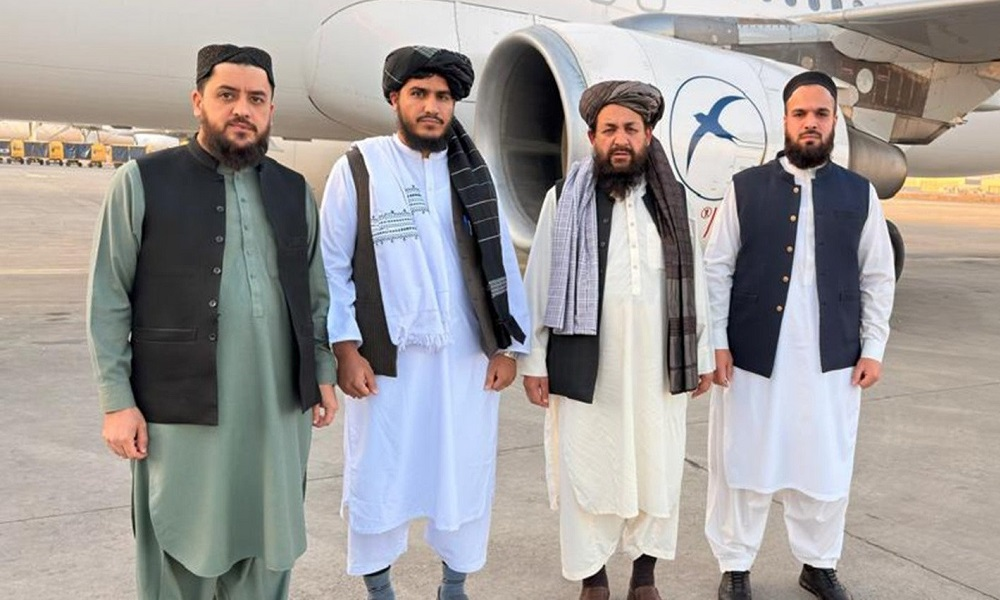
Shahabuddin Saqib, Deputy Minister of Finance and Administrative Affairs at the Islamic Emirate’s Ministry of Industry and Commerce, on Tuesday departed for Istanbul, Turkey, leading a delegation to attend the 12th Halal Summit and Halal Expo 2026.
The Ministry of Industry and Commerce said in a statement that Saqib is scheduled to address the conference and hold meetings with several Turkish officials on the sidelines of the event.
The ministry added that Afghan products and goods will also be showcased at the exhibition.
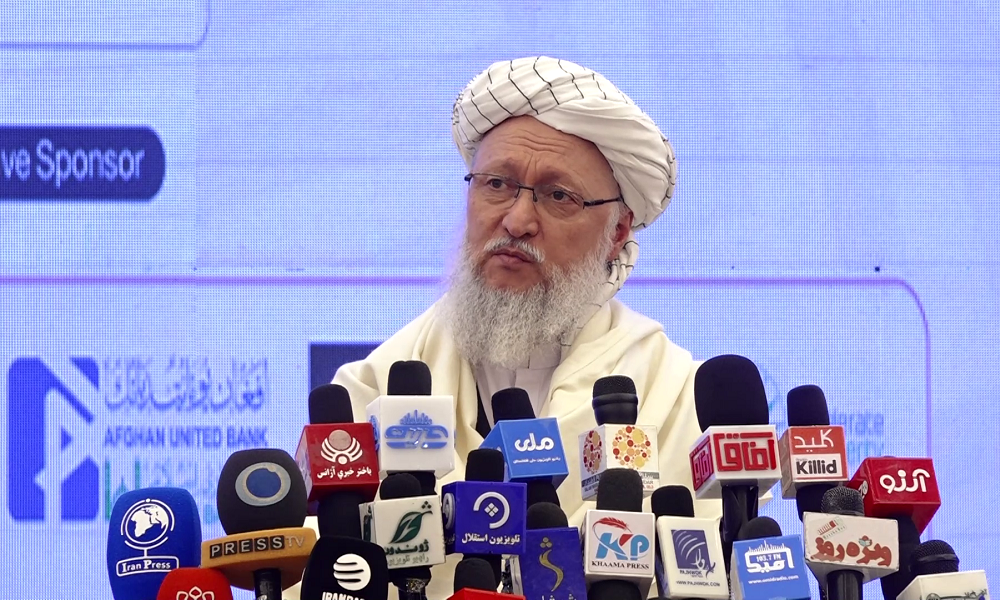
Abdul Salam Hanafi, the Deputy Administrative Prime Minister, says Afghanistan is moving step by step toward reconstruction and development, with the construction of dams, check dams, roads, power generation facilities, transportation infrastructure and hospitals among the examples of progress in this area.
According to a statement from Arg, Hanafi made these remarks on Tuesday morning at the fourth Afghanistan Construction, Civil Engineering and Reconstruction Industry Exhibition, organized by the Ministry of Urban Development and Housing.
Hanafi described the effective use of resources, strengthening faith and piety, unity and solidarity, and upholding justice as key factors in the country’s development. He also identified ingratitude for God’s blessings and failure to properly fulfil Islamic and social responsibilities as obstacles to reconstruction and progress.
The Deputy Administrative Prime Minister also stressed the importance of balancing exports and imports for economic growth. Referring to the decree issued by the leader of the Islamic Emirate on facilitating business and investment, he said the Islamic Emirate had taken significant
steps to facilitate investment, reduce taxes, remove bank guarantee requirements, and provide investors with opportunities to lease land on a long-term basis.
He added that the Islamic Emirate would continue supporting investment and trade and provide further facilities for traders and investors in the future.
Hanafi also highlighted progress in the industrial sector, particularly the construction industry, urging industrialists to prioritize quality in their products and traders to refrain from importing low-quality goods.
He emphasized that appropriate action would be taken against companies involved in producing or importing substandard goods.
Latest News
Economy minister and UNAMA chief discuss development cooperation and support for returnees
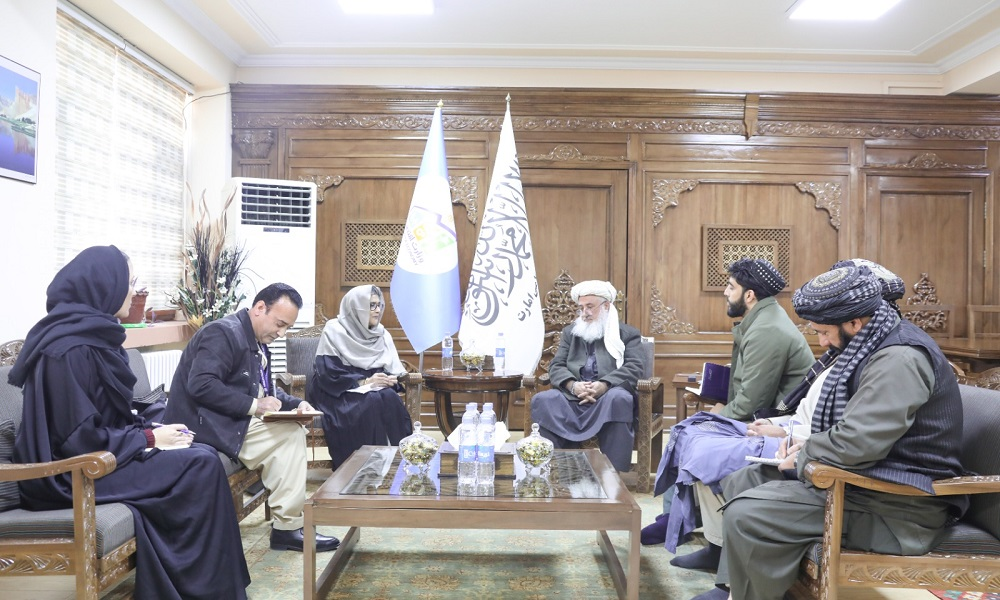
Afghanistan’s Economy Minister Din Mohammad Hanif has called for stronger international cooperation, increased development assistance and greater support for returning Afghan migrants during a meeting with the head of the United Nations Assistance Mission in Afghanistan (UNAMA), Rabab Fatima.
According to the Ministry of Economy, the discussions focused on Afghanistan’s economic situation, ongoing UN programmes and opportunities to expand humanitarian and development cooperation.
Fatima welcomed improved coordination between government institutions and UNAMA, reaffirming the United Nations’ commitment to continuing humanitarian assistance, supporting the private sector and providing technical cooperation.
Hanif outlined recent economic developments, highlighting progress in infrastructure projects, increased domestic production and exports, efforts to attract investment and growth in national revenue.
He also called for the removal of sanctions and economic restrictions, the release of Afghanistan’s frozen foreign exchange reserves and greater opportunities for the country to engage with the international community on economic and political issues.
The minister highlighted the challenges facing Afghanistan amid the growing return of migrants, noting that drought, poverty, unemployment and natural disasters have placed additional pressure on vulnerable communities.
He urged international organizations to increase assistance for returning families and called for a gradual shift in foreign aid from emergency relief towards sustainable development initiatives, strengthening the domestic economy and creating employment opportunities.
At the conclusion of the meeting, Fatima reaffirmed UNAMA’s commitment to continued humanitarian and development cooperation, including efforts to mobilize additional resources for development programmes and initiatives aimed at improving the livelihoods of the Afghan people.

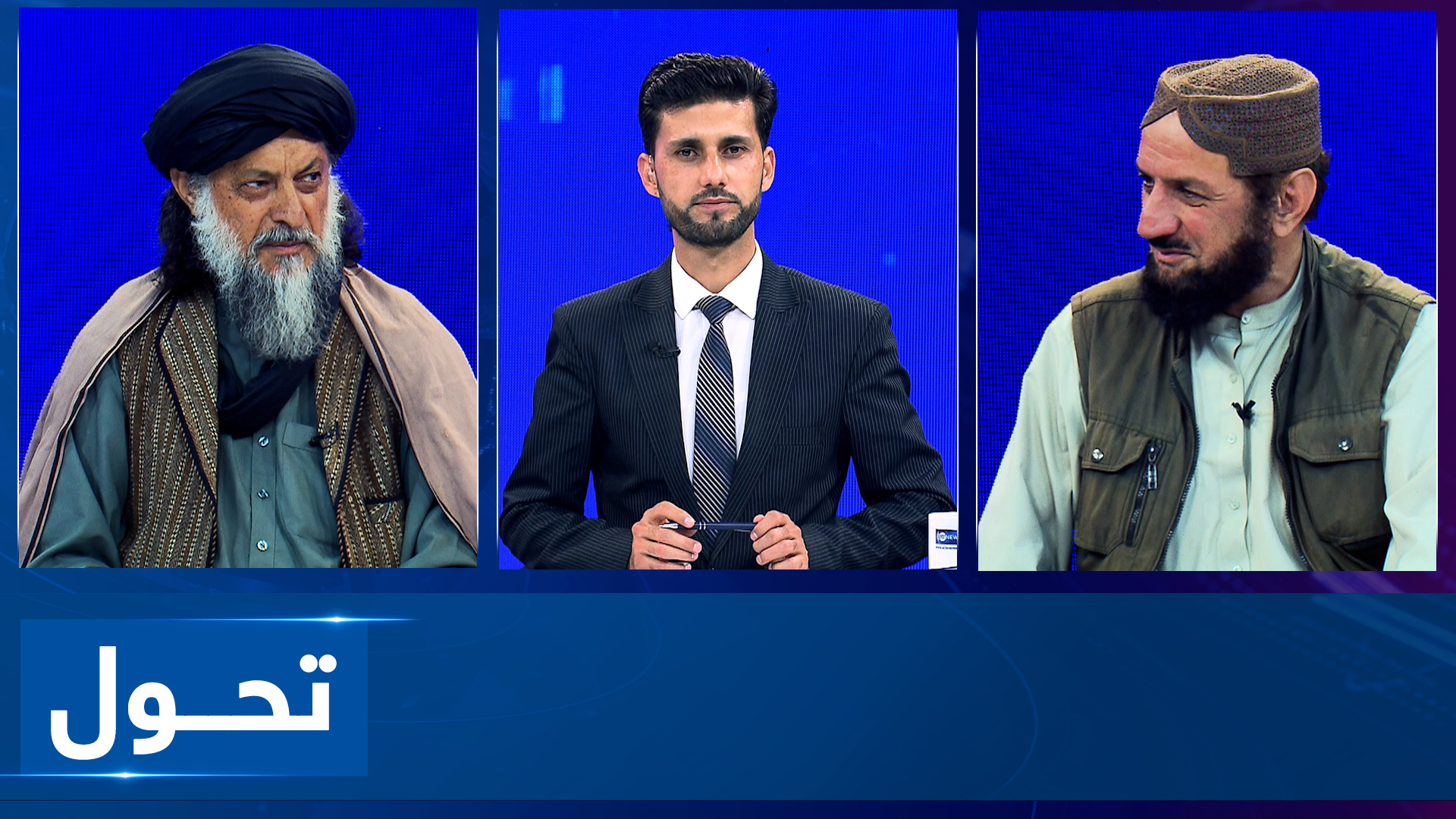
Tahawol: Discussion on shifting views within Pakistan
IEA delegation travels to Turkey for Halal conference and exhibition
Afghanistan moving step by step toward reconstruction and development: Hanafi
Economy minister and UNAMA chief discuss development cooperation and support for returnees
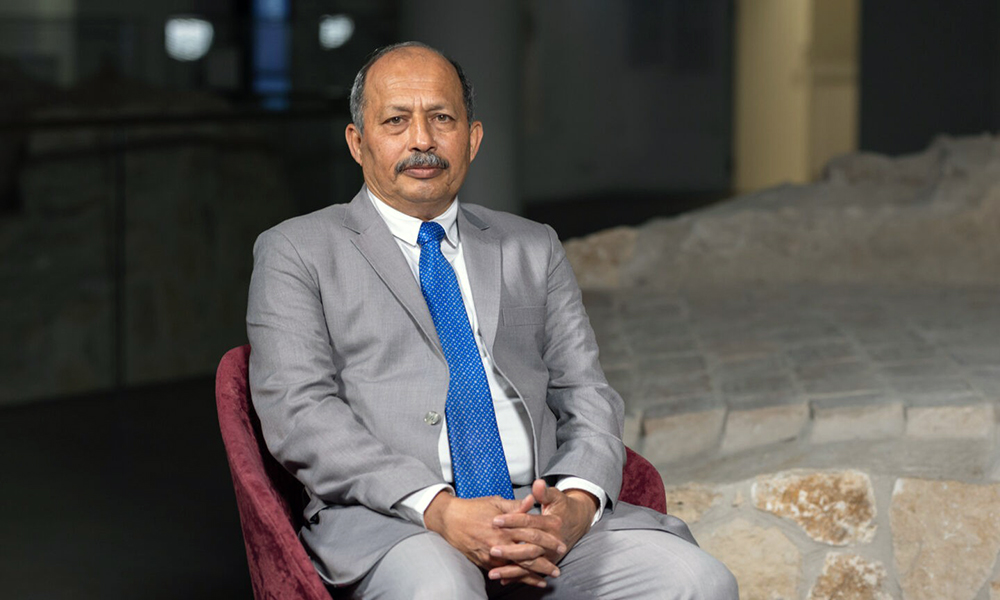
Former Pakistani envoy urges Islamabad to pursue dialogue with Afghanistan

US sanctions and blockade measures disrupt Iran’s trade with Afghanistan and regional neighbors
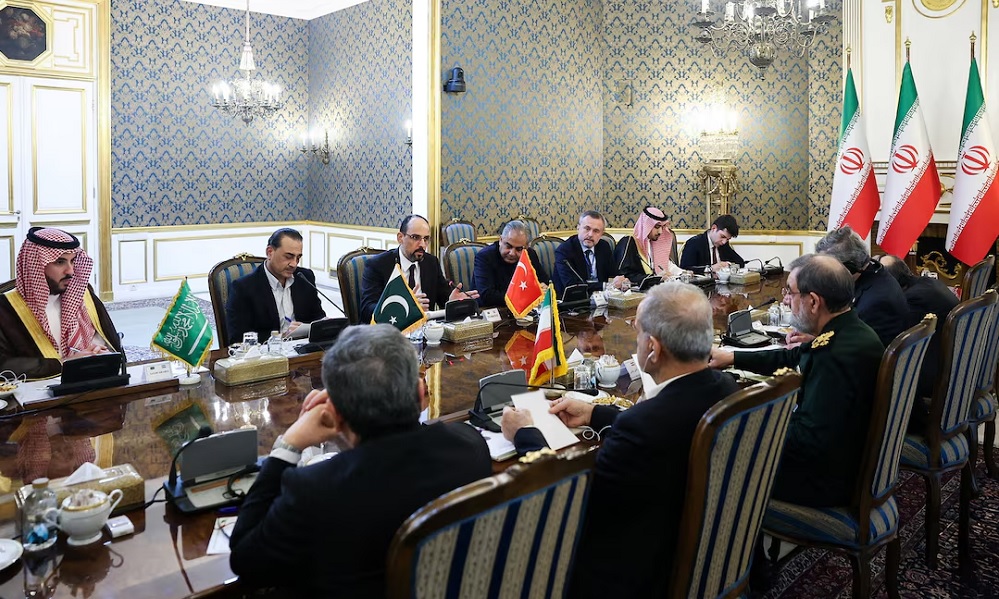
Saudi defence pact countries push for peace in Tehran as Houthis launch more attacks

England forward Kane crowned Ballon d’Or winner

Afghanistan to launch nationwide polio vaccination campaign

WFP report notes high food and fuel costs continue to pressure Afghan households
Tahawol: Discussion on shifting views within Pakistan
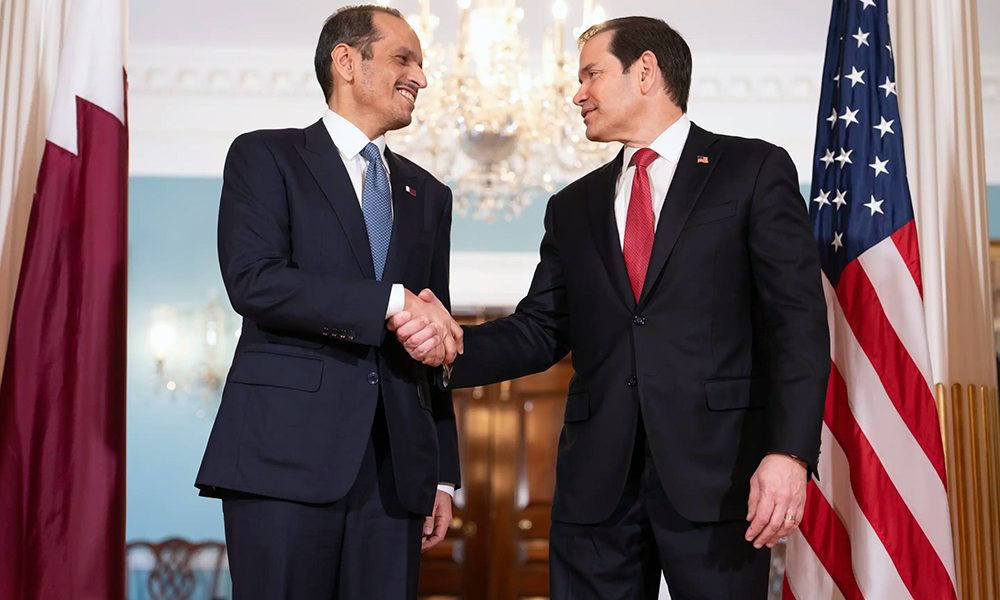
Qatar warns Middle East cannot afford renewed US-Iran escalation
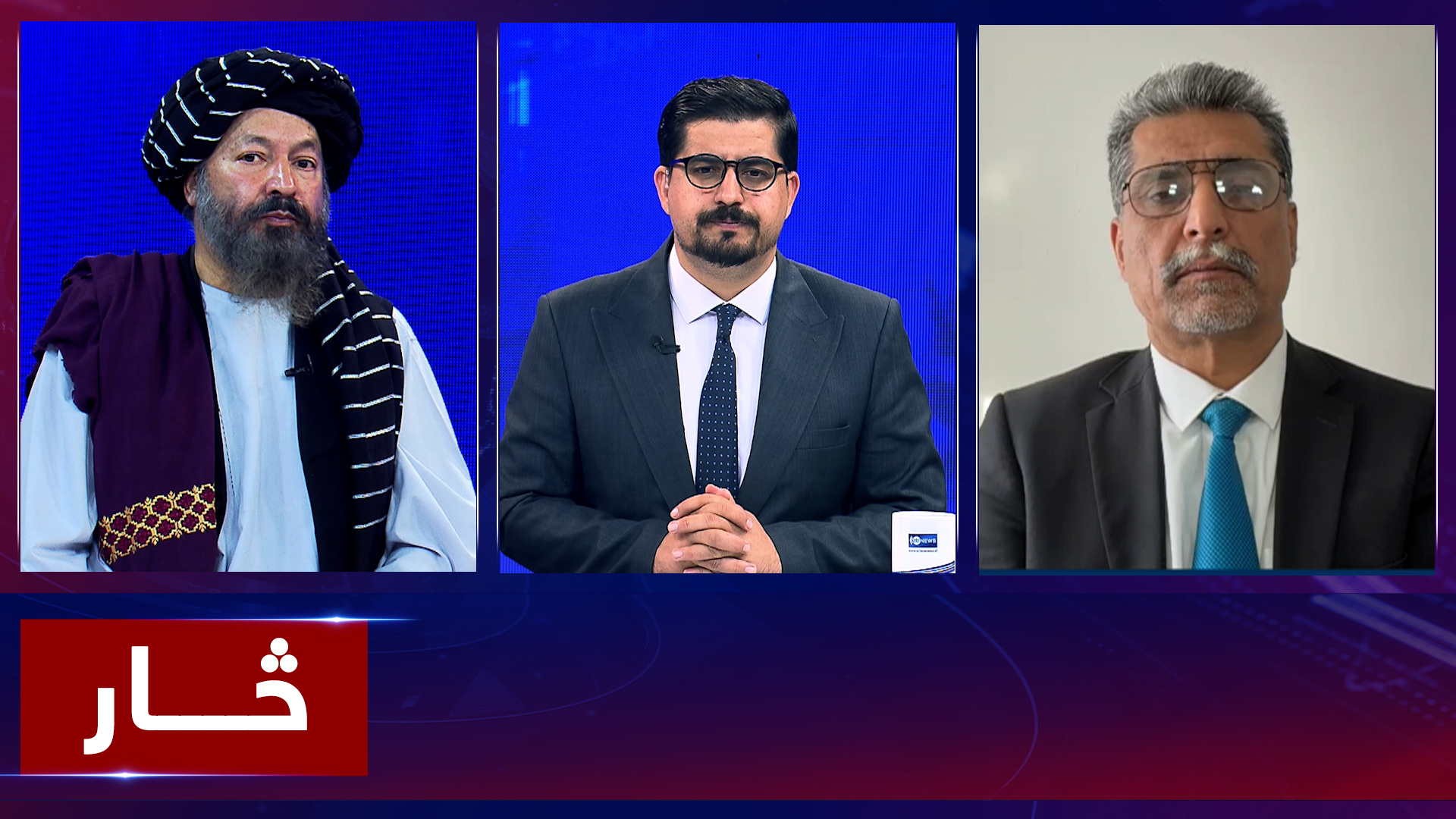
Saar: Return of millions of Afghans to their homeland

Saar: Pakistan FM’s remarks on Afghanistan
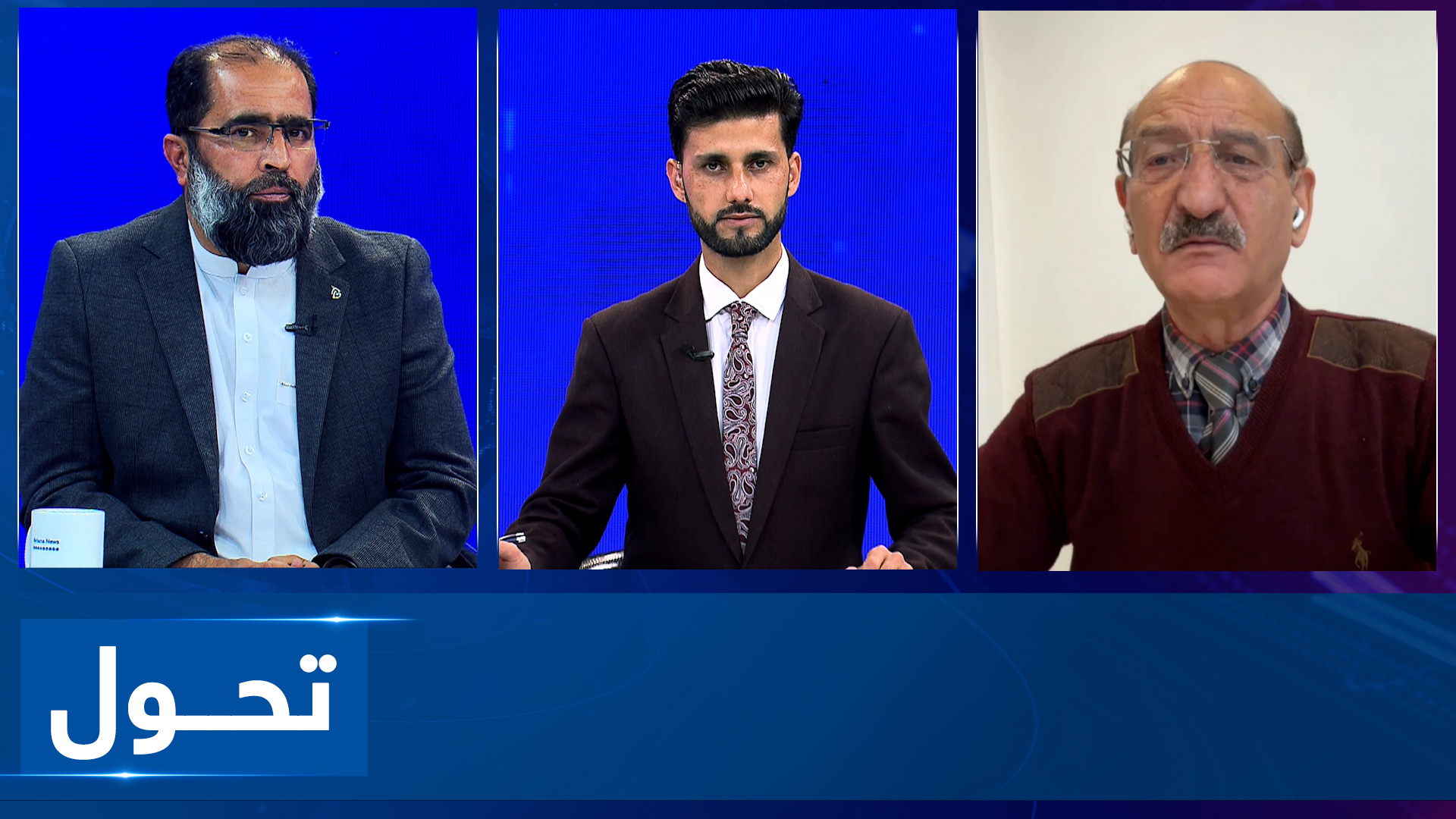
Tahawol: World Television Day discussed
-
 Latest News4 days ago
US judge questions Trump administration’s policies targeting refugees
-
 Business4 days ago
Afghan and Indian traders sign $250 million trade agreements in New Delhi
-
 Latest News2 days ago
SNEAKO claims US authorities questioned him for eight hours after Afghanistan visit
-
 Sport4 days ago
ATN hosts AFPL Season 5 draw and 2025 futsal awards ceremony
-
 Business5 days ago
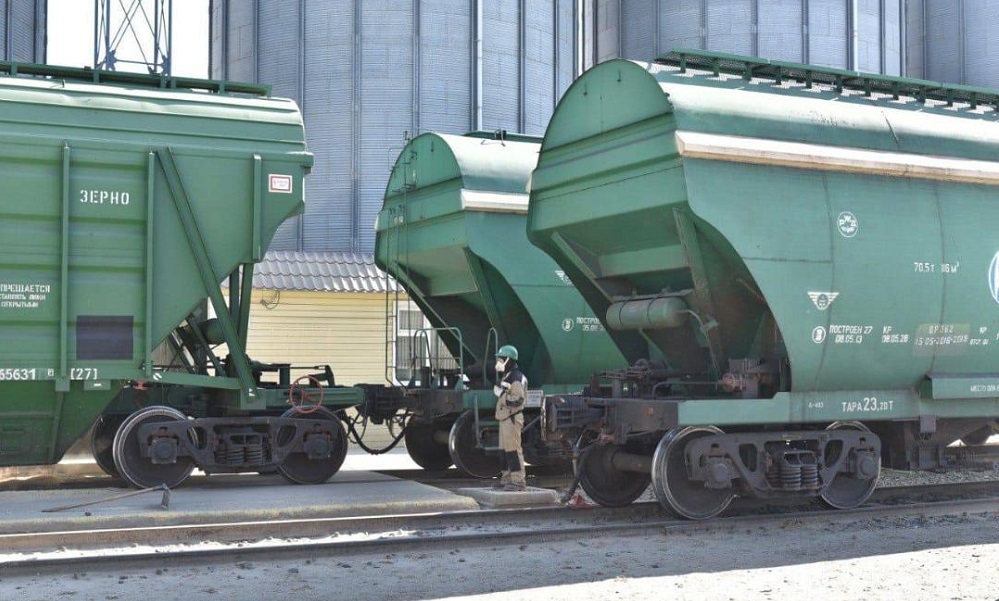
Kazakhstan increases grain exports to Afghanistan by 1.6 times
-
 World5 days ago
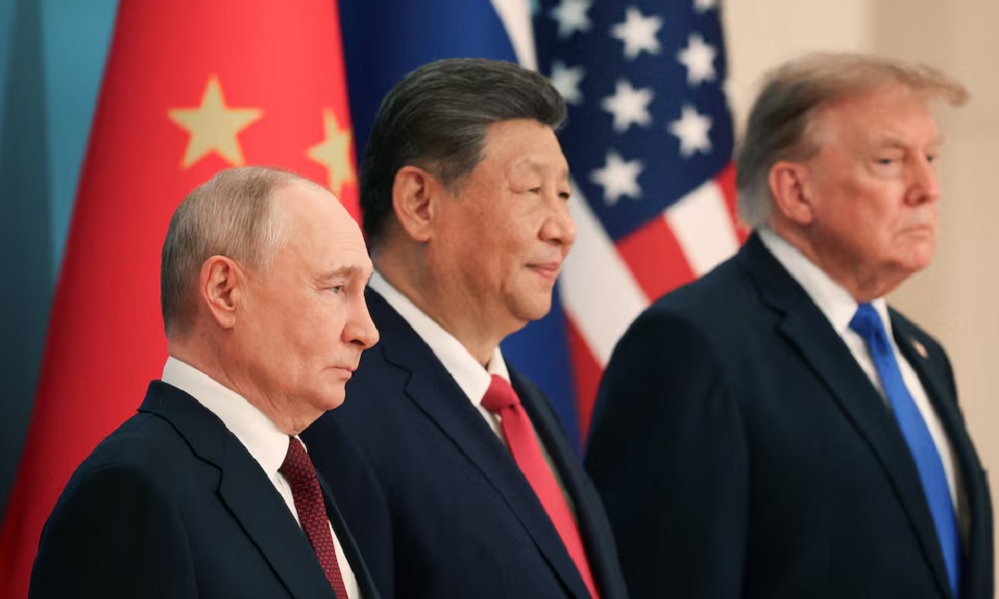
Trump, Xi and Putin release ‘peace declaration’ from unprecedented summit
-
 World5 days ago
Malaysia says it will resettle 10,000 Rohingya refugees in Turkey
-
 Latest News4 days ago
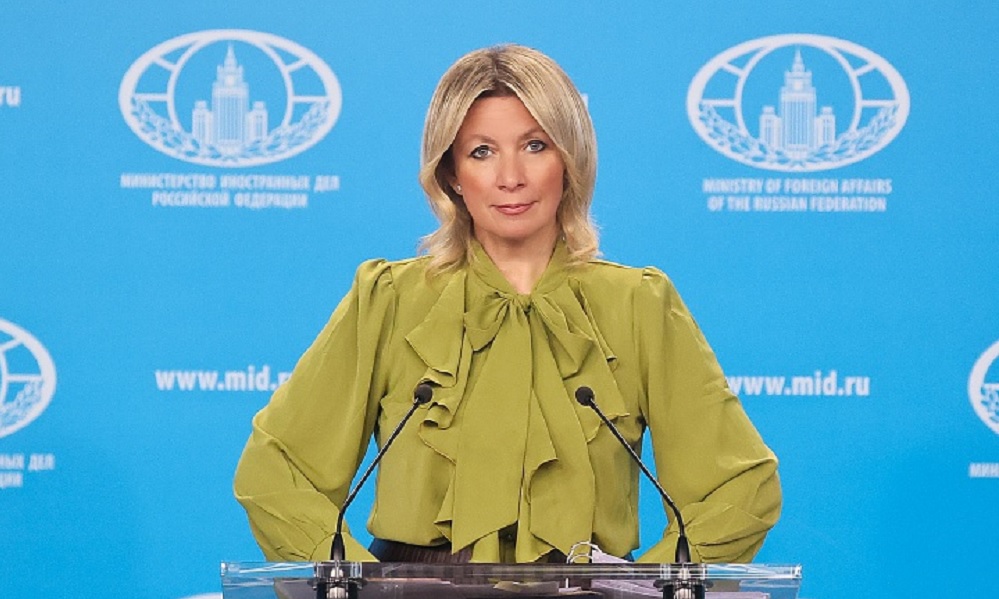
Russia reiterates readiness to facilitate talks between Afghanistan and Pakistan