
Health
WHO warns of persistent polio risk as Afghanistan remains one of two endemic countries
Afghanistan reported four new wild poliovirus type 1 (WPV1) cases so far this year, compared to 24 in Pakistan.

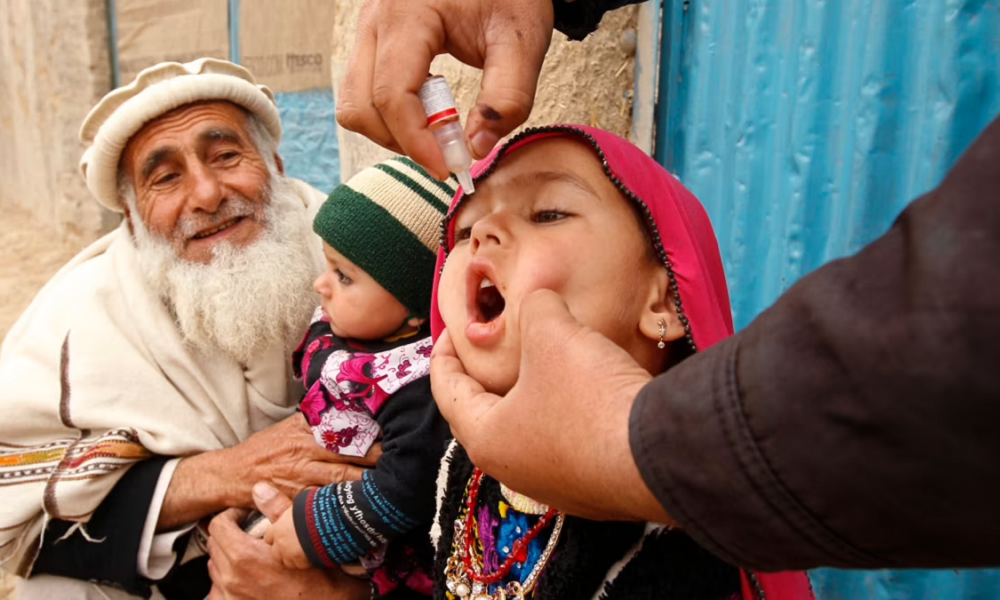
The World Health Organization (WHO) has once again classified the global spread of poliovirus as a Public Health Emergency of International Concern (PHEIC), warning that the disease remains endemic in only two countries — Afghanistan and Pakistan.
The decision followed the 43rd meeting of the Polio Emergency Committee under the International Health Regulations (IHR), which convened on 1 October 2025.
According to the Committee, Afghanistan reported four new wild poliovirus type 1 (WPV1) cases so far this year, compared to 24 in Pakistan. The Afghan cases were detected in the country’s southern and eastern regions, where transmission remains intense despite ongoing vaccination efforts.
Environmental surveillance found 53 WPV1-positive samples in Afghanistan and 390 in Pakistan, underscoring continued circulation along the shared epidemiological corridors between the two countries.
The Committee expressed concern that Afghanistan’s site-to-site vaccination strategy, introduced after the suspension of house-to-house campaigns in October 2024 due to security concerns, leaves many children unreached and vulnerable.
The WHO report noted that Afghanistan and Pakistan continue to conduct synchronized immunization campaigns to interrupt cross-border transmission. However, challenges persist due to insecurity, vaccine hesitancy, and large-scale population movements — including the return of undocumented Afghan migrants from Pakistan.
The Committee commended both countries for maintaining strong coordination but stressed that eradication will require high-quality vaccination coverage in all border areas.
Globally, the Committee also reviewed outbreaks of circulating vaccine-derived polioviruses (cVDPVs), with 143 cases recorded so far in 2025, mostly in Africa and the Middle East. Although progress toward eradication has been steady, the Committee warned that operational gaps, insecurity, and funding shortfalls could reverse gains made over the past decade.
The WHO urged Afghanistan to resume house-to-house vaccination where possible and to sustain coordination with Pakistan. It also called on donor governments to address the programme’s nearly 30% funding shortfall, warning that financial constraints threaten global eradication efforts.
The Committee unanimously agreed that the risk of international spread of poliovirus remains high, but determined that the situation does not constitute a pandemic emergency.
The temporary recommendations — including vaccination requirements for travelers from Afghanistan and Pakistan — have been extended for another three months.


Health
Afghanistan to launch nationwide polio vaccination campaign
UNICEF said that 12.7 million children in Afghanistan have been vaccinated against polio through ongoing immunization campaigns.
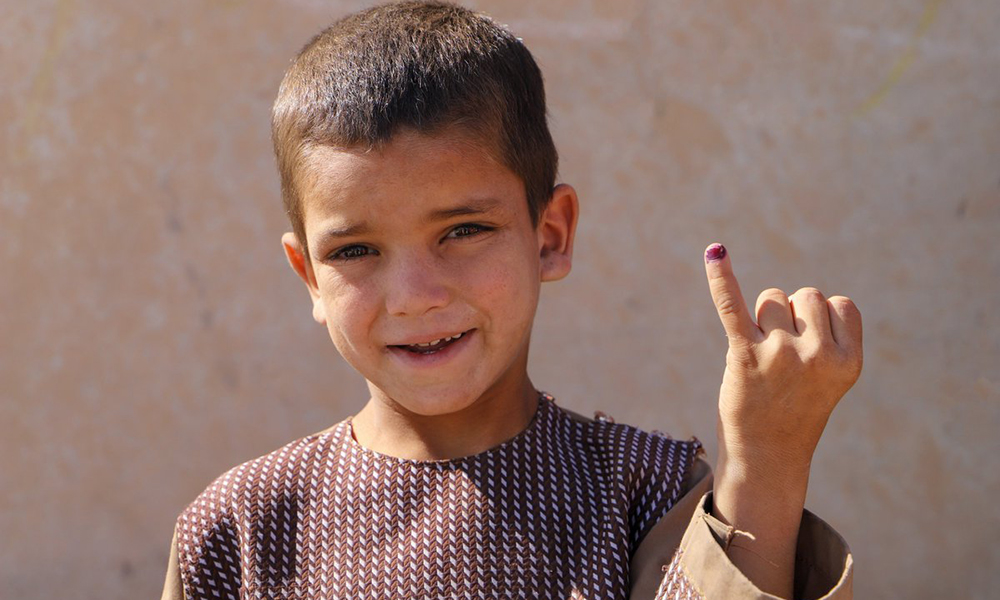
Afghanistan is set to launch a new nationwide polio vaccination campaign on Monday, November 2, as health authorities continue efforts to eradicate the disease, following the vaccination of 12.7 million children across the country.
Afghanistan’s Polio-Free Initiative announced that the campaign will begin nationwide on Monday, while vaccination activities in the southern zone will start a day later, on Tuesday, November 3.
Meanwhile, the United Nations Children’s Fund (UNICEF) said that 12.7 million children in Afghanistan have been vaccinated against polio through ongoing immunization campaigns.
The UN agency noted that despite progress in vaccination coverage, efforts to completely eliminate polio in Afghanistan are continuing.
Polio is a highly infectious viral disease that mainly affects children under the age of five and can cause permanent paralysis.
Health organizations have urged families to cooperate with vaccination teams and ensure that all eligible children receive the required vaccine doses to protect them against the disease.
Health
Afghanistan urges polio vaccination as cases reach 42
World Polio Day is observed annually on October 24 to raise awareness and strengthen global efforts to eliminate the disease.
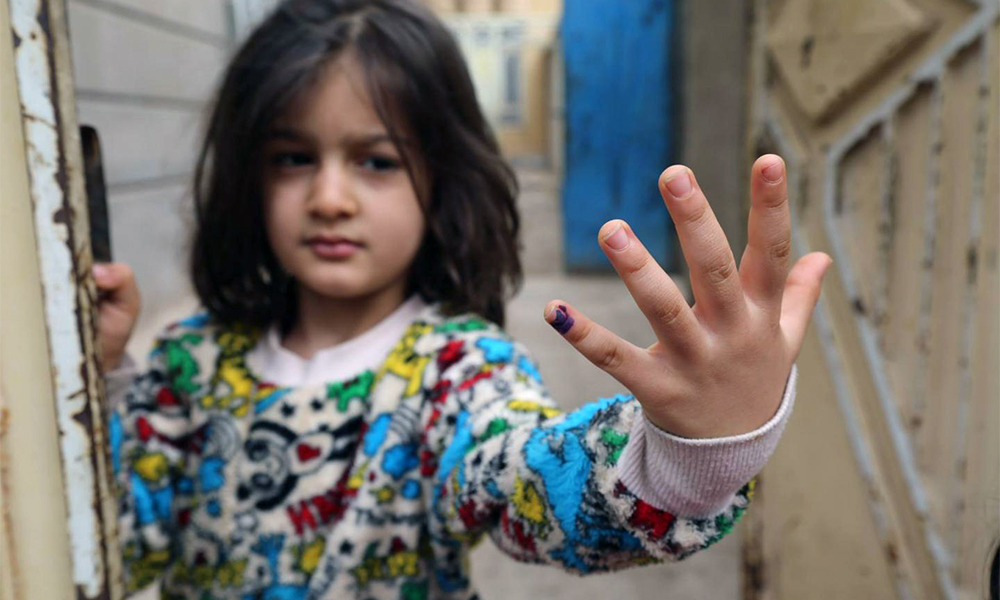
Afghanistan Free Polio has urged parents and caregivers to vaccinate their children against polio, warning of the continued need for vaccination efforts as the country marks World Polio Day on October 24.
In a message issued on Saturday, the organization called on families to ensure their children receive polio vaccines, stressing that every child has the right to grow up free from the disease.
The organization also emphasized the role of families and communities in preventing the spread of the virus and achieving a polio-free Afghanistan.
According to a previous report by the World Health Organization (WHO), six new polio cases had been recorded in Afghanistan, bringing the total number of cases reported since the beginning of 2026 to 42.
Afghanistan and Pakistan remain the only countries where polio has not been eradicated.
World Polio Day is observed annually on October 24 to raise awareness and strengthen global efforts to eliminate the disease.
Health authorities and public health organizations continue to stress that vaccination and community participation are essential to protecting children and preventing further transmission of the virus.
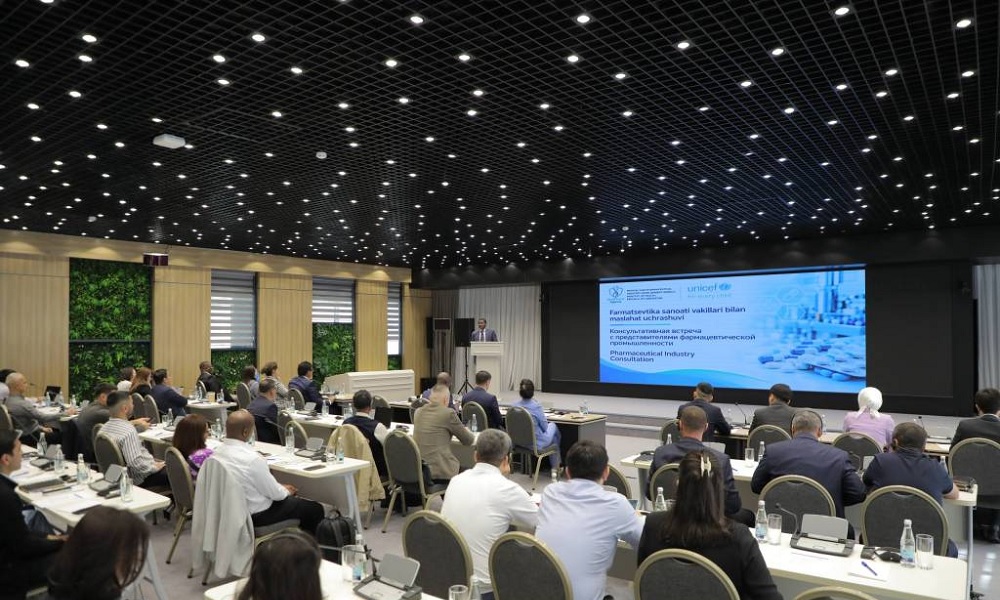
Uzbekistan’s Agency for the Development of the Medical and Pharmaceutical Industry has held talks with UNICEF representatives and local pharmaceutical companies on expanding cooperation and opportunities to supply medicines to Afghanistan.
The meeting was attended by Agency Director Abdulla Azizov, UNICEF Representative in Afghanistan Tajudeen Oyewale, and UNICEF Deputy Representative in Uzbekistan Geoffrey Ijumba.
According to Uzbekistan’s National News Agency, discussions focused on expanding access to international procurement platforms for Uzbek-made medicines, ensuring compliance with international quality standards, and improving transparency in pharmaceutical procurement and tender procedures.
The participants also explored mechanisms for bilateral agreements and potential medicine supplies to Afghanistan.
During the visit, the delegation toured BioPharma City, a pharmaceutical cluster under construction in the Tashkent region, and the Pharmaceutical Technical University. They were briefed on projects aimed at expanding domestic pharmaceutical production and training qualified specialists.

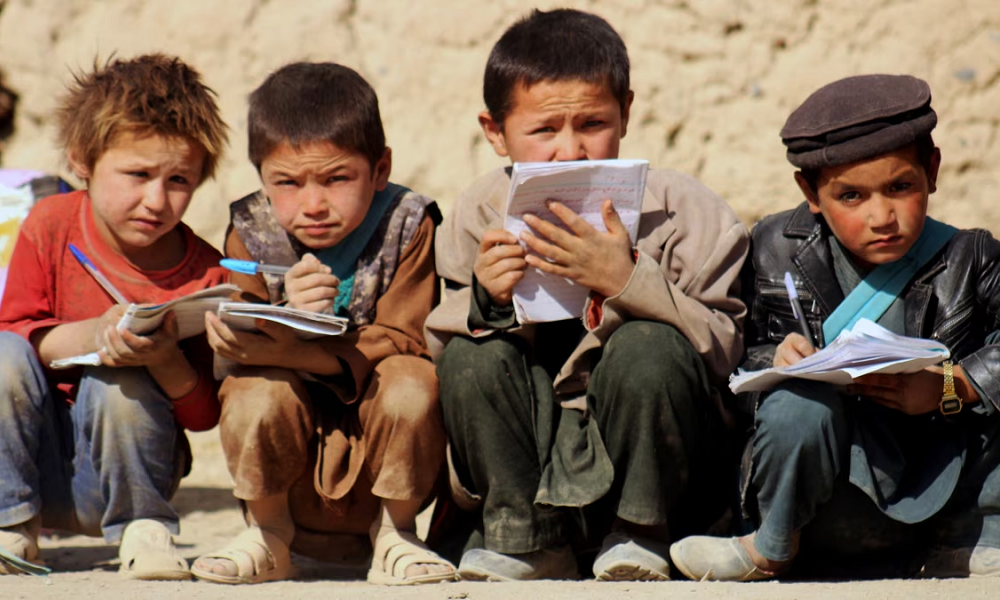
More than half of Afghan primary school-age children out of school: UN report

Cristiano Ronaldo announces international retirement
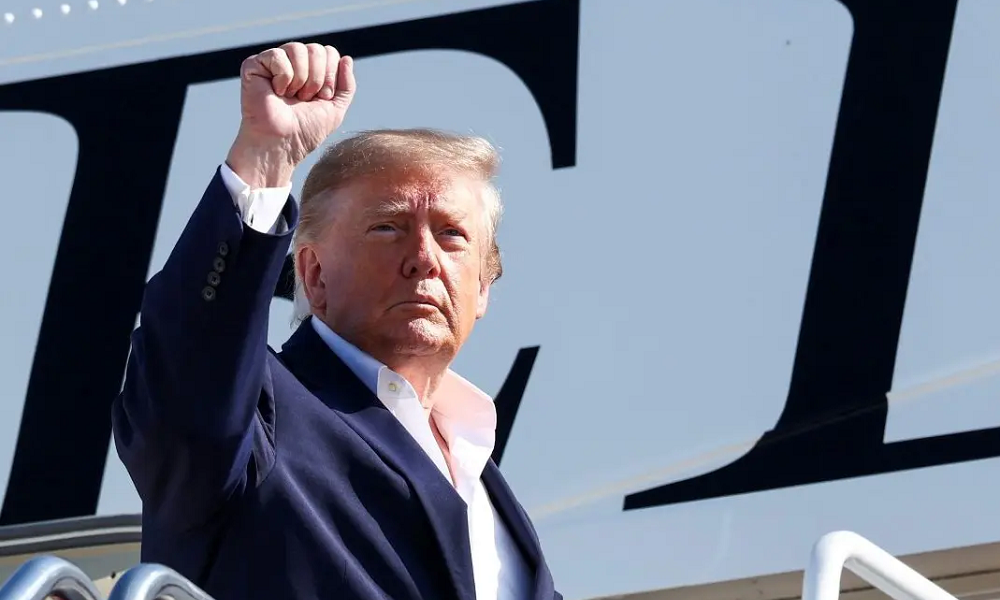
White House declares ‘Trump is still your president’ after Republicans suffer sweeping midterm defeats
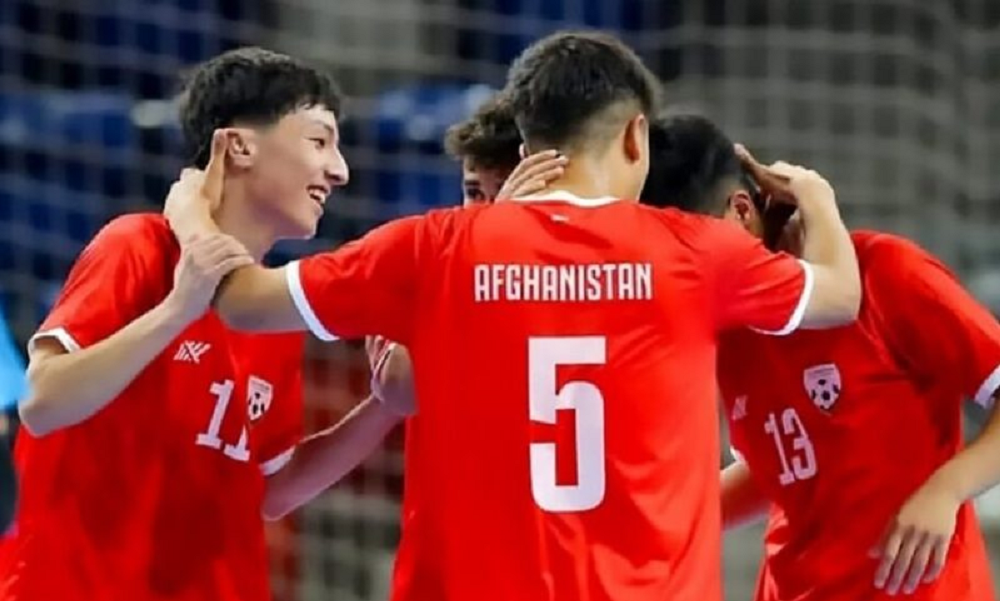
Afghanistan suffer narrow defeat against Argentina at Dakar Youth Olympics
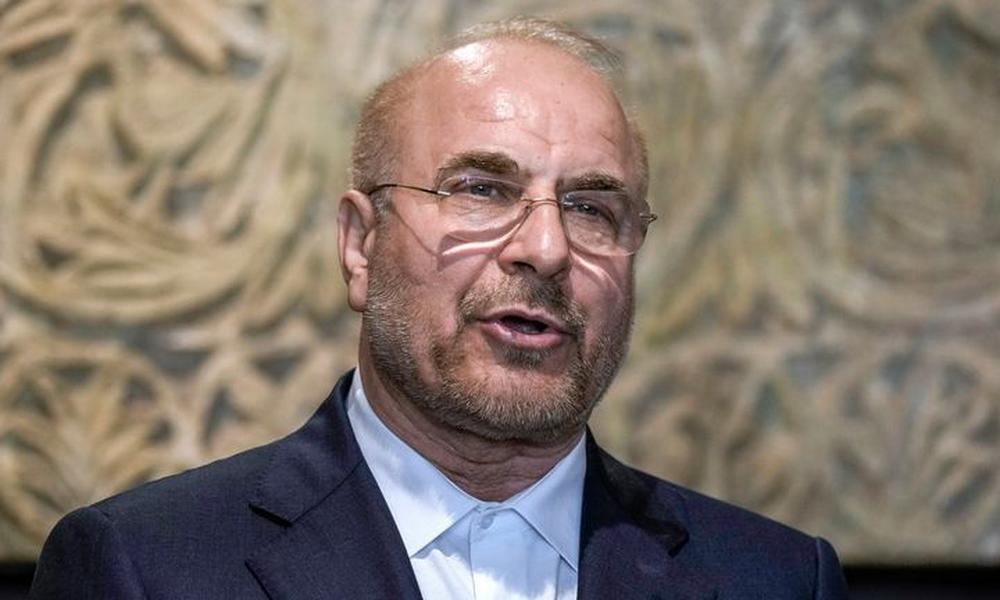
Iran says US voted ‘No to War’ after Republican midterm losses

Afghanistan finish runners-up after 6-0 defeat to Brazil in futsal final

Trump says US will not attack Iran before midterm elections in November

Lionel Messi bids tearful farewell to Argentina after 3-0 win over Benin

Afghan futsal coach: Brazil tournament is first step towards new goals and World Cup

Trump says US may strike Iran’s ‘Pickaxe Mountain’ nuclear facility
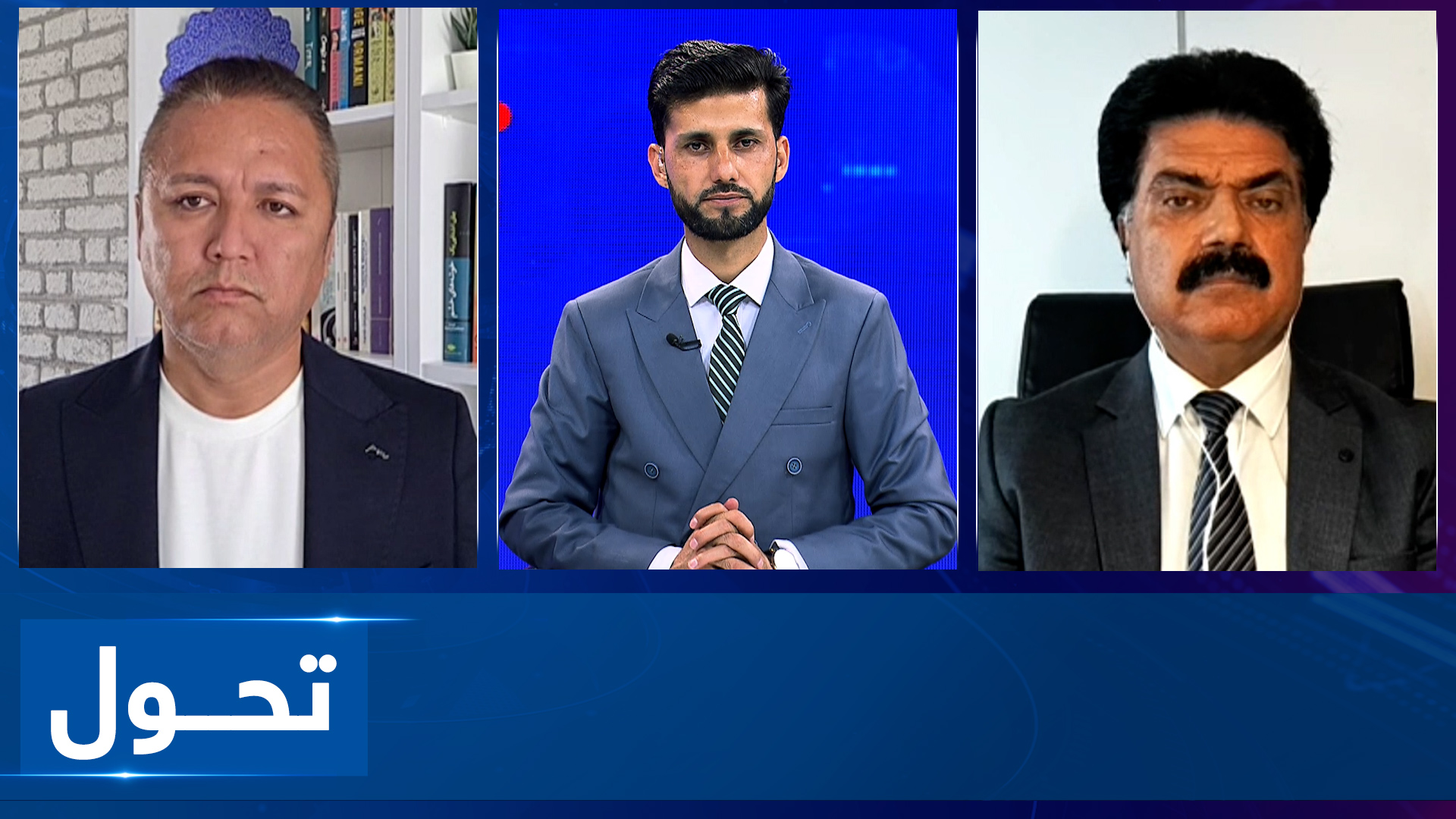
Tahawol: Russia’s Moscow Format for Afghan issues discussed
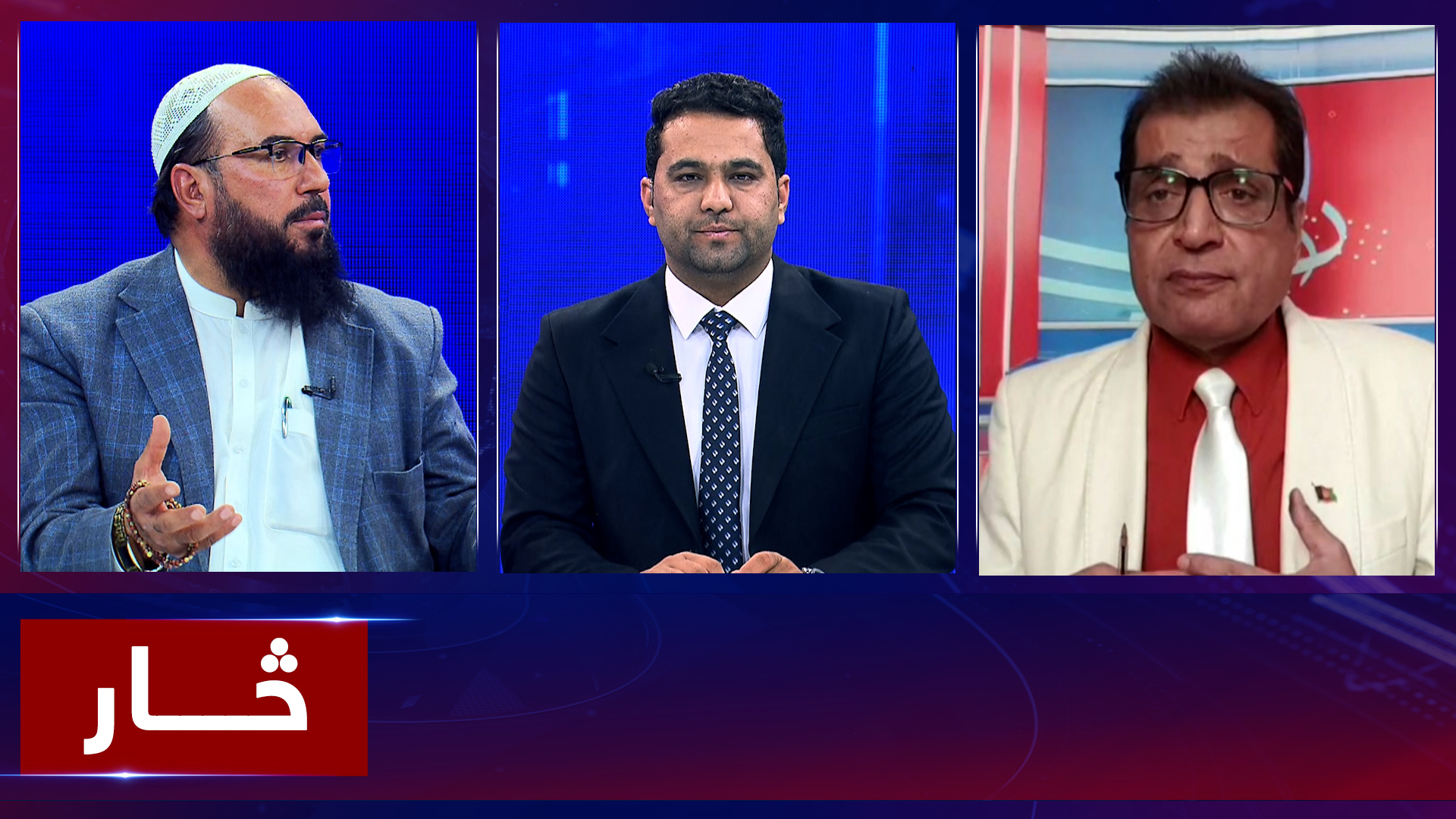
Saar: Afghanistan’s second invitation to Global Climate Summit discussed
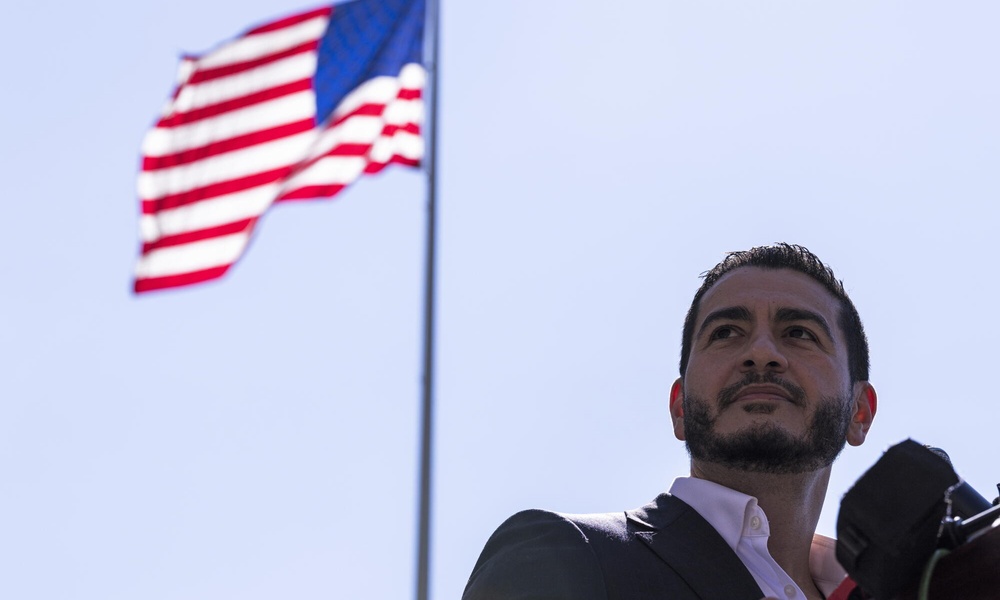
Democrat Abdul El-Sayed becomes first Muslim elected to US Senate
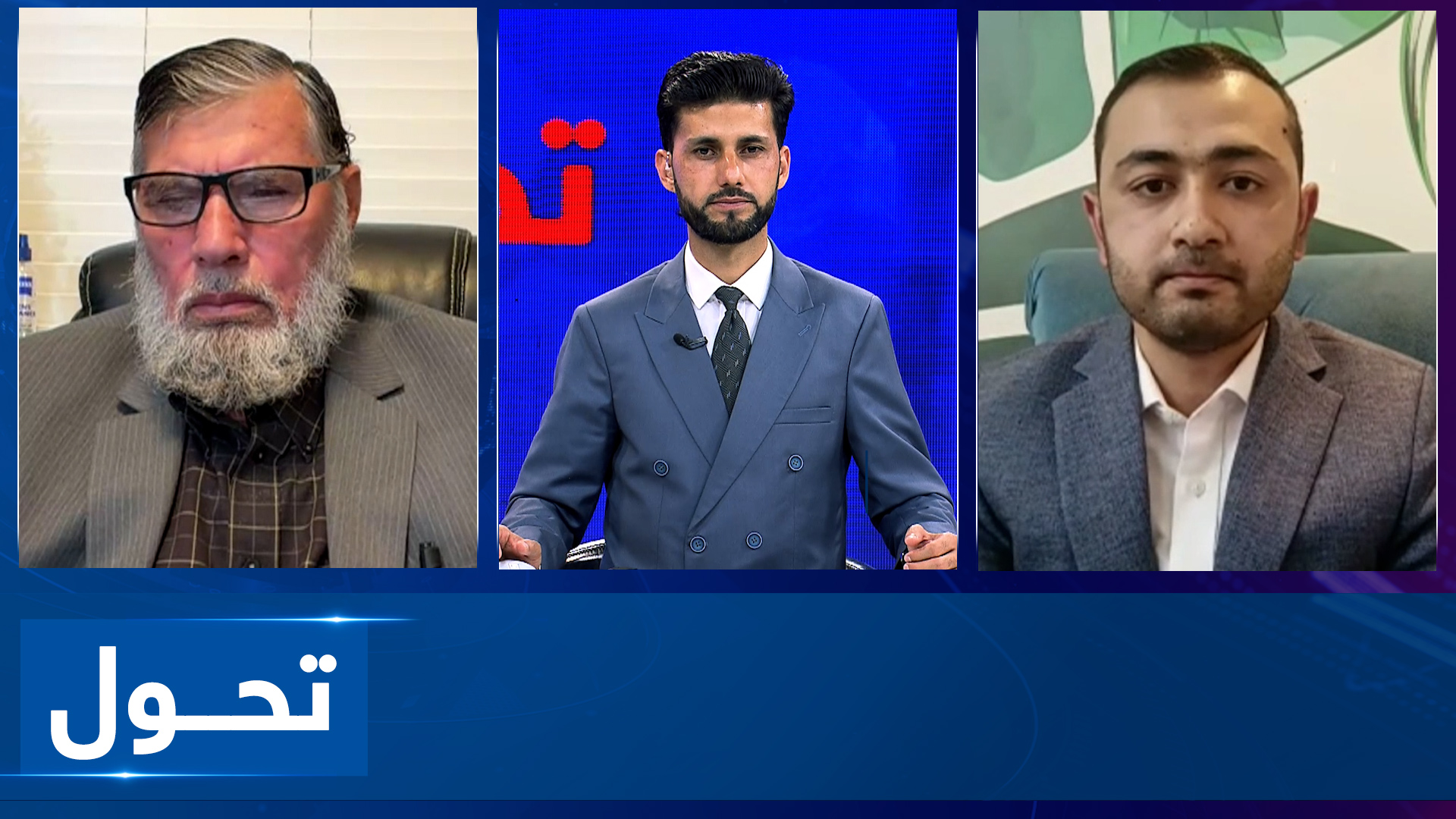
Tahawol: Iran hosts quadrilateral talks on Afghanistan discussed
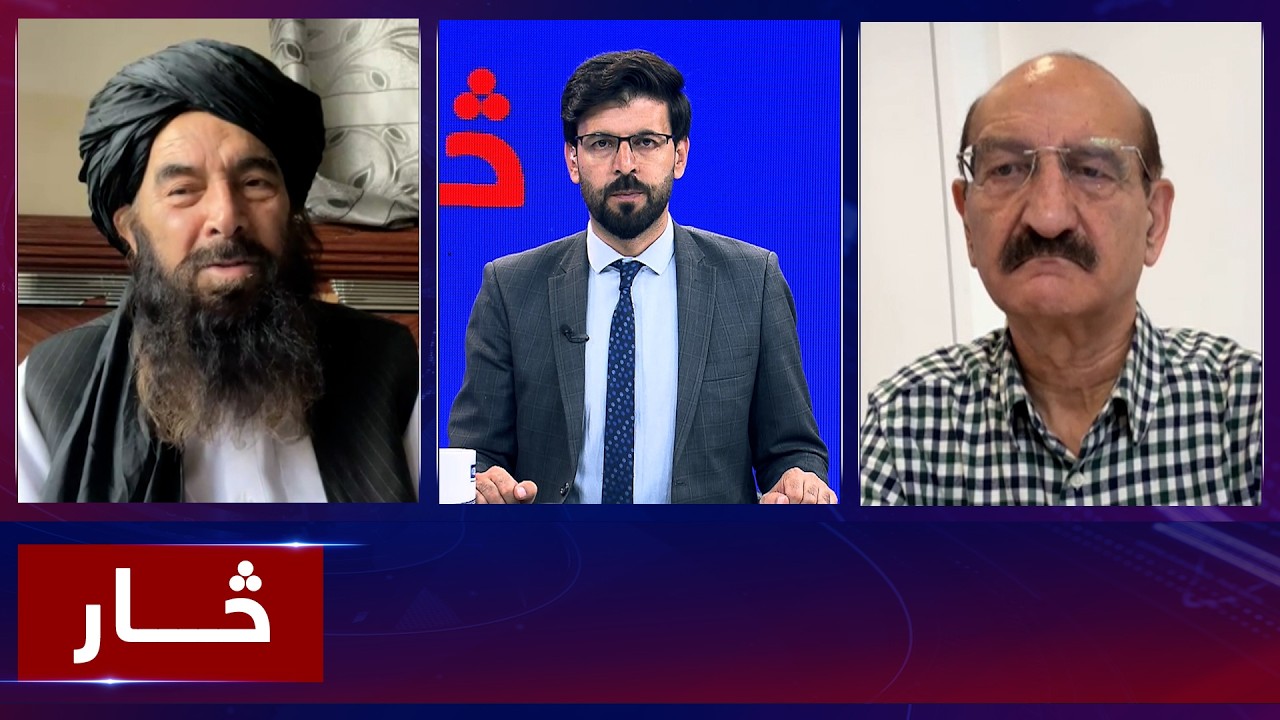
Saar: Deportation of undocumented Afghans from France discussed
-
 Sport4 days ago
Afghanistan crowned 2026 Hong Kong Sixes champions after beating Australia in final
-
 Sport5 days ago
Afghanistan storm into Hong Kong Sixes final after beating Scotland
-
 Sport3 days ago
Afghanistan futsal team thrash Panama 5-0 in flying start to Dakar Youth Olympics
-
 Sport3 days ago
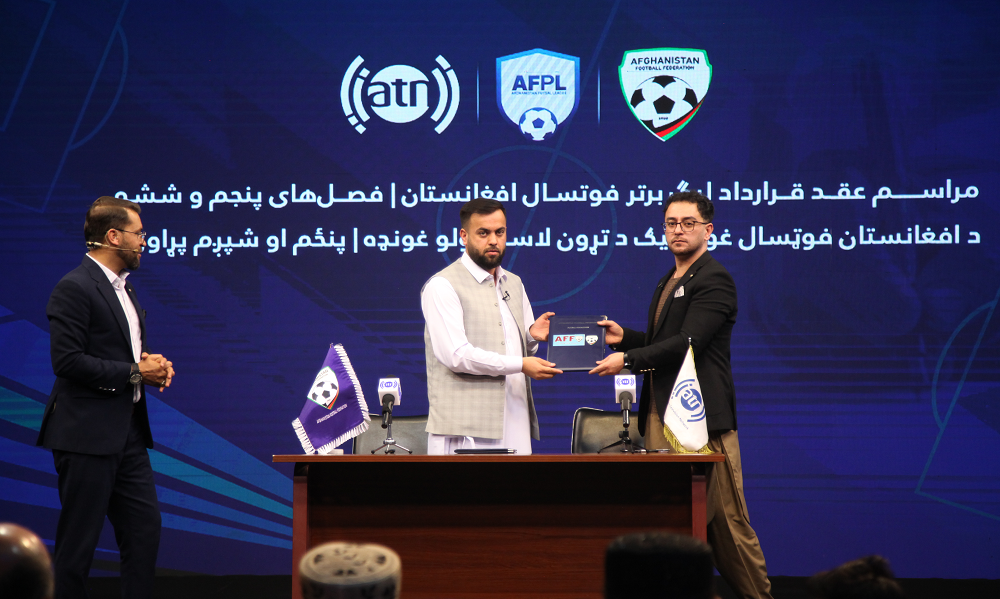
ATN signs deal to broadcast Afghanistan Futsal Premier League seasons 5 and 6
-
 Sport4 days ago
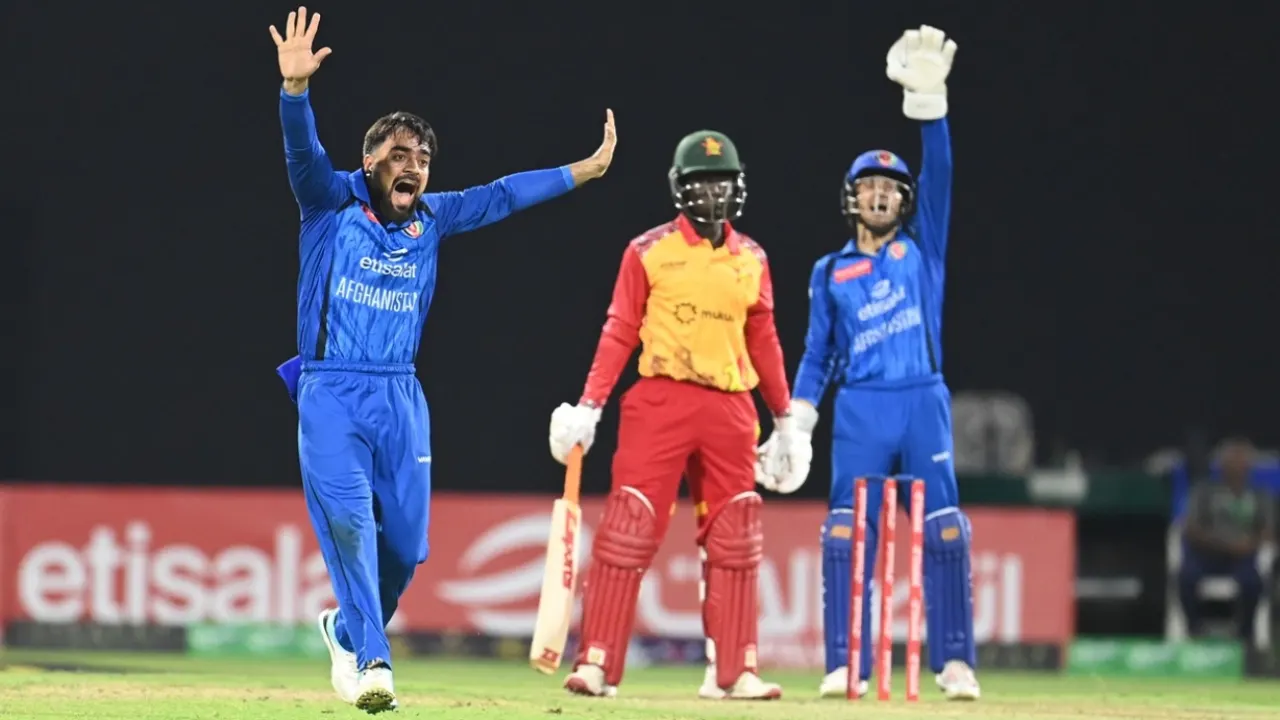
Afghanistan target T20I clean sweep against Zimbabwe in Sharjah
-
 World2 days ago
US carries out ‘defensive’ strikes on Iran’s Qeshm Island, officials say
-
 Sport5 days ago
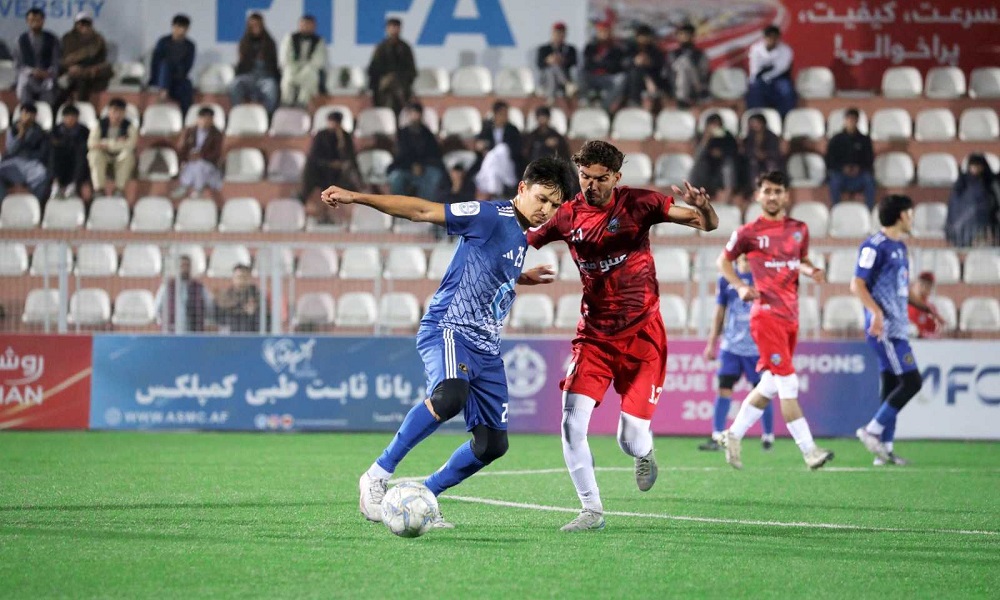
Arman FC fall 2–0 to Aino Mina in Afghanistan Champions League
-
 Latest News4 days ago
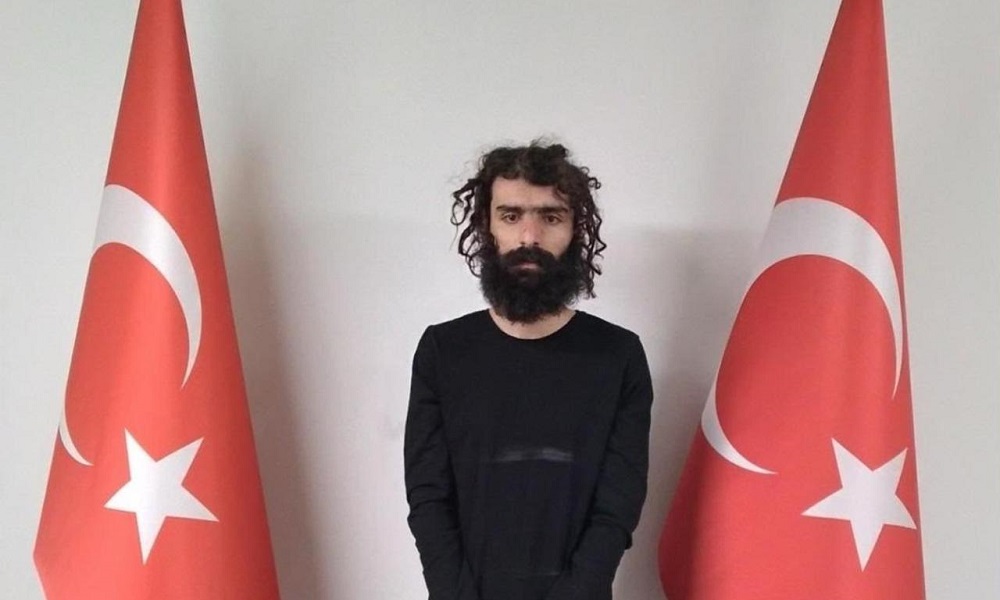
Turkish Daesh suspect Uğur Bahadır arrived at Islamabad airport, trained in Balochistan: sources