
Latest News
Winter threatens more hardship for survivors of Kunar earthquake
For thousands of families the struggle to rebuild their lives now collides with the onset of a bitter winter—threatening to deepen an already severe humanitarian crisis.

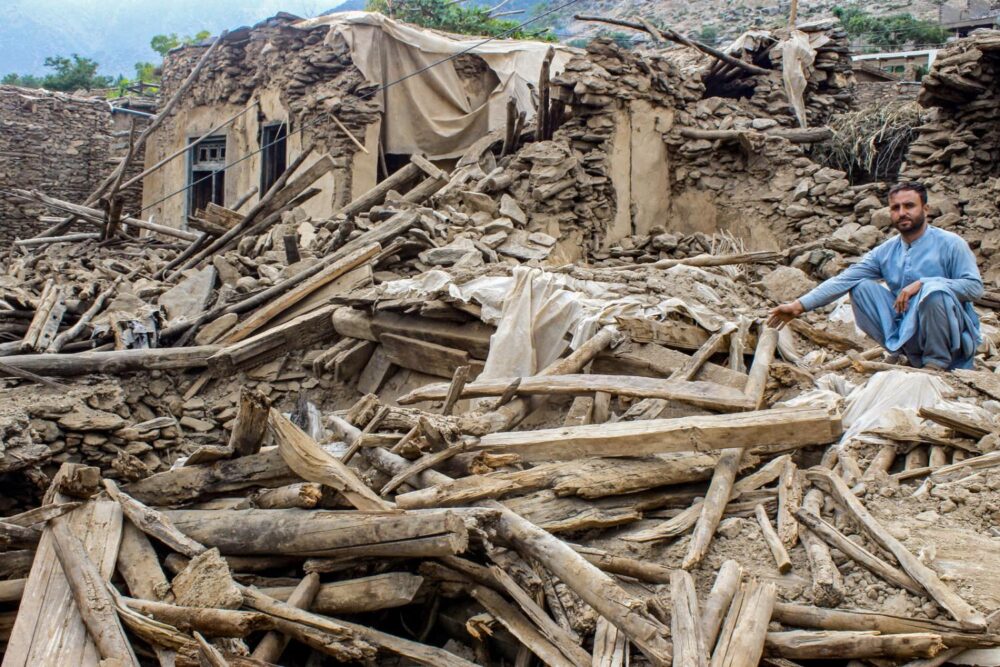
As winter approaches Afghanistan’s eastern mountains, thousands of people displaced by the devastating 31 August 2025 earthquake in Kunar province are bracing for new challenges.
Kochai, a mother of five from Shomash village in Nurgal district, recalls the night the magnitude 6 quake struck.
“It was between ten and 12 o’clock when my uncle’s wife went to bed. I told her not to lock the door—my senses were telling me an earthquake might happen,” she says. Moments later, a loud boom shook the house.
“I grabbed my two small children and rocks started falling from every direction. As soon as we stepped out the door, the room behind us collapsed. I couldn’t do anything.”
She says the loss around her village has left her deeply traumatized. “Many people have died, and my heart feels blackened. I’m afraid to go back.”
The earthquake was one of Afghanistan’s deadliest in a decade, killing more than 2,200 people and injuring over 3,000 across four provinces, including Kunar and Nangarhar. Thousands of survivors now live in temporary camps after their homes were destroyed.
Emergency medical care on the ground
In the days following the disaster, Médecins Sans Frontières (MSF) delivered medical supplies to hospitals treating the injured. By early September, MSF had set up a 24-hour basic healthcare clinic and a health post in Patan camp in Kunar province. A mobile medical team also began visiting displaced families in Ari Gamba camp in Shomash from mid-October.
MSF teams initially provided trauma care and have since expanded services to outpatient consultations, vaccinations, antenatal and postnatal care, health promotion, and mental health support.
From mid-September to late-October, more than 7,500 people were treated—mostly for diarrhoea, respiratory infections, and skin diseases such as scabies, reflecting harsh camp living conditions.
Psychological toll and rising needs
Patan and Ari Gamba camps are among several temporary settlements sheltering roughly 8,000 people from the hardest-hit areas.
“We are seeing hopelessness among people from the earthquake-affected areas,” says MSF doctor Nahida Noor. “Many lost loved ones, and the sound and destruction of the earthquake remain in their memory.”
MSF provides both individual counselling and psychosocial group sessions, with nearly 250 participants each week.
But mental trauma is only one part of the crisis. With winter nearing, temperatures in the mountainous region will soon drop below freezing. For families living in unheated tents, the cold is already a serious concern.
“Winter is approaching and it will snow,” says Sayed Jalal, displaced in Ari Gamba. “Living in these tents is not possible. When it rained and hailed the other day, our children and women suffered greatly.”
Jalal says all their belongings were buried under rubble. “We were given a few blankets, but they cannot withstand the cold. The tents also cannot resist the cold.”
A race against time before winter
Health workers fear that the falling temperatures will bring a spike in respiratory infections, pneumonia, measles, whooping cough and other seasonal illnesses. The camps have no heating or electricity, and the surrounding terrain makes conditions even harsher.
“More will need to be done to ensure survivors can live safely until a permanent solution is found or until they can return home,” says Dr Esmatullah Esmat, MSF’s medical adviser in Kunar.
For thousands of families like Kochai’s, the struggle to rebuild their lives now collides with the onset of a bitter winter—threatening to deepen an already severe humanitarian crisis.

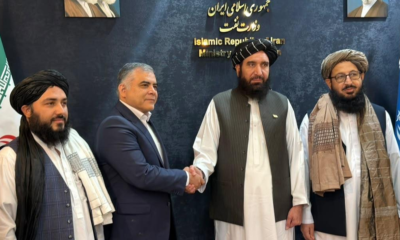

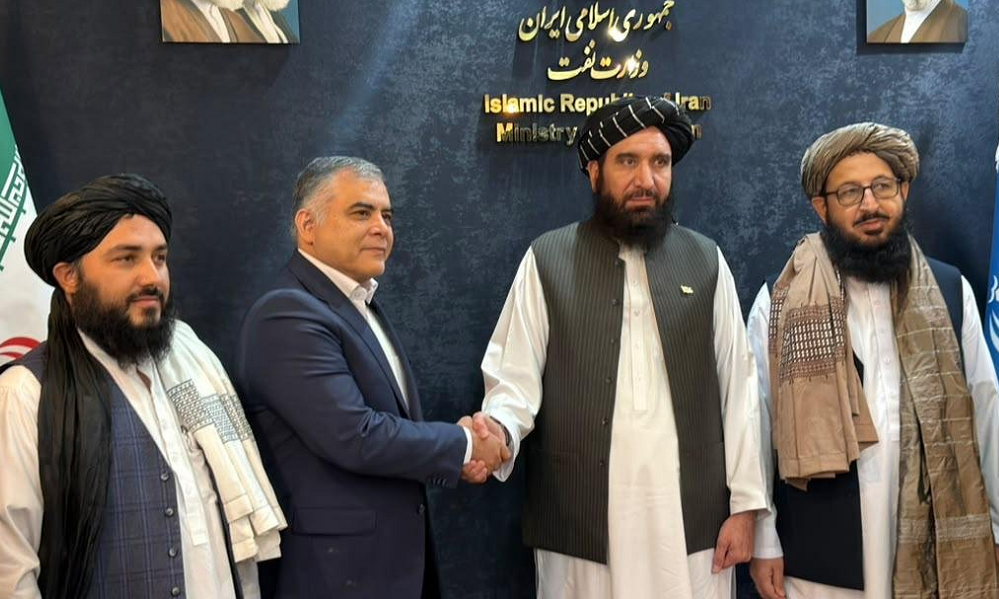
Ahmad Jan Bilal, General Director of State-Owned Corporations, met with Iran’s Oil Minister Mohsen Paknejad during a visit to Iran to discuss expanding cooperation in the oil and gas sector.
Bilal, accompanied by Mohammad Nasir Rahimi, chief executive of the Afghan state-owned Oil and Gas Corporation, held talks with the Iranian minister on supplying Afghanistan with its oil and gas needs, technical and vocational training, and joint cooperation in oil and gas exploration.
Bilal and his delegation also visited the Iranian Oil Ministry’s research center and oil refineries in Tehran, where they reviewed the facilities’ technical and professional activities and capabilities.
The Iranian side expressed readiness for comprehensive cooperation, necessary coordination and implementation of joint projects in the areas discussed.
At the end of the meeting, both sides introduced joint technical teams tasked with coordinating and following up on the necessary measures to implement the agreed areas of cooperation.
Latest News
Afghanistan condemns mosque attack in Khyber Pakhtunkhwa
At least 16 people were killed and 57 others injured in the blast in Kohat on Friday.
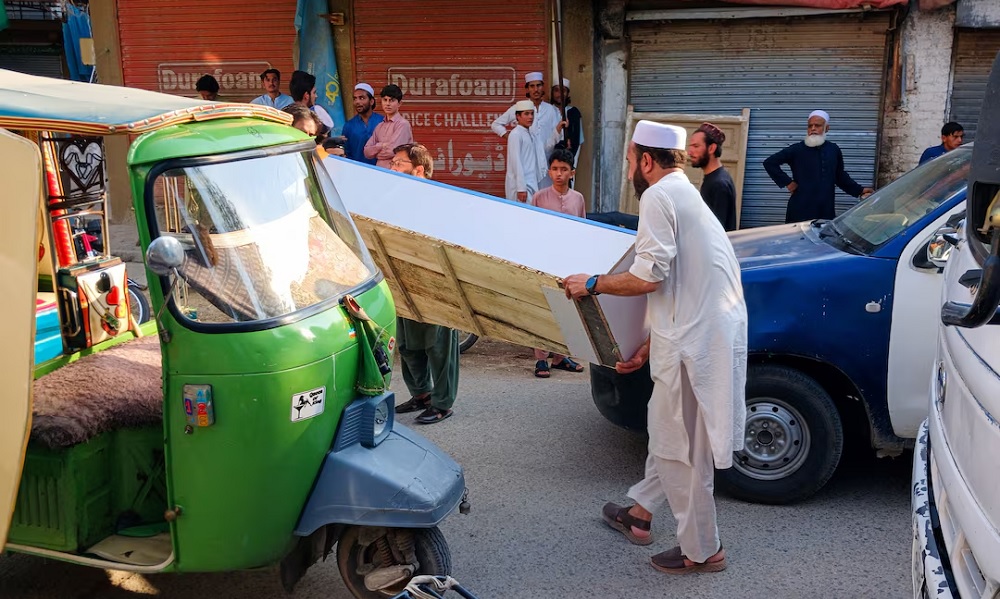
Afghanistan’s Ministry of Foreign Affairs has strongly condemned an attack on a mosque in Kohat city in Khyber Pakhtunkhwa province during Friday prayers.
In a statement issued on Saturday, the ministry’s spokesman described attacks on places of worship as “unjustifiable and condemnable.”
The ministry also expressed sympathy with the families of those killed and injured in the incident.
At least 16 people were killed and 57 others injured in the blast in Kohat on Friday.
No individual or group has so far claimed responsibility for the attack.
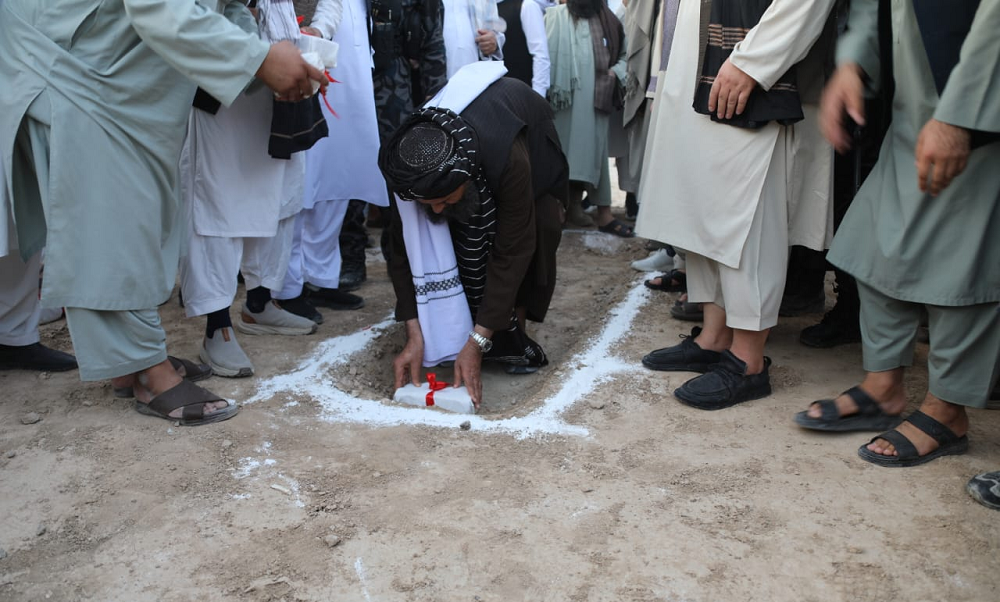
Mullah Abdul Ghani Baradar, Deputy Prime Minister for Economic Affairs, on Friday laid the foundation stone for the Imam Shaqiq Balkhi Industrial Township at the Hairatan Two-Way intersection in Balkh province.
Speaking at the ceremony, Baradar said the Islamic Emirate’s priority is to gradually transform Afghanistan into a productive country and turn its young population into a productive workforce.
He said efforts are also underway to connect industries, production and markets and make Afghan products available in regional and international markets.
Baradar described the Balkh industrial township as a practical demonstration of the Islamic Emirate’s commitment to developing an industrial and productive economy.
According to Baradar, the project will help address the shortage of industrial land in Balkh, create opportunities for businesses, reduce dependence on imports and provide jobs for thousands of people.
He said Balkh is one of Afghanistan’s key commercial, transit and industrial provinces and called for the Hairatan port and transport route to play a greater role in exports.
“Hairatan should not only be a route for imported goods and regular traffic,” Baradar said, adding that it should become an important transit corridor for exporting Afghanistan’s processed and manufactured products.
Baradar also called on the international community to expand formal economic relations with Afghanistan and remove financial and banking restrictions.
He said the Islamic Emirate has both the capacity and determination to participate in regional and global economic partnerships.
At the ceremony, Baradar urged industrialists to invest in different sectors within the new township and said the government would provide the necessary facilities and cooperation.
The Balkh Industrial Township will be developed on 22,000 jeribs of land. It is expected to provide space for businesses involved in processing raw materials, manufacturing standardized products and exporting finished goods.


ACL season six: Aino Mina and Omar Zawak play out 1–1 draw

Iran executes man convicted of spying for Israel’s Mossad, judiciary says

Afghan official meets Iranian oil minister to discuss energy cooperation

Afghanistan condemns mosque attack in Khyber Pakhtunkhwa

Baradar lays foundation stone for industrial township in Balkh

Four mediators struggle to secure lasting Pakistan-Afghanistan ceasefire

Syria and Saudi Arabia condemn Kabul bombing, express solidarity with Afghanistan

Afghanistan’s trade diversification challenges Pakistan

Saudi energy group signs major Afghanistan deals covering gas exploration and pipeline plans

ATN secures exclusive rights to broadcast T20I series in India across Afghanistan

Debate on Afghanistan and New Investment Opportunities

Tahawol: Reasons behind Qatari, Turkish security officials’ Kabul visit discussed

Saar: Outcome of UN Security Council meeting on Afghanistan discussed

Tahawol: Afghanistan’s readiness for US relations discussed

Saar: UN Security Council meeting on Afghanistan discussed
-
 Latest News3 days ago
UN warns of mounting humanitarian and human rights pressures in Afghanistan
-
 Sport5 days ago
ACL: Abu Muslim Farah 4-0 Istiqlal Kabul; Omar Zawak 3-1 Sarsabz Yashlar
-
 Regional3 days ago
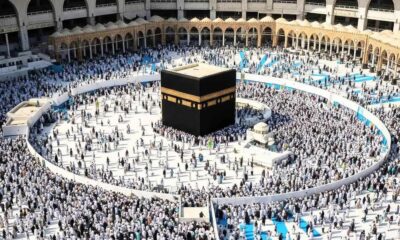
Saudi Arabia calls alleged Mecca attack a ‘red line’ as Houthis deny involvement
-
 Latest News4 days ago
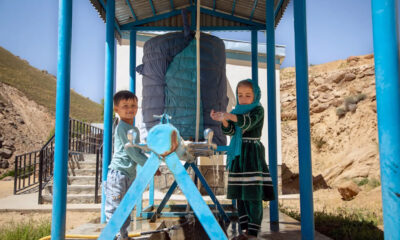
UNICEF expands aid to millions of Afghan children after flash floods
-

 World4 days ago
North Korea’s Kim vows to expand ties with Russia, backs victory in ‘sacred war’
-
 Latest News4 days ago
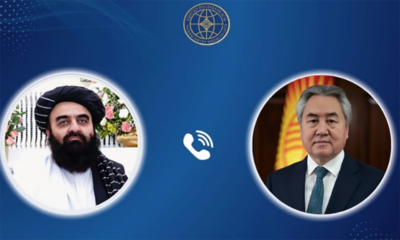
Kyrgyz, Afghan foreign ministers discuss expanding trade and investment ties
-
 Latest News4 days ago
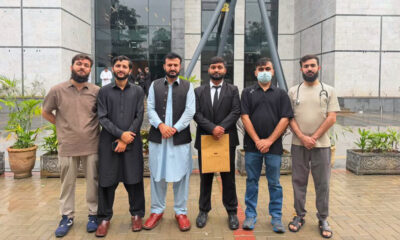
Petition filed in Islamabad High Court against PMDC directive affecting Afghan students
-
 Latest News3 days ago
Five Years On: IEA touts economic growth despite international isolation