
Climate Change
Strong El Niño could push 49 million more people into acute hunger, UN agency says

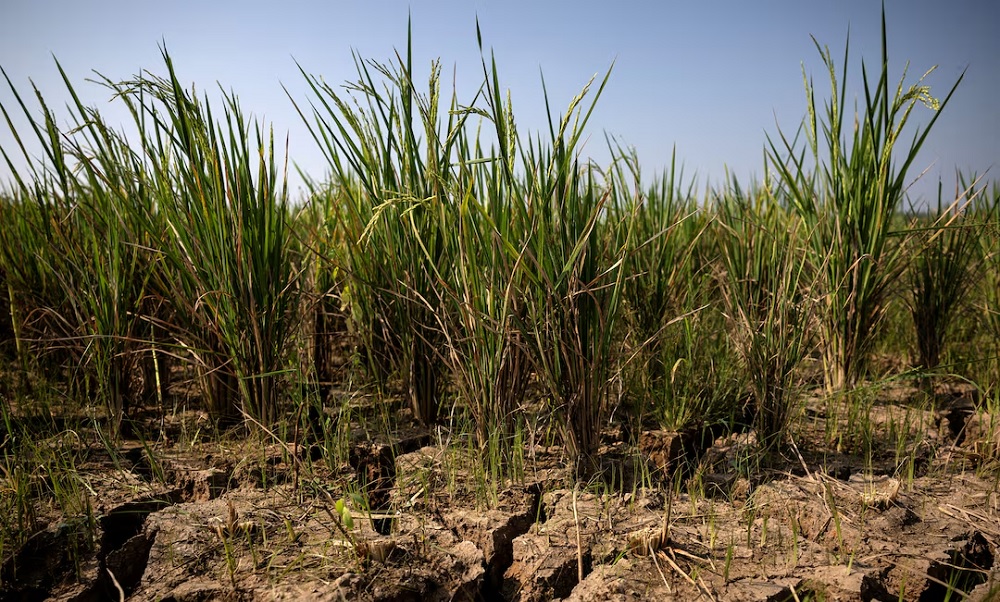
A powerful El Niño weather event could push an additional nearly 49 million people into acute food insecurity across some of the world’s most vulnerable regions by the end of next year, the World Food Programme said on Wednesday.
The U.N. agency said in a report that there was an 81% chance of a very strong El Niño event, with sea surface temperatures at their warmest levels since at least 1982 and potentially making it the strongest such event since 1950, Reuters reported.
El Niño, a periodic warming of ocean surface temperatures in the Pacific, alters global weather patterns and is often associated with drought in Southern Africa, delayed monsoons in parts of Asia and erratic rainfall elsewhere.
“These are events that in the past have triggered large-scale hunger,” Jean-Martin Bauer, director of WFP’s Food Security and Nutrition Analysis Service, told reporters.
Based on an analysis of 45 countries deemed vulnerable to the adverse effects of El Niño, WFP estimates that the number of people facing acute food insecurity could rise by almost 49 million to a total of 274 million people, an increase of 22%, relative to the baseline population already experiencing crisis-level food insecurity or worse.
Central America and Southern Africa are expected to be among the hardest-hit regions, with the number of food-insecure people set to increase by 83% in Central America and nearly 75% in Southern Africa, the WFP report said.
Southern Africa as well as South America and the Caribbean could each see more than 12 million additional people fall into acute food insecurity.
Bauer said global food markets entered the El Niño period in a relatively strong position following good harvests in 2025, but warned that conflict in the Middle East and potential weather-related crop losses could put further upward pressure on prices.
While past El Niño events have not typically triggered major global food price spikes, regional shortages and higher prices could worsen food access for vulnerable households, he said.
Funding cuts from U.S. and European donors in 2025 were also hampering efforts to monitor the developing crisis, with Bauer describing a growing drought of food-security data used to assess the impact of El Niño.
WFP conducted about 1.1 million household surveys in 2024, compared with about 800,000 in 2025, while data collection has fallen further this year due to funding restrictions.
“At a time when you have a risk like an El Niño, it is important to have high-frequency data collection,” Bauer said, warning that reduced monitoring could make it harder to identify emerging food crises quickly.
EARLY ACTION REQUIRED
WFP said current forecasts point to rainfall deficits in parts of East Africa, the Sahel, Central America and the Caribbean, while flood risks could rise in Somalia and neighbouring areas.
Significant impacts are also projected across South and Southeast Asia, where drought risks, uneven monsoons and localized flooding could disrupt agricultural production, the report stated.
The agency stressed that the forecasts remain uncertain and that impacts will vary across regions, but warned that governments and aid agencies needed to prepare.
Richard Choularton, director of WFP’s Climate and Resilience Service, said the agency had scaled up anticipatory action programmes in 18 countries, reaching more than 1.3 million people so far this year with cash and other assistance to help in the event of extreme weather.





Climate Change
IEA to attend UN climate summit for second time since returning to power
The IEA previously attended COP29 in Baku, Azerbaijan, in 2024. Observer status allows delegates to participate in discussions but does not grant them formal negotiating or decision-making powers.
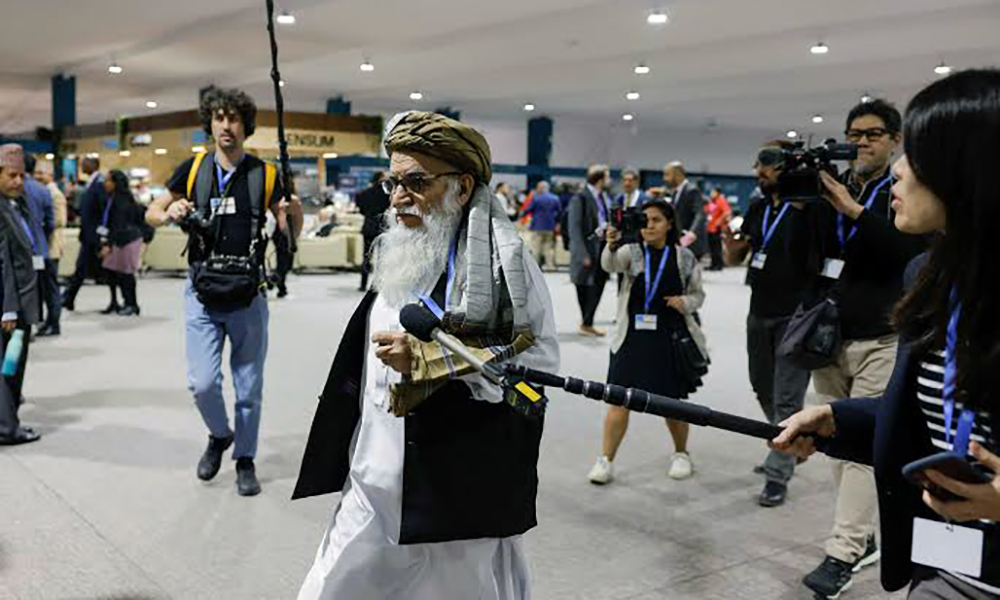
Afghanistan’s Islamic Emirate (IEA) is expected to send representatives to the COP31 United Nations climate summit in Antalya, Turkey, marking its second participation in the global climate conference process since returning to power in 2021.
According to the Associated Press, Rohullah Amin, head of climate change at the National Environmental Protection Agency, confirmed that Kabul plans to send a delegation. A Turkish official also confirmed that IEA representatives had been invited as observers.
The IEA previously attended COP29 in Baku, Azerbaijan, in 2024. Observer status allows delegates to participate in discussions but does not grant them formal negotiating or decision-making powers.
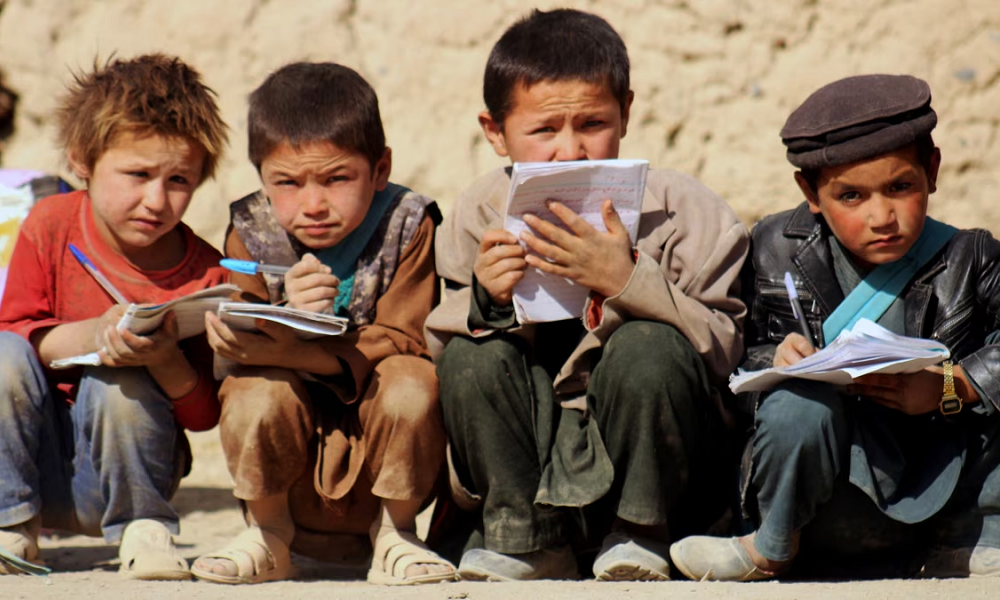
Afghanistan remains among the countries most vulnerable to climate change, facing recurring droughts, water shortages, extreme temperatures and devastating floods. These challenges threaten agricultural production, livelihoods and food security, while contributing to internal displacement.
The planned participation comes amid continuing disagreements over Afghanistan’s international representation and access to climate financing, with the United Nations yet to recognize the IEA administration as the country’s official government.
COP31 is expected to provide another opportunity to highlight Afghanistan’s growing environmental challenges and its need for international climate support.
Climate Change
Afghanistan outlines environmental priorities to international donors
The meeting aimed to improve coordination between Afghanistan’s institutions and international partners, ensuring future development assistance reflects the country’s environmental needs.
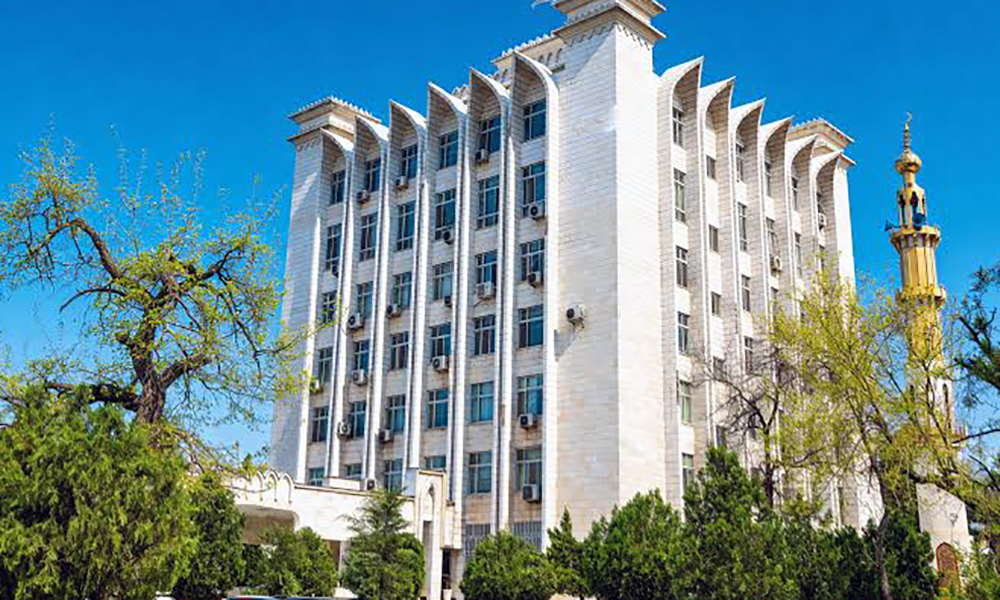
Afghanistan has presented its key environmental and climate-related priorities to international organisations and development partners, seeking stronger cooperation and support for environmental protection initiatives.
The priorities were outlined during the eighth meeting on aligning the priorities of Afghanistan’s sectoral institutions with international organisations, the United Nations and development partners, held at the Marble Palace.
The meeting was organised by the Public Relations Directorate of the Deputy Prime Minister’s Office for Economic Affairs, with the National Environmental Protection Agency presenting its key areas of focus.
These include developing a climate change information system, assessing climate vulnerabilities, expanding green spaces, promoting tree planting and monitoring greenhouse gas emissions and ozone-depleting substances.
The meeting aimed to improve coordination between Afghanistan’s institutions and international partners, ensuring future development assistance reflects the country’s environmental needs.
Representatives of international organisations and donor agencies welcomed the initiative and said the priorities would be considered in their future cooperation with Afghanistan.
The discussions form part of broader efforts to strengthen international coordination on environmental protection and address the country’s growing climate-related challenges.
Climate Change
Afghanistan’s environmental protection chief travels to Malaysia for global education conference
Afghanistan’s participation is intended to promote knowledge-sharing and explore potential international partnerships in environmental protection, waste management and climate resilience.

Matiul Haq Khalis, head of Afghanistan’s National Environmental Protection Agency (NEPA), has travelled to Malaysia with a delegation to participate in the Global Environmental Education Conference (EEC 2026), focusing on environmental awareness, climate resilience and international cooperation.
According to the agency, the conference is scheduled to take place on October 27 and 28 in Kuching, the capital of Malaysia’s Sarawak state.
The conference aims to explore innovative approaches to environmental education, raise public awareness about environmental protection, strengthen communities’ resilience to climate change and facilitate the exchange of knowledge and experience among participating countries.
The Afghan delegation is expected to share the country’s experiences and proposals in environmental education and waste management with representatives from other countries, while seeking opportunities for cooperation with international organizations, the agency said.
Representatives and experts from various countries and organizations, including the United Nations Children’s Fund (UNICEF), the United Nations Development Programme (UNDP) and the World Wide Fund for Nature (WWF), are also expected to attend the conference.
Afghanistan’s participation is intended to promote knowledge-sharing and explore potential international partnerships in environmental protection, waste management and climate resilience.


Tahawol: Calls for stronger joint action against terrorism discussed
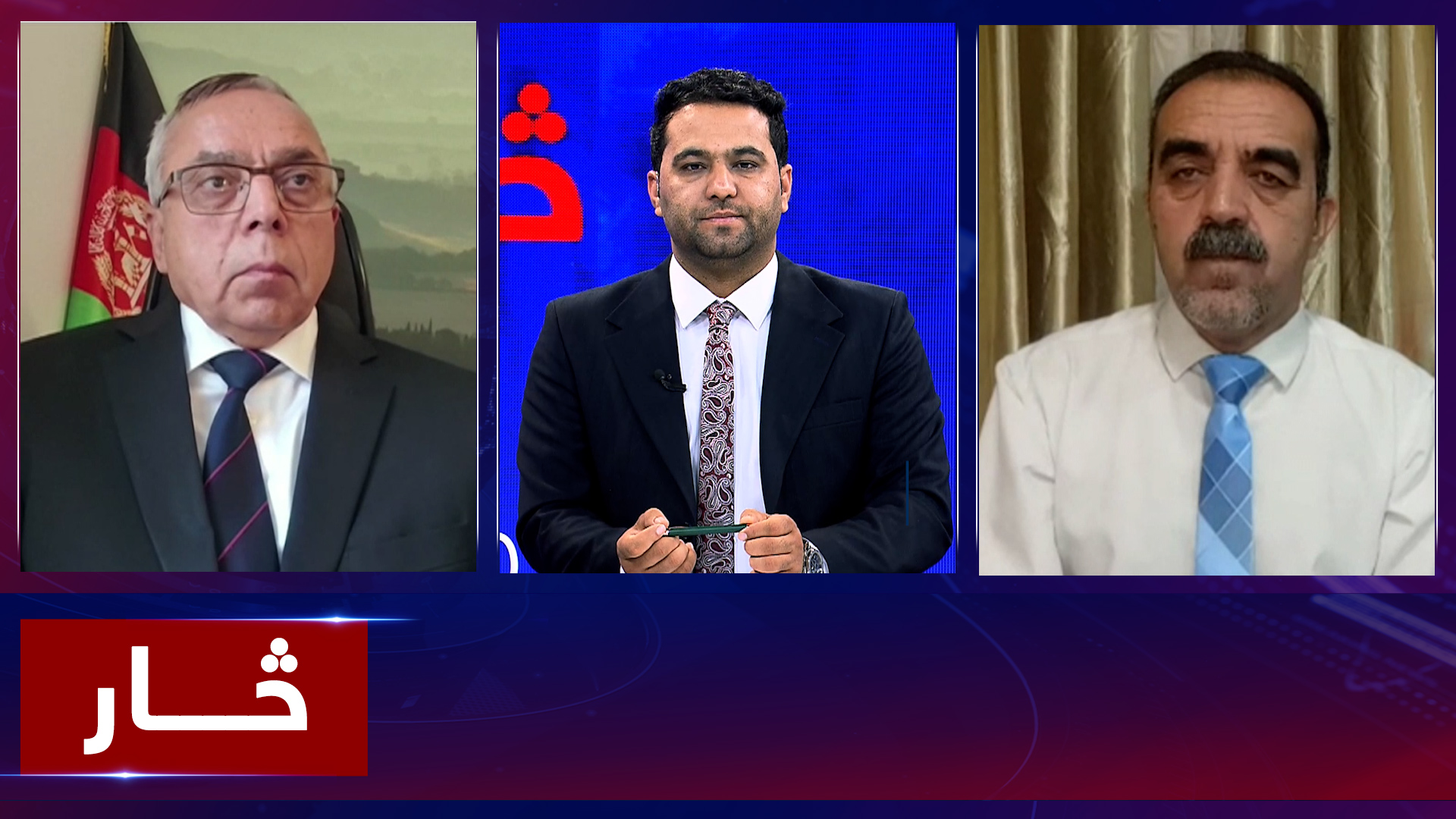
Saar: Impact of closing trade routes between Kabul-Pakistan discussed

Brendan Taylor century puts Zimbabwe in control against Afghanistan on day one

El-Sayed’s historic victory opens a new chapter for Muslim Americans

Afghanistan U19 defeat Bangladesh by 113 runs in Asia Cup opener

Afghanistan finish runners-up after 6-0 defeat to Brazil in futsal final

Trump says US will not attack Iran before midterm elections in November

Lionel Messi bids tearful farewell to Argentina after 3-0 win over Benin

Afghan futsal coach: Brazil tournament is first step towards new goals and World Cup

Trump says US may strike Iran’s ‘Pickaxe Mountain’ nuclear facility
Tahawol: Calls for stronger joint action against terrorism discussed
Saar: Impact of closing trade routes between Kabul-Pakistan discussed
El-Sayed’s historic victory opens a new chapter for Muslim Americans

Tahawol: Russia’s Moscow Format for Afghan issues discussed

Saar: Afghanistan’s second invitation to Global Climate Summit discussed
-
 Sport5 days ago
Afghanistan crowned 2026 Hong Kong Sixes champions after beating Australia in final
-
 Sport3 days ago
Afghanistan futsal team thrash Panama 5-0 in flying start to Dakar Youth Olympics
-
 Sport4 days ago
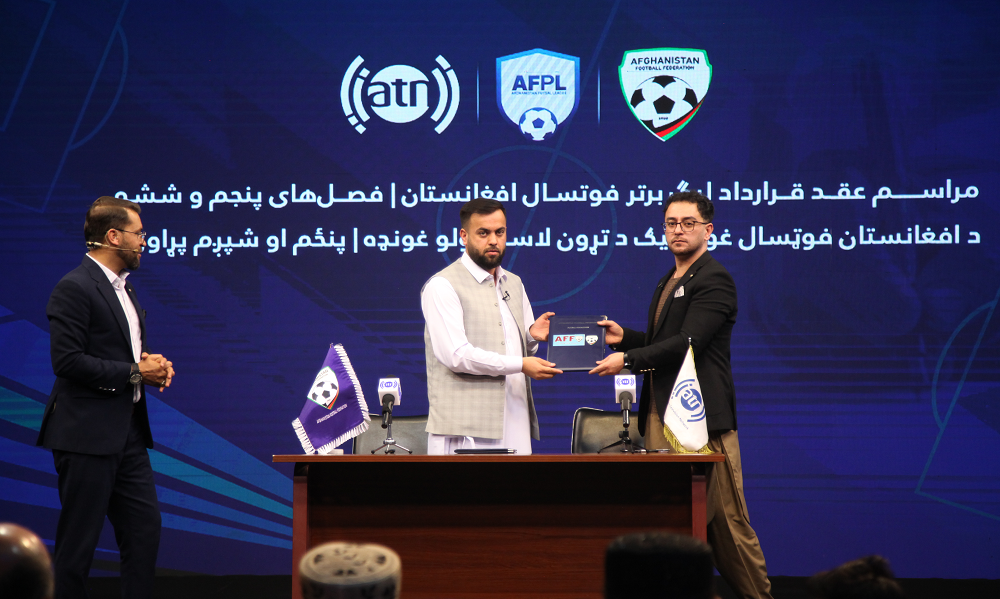
ATN signs deal to broadcast Afghanistan Futsal Premier League seasons 5 and 6
-
 Sport4 days ago
Afghanistan target T20I clean sweep against Zimbabwe in Sharjah
-
 World3 days ago
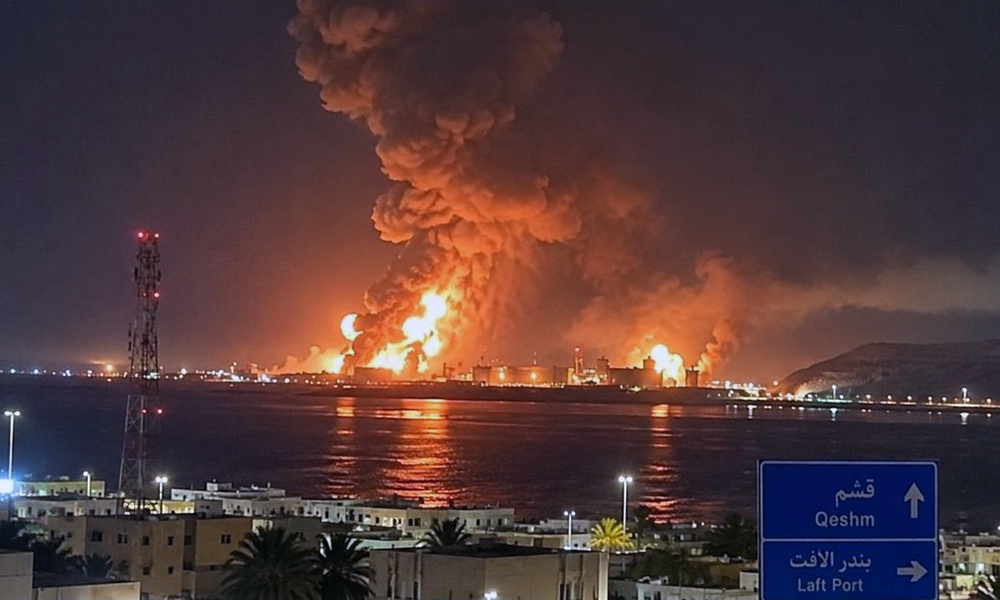
US carries out ‘defensive’ strikes on Iran’s Qeshm Island, officials say
-
 Latest News5 days ago
Turkish Daesh suspect Uğur Bahadır arrived at Islamabad airport, trained in Balochistan: sources
-
 Sport3 days ago
Afghanistan achieve their highest ICC Men’s ODI team ranking
-
 Latest News4 days ago
Trump claims he could have won Afghanistan war in three weeks