
Regional
Israel-Iran air war enters sixth day, Trump calls for Iran’s ‘unconditional surrender’
A White House official said Trump spoke to Israeli Prime Minister Benjamin Netanyahu by phone on Tuesday.

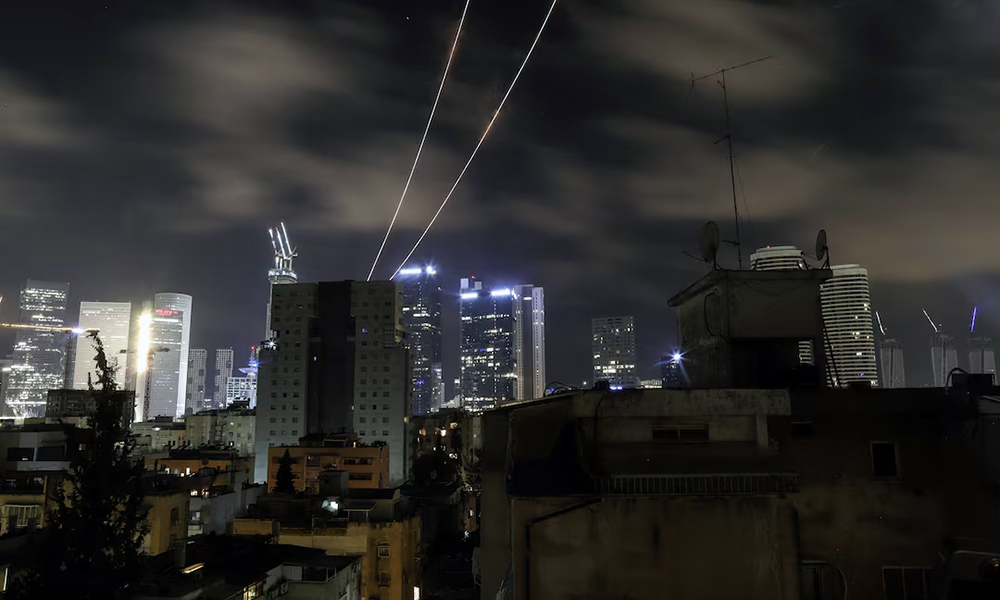
Iran and Israel launched new missile strikes at each other on Wednesday as the air war between the two longtime enemies entered a sixth day despite a call from U.S. President Donald Trump for Tehran’s unconditional surrender, Reuters reported.
The Israeli military said two barrages of Iranian missiles were launched toward Israel in the first two hours of Wednesday morning. Explosions were heard over Tel Aviv.
Israel told residents in a southwestern area of Tehran to evacuate so its air force could strike Iranian military installations. Iranian news websites said Israel was attacking a university linked to Iran’s Revolutionary Guards in the east of the capital.
Iranian news websites said Israel was also attacking a university linked to Iran’s Revolutionary Guards in the country’s east, and the Khojir ballistic missile facility near Tehran, which was also targeted by Israeli airstrikes last October.
The U.S. Office of the Director of National Intelligence says Iran is armed with the largest number of ballistic missiles in the Middle East. Iran has said its ballistic missiles are an important deterrent and retaliatory force against the U.S., Israel and other potential regional targets.
Trump warned on social media on Tuesday that U.S. patience was wearing thin. While he said there was no intention to kill Iran’s leader Ayatollah Ali Khamenei “for now,” his comments suggested a more aggressive stance toward Iran as he weighs whether to deepen U.S. involvement.
“We know exactly where the so-called ‘Supreme Leader’ is hiding,” he wrote on Truth Social. “We are not going to take him out (kill!), at least not for now … Our patience is wearing thin.”
Three minutes later Trump posted, “UNCONDITIONAL SURRENDER!”
Trump’s sometimes contradictory and cryptic messaging about the conflict between close U.S. ally Israel and longtime foe Iran has deepened the uncertainty surrounding the crisis. His public comments have ranged from military threats to diplomatic overtures, not uncommon for a president known for an often erratic approach to foreign policy, read the report.
A source familiar with internal discussions said Trump and his team are considering a number of options, including joining Israel on strikes against Iranian nuclear sites.
A White House official said Trump spoke to Israeli Prime Minister Benjamin Netanyahu by phone on Tuesday.
Trump also met for 90 minutes with his National Security Council on Tuesday afternoon to discuss the conflict, a White House official said. Details were not immediately available.
The U.S. is deploying more fighter aircraft to the Middle East and extending the deployment of other warplanes, three U.S. officials told Reuters. The U.S. has so far only taken indirect actions in the current conflict with Iran, including helping to shoot down missiles fired toward Israel.
A source with access to U.S. intelligence reports said Iran has moved some ballistic missile launchers, but it is difficult to determine if they were targeting U.S. forces or Israel.
However, Britain’s leader Keir Starmer, speaking at the Group of Seven nations summit in Canada that Trump left early, said there was no indication the U.S. was about to enter the conflict.
Khamenei’s main military and security advisers have been killed by Israeli strikes, hollowing out his inner circle and raising the risk of strategic errors, according to five people familiar with his decision-making process.
With Iranian leaders suffering their most dangerous security breach since the 1979 Islamic Revolution, the country’s cybersecurity command banned officials from using communications devices and mobile phones, Fars news agency reported.
Israel launched a “massive cyber war” against Iran’s digital infrastructure, Iranian media reported.
Ever since Iran-backed Hamas attacked Israel on October 7, 2023, and triggered the Gaza war, Khamenei’s regional influence has waned as Israel has pounded Iran’s proxies – from Hamas in Gaza to Hezbollah in Lebanon, the Houthis in Yemen and militias in Iraq. Iran’s close ally, Syria’s autocratic president Bashar al-Assad, has been ousted, Reuters reported.
Israel launched its air war, its largest ever on Iran, on Friday after saying it had concluded the Islamic Republic was on the verge of developing a nuclear weapon.
Iran denies seeking nuclear weapons and has pointed to its right to nuclear technology for peaceful purposes, including enrichment, as a party to the international Non-Proliferation Treaty.
Israel, which is not a party to the NPT, is the only country in the Middle East believed to have nuclear weapons. Israel does not deny or confirm that.
Netanyahu has stressed that he will not back down until Iran’s nuclear development is disabled, while Trump says the Israeli assault could end if Iran agrees to strict curbs on enrichment.
Before Israel’s attack began, the 35-nation board of governors of the U.N. nuclear watchdog, the International Atomic Energy Agency, declared Iran in breach of its non-proliferation obligations for the first time in almost 20 years.
The IAEA said on Tuesday an Israeli strike directly hit the underground enrichment halls at the Natanz facility.
Israel says it now has control of Iranian airspace and intends to escalate the campaign in coming days.
But Israel will struggle to deal a knock-out blow to deeply buried nuclear sites like Fordow, which is dug beneath a mountain, without the U.S. joining the attack.
Iranian officials have reported 224 deaths, mostly civilians, while Israel said 24 civilians had been killed. Residents of both countries have been evacuated or fled.
Global oil markets are on high alert following strikes on sites including the world’s biggest gas field, South Pars, shared by Iran and Qatar.


Regional
Iran says contacts over ending war continue after talks finish with no breakthrough
On Monday, Trump said Iran wants to make a deal to end the war and that such an agreement “could happen.” He did not immediately provide details.
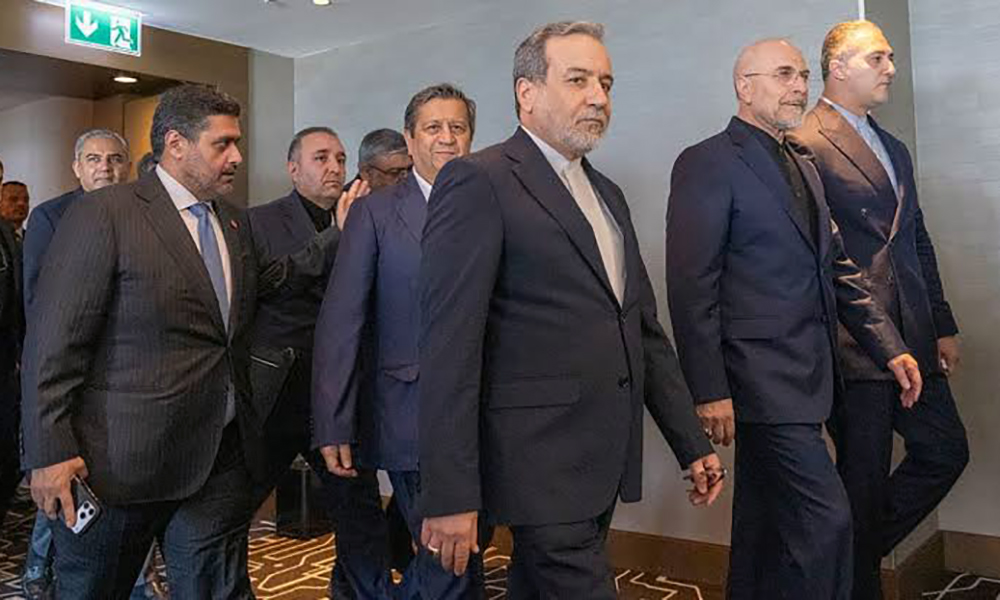
Contacts between Iran and the United States to end their eight-month war are continuing, Tehran said on Monday, after days of Iranian talks with Qatari mediators ended with altered proposals but no breakthrough.
“Consultations through mediators are very intensive. We have presented our conditions and proposals and everything depends on the political rationality of Washington,” Iranian Foreign Minister Abbas Araqchi said in comments carried by state media outlet IRNA.
Amid fears the conflict could reignite after Tuesday’s midterm elections in the United States, China and Russia both spoke out on Monday against the possibility of renewed military action in a war that has hit the global economy.
While oil prices fell nearly 4% on Monday on hopes that the latest round of mediation could lead to a diplomatic solution to the crisis, Iranian sources said they believed a new US attack was still more likely than a deal.
Iran’s Foreign Ministry spokesperson Esmaeil Baghaei said the plan Iran had submitted in September to end the war remained the focus of discussions, but he confirmed comments attributed to Araqchi on Saturday that the proposal could be shortened.
“The basis of dialogue and talks between Iran and the US via mediators is still Iran’s seven-step proposal, which is now condensed, making it possible to implement it within two days,” he said.
US President Donald Trump rejected the seven-step proposal in September.
The plan would call for the US to end its blockade on Iranian ports, Iran to reopen the Strait of Hormuz waterway, a US waiver on Iranian oil sales, the cancellation of new sanctions on Iran and then talks on other issues.
Baghaei reiterated that condensing the plan would not change Iran’s underlying stance that a return to talks on the country’s nuclear programme could only happen after it verified that all its conditions were met.
Asked whether the possibility of transferring Iran’s highly enriched uranium stockpile to another country was raised in the talks, and whether Iran might agree to that, he said no.
An official briefed on the talks said Iran’s negotiators had left on Sunday but not because of any problems in the talks, and added that a draft proposal was being circulated without elaborating.
Qatari mediators traveled to Tehran on Monday night for talks with Araqchi on a version of the draft US-Iran deal that has been under negotiation for the past eight days, an official briefed on the talks said.
On Monday, Trump said Iran wants to make a deal to end the war and that such an agreement “could happen.” He did not immediately provide details.
The war, which the US and Israel launched suddenly on February 28, has led to Iran’s closure of the key Strait of Hormuz waterway, the US blockade on Iranian ports, repeated bouts of Iranian drone and missile fire on Gulf states and renewed conflict in Yemen.
Trump has repeatedly said there would be no new attack on Iran before Tuesday’s midterm elections. Iran has said it will respond to any resumed attack aggressively with plans to strike targets both within and outside the Middle East.
China’s Foreign Minister Wang Yi said on Monday that all parties to the conflict should focus on political solutions rather than resorting to arms again, after a meeting with senior Iranian security official Ali Bagheri Kani in Beijing.
China, a major customer for Gulf energy products, is engaging more actively in Middle East diplomacy this week, hosting Oman’s Sultan Haitham bin Tariq al-Said, whose country flanks the southern side of the Strait of Hormuz.
Wang also met Saudi Arabia’s national security advisor Musaed bin Mohammed al-Aiban in Beijing on Monday, China’s Foreign Ministry said, adding that all sides should work to safeguard regional energy and shipping lane security.
In Moscow, the Russian Foreign Ministry said reports of new military action against Iran were a cause for extreme concern and called for increased diplomatic efforts.
Russian President Vladimir Putin spoke by phone with Iran’s top security official Mohsen Rezaei on Monday, Iranian state media reported.
Underscoring the risks to global energy supply, a Qatari liquefied natural gas (LNG) tanker was struck in the Gulf by unidentified objects on Friday, its operator Nakilat said on Sunday.
While attacks on oil tankers in the Gulf and Red Sea have been common during the conflict, attacks on LNG carriers have been rare, with the last reported incident with a Qatari tanker happening in early July.
Regional
Saudi defence pact countries push for peace in Tehran as Houthis launch more attacks
Saudi Arabia said the visit was intended to open negotiating channels to “prevent the return of military escalation”.
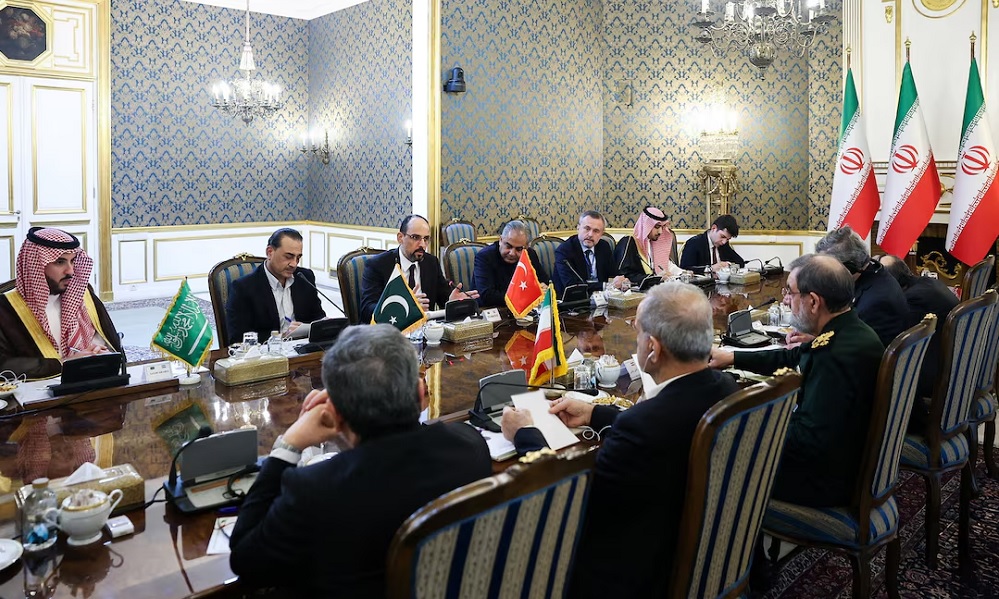
Top officials from Saudi Arabia, Turkey and Pakistan met Iranian officials in Tehran on Monday in a bid to de-escalate the Middle East conflict, as Yemen’s Houthis launched new attacks on Saudi Arabia and Egypt approved defence support for the Gulf kingdom.
The talks were the first high-level contact between Iran and the three nations — which signed the Mecca mutual defence pact in August — since a war that began with US and Israeli strikes on Iran also spread to Saudi Arabia and Yemen, Reuters reported.
Saudi Arabia said the visit was intended to open negotiating channels to “prevent the return of military escalation”.
It was represented by Defence Minister Prince Khalid bin Salman, younger brother of Crown Prince Mohammed bin Salman; Pakistan by army chief Field Marshal Asim Munir; and Turkey by intelligence chief Ibrahim Kalin, Saudi and Iranian officials said.
Iranian state media published pictures of Iranian President Masoud Pezeshkian, Foreign Minister Abbas Araqchi and Mohsen Rezaei, secretary of the Supreme National Security Council, attending the meetings. At the conclusion, the four states agreed to continue talks with a view to strengthening cooperation in peace and security, state media reported.
Pakistan and Qatar have led mediation efforts in the war.
Earlier efforts helped produce an interim peace agreement in June, but fighting between Iran and the US soon resumed. Conflict then flared between the Iran-aligned Houthis and US ally Saudi Arabia, opening a new front.
US AND IRAN THREATEN NEW ATTACKS
The wider fighting has restricted shipping through the energy chokepoint of the Strait of Hormuz, pushed up global oil and gas prices, left Gulf states facing missile and drone attacks, and caused a new humanitarian crisis in Yemen.
Tensions between Washington and Tehran have sharpened recently, with President Donald Trump saying on Friday the US may strike Iran again. Iranian security officials told Reuters Tehran had drawn up detailed plans to attack Gulf undersea cables if the US and Israel attack again.
The war, which earlier in the year also reignited fighting between Israel and the Iran-backed Lebanese Hezbollah militia, has eroded Trump’s approval ratings ahead of the US midterm elections that decide control of Congress.
Iranian security chief Rezaei said the visit by the three countries had shown that “American threats have little impact on countries around the world”. He spoke of a “new and positive atmosphere” in the region.
Iranian Foreign Ministry spokesperson Esmaeil Baghaei had earlier said the meeting, proposed when Munir visited Tehran last week, could be a first step towards establishing regional security mechanisms.
A senior Pakistani security official said the focus was on building a regional non-aggression network. The agenda also included US-Iran talks, Houthi attacks on Saudi Arabia, the Strait of Hormuz and a US blockade of Iranian ports, they said.
Another Pakistani official said Munir, with a go-ahead from Trump to try diplomacy, had presented Iran with a solution to the conflict that would offer something to both the US and Iran, without giving details.
The Mecca pact states and Qatar could act as guarantors if it was accepted, the official added.
An Iranian official had earlier said there would be no discussion of Iran’s nuclear programme at Monday’s meeting, and the issue would not be addressed until Tehran’s demands for ending the war were met.
Those conditions include ending a US blockade of Iranian ports and lifting sanctions on Iranian oil exports. US Vice President JD Vance has said Iran must reduce nuclear enrichment to end the war.
Pakistan’s military media office and Turkey’s Foreign Ministry did not immediately respond to requests for comment.
PARLIAMENT APPROVES EGYPTIAN DEFENCE SUPPORT FOR SAUDIS
Saudi Arabia has intensified strikes against the Houthis since they captured strategic areas along Yemen’s Red Sea coast last month, advancing against Saudi-backed government forces. The Houthis have hit Saudi airports, ports and oil facilities.
On Monday, the Houthis said they had attacked pumping stations on Saudi Arabia’s East-West pipeline as well as Riyadh airport, which said it had resumed operations at two terminals a day earlier. There was no immediate Saudi confirmation of the Houthi attacks.
Parliament in Egypt, which has said it is considering joining the Mecca pact, on Monday authorised the Egyptian military to help defend Saudi Arabia, a major financial and political partner for Cairo.
The Mecca Joint Defence Agreement says signatories shall use “all necessary means” to eliminate threats to one another’s territorial integrity, sovereignty or internationally recognised borders, according to a text seen by Reuters.
The pact’s members held an emergency meeting in Riyadh this month and agreed to ensure the “rapid deployment” of military forces and capabilities in Saudi Arabia.
Efforts by Turkey’s parliament to ratify the agreement began last week and are still under way, while Pakistan approved the pact last week.
Regional
Iran says outcome of Israeli elections ‘makes no difference’
Tuesday’s legislative elections will take place amid mounting threats by Israel and the United States to renew attacks on Iran after they launched their war in late February.
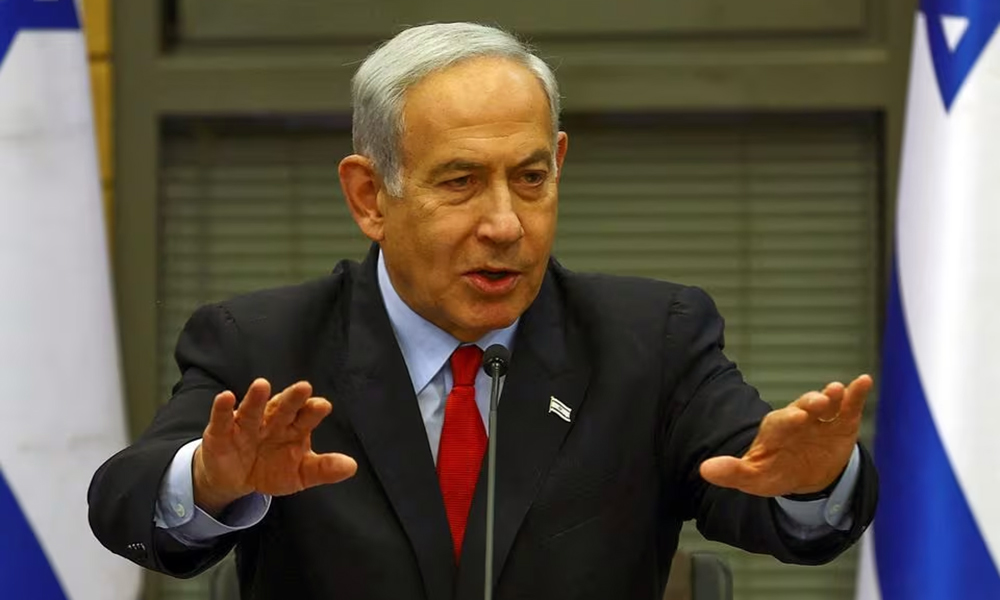
Iran’s foreign ministry said Monday that the outcome of the Israeli elections in which Prime Minister Benjamin Netanyahu is facing a tight race will make “no difference”, AFP reported.
“It makes no difference to us who, in these elections, takes the helm of a regime that has brought nothing but violence and massacres to our region,” said ministry spokesman Esmaeil Baqaei in a weekly press briefing.
Tuesday’s legislative elections will take place amid mounting threats by Israel and the United States to renew attacks on Iran after they launched their war in late February.
Netanyahu has in recent days repeatedly said the only way to remove the threat posed by Iran is to topple its government.
On Sunday, he told Israel’s Channel 14 that he had “instructed the Mossad and the IDF to overthrow the Iranian regime”.
Baqaei dismissed Netanyahu’s remarks as “empty threats” and a “sign of desperation”.

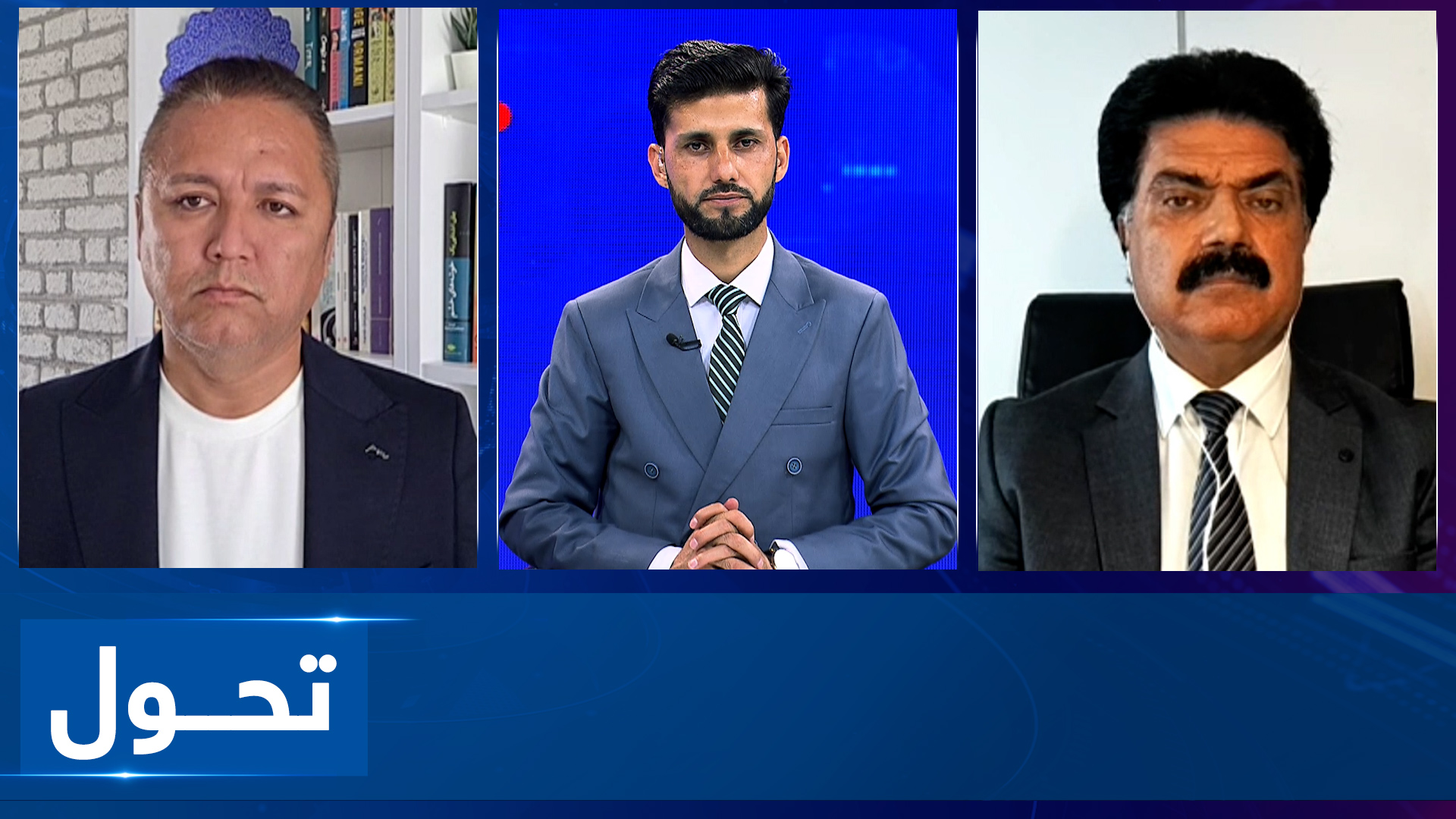
Tahawol: Russia’s Moscow Format for Afghan issues discussed
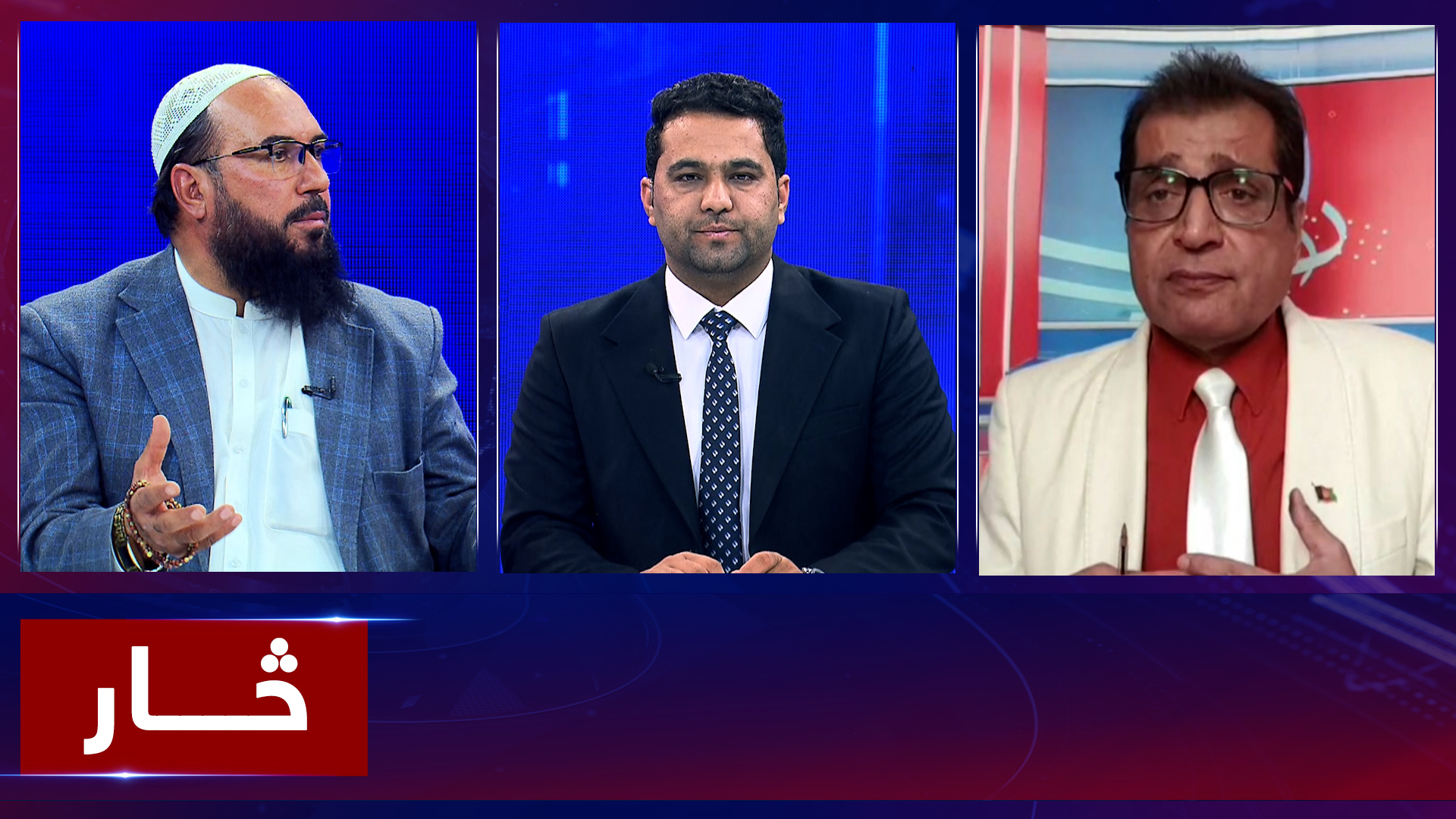
Saar: Afghanistan’s second invitation to Global Climate Summit discussed
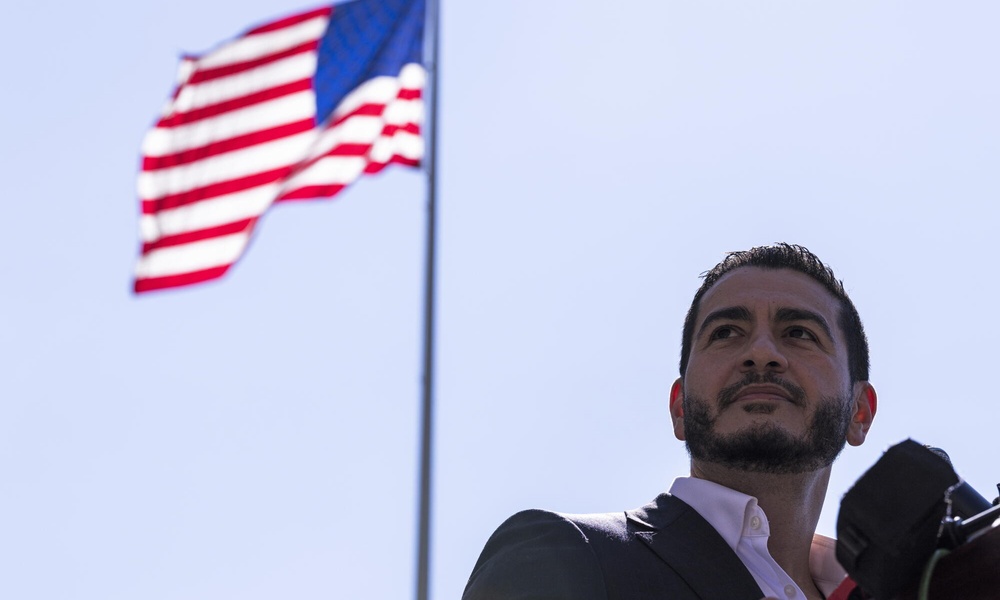
Democrat Abdul El-Sayed becomes first Muslim elected to US Senate
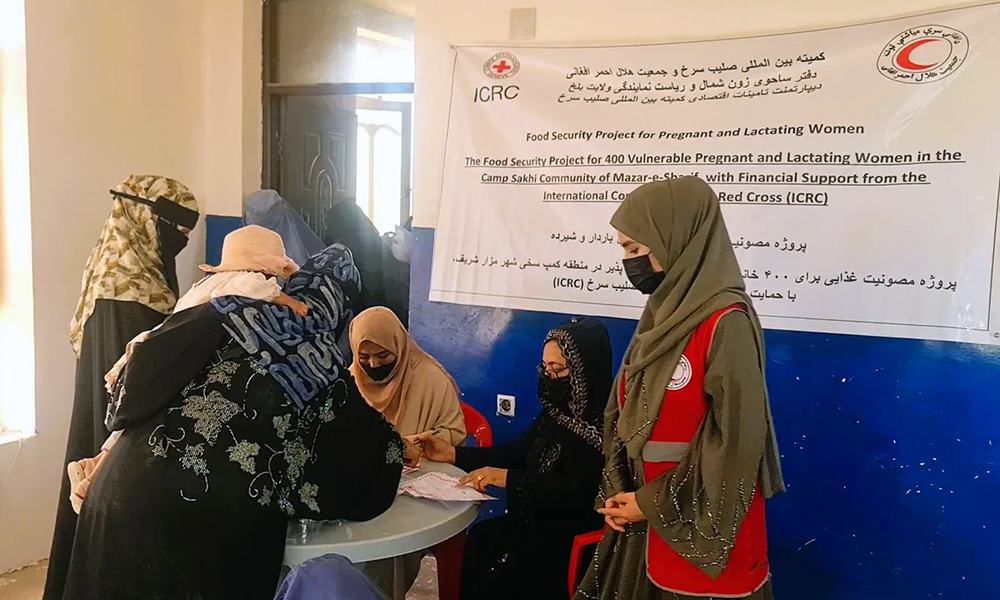
ICRC expands support for Afghan women and girls
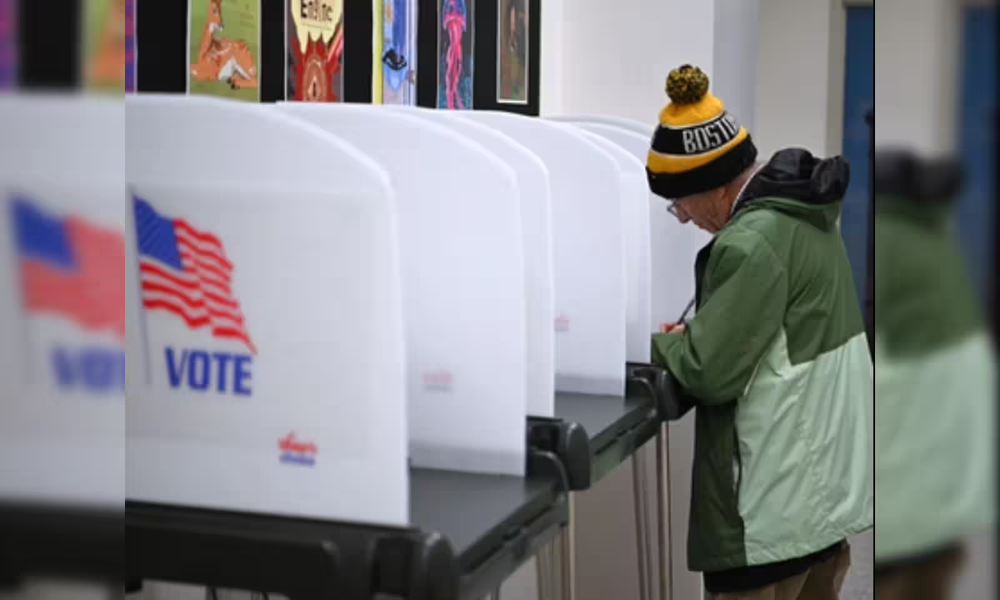
Democrats seize control of Congress in major setback for Trump

Afghanistan finish runners-up after 6-0 defeat to Brazil in futsal final

Trump says US will not attack Iran before midterm elections in November

Lionel Messi bids tearful farewell to Argentina after 3-0 win over Benin

Afghan futsal coach: Brazil tournament is first step towards new goals and World Cup

Trump says US may strike Iran’s ‘Pickaxe Mountain’ nuclear facility
Tahawol: Russia’s Moscow Format for Afghan issues discussed
Saar: Afghanistan’s second invitation to Global Climate Summit discussed
Democrat Abdul El-Sayed becomes first Muslim elected to US Senate
Tahawol: Iran hosts quadrilateral talks on Afghanistan discussed
Saar: Deportation of undocumented Afghans from France discussed
-
 Business5 days ago
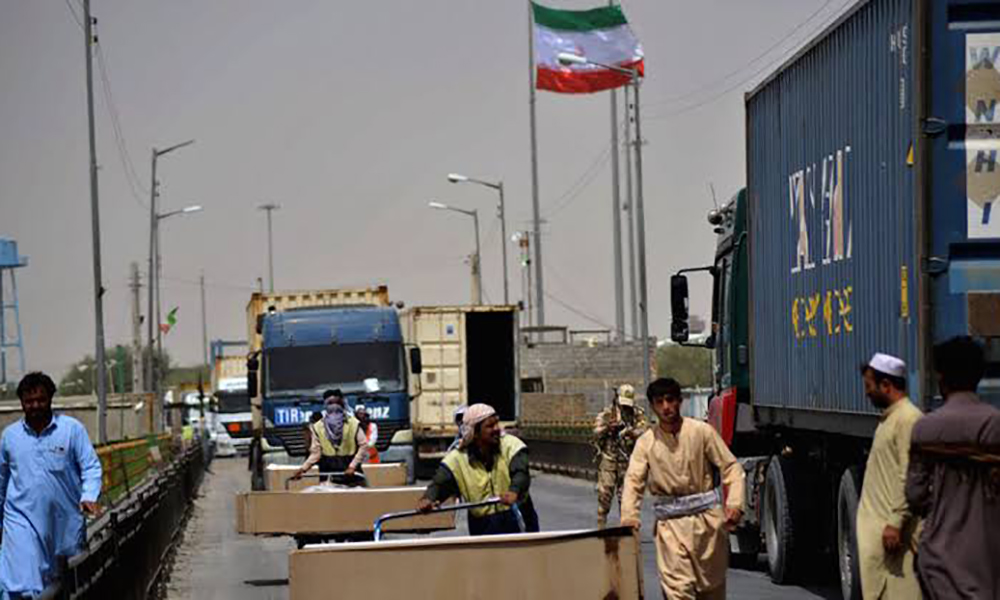
US sanctions and blockade measures disrupt Iran’s trade with Afghanistan and regional neighbors
-
 Sport3 days ago
Afghanistan crowned 2026 Hong Kong Sixes champions after beating Australia in final
-
 Sport4 days ago
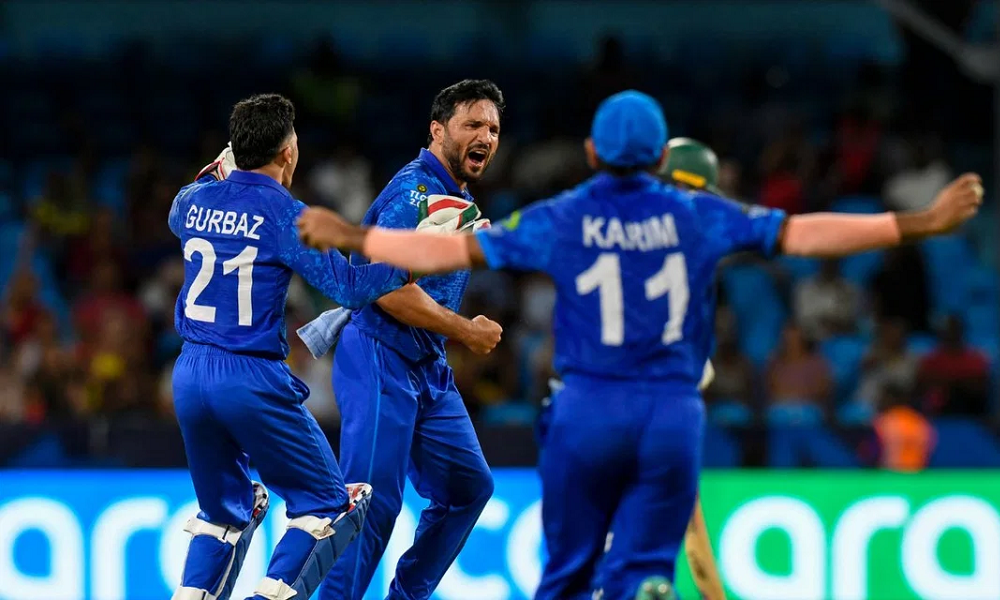
Afghanistan storm into Hong Kong Sixes final after beating Scotland
-
 Latest News4 days ago
UNHCR: 6.3 million Afghans have returned since 2023, 60 percent reportedly forced to return
-
 Sport2 days ago
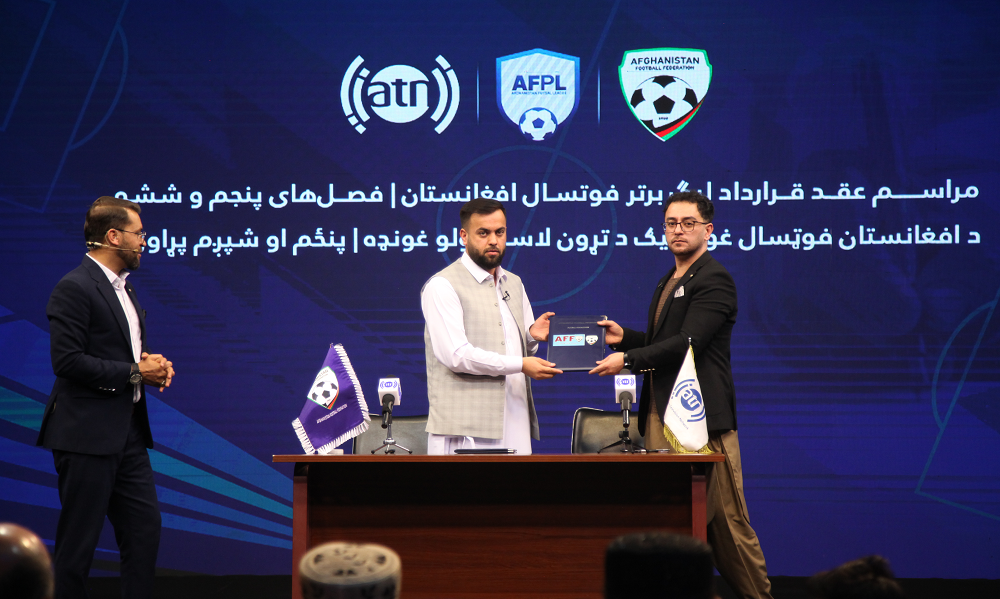
ATN signs deal to broadcast Afghanistan Futsal Premier League seasons 5 and 6
-
 Sport2 days ago
Afghanistan futsal team thrash Panama 5-0 in flying start to Dakar Youth Olympics
-
 Sport3 days ago
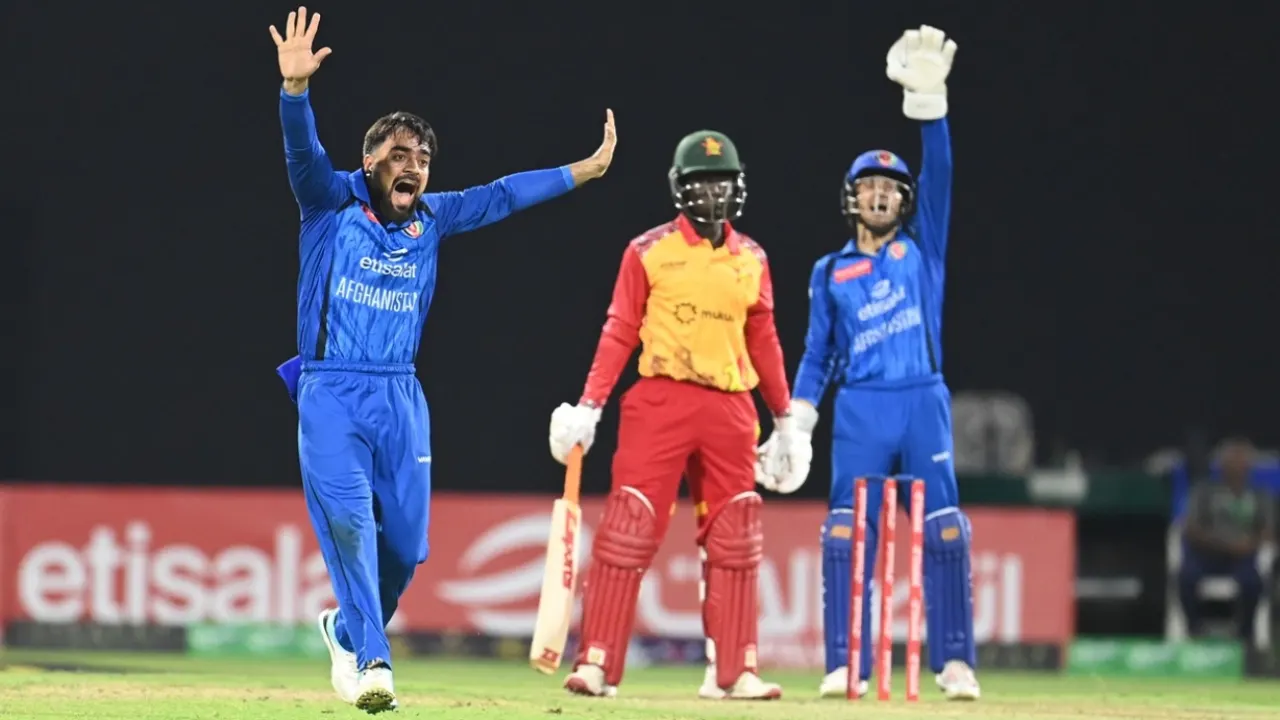
Afghanistan target T20I clean sweep against Zimbabwe in Sharjah
-
 Sport4 days ago
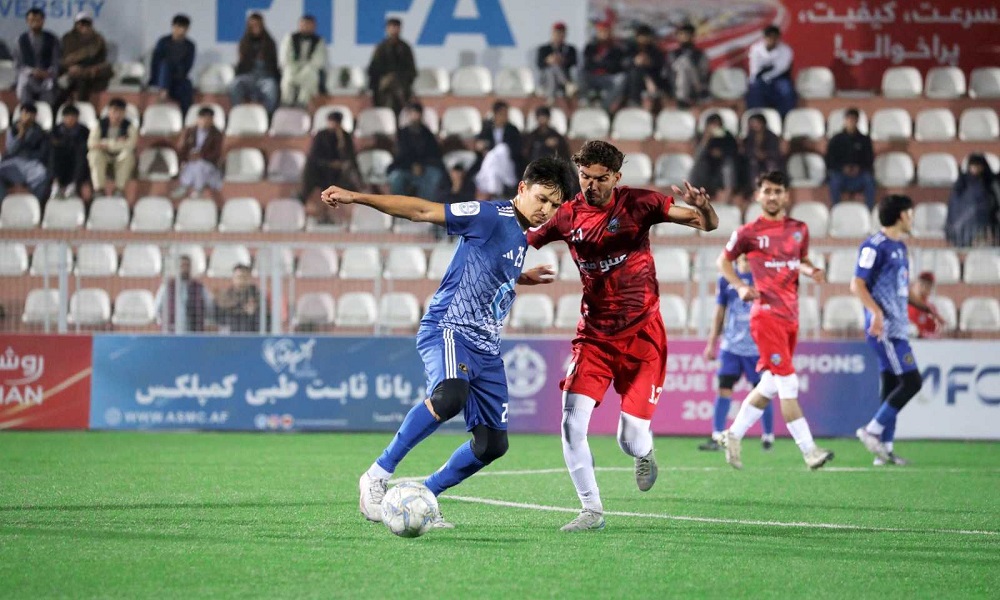
Arman FC fall 2–0 to Aino Mina in Afghanistan Champions League