
Health
Tips to stay hydrated and healthy during Ramadan

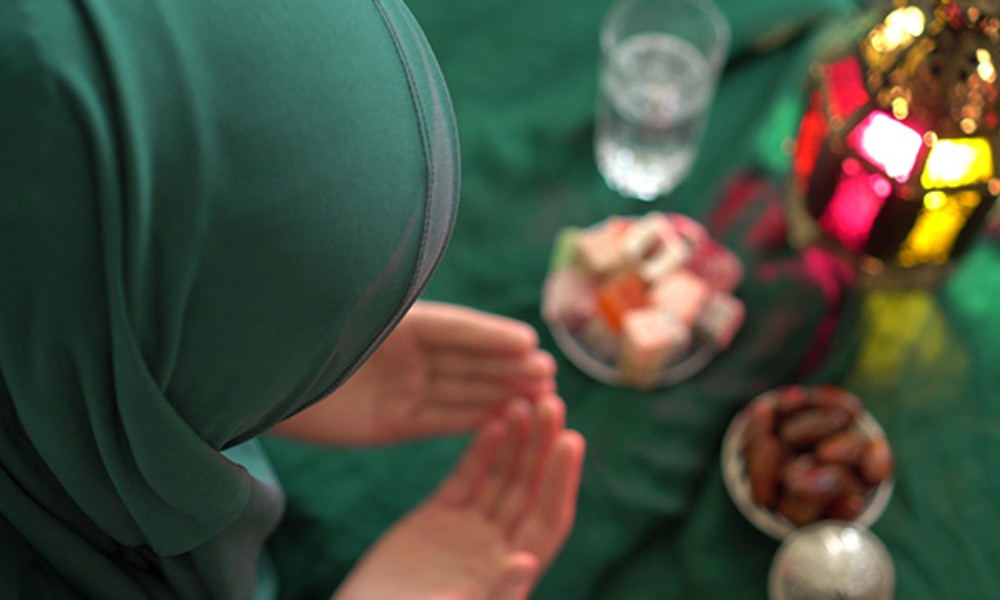
During Ramadan, Muslims abstain from food and drink from dawn to dusk but it is important to get proper nourishment between Iftar and Sahari in order to be prepared for the next day – especially for those who need to work and go to school or university.
Healthy habits during the holy month are also very important in order to avoid gaining weight.
Cleveland Medical Center in Abu Dhabi, in the UAE, reports that there are a few simple times to help you stay fit while fasting.
Stay hydrated
The amount of fluids a person needs depends on age, gender, climate and activity level.
According to Cleveland Clinic, adults, on average, need 2 to 3 liters of water each day. So make sure to drink plenty of fluids before the start of the fasting hours. Unsweetened juices or milk are tasty, low calorie alternatives.
Experts warn against too much coffee and tea and soda drinks outside of fasting hours as the caffeine in them causes increased urination. Cleveland Clinic recommends these drinks be limited during the non-fasting hours.
The clinic also suggests that meals are started with broths, soups or stews. Fruits and vegetables such as watermelon, squash or spinach are mostly water and can also help to replace fluids.
Why is this important?
As stated by the clinic, the human body is about 60 percent water and it is vital for bodily functions, including metabolizing and transporting nutrients throughout the body and removing waste.
The amount of water in the body fluctuates – it is lost through urine and sweat and regained from food and drinks.
However, Cleveland Clinic states it is not unusual to become periodically dehydrated while fasting. Dehydration can result in weight loss that is quickly regained when normal eating and drinking habits resume.
Choose healthy options
Hunger tempts us to indulge or eat fast, convenient foods. But according to the Cleveland Clinic, highly processed foods are high in salt, sugar and unhealthy fats, which won’t last long and can increase thirst.
Try a handful of roasted nuts instead of ready-to-eat foods and also try to eat fresh fruit and vegetables.
Eat, rest and exercise strategically
According to clinic experts, planning your activities and meals after breaking your fast will help to refuel you and prepare you for the next day of fasting.
Rest is important, but be sure to stay awake long enough to replenish the fluids and nutrients your body needs.
Eat balanced meals including: bread, cereals and other grains; fruits and vegetables; meat, fish and poultry; milk, yogurt or cheese; and healthy fats.
Focus on foods that are digested slowly and release energy over time. These include food that are high in fiber (e.g. whole grains, fruits and vegetables) and foods containing complex carbohydrates (wheat, beans, lentils, rice, etc.).
It is important to stay active too. Find time to take a walk or do some gentle stretching.
Why is this important?
Weight loss occurs when a person uses more energy than they consume. Some studies on weight loss/gain during Ramadan have shown that energy intake remains the same or increases, despite a decrease in meal frequency.








Health
German medical team launches free surgical mission at Bamiyan provincial hospital
The mission is funded by volunteer doctors and partner organisations, with essential medicines and medical equipment also brought into the country.
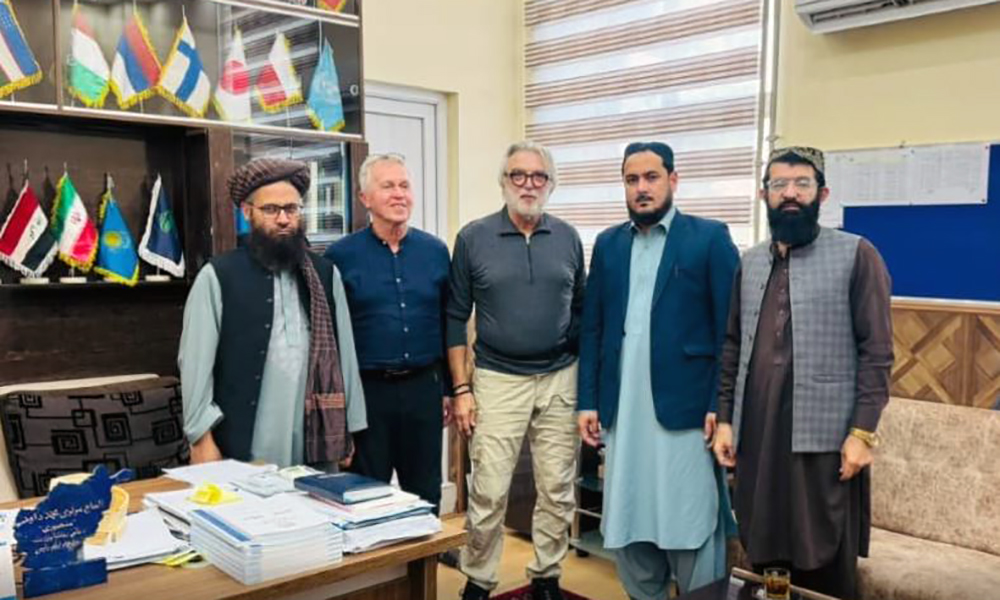
A nine-member medical team from Germany has begun a two-week medical and surgical mission at Bamiyan Provincial Hospital, offering free specialised treatment to patients in need.
According to the Ministry of Public Health, the team arrived in Afghanistan in coordination with the ministry and in partnership with Aga Khan Health Services (AKHS).
During the mission, the specialists will provide diagnostic and surgical services, including plastic surgery, burn treatment, correction of congenital deformities, war-related injuries and other complex medical conditions.
The team is expected to examine around 200 patients, with between 100 and 150 selected for surgical procedures.
In addition to treating patients, the German specialists will conduct theoretical and practical training sessions for Afghan doctors, surgeons and medical students to strengthen local medical expertise.
The ministry said the mission is funded by volunteer doctors and partner organisations, with essential medicines and medical equipment also brought into the country.
The initiative aims to improve access to free specialised healthcare, enhance the skills of Afghan medical professionals and strengthen surgical services in Afghanistan.
Health
Afghanistan to launch nationwide polio vaccination campaign
UNICEF said that 12.7 million children in Afghanistan have been vaccinated against polio through ongoing immunization campaigns.
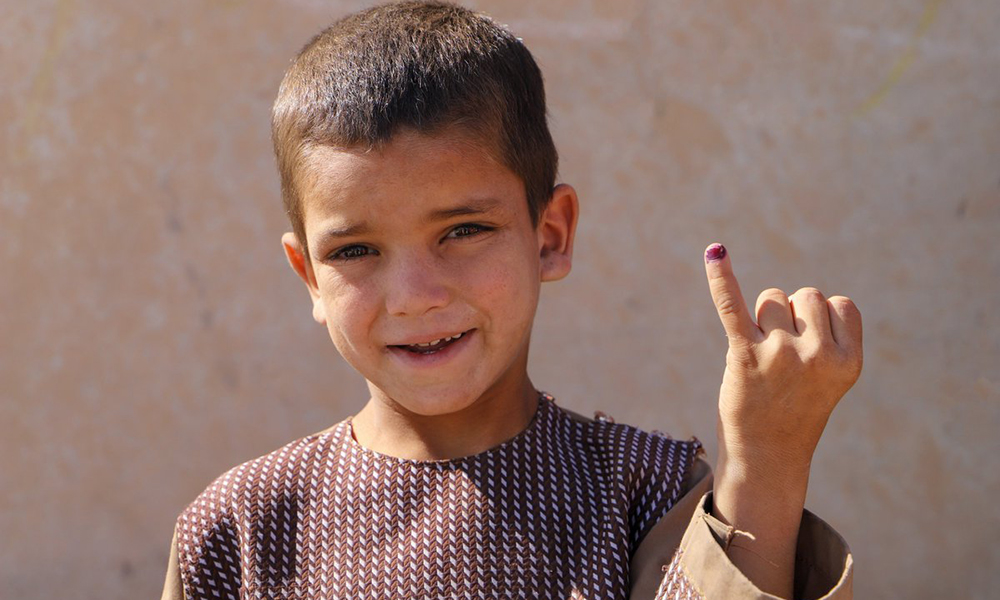
Afghanistan is set to launch a new nationwide polio vaccination campaign on Monday, November 2, as health authorities continue efforts to eradicate the disease, following the vaccination of 12.7 million children across the country.
Afghanistan’s Polio-Free Initiative announced that the campaign will begin nationwide on Monday, while vaccination activities in the southern zone will start a day later, on Tuesday, November 3.
Meanwhile, the United Nations Children’s Fund (UNICEF) said that 12.7 million children in Afghanistan have been vaccinated against polio through ongoing immunization campaigns.
The UN agency noted that despite progress in vaccination coverage, efforts to completely eliminate polio in Afghanistan are continuing.
Polio is a highly infectious viral disease that mainly affects children under the age of five and can cause permanent paralysis.
Health organizations have urged families to cooperate with vaccination teams and ensure that all eligible children receive the required vaccine doses to protect them against the disease.
Health
Afghanistan urges polio vaccination as cases reach 42
World Polio Day is observed annually on October 24 to raise awareness and strengthen global efforts to eliminate the disease.
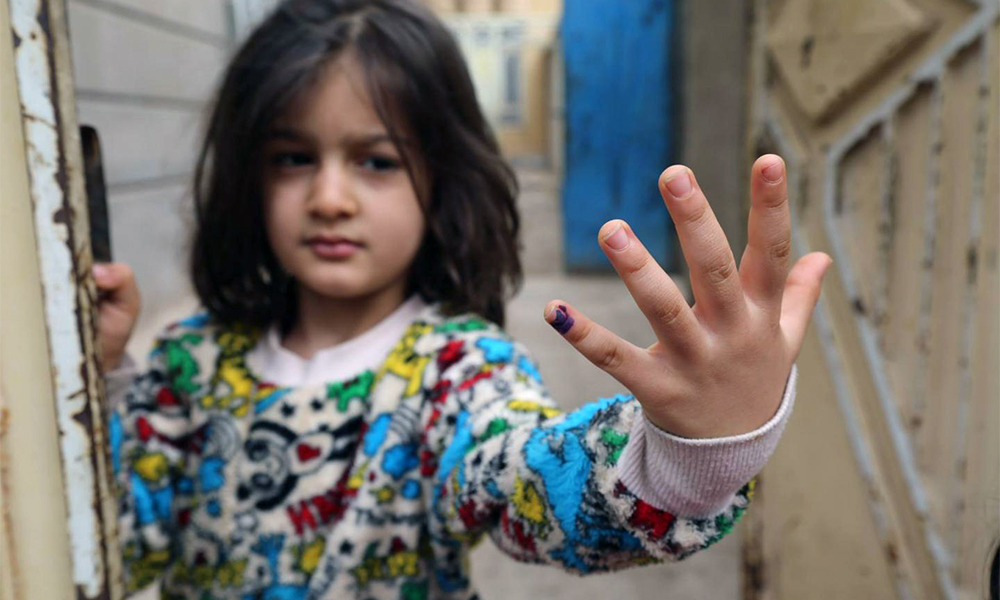
Afghanistan Free Polio has urged parents and caregivers to vaccinate their children against polio, warning of the continued need for vaccination efforts as the country marks World Polio Day on October 24.
In a message issued on Saturday, the organization called on families to ensure their children receive polio vaccines, stressing that every child has the right to grow up free from the disease.
The organization also emphasized the role of families and communities in preventing the spread of the virus and achieving a polio-free Afghanistan.
According to a previous report by the World Health Organization (WHO), six new polio cases had been recorded in Afghanistan, bringing the total number of cases reported since the beginning of 2026 to 42.
Afghanistan and Pakistan remain the only countries where polio has not been eradicated.
World Polio Day is observed annually on October 24 to raise awareness and strengthen global efforts to eliminate the disease.
Health authorities and public health organizations continue to stress that vaccination and community participation are essential to protecting children and preventing further transmission of the virus.

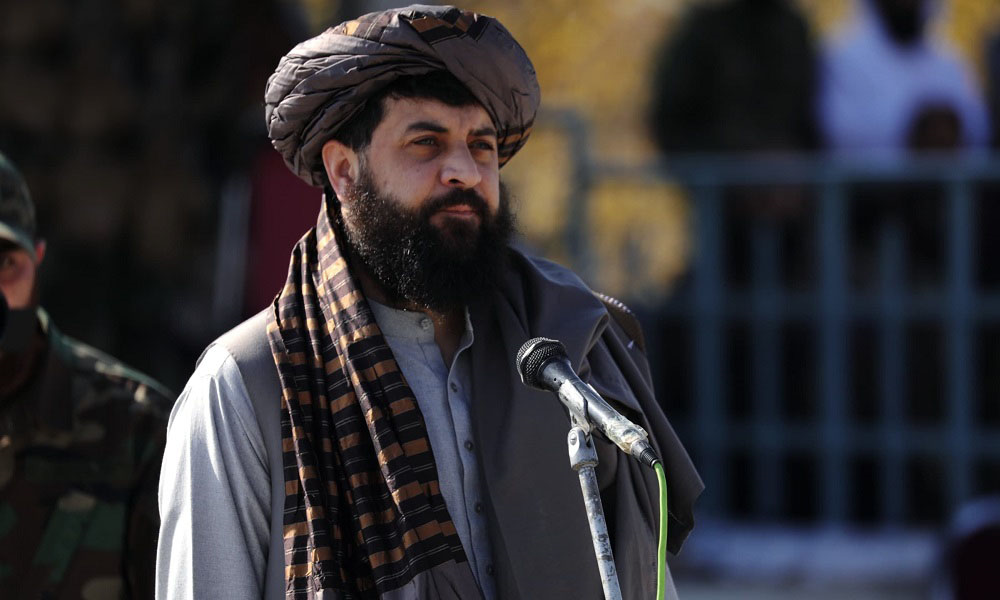
Afghanistan now has unified central government: IEA defense minister

Baradar approves action plan for establishing special economic zones

Russian deputy prime minister to visit Kabul with high-level economic delegation
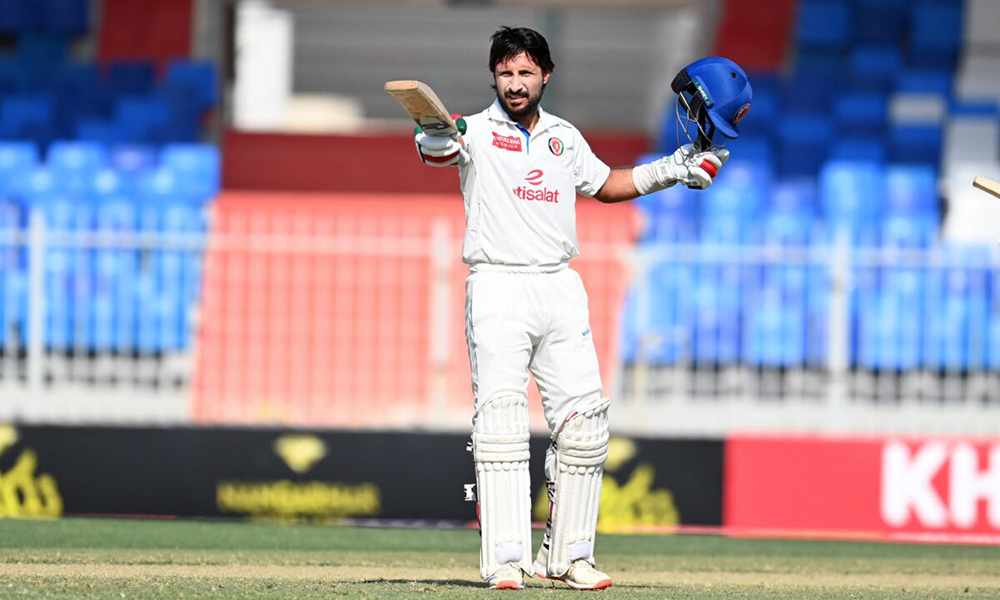
Historic first for Rahmat Shah after ICC rankings update
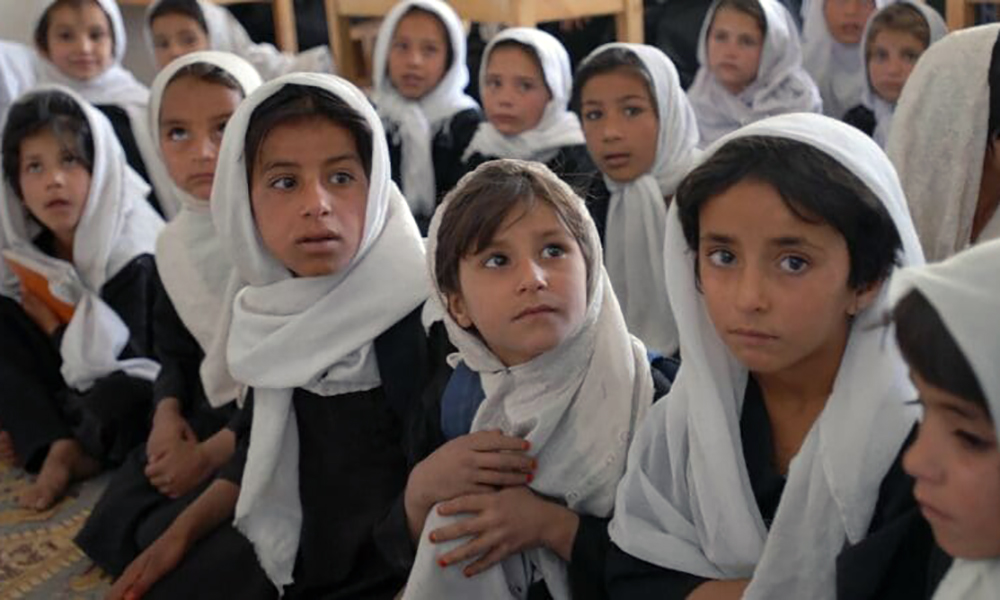
UNESCO warns Afghanistan risks losing an entire generation of professionals as girls’ education ban continues

Afghanistan finish runners-up after 6-0 defeat to Brazil in futsal final

Trump says US may strike Iran’s ‘Pickaxe Mountain’ nuclear facility

Afghan futsal coach: Brazil tournament is first step towards new goals and World Cup

Violent protests spread across Europe as Albanian PM blames ‘foreign hand’

Rubio heads to Central Asia while other US officials hit foreign policy hot spots

Tahawol: Efforts to halt deportation of Afghan refugees from US discussed
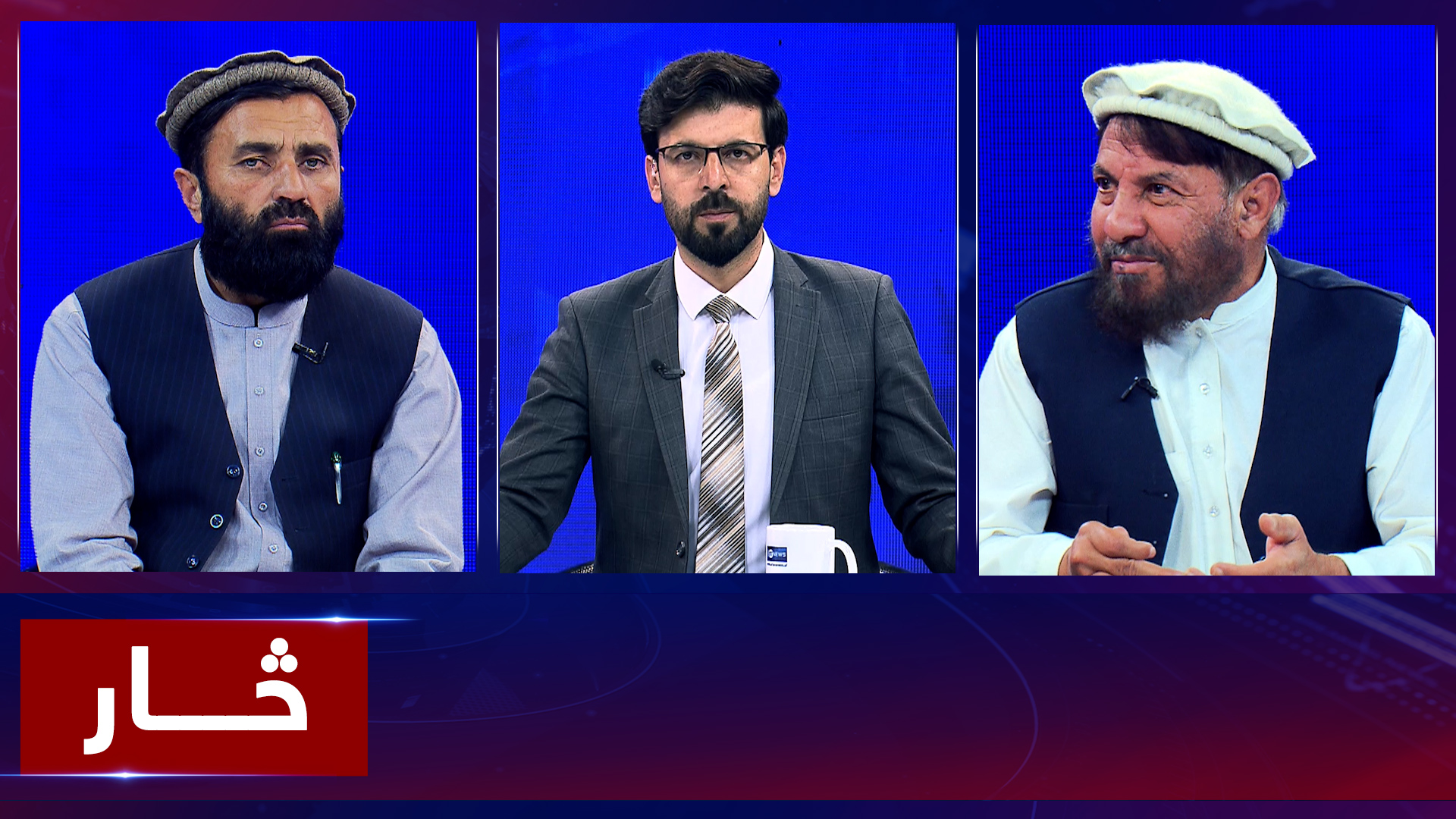
Saar: Russia’s stance on Afghanistan discussed

Trump says further US attacks on Iran ‘highly unlikely’ as peace talks gain momentum
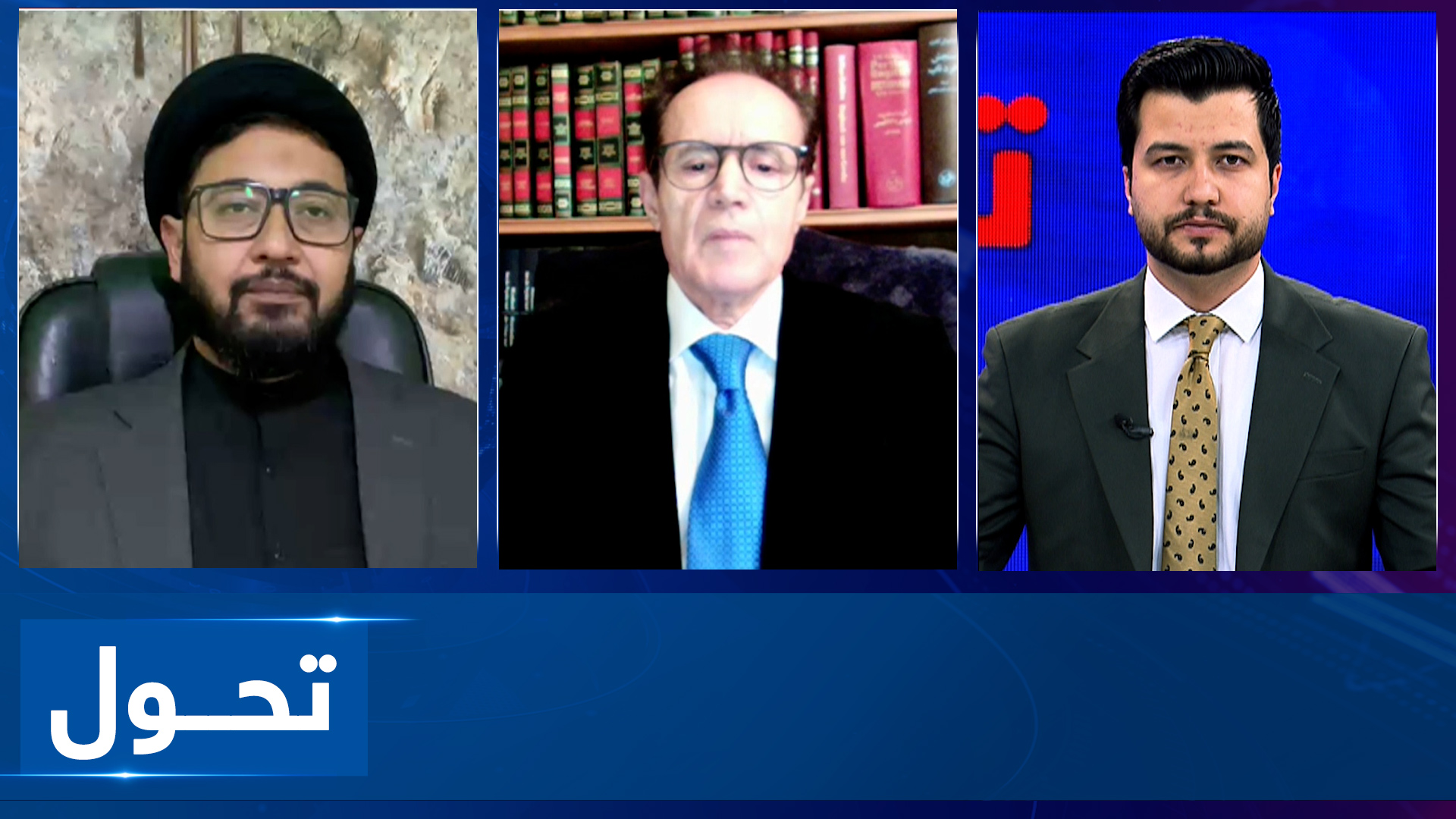
Tahawol: Geopolitical developments in the Middle East
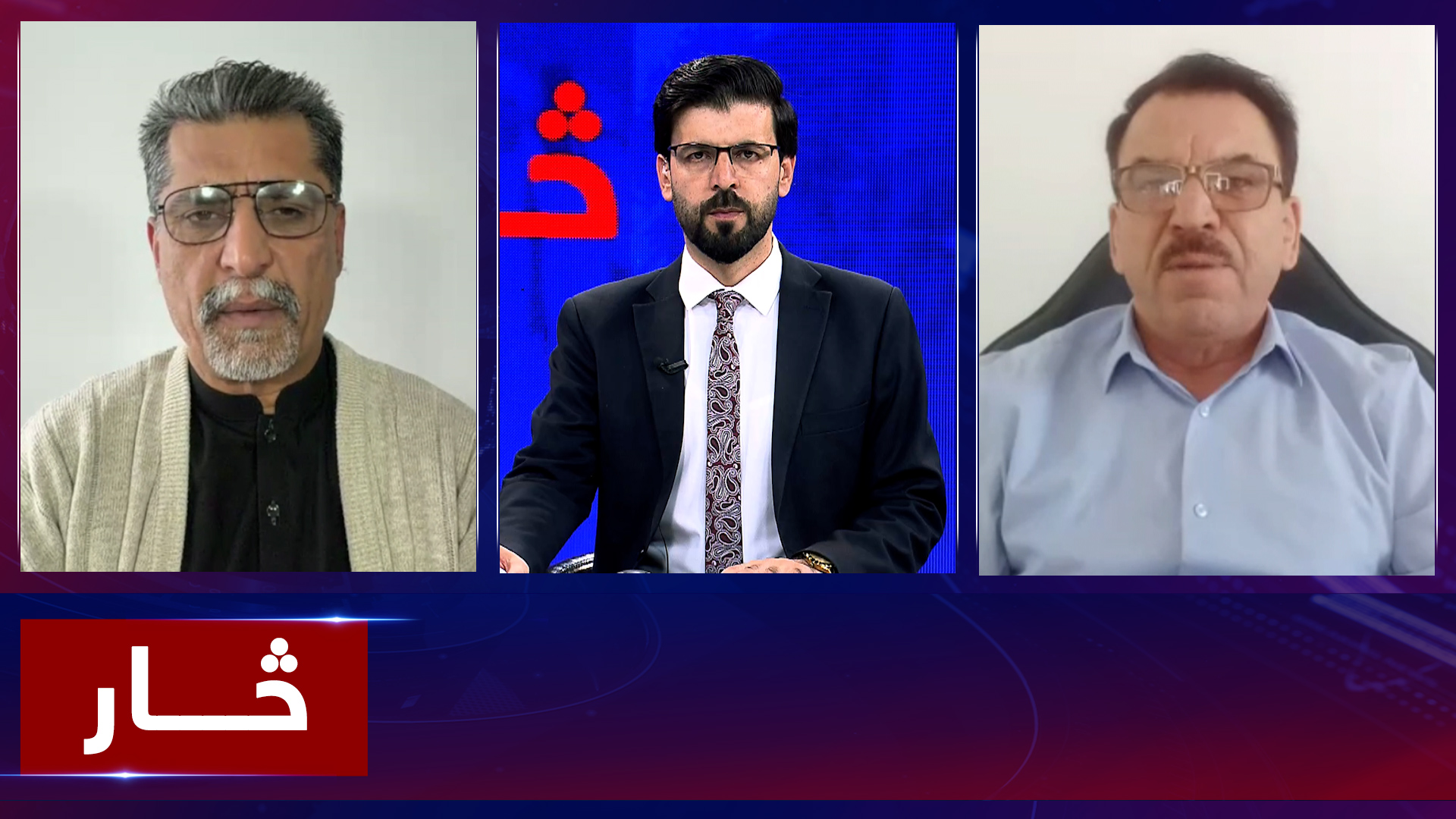
Saar: EU’s engagement with Afghanistan
-
 Sport3 days ago
Afghanistan’s record partnership highlights fourth day of Test against Zimbabwe
-
 World3 days ago
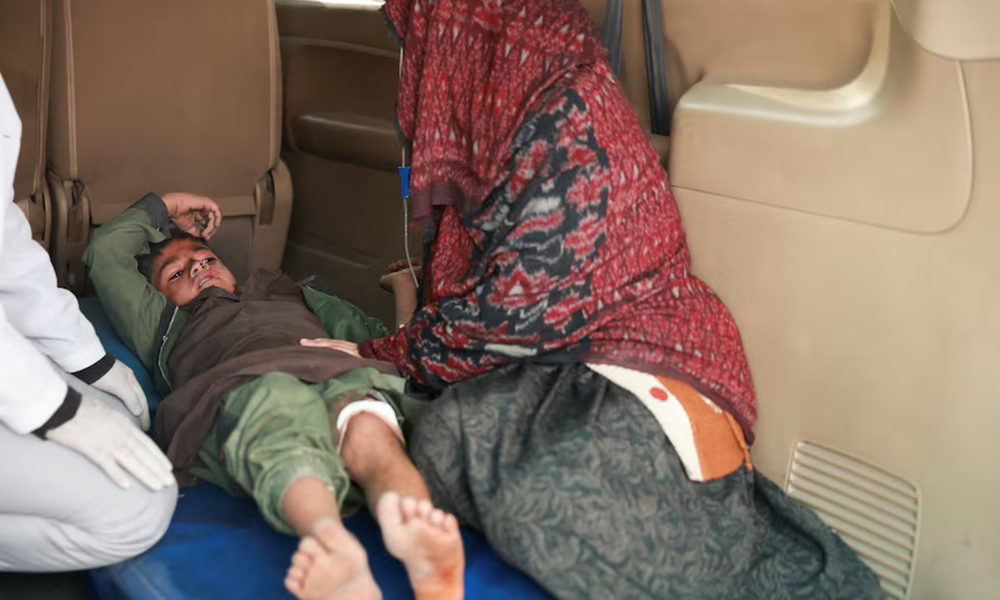
Houthi-run health ministry says airstrikes kill 33 near Yemen capital
-
 Sport4 days ago
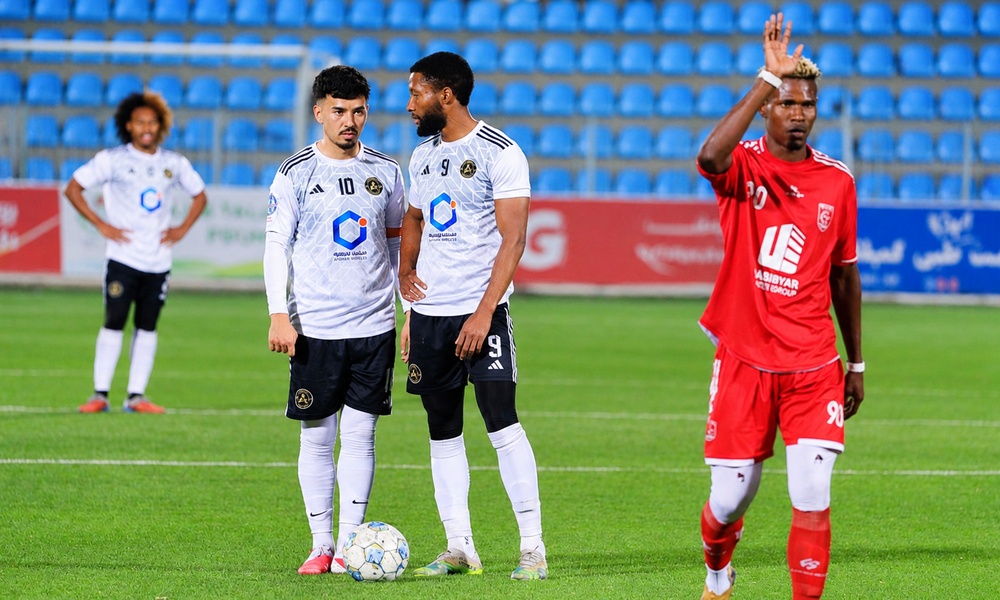
Toofan Herat defeat Arman FC 2–0 in Afghanistan Champions League
-
 Sport5 days ago
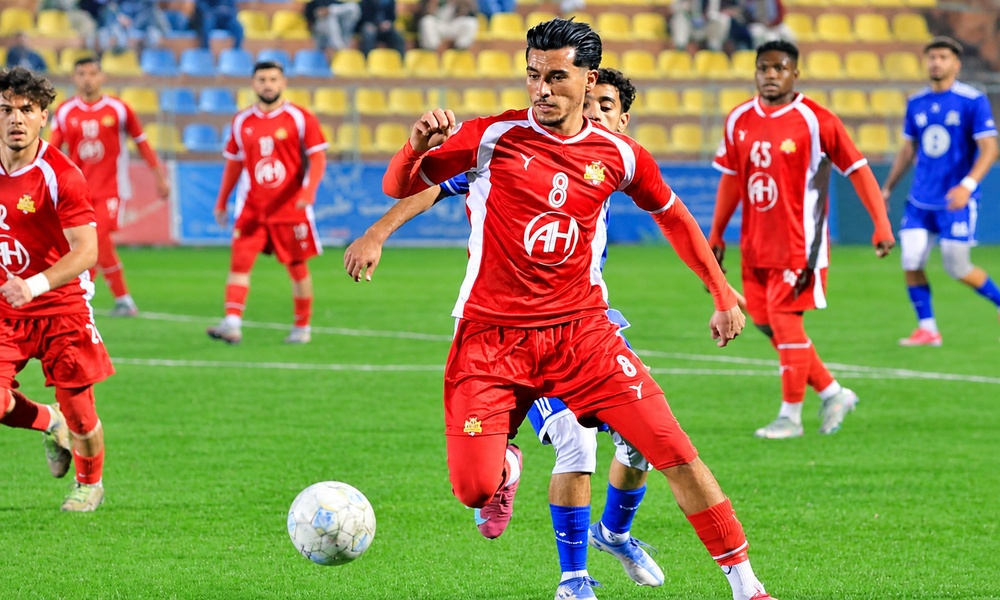
Abu Muslim Farah claim convincing 3-0 win over Omar Zawak in ACL
-
 Regional4 days ago
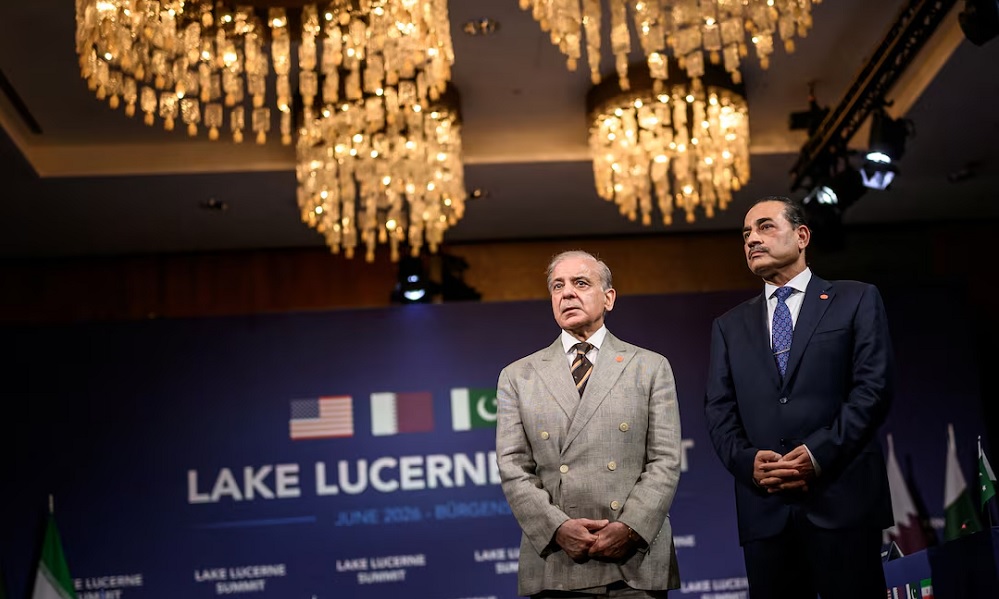
Pakistan’s leaders dread US Democrats’ win but its households are praying for it
-
 Sport3 days ago
Afghanistan thrash Senegal 6-0 to reach Dakar Youth Olympics futsal semi-finals
-
 Sport2 days ago
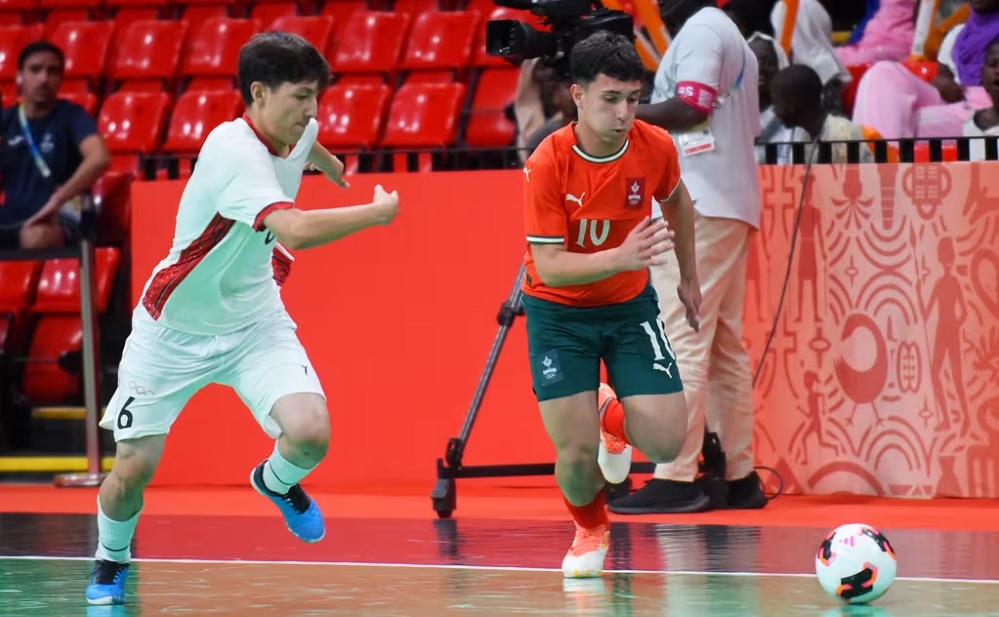
Portugal beat Afghanistan 2-0 in Dakar Youth Olympics futsal semi-finals
-
 Business4 days ago
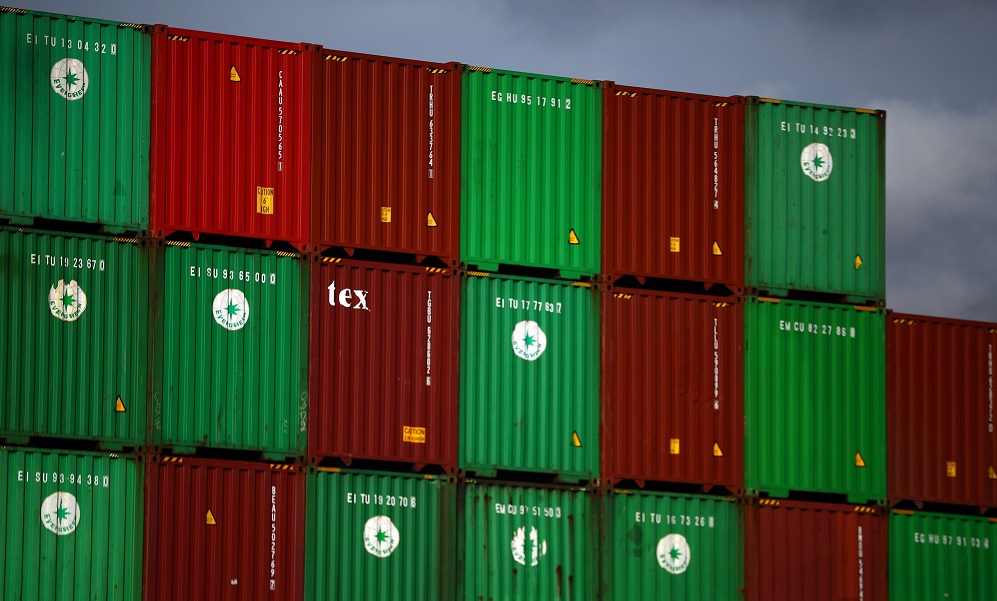
UK-Afghanistan trade falls 16.7% to £70 million over 12 months