
Latest News
World needs relations with Afghanistan: IEA deputy spokesman


Following the United Nations Security Council meeting on Afghanistan, Islamic Emirate’s Deputy Spokesman Bilal Karimi says the imposed sanctions should be lifted and distrust between Afghanistan and the international community should be reduced and a new phase of relations should be formed.
Karimi emphasized that creating a positive engagement with the acting government of Afghanistan is in the interest of all sides.
“As the Islamic Emirate and the people of Afghanistan need to be recognized, the international community and the countries of the world also need this [relations with Afghanistan] because if there is strength in Afghanistan, we will be saved from challenges and concerns in all areas and when the country stands on its own feet, its positive effects will be applied to all countries,” said Karimi.
He has also called on the United Nations to remove the names of IEA leaders from the blacklist and added that the policy of pressure and coercion does not work in Afghanistan.
Currently, 13 senior officials of IEA are on the UN Security Council’s blacklist and cannot travel outside of Afghanistan.
“The policy of isolation and the policy of creating distances must end. If we have dialogue, understanding and negotiation in all cases, the concerns that exist can be resolved through peaceful means,” he said.
“Therefore, it is better not to repeat failed experiences,” he stressed.


Latest News
Germany calls for continued humanitarian aid and technical engagement with IEA
He stressed that international assistance to Afghanistan should continue despite ongoing political and human rights concerns.
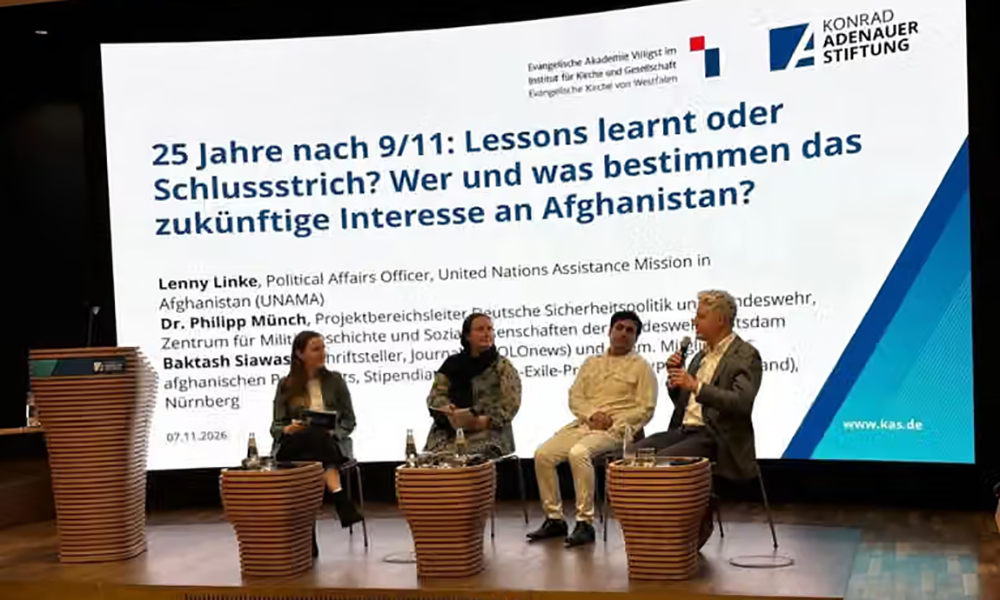
Germany has called for continued humanitarian assistance to Afghanistan and sustained technical engagement with the Islamic Emirate of Afghanistan, while stressing the need to keep the rights of Afghan women and girls high on the international agenda.
Tobias Krause, Germany’s Special Representative for Afghanistan, made the remarks on Saturday in Berlin, emphasizing that the international community must continue addressing Afghanistan’s humanitarian needs while maintaining its focus on the situation of women and girls.
Krause also highlighted the importance of maintaining technical communication with the Islamic Emirate of Afghanistan to facilitate humanitarian programmes and respond to the needs of the Afghan population.
He stressed that international assistance to Afghanistan should continue despite ongoing political and human rights concerns.
The two-day conference, held on Friday and Saturday in Berlin, brought together Afghan and German politicians, experts and other participants to discuss the country’s current situation and future prospects.
Titled “Afghanistan: The End of a Chapter? What Comes Next After Five Years of IEA Rule?”, the conference examined political developments, human rights, the humanitarian crisis, women’s and girls’ rights, and the future of international engagement with Afghanistan.
Participants exchanged views on possible approaches to addressing the country’s challenges and the role of the international community in supporting the Afghan people.
The discussions highlighted the continuing challenge of balancing humanitarian assistance, human rights concerns and diplomatic engagement with Afghanistan’s current authorities.
Latest News
UN official warns Afghanistan’s humanitarian crisis could threaten regional stability and security
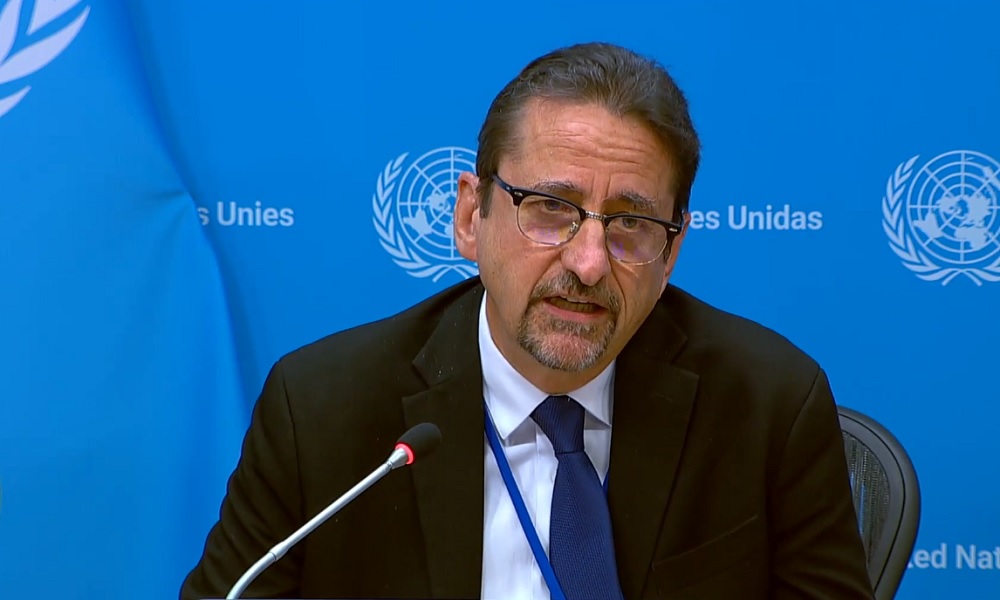
A senior United Nations official has warned that Afghanistan’s deepening humanitarian crisis could have consequences beyond the country’s borders, potentially affecting regional security, stability and migration routes.
Bruno Lemarquis, the UN Deputy Special Representative of the Secretary-General for Afghanistan and Resident and Humanitarian Coordinator, said on Friday that the country was at a “difficult crossroad” more than five years after the Islamic Emirate returned to power.
He said relative stability and security were being undermined by a fragile economy, restrictions on fundamental rights and growing humanitarian needs.
Lemarquis described restrictions on women and girls as “severe and sweeping,” saying they continue to face barriers to education, employment and participation in public life.
He noted that more than 2.6 million girls have been deprived of secondary education since 2021, while female university enrollment currently stands at zero.
The UN official also highlighted the impact of the mass return of Afghan migrants, saying approximately 6.7 million Afghans have returned to the country since 2020, many of them forcibly expelled from neighbouring countries, particularly Pakistan and Iran.
He said the large-scale returns were placing additional pressure on Afghanistan’s already overstretched public services, stressing that returnees urgently need legal documentation, protection and employment opportunities.
Lemarquis also raised concerns over a reported increase in opium poppy cultivation, citing a UN report that found production had risen by 330 percent in 2025 following a sharp decline after the 2022 ban imposed by the Islamic Emirate.
He said efforts to prevent poppy cultivation must be accompanied by viable alternative livelihoods for farmers.
Meanwhile, humanitarian needs in Afghanistan are expected to rise further in 2027 amid mass returns, regional instability and extreme weather risks associated with El Niño.
However, international humanitarian funding has continued to decline. According to Lemarquis, assistance reached $2 billion in 2023, fell to $1 billion in 2025 and has amounted to only $570 million so far in 2026.
He warned that funding shortages were threatening essential services, with around 40 percent of primary healthcare facilities expected to close between 2025 and 2026, potentially affecting 700 of the country’s 1,900 health posts.
Describing the consequences as “very, very, very significant,” Lemarquis urged the international community not to turn its back on Afghanistan.
“And there is a saying in Afghanistan that is ‘What is happening in Afghanistan is not staying in Afghanistan,’” he said.
“The consequences could go beyond the Afghanistan border, potentially affecting regional security, regional stability and migration pathways.”
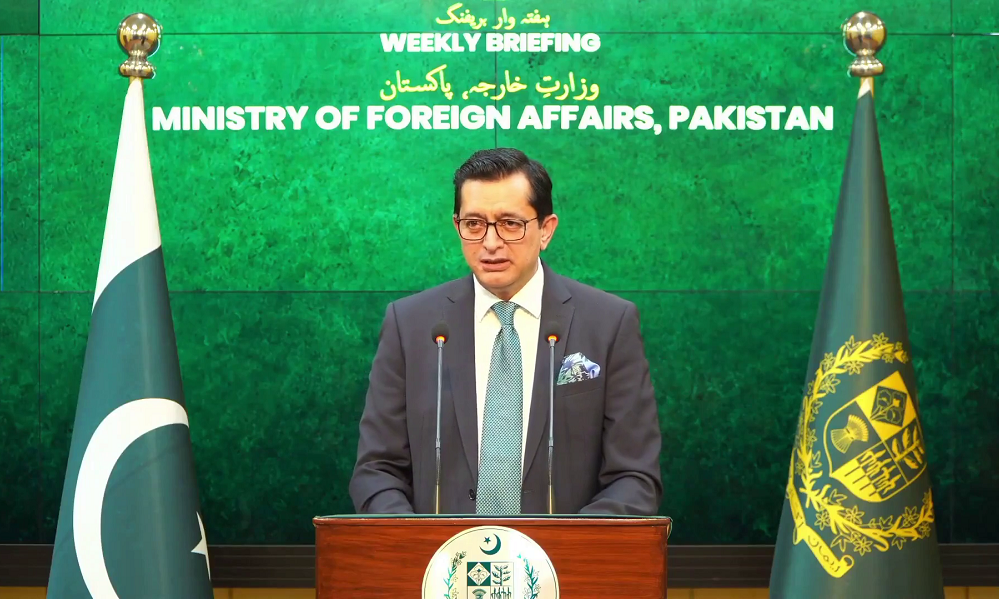
Pakistan’s Foreign Ministry says it is reviewing reports that the Trump administration plans to deport Afghans through Pakistan, adding that it is consulting relevant stakeholders to find a mutually acceptable way forward.
Foreign Ministry spokesperson Sajjad Haider Khan made the remarks at a press conference on Friday, saying Islamabad remained committed to close coordination with its allies and partners.
“We will continue to act in accordance with our international obligations and established protocols,” Khan said.
He added that the matter was under consideration and that all relevant aspects were being carefully examined in consultation with concerned stakeholders.

Germany calls for continued humanitarian aid and technical engagement with IEA
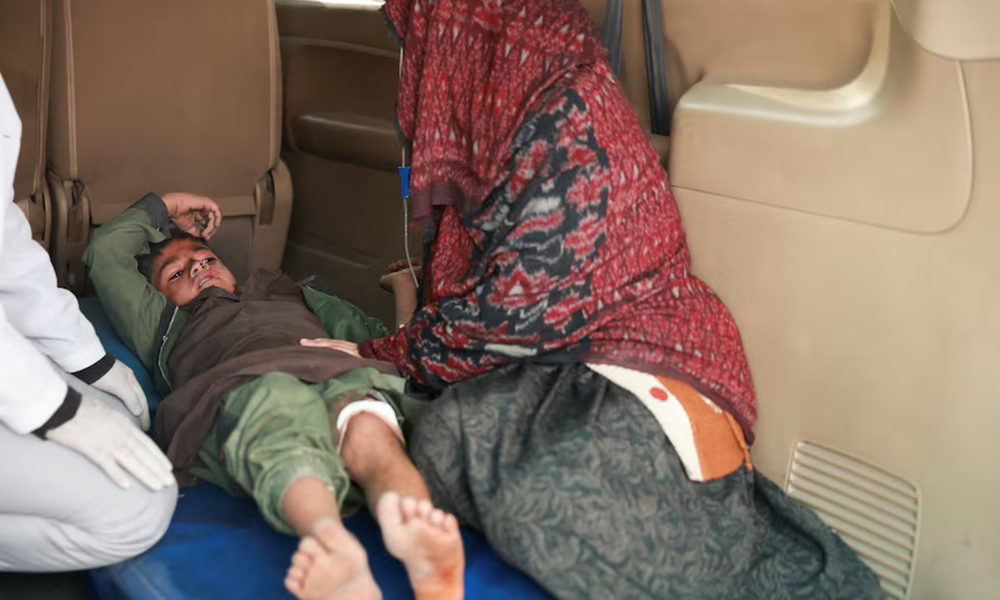
Houthi-run health ministry says airstrikes kill 33 near Yemen capital
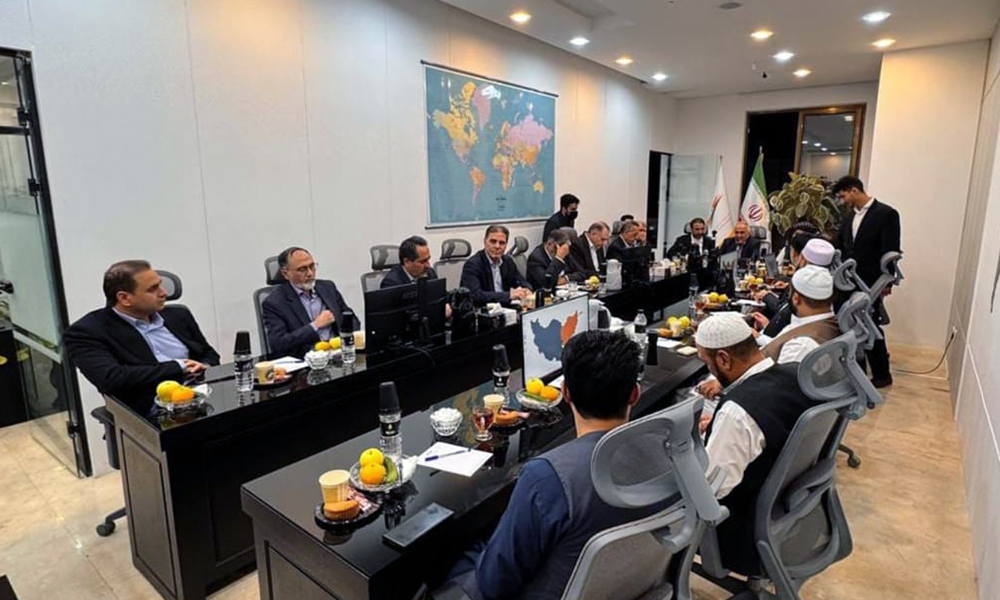
Afghanistan and Iran discuss boosting trade and investment ties
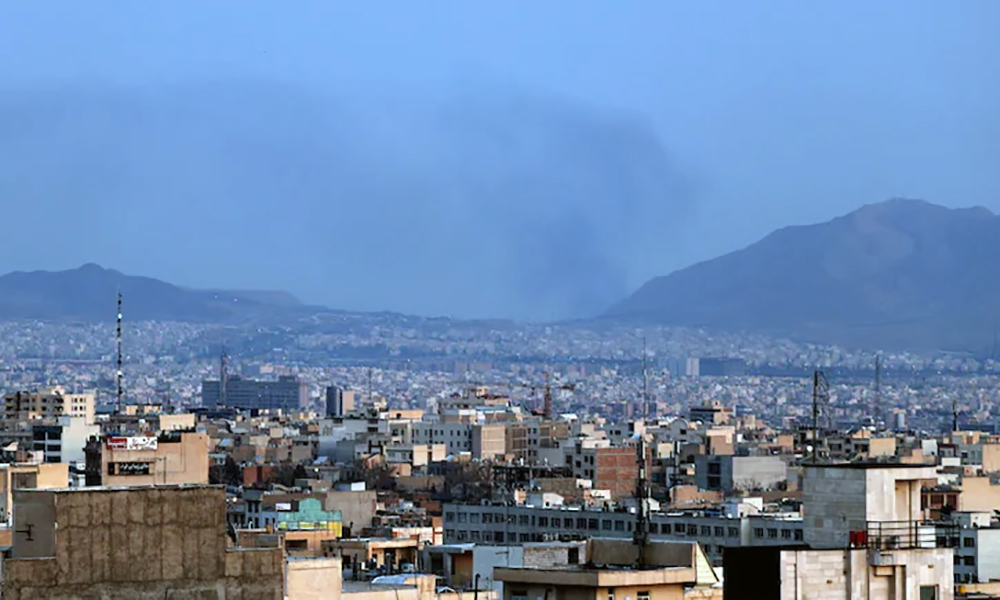
Explosions heard in areas in southern Iran, Iranian media report
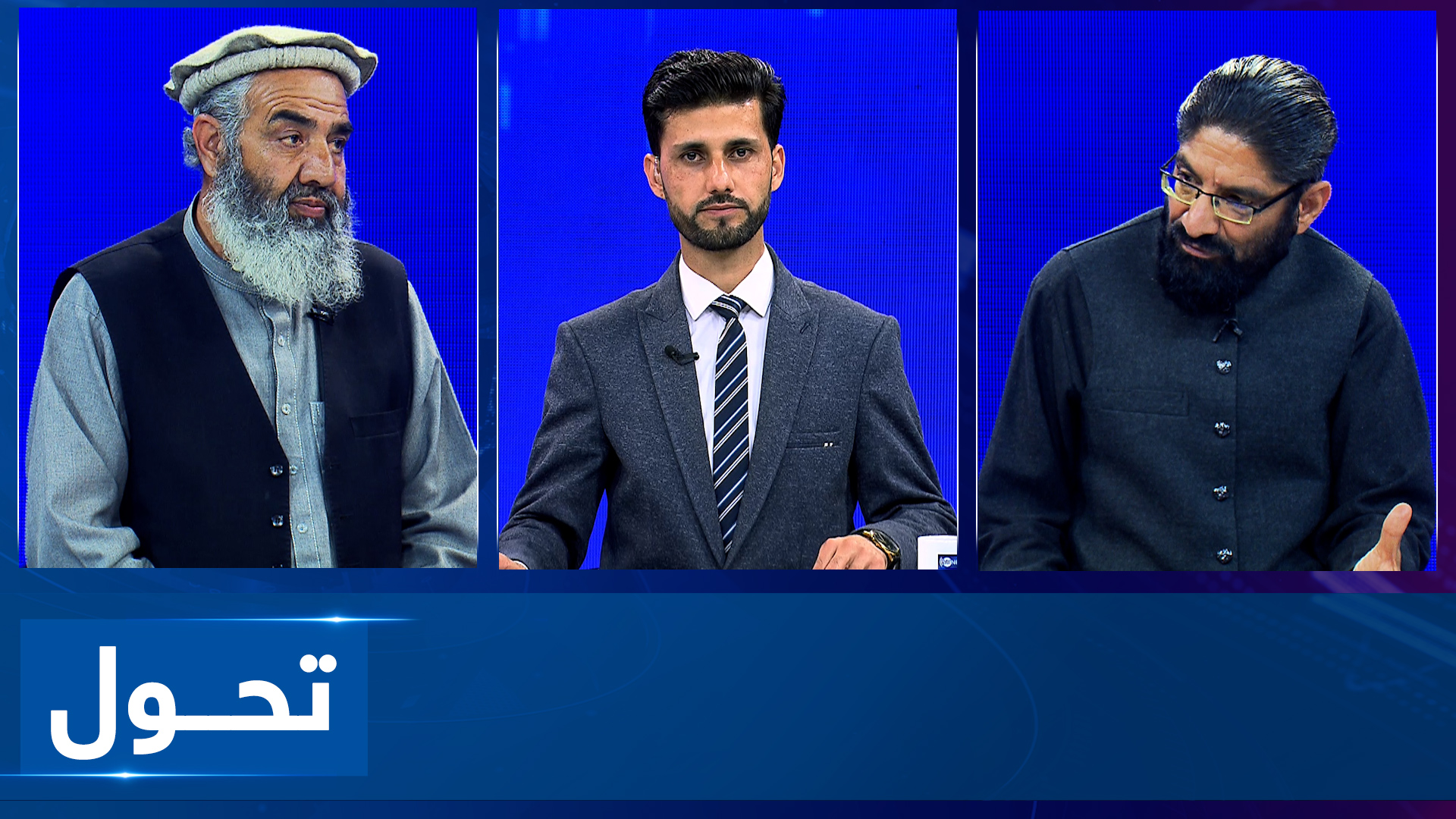
Tahawol: Afghanistan’s participation in Shanghai Plus security meeting discussed

Afghanistan finish runners-up after 6-0 defeat to Brazil in futsal final

Trump says US may strike Iran’s ‘Pickaxe Mountain’ nuclear facility

Afghan futsal coach: Brazil tournament is first step towards new goals and World Cup

WHO calls for greater mental health support in Afghanistan

Houthis warn airlines to avoid Saudi airports after deadly Riyadh attack
Tahawol: Afghanistan’s participation in Shanghai Plus security meeting discussed
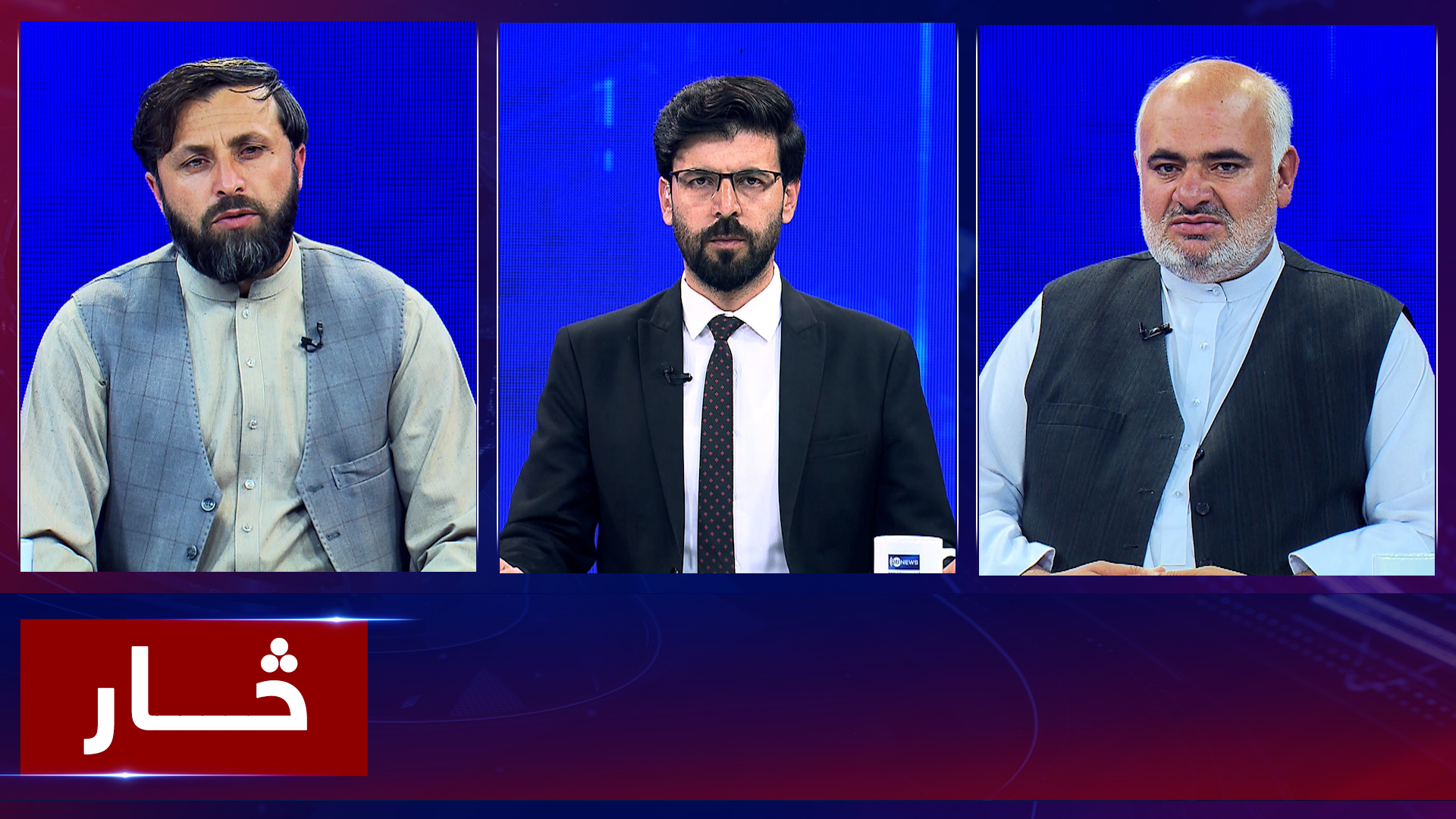
Saar: Afghanistan’s declining humanitarian aid funding discussed
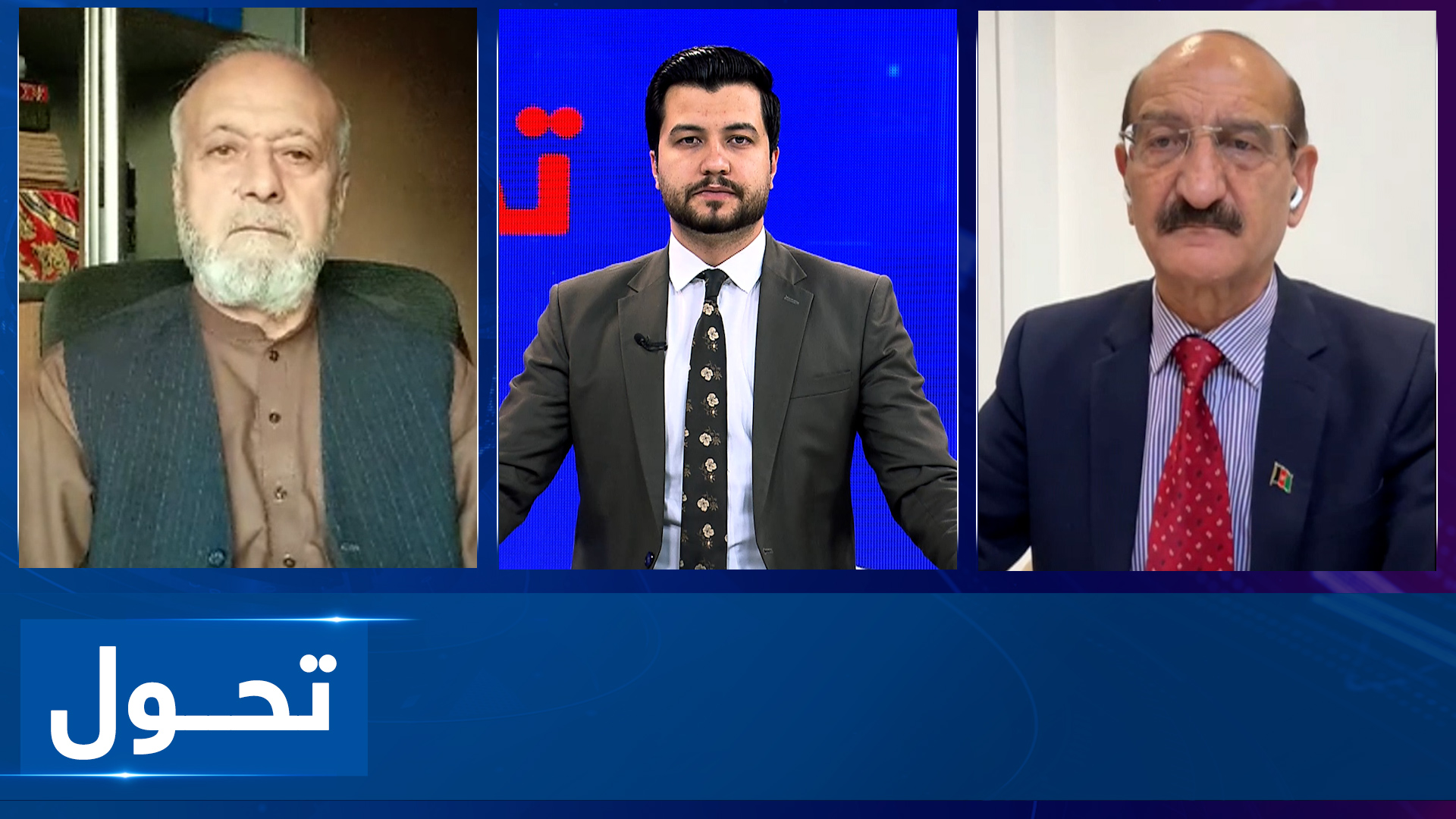
Tahawol: Calls for stronger joint action against terrorism discussed
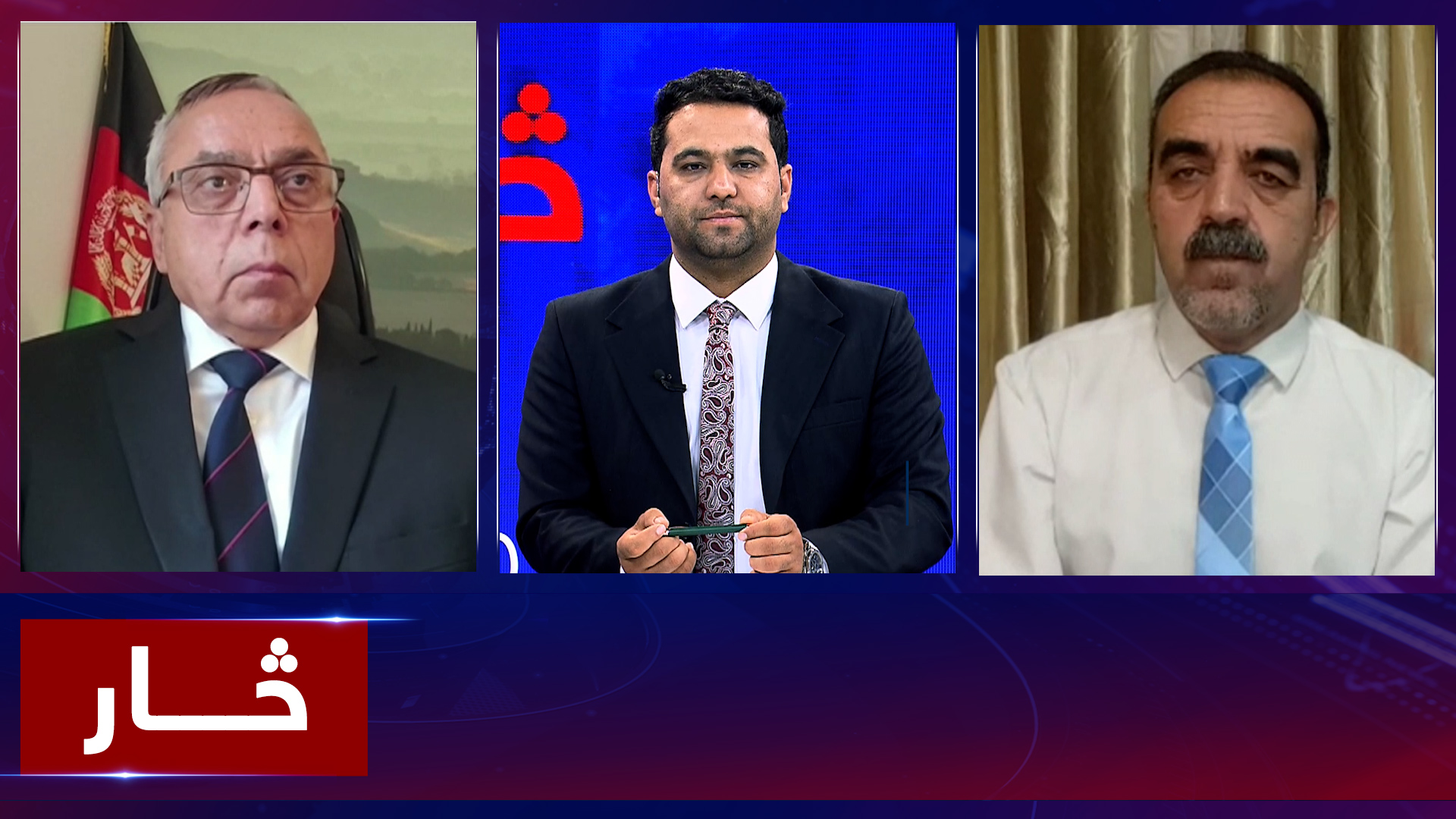
Saar: Impact of closing trade routes between Kabul-Pakistan discussed
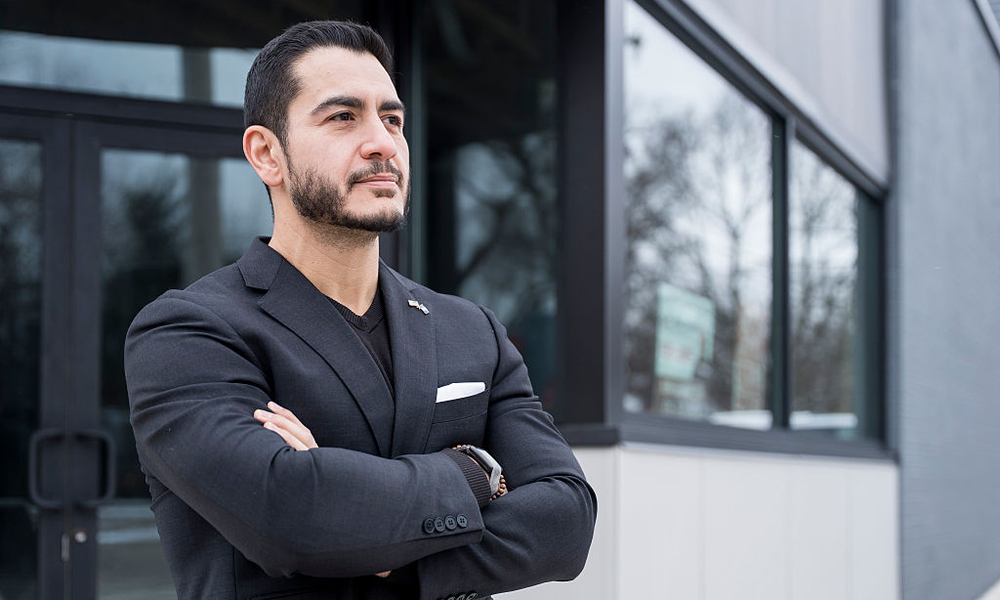
El-Sayed’s historic victory opens a new chapter for Muslim Americans
-
 Sport3 days ago
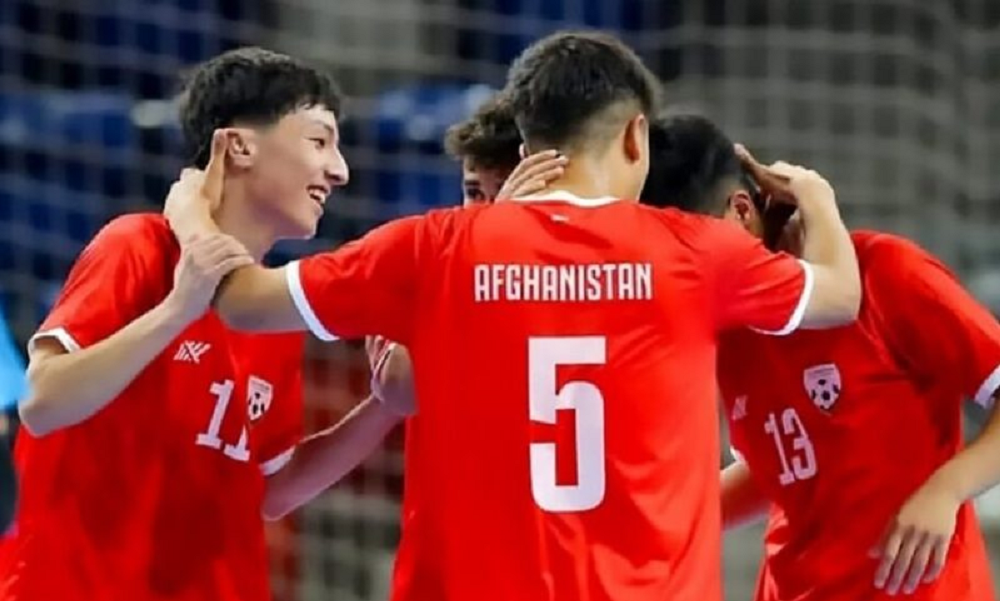
Afghanistan suffer narrow defeat against Argentina at Dakar Youth Olympics
-
 Latest News4 days ago
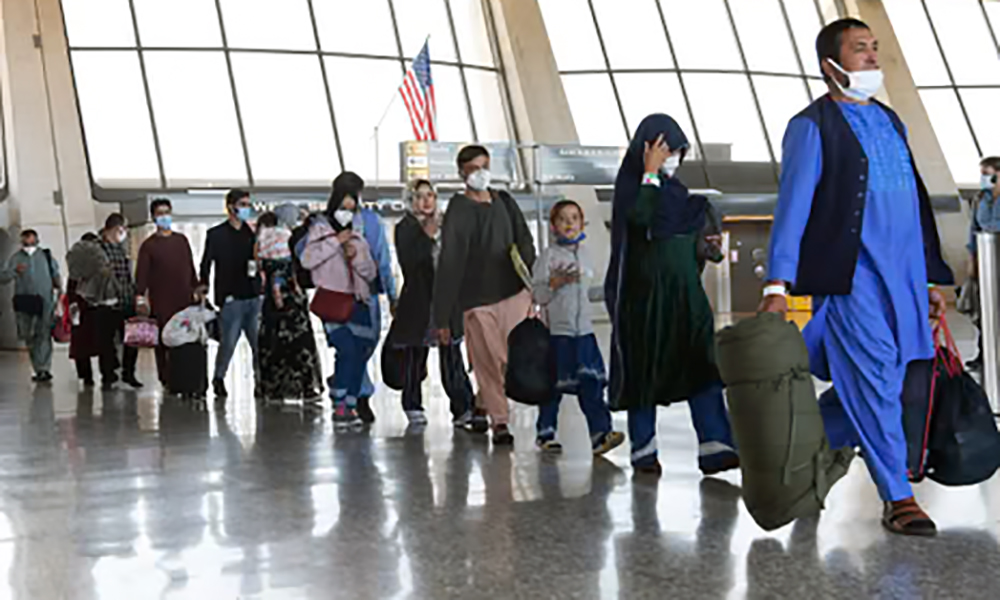
US judge temporarily blocks deportation of detained Afghans
-
 Climate Change4 days ago
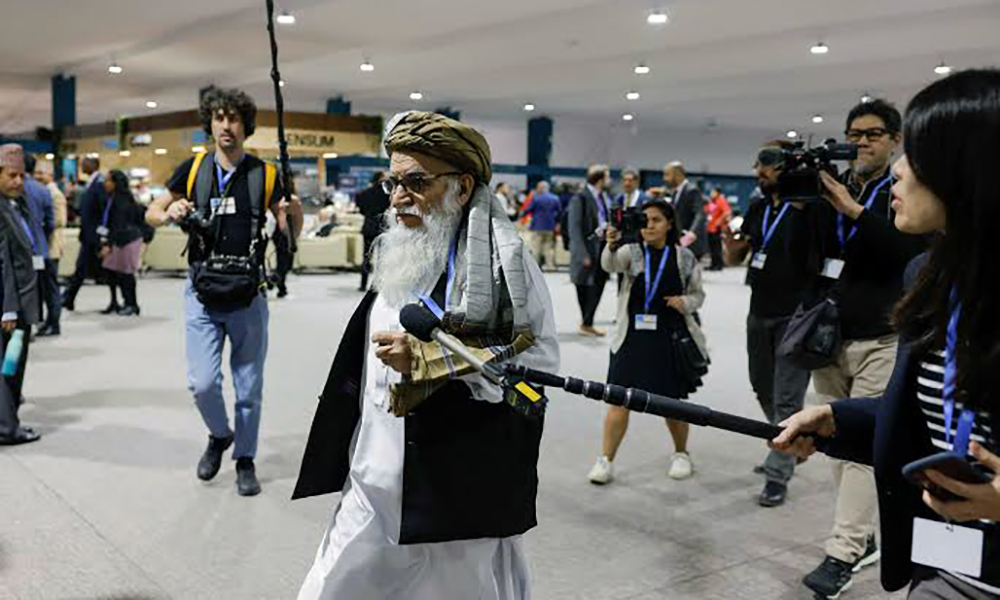
IEA to attend UN climate summit for second time since returning to power
-
 World4 days ago
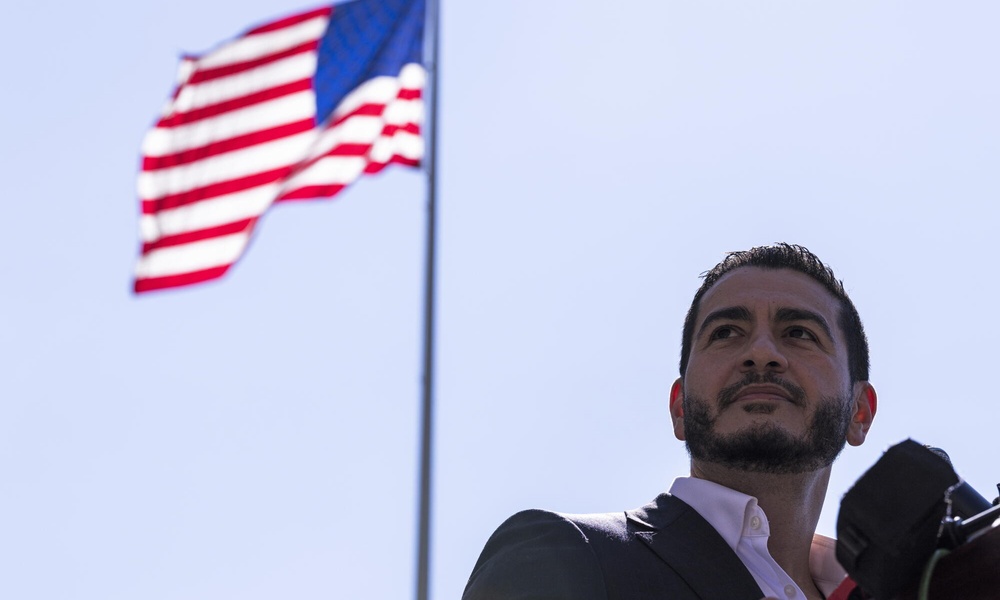
Democrat Abdul El-Sayed becomes first Muslim elected to US Senate
-
 Sport5 days ago
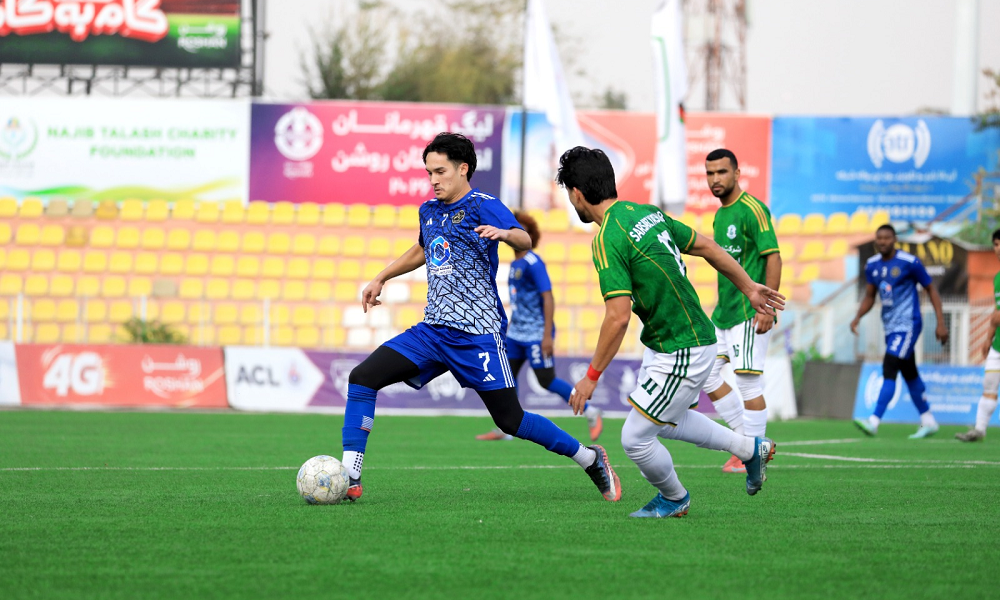
Arman FC secure 3-1 victory over Sarsabz Yashlar in ACL
-
 Climate Change5 days ago
Afghanistan outlines environmental priorities to international donors
-
 Business4 days ago
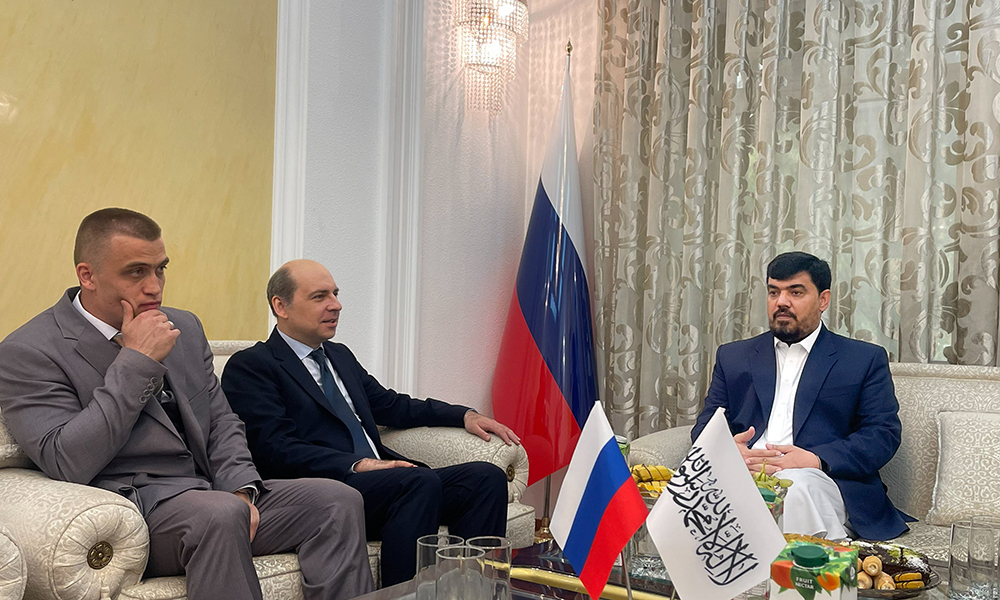
Afghanistan and Russia discuss expanding trade and investment ties
-
 Latest News4 days ago
Lavrov says Moscow Format remains key platform for Afghanistan talks